¤ 10+ minutes Read
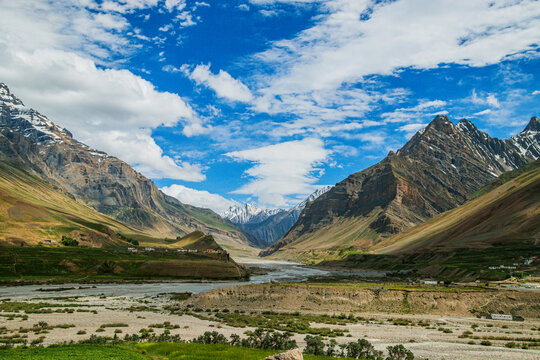
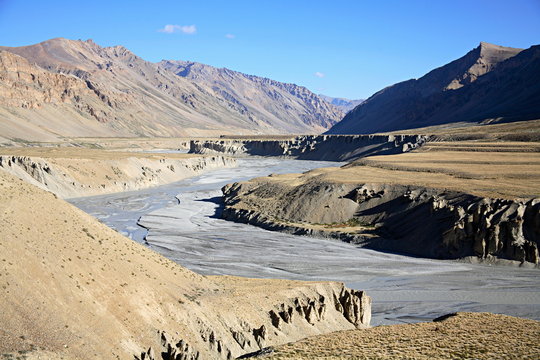
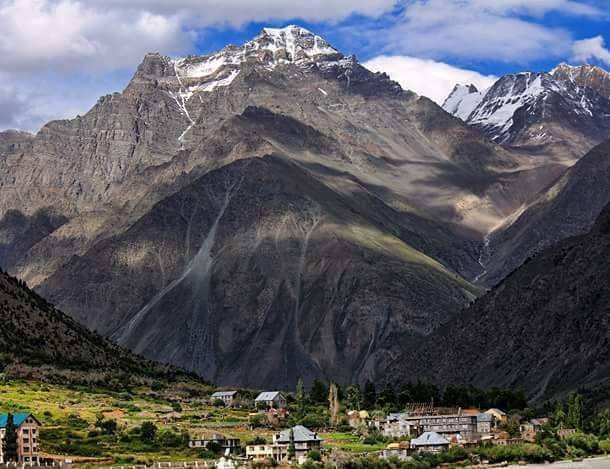
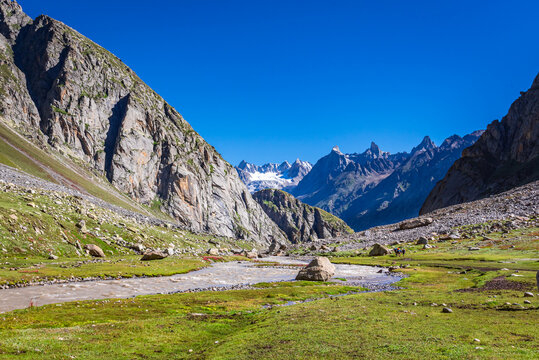
Lahaul and Spiti, a district in the Himalayas of Himachal Pradesh, is a cold desert mountain valley renowned for its stark, breathtaking landscapes, ancient Buddhist monasteries, and vibrant culture. Often described as a “world within a world,” this high-altitude region offers a unique blend of adventure, spirituality, and untouched natural beauty. Spiti, meaning “The Middle Land” (the land between Tibet and India), is particularly famous for its rugged terrain, while Lahaul offers lush green patches along the Chandra and Bhaga rivers.
Wiki Link: Lahaul and Spiti wiki page
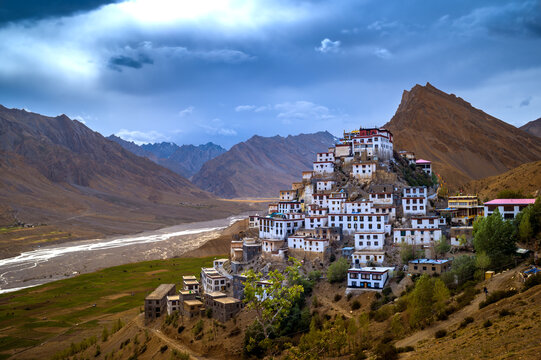
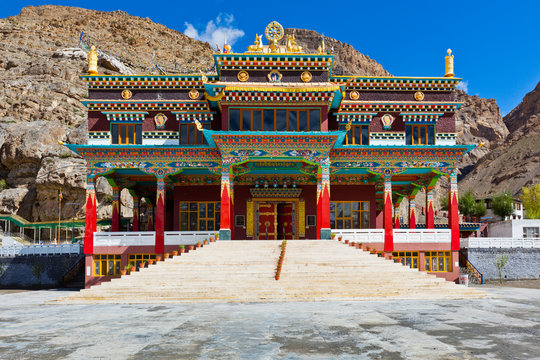
The largest and most famous monastery in Spiti, perched dramatically on a hilltop at 4,166 meters, offering panoramic valley views.
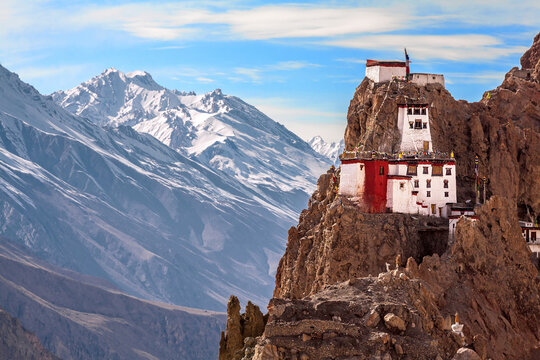
A 1,000-year-old monastery precariously perched on a cliff edge, overlooking the breathtaking confluence of the Spiti and Pin rivers.
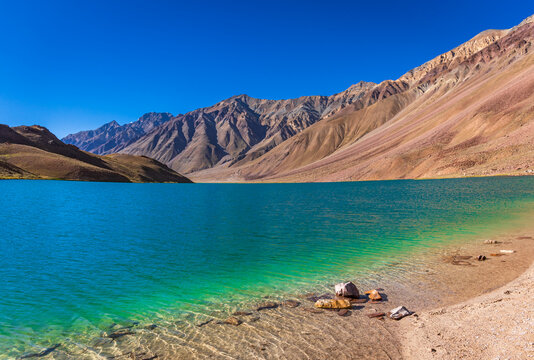
The mesmerizing crescent-shaped “Moon Lake” at 4,300 meters, a pristine high-altitude gem and trekker’s paradise near Kunzum Pass.
A stunning high-altitude cold desert park, home to rare wildlife like the snow leopard, Siberian ibex, and Himalayan wolf.
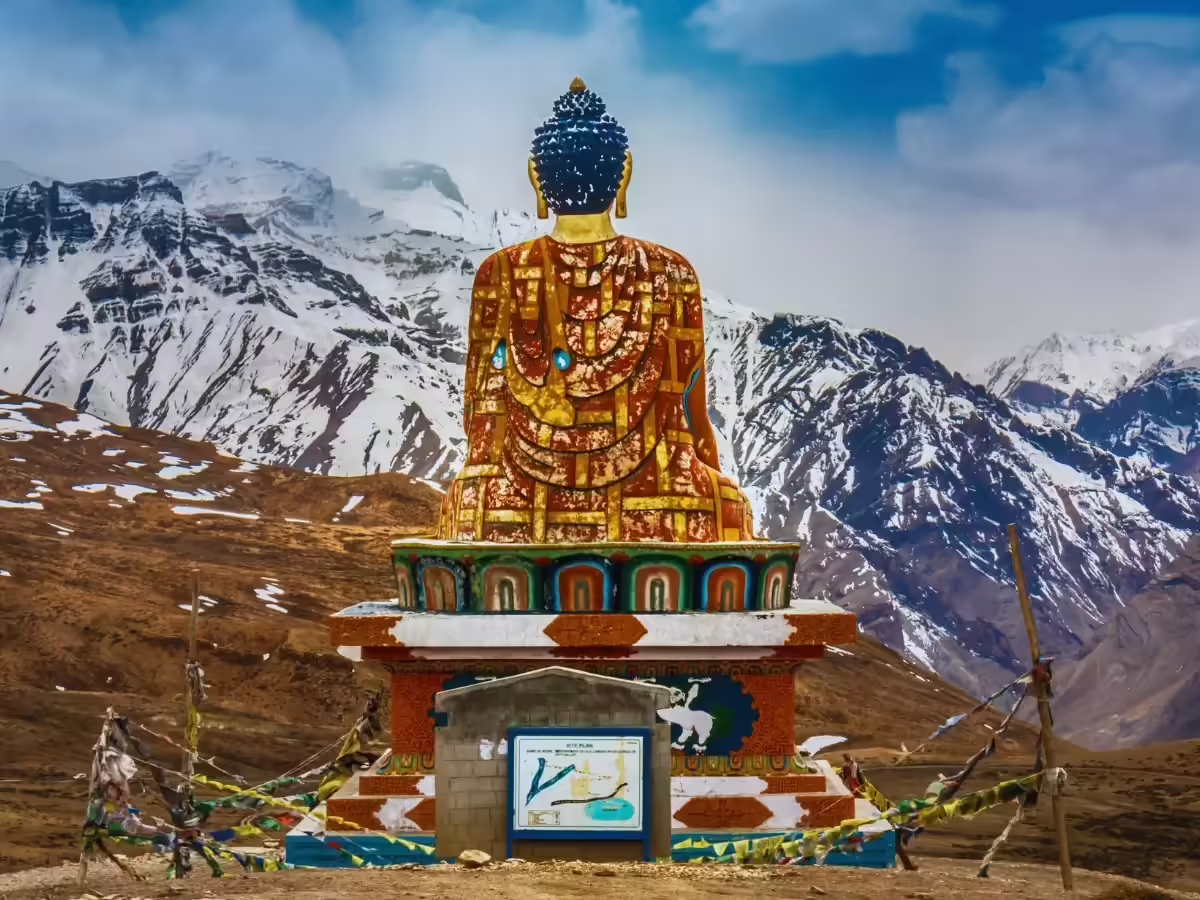
At 4,551 meters, this high mountain pass is the gateway from Lahaul to Spiti, dotted with colorful prayer flags and offering stunning peak views.
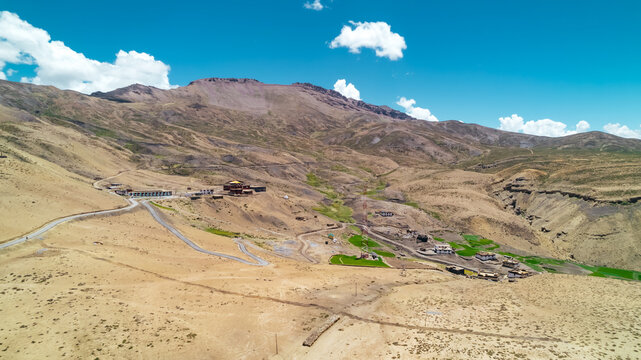
One of the highest motorable villages in the world, home to a beautiful monastery and offering stark, breathtaking high-desert landscapes.
The largest town and commercial hub of Spiti Valley, a perfect base for exploration with guesthouses, cafes, and stunning mountain views.
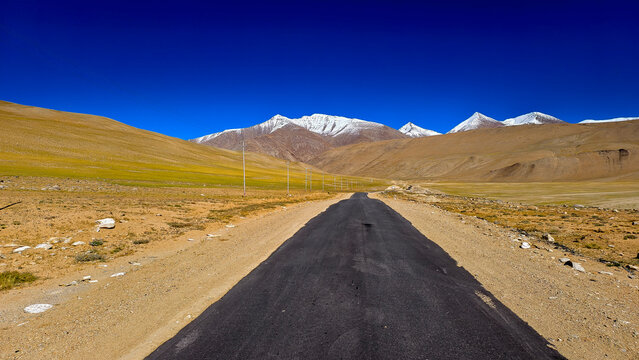
A popular high-altitude campsite on the Leh-Manali Highway, known for its breathtaking desert scenery and as a stopover for bikers and travelers.
Lahaul and Spiti is a destination for the soul and the adventurer. From exploring ancient monasteries to trekking across high-altitude passes, every moment is an unforgettable experience amidst the stark, majestic Himalayas.
Embark on a thrilling journey navigating hairpin bends, high mountain passes, and dramatic landscapes on the way to Kaza or Leh.
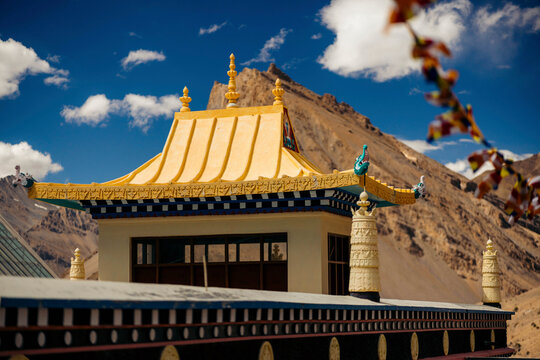
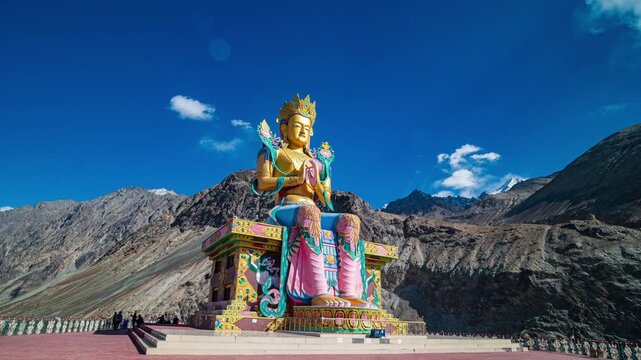
Visit ancient gompas like Key, Tabo, and Dhankar, admiring centuries-old murals and witnessing Buddhist monastic life.
Trek through breathtaking trails like Pin Parvati Pass and camp under star-lit skies in high-altitude deserts.
Experience vibrant Buddhist festivals like Losar (Tibetan New Year) or the Ladarcha fair, showcasing local culture and dance.
The culture of Lahaul and Spiti is deeply influenced by Tibetan Buddhism, reflected in its art, music, and dance. Festivals are vibrant, colorful, and filled with spiritual significance.
Buddhist Chanting
Traditional Folk Songs
Instrumental Music
The state is a major center for Hindustani classical music, with iconic gharanas like Gwalior and Banaras shaping its evolution. The soulful Thumri, Dhrupad, and Khayal styles are widely performed. Folk music, including the Chaiti and Birha genres, tells tales of love, devotion, and daily life.
Chham
Folk Dances
Masked Dance
Kathak is known for its intricate footwork, spins, and storytelling, Kathak has its roots in the temples of Varanasi and Lucknow. The state also celebrates vibrant folk dances like Ramlila, a dramatic performance of the Ramayana, and Rasiya, which is performed during festivals.
Lahaul and Spiti is not just a place; it’s a feeling. The vibe is one of profound peace and spiritual isolation. The air is thin, the landscape vast and barren, and the silence is broken only by the fluttering of prayer flags and the sound of mountain streams. Life here revolves around the monasteries and the changing seasons, offering a glimpse into a simple, deeply spiritual existence far removed from the chaos of modern life.
The heritage of this region is preserved within its ancient monasteries, which are living centers of Buddhist learning and art. Tabo Monastery, with its 1,000-year-old murals, is a UNESCO World Heritage Site contender. The architectural styles, from the cave temples to the fortress-like gompas, reflect a blend of Indian and Tibetan influences, telling stories of trade, pilgrimage, and cultural exchange along ancient Himalayan routes.
The cuisine is simple, hearty, and designed to provide warmth and energy in the cold, high-altitude desert. It heavily features Tibetan influences.
A hearty and warming noodle soup with vegetables or meat, the perfect comfort food for cold Himalayan evenings.
Steamed or fried dumplings filled with vegetables, cheese, or meat, served with a spicy dipping sauce – a ubiquitous and beloved local snack.
A traditional salty and buttery tea made with tea leaves and yak butter, essential for hydration and energy at high altitudes.
Roasted barley flour, a dietary staple often mixed with butter tea to form a quick, energy-rich dough-like meal.
Shopping in this remote region is a unique experience, focused on local handicrafts, Buddhist artifacts, and woolens.
Intricate religious paintings on cotton or silk depicting Buddhist deities, with Key Monastery and Tabo being great places to find authentic ones.
Colorful prayer flags, wooden prayer wheels, singing bowls, and other Buddhist ritual items that make for meaningful and spiritual souvenirs.
Warm, handwoven carpets, shawls, and blankets made from local wool featuring traditional Tibetan patterns and vibrant colors.
Silver and turquoise jewelry with intricate designs and Buddhist motifs, reflecting the region’s rich cultural links with Tibet.
The best time to visit Lahaul and Spiti is during the summer months, from June to September. During this period, the roads are open (especially after the snow melts from Rohtang and Kunzum Passes), the weather is pleasant, and all villages and monasteries are accessible. For snow lovers and those seeking solitude, the region can be visited in winter (December to February) for a truly extreme experience, but many roads are closed.
Private taxis and jeeps are the most common and flexible way to explore the region, especially for reaching remote villages. Shared jeeps operate on key routes like Kaza to Manali or Kaza to Reckong Peo. For the adventurous, motorbiking is a popular way to experience the landscape. Hitching rides on trucks is also an option for backpackers. Hiring a local driver is highly recommended due to the challenging terrain and unpredictable weather.
Overcharging for Taxis: Agree on the fare beforehand for any taxi or jeep rental. Be wary of quotes that seem too good to be true.
Fake Homestays: Book accommodations through reputable platforms or personal recommendations. Touts at bus stands may direct you to overpriced or poor-quality lodgings.
Unreliable Guides: For treks, hire guides only through registered trekking agencies. Verify their credentials before starting.
Petrol/Diesel Scams: Fuel is expensive and sometimes scarce. Fill up whenever you get a chance. At some remote pumps, there have been instances of adulteration or short-measuring.
Permit Issues: Some areas like parts of Pin Valley and near the border require special permits (Inner Line Permits for foreigners). Ensure you obtain these legally from the District Magistrate's office in Kaza or Reckong Peo, not through unofficial agents.
Wildlife Safari Scams: For visits to Pin Valley National Park, ensure you hire a registered guide and vehicle through the forest department or authorized agencies.
Himachal Pradesh Cultural Guide
Places to Visit in Lahaul and Spiti
Places to Visit Nearby Lahaul and Spiti
India’s Most Popular High-Altitude Destinations
A Complete Travel Guide to Spiti Valley
Top Buddhist Monasteries in the Himalayas
Road Trip Guide: Manali to Leh via Lahaul and Spiti