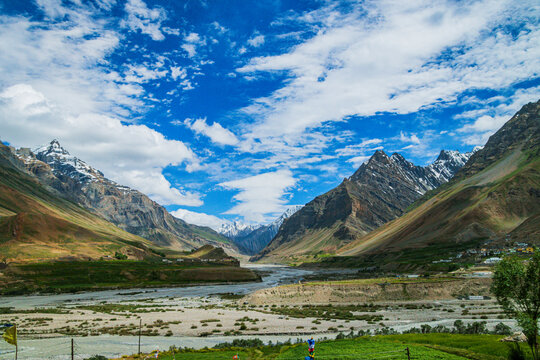
Cradled in the trans-Himalayan desert, Lahaul and Spiti – Himachal Pradesh offers surreal experiences for every traveler. Discover ancient monasteries, high-altitude villages, and breathtaking barren landscapes among the top places to visit in Lahaul and Spiti.
Keylong
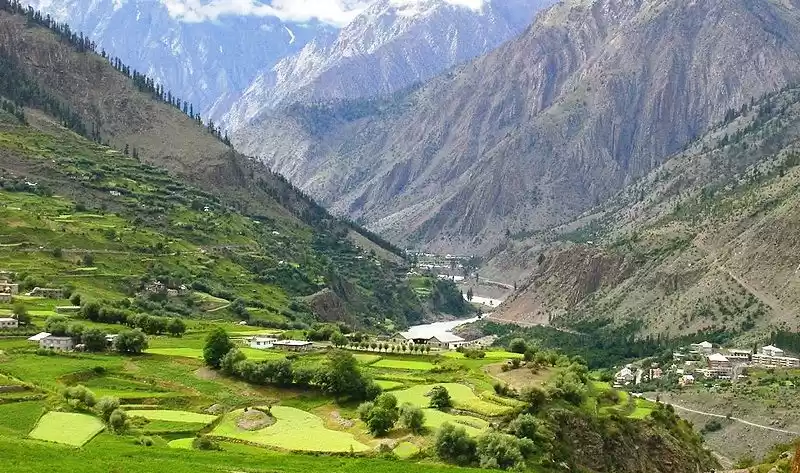
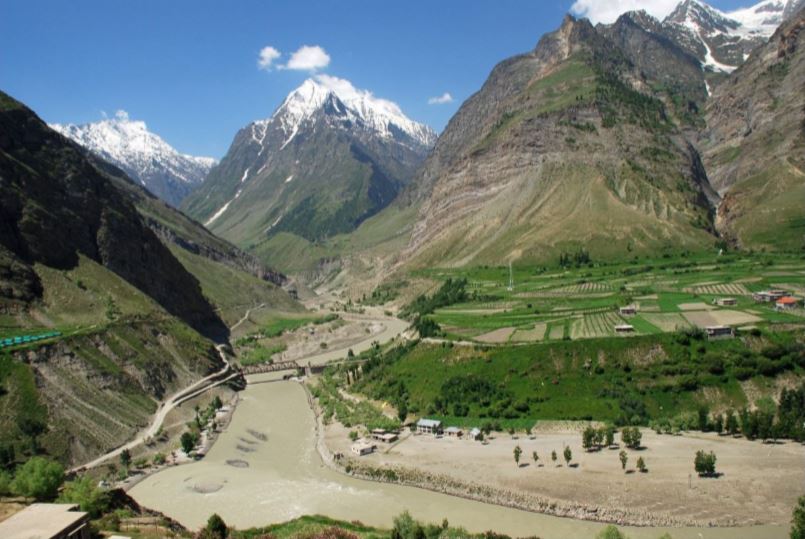
Keylong serves as the district headquarters of Lahaul and Spiti, nestled at an altitude of 3,080 meters along the banks of the Bhaga River. This scenic town acts as a vital halt for travelers journeying between Manali and Leh, offering basic amenities and guesthouses. The surrounding landscape features barren mountains dotted with sporadic patches of green, creating a stark yet beautiful contrast.
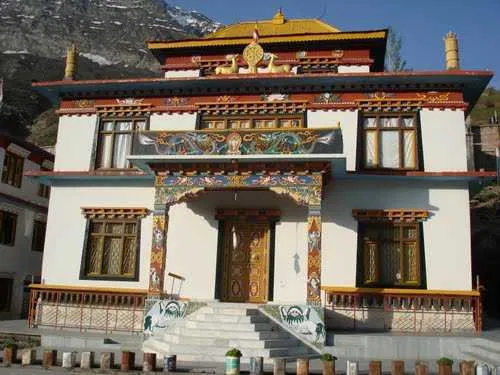
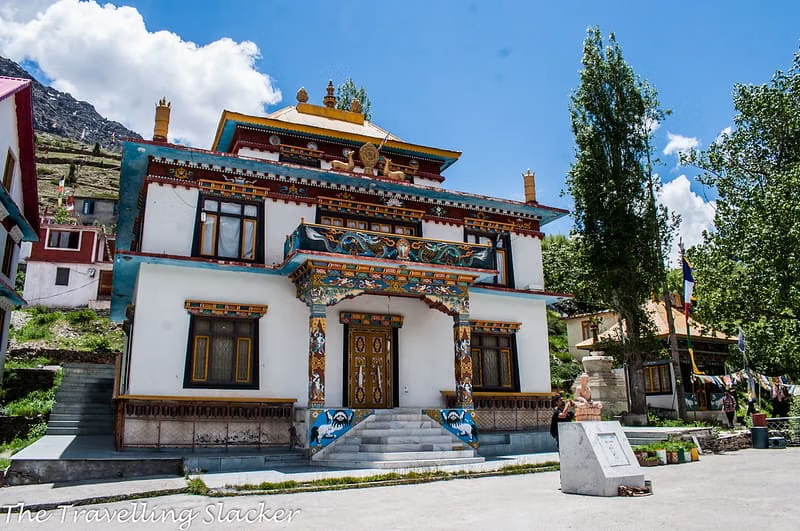
From Keylong, visitors can explore several ancient monasteries including Kardang and Shashur, which showcase traditional Tibetan Buddhist architecture.
Kaza
The largest town in Spiti Valley, serving as a base for exploring the region’s high-altitude villages.
Jispa
A picturesque village on the banks of the Bhaga River, famous for camping and as a stopover for trekkers.
Darcha
The last roadhead village before the legendary trek to Padum in Zanskar begins.
Udaipur
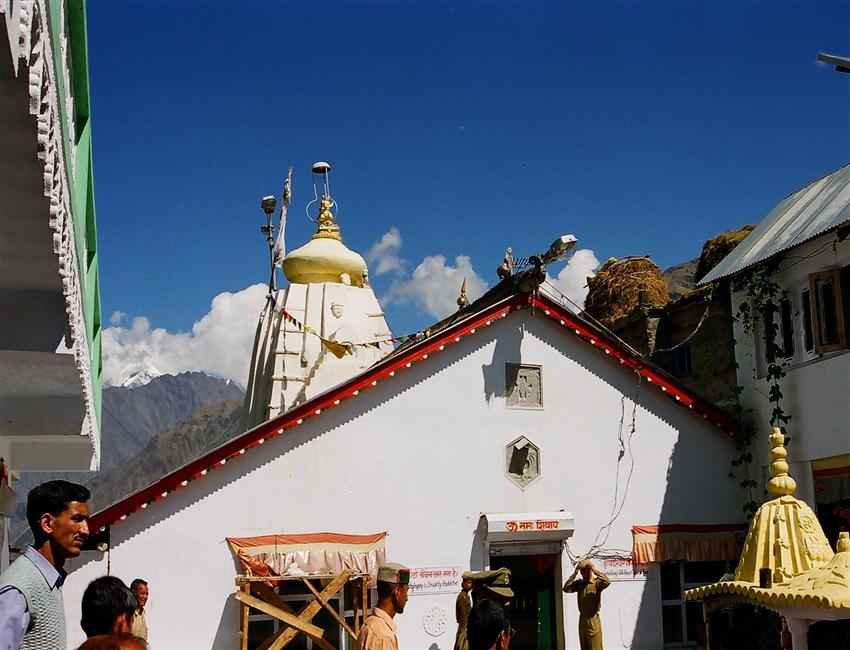
A quaint town known for its apple orchards, lush green fields, and the Mrikula Devi Temple.
Tabo
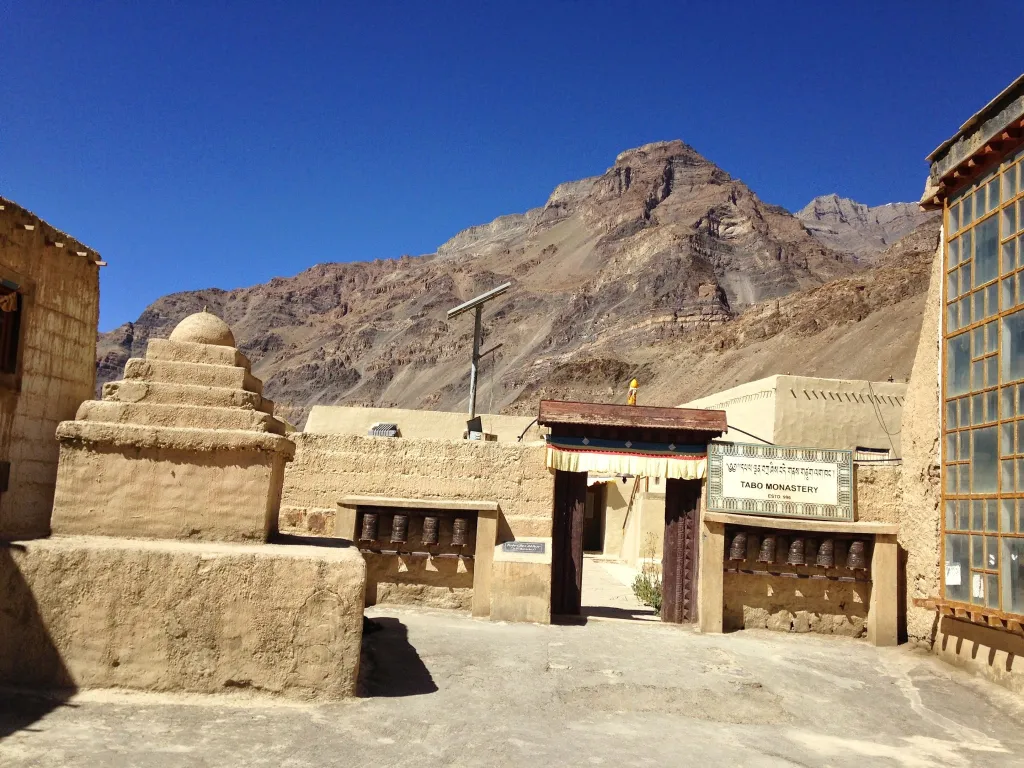
Tabo is home to one of the most important Buddhist monasteries in the Himalayas, founded in 996 AD by the great translator Rinchen Zangpo. Often referred to as the “Ajanta of the Himalayas,” the Tabo Monastery complex contains nine temples, numerous chortens, and exquisite frescoes depicting Buddhist mythology.
The monastery holds UNESCO World Heritage Site consideration status and contains invaluable ancient manuscripts and thankas. The surrounding village features traditional mud-brick houses and provides a peaceful atmosphere for spiritual contemplation.
Dhankar
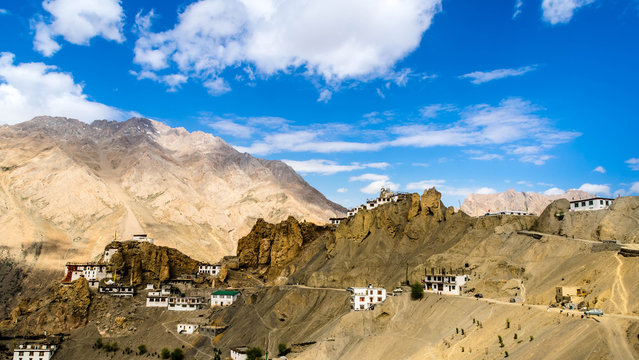
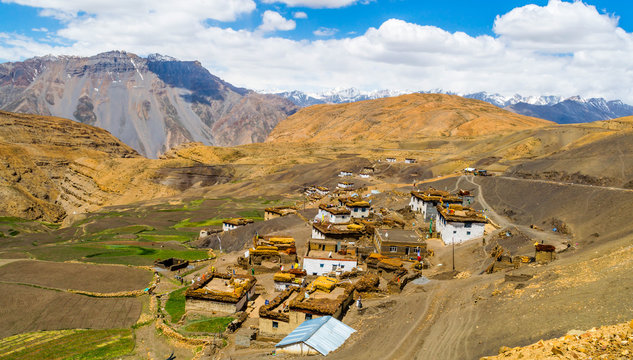
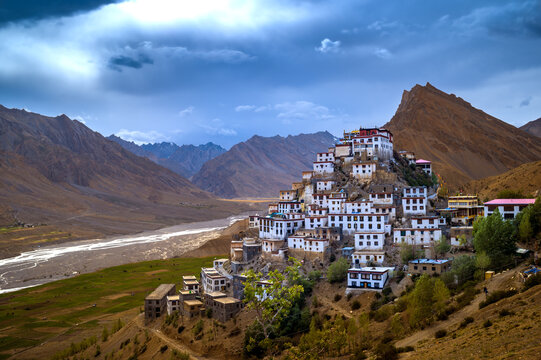
Dhankar village dramatically perches on a cliff edge at 3,894 meters, overlooking the confluence of the Spiti and Pin Rivers. The 1,000-year-old Dhankar Monastery seems to grow organically from the rocky outcrop, serving as both a fortress and religious center for centuries.
This strategic location once protected the rulers of Spiti, while today it offers visitors breathtaking panoramic views of the valley below. The monastery houses ancient murals, a significant statue of Vairocana, and serves as a vital cultural repository for the region.
Komic
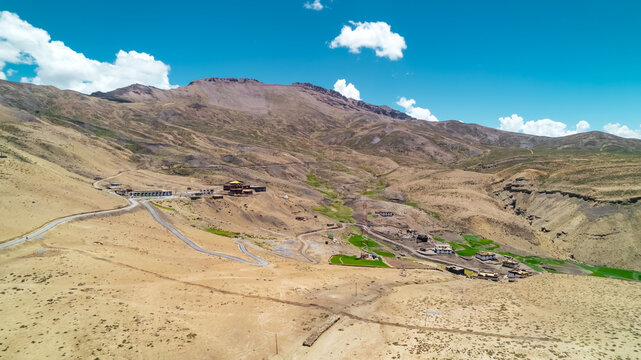
One of the highest motorable villages in the world, known for its serene monastery and stark landscapes.
Langza
A high-altitude village famous for the giant Buddha statue and abundant marine fossils.
Hikkim
Home to the world’s highest post office, allowing visitors to send mail from the top of the world.
Losar
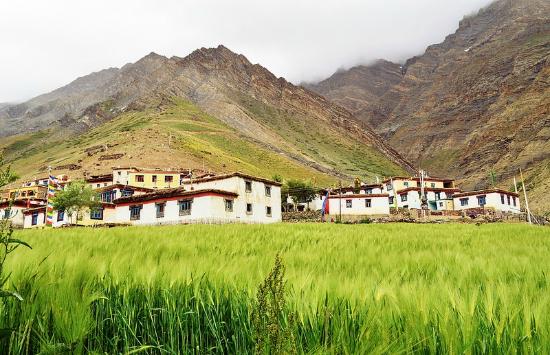
Losar marks the entrance point to Spiti Valley after crossing the challenging Kunzum Pass, sitting at an impressive altitude of 4,079 meters. This small village features traditional Spitian homes constructed from stone and mud, with colorful prayer flags fluttering in the constant mountain breeze.
The wide, flat valley floor here provides rare agricultural land where hardy crops like barley and peas are cultivated during short summers. Losar serves as a vital rest stop for travelers, offering basic accommodation and a chance to acclimatize before venturing deeper into Spiti.
Rangrik
Rangrik is a small but strategically important village located just a few kilometers from Kaza along the Spiti River. This settlement houses one of the few petrol pumps in the entire Spiti Valley, making it an essential refueling point for travelers exploring the region.
The village features traditional architecture with whitewashed Buddhist chortens dotting its landscape. Local families here practice agriculture on limited terraced fields, cultivating crops adapted to the harsh high-altitude desert conditions.
Kardang Monastery
Kardang Monastery stands as the largest and most important Buddhist monastery in Lahaul, perched on a hill overlooking the Bhaga River near Keylong. This Gelugpa sect monastery dates back to the 12th century, though the current structure was rebuilt after a devastating fire in the 19th century.
The monastery houses an extensive collection of Buddhist scriptures, thankas, musical instruments, and a renowned library of Tibetan texts. Visitors can witness daily prayers and enjoy sweeping views of the Keylong Valley from the monastery’s elevated position.
Triloknath Temple
A revered shrine blending Buddhist and Hindu architecture, dedicated to Avalokiteshwara.
Shashur Monastery
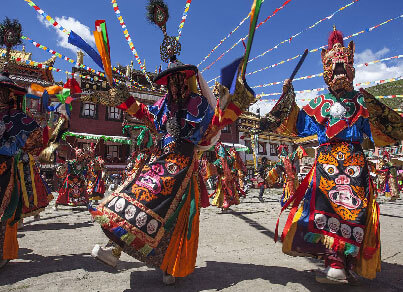
A Gelugpa monastery near Keylong, famous for its annual Cham dance festival.
Gemur Monastery
A historic monastery between Keylong and Jispa, known for its Buddhist paintings and thankas.
Tandi
The location of the confluence of the Chandra and Bhaga rivers, marking the start of the Chenab River.
Kunzum Pass
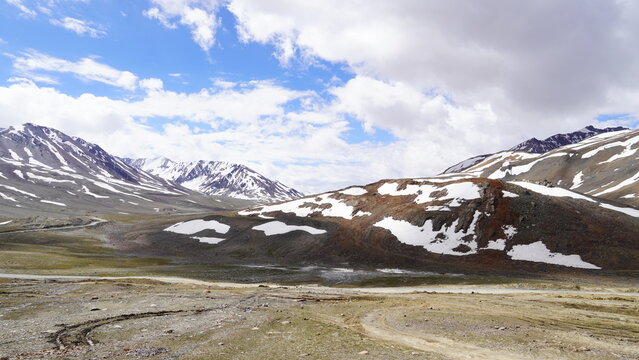
Kunzum Pass stands at a formidable altitude of 4,590 meters, serving as the dramatic gateway between Lahaul and Spiti valleys.
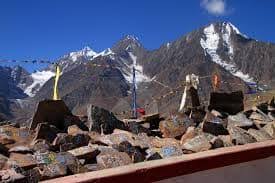
This high mountain pass remains open only during summer months, typically from June to October, and is adorned with colorful prayer flags that devotees believe carry blessings with the wind. A small temple dedicated to the local deity Goddess Kunzum Devi sits at the pass, where travelers traditionally seek blessings for a safe journey. The surrounding landscape features barren mountains and occasional glimpses of the Bara-Shigri glacier in the distance.
Chandrataal Lake
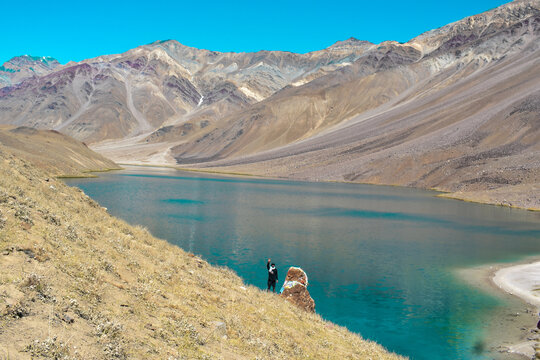
A crescent-shaped high-altitude lake, considered sacred and a stunning trekking destination.
Suraj Taal
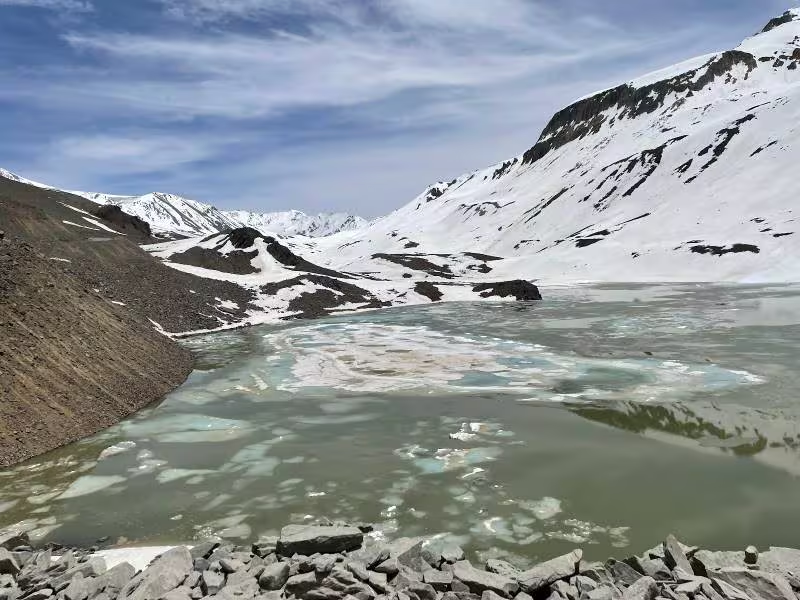
A small, pristine lake near the Kunzum Pass, accessible via a short trek.
Mudh Village
The last village in the Pin Valley, a starting point for treks and surrounded by dramatic cliffs.
Pin Valley National Park
Pin Valley National Park encompasses a stunning cold desert ecosystem within the trans-Himalayan region of Spiti. This protected area provides critical habitat for endangered species including the elusive snow leopard, Himalayan ibex, and Tibetan wolf. The park features dramatic landscapes of deep gorges, barren cliffs, and the meandering Pin River cutting through the valley.
Visitors can explore traditional villages like Mudh within the park boundaries while experiencing one of the highest-altitude protected areas in the country.
Dhankar Lake
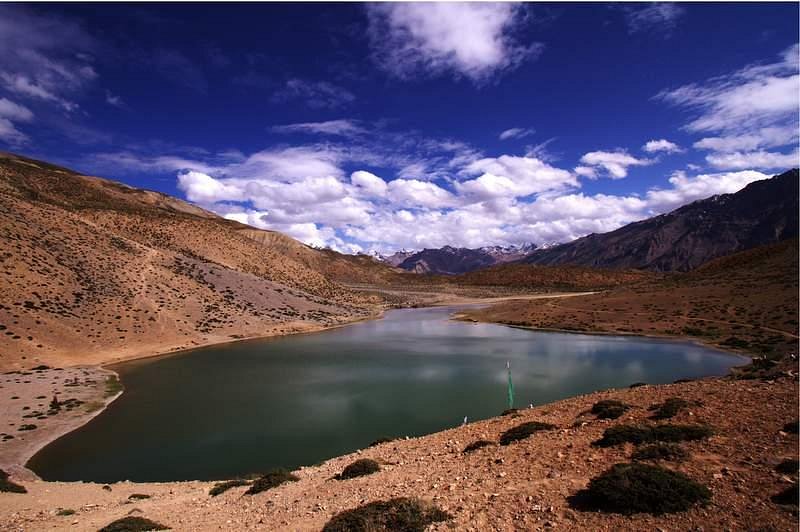
Dhankar Lake sits as a sacred high-altitude water body located a steep hour-long trek above the famous Dhankar Monastery. Local Buddhist communities consider this small but serene lake holy, believing it to be the abode of protector deities. The challenging climb rewards trekkers with spectacular panoramic views of the Spiti Valley and surrounding snow-capped peaks.
During winter months, the lake freezes completely, creating a stunning white expanse against the stark brown mountains.