
¤ 10+ minutes Read
Palampur
A complete tourist and cultural guide
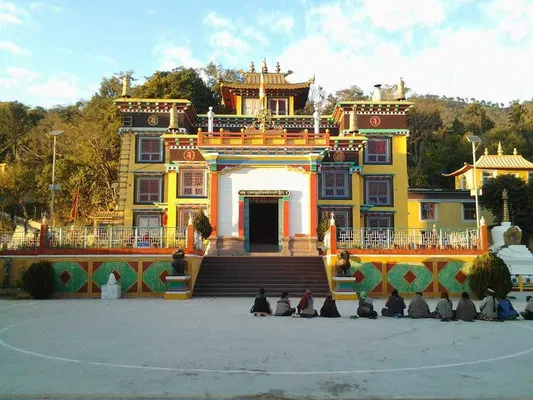
Palampur, often called the “Tea Capital of North India,” is a picturesque hill station in Himachal Pradesh’s Kangra Valley. Nestled at an altitude of 1,220 meters, this tranquil destination is famous for its sprawling tea estates, pine forests, and breathtaking views of the snow-capped Dhauladhar range. Known as the “Green Valley” among travel enthusiasts, Palampur offers a perfect blend of natural beauty, colonial-era architecture, and Tibetan Buddhist culture, captivating nature lovers, trekkers, and peace seekers from around the world.
Wiki Link: Palampur wiki page
Must-Visit Attractions in Palampur
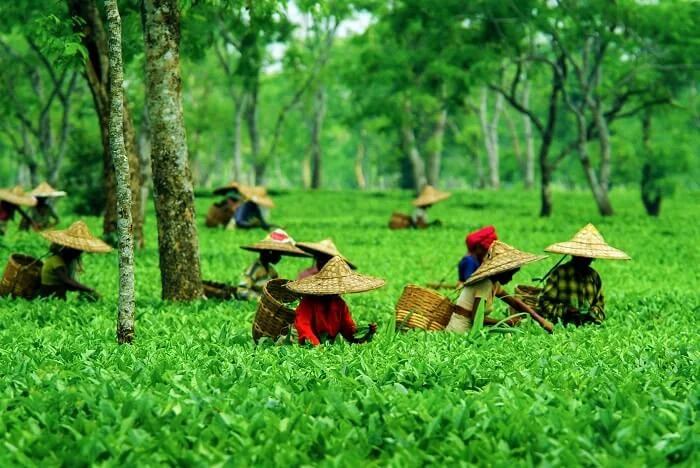
Palampur Tea Gardens
Vast, lush green tea plantations across rolling foothills offering guided tours, tea tasting, and stunning Himalayan backdrops.
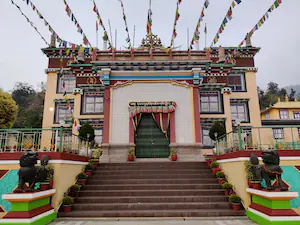
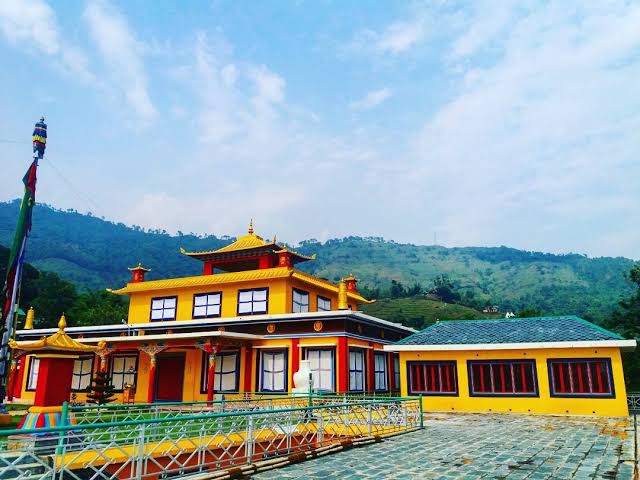
Tashi Dingka Monastery
A serene Tibetan Buddhist monastery featuring colorful prayer flags, intricate thangka paintings, and the peaceful chanting of monks.
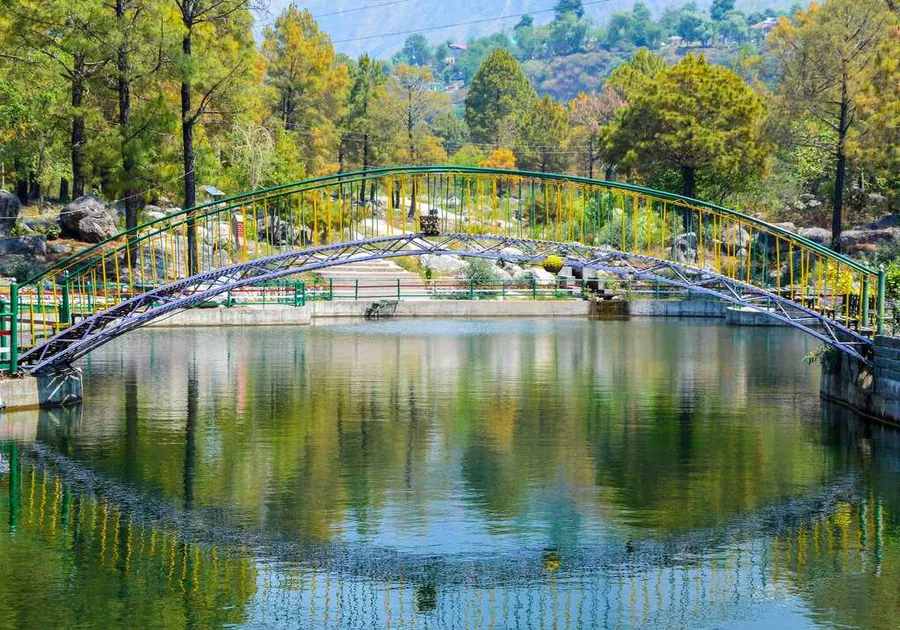
Saurabh Van Vihar
A beautiful city park along a stream, perfect for morning walks, picnics, and views of the Dhauladhar range.

Andretta Artists' Village
A unique cultural hamlet established by Irish painter Norah Richards, now home to pottery studios, art galleries, and a museum.
Major Attractions Nearby Palampur
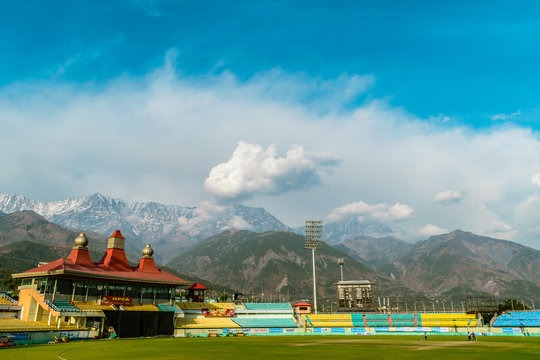
Dharamshala
The seat of the Dalai Lama featuring Namgyal Monastery, Tsuglagkhang Temple, and Bhagsu Falls, located about 35 km away.
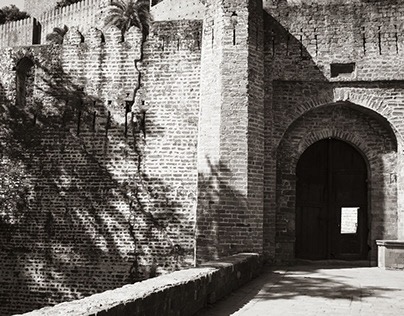
Kangra Fort
One of the oldest and largest forts in India, offering panoramic views of the Banganga and Patalganga river confluence.
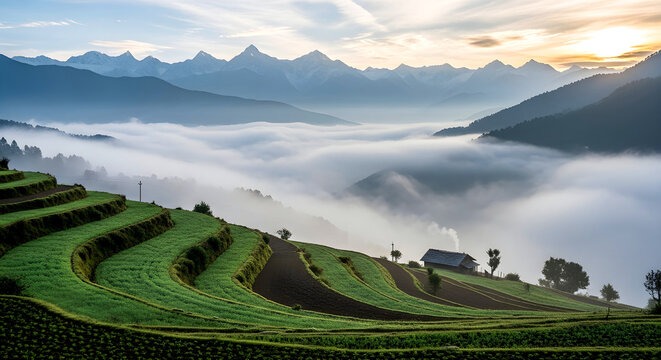
Kangra Valley
A picturesque valley dotted with ancient temples, including the famous Brajeshwari Devi Shakti Peetha, about 30 km away.
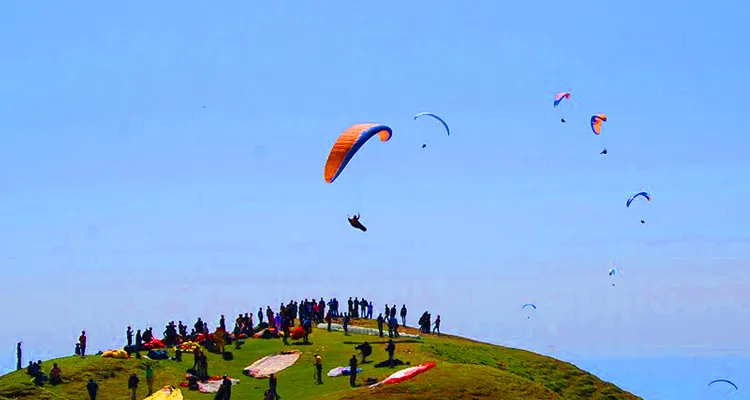
Bir Billing
India’s premier paragliding destination offering tandem flights over stunning valleys, located approximately 60 km from Palampur.
Things to do in Palampur
Experience the tranquil beauty, colonial charm, and Tibetan cultural richness of this Himalayan gem. From walking through tea gardens to paragliding over valleys, Palampur offers a soulful and adventurous journey.
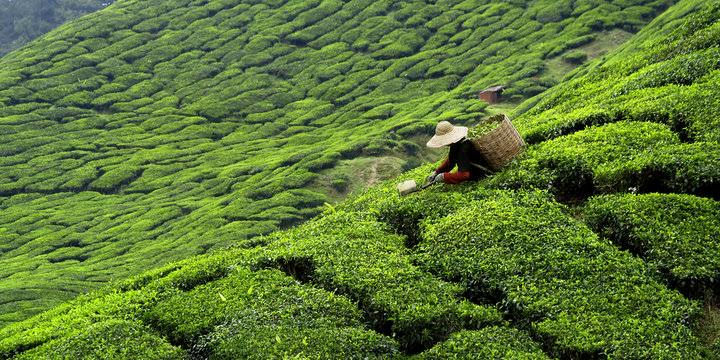
Walk Through the Tea Gardens
Stroll through lush tea estates, learn about tea processing, and sample freshly brewed Kangra tea overlooking the Himalayas.
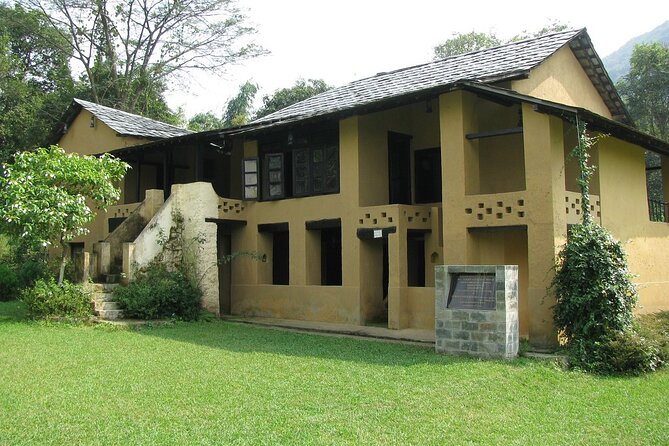
Visit the Andretta Artists' Village
Explore this unique village founded by Norah Richards, watch potters at work, and visit art galleries and a museum.
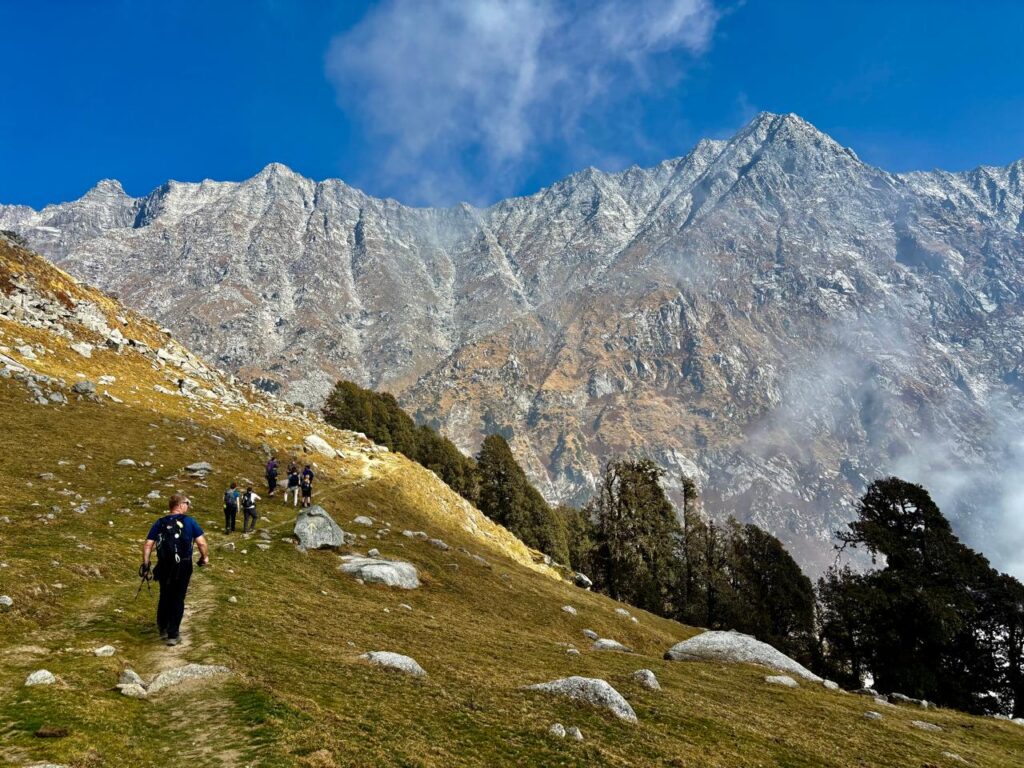
Trek to the Dhauladhar Foothills
Embark on a short trek through pine forests, streams, and villages with stunning mountain views at every turn.
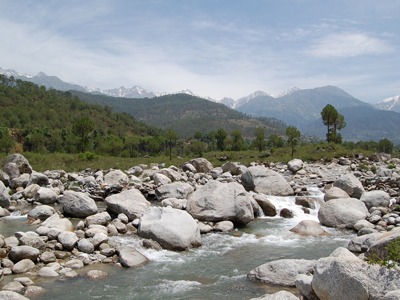
Photograph the Neugal Khad Gorge
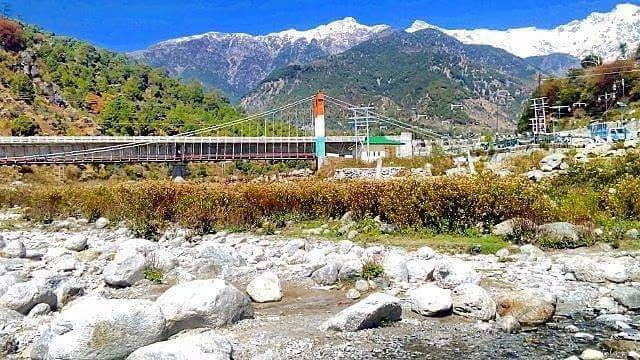
Visit the suspension bridge during late afternoon to capture the gorge, rushing water, and peaks lit by golden sunlight.a
The Performing Art of Palampur
A serene hub for performing arts, deeply influenced by its Himalayan setting and Tibetan Buddhist presence. The region has a rich tradition in folk music, dance, and ritualistic performances, with local artists drawing inspiration from the majestic Dhauladhar range and the peaceful monastery ambiance. Traditional folk music forms like Kangri Dhol and Jhoori, featuring instruments like the dhol, shehnai, and flute, are deeply rooted in the Kangra Valley’s cultural identity. Nati and Gaddi dance forms also flourish here, often performed during festivals, weddings, and harvest celebrations, embodying the joyful spirit of Himachali village life. Tibetan Buddhist masked dances (Chham) and chanting add a unique spiritual dimension to the region’s artistic legacy, preserving traditions that continue to inspire generations.
Music Forms
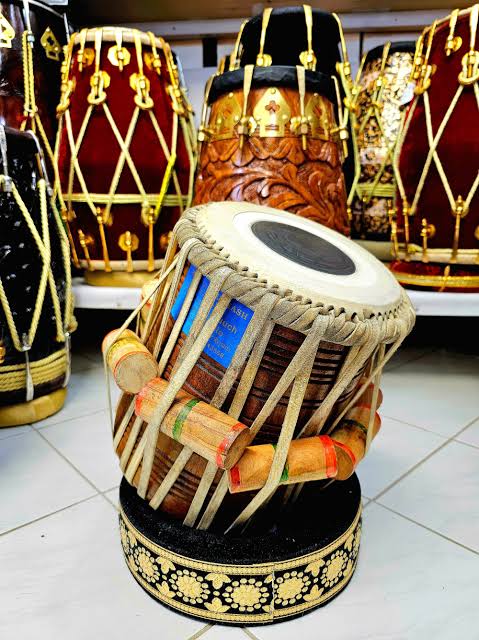
Kangri Dhol
Jhoori
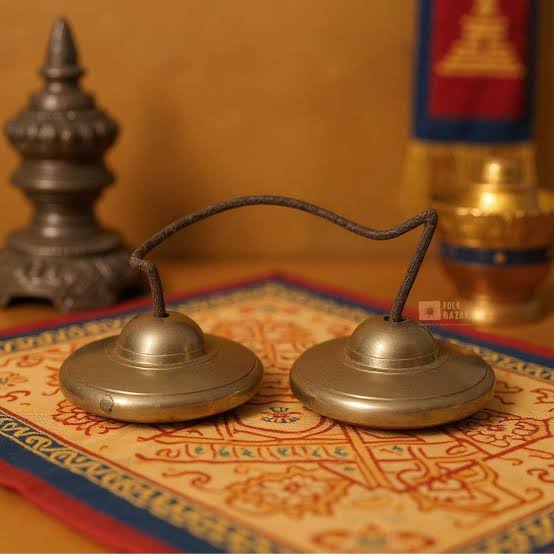
Buddhist Chanting
The region is a major center for traditional Himachali folk music, with iconic styles like Kangri Dhol and Jhoori shaping its cultural identity. The soulful melodies of Jhoori, often sung by young men and women in the hills, express themes of love, separation, and longing, while the powerful, rhythmic beats of the Kangri Dhol accompany weddings and harvest celebrations. Folk music, including the energetic Kullu Nati and devotional Bhajan Mandali, tells tales of mountain life, devotion to local deities, and the timeless beauty of the Himalayan landscape.
Dance Forms

Nati
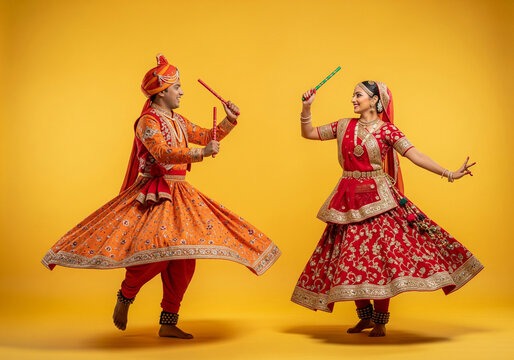
Gaddi Dance
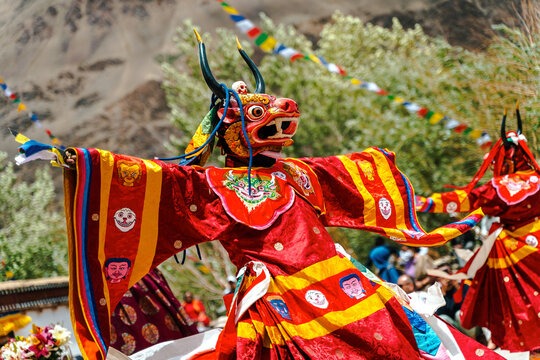
Chham
The region is a major center for traditional Himachali folk dance, with iconic forms like Nati and Gaddi dance shaping its cultural identity. The graceful, circular movements of Nati, performed by men and women during festivals and weddings, are accompanied by the rhythmic beats of the dhol and shehnai, creating a joyful, celebratory atmosphere. Folk dances, including the energetic Gaddi dance mimicking sheep and goats and the Tibetan Buddhist Chham with its colorful masks, tell stories of shepherd life, religious devotion, and the triumph of good over evil.
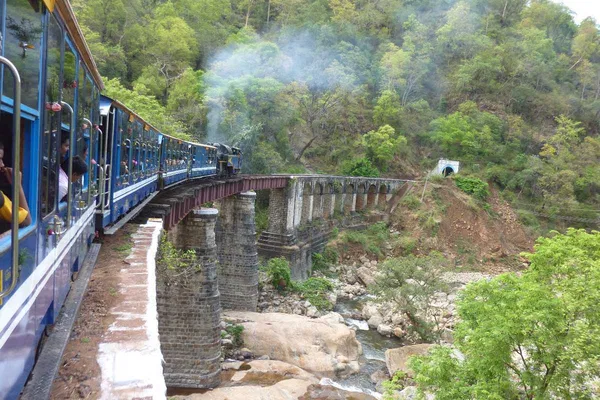
City Vibes - Tranquil Colonial Charm in the Kangra Valley
Palampur exudes a relaxed, old-world charm that sets it apart from the crowded hill stations of Himachal. The town still retains its colonial character, with old churches, bungalows, and a laid-back pace of life. The air is fresh with the scent of tea leaves and pine forests, while the Dhauladhar range looms majestically to the east, often dusted with snow. Days are spent walking through tea gardens, visiting monasteries, or simply sitting at a café watching the clouds roll over the peaks. It is a destination for those seeking peace, natural beauty, and an authentic Himachali experience without the tourist crowds of Manali or Shimla.
Heritage of Palampur
Palampur’s heritage is shaped by its colonial past and its deep connection to Tibetan Buddhism. The town was developed by the British in the 19th century as a hill station and sanatorium, with tea cultivation introduced in the mid-1800s by Dr. Jameson, a British botanist. The Kangra Valley Tea, grown in Palampur’s estates, was once considered superior to Darjeeling tea and won awards in London. The region is also significant in Hindu mythology, with the nearby Baijnath Temple being one of the 12 Jyotirlinga-associated shrines (Lord Shiva as Vaidyanath). After the arrival of Tibetan refugees following 1959, Palampur became a center of Tibetan Buddhist culture, with monasteries and institutions preserving ancient art forms. Today, the town’s heritage is a unique blend of British colonial architecture, Hindu temple traditions, and Tibetan Buddhist influences.
Cuisine of Palampur
The cuisine of Palampur is traditional Himachali food, known for its earthy flavors, generous use of lentils and red meat, and distinctive dishes influenced by Tibetan and Punjabi traditions.
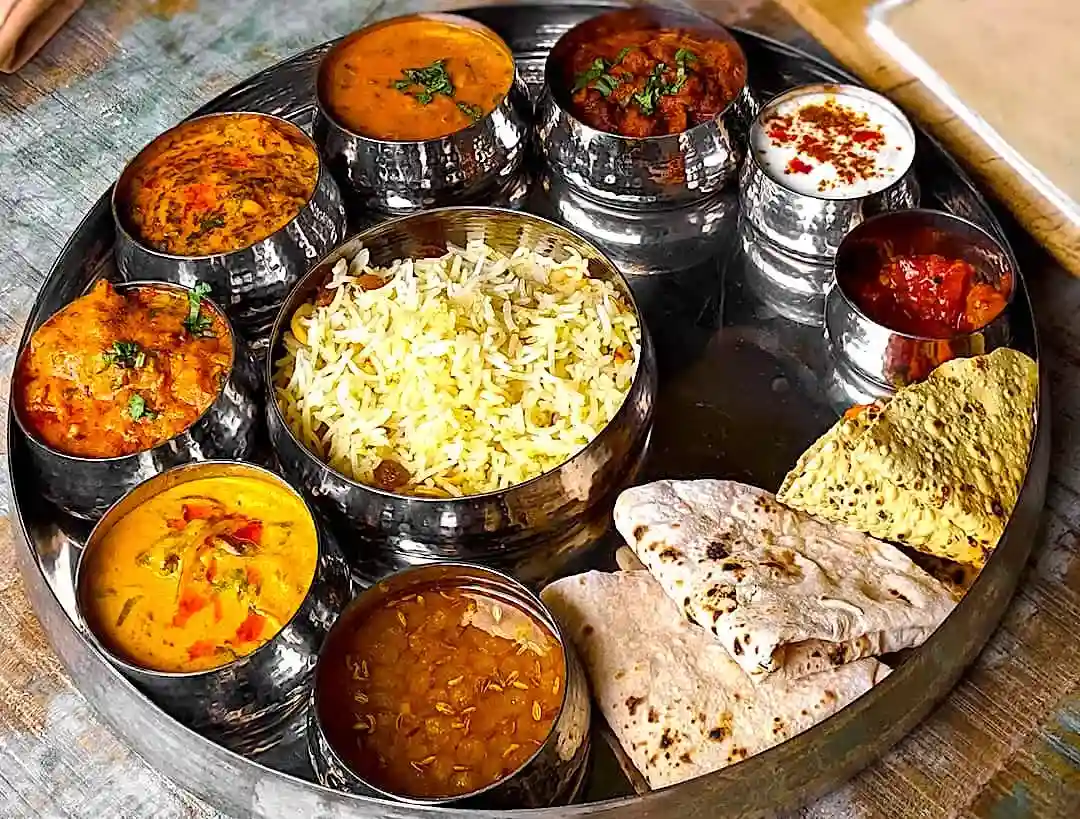
Dhaam
A traditional festive meal served on leaf plates (pattal), featuring rice, dal, curd, boondi, and a sweet dish like kheer, prepared by special Brahmin cooks called botis.

Kachori Sabzi
A signature Kangra dish made from soaked chickpeas or kidney beans cooked in a rich, yogurt-based gravy flavored with cardamom, cloves, cinnamon, and ghee.

Kullu Trout Fish
Fresh trout fish from the nearby streams, marinated with local spices and pan-fried or grilled to perfection, served as a specialty in local Himachali dhabas.
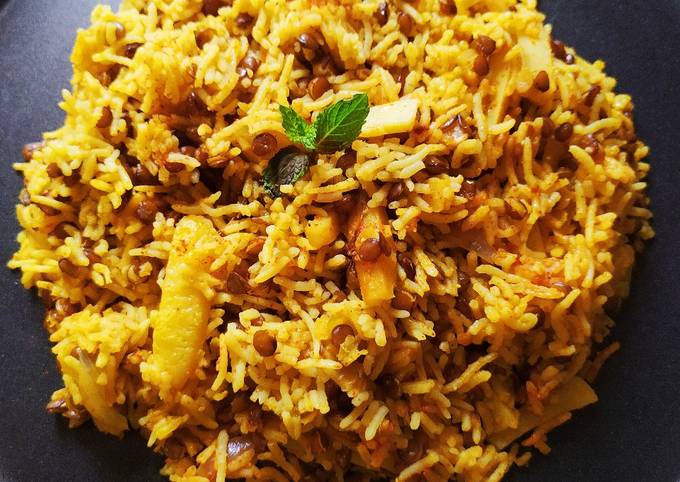
Tudkiya Bhath
A fragrant, spiced rice dish similar to biryani, cooked with potatoes, lentils, and local spices, often served alongside dhaam during festive occasions.
Shopping in Palampur
Shopping in Palampur is centered around Tibetan handicrafts, Kangra tea, and locally made woolens, offering authentic souvenirs from the region.
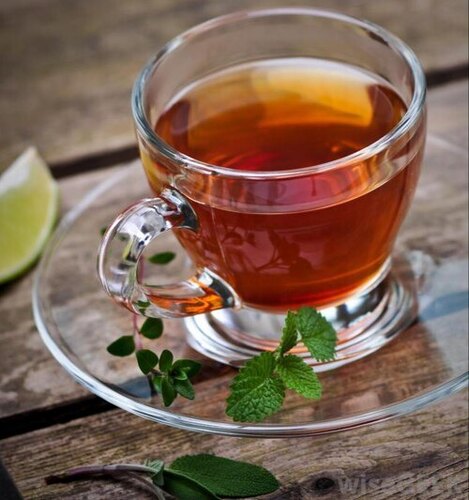
Kangra Tea
Freshly packed tea from local Palampur tea estates, available in black, green, and orthodox varieties, known for its distinct muscatel flavor and golden liquor.
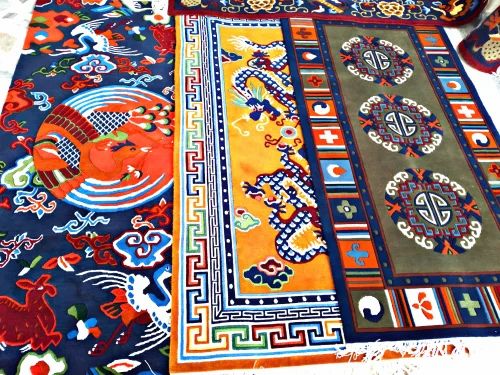
Tibetan Carpets & Rugs
Hand-knotted woolen carpets and rugs featuring traditional Buddhist motifs, geometric patterns, and vibrant colors, available at Tibetan handicraft centers.
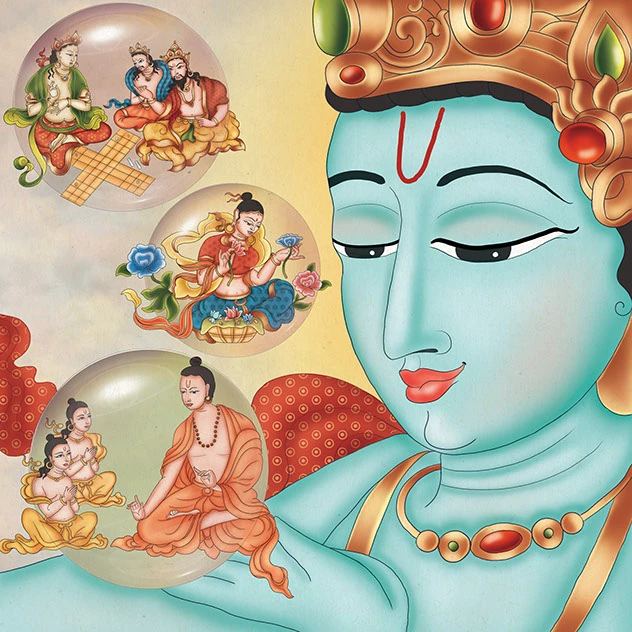
Thangka Paintings
Intricate, hand-painted Buddhist scroll paintings depicting deities, mandalas, and the Wheel of Life, created by Tibetan artists using natural mineral pigments.

Pashmina & Woolen Shawls
Authentic pashmina and merino wool shawls, scarves, and stoles, often handwoven with traditional patterns, available at local emporiums and Tibetan refugee workshops.
Tourist's Handbook
The best time to visit Palampur is from March to June and September to November. Spring and summer (March-June) offer pleasant temperatures between 15°C and 30°C, clear skies, and stunning views of the Dhauladhar range, making it ideal for tea garden walks and sightseeing. Autumn (September-November) brings crisp, clear air, spectacular mountain visibility, and colorful foliage, though evenings can be chilly. The monsoon (July-August) brings heavy rainfall, which can cause landslides and road closures, making travel difficult; the tea gardens are lush but views are often obscured. Winter (December-February) is cold with temperatures dropping to 0°C to 10°C; occasional snowfall occurs on the higher slopes, and the Dhauladhar peaks are at their most beautiful.
- Dress in Layers for Mountain Weather – Himalayan weather changes rapidly; wear layers and carry a waterproof jacket, especially if visiting monasteries at higher elevations or trekking.
- Wear Sturdy Footwear for Walks – Tea garden paths, forest trails, and the Neugal Khad area can be uneven, muddy, or slippery; wear comfortable, non-slip walking shoes or hiking boots.
- Carry Your Own Bottled Water – Stay hydrated, especially during walks; drink only sealed bottled water and avoid tap water to prevent stomach issues.
- Be Cautious Near the Neugal Khad Gorge – The gorge has steep drops and strong currents; avoid getting too close to the edge, supervise children closely, and do not attempt to climb down to the water.
- Check Weather Before Trekking – Avoid trekking towards the Dhauladhar foothills during heavy rain or fog, as paths become slippery and visibility drops suddenly; inform your hotel of your plans.
- Respect Monastery Customs – Remove footwear before entering prayer halls, dress modestly (cover shoulders and knees), ask permission before taking photos of monks, and avoid touching religious artifacts.
- Keep Emergency Contacts Handy – Save local police, the nearest hospital, and your hotel's phone numbers; mobile signals are generally good in Palampur but may be weaker in remote areas.
Palampur is a moderately sized town best explored on foot for short distances, especially the main market area and nearby tea gardens. Auto-rickshaws and local taxis are available for short trips within the town, such as to Saurabh Van Vihar or Tashi Dingka Monastery; negotiate fares before starting. For visiting nearby attractions like Baijnath Temple (16 km), Andretta (12 km), or Dharamshala (35 km), hiring a private taxi for a half-day or full-day trip is the most convenient option. Local buses connect Palampur to nearby towns and Dharamshala, but they can be crowded and less frequent; check timings at the main bus stand. For paragliding at Bir Billing (60 km), a dedicated taxi or a bus to Bir followed by local transport is required.
Negotiate Taxi Fares Before Departure – Always agree on the total fare for local or outstation trips before starting; ask your hotel for estimated rates to avoid overcharging, especially for trips to Dharamshala or Bir.
Beware of Fake "Estate Direct" Tea Sellers – Some shops claim to sell tea directly from estates at factory prices; compare prices at government-approved emporiums or buy directly from the tea estate visitor center.
Don't Fall for "Free Monk Blessing" Offers – Near monasteries, some individuals may offer to take you to a monk for a blessing, then demand a large donation; attend open prayer sessions instead, which are free.
Check Thangka and Carpet Quality Before Buying – Mass-produced prints are sometimes sold as hand-painted thangkas; ask for a certificate of authenticity or buy only from reputable Tibetan handicraft centers.
Confirm Bicycle Rental Conditions at Tea Gardens – If renting a bicycle to explore the tea gardens, inspect it for damage before paying; some vendors may charge extra for "late return" or pre-existing issues.
Compare Pottery Prices at Andretta – Pottery items at Andretta may be priced higher for tourists; check prices at multiple studios before purchasing, and consider buying directly from the potter's workshop.
Avoid Unsolicited "Shortcut" Guides on Trails – On walking trails to viewpoints, self-appointed guides may offer to show you a shortcut for a fee; most trails are well-marked, and local maps are available at hotels.
Explore Palampur
Palampur Blogs
- Places to visit in Palampur
- Places to visit nearby Palampur
- India’s tea capital of the north
- Himachal’s most peaceful hill station
Recommended articles
- Himachal Pradesh Cultural Guide – tea gardens and monasteries special
- Places to visit in Dharamshala
- Places to visit in Bir Billing
- India’s best offbeat Himalayan destinations