
¤ 7 minutes Read
Shoja
A complete tourist and cultural guide
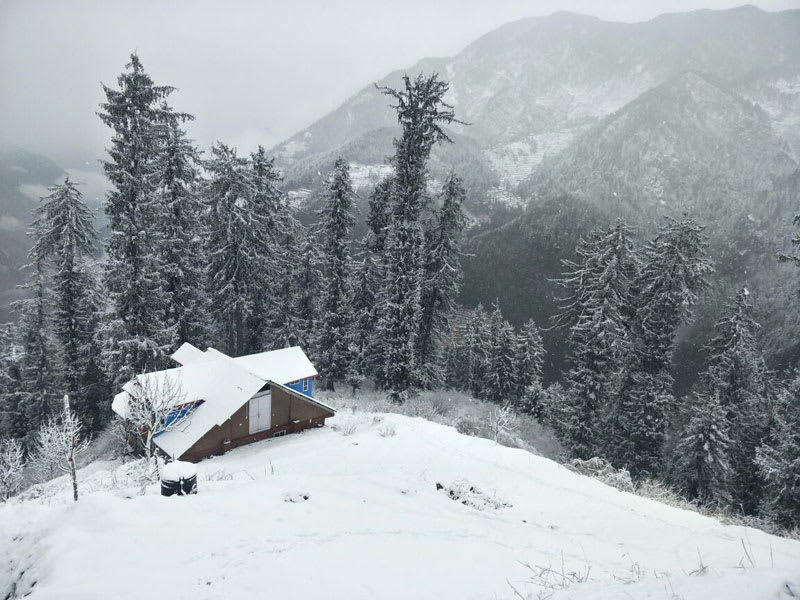
Shoja is a hidden gem nestled in the Seraj Valley of Himachal Pradesh, known for its untouched beauty and peaceful atmosphere. Surrounded by dense forests, rolling hills, and stunning Himalayan views, it offers a perfect escape from crowded tourist spots. With its calm vibe and natural charm, Shoja is ideal for nature lovers and those seeking a quiet retreat.
Wiki Link: Shoja
Must-Visit Attractions in Shoja
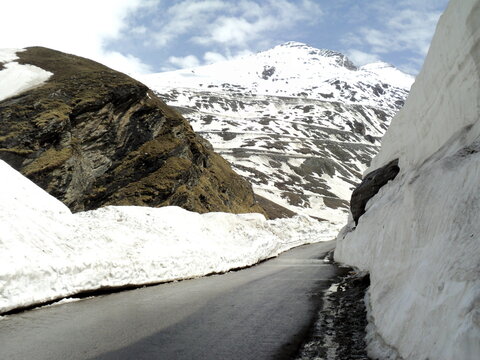
Jalori Pass
A scenic high-altitude pass offering breathtaking views of the Himalayas. It is a popular spot for trekking and photography.
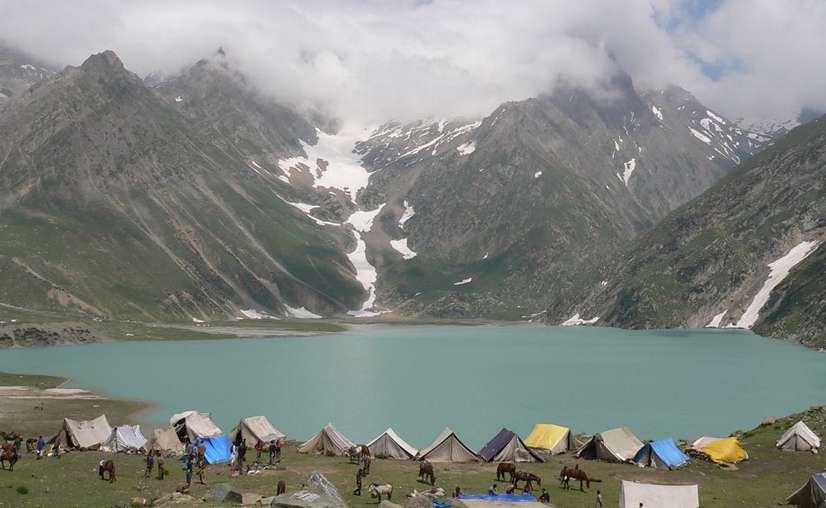
Serolsar Lake
A beautiful high-altitude lake surrounded by dense forests and peaceful surrounding
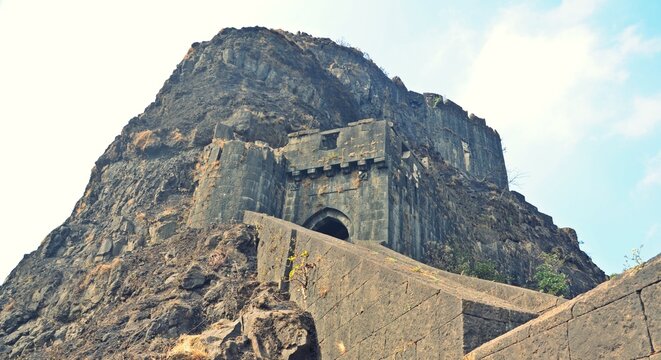
Raghupur Fort
An ancient fort ruin located amidst vast meadows, offering stunning 360-degree views of the mountains.

Waterfall Point Shoja
A hidden waterfall surrounded by lush greenery, ideal for a peaceful escape. It’s a great spot to relax, enjoy nature, and take photos.
Major Attractions Nearby Shoja
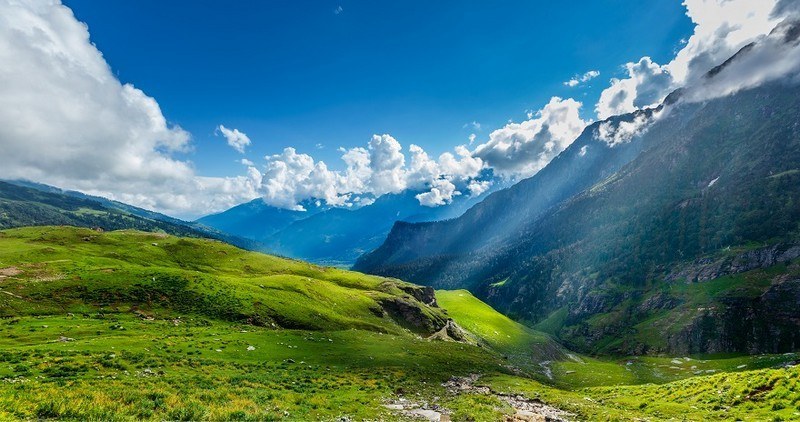
Tirthan Valley
A beautiful valley known for its crystal-clear river, lush greenery, and peaceful environment. It is perfect for trout fishing, trekking, and relaxing in nature
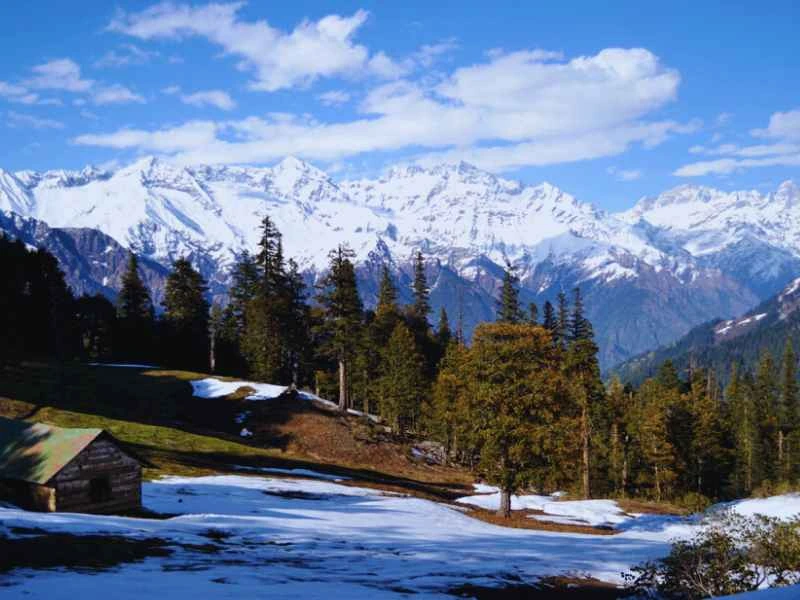
Great Himalayan National Park
A UNESCO World Heritage Site rich in biodiversity and scenic landscapes. It offers trekking trails, wildlife spotting, and untouched natural beauty.
Jibhi
A charming village known for its wooden cottages, waterfalls, and peaceful vibe. It is perfect for relaxing stays and exploring nature trails.
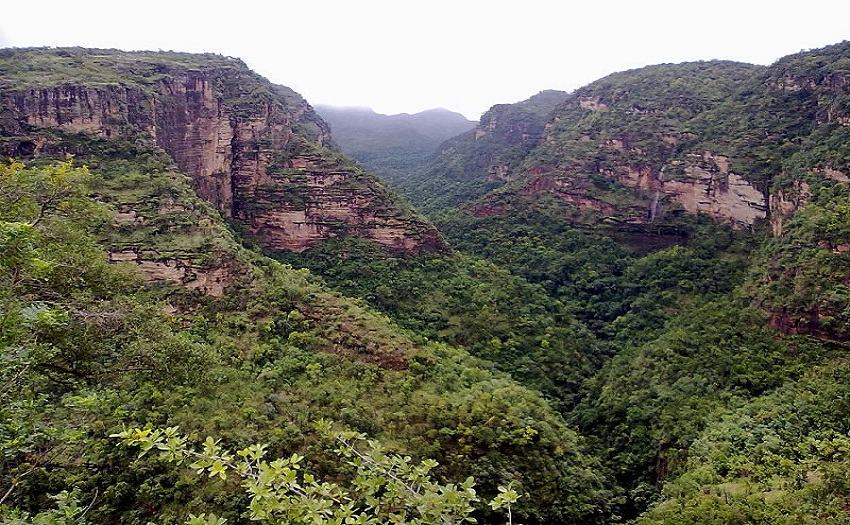
Banjar
A small town that serves as a gateway to Tirthan Valley. It offers scenic views, local culture, and a quiet atmosphere.
Things to do in Shoja
Experience the untouched beauty and peaceful charm of this Himalayan village through nature-based and slow travel activities. Shoja is perfect for relaxing, exploring, and reconnecting with nature.
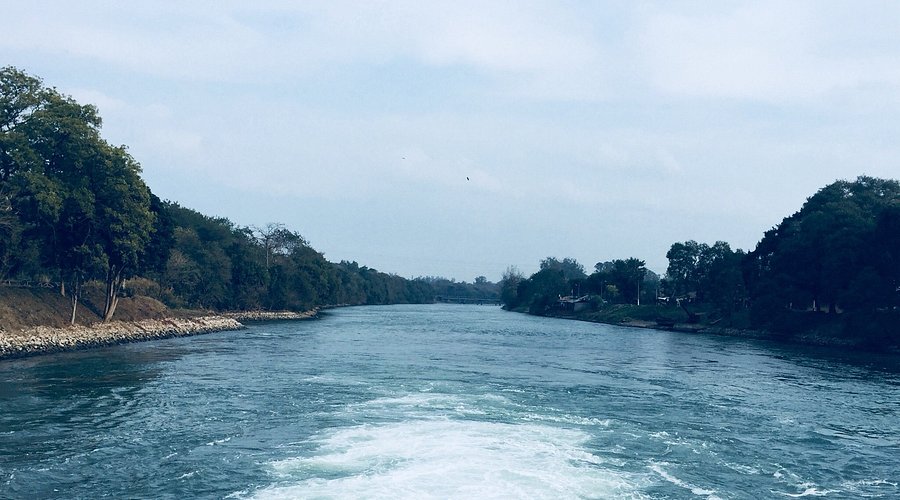
Trek to Serolsar Lake
Enjoy a scenic trek through dense forests leading to this serene high-altitude lake. The trail is peaceful and ideal for beginners

Explore Jalori Pass
Take in breathtaking Himalayan views and enjoy short hikes around the pass. It’s perfect for photography and soaking in mountain landscapes
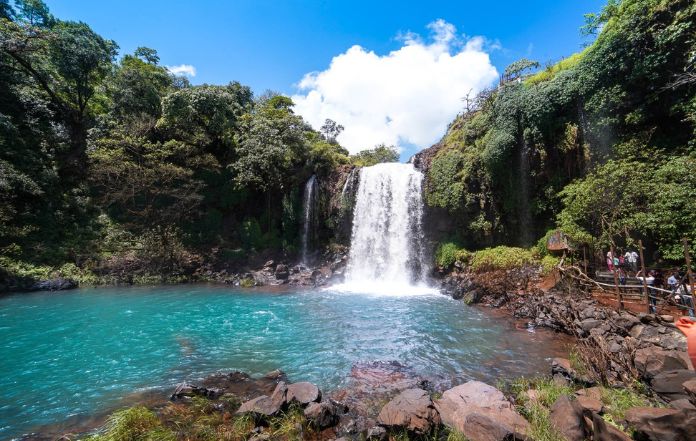
Relax at Waterfall Point
Spend time near the hidden waterfall surrounded by greenery. It’s a peaceful spot to unwind, click photos, and enjoy the sound of flowing water.

Enjoy Nature Walks & Village Life
Walk through quiet trails, forests, and nearby villages. Experience the simple lifestyle, fresh air, and scenic beauty of the region.
The Performing Art of Shoja
Shoja reflects the simple and traditional performing arts of Himachal’s mountain communities. Local music and dance are closely tied to festivals, fairs, and seasonal celebrations. Folk forms like Nati are commonly performed, showcasing graceful movements and community bonding. These performances, often accompanied by traditional instruments, preserve the cultural spirit and heritage of the region.
Hindustani Classical Music
Himachali Folk Music
Tibetan Chant
The music of Shoja is rooted in the folk traditions of Himachal Pradesh, reflecting the simple life of the hills. Local songs are often sung during festivals and gatherings, celebrating nature, seasons, and community life. Forms like Himachali Folk Music are accompanied by instruments like dhol and nagara. The melodies are soulful and connect deeply with the region’s cultural heritage.
Nati
Chham Dance
Jhanki
Dance in Shoja reflects the rich folk traditions of Himachal Pradesh. Popular forms like Nati are widely performed during local festivals and celebrations. Known for its slow, rhythmic movements and group formations, the dance showcases joy, unity, and storytelling. It beautifully represents the cultural spirit of the Himalayan region.
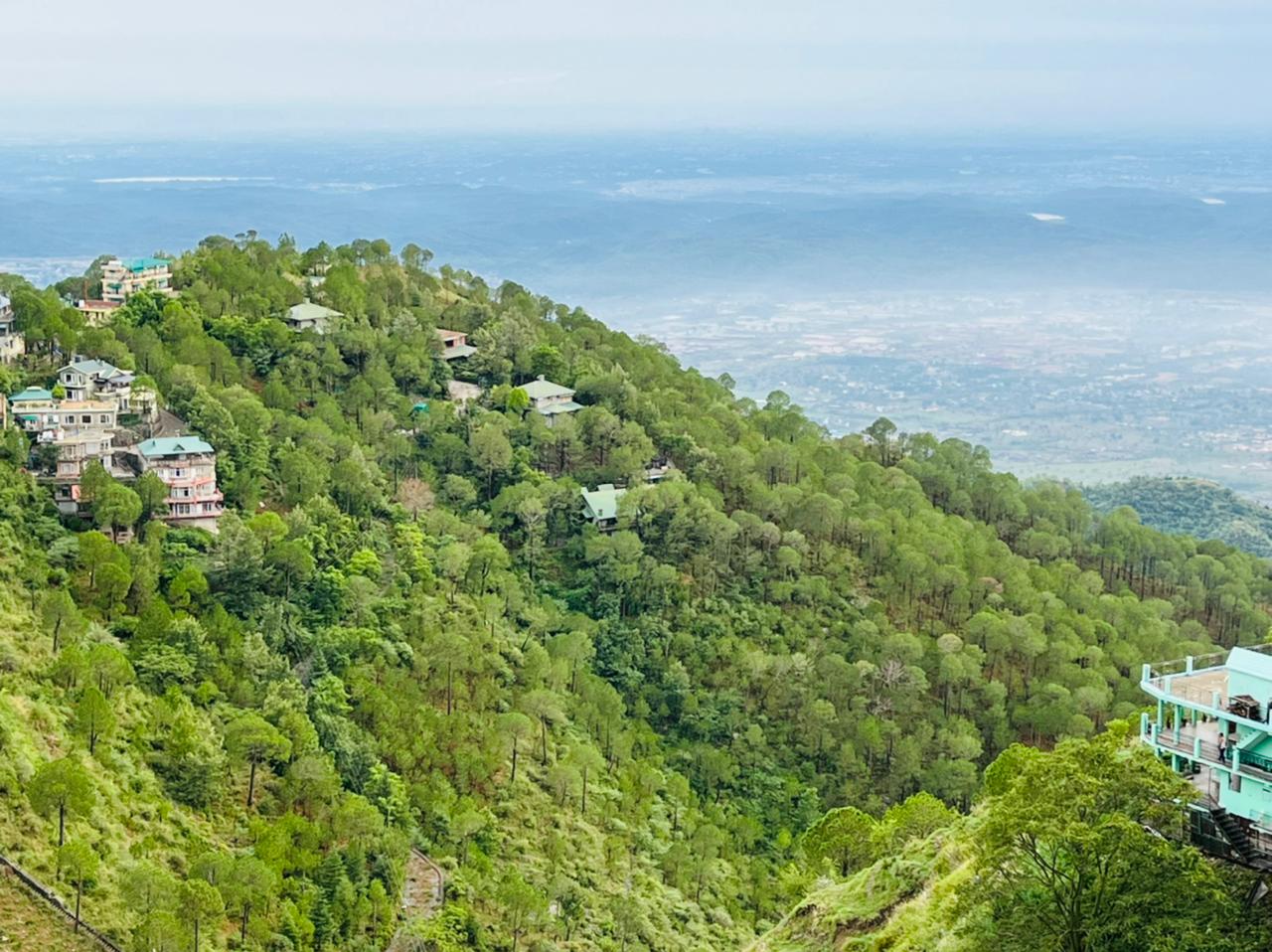
City Vibes - Timeless Charm
Shoja offers a peaceful and untouched mountain vibe, far from crowded tourist destinations. Surrounded by dense forests, misty hills, and fresh Himalayan air, the village feels calm and rejuvenating. The slow pace of life, quiet trails, and scenic views create a soothing atmosphere. Wooden cottages and natural beauty add to its rustic charm. It’s an ideal place to relax, unwind, and reconnect with nature.
Heritage of Shoja
Cuisine of Shoja
Shoja is a paradise for food lovers, offering a variety of traditional delights.
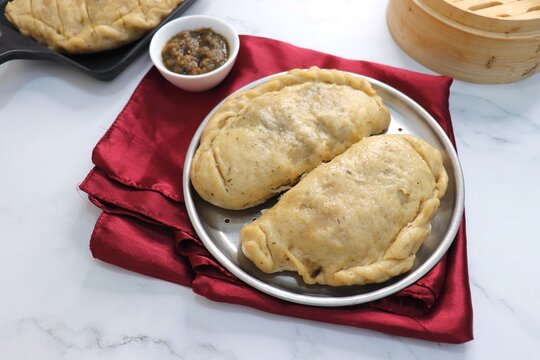
Siddu
A traditional steamed bread made from wheat flour, often stuffed with lentils or nuts. It is usually served with ghee and chutney, offering a rich local flavor.
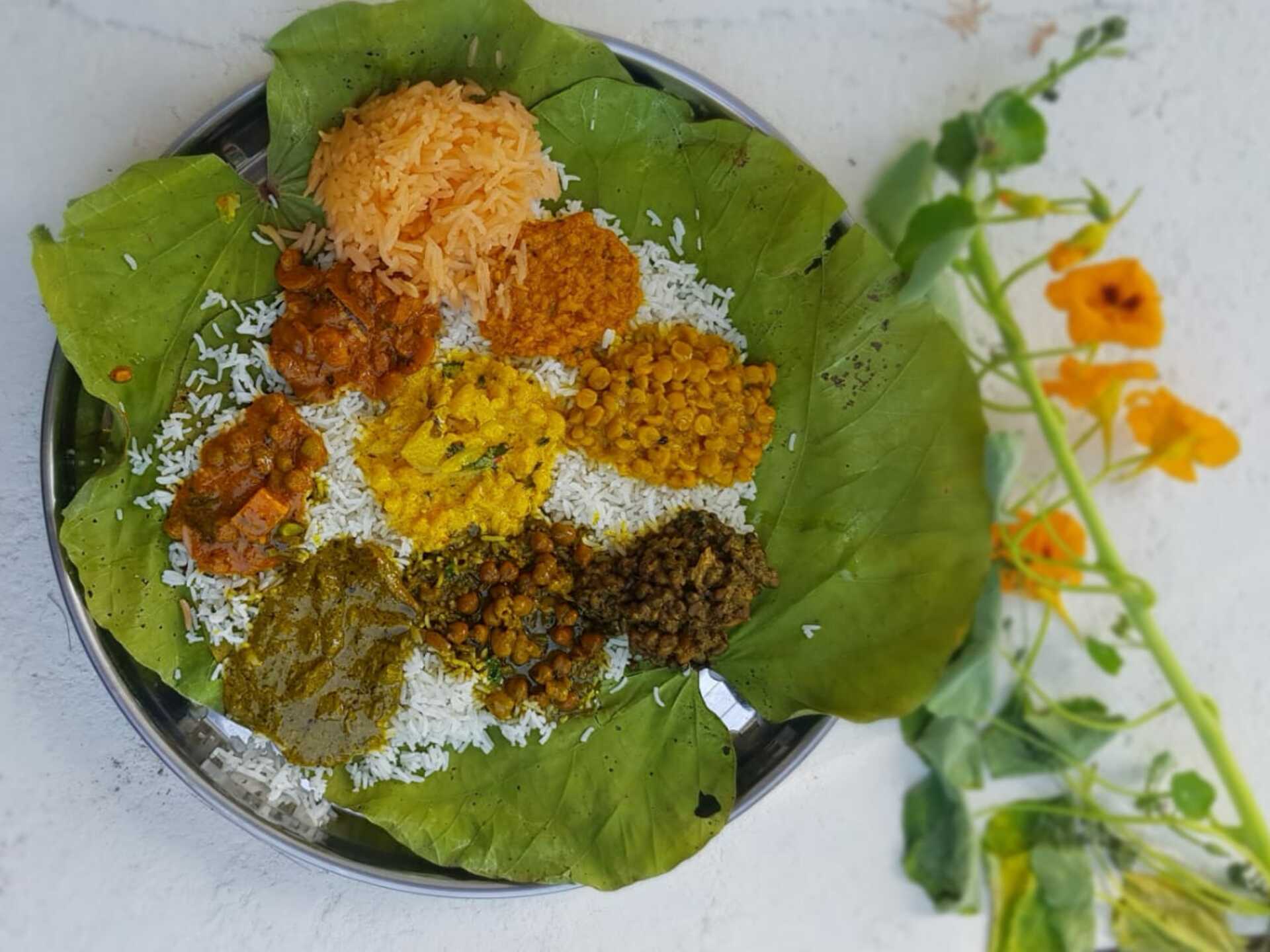
Dham
A traditional Himachali feast served during festivals and special occasions. It includes rice, dal, rajma, and curd-based dishes, reflecting authentic regional cuisine.

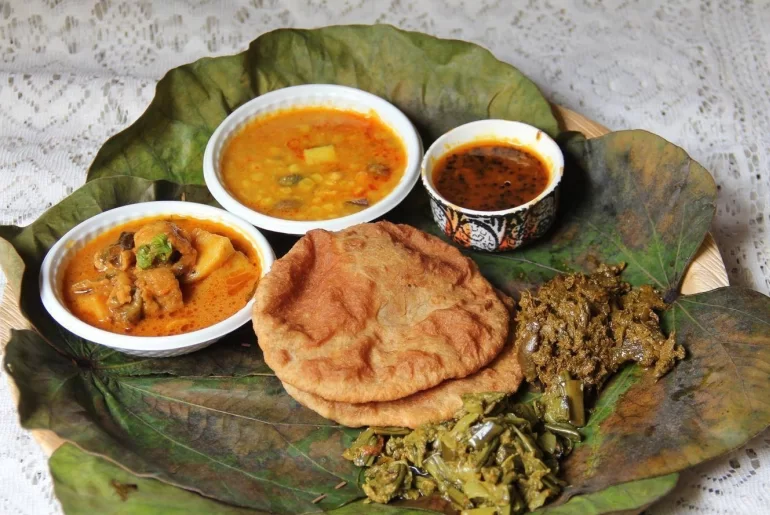
Madra
A flavorful dish made with chickpeas cooked in yogurt-based gravy and spices. It is a staple in Himachali cuisine and rich in taste.
Babru
A local version of kachori, stuffed with black gram paste and deep-fried. It is a popular snack enjoyed with chutney or tea.
Shopping in Shoja
Shopping in Shoja is simple and minimal, reflecting its peaceful and less commercialized vibe. Instead of big markets, you’ll find small local items and handmade products that capture the essence of Himalayan life.
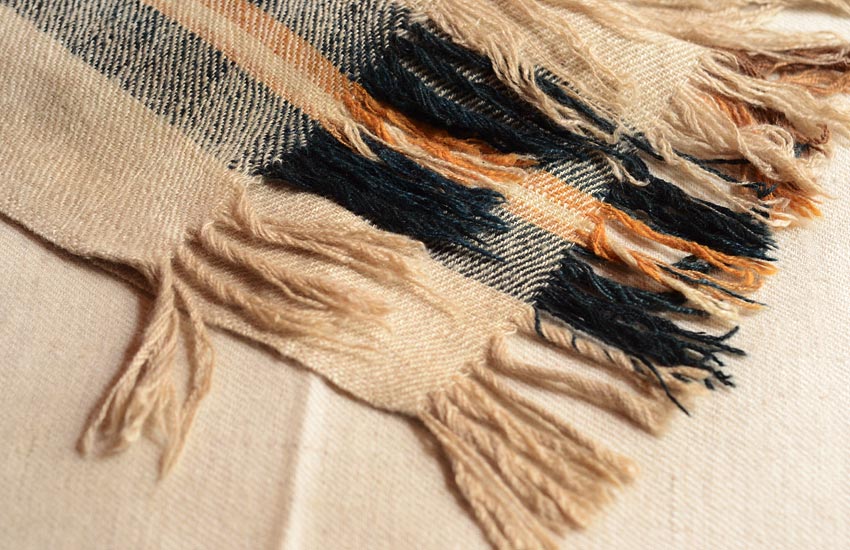
Woollen Clothing & Shawls
Locally made woollen caps, shawls, and sweaters are popular buys. They are warm, practical, and perfect for the chilly mountain weather.
Handmade Wooden Items
Small wooden crafts and decor items reflect traditional Himachali craftsmanship. These simple yet authentic pieces make great souvenirs

Local Food Products
Homemade pickles, jams, and local spices are often available in nearby villages. These offer a taste of the region’s natural and traditional flavors.

Handcrafted Souvenirs
You can find small handmade items like keychains, jewelry, and artifacts sold by locals. Shopping here is more about supporting local artisans than commercial retail.
Tourist's Handbook
The best time to visit Shoja is from March to June and September to November, when the weather is pleasant and ideal for sightseeing and trekking. Summers offer cool temperatures and clear mountain views, while autumn brings crisp air and scenic beauty. Winters can be quite cold with snowfall, and monsoon months may bring heavy rains and slippery roads.
Carry Warm Clothing – Weather in the mountains can change quickly; keep warm layers even during summer.
Be Careful on Trekking Trails – Paths to places like Serolsar Lake can be uneven or slippery; wear sturdy shoes.
Avoid Night Travel – Roads around Jalori Pass are narrow and less lit; travel during daytime.
Check Weather Conditions – Avoid visiting during heavy rains or snowfall due to landslides and roadblocks.
Stay Connected & Carry Cash – Network can be limited and ATMs are scarce; keep essentials handy.
Getting around Shoja is simple but limited due to its remote location. Local taxis are the most convenient way to explore nearby spots like Jalori Pass and Serolsar Lake. Walking is ideal within the village, allowing you to enjoy scenic trails and peaceful surroundings. Public transport is limited, so it’s best to plan travel in advance.
Fake Online Bookings & Websites – Some travel websites may look genuine but can be misleading or suspicious. Always verify reviews and avoid unknown booking portals before making payments.
Overpriced Homestays or Last-Minute Charges – Since Shoja has limited stays, some hosts may increase prices during peak season. Confirm total cost and inclusions before booking.
Unverified Local Guides – For treks to places like Raghupur Fort or Serolsar Lake, avoid random guides; go with trusted or recommended ones.
Limited ATMs & Cash Issues – ATMs are scarce and may run out of cash, so carry enough money to avoid inconvenience.
Explore Uttar Pradesh

Varanasi Blogs
- Uttar Pradesh Cultural guide
- Places to visit in Varanasi
- Places to visit nearby Varanasi
- India’s most popular destination
- India’s archaeological marvels
Recommended articles
- Uttar Pradesh Cultural guide
- Places to visit in Varanasi
- Places to visit nearby Varanasi
- India’s most popular destination