Trip and Tales

¤ 10+ minutes Read

Jammu

A complete tourist and cultural guide

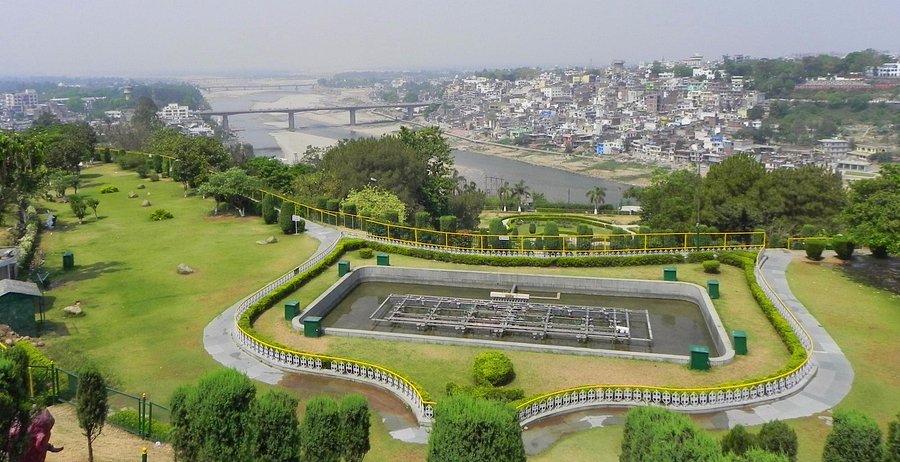
The iconic Dal Lake in Jammu reflecting the surrounding hills and gardens.

Jammu, often called the “City of Temples,” serves as the winter capital of Jammu and Kashmir. Nestled against the backdrop of the mighty Himalayas and on the banks of the Tawi River, it is a city of stunning natural beauty, ancient shrines, and a rich cultural tapestry that blends Hindu and Dogra heritage. More than just a gateway to Kashmir, Jammu is a vibrant spiritual and cultural destination in its own right.

Wiki Link: Jammu wiki page

Must-Visit Attractions in Jammu

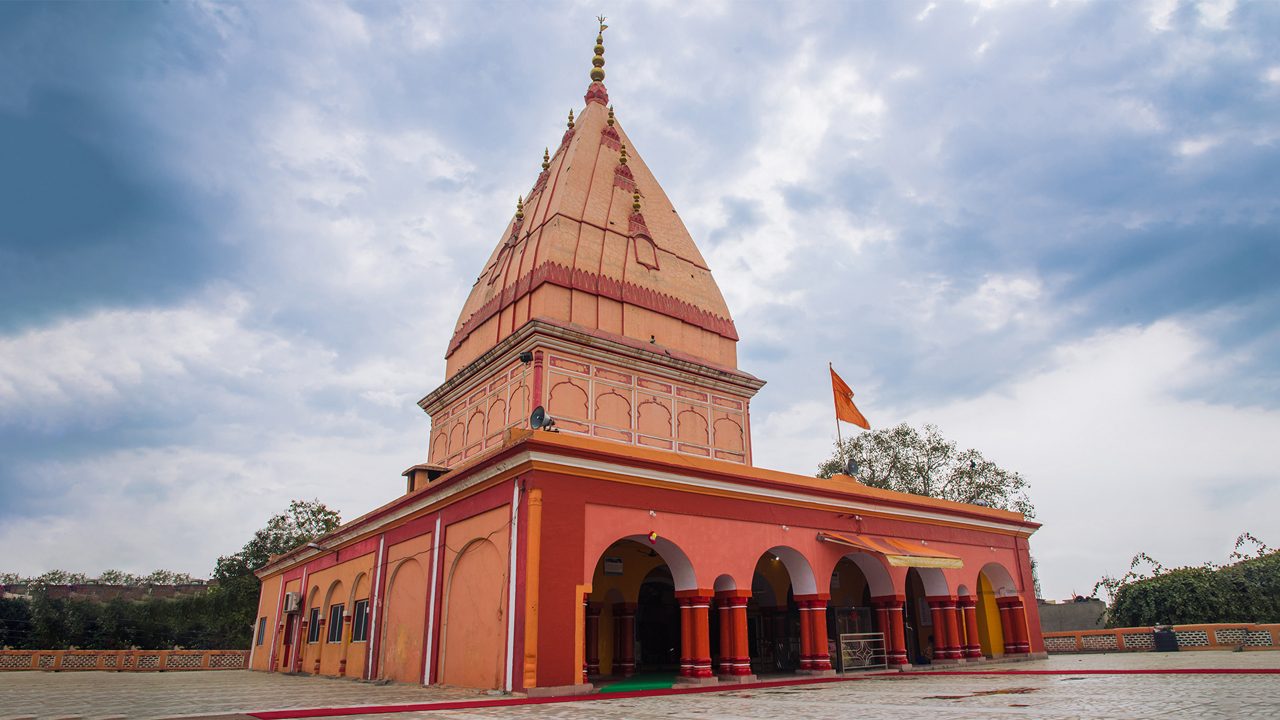
The grand and ornate facade of the historic Raghunath Temple in Jammu.

Raghunath Temple

A vast and ornate temple complex dedicated to Lord Rama, renowned for its spiritual significance and intricate architecture.

The sacred entrance to the Vaishno Devi Shrine, a major pilgrimage site near Jammu.

Vaishno Devi Shrine

The revered cave shrine in the Trikuta Mountains, attracting millions of pilgrims to seek blessings of Goddess Vaishno Devi.

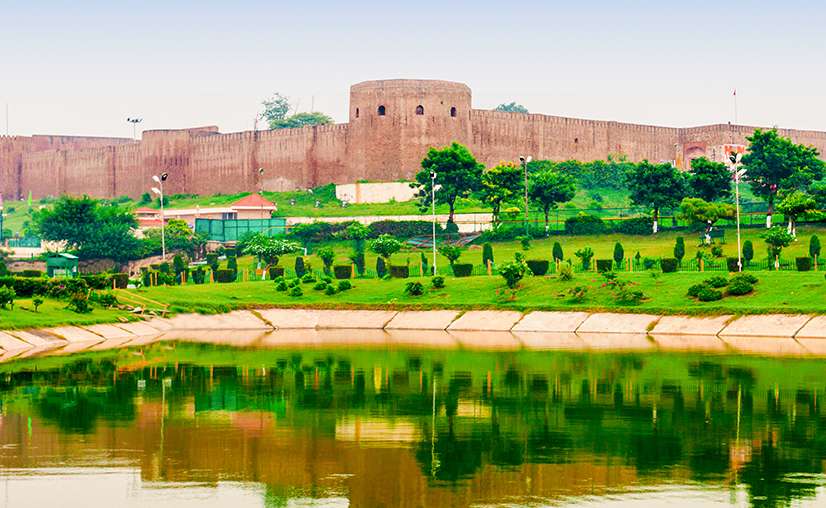
The imposing Bahu Fort overlooking the city of Jammu and its terraced gardens.

Bahu Fort & Gardens

An ancient fort overlooking the Tawi River, featuring a historic temple and beautifully landscaped terraced gardens.

The European-style architecture of the Mubarak Mandi Palace complex in Jammu.

Mubarak Mandi Palace

The grand historic palace of Dogra rulers, blending multiple architectural styles and housing the Dogra Art Museum.

Major Attractions Nearby Jammu

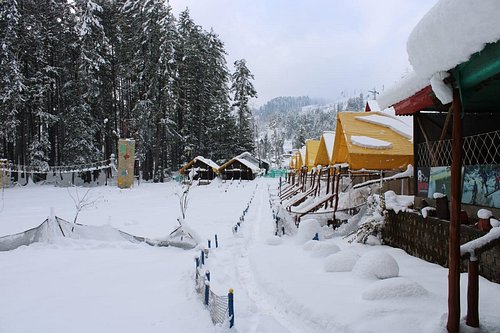
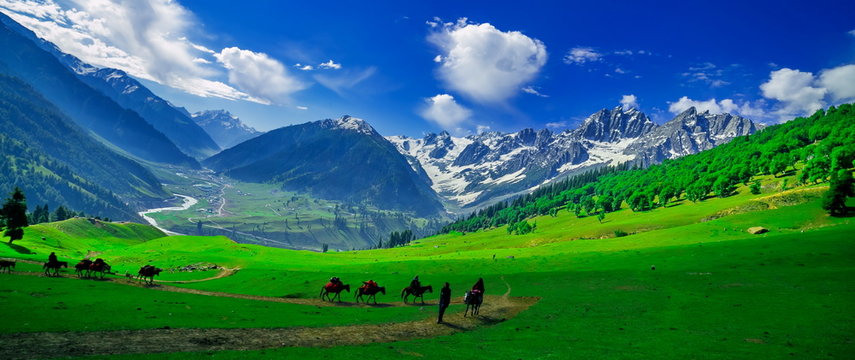
A scenic panoramic view of the lush green hill station of Patnitop near Jammu.

Patnitop

A picturesque hill station known for its panoramic Himalayan views, lush meadows, and adventure activities like paragliding.

The tranquil meadow of Sanasar, a nature retreat near Jammu.

Sanasar

A serene valley often called “Mini Gulmarg,” popular for paragliding, trekking, and its tranquil natural surroundings.

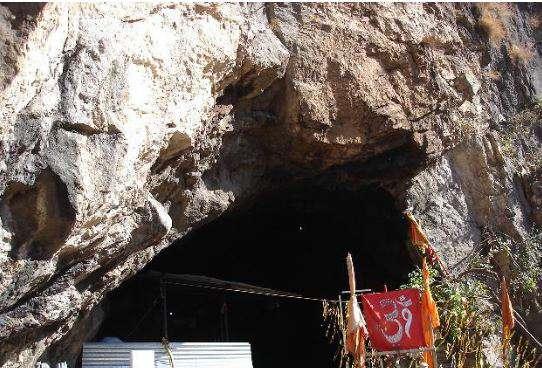
The natural cave formation of Shiv Khori, a sacred Hindu site near Jammu.

Shiv Khori

A significant natural cave shrine featuring a self-formed Shiva lingam, drawing pilgrims to its spiritual depths.

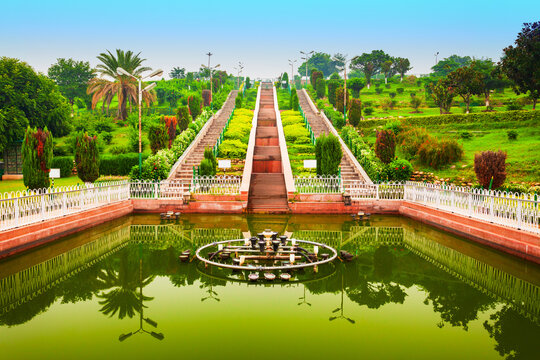
Visitors strolling through the terraced gardens of Bagh-e-Bahu in Jammu.

Bagh-e-Bahu

The terraced gardens beside Bahu Fort, offering a peaceful retreat with manicured lawns, fountains, and city vistas.

Things to Do in Jammu

Experience the spiritual, historical, and adventurous spirit of Jammu. From temple pilgrimages to exploring heritage palaces and enjoying the serenity of its gardens, the city offers a diverse and enriching journey.

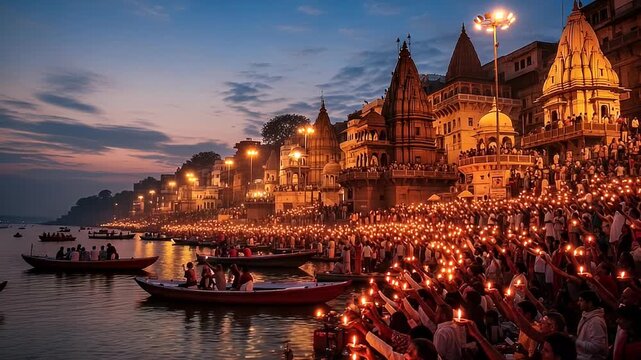
Devotees attending a grand evening temple aarti ceremony in Jammu.

Attend Temple Aarti

Experience divine serenity at the soulful evening aarti in Raghunath Temple or morning rituals at Bawey Wali Mata.

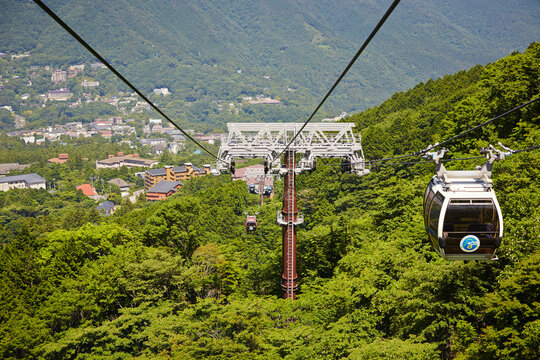
Passengers enjoying a scenic cable car ride overlooking Jammu city.

Cable Car Ride

Soar above the city on the Bahu Fort ropeway for breathtaking panoramic views of Jammu and the Tawi River.

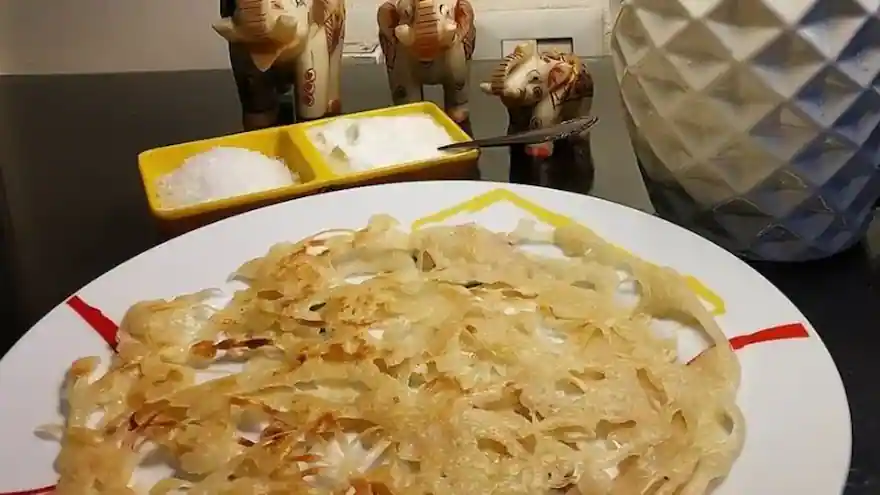
A traditional plate of savory Dogra cuisine from the Jammu region.

Savour Dogra Cuisine

Relish authentic local flavors with signature dishes like Rajma Chawal, Kalaadi, and sweet Mitha Bhaat.

Tourists paragliding over the green landscapes of Sanasar near Jammu.

Adventure in Sanasar

Seek thrills with paragliding, trekking, and zip-lining in the stunning mountain landscapes of these hill stations.

The Performing Art of Jammu

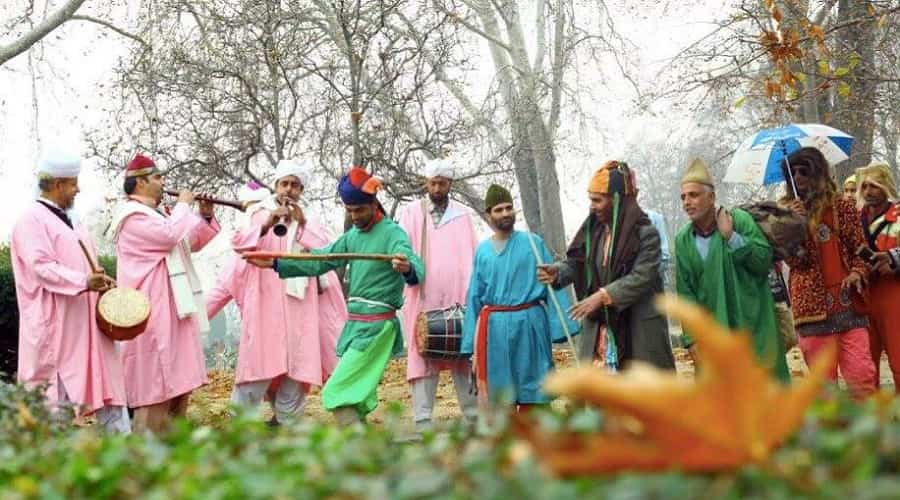
Jammu’s cultural fabric is richly woven with folk music, dance, and dramatic performances that reflect the valor, devotion, and daily life of its people. The Dogra culture is vibrant and expressed through various art forms, often performed during festivals and fairs.

Exploring Dholavira: Ancient City and Nearby Treasures - DeepSeek

Dogra Music

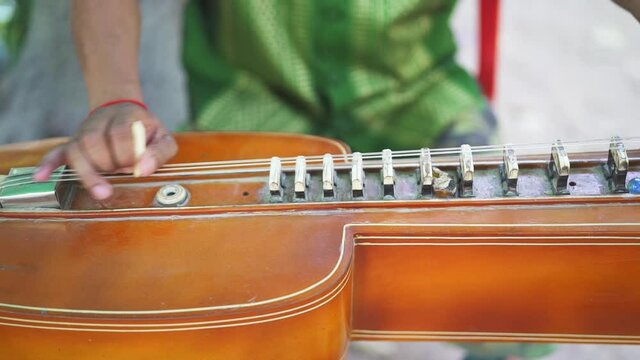
An artist performing the traditional Jammu folk song known as Chhakri.

Chhakri

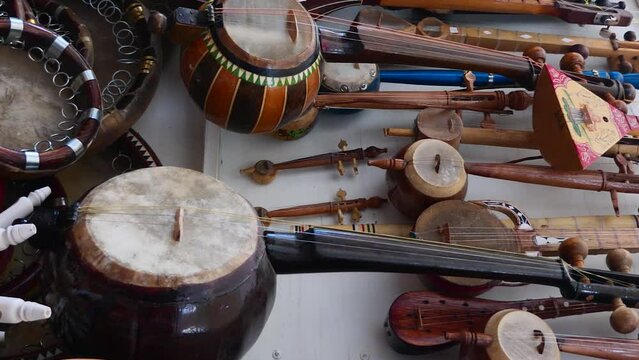
A group of musicians performing traditional Jammu folk songs with local instruments.

Jammu Folk Songs

Jammu has a rich folk music tradition distinct from the classical gharanas of the plains. Its music is deeply rooted in the daily life, festivals, and devotional practices of the Dogra community. Popular forms like Geetru (sung during weddings), soulful Chhakri (often with religious themes), and narrative Bhakkh tell stories of local legends and love. The region’s music is characterized by its earthy melodies and rhythmic patterns, often performed with traditional instruments like the harmonium and dholak.

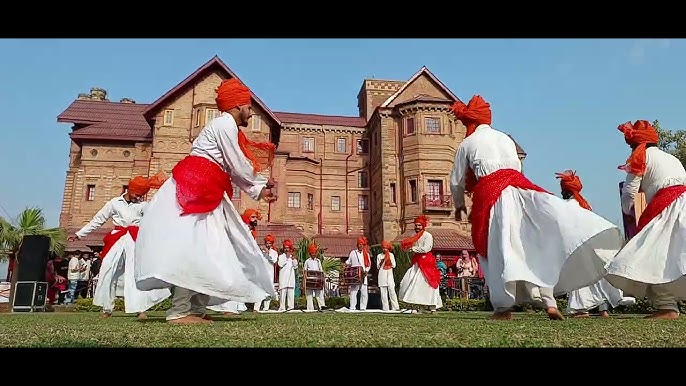
Performers dancing the lively Kud folk dance at a festival in Jammu. Performers dancing the lively Kud folk dance at a festival in Jammu.

Kud Dance

A group performing the traditional Hikkat dance.

Hikkat

Artists executing the graceful Dogra Pahari dance.

Dogra Pahari Dance

Jammu’s vibrant folk dances are energetic expressions of its Dogra culture, performed during festivals and celebrations. The spirited Kud dance, performed in circles to rhythmic beats, celebrates harvests and joyous occasions. Graceful Hikkat is performed by women with elegant, swaying movements, while the Dogra Pahari dance often depicts tales of bravery and local lore. These dances, accompanied by traditional music, are a lively reflection of the region’s community spirit and rich heritage.

The historic stone ramparts of Bahu Fort. The historic stone ramparts of Bahu Fort.

City Vibes - Spiritual Serenity & Dogra Grandeur

Jammu resonates with a serene spiritual energy, anchored by its countless temples and the ever-present faith of pilgrims heading to Vaishno Devi. Simultaneously, the city proudly displays its royal Dogra heritage through majestic palaces and forts. The atmosphere is one of peaceful devotion intertwined with historical pride, set against a landscape of rolling hills and the flowing Tawi River.

Heritage of Jammu

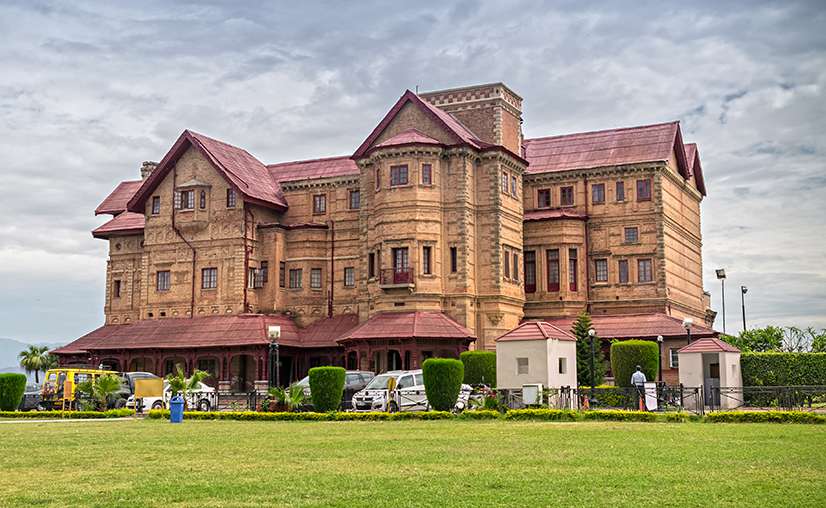
Jammu’s heritage is dominated by the legacy of the Dogra rulers. The architectural marvels like Mubarak Mandi Palace and Amar Mahal stand testament to a regal past. The city is also a spiritual repository, home to centuries-old temples that attract pilgrims from across the country, creating a unique blend of royal and religious history.

. The palace museum of Amar Mahal, resembling a French chateau.
Amar Mahal Palace

Cuisine of Jammu

Jammu’s cuisine is hearty, flavorful, and offers a unique blend of North Indian and mountainous influences.

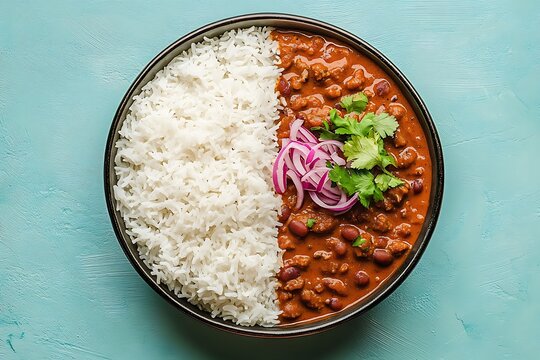
A serving of Rajma Chawal, a classic North Indian dish.

Rajma Chawal

The iconic comfort dish of red kidney beans in a rich, spiced gravy, served with steamed rice.

A block of traditional Kalaadi cheese from the region.

Kalaadi

 A unique local cheese, typically pan-fried until golden and enjoyed as a savory, flavorful snack.

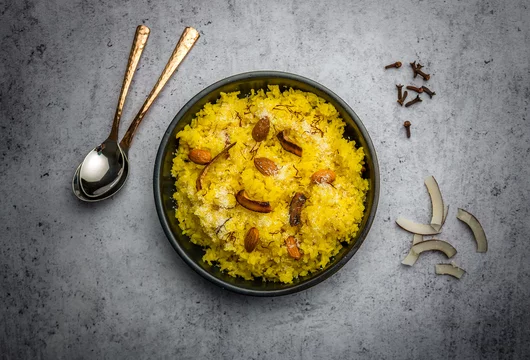
A sweet serving of Mitha Bhaat, a local rice pudding.

Mitha Bhaat

A festive sweet rice preparation, cooked with jaggery, ghee, and garnished with dry fruits.

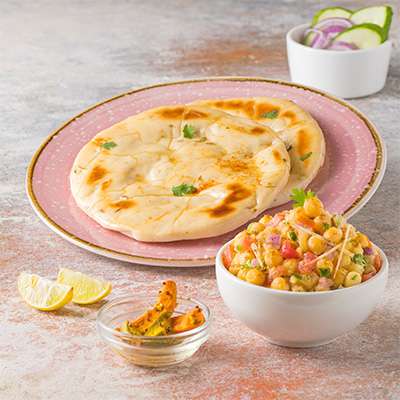
A plate of fluffy Kulcha served with spicy Chana.

Kulcha with Chana

A beloved street-food breakfast pairing soft, leavened kulcha bread with a spicy chickpea curry.

Shopping in Jammu

Shopping in Jammu is an exploration of its Dogra crafts and spiritual souvenirs. The markets are filled with traditional items that reflect the region’s cultural and artistic heritage.

Intricately designed traditional Dogra Jewellery.

Dogra Jewellery

Discover intricate silver ornaments featuring traditional designs, from elaborate chokers to detailed bangles and maang tikkas.

A finely woven Pashmina shawl and other woolen garments.

Pashmina Shawls & Woolens

Luxuriously soft and warm Pashmina shawls, stoles, and fine woollen garments are signature buys.

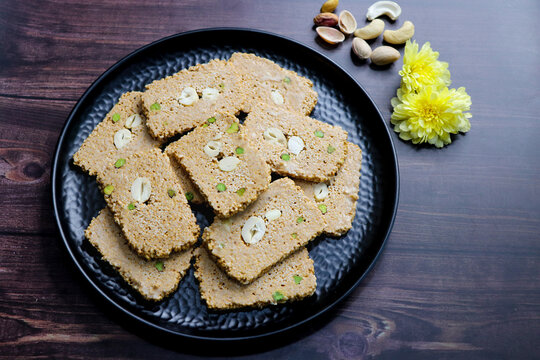
An assortment of dry fruits and colorful local sweets.

Dry Fruits & Local Sweets

Premium local produce like walnuts and almonds, along with regional sweets such as Chocolate Barfi and Patisa.

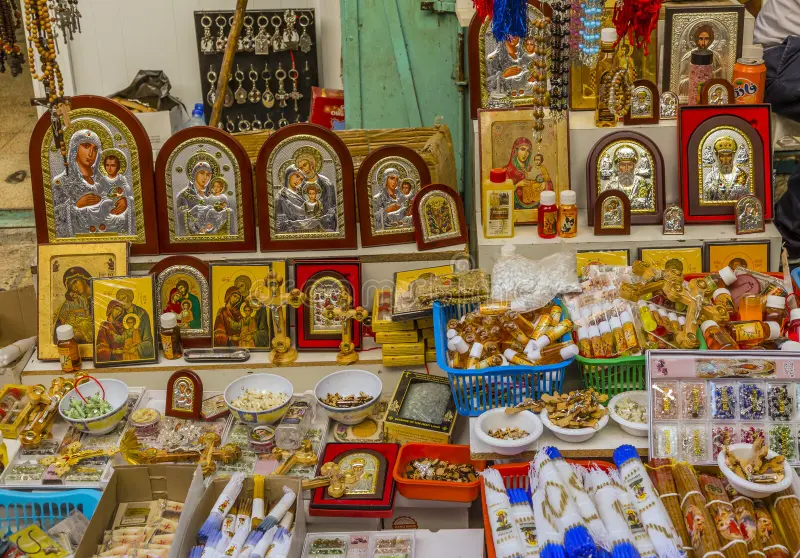
A collection of religious souvenirs including idols and prayeA collection of religious souvenirs including idols and prayer beads.r beads.

Religious Souvenirs

Find sacred offerings like decorative Chunris and blessed prasad from the Vaishno Devi pilgrimage.

Tourist's Handbook

The ideal time to visit Jammu is from October to April. Winters (Oct-Feb) are cool and pleasant, perfect for pilgrimage and sightseeing, with occasional snowfall in higher areas. Spring (March-April) brings blooming flowers and comfortable temperatures, making it excellent for outdoor activities and exploring the city.

  • Pilgrimage Preparedness: If visiting Vaishno Devi, start the trek early, wear comfortable shoes, and stay hydrated. The path can be crowded.

  • Winter Wear: Carry adequate woolens if visiting between December and February, as temperatures can drop significantly, especially at night and in places like Patnitop.

  • Respect Local Customs: Dress modestly, especially when visiting temples and religious sites.

  • Road Safety: Be cautious while driving on hilly roads if traveling to nearby attractions like Patnitop or Sanasar.

  • Valuables: Keep your belongings secure in crowded markets and pilgrimage areas.

  • Emergency Numbers: Keep handy the local police (100), ambulance (102), and the tourist police helpline numbers.

The ideal time to visit Jammu is from October to April. Winters (Oct-Feb) are cool and pleasant, perfect for pilgrimage and sightseeing, with occasional snowfall in higher areas. Spring (March-April) brings blooming flowers and comfortable temperatures, making it excellent for outdoor activities and exploring the city.

Overcharging by Taxis/Rickshaws: Always insist on using the meter or agree on a fare before starting your journey. Use pre-paid counters at the railway station and bus stand.

Fake Guides: At pilgrimage sites like Katra, beware of unauthorized guides offering special "fast-track" darshan for extra money. Only use authorized guides.

Accommodation Tricks: Be wary of touts at bus/railway stations offering cheap hotels that may not exist or are substandard. Book your stay in advance through reputable platforms.

Fake Puja Items/Souvenirs: Purchase religious items from established shops near temples to avoid being sold counterfeit or overpriced goods.

Photography Charges: Some individuals near tourist spots may demand money for photographs you take. Clarify charges for photographing people or specific stalls beforehand.

Currency Exchange: Avoid exchanging money with unauthorized dealers. Use banks or authorized currency exchange counters.

Explore Jammu & Kashmir

Recommended articles

  • India’s Heritage Palaces
  • India’s most popular destination
  • Dogra Cuisine: A Flavourful Journey

  • Adventure Trails around Jammu: Patnitop & Sanasar