
¤ 10+ minutes Read
A complete tourist and cultural guide
Kashmir
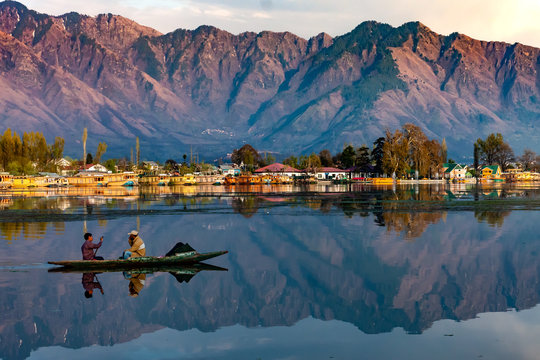
Kashmir, often called “Paradise on Earth,” is a breathtaking region in northern India known for its stunning natural beauty, rich cultural heritage, and warm hospitality. From the serene Dal Lake and floating gardens to the snow-capped Himalayas and lush meadows of Gulmarg, Kashmir offers an unforgettable experience for nature lovers, adventure seekers, and spiritual travelers. Its ancient temples, Mughal gardens, and vibrant handicrafts reflect a unique blend of Central Asian, Persian, and Indian influences that captivate visitors from around the globe.
Wiki Link: Kashmir wiki page
Must-Visit Attractions in Kashmir
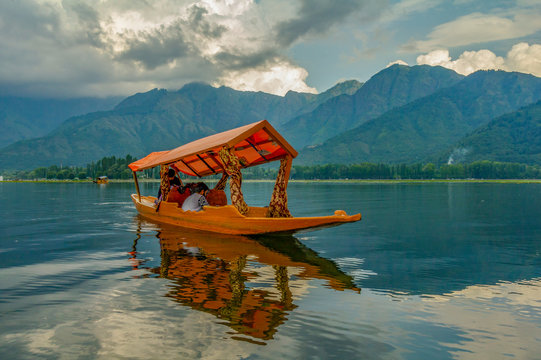
Dal Lake & Shikara Ride
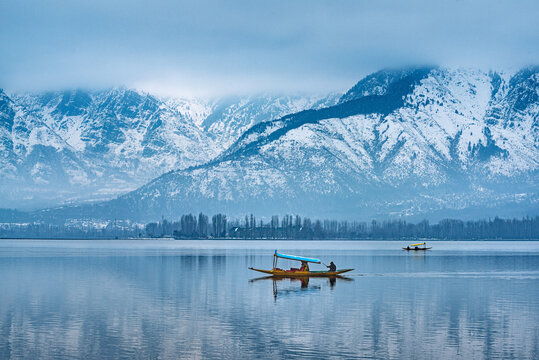
The jewel of Srinagar featuring floating gardens, houseboats, and traditional shikara rides with stunning views of mountains and Mughal gardens.
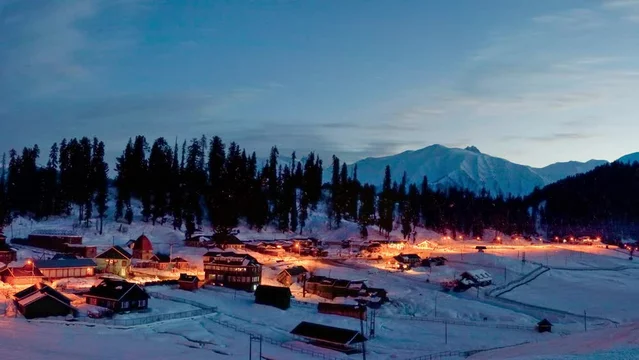
Gulmarg
A world-famous ski destination home to the highest golf course and the Gulmarg Gondola, one of the planet’s highest cable car rides.
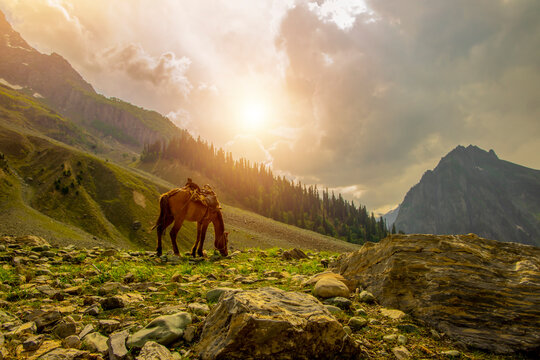
Pahalgam
A picturesque valley along the Lidder River serving as the Amarnath Yatra base camp, offering lush meadows, pine forests, and trout fishing.
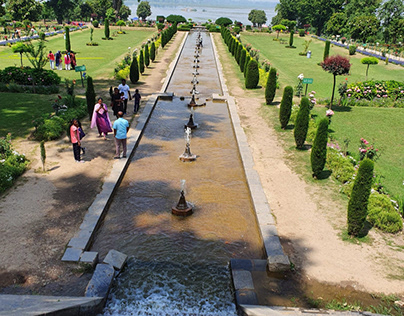
Mughal Gardens
Exquisite Persian-style gardens including Shalimar Bagh, Nishat Bagh, and Chashme Shahi, featuring terraced lawns, water channels, and vibrant flowerbeds.
Major Attractions Nearby Kashmir
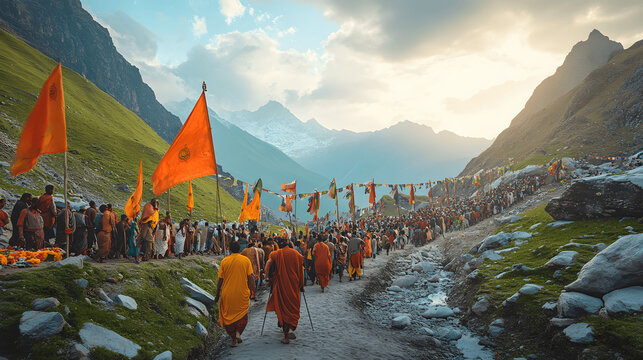
Amarnath Cave
A sacred Hindu pilgrimage site at 3,888 meters housing a natural ice stalagmite of Lord Shiva, accessible only during summer months.
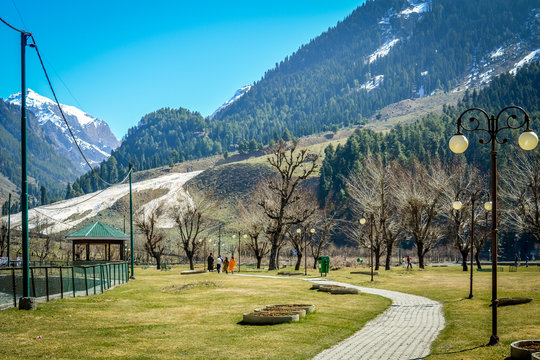
Betaab Valley
A lush green valley near Pahalgam named after the Bollywood film Betaab, offering pristine streams, alpine meadows, and excellent picnic spots.
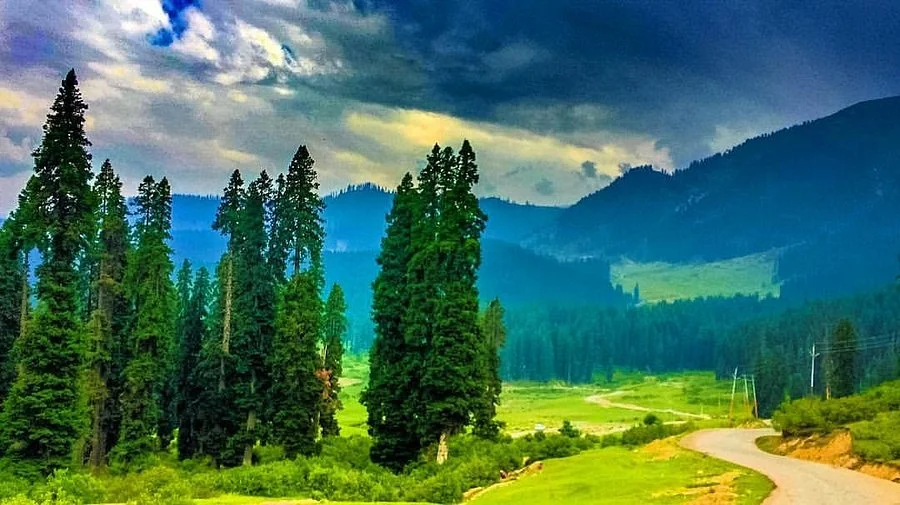
Doodhpathri
A relatively undiscovered meadow 45 km from Srinagar known for its lush grass, gurgling streams, and milky-white flowing waters.
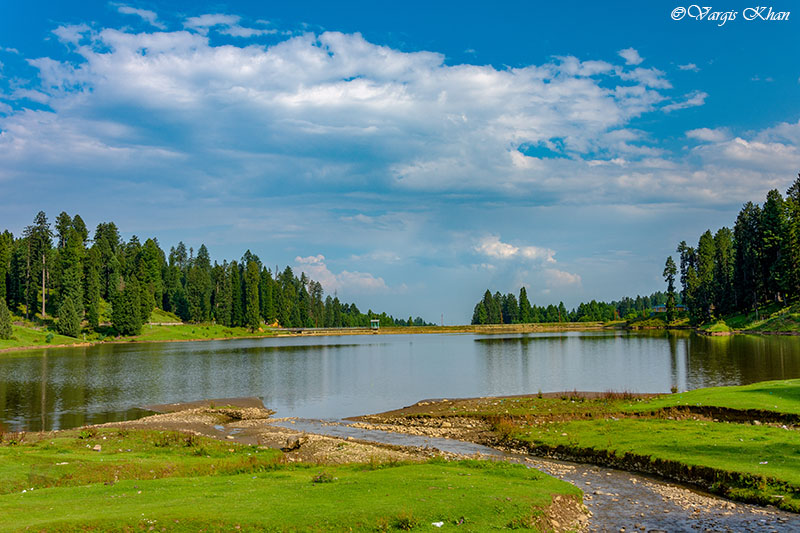
Yusmarg
A serene, less-crowded meadow surrounded by dense pine and fir forests, believed by some to be the site where Jesus once visited.
Things to do in Kashmir
Experience the spiritual, cultural, and historical essence of the city. From attending the Ganga Aarti to exploring ancient lanes, the city offers a soulful journey.
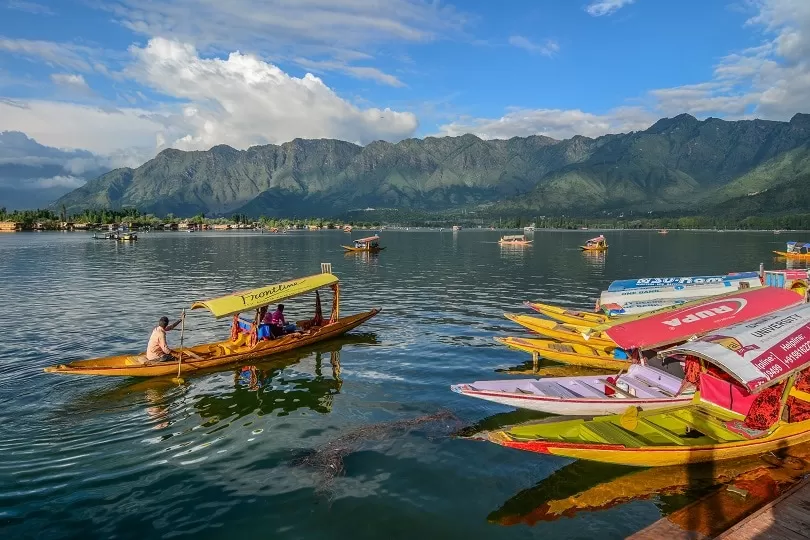
Take a Shikara Ride on Dal Lake
Glide across serene waters in a traditional wooden shikara, visiting floating gardens, lotus farms, and the charming Nehru Park.
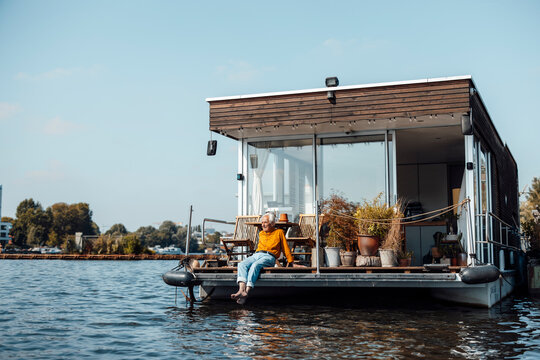
Stay on a Houseboat
Experience unique living on a beautifully carved houseboat on Dal or Nigeen Lake, complete with traditional Kashmiri hospitality and cuisine.
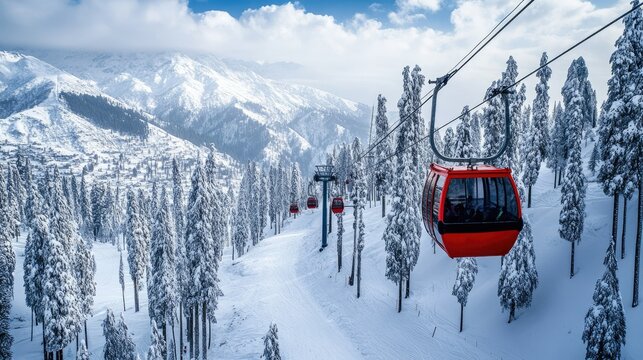
Ride the Gulmarg Gondola
Take the world’s second-highest cable car from Gulmarg to Apharwat Peak at 4,200 meters for breathtaking Himalayan views.

Go Skiing or Snowboarding
Hit the slopes of Gulmarg during winter (December to March), considered one of Asia’s best ski destinations with powder snow.
The Performing Art of Kashmir
A vibrant hub for performing arts. Kashmir has a rich tradition in classical music, dance, and theater, with world-renowned artists and performers drawing inspiration from its serene valleys and Sufi heritage. Classical music forms like Sufiana Kalam, including santoor and rubab performances, are deeply rooted in the region’s cultural identity. Hafiza Dance and Bhand Pather dance forms also flourish here, often performed at festivals and shrines, embodying the spiritual essence of Kashmir. The region’s connection with music and dance continues to inspire generations, preserving its artistic legacy.
Music Forms
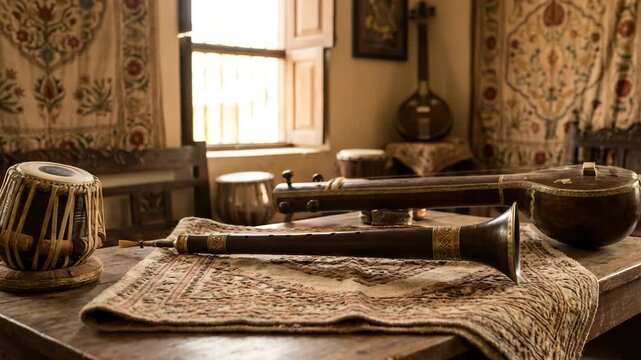
Sufiana Kalam
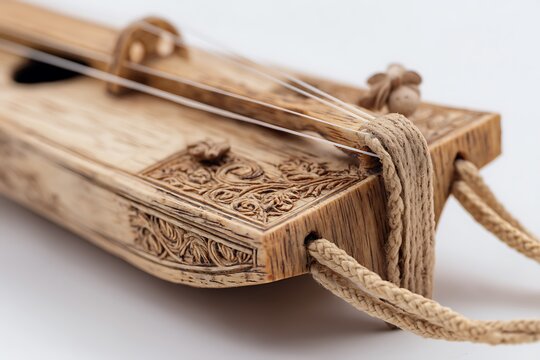
Rouf
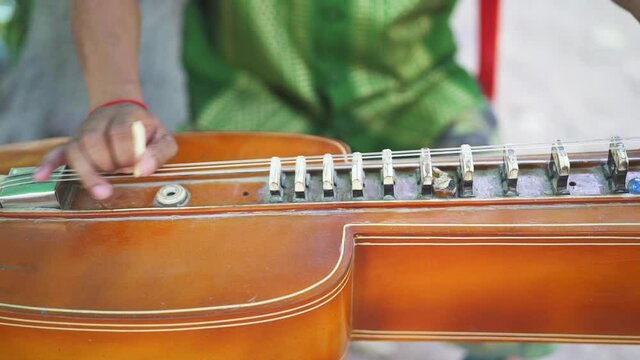
Chakri
Kashmir is a major center for Sufiana classical music, with the iconic santoor and rubab shaping its melodic identity. The soulful Sufiana Kalam, Chakri, and Rouf styles are widely performed, reflecting Persian and Central Asian influences. Folk music, including the Wanwun and Ladishah genres, tells tales of love, separation, and the beauty of the valley.
Dance Forms
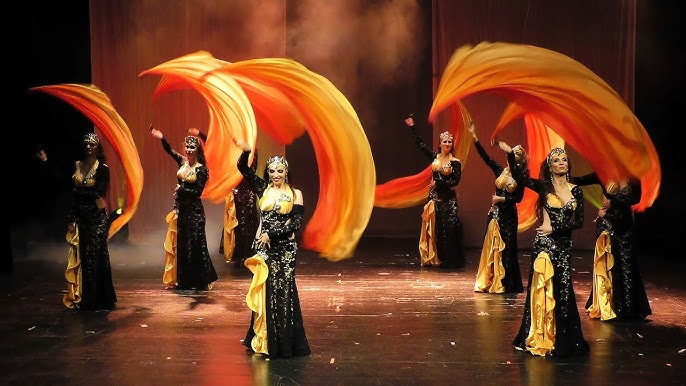
Hafiza Dance
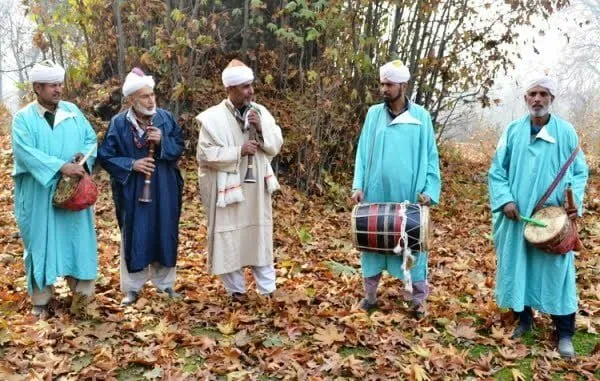
Bhand Pather
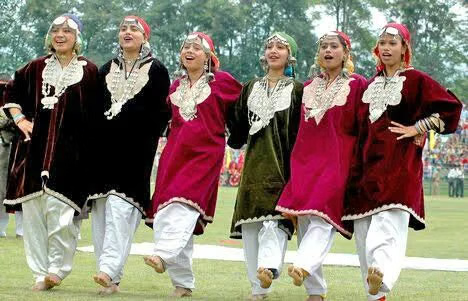
Dumhal
Kashmir is known for its graceful classical and folk dance traditions, with forms like Hafiza Dance and Bhand Pather reflecting the region’s rich cultural tapestry. The elegant Hafiza Dance, inspired by Persian court traditions, features slow, expressive movements and flowing costumes. Folk dances like Dumhal, performed by the Wattal tribe with colorful robes and rhythmic drumming, and Rouf, a gentle women’s dance during festivals, celebrate Kashmir’s vibrant heritage.
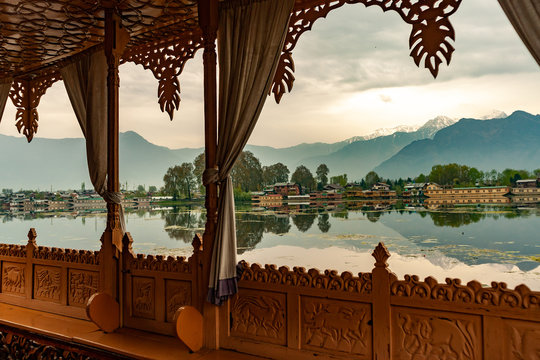
City Vibes - Timeless Beauty Amidst Turmoil
Kashmir exudes a hauntingly beautiful atmosphere that has inspired poets, artists, and travelers for centuries. Srinagar’s old city buzzes with the sound of craftsmen hammering copper, the aroma of saffron and dried spices from ancient bazaars, and the call to prayer echoing from historic mosques. On Dal Lake, life moves at a slower pace as houseboat owners sip noon chai and shikara wallahs sing old folk songs. The summers bring blooming gardens and gentle breezes, while winters transform the valley into a white wonderland. Despite its challenges, the warmth of Kashmiri hospitality and the timeless allure of its landscapes remain undimmed, offering visitors an experience of profound beauty and resilience.
Heritage of Kashmir
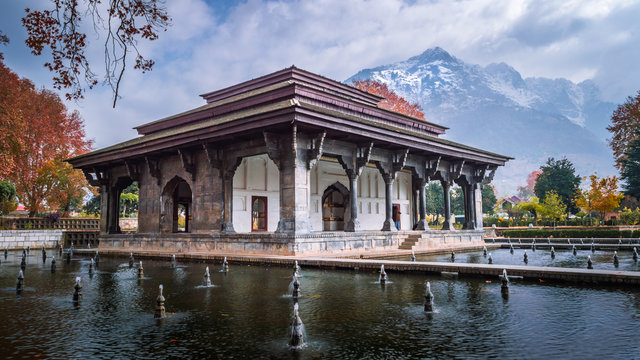
Kashmir’s heritage spans over 5,000 years, shaped by Hinduism, Buddhism, and Islam. The region was a major center of Sanskrit scholarship, with the great philosopher Abhinavagupta hailing from here. Emperor Ashoka introduced Buddhism in the 3rd century BCE, while the Mughals left their most enduring mark through the exquisite gardens of Srinagar, blending Persian paradise garden concepts with local topography. The Afghan and Sikh periods added fortifications and shrines, while the Dogra dynasty preserved much of this legacy. Kashmir is also famous for its ancient craft traditions—Pashmina weaving (introduced by 14th-century Sufi saint Mir Sayyid Ali Hamadani), hand-knotted silk carpet making, and papier-mâché artistry—all of which are recognized as Geographical Indications (GI tags) of India.
Cuisine of Kashmir
Kashmiri cuisine is a grand, aromatic tradition influenced by Central Asian, Persian, and Mughal flavors. The multi-course Wazwan feast is a UNESCO-recognized culinary heritage, featuring up to 36 dishes prepared by a master chef called a Waza.
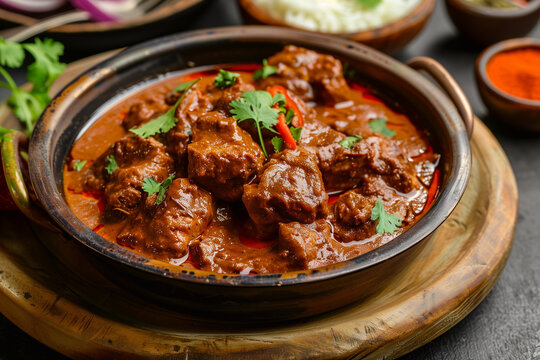
Rogan Josh
A world-famous aromatic lamb curry with caramelized onions, yogurt, and Kashmiri red chilies, known for its deep red color and rich gravy.
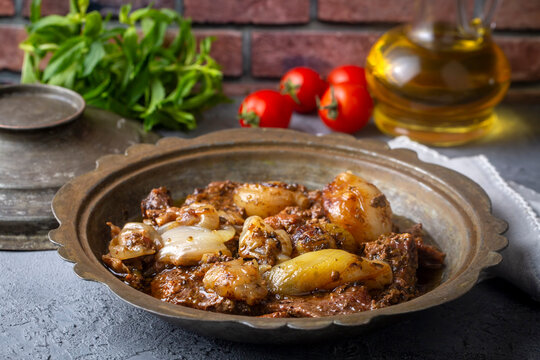
Yakhni
A mild, creamy yogurt-based lamb or chicken curry flavored with fennel powder, cardamom, cinnamon, and mint, served as a soothing main course.
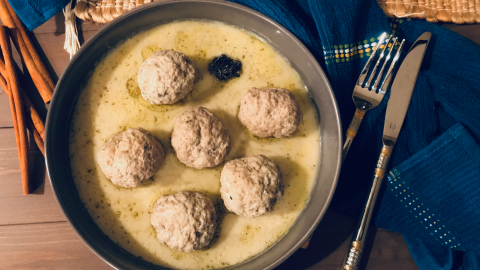
Gushtaba
The crown jewel of the Wazwan feast, featuring tender, hand-pounded lamb meatballs in a rich, creamy yogurt and cardamom gravy for honored guests.

Dum Aloo
Baby potatoes slow-cooked in a spicy, aromatic gravy of yogurt, fennel, ginger powder, and Kashmiri red chilies, offering a vegetarian delight.
Shopping in Kashmir
Shopping in Kashmir is a delight, offering exquisite handicrafts and traditional products that reflect centuries of artistic mastery.

Pashmina Shawls
Authentic, hand-spun and hand-woven shawls from the fine undercoat of the Changthangi goat, known for incredible softness, warmth, and intricate embroidery.
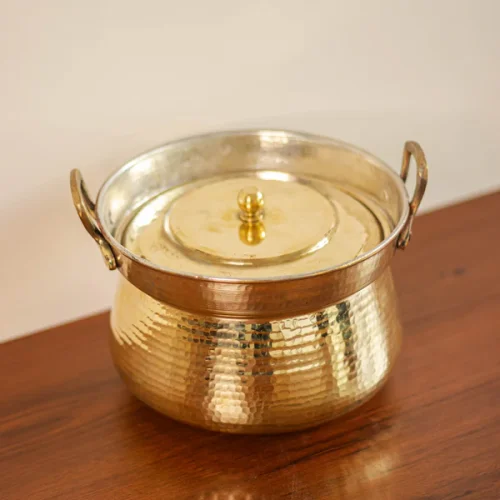
Brassware & Wooden Crafts
Hand-knotted silk and wool carpets featuring traditional Persian and Mughal designs, with denser knots indicating higher quality and greater value.
Papier-Mâché Items
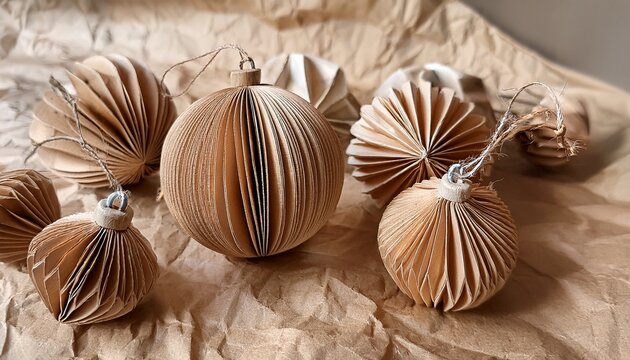
Hand-painted decorative boxes, vases, and trays made from paper pulp, featuring vibrant floral and geometric patterns in the traditional Kashmiri style.

Walnut Wood Carving
Intricately carved furniture, jewelry boxes, photo frames, and decorative pieces made from local walnut wood, known for its rich grain and durability.
Tourist's Handbook
The best time to visit Kashmir depends on your interests. March to May (Spring) offers blooming tulips in the Indira Gandhi Memorial Tulip Garden, pleasant temperatures between 10°C and 25°C, and clear skies. June to August (Summer) provides warm, comfortable weather ideal for sightseeing in Srinagar, Pahalgam, and Sonamarg, with temperatures ranging from 15°C to 30°C. September to November (Autumn) brings crisp air, golden chinar leaves, spectacular mountain visibility, and is perfect for photography and trekking. December to February (Winter) transforms the valley into a snow-covered wonderland, with temperatures dropping below freezing, making Gulmarg a top ski destination; however, some roads may close due to heavy snowfall.
- Check Travel Advisories Before Visiting – Before planning your trip, check the latest travel advisories from reliable sources, as the region sometimes experiences political tensions or disruptions.
- Dress in Layers for Mountain Weather – Himalayan weather changes rapidly; wear layers and carry a waterproof jacket, especially if visiting Gulmarg, Sonamarg, or Pahalgam.
- Stay Hydrated but Avoid Tap Water – Drink only sealed bottled water to avoid stomach issues; tap water may not be safe for tourists unaccustomed to local water.
- Carry Sufficient Cash – ATMs may be limited in hill stations like Gulmarg and Sonamarg, and card payment facilities are not universally available; carry enough Indian rupees for your trip.
- Book Accommodation Through Reputable Sources – Use verified platforms or trusted travel agents for houseboat and hotel bookings to avoid substandard or overpriced accommodations.
- Respect Local Customs and Sensitivities – Dress modestly, especially in mosques and rural areas, ask permission before photographing locals, and avoid discussing sensitive political topics.
- Keep Emergency Contacts Handy – Save local police, hospital, and your hotel's phone numbers; the tourism police in Srinagar can be reached for tourist-specific assistance.
Srinagar has local buses and auto-rickshaws for short distances, but taxis and private cabs are more comfortable and reliable for tourists. For exploring the Dal Lake area, shikaras (wooden boats) are the primary mode of transport, with fixed rates for specific routes. For intercity travel to Gulmarg (50 km), Pahalgam (90 km), or Sonamarg (80 km), hiring a private taxi for a full-day or multi-day trip is the most convenient and recommended option. Shared taxis (sumos or tempo travelers) are available from the Tourist Reception Centre (TRC) in Srinagar at lower prices but require patience for seat filling. Local buses connect major towns but can be crowded and less comfortable for long journeys.
Negotiate Shikara and Taxi Fares First – Always agree on the total fare before starting any ride; ask your hotel for estimated rates to avoid being overcharged, as prices are often inflated for tourists.
Beware of Fake Pashmina – Many shops sell synthetic or blended shawls as pure Pashmina; learn the burn test (real Pashmina smells like hair) or buy only from government-empaneled handicraft stores.
Don't Fall for the "Free Houseboat Tour" Offer – Touts offering free shikara rides or houseboat tours will pressure you into overpriced purchases or demand large tips later; politely decline and use official services.
Check Houseboat Amenities Before Booking – Some houseboat owners promise hot water, heating, or Wi-Fi but provide limited hours or poor quality; confirm in writing and read recent reviews before paying.
Compare Saffron Prices Before Buying – Saffron quality varies greatly; avoid street vendors offering cheap saffron, which may be dyed corn silk; buy from reputed shops like the government-run Kashmir Government Arts Emporium.
Avoid Unsolicited "Special Trek" Guides – At popular spots like Gulmarg or Sonamarg, self-appointed guides may offer to take you to hidden viewpoints for a fee; most treks are well-marked, and registered guides are available at official counters.
Be Cautious with Currency Exchange – Only exchange money at banks or authorized exchange counters; avoid street exchanges offering better rates, as counterfeit notes are a known risk.
Explore Kashmir
Kashmir Blogs
- Places to visit in Srinagar
- Places to visit in Gulmarg
- Places to visit in Pahalgam
- Places to visit near Sonamarg
Recommended articles
- Kashmir Cultural Guide – Wazwan and handicrafts special
- Places to visit in Amarnath
- Places to visit in Betaab Valley
- India’s top adventure and ski destinations