
Rituals of Jammu & Kashmir
Rituals in Jammu & Kashmir are a unique blend of Hindu, Buddhist, and Islamic traditions, deeply tied to the Himalayan landscape and changing seasons. These customs mark life’s passages with reverence, reflecting the region’s syncretic spirituality and strong sense of community. Each ritual preserves a rich, pluralistic heritage, passing ancestral wisdom and shared identity across generations.
Life Event Rituals

Birth & Childhood (Zanana)
Post-birth rituals to protect the newborn and mother, blending Islamic and Pandit traditions.
How is it done?
- Chhe’rin (Sixth-Day Bath) – The newborn’s first proper bath on the sixth day, attended by female relatives.
- Naming Ceremony (Namkaran/Aqiqah) – For Muslims, whispering the Adhan in the baby’s ear and naming; for Pandits, the paternal grandmother whispers the name.
- Aqiqah (Islamic Sacrifice) – Sacrificing two goats for a boy and one for a girl, followed by a community feast.
- First Haircut (Mundan/Wisawun) – The child’s first haircut, with hair weighed against silver or gold which is then donated.
- Ear Piercing (Kaan Vedai) – Performed for both boys and girls in early childhood, often with gold threads.

Wedding Rituals (Mangal/Mahraz)
A multi-day celebration, with distinct ceremonies for Kashmiri Pandits (Lagan) and Muslims (Nikah).
How is it done?
- Betrothal (Kasamdry/Takka) – Formal engagement where families exchange rings, sweets, and a symbolic cash gift (Varo).
- Mandap Ceremony (Livun/Devgon) – Purification of the home and installation of the wedding hearth by Pandits.
- Henna Night (Mehndiraat/Maanziraat) – Applying henna to the bride’s hands, accompanied by folk songs (Wanwun).
- Nikah/Lagan – The core ceremony: for Muslims, signing the contract in presence of a Qazi; for Pandits, circling the sacred fire (Athwas) and tying the Mangalsutra (Dejihor).
- Post-Wedding Rituals (Satraat/Roth Khabar) – Welcoming the bride to her new home, followed by visits with special bread (Roth).
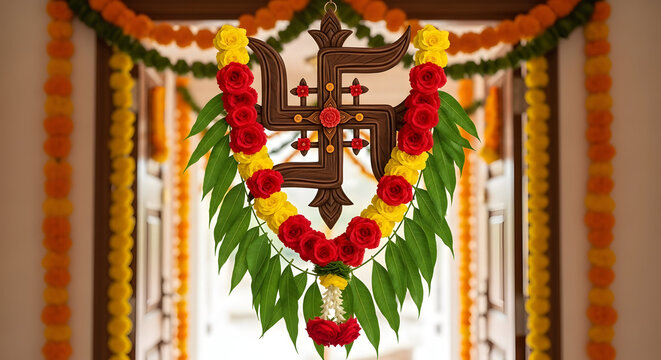
Housewarming (Griha Pravesh/Navreh)
Rituals for entering a new home, timed with the Kashmiri New Year (Navreh) for added auspiciousness.
How is it done?
- Vastu Puja/House Blessing – A priest or elder performs a purification puja or reads verses from the Holy Quran.
- First Entry – Entering with a pot of water (Kalash), a handful of rice, and a copy of the holy book (Quran or Praran).
- Lighting the Hearth (Choudh) – The kitchen fire is lit, and milk is boiled until it overflows.
- Community Feast (Wazwan) – A grand multi-course meal is served to family and neighbors.
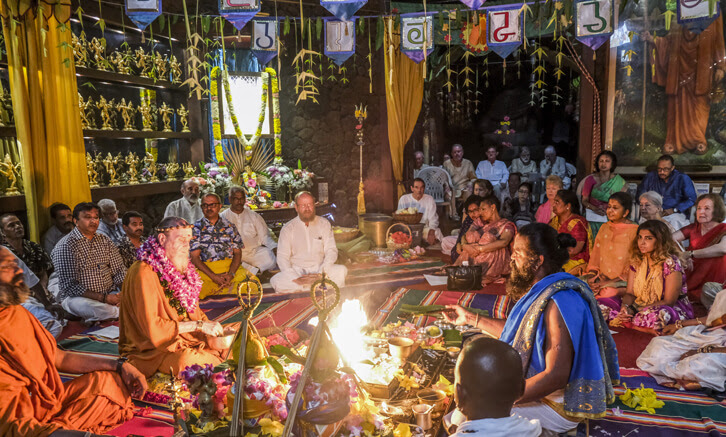
Death Rituals (Antim Sanskar/Janazah)
Rituals focused on peaceful passage of the soul, differing by faith but sharing themes of purification.
How is it done?
- Last Rites (Ghusl/Kriyakaram) – Ritual washing of the body with water, camphor, and herbs by family members of the same gender.
- Burial/Cremation – Muslims bury the body facing Mecca; Pandits cremate on a wooden pyre, ideally near the Vitasta (Jhelum) river.
- Ashes Immersion (Asthi Visarjan) – For Pandits, ashes are collected on the 3rd or 4th day and immersed in the Ganges or at Verinag.
- Mourning Period (Chehlum/Shraddha) – A 40-day period of prayers, charity, and simple living. Pandits perform the ‘Kriya’ ceremony on the 10th day.
- Annual Remembrance (Fatiha/Annual Shraddha) – Families gather to pray, give charity (Khairat), and offer food in the name of the deceased.
Spirit Worship ritual
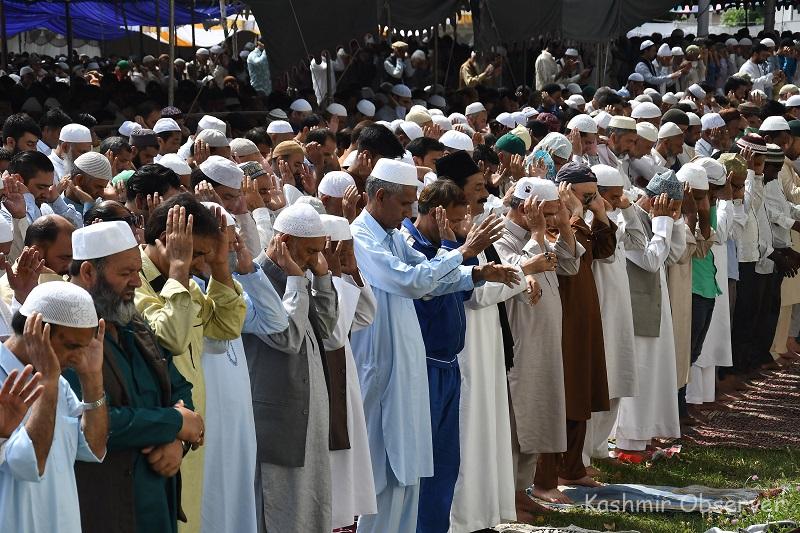
Morning & Evening Prayers (Namaz/Puja)
Daily worship that anchors spiritual life in homes and mosques/temples.
How is it done?
- Fajr/Sandhya – Pre-dawn prayers (Muslims) or morning puja with offerings of water, rice, and flowers (Pandits).
- Ablution (Wudu/Shuddhi) – Ritual purification with water before prayers.
- Recitation & Chanting – Reading the Quran or reciting Sanskrit mantras (like the Gayatri Mantra).
- Lighting the Lamp (Chirag) – Lighting an oil lamp (diyo) at the home shrine, especially at dusk.
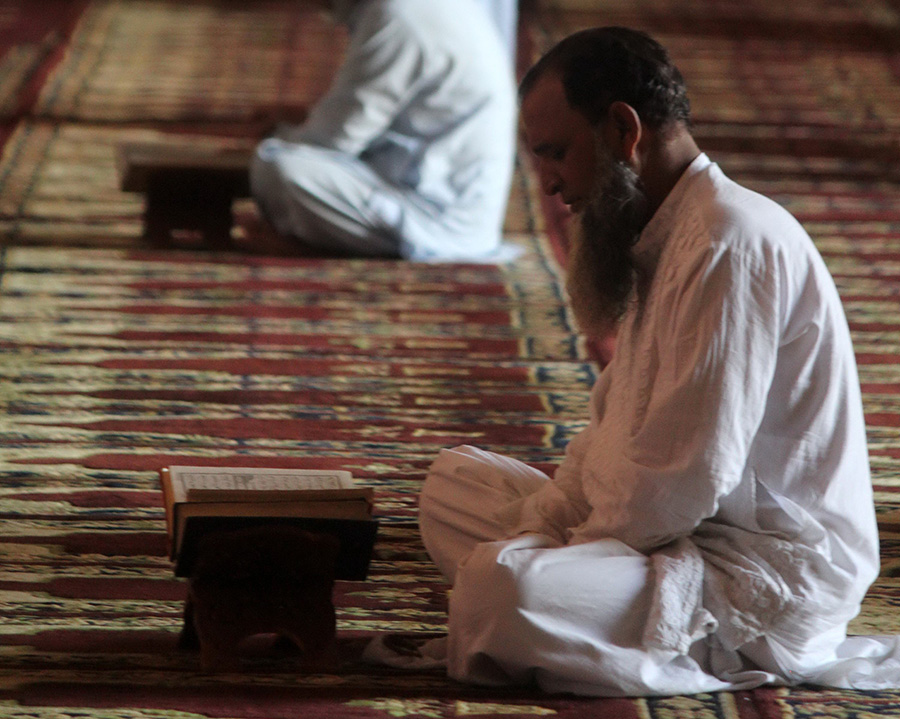
Fasting & Austerity (Roza/Vrat)
Observing fasts for spiritual cleansing and fulfillment of vows.
How is it done?
- Ramadan – A month of dawn-to-dusk fasting, increased prayer, and charity (Zakat).
- Monday/Friday Fasts – Pandits often fast on Mondays for Shiva; Muslims regard Fridays as especially holy.
- Navratri Vrats – Nine-day fasting periods, with specific days dedicated to different forms of the Goddess.
- Breaking the Fast (Iftar/Kharod) – Muslims break fast with dates and water; Pandits break vrats with specific foods like halwa or fruits.
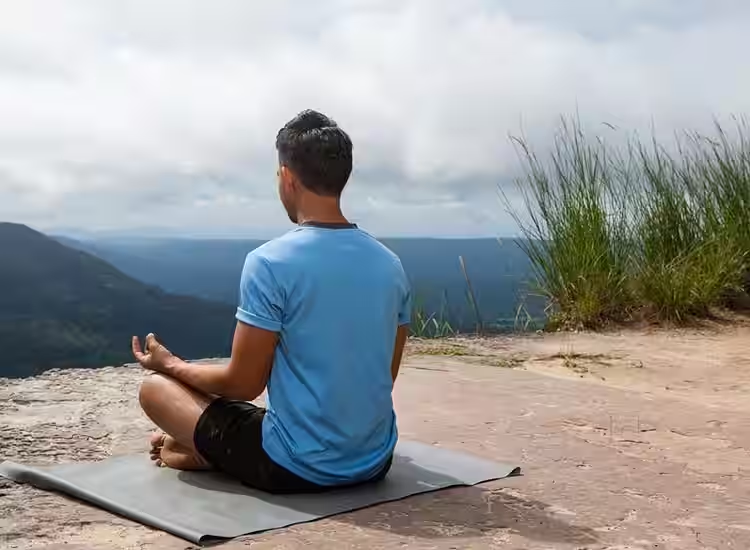
Personal Zikr & Meditation
Individual contemplative practices for connecting with the divine.
How is it done?
- Zikr (Remembrance of Allah) – Quietly or audibly repeating the names of God, often using a rosary (Tasbih).
- Yoga & Pranayama – Practiced by many, especially in the serene morning environment of the valley.
- Guru-Chela Parampara – Seeking guidance from a spiritual preceptor (Pir or Guru) and following their prescribed discipline.
- Retreats (Chilla) – Periods of spiritual seclusion, especially among Sufi orders.
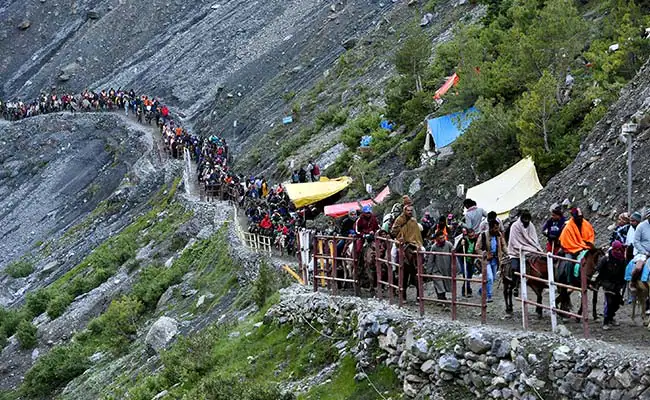
Pilgrimage (Ziyarat/Tirtha Yatra)
Journeys to sacred sites for blessings and spiritual merit.
How is it done?
- Hajj & Umrah – Pilgrimage to Mecca, a core duty for Muslims who are able.
- Amarnath Yatra – Annual arduous pilgrimage to the ice Shiva Lingam.
- Ziyarat of Sufi Shrines – Visiting dargahs like Hazratbal or Charar-e-Sharif, offering chadors, and tying threads (mannat).
- Kashmir’s Holy Springs – Bathing in sacred springs (like Kokernag or Verinag) for purification.
Folk Festivals
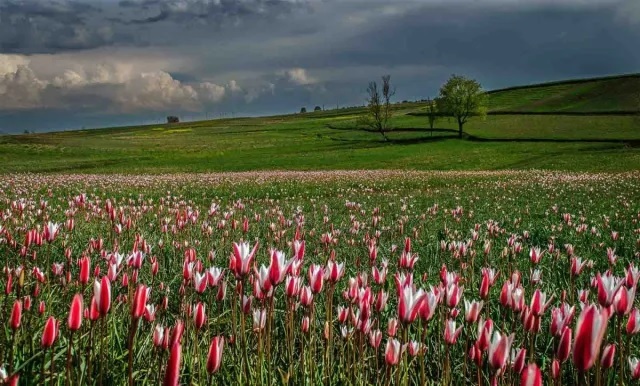
Spring Festival (Sonth/Salam)
Celebrating the end of winter and blossoming of saffron flowers.
How is it done?
- Wearing New Clothes (Posh) – Donning new traditional attire, especially pherans.
- Exchanging Bread (Kulcha) – Families prepare and exchange a special type of bread.
- Visiting Gardens – Picnics in Mughal gardens like Shalimar to view almond and cherry blossoms.
- Songs of Welcome (Sonth) – Singing traditional folk songs to welcome the spring season.
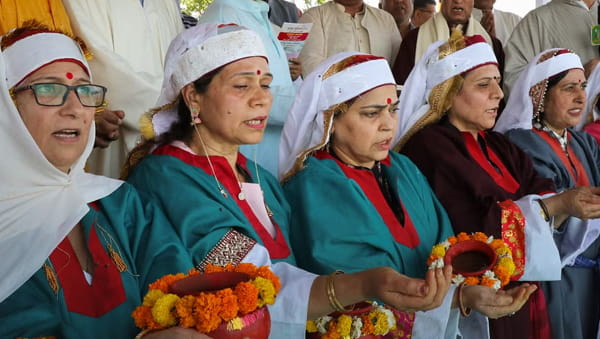
Kashmiri New Year (Navreh)
The lunar new year for Kashmiri Pandits, marked by symbolic viewing of a plate (Thaal).
How is it done?
- Pre-dawn Thaal Barun – Viewing a special plate filled with rice, a coin, a pen, a mirror, yogurt, and a new almanac (Jantri).
- Eating Herbal Rice (Vuji Bhat) – Consuming rice cooked with bitter herbs for purification.
- Wearing New Sacred Thread (Gordi) – Tying a new protective thread.
- Visiting the River – Going to the Vitasta (Jhelum) river for a symbolic dip and to offer prayers.
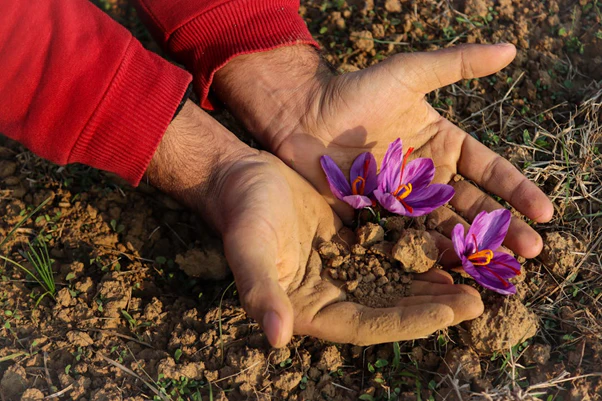
Harvest Festival (Mekhla/Tul)
Celebrating the rice and apple harvests in late summer and autumn.
How is it done?
- First Fruit Offering – The first harvest of apples or walnuts is offered at the local shrine or temple.
- Community Dance (Rouf/Bachha Nagma) – Women perform the graceful Rouf dance in circles.
- Feast from the Harvest – Preparing special dishes like Nadru Yakhni (lotus stem in yogurt) and apple desserts.
- Lighting Bonfires – Community bonfires in village squares during autumn evenings.
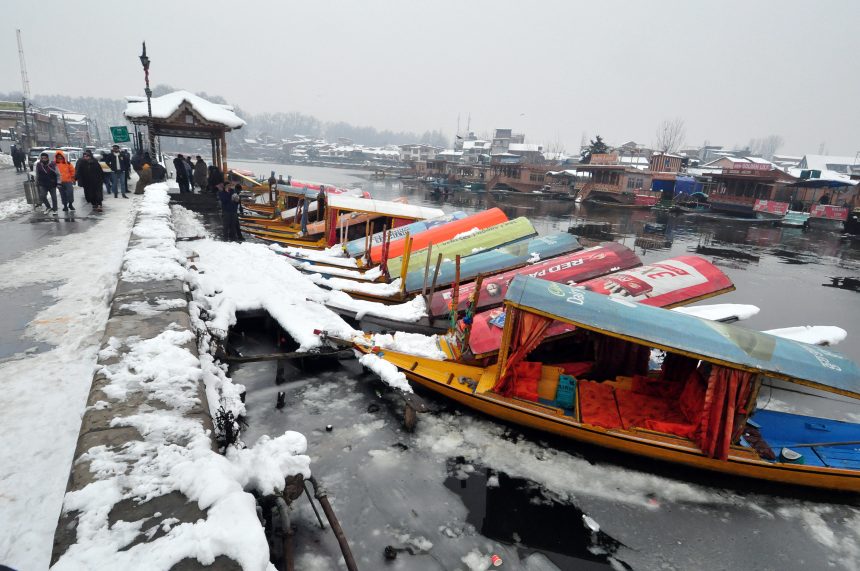
Winter Ritual (Chillai Kalan/Shishur)
Rituals to cope with and celebrate the harsh 40-day winter period.
How is it done?
- Hearth Gathering (Daan) – Families gather around the kangri (firepot) and the kitchen hearth, sharing stories.
- Preserved Food (Hokh Syun) – Eating dried vegetables and preserved fish, thanking the previous season’s bounty.
- Winter Storytelling (Dastangoi) – Narrating traditional tales and folklore.
- Charity (Khairat) – Donating warm clothes, blankets, and food to the needy during the cold.
Temple Rituals
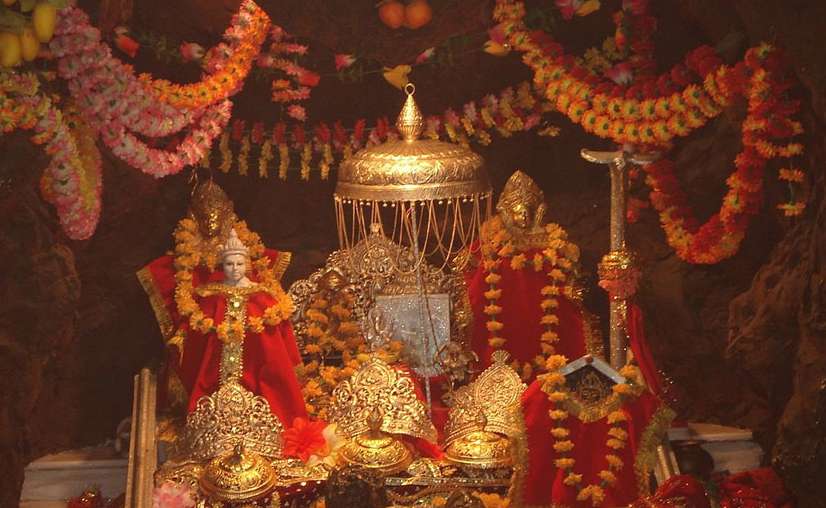
Daily Worship at Shrines
The routine rituals performed by caretakers (Pujaris/Khadims) at places of worship.
How is it done?
- Opening the Sanctum – Unlocking the gates at dawn, accompanied by ringing bells or blowing conches (in temples).
- Abhishek/Chadar Poshi – Bathing the idol with water, milk, and flowers, or draping the relic with a new cloth cover.
- Aarti/Noor – Waving lighted lamps (in temples) or presenting the holy relic for viewing (at Hazratbal during Salams).
- Distribution of Prasad/Niyaz – Distributing sanctified food (like sweet rice) to devotees.
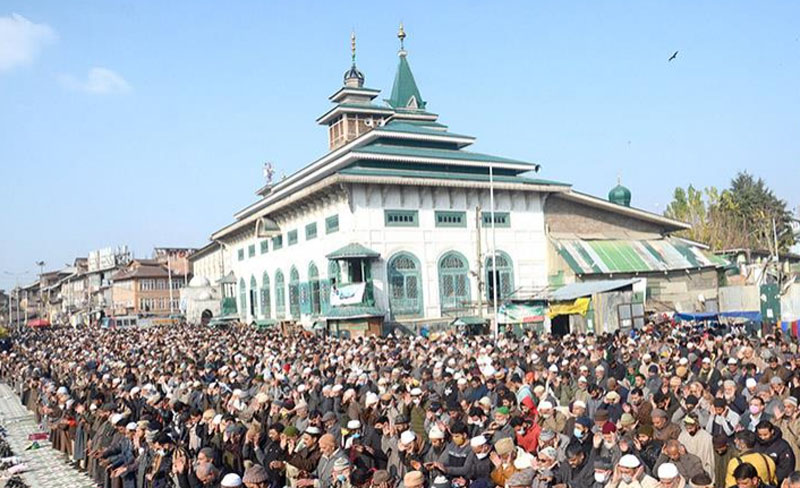
Major Shrine Festivals (Urs/Mela)
Annual festivals commemorating saints or divine events.
How is it done?
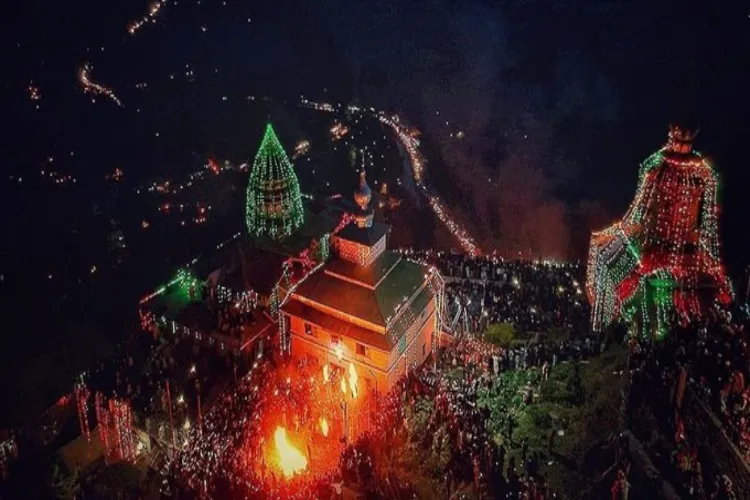
- Urs at Sufi Shrines – Death anniversaries of saints celebrated with night-long prayers (Qawwali), lighting of lamps, and feasting.
- Shivratri at Khir Bhawani – Pandits gather at the spring temple; the colour of the water is read as an omen.
- Jhiri Mela – Annual fair at Jhiri near Jammu honouring Baba Jitto, a folk hero, with prayers and offerings of new crops.
- Procession (Chhari) – Like the Holy Mace procession (Chhari) to the Amarnath Cave.
Votive Offerings (Mannat/Nazr)
Rituals where devotees make offerings for a wish or in thanks.
How is it done?
- Tying a Thread (Dhaga/Dori) – Tying a thread on the jali (grill) of a shrine, representing a vow.
- Offering Salt (Noon) – Presenting a packet of salt at a dargah, symbolizing preservation of one’s faith or wish.
- Lighting a Lamp (Chirag) – Lighting a mustard oil lamp at a temple or under a sacred tree (like the Chinar).
- Sacrificial Offering (Qurbani/Narbali) – Sacrificing a goat or sheep (historically), now often substituted with monetary charity.
Devotee Participation (Darshan/Didar)
The core act of visiting a shrine for the blessing of sight.
How is it done?
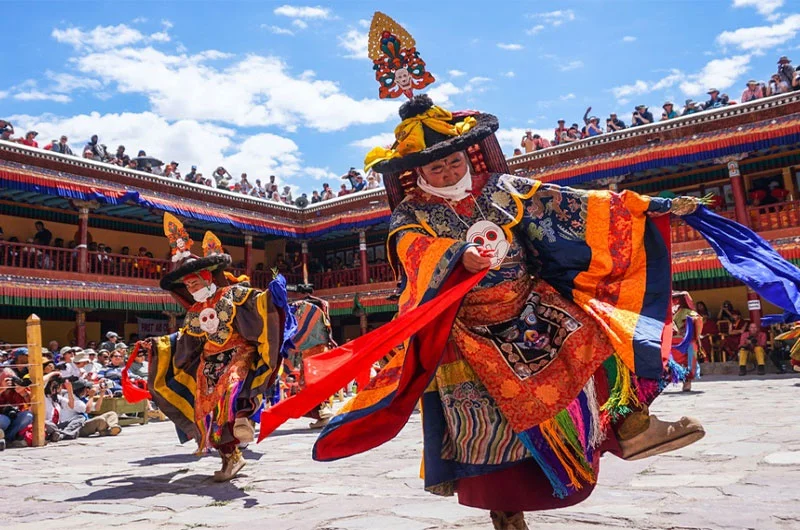
- Circumambulation (Pradakshina/Tawaf) – Walking clockwise around the main shrine or a sacred spot.
- Kissing the Threshold/Grill – Showing reverence upon entry.
- Prostration (Sajda/Namaskar) – Bowing or fully prostrating before the deity or relic.
- Drinking Holy Water (Chashme) – Drinking water from a sacred spring within the shrine complex.
Ayurveda and Yoga

Dinacharya (Seasonal Daily Routine)
A daily regimen harmonized with Kashmir’s dramatic seasons to maintain health and balance the doshas (Vata, Pitta, Kapha).
How is it done?
- Ushapaan at Dawn – Drinking warm water infused with local herbs like thyme (Jungli Ajwain) or saffron, stored overnight in a copper vessel.
- Abhyanga with Mustard Oil – A self-massage with warm, herb-infused mustard oil, especially vital in the dry, cold winters to pacify Vata.
- Nasya with Anu Tailam – Administering medicated oil drops into the nostrils to cleanse sinuses, a key practice for the valley’s climate.
- Seasonal Diet (Ritucharya) – Rigorously adapting food: heavy, warming foods (Harissa) in winter; light, bitter greens (Haakh) in spring.
- Yoga & Pranayama – Practicing gentle asanas and breathing exercises (like Surya Namaskar and Bhramari) facing the sun, often in garden or meadow settings.
Panchakarma (Seasonal Detoxification)
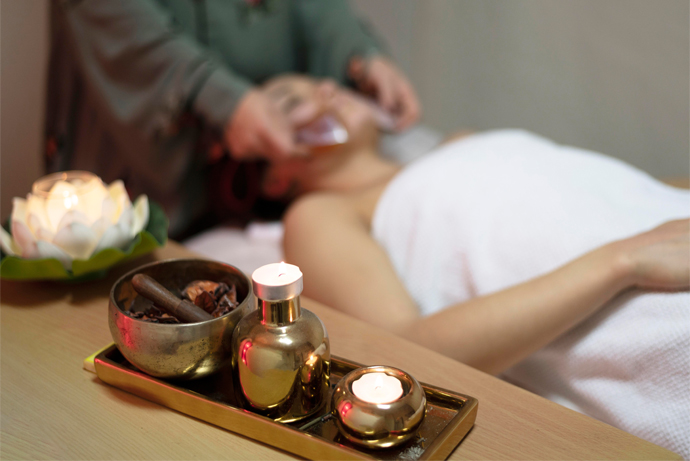
The traditional five-fold detox therapy, intensely practiced during specific seasonal transitions (especially late spring) to purge accumulated toxins.
How is it done?
- Vamana (Therapeutic Emesis) – Administered in early spring (Vasant) to eliminate excess Kapha from sinus and respiratory issues common in the cold climate.
- Virechana (Purgation Therapy) – Done in autumn to balance Pitta and cleanse the liver after the summer heat.
- Basti (Medicated Enema) – Considered the premier treatment for Vata disorders, using herbal decoctions and oils, crucial for joint health in the cold.
- Nasya (Nasal Administration) – Regular use of oils like Shadbindu Tailam for chronic sinusitis and headaches.
- Raktamokshana (Bloodletting) – Traditionally performed with leeches (Jaluka) from Dal Lake for specific skin and blood disorders.
Herbal Pharmacy & Kitchen Remedies (Vanoush and Waan)
Utilizing the rich Himalayan flora for home-based preventive and curative treatments.
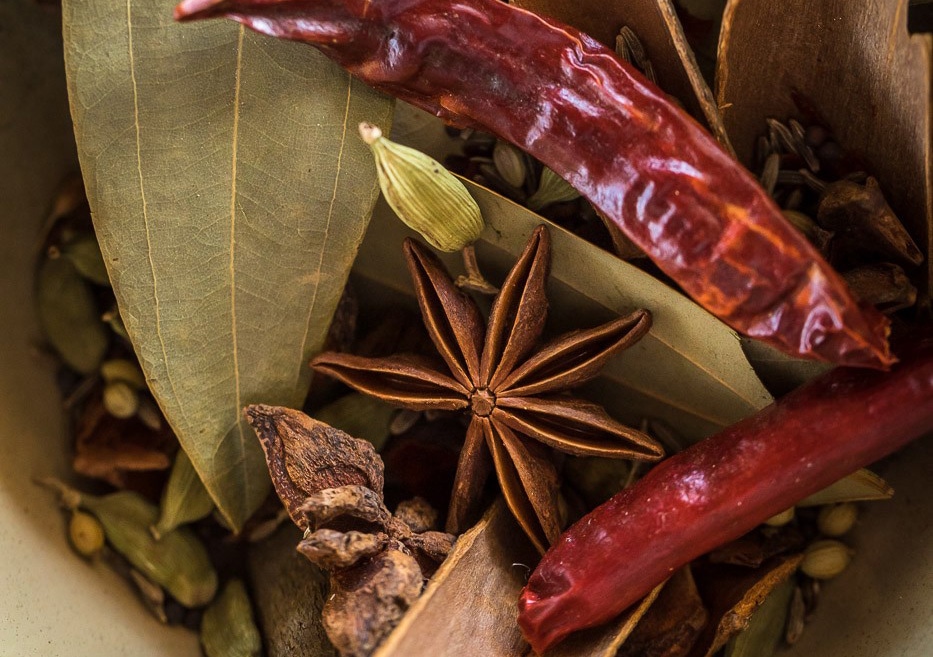
- Kahwa as Medicine – The ceremonial drinking of saffron, almond, cardamom, and cinnamon-infused green tea for digestion, warmth, and immunity.
- Kashmiri Garlic (Maha-Phoran) Concoction – A paste of local garlic and honey used as a potent remedy for cough, cold, and blood pressure.
- Applying Walnut Oil Paste – A paste of ground walnuts and oil applied to the scalp for brain health and to feet for cracks.
- Healing Poultices (Upanaha) – Using warm poultices of locally grown herbs like mint (Pudina) and fenugreek (Methi) for joint and muscle pain.
- Dodh Kehwa (Milk Decoction) – Boiling milk with licorice (Mulethi), ginger, and fennel, consumed at night for restorative sleep and lung health.
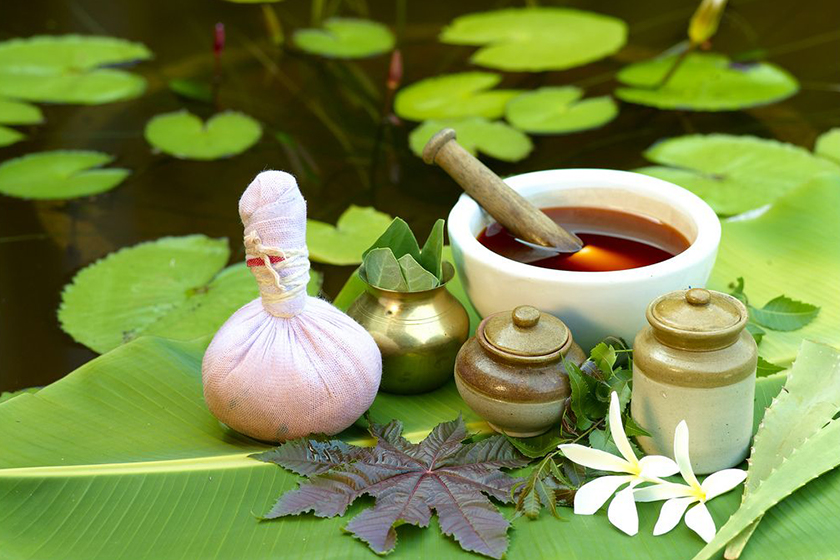
Wellness Rituals for Women (Stree Chikitsa)
Specialized Ayurvedic and yogic practices for women’s health across different life stages.
- Postpartum Care (Sutika Paricharya) – A 40-day confinement period with special diets (like rice cooked with ghee and spices), oil massages, and steam baths.
- Ritualistic Sitz Bath (Avagaha) – Sitting in a tub of warm water boiled with herbs like Dashamoola for gynecological health.
- Fertility Rituals (Garbhasanskar) – Listening to sacred music, meditation, and consuming specific herbs (like Ashwagandha) for preconception care.
- Menopause Support (Rajonivritti) – Gentle yoga sequences, cooling pranayama (Sheetali), and a Pitta-pacifying diet to manage transition.

Yoga of the Rishis (Kashmiri Shaivism & Pranayama)
Yogic practices deeply influenced by the non-dual philosophy of Kashmir Shaivism, focusing on inner awareness.
- Shiva Sutra Meditation – Contemplative practice on the aphorisms of Kashmir Shaivism to recognize consciousness as the supreme reality.
- Pranayama in Alpine Air – Practicing advanced breath control (like Nadi Shodhana) in the pristine mountain air for mental clarity and energy channeling.
- Yoga Nidra (Psychic Sleep) – Guided deep relaxation often practiced by the banks of serene lakes or rivers for profound stress release.
- Mantra Japa with Rudraksha – Repetition of mantras (like “Om Namah Shivaya”) using beads from local Rudraksha trees, believed to be highly potent in the region.
- Integration with Nature (Prakriti Sadhana) – Performing asanas and meditation outdoors, viewing the landscape as a manifestation of divine energy.
Social Fabrics
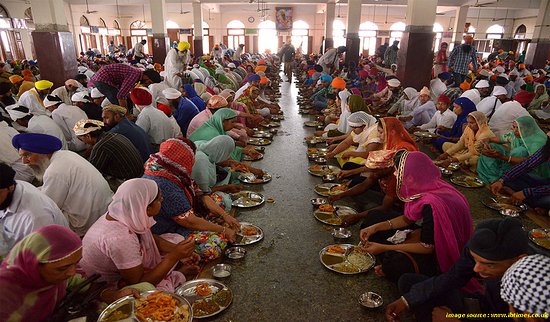
Community Kitchen (Langar/Wazwan)
The supreme expression of community and hospitality.
How is it done?
- Wazas (Master Chefs) – The ritual cooking is done exclusively by the hereditary Waza community over giant pots.
- Trammi (Large Serving Plate) – Guests sit in groups of four and share food from a single large copper plate.
- Ritualistic Serving Order – Dishes are served in a strict sequence, starting with rice and ending with gustaba (meatball curry).
- Head Cook’s Blessing (Waza’s Tasleem) – The head Waza appears to ask if the meal was satisfactory, receiving a communal thanks.
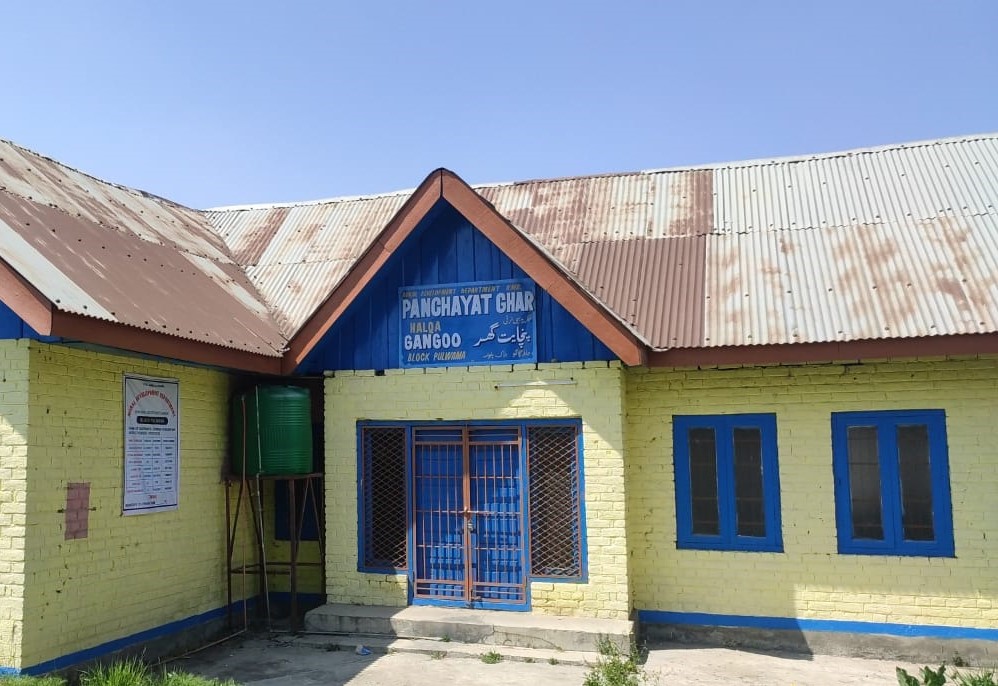
Village Council (Panchayat)
Traditional systems of local justice and conflict resolution.
How is it done?
- Oath on Sacred Item (Qasam) – Taking an oath while holding the Quran or a handful of rice from a temple.
- Consensus Decision (Ittifaq) – Elders deliberate until a unanimous decision is reached.
- Symbolic Punishment/Restitution – Fines (jurmana) or symbolic acts like planting trees.
- Reconciliation Feast (Matha Tekun) – The parties share a meal to symbolize the end of the dispute.
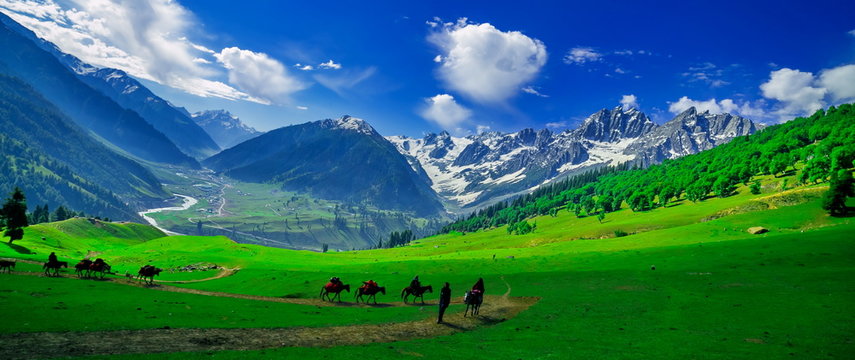
Neighbourhood Solidarity (Mohalla)
Rituals that reinforce local bonds.
How is it done?
- Collective Celebrations – Entire neighborhoods decorate streets and contribute to festivities like Eid or Herath.
- Sharing First Produce (Noendre) – Sharing the first yield from one’s garden or orchard with neighbors.
- Grief Sharing (Hamdardi) – Upon a death, the community takes over chores and provides food for the bereaved family for days.
- Neighborhood Clean-Up (Safai) – Collective cleaning of communal areas, especially before a major festival.
Art & Craft
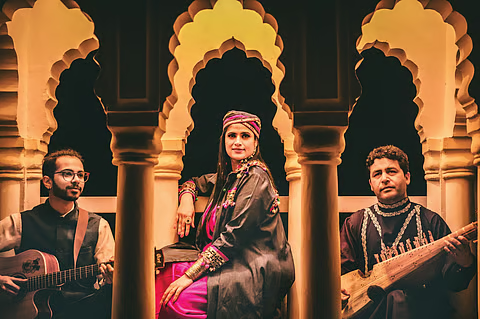
Sacred Music & Poetry (Sufiana Kalam/Wanwun)
Devotional music integral to worship and celebration.
How is it done?
- Santoor/Sitar Recital – A ritual tuning and playing of the santoor, often to begin a spiritual gathering.
- Wanwun (Folk Lyrical Songs) – Women sing specific Wanwun songs at weddings, each ritual having its own set of lyrics.
- Qawwali at Dargahs – Night-long sessions of devotional Sufi music during Urs festivals.
- Chhakri Folk Music – Performed in circles, often during harvest festivals, using rabab and harmonium.
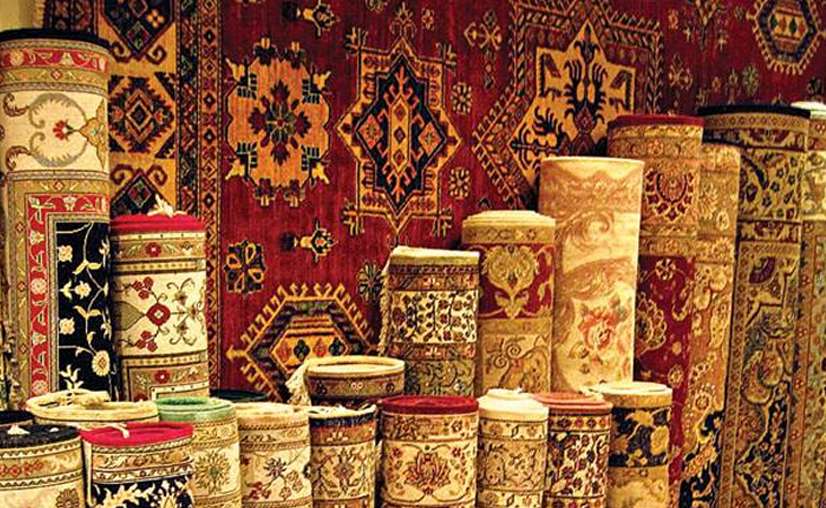
Craft Initiation & Veneration (Karigari)
Rituals honoring the tools and initiation into traditional crafts.
How is it done?
- First Thread (Pashmina/Sozni) – A master weaver or embroiderer blesses the first thread for a new piece.
- Tool Worship (Karkhana Puja) – On Vishwakarma Day, tools of papier-mâché, wood carving, and carpet weaving are cleaned and worshipped.
- Apprentice Ceremony (Shagirdi) – Formal acceptance of an apprentice with a gift of tools from the Ustad (master).
- Offering First Product – The first piece from a new batch (like a set of carpets or shawls) is symbolically offered at a shrine.
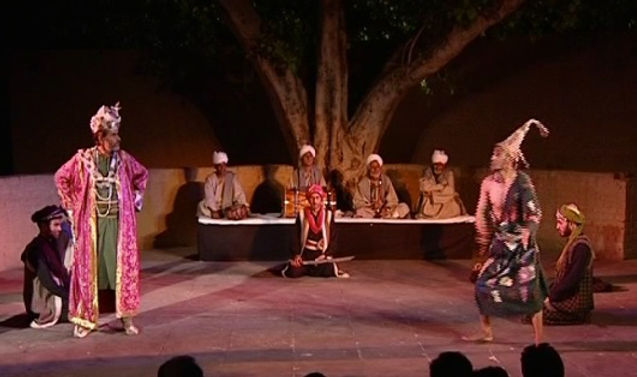
Folk Theatre (Bhand Pather)
Satirical traditional theatre with ritualistic beginnings.
How is it done?
- Invocation to Lord Ganesha (Bhumika) – The performance always begins with a prayer to remove obstacles.
- Make-up as Ritual – Applying specific, exaggerated make-up according to traditional character rules.
- Circular Performance Space (Akhara) – The play is performed in a circle, with audience on all sides.
- Satire as Social Ritual – The play often ritually mocks social vices and authority figures, providing catharsis.
Other Significant Rituals
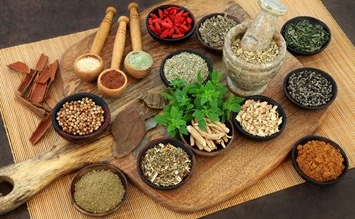
Herbal Wellness (Kashmiri Ayurveda/Unani)
Traditional home remedies using valley’s herbs.
How is it done?
- Kahwa Ritual – Drinking saffron-infused green tea with spices at specific times for warmth and digestion.
- Spring Tonic (Dodh Kehwa) – A milk-based decoction with herbs consumed in early spring for cleansing.
- Hammam (Medicated Steam Bath) – Using steam infused with herbs like mint and rose for relief from cold and aches.
- Application of Habb-e-Raal – Using a traditional Unani herbal pill dissolved in water for stomach ailments.
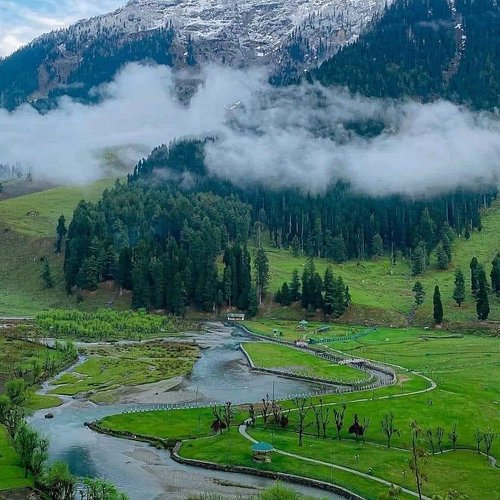
Nature Veneration (Sacred Geography)
Rituals acknowledging the divinity in natural features.
How is it done?
- Devoting Springs (Nag) – Treating mountain springs as abodes of serpent deities (Nag), offering milk and flowers.
- Chinar Tree Worship – Tying threads around ancient Chinar trees and circumambulating them for wishes.
- River Vitasta Puja – Offering prayers, lamps, and flowers to the Jhelum river, considered a goddess.
- Sacred Mountain Passes (Pir Panjal) – Leaving a stone or coin on cairns when crossing high passes for safe passage.
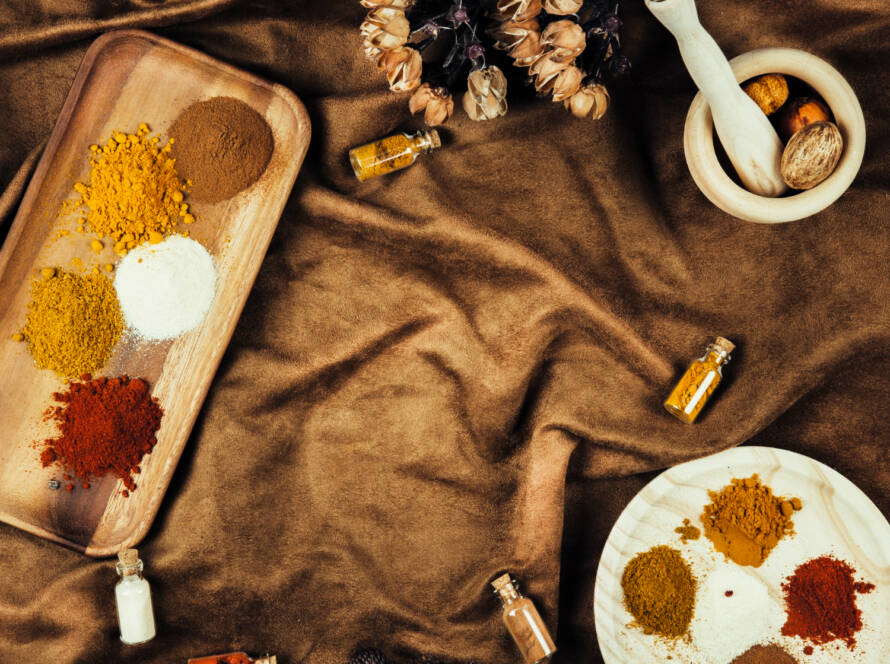
Seasonal Detox (Ritucharya)
Adapting lifestyle and diet with the severe seasonal shifts.
How is it done?
- Winter Warmth Rituals – Consuming foods like harissa (meat porridge) and using the kangri (firepot) close to the body.
- Spring Cleansing (Bahar) – Eating bitter greens (haakh) and mild spices to cleanse the blood after winter.
- Monsoon Protection – Using mustard oil massages and avoiding cold foods to counter dampness.
- Autumn Harvest Diet – Incorporating nuts (walnuts, almonds) and new rice into daily meals for strength.