¤ 10+ minutes Read
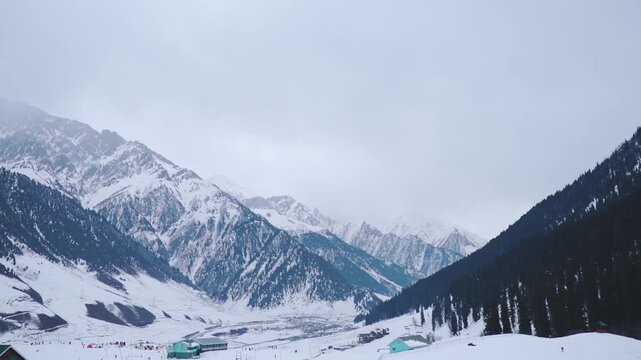
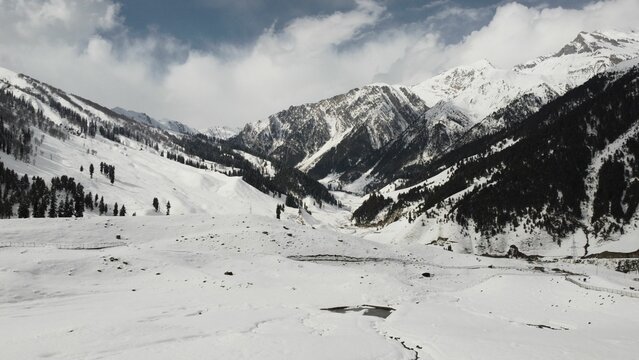
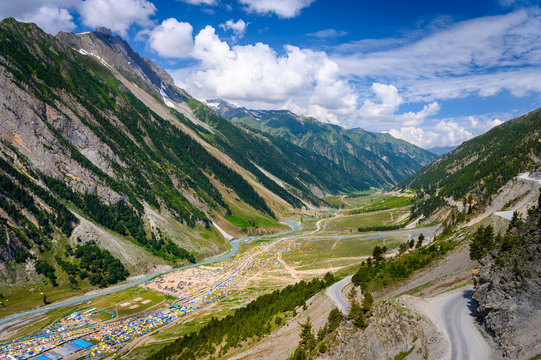
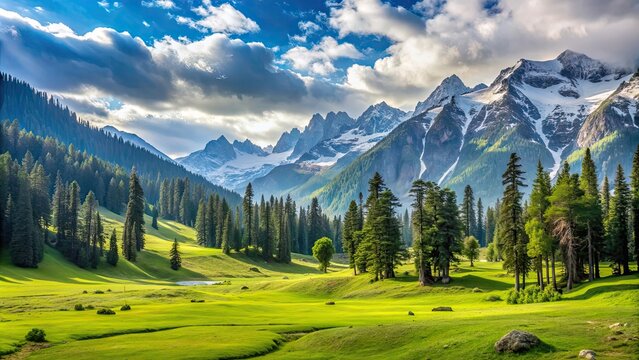
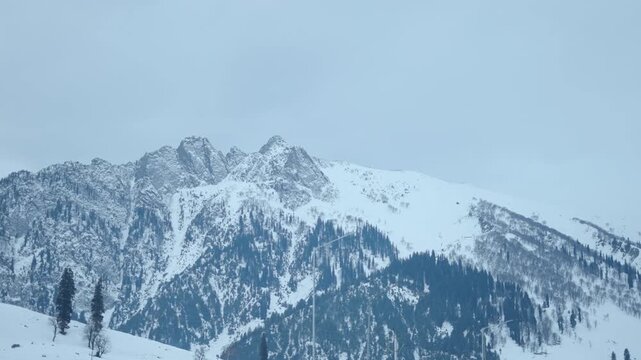
Sonmarg, translating to “Meadow of Gold,” is a breathtaking hill station in the Ganderbal district of Jammu and Kashmir. Perched at an altitude of 2,800 meters, it is the gateway to the majestic Himalayan region of Ladakh. Surrounded by snow-capped peaks, alpine meadows, and glacial streams, Sonmarg is famed for its stunning natural beauty, serving as a base for treks and a paradise for nature lovers and adventure enthusiasts.
Wiki Link: Sonmarg wiki page
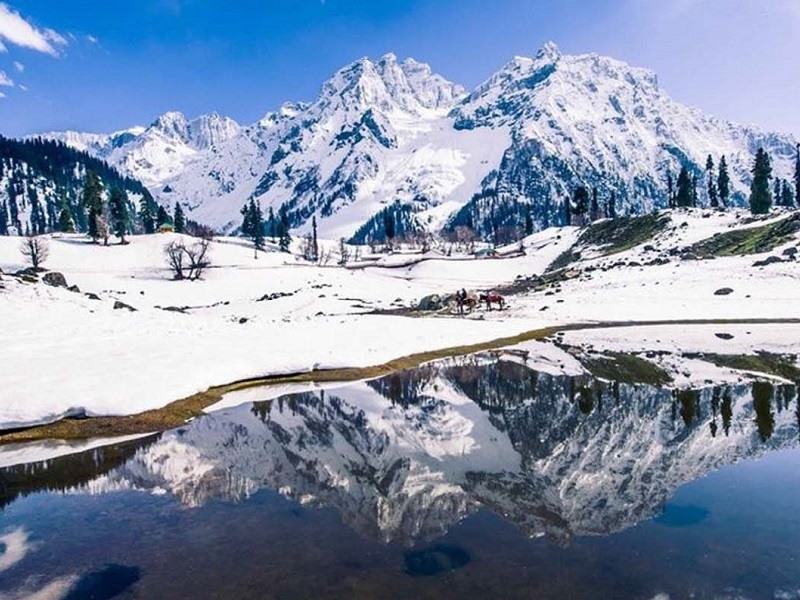
The crown jewel of Sonmarg, this accessible glacier offers a surreal landscape of ice and snow, ideal for photography, sledging, and pony rides amidst towering peaks.
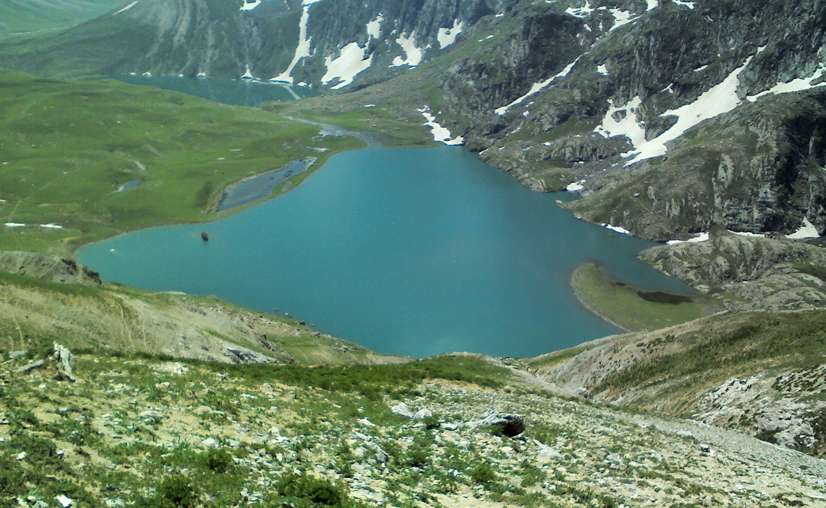
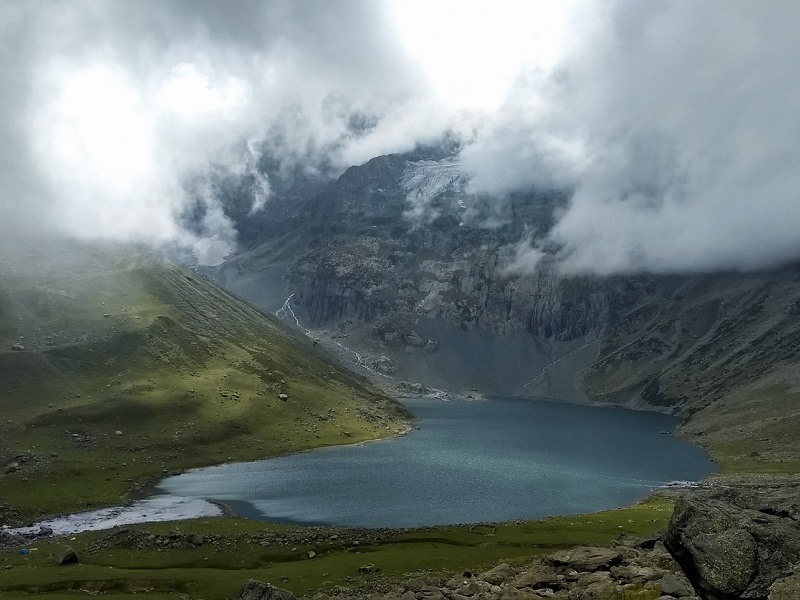
Part of the famous Sonmarg-Gangabal trek, this serene high-altitude alpine lake is known for its crystal-clear waters reflecting the surrounding mountains.
A strategic and thrilling mountain pass on the Srinagar-Leh highway, offering dramatic, rugged vistas and a sense of high-altitude adventure.
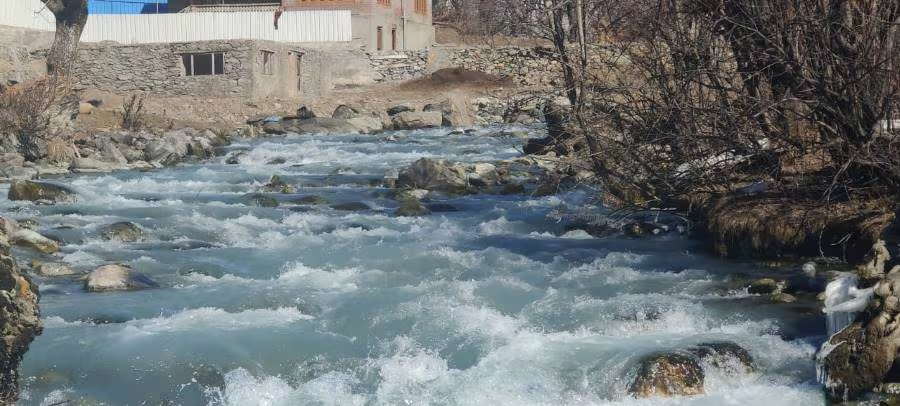
A unique spot where the reddish waters of the Nilagrad River meet the emerald-green Sindh River, considered sacred and known for its distinct mineral content.
A challenging and rewarding trek from Sonmarg leads to this sacred twin lake at the foot of Mount Harmukh, revered by Hindus and cherished by trekkers.
A cluster of seven mesmerizing high-altitude lakes, accessible through a scenic trek, offering pristine beauty and complete solitude.
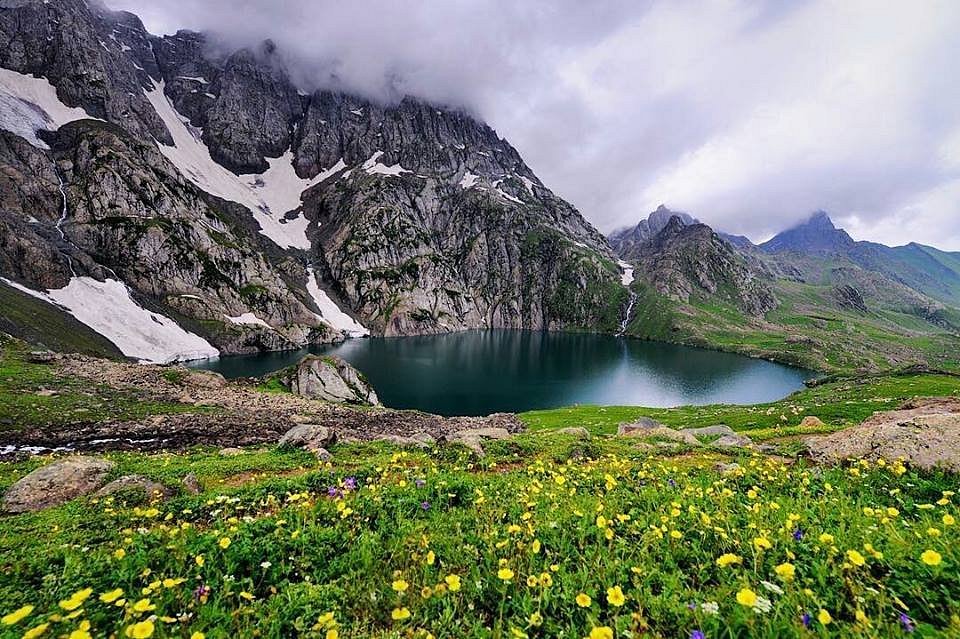
These stunning twin lakes are highlights of the Great Lakes Trek, famous for their breathtaking beauty and vibrant colors set against rocky mountains.
Known as the “Lake of Flowers,” this vibrant lake is surrounded by meadows blooming with wildflowers during summer, creating a picture-perfect landscape.
Experience the raw, adventurous, and serene spirit of the Himalayas in Sonmarg. From thrilling treks and trout fishing to peaceful picnics by glacial streams, it’s a destination for those seeking untouched natural beauty.
The most popular activity, a scenic pony ride takes you through pine forests and meadows to the foot of the spectacular Thajiwas Glacier.
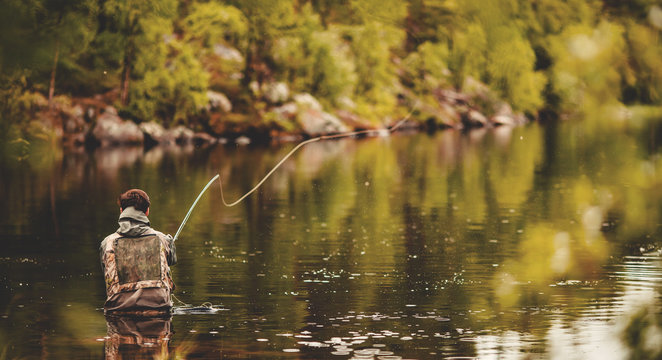
The cold, clear waters of the Sindh River are rich with brown and rainbow trout, making it a popular spot for fishing enthusiasts.
Embark on legendary treks like the Sonmarg-Vishansar-Krishnasar or Sonmarg-Gangabal trails to witness some of Kashmir’s most stunning high-altitude lakes.
Spread a blanket in the vast, flower-dotted meadows along the Sindh River for a perfect, peaceful day surrounded by panoramic mountain views.
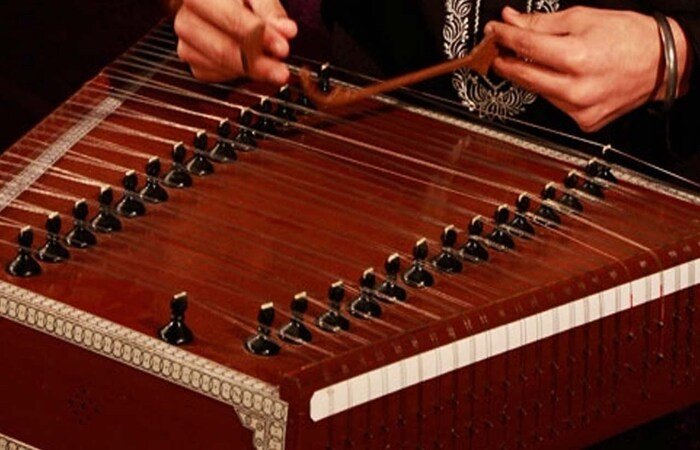
A vibrant hub for performing arts. The city has a rich tradition in classical music, dance, and theater, with world-renowned artists and performers drawing inspiration from its divine ambiance. Classical music forms like Hindustani classical, including tabla and sitar performances, are deeply rooted in the city’s cultural identity. Bharatanatyam and Kathak dance forms also flourish here, often performed at temples and ghats, embodying the spiritual essence of Varanasi. The city’s connection with music and dance continues to inspire generations, preserving its artistic legacy.
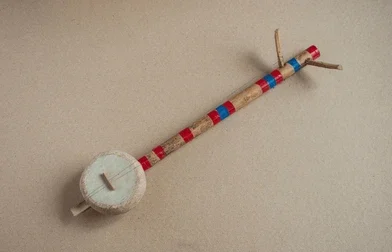
Kashmiri Folk Music
Sufiana Kalam
Gujjar-Bakarwal Music
Chitrakoot is a cradle of spiritual and folk music traditions, deeply influenced by the epic tales of Lord Rama’s exile. The region resonates with soulful renditions of Ram Bhajans and Chaiti devotional songs, especially during festive seasons. Folk forms like Alha (heroic ballads) and Birha (songs of separation) are performed, narrating local legends and daily life along the banks of the Mandakini River.
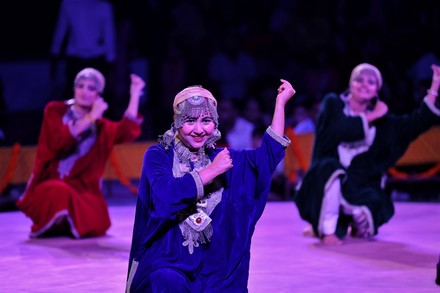
Rouf
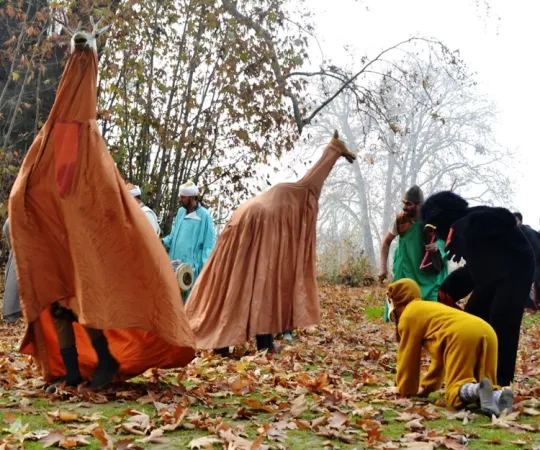
Bhand Pather
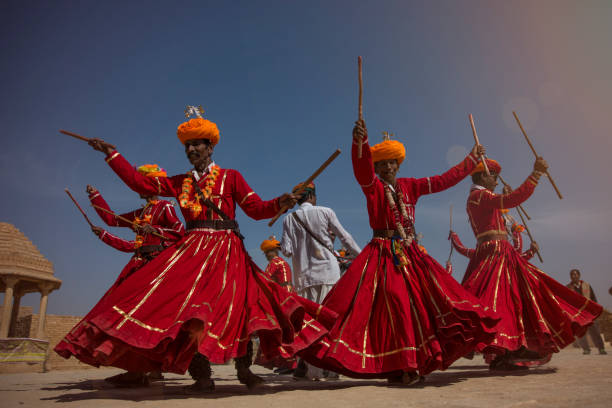
Gujjar Folk Dances
The dance traditions of Chitrakoot are vibrant expressions of its devotional and folk culture. Rai Dance, performed by women during festivals like Holi and Diwali, is characterized by graceful movements and rhythmic clapping. Energetic folk dances like Ahirai and dramatic performances of Ramlila, depicting episodes from the Ramayana, are integral to the region’s cultural storytelling and celebrations.
Sonmarg offers an escape into untouched Himalayan grandeur. The vibe is one of tranquil isolation and awe-inspiring beauty, dominated by the sounds of gushing rivers, wind through pine trees, and the sheer silence of the mountains. It’s less about bustling culture and more about reconnecting with nature in its most powerful form.
Sonmarg’s heritage is intrinsically linked to its geography. Historically, it served as a vital stop on the ancient Silk Road via the Zoji La Pass. Its meadows have been used for centuries by nomadic Gujjar and Bakarwal communities as summer pastures. The region also holds significance as a starting point for pilgrimages, including the sacred Amarnath Yatra.
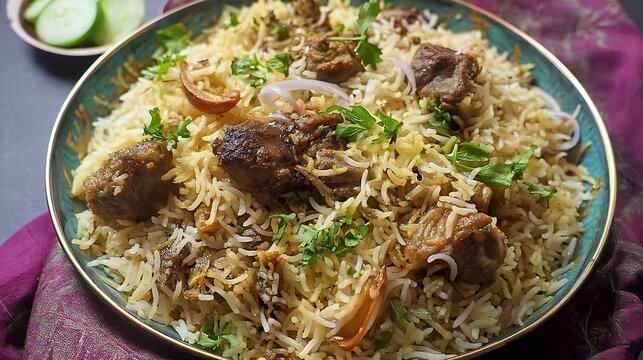
The cuisine in Sonmarg is typical Kashmiri Wazwan fare, known for its rich, aromatic flavors, with a focus on hearty meals perfect for the cold climate.
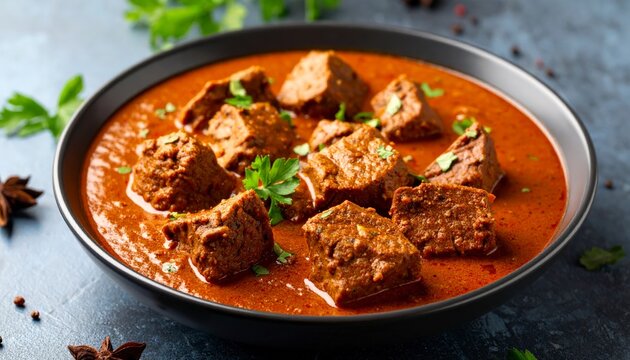
The iconic aromatic lamb curry, slow-cooked with yogurt, spices, and Kashmiri red chilies, offering a deep red color and rich flavor.
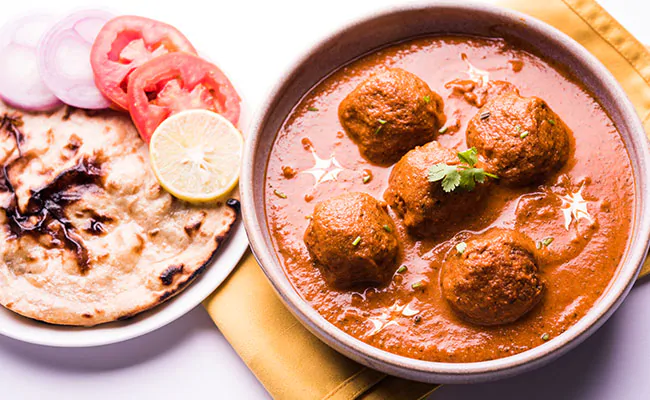
Minced mutton balls cooked in a thick, spicy yogurt gravy, often considered a dish of celebration.
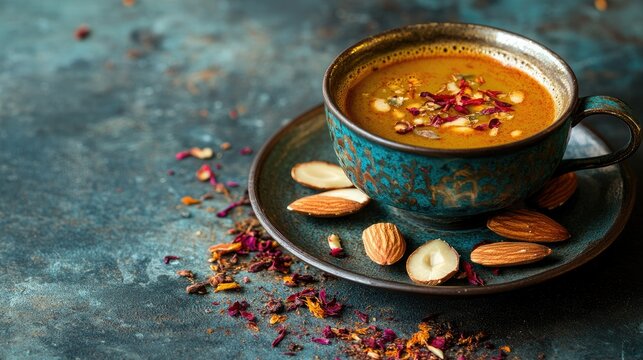
A traditional fragrant green tea infused with saffron, cinnamon, cardamom, and almonds, served to ward off the cold.
A mild and creamy yogurt-based curry, flavored with subtle spices like fennel and dry mint, usually made with chicken or lamb.
Shopping in Sonmarg is limited but focuses on authentic Kashmiri handicrafts and local woolens. The main market offers souvenirs to remember the Himalayan journey.
Genuine, handwoven Pashmina shawls, stoles, and warm pherans (traditional cloaks) and woolen socks are essential buys.
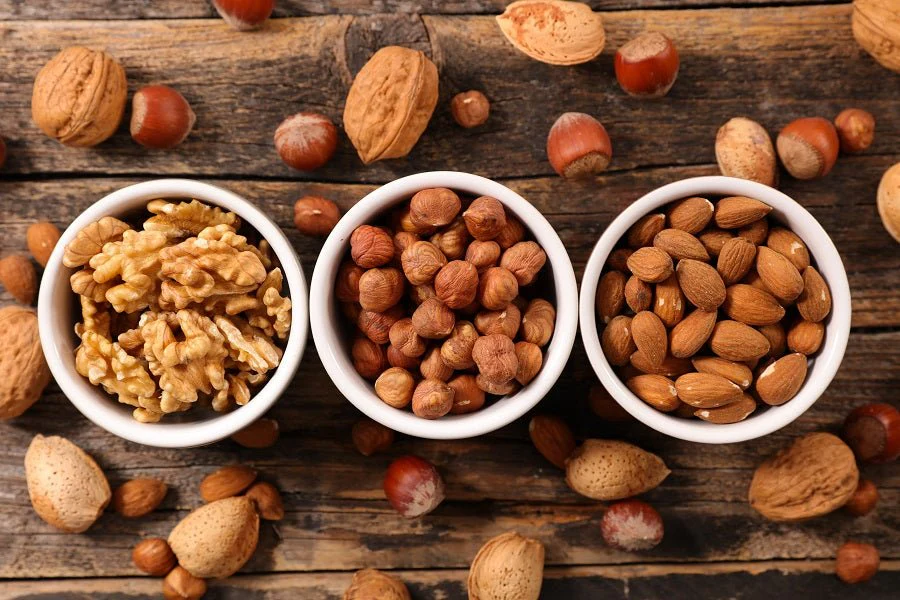
Premium Kashmiri walnuts, almonds, apricots, and the world-famous Kashmiri saffron (Kesar).
Intricately painted Papier-mâché boxes, vases, and ornaments, along with finely carved walnut wood furniture and items.
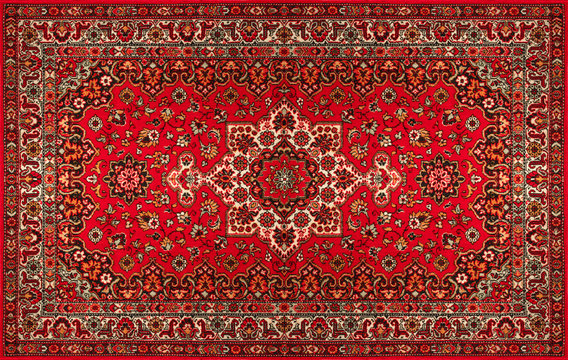
Hand-knotted silk and wool carpets featuring exquisite Persian and Kashmiri designs.
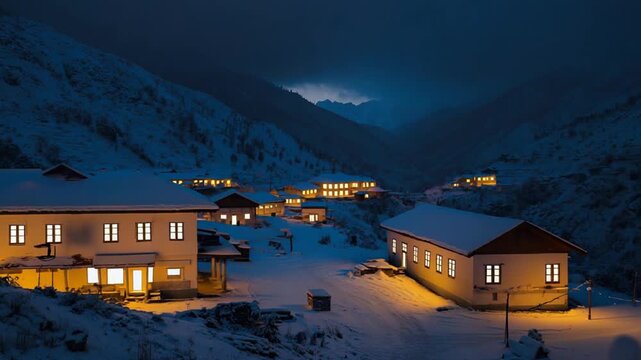
The best and only feasible time to visit Sonmarg is during summer, from May to September. During these months (10°C to 25°C), the snow melts, meadows bloom, roads and passes are open, and all activities are accessible. Monsoon (July-August) may bring occasional showers. The region is inaccessible due to heavy snowfall from October/November to April.
Acclimatization: Sonmarg is at high altitude. Rest on the first day, avoid alcohol, and stay hydrated to prevent Acute Mountain Sickness (AMS).
Unpredictable Weather: Mountain weather changes rapidly. Always carry warm layers, rain gear, and sunscreen, even in summer.
Trekking with Guide: Never venture on treks alone. Always hire a licensed local guide and inform someone of your itinerary.
River & Glacier Safety: Do not walk on glaciers without a guide. Be cautious near fast-flowing rivers and streams.
Road Safety: Roads, especially near Zoji La, are narrow and precarious. Trust experienced local drivers.
Wildlife: Store food securely and be aware of your surroundings, as the area is home to bears and other wildlife.
Local Taxis and Jeeps are the primary mode of transport for getting to Sonmarg and for local sightseeing like Thajiwas Glacier or Zoji La. Pony Rides are essential for reaching the glacier and other remote meadow areas. There is no local public bus service within Sonmarg for sightseeing. All travel must be arranged through private vehicles or tour operators.
Pony Ride Overcharging: Fix the rate for pony rides (per person, round trip) explicitly before starting. Confirm if it includes the waiting time at the glacier.
Fake Guides & Unsafe Treks: Only hire guides through registered travel agencies or your hotel. Avoid cheap, unverified offers for difficult treks.
Fake Pashmina & Saffron: Be wary of cheap "Pashmina" which is often acrylic blend. Buy saffron from licensed shops and check for ISI certification.
Accommodation Issues: During peak Yatra season (July-August), prices skyrocket and availability drops. Book well in advance and get written confirmation.
Taxi Fare Disputes: Negotiate and finalize taxi fares for local sightseeing for the entire day before embarking on the trip.
Photography Charges: Local herders or children may ask for money if you photograph them or their livestock. Always ask for permission first.
Jammu & Kashmir Trekking Guide
The Complete Guide to the Amarnath Yatra
Kashmiri Cuisine: A Flavorful Journey
High-Altitude Lakes of Kashmir: Trekking to Gangabal