¤ 10+ minutes Read
Bokaro, located in the state of Jharkhand, is a major industrial city synonymous with India’s steel production. Established around the gigantic Bokaro Steel Plant (BSL), one of the country’s largest integrated steel plants, it is a prime example of a planned industrial township. Beyond its industrial might, Bokaro is developing into a city with serene parks, modern amenities, and access to the cultural heartland of Jharkhand, offering a unique blend of power, progress, and natural beauty.
Wiki Link: Bokaro wiki page
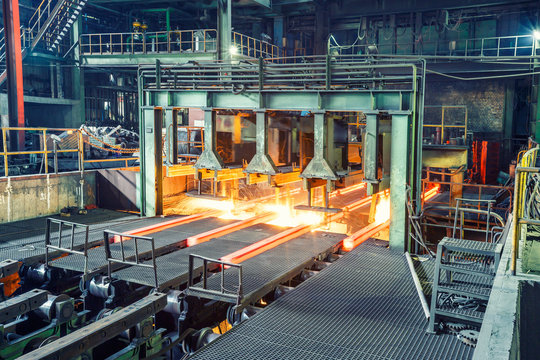
The industrial heart of the city, offering fascinating tours of India’s major steel production.
A scenic reservoir and popular picnic spot with a zoo, gardens, and boating.
A well-maintained urban green space with walking tracks, play areas, and fountains for relaxation.
A historic area known for its scenic landscapes, ancient temples, and proximity to Panchet Dam.
A revered Jyotirlinga pilgrimage center, attracting millions of devotees annually from across the country.
A spectacular waterfall cascading over rocky cliffs on the Subarnarekha River, famed for its stunning natural beauty.
Jharkhand’s highest peak and a supremely sacred Jain pilgrimage site dotted with ancient hilltop temples.
A historic city sacred to both Hindus for Pind Daan rituals and Buddhists as the site of the Mahabodhi Temple.
Experience the industrial vigor and emerging urban culture of this steel city. From educational plant tours to peaceful lakeside retreats, Bokaro offers a distinct and insightful journey.
Witness the fascinating, large-scale process of steelmaking on an authorized tour of the massive Bokaro Steel Plant.
Enjoy a relaxing day with boating on the reservoir and exploring the adjacent Biological Park and zoo.
Join locals for a refreshing evening walk, jog, or simply unwind in this well-maintained urban green space.
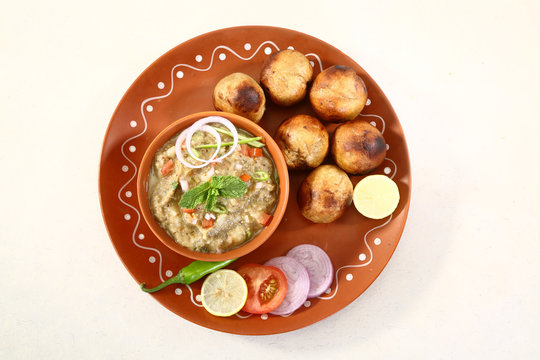
Enjoy hearty North Indian food and local Jharkhandi dishes like Litti Chokha and Rugra at city eateries.
Bokaro’s cultural scene is a vibrant mix brought by people from across India, coalescing into a unique industrial-township culture. Alongside popular modern entertainment, traditional tribal and folk arts of the Jharkhand region find expression.
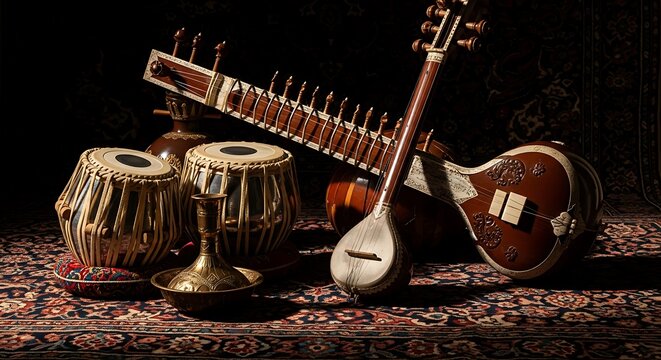
Bollywood Music
Tribal Folk Music
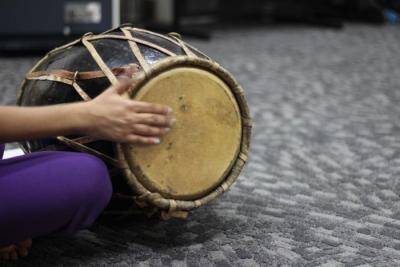
Chhau Music
Bokaro’s soundscape is shaped by its industrial township culture, blending popular Bollywood and contemporary music with the deep-rooted folk traditions of Jharkhand. The rhythmic beats of Chhau music, with its distinctive drums, echo during festivals, while the soulful songs of the Santhal, Munda, and Ho tribes narrate stories of nature, love, and daily life. The city’s cosmopolitan fabric also welcomes diverse musical influences from across India.
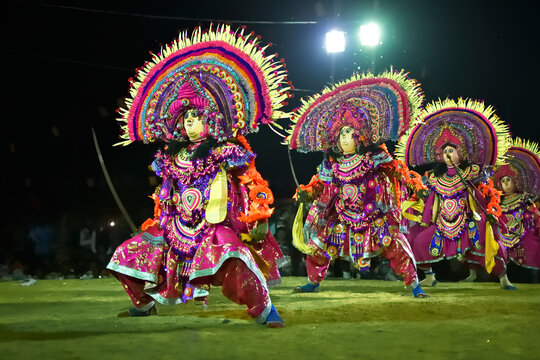
Chhau Dance
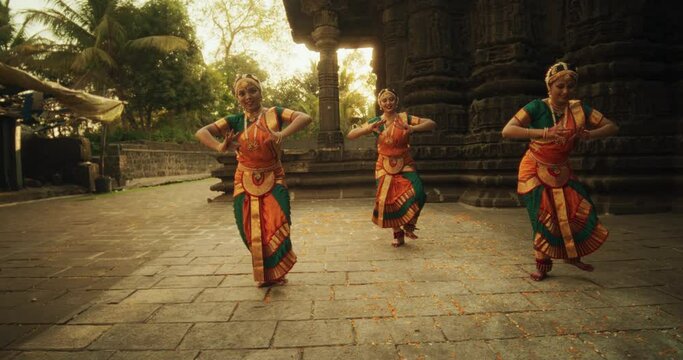
Bollywood Dance
Tribal Folk Dances
Bokaro’s dance culture is a dynamic fusion where the vibrant, masked Chhau dance—a semi-classical martial form from the region—takes center stage during festivals. Alongside, energetic tribal folk dances performed by local Santhal and Munda communities celebrate harvests and rituals. Modern Bollywood and contemporary dance forms thrive among the city’s youth, showcased at school events and cultural nights.
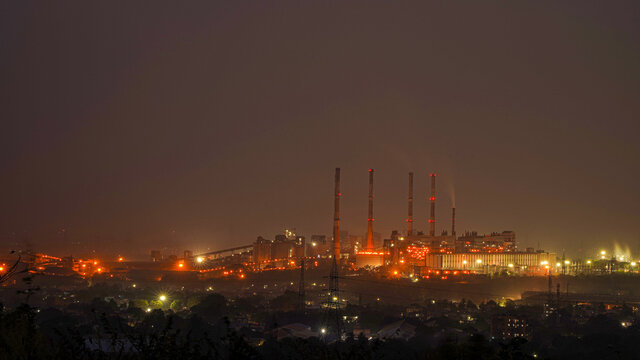
Bokaro hums with the formidable energy of heavy industry, where the skyline is often marked by factory chimneys and the glow of furnaces. This industrial might is balanced by meticulously planned, tree-lined residential sectors, parks, and lakes within the township. The atmosphere is one of disciplined purpose, community living, and a proud, working-class identity, symbolizing post-independence India’s journey towards self-reliance.
Bokaro’s heritage is a modern narrative of India’s post-independence industrial ambition and resilience. Defined by the colossal Bokaro Steel Plant (BSL), established in the 1960s, the city symbolizes the nation’s self-reliance in steel production. Its heritage lies in the meticulously planned industrial township, a model of urban planning that houses a diverse, hardworking community. While lacking ancient monuments, Bokaro’s legacy is etched in its industrial might, community spirit, and its role as an engine of India’s economic progress, set against the broader cultural backdrop of tribal Jharkhand.
Bokaro’s food culture is a hearty reflection of its cosmopolitan industrial population, featuring robust North Indian flavors alongside indigenous Jharkhandi tribal cuisine.
Roasted wheat balls stuffed with sattu, served with spiced mashed vegetables.
A seasonal wild mushroom curry, highlighting the region’s forest-based tribal cuisine.
A sweet, deep-fried snack made from wheat, jaggery, and coconut, popular during festivals.
A refreshing and nutritious summer drink made from spiced, roasted gram flour.
Shopping in Bokaro revolves around modern retail, daily necessities, and some local handicrafts. The city’s markets offer a practical blend of industrial-township goods and regional specialties.
The city’s main commercial hub with brand outlets, electronics, and eateries.
Bustling local markets like Sector 12 offering fresh produce and daily groceries.
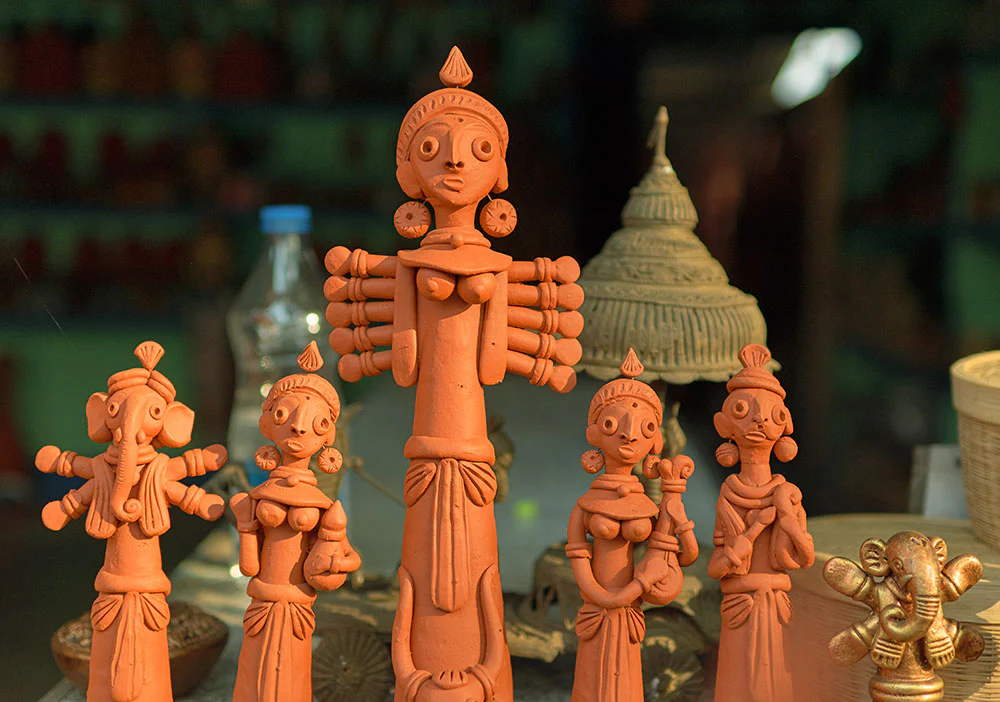
Shops featuring local Jharkhand crafts like bamboo items, dokra metalwork, and wooden artifacts.
Popular spots for fresh bread, cakes, biscuits, and traditional Indian sweets.
The best time to visit Bokaro is during the winter months, from October to March, when the weather is cool, dry, and pleasant, with temperatures ranging from 10°C to 25°C. This is ideal for sightseeing and outdoor activities. Summers (April-June) are very hot, and the monsoon (July-September) brings moderate to heavy rainfall, which can be humid.
Auto-rickshaws are the most common and affordable mode for intra-city travel. Cycle-rickshaws are available for shorter distances. The city is well-connected by a network of local buses. For convenience, app-based cab services like Ola operate in the city, and private taxis can be hired for full-day excursions to nearby attractions.
Auto-rickshaw Overcharging: Insist on using the meter or agree on a fare before starting your journey, especially from the railway station.
Fake Tour Operators: For steel plant visits, only use official channels or contacts provided by your hotel to arrange authorized tours.
Accommodation Scams: Book hotels through reputable websites. Avoid touts at transport hubs offering cheap lodgings.
Spurious Goods: When buying local handicrafts or electronics, purchase from established shops to avoid counterfeit products.
Currency Exchange: Use banks or authorized counters; avoid street money changers.
Jharkhand Cultural Guide
The Making of Steel: An Insider’s Look at Bokaro Steel Plant
Tribal Trails: Exploring Jharkhand’s Culture from Bokaro
Picnic Spots and Getaways Near Bokaro