¤ 10+ minutes Read
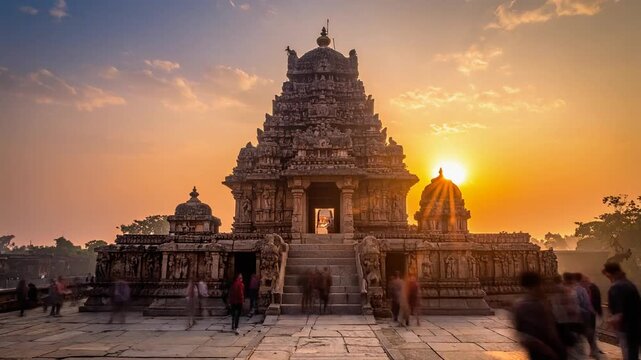
Belur, once the glorious capital of the Hoysala Empire, is a breathtaking destination for art and architecture lovers. Renowned for its Chennakeshava Temple, a masterpiece that took over a century to complete, the town is a living museum of exquisite craftsmanship. Located on the banks of the Yagachi River in Karnataka, Belur, along with nearby Halebidu, offers a spiritual and artistic journey that captivates historians, pilgrims, and travelers from around the globe.
Wiki Link: Belur wiki page
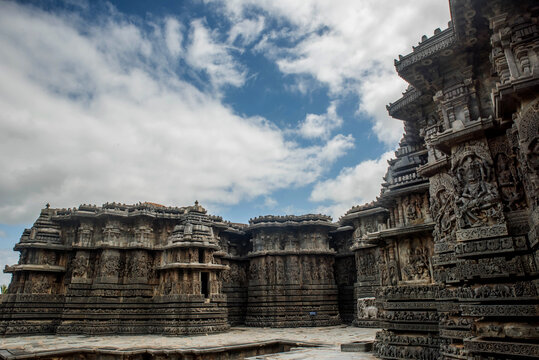
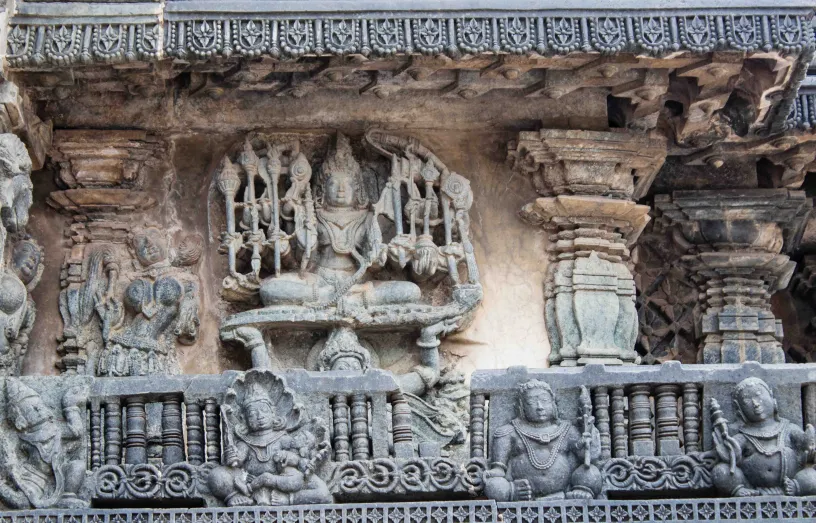
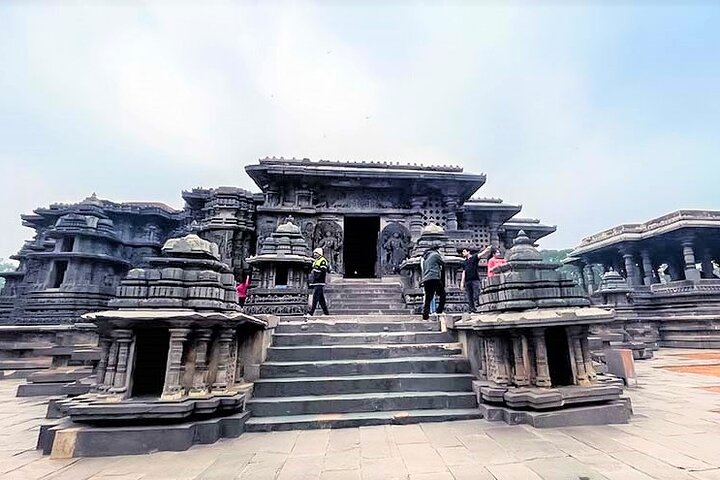
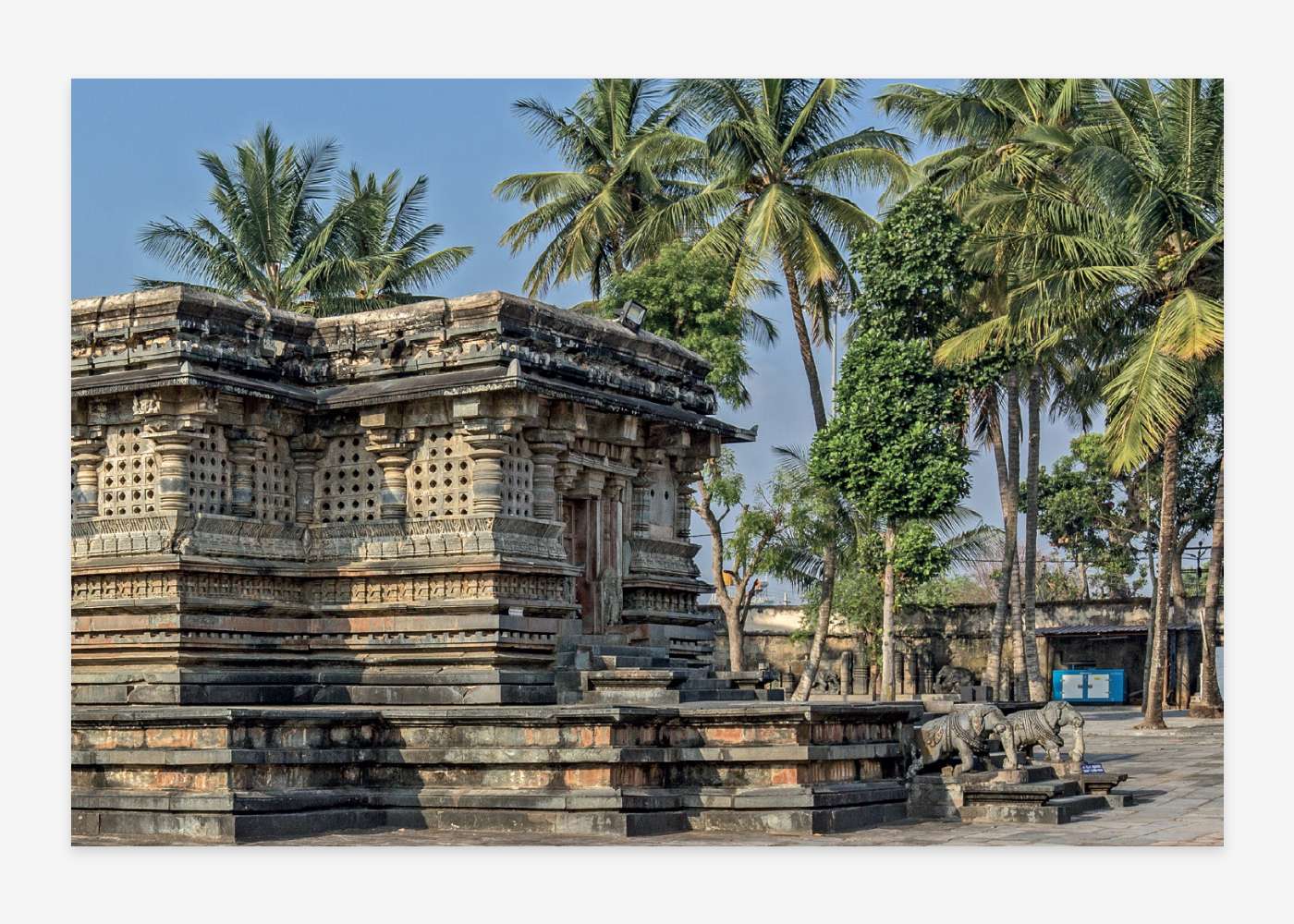
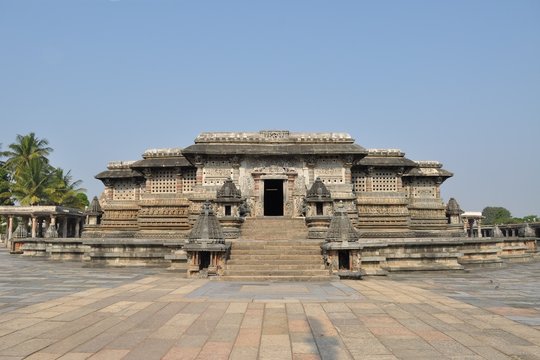
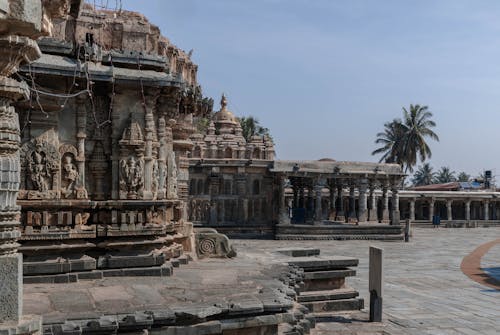
The crown jewel of Belur and finest example of Hoysala architecture, famed for its star-shaped platform, intricate soapstone carvings, and 42 celestial Madanika brackets.
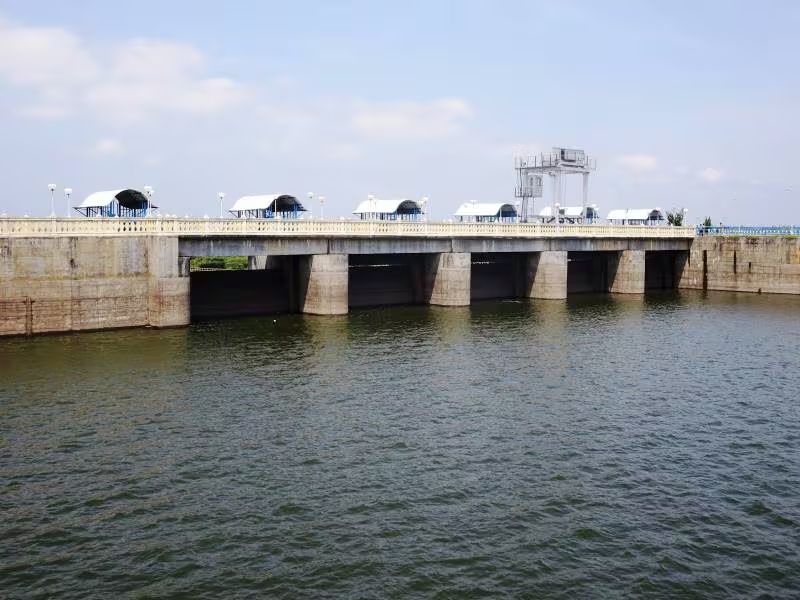
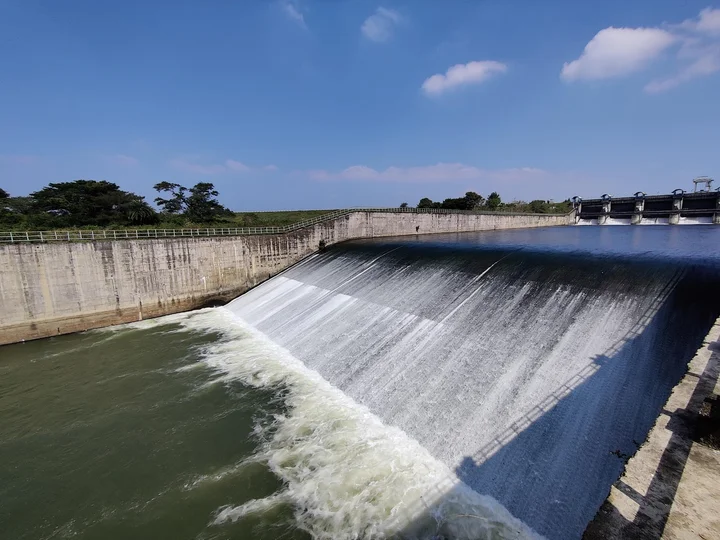
A serene spot adjacent to the temple town offering boating facilities and beautiful sunset views over calm waters.
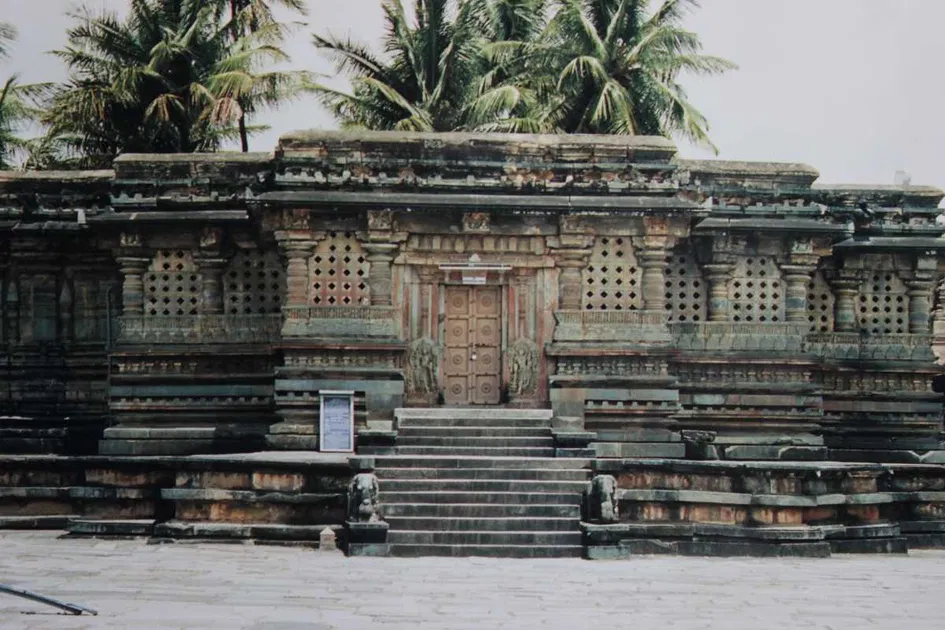
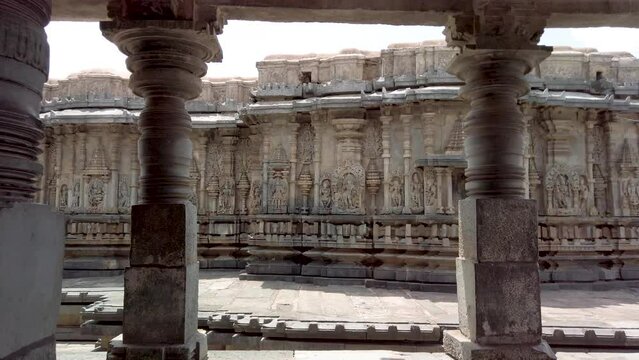
A smaller but equally beautiful shrine within the main complex, featuring stunning lathe-turned pillars and detailed stone friezes.
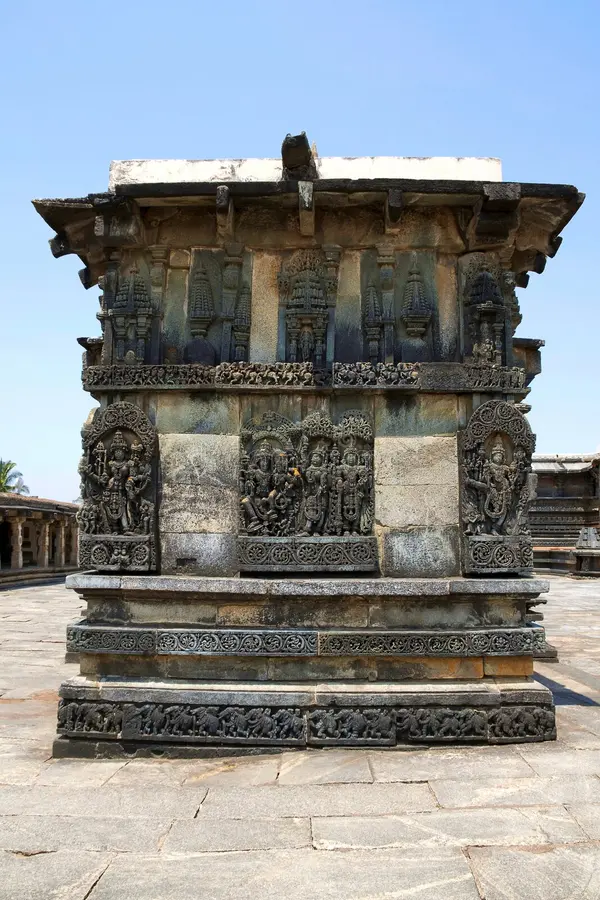
A graceful temple dedicated to Goddess Andal, located on the south side with delicate carvings that complement the main complex.
Just a 16 km drive away, this former Hoysala capital is home to the world-famous Hoysaleswara Temple with walls covered in astonishing stone carvings.
Located about 85 km away, this sacred Jain site features the 57-foot tall monolithic statue of Lord Bahubali atop Vindhyagiri Hill.
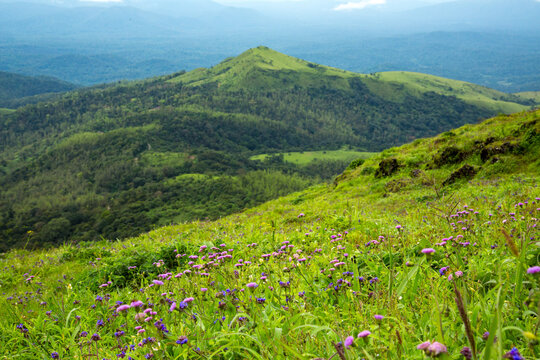
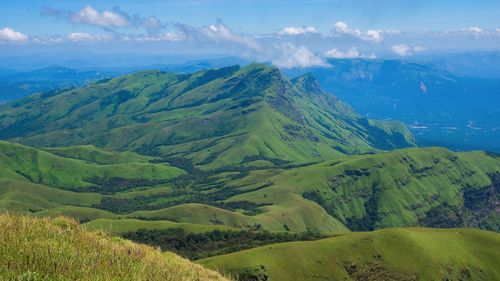
Known as the “Coffee Land of Karnataka,” this hill station offers lush coffee plantations and scenic trekking trails like Mullayanagiri.
A UNESCO World Heritage Site known for its rich biodiversity, trekking routes, and stunning Western Ghat mountain landscapes.
Experience the divine artistry and serene atmosphere of this ancient Hoysala capital. From marveling at intricate stone sculptures to exploring nearby historical wonders, Belur offers a soulful journey into India’s rich past.
Observe the 42 celestial damsels on the outer temple walls, each carved in a unique pose and considered a masterpiece of Indian art.
Hire a registered guide to bring the stones to life with stories behind the carvings and the history of the Hoysala dynasty.
Enjoy a peaceful end to the day with calm water views and optional boating as the sun sets over the reservoir.
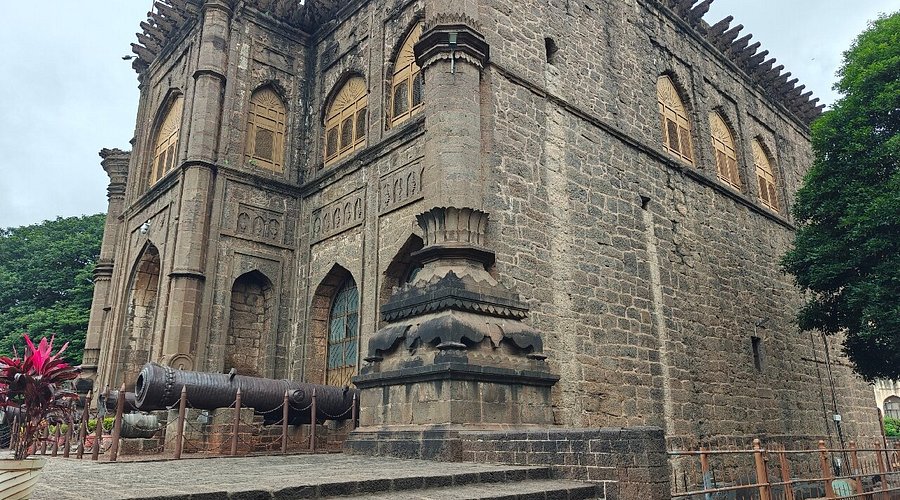
Explore this small museum within the temple complex housing sculptures, inscriptions, and artifacts from the Hoysala era.
Belur is the pinnacle of Hoysala art and architecture, which represents one of the highest achievements of Indian temple building. The entire town is a tribute to the skill, patience, and devotion of its ancient sculptors.
Sodala Gayaki
Devotional Bhajans
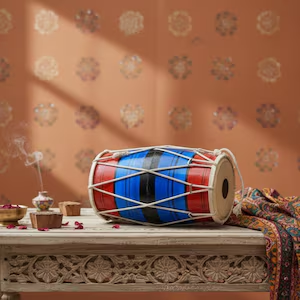
Folk Music
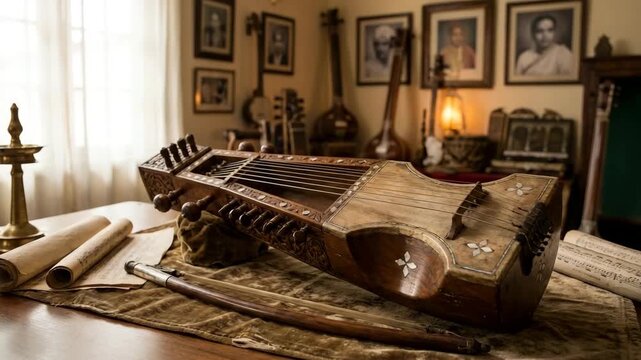
The music of the Belur region is deeply rooted in the Dasa Sahitya tradition, a form of devotional song and poetry that emerged from the Haridasa movement of medieval Karnataka. These soulful compositions, written in simple Kannada by saints like Purandara Dasa and Kanaka Dasa, praise Lord Vishnu (particularly in his form as Chennakeshava, the presiding deity of Belur) and focus on themes of love, devotion, and moral living. Performed as bhajans in temples and during festivals, this musical style is characterized by its meditative melody, rhythmic repetition, and the use of traditional instruments like the harmonium, tabla, and cymbals.
Bharatanatyam
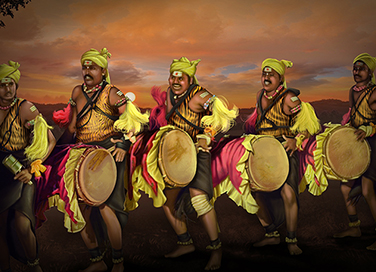
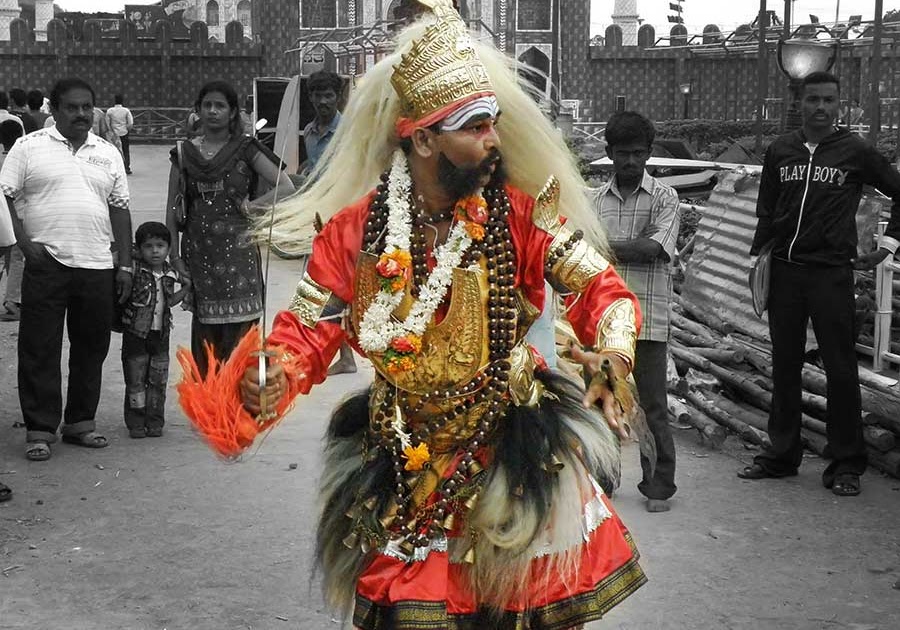
Dollu Kunitha
Veeragase
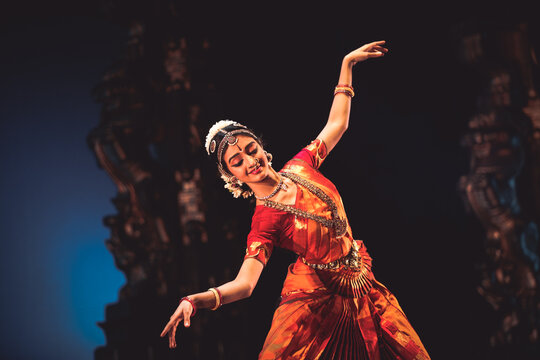
The dance form most strongly associated with the Belur region is Bharatanatyam, particularly the Mysore style, which flourished under the patronage of the Hoysala and later Wodeyar dynasties. This classical dance is characterized by its graceful yet sculpturesque poses, intricate footwork, and sophisticated storytelling through hand gestures (mudras) and facial expressions (abhinaya), directly reflecting the celestial dancers (Madanikas) carved so exquisitely on the walls of the Chennakeshava Temple. Performed to the rhythmic syllables of Carnatic music, it is both a spiritual offering and a visual art form that brings the ancient temple’s stone figures to life.
Belur exudes a calm, devotional, and deeply artistic energy. It is not a bustling metropolis but a serene temple town where life revolves around the magnificent Chennakeshava Temple. The atmosphere is one of quiet reverence and awe, as visitors and pilgrims walk slowly around the complex, repeatedly stopping to admire a new detail they missed before. The town is clean, green, and set against the backdrop of the gentle Western Ghats, making it a perfect escape for those seeking history, art, and peace.
Belur’s heritage is synonymous with the Hoysala Empire (11th to 14th centuries). The Chennakeshava Temple was commissioned by King Vishnuvardhana to commemorate his victory over the Cholas. It took 103 years to complete, involving generations of the finest sculptors. The temple is not just a place of worship but a stone encyclopedia of the life, beliefs, and artistic zenith of medieval South India. The nearby site of Halebidu was sacked by the Delhi Sultanate in the 14th century, freezing its temples in time and preserving them for the modern world.
The cuisine in Belur is typical of the Malnad region of Karnataka, known for its use of local ingredients, coconut, and rice. It is simple, wholesome, and flavorful.
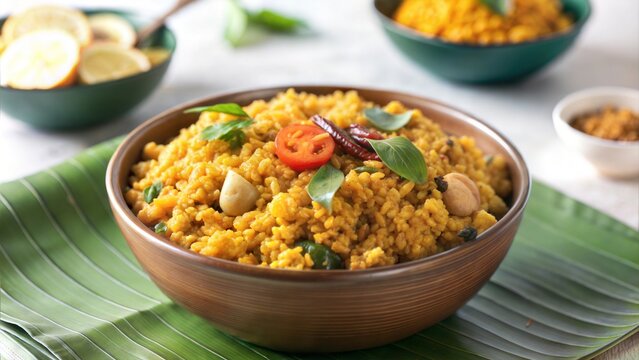
A spicy, lentil-based rice dish cooked with a unique blend of spices, vegetables, and tamarind, often served with potato chips and raita.
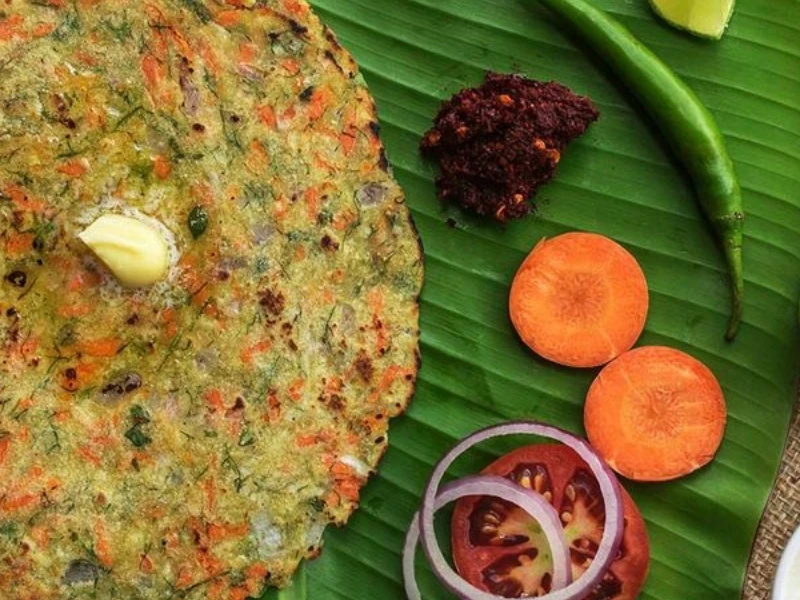
A staple flatbread made from rice flour, onions, green chilies, and cumin seeds, typically eaten with coconut chutney or spicy curry.
A soft, fluffy steamed rice cake, similar to idli, served as a classic breakfast item with sambar and coconut chutney.
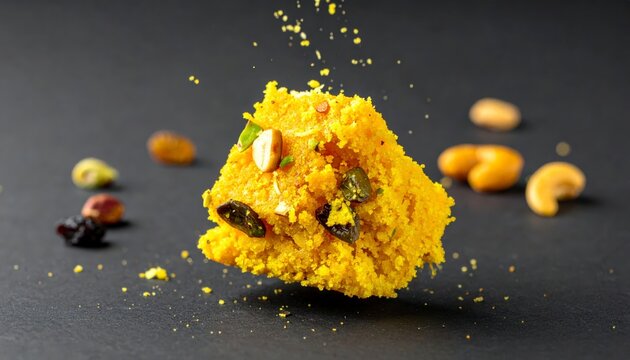
A rich, dense sweet made from gram flour, ghee, and sugar, beloved throughout Karnataka and available in local shops.
Shopping in Belur is modest but offers unique souvenirs directly tied to its artistic heritage.
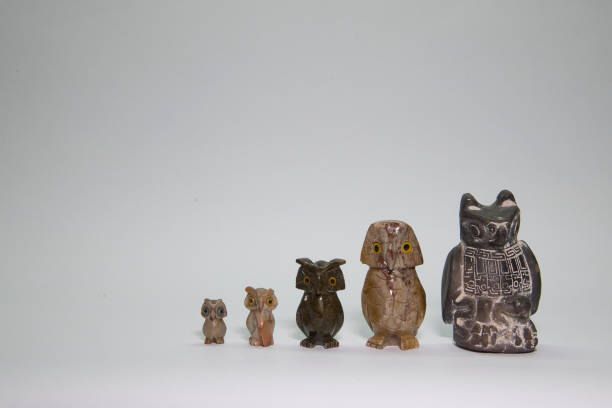
Small, modern replicas of temple sculptures like Madanikas, elephants, or deities, making authentic and beautiful souvenirs.
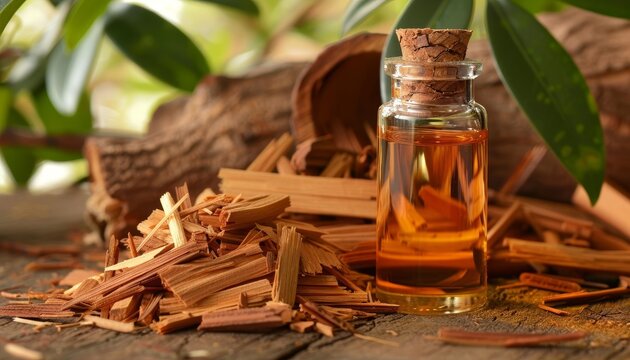
Local shops offer sandalwood oil, soaps, and small carved figurines from Karnataka, which is famous for its sandalwood.
Traditional bronze statues of Hindu deities, crafted in Bangalore or Mysore, available in small shops around the temple.
Freshly ground, pure filter coffee powder from the nearby Chikmagalur coffee-growing region, perfect to take home.
The best time to visit Belur is from October to March. The post-monsoon and winter months offer pleasant and cool weather, with temperatures ranging from 15°C to 30°C. This is ideal for exploring the temple complex and nearby sites like Halebidu and Shravanabelagola. The monsoon (June to September) is also a good time to visit, as the region becomes lush green and beautiful, though you may experience occasional heavy rainfall. Avoid the summer months (April-June), as temperatures can soar above 35°C, making it uncomfortable for daytime sightseeing.
Belur is a small town, and the main Chennakeshava Temple is located in the heart of it, easily accessible on foot from most hotels and lodges. For local transport within the town, auto-rickshaws are readily available and cheap. To visit nearby attractions like Halebidu (16 km), Shravanabelagola (85 km), or Chikmagalur (50 km), the best option is to hire a private taxi or cab for the day, which is affordable and offers flexibility. Local buses connect these towns but are less frequent and can be crowded.
Beware of Unauthorized Guides – Only hire government-registered guides who carry an official ID card and have a fixed fee; avoid touts who approach you on the street offering cheaper, unverified tours.
Negotiate Auto and Taxi Fares First – Always agree on the total fare before starting your journey, and ask your hotel staff for an estimated price to avoid being overcharged.
Don't Fall for "Special Prayer" Offers – Politely decline any local who offers to perform a private, special prayer for you inside the temple for a donation; all offerings can be made directly at the temple's donation box.
Confirm Shoe-Keeping Charges – Before handing over your footwear, ask the attendant for the price (usually ₹5-10) and ensure you receive a token to avoid confusion or inflated charges later.
Be Cautious with Souvenir Prices – When buying soapstone carvings or sandalwood items, start by asking for half the quoted price and negotiate politely, as initial rates are often inflated for tourists.
Avoid Unsolicited Donation Requests – Politely ignore anyone pressuring you to donate to fake charities or temple funds outside the main complex; use only the official donation boxes inside the temple.