Trip and Tales

¤ 10+ minutes Read

Kollam

A complete tourist and cultural guide

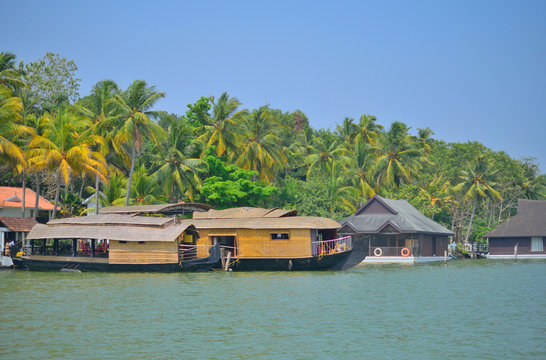
A scenic, palm-fringed backwater lagoon winding through the lush green landscape of Kerala, with traditional houseboats gliding on calm waters.

Kollam, also known as Quilon, is a historic port city and a captivating gateway to Kerala’s enchanting backwaters. Renowned for its vast Ashtamudi Lake, pristine beaches, and rich cashew industry, it offers a perfect blend of natural beauty, cultural heritage, and serene relaxation that attracts travelers seeking an authentic Kerala experience.
Wiki Link: Kollam wiki page

Must-Visit Attractions in Kollam

A panoramic view of the vast, palm-fringed Ashtamudi Lake in Kollam.

Ashtamudi Lake

A vast, scenic lake with eight creeks, perfect for houseboat cruises, kayaking, and sunset views.

The historic Thangassery Lighthouse standing tall against the Kollam coastline.

Thangassery Lighthouse

A historic British-era lighthouse offering 360-degree panoramic views of the Arabian Sea and coastline.

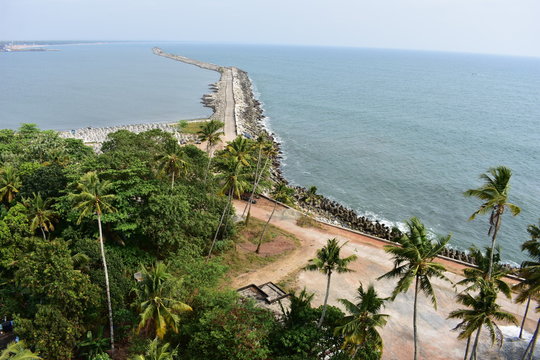
A peaceful shoreline of Kollam Beach with fishing boats on the sand.

Kollam Beach

A serene and clean shoreline with a long pier, perfect for evening strolls and watching fishing boats.

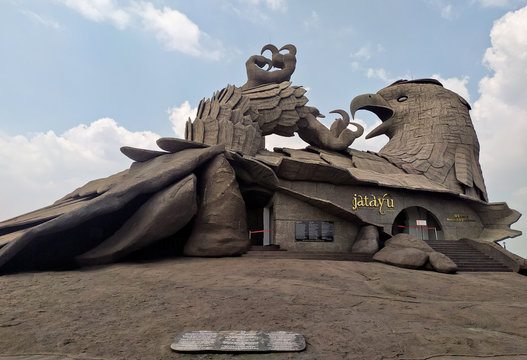
The giant Jatayu sculpture atop a hill at the Jatayu Earth's Center near Kollam.

Jatayu Earth's Center

A nature park featuring the world’s largest bird sculpture, adventure activities, and cable car rides.

Major Attractions Nearby Kollam

The dramatic red cliffs and Papanasam Beach of Varkala, a short drive from Kollam.

Varkala

A stunning cliff-side beach town known for its holy mineral springs, vibrant cafes, and dramatic ocean views.

Aerial view of the lush green forests and eco-adventure structures at Thenmala near Kollam.

Thenmala

India’s first planned eco-tourism destination, offering boating, trekking, and adventure activities in lush hills.

A narrow backwater canal winding through the tranquil Munroe Island in Kollam.

Munroe Island

A serene cluster of islands perfect for tranquil canoe tours through narrow, palm-fringed village canals.

The expansive, calm waters of Sasthamkotta Lake, the largest freshwater lake in Kollam.

Sasthamkotta Lake

Kerala’s largest freshwater lake, a peaceful spot for picnics, birdwatching, and scenic relaxation.

Things to do in Kollam

Experience the calm of the backwaters, the charm of coastal life, and the richness of local culture. From houseboat cruises to exploring historic sites, Kollam offers a soothing yet engaging journey.

A traditional Kettuvallam houseboat anchored in the backwaters of Kollam.

Backwater Houseboat

Stay overnight on a traditional Kettuvallam, cruising the calm backwaters of Ashtamudi Lake.

A wooden canoe gliding through narrow village canals in the Kollam backwaters.

Village Canoe Safari

Glide through the narrow, peaceful canals of Munroe Island on a guided canoe tour.

Workers processing raw cashews inside a local factory in Kollam.

Cashew Factory Tour

Visit a local processing unit to see Kollam’s famous cashews being roasted, peeled, and graded.

Artists performing a traditional dance on stage during a Kollam cultural show.

Cultural Performance

Witness a thrilling live Kalaripayattu martial arts demonstration or a classical Kathakali dance-drama.

The Performing Arts of Kollam

Kollam has a vibrant cultural scene deeply rooted in Kerala’s traditional arts. The city is a nurturing ground for classical performances, vibrant temple festivals, and folk arts that reflect its coastal and agrarian heritage.

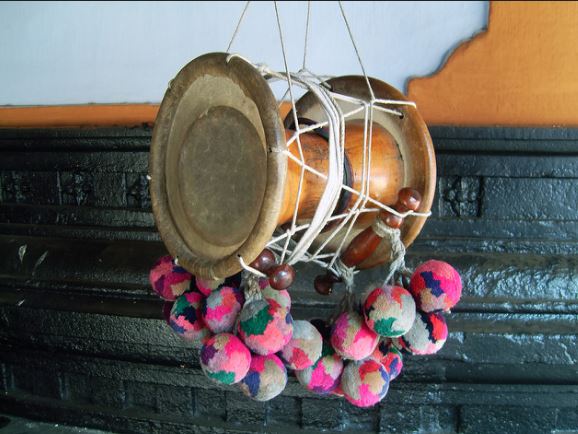
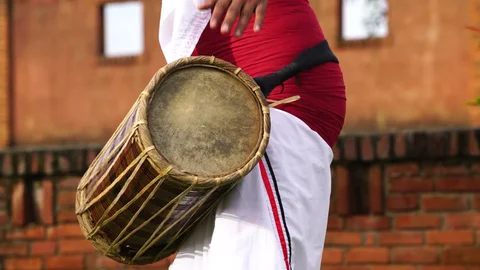
A musician playing the edakka and singing Sopana Sangeetham in a Kollam temple.

Sopana Sangeetham

A group performing vibrant Mappila Paattu, a musical tradition of the Malabar region near Kollam.

Mappila Paattu 

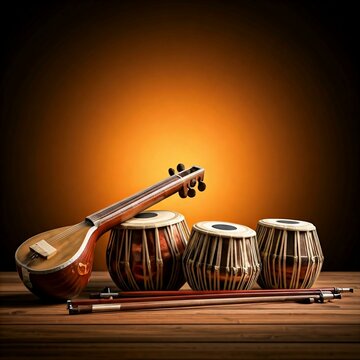
A close-up of a musician's hands playing the veena during a classical music recital.

Classical Music

The musical landscape of Kollam is deeply spiritual and diverse, anchored by the temple-centered Sopana Sangeetham, a unique, melodic form of ritualistic chanting. The region also vibrates with the energetic and lyrical Mappila Paattu (Oppana), a celebratory folk music from the Malabar coast often performed at weddings. Alongside these, the classical rigor of Carnatic Music thrives in cultural venues and during temple festivals. This rich auditory tapestry beautifully blends sacred devotion, joyful celebration, and classical tradition, reflecting Kollam’s multifaceted cultural identity.

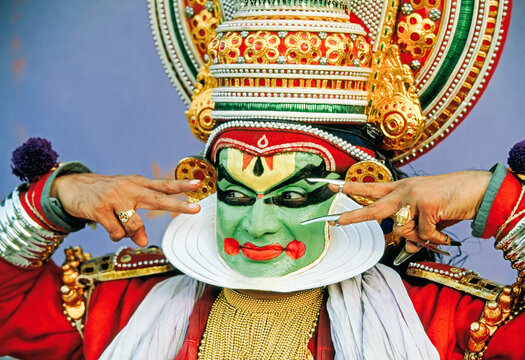
A Kathakali artist in elaborate costume and colorful makeup performing dramatic expressions.

Kathakali

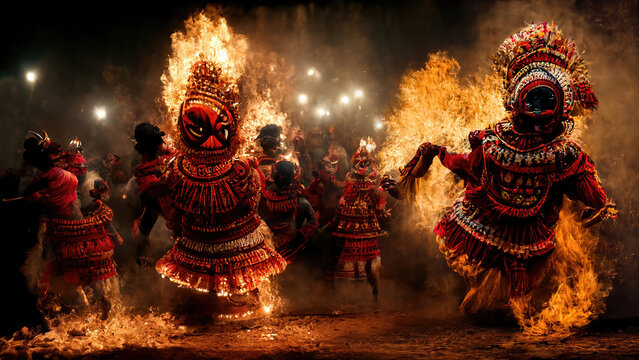
A Theyyam performer in full, vibrant ceremonial attire and headdress during a ritual.

Theyyam

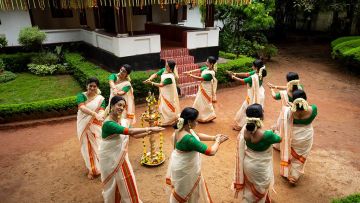
A circle of women in traditional Kerala attire performing the Thiruvathirakali dance.

Thiruvathirakali

Kollam’s dance heritage is a dynamic display of color, drama, and devotion, most famously showcased through the elaborate classical theatre of Kathakali, with its intricate costumes and expressive storytelling. The powerful, ritualistic Theyyam brings divine archetypes to life with vibrant costumes and trance-like energy in certain temple festivals. Adding graceful charm, the circular group dance of Thiruvathirakali is performed by women during the harvest festival of Thiruvathira. Together, these forms create a vibrant cultural expression where mythological drama, divine invocation, and communal celebration powerfully converge.

An aerial view where the calm backwaters of Kollam converge with the Arabian Sea.

City Vibes – Where Backwaters Meet the Sea

Kollam’s vibe is one of relaxed harmony, where the gentle rhythms of backwater life blend with the energetic buzz of a historic market town. The scent of saltwater, coconut oil, and roasting cashews fills the air. It’s a place where you can watch the sunset over a vast lake one moment and haggle for spices in a bustling market the next—a city perfectly balanced between tranquility and tradition.

Heritage of Kollam

Kollam’s heritage is marked by its history as a bustling international spice port, trading with Phoenicians, Romans, Arabs, Chinese, and later the Portuguese, Dutch, and British. This is reflected in its architectural remnants like the Thangassery Fort ruins and its diverse community. The city is also central to Kerala’s cashew industry and has a legacy of religious harmony, with ancient temples, churches, and mosques.

A lineup of traditional Kettuvallam houseboats with thatched roofs along a backwater shore.
Kettuvallams

Cuisine of Kollam

Kollam’s cuisine is a delicious testament to its coastal and backwater setting, featuring fresh seafood, coconut, and locally grown spices.

A perfectly grilled Pearl Spot fish (Karimeen) wrapped in banana leaf, ready to serve.

Karimeen Pollichathu

Kollam’s iconic dish of pearl spot fish marinated in spices, wrapped in banana leaf, and grilled.

A traditional vegetarian feast (Sadhya) served on a banana leaf with numerous side dishes.

Kerala Sadhya

An elaborate traditional vegetarian feast served on a banana leaf during festivals.

A steaming bowl of tapioca (Kappa) paired with spicy fish curry (Meen Curry).

Kappa & Meen Curry

A local comfort food of steamed tapioca served with a spicy and tangy fish curry.

Glasses of fresh toddy and a platter of fried seafood enjoyed at a local tavern.

Fresh Toddy & Seafood

Enjoy fresh palm toddy paired with spicy fried local seafood like prawns and mussels.

Shopping in Kollam

Shopping in Kollam revolves around its famous cashews, coir products, and traditional Kerala handicrafts.

A close-up of golden, roasted whole cashew nuts from Kollam on a traditional plate.

Kollam Cashews

Buy top-quality raw, salted, or honey-roasted cashews directly from local processors.

An assortment of eco-friendly coir products like mats, ropes, and baskets handmade in Kerala.

Coir Products

Shop for eco-friendly handicrafts like coir mats, baskets, and ropes made from coconut husk.

A bowl of crispy yellow banana chips next to small piles of colorful Kerala spices.

Banana Chips & Spices

Take home crispy banana chips and fresh spice packets like pepper and cardamom.

A collection of intricately crafted, polished traditional brass lamps (Nilavilakku) from Kerala.

Brass Lamps

Find intricately crafted traditional Kerala brass lamps as decorative souvenirs.

Tourist's Handbook

The ideal time to visit Kollam is during the cool and dry winter months, from September to March. During this period, the weather is pleasantly warm with low humidity, making it perfect for exploring the backwaters on houseboats, relaxing on beaches, and sightseeing. This season also coincides with major cultural festivals like Onam, adding vibrant local color to your visit. It is advisable to avoid the heavy monsoon season from June to August, when torrential rains can disrupt travel and outdoor activities, and the peak summer heat of April and May, which can be quite intense.

  • Be Cautious on Water Activities – Always wear life jackets on houseboats and during canoe rides; check weather conditions before embarking on backwater tours.
  • Stay Aware in Crowded Markets & Transport Hubs – Keep valuables secure and be mindful of your belongings in busy areas like the main bus stand and boat jetties.
  • Respect Ocean Currents at Beaches – Heed warning signs at beaches like Kollam and Varkala; avoid swimming in rough seas or unsupervised areas.
  • Use Registered Transport & Agree on Fares – For auto-rickshaws, insist on using the meter or negotiate the fare clearly before starting your journey.
  • Drink Bottled Water & Eat at Hygienic Spots – Stick to sealed bottled water and choose busy, clean eateries to enjoy local seafood safely.

Navigating Kollam involves a pleasant mix of land and water transport. For local travel within the city, auto-rickshaws are the most convenient and affordable option, while taxis and app-based cabs are ideal for longer journeys or day trips. The true charm of transport here is on the water: public ferries, private motorboats, and traditional houseboats cruise Ashtamudi Lake and connecting canals, offering a scenic and essential Kollam experience. For reaching nearby attractions like Varkala or Thenmala, KSRTC buses and private taxis provide reliable service. Exploring the historic quarters and markets is best done on foot to fully absorb the local atmosphere.

Overpriced Houseboat & Backwater Tour Packages – Always compare rates from multiple licensed operators and confirm all inclusions (meals, route, duration) in writing before booking.

Fake Guides at Tourist Spots – Politely decline unsolicited guiding services at the lighthouse or Jatayu Park; use only government-approved guides or audio tours.

Donation Pressure at Temples & Religious Sites – Be cautious of individuals demanding mandatory donations for special darshan or pujas; offer donations only at official temple hundis.

Inflated Prices at Cashew & Spice Outlets – Verify the market rate for cashews and spices; purchase from registered government emporiums or reputable dealers to avoid adulterated products.

“Special Access” Fees for Beach or Lake Views – Ignore anyone charging for beach entry or claiming to need a fee for the best sunset viewing spot; public access is free.

Explore Kollam

Kollam Travel Blogs

  • Kerala Backwater Guide

  • Places to visit in Kollam

  • Places to visit nearby Kollam

Recommended articles

  • India’s coastal heritage

  • India’s ancient port cities

  • India’s spice trade gateway