¤ 10+ minutes Read
Kozhikode, historically known as Calicut, is a coastal city in Kerala that blends a rich maritime heritage with a vibrant cultural present. Known as the “City of Spices,” it was a gateway for traders from across the world and the starting point of Vasco da Gama’s journey to India. Today, it captivates visitors with its serene beaches, historic landmarks, legendary cuisine, and warm hospitality.
Wiki Link: Kozhikode wiki page
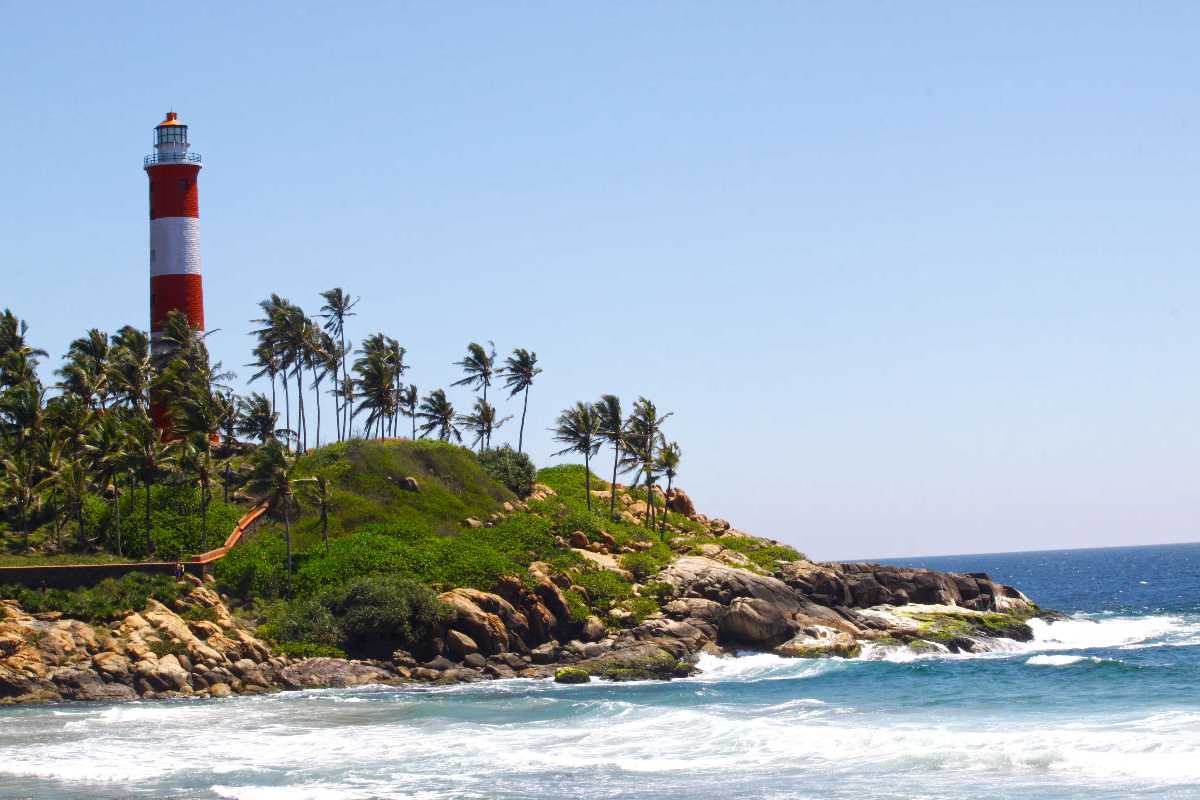
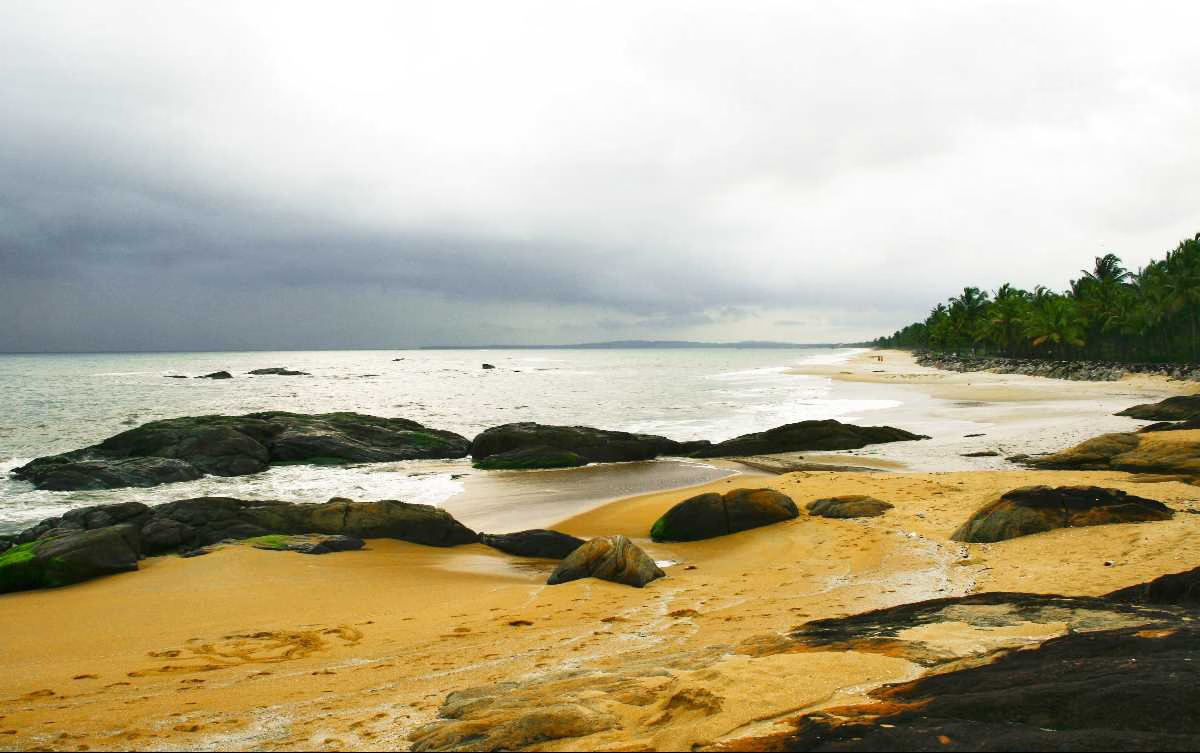
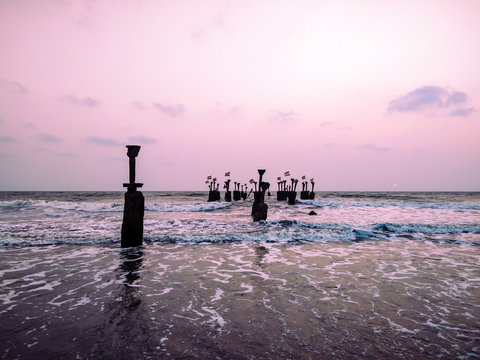
Famous for vibrant sunsets, a historic lighthouse, and a bustling promenade—ideal for street food and evening strolls.
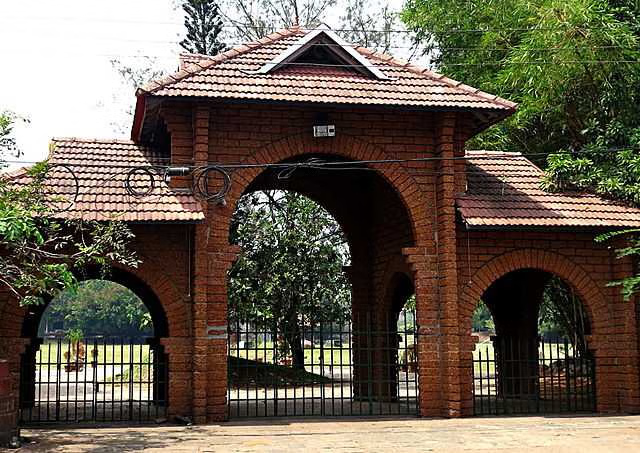
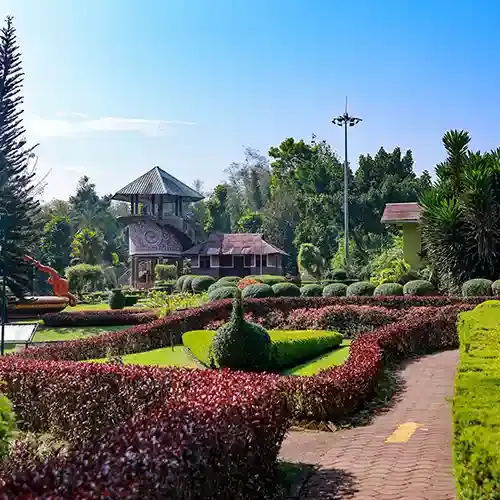
A tranquil, green oasis in the city center, built around a historic tank and surrounded by traditional Kerala architecture.
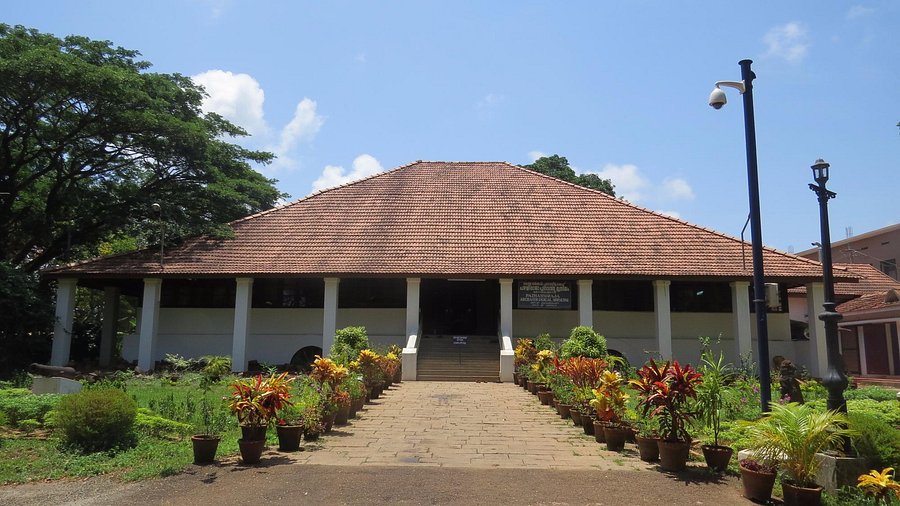
Houses ancient murals, historic coins, temple models, and megalithic relics from the region’s storied past.
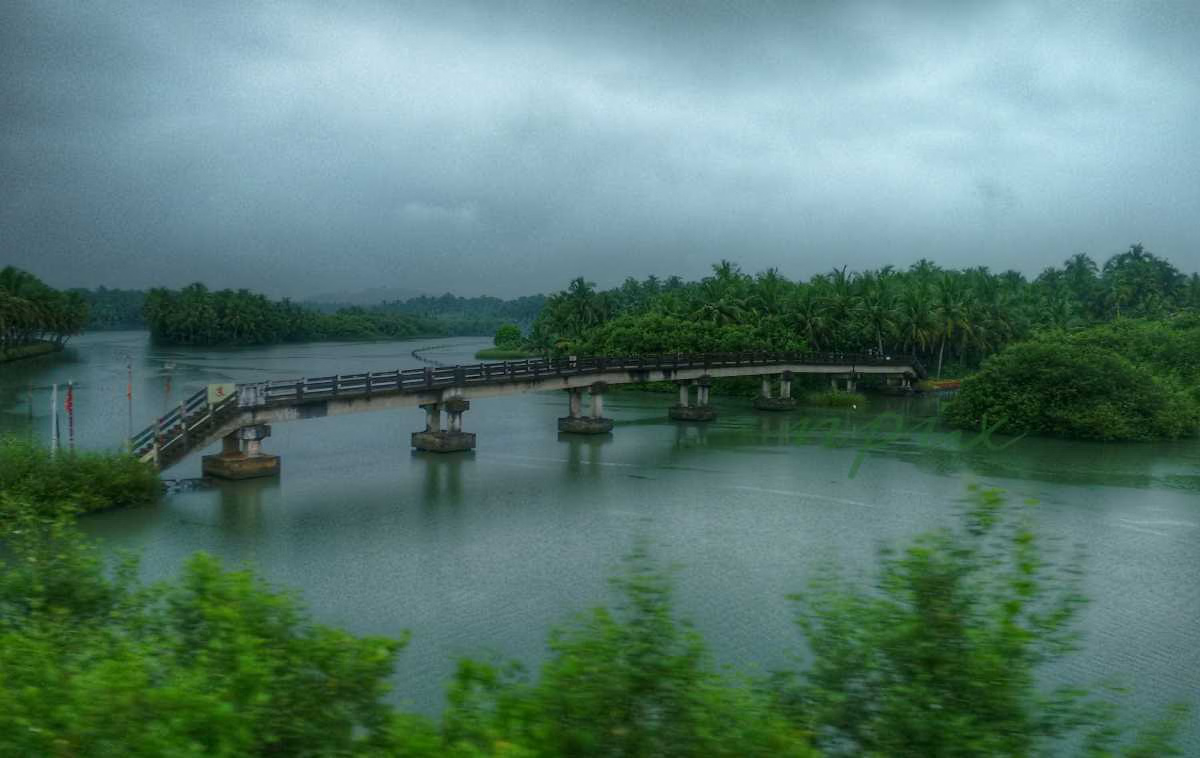
A serene estuary at the river-sea confluence, offering scenic boat rides and trails, especially popular during the migratory season.
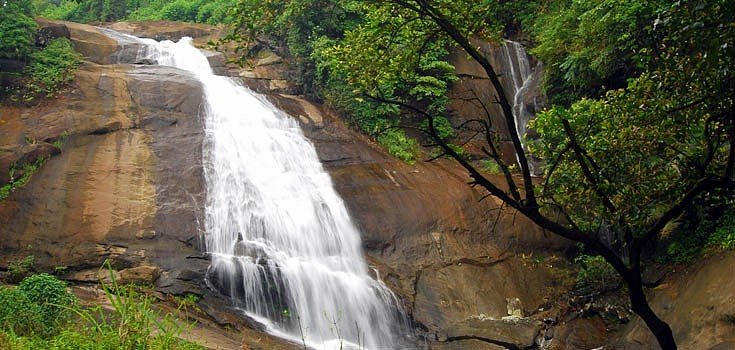
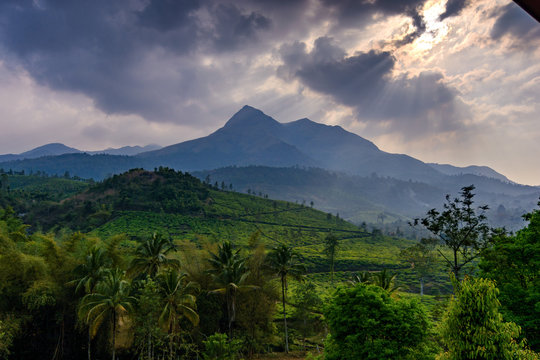
A scenic, multi-tiered cascade in the Western Ghats, perfect for trekking and nature retreats.
The historic landing site of Vasco da Gama in 1498, marked by a serene monument amid coconut groves and quiet shores.
The world’s first teak museum, set among plantations and detailing the history, cultivation, and artistry of this prized wood.
A majestic hill district with wildlife sanctuaries, ancient Edakkal Caves, lush plantations, and misty mountains, ideal for a getaway.
Experience the coastal charm, historical depth, and culinary fame of the city. From savoring a legendary meal to exploring its historic lanes, Kozhikode offers a journey for all senses.
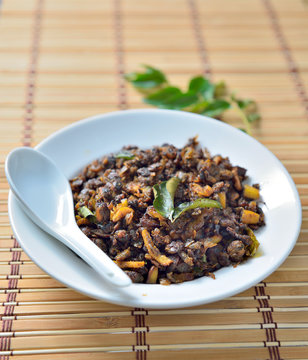
Indulge in Kozhikode’s iconic biryani, spicy mussels stir-fry, and fresh seafood for a true Malabar culinary experience.
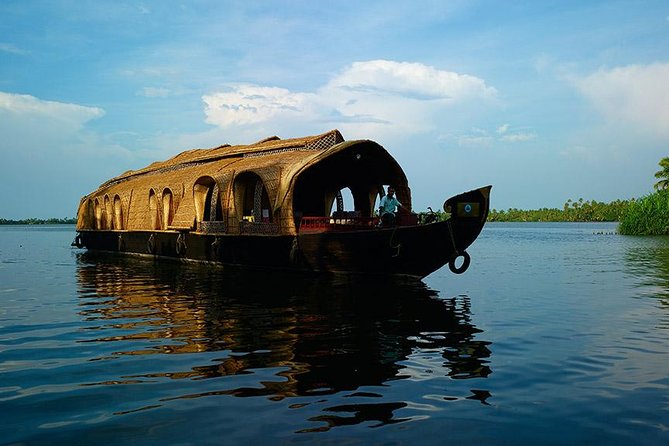
Enjoy a serene cruise through the peaceful Canoli Canal and Kottuli wetlands, offering quiet views of local life and nature.
Buy the famed absorbent Kozhikode towels (Thorthu) and cottons, and visit Sweet Meat Street for traditional sweets and snacks.
Attend vibrant local performances like the ritualistic Theyyam or the graceful Oppana dance during festivals.
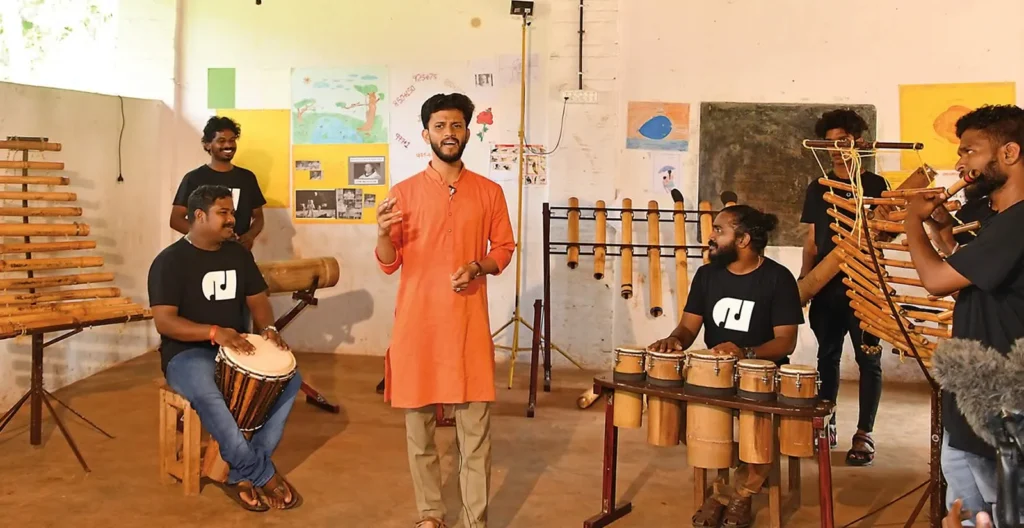
Kozhikode has a rich cultural tapestry, deeply influenced by its history as a melting pot of ideas. It is a significant center for Mappila Paattu (Muslim folk songs), which poetically blend Malayalam with Arabic, telling tales of love, resistance, and faith. The city also has a strong tradition in folk arts like Oppana and Duff Muttu. Classical arts like Kathakali and Carnatic music also thrive here, with several institutions dedicated to their preservation.
Mappila Paattu
Oppana
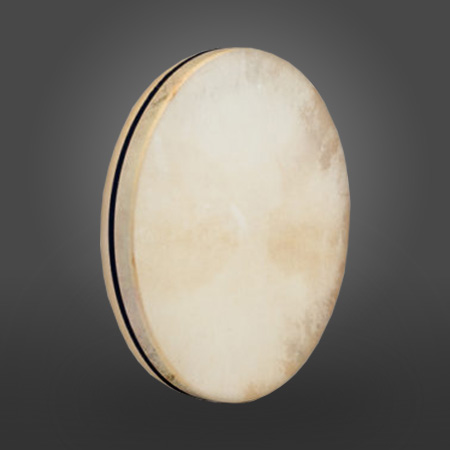
Duff Muttu
Kozhikode is a renowned center for Mappila Paattu, a unique folk music tradition blending Malayalam with Arabic influences, expressing themes of love, faith, and history. The city also resonates with the rhythmic beats of Duff Muttu and Kolkali, traditional group performances integral to local festivals. While deeply rooted in its own folk heritage, Kozhikode also nurtures classical South Indian arts, with Kathakali performances and Carnatic music concerts held regularly. This vibrant mix makes it a key cultural hub of the Malabar region.
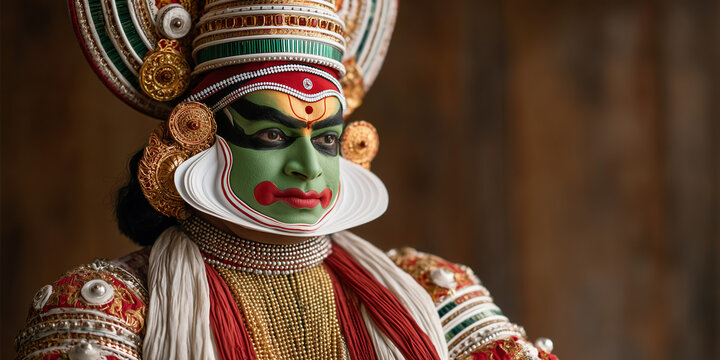
Kathakali
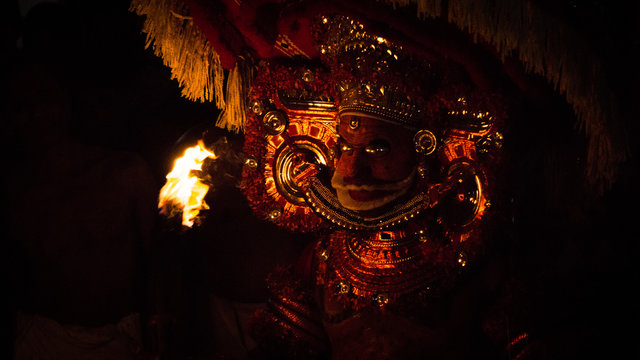
Theyyam
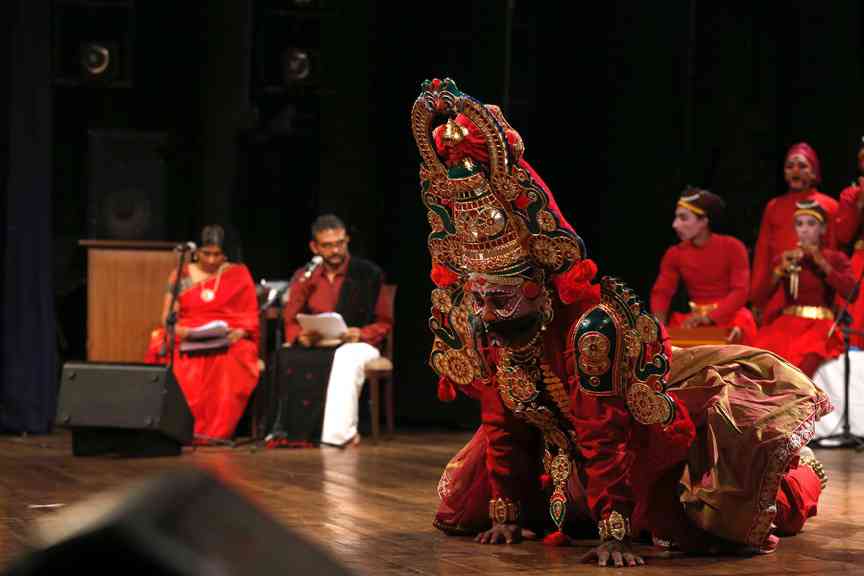
Traditional Folk Theatre
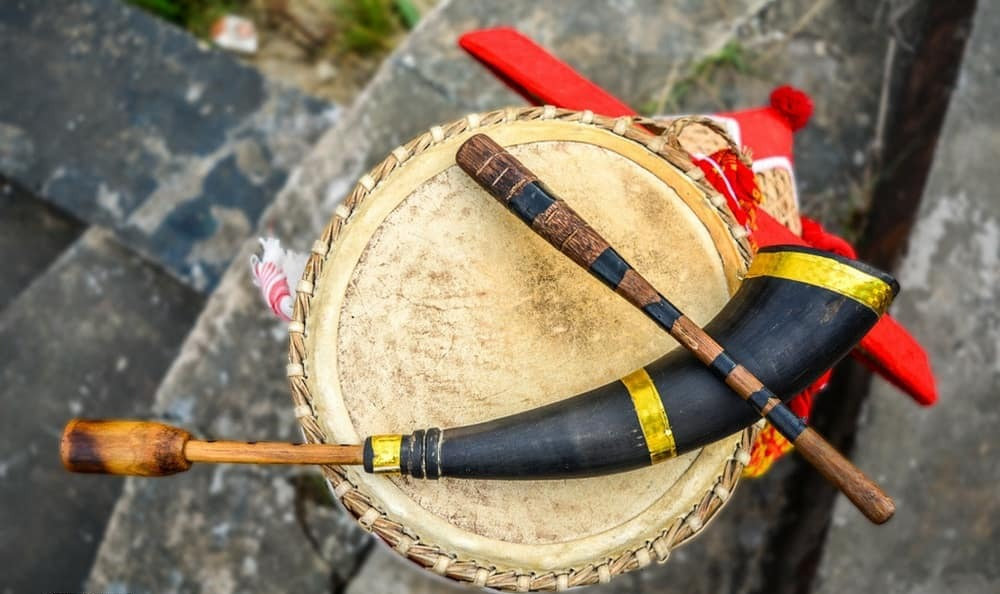
Kozhikode and the Malabar region are celebrated for their vibrant folk dance traditions. Theyyam, the spectacular ritualistic dance from North Kerala, is a divine performance where dancers embody deities. Oppana, a graceful wedding dance performed by women in concentric circles, is characterized by clapping and lyrical movement. Kolkali, a dynamic group dance, involves performers moving in rhythmic patterns while striking short sticks. These forms, deeply woven into the social and religious fabric, showcase the region’s expressive cultural heritage.
Kozhikode radiates a relaxed, cosmopolitan charm shaped by centuries of trade. The city moves to a leisurely pace, where history whispers from old colonial buildings and bustling mittai theruvu (sweet meat street). The aroma of spices and fresh parippuvada (fried lentil fritters) fills the air. It’s a place where diverse communities coexist harmoniously, reflected in its architecture, festivals, and most famously, its cuisine. The evenings come alive at the beach, where families, friends, and food vendors create a festive atmosphere against the backdrop of a spectacular Arabian Sea sunset.
Kozhikode’s heritage is defined by its role as a historic port on the spice route. Influences of Arab, Chinese, and European traders are woven into its social fabric. The legacy of seafaring, the Uru construction, and the intellectual history (it was part of the ancient kingdom of the Zamorins and a center for early printing) make its heritage unique.
Kozhikode is a food lover’s paradise, often called the culinary capital of Kerala.
Famous for its unique flavor from small-grain Khaima rice, tender meat, and a distinct spice blend, topped with fried onions.
A classic Malabar dish of mussels stir-fried with shallots, coconut, and spices, best enjoyed with rice or parotta.
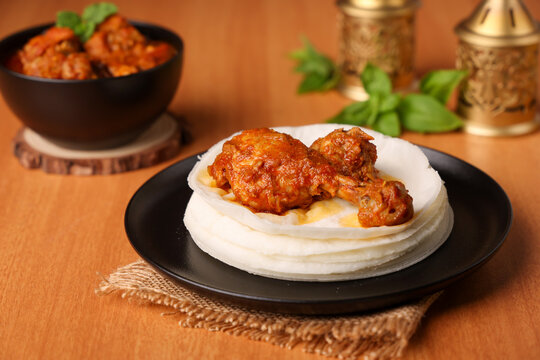
A soft rice flatbread staple, perfectly paired with rich, spicy curries like the roasted coconut gravy-based Erachi Varutharacha.
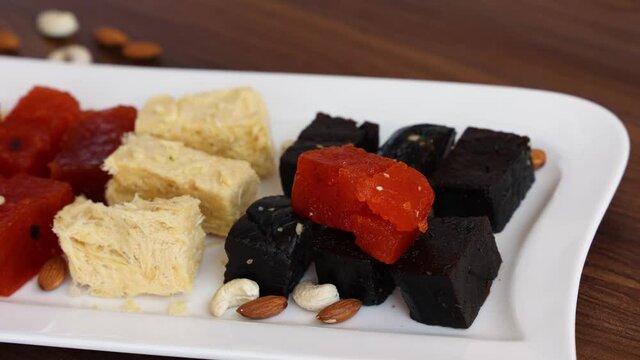
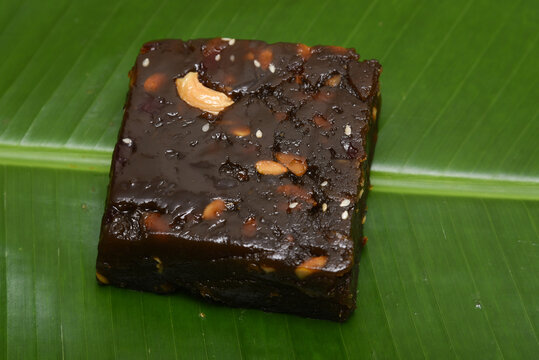
A legendary, dense, and colorful sweet from Mittayi Theruvu, available in flavors like banana, coconut, and cashew.
Shopping in Kozhikode is an exploration of traditional craftsmanship and local flavors.
The iconic, super-absorbent cotton towels are a must-buy; find authentic ones on Mavoor Road or in Beypore.
Carry home the famous colorful halwa and traditional sweets like Achappam from the bustling Sweet Meat Street.
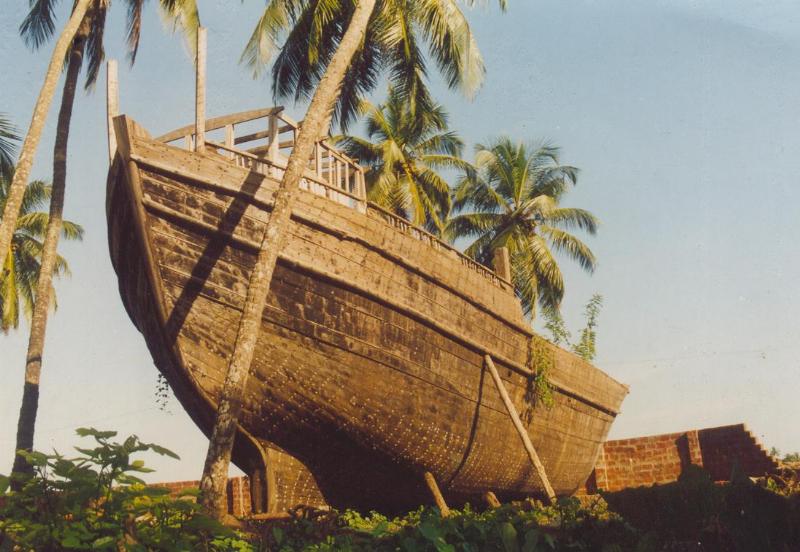
Unique, intricately carved miniature replicas of Beypore’s historic wooden dhows make for a perfect keepsake.
As the historic “City of Spices,” take home high-quality pepper, cardamom, and other locally sourced spices from its markets.
The ideal time to visit Kozhikode is from October to March, when the weather is pleasantly cool and dry. This period offers perfect conditions for exploring serene beaches, historic sites, and scenic backwaters. While the monsoon (June–September) brings lush greenery, it is often wet and humid. Summers (April–May) can be hot and less comfortable for extensive outdoor activities.
Auto-rickshaws are abundant and ideal for short trips within the city. For longer journeys or day excursions, it's recommended to hire a taxi or use app-based cab services for comfort and convenience. While local buses are an economical option, they can often be crowded and challenging for first-time visitors. Always agree on auto-rickshaw fares in advance or ensure the meter is used.
Overpriced Spices & Souvenirs – Always buy from reputed shops with proper bills; avoid street touts.
Auto-Rickshaw Overcharging – Insist on using the meter or agree on the fare clearly before the ride.
Fake 'Traditional' Uru Models – Purchase authentic miniature boats only from established craft shops or government emporiums.
Excessive Halwa/Hotel Pricing – Verify rates before ordering, especially around tourist-heavy areas like the beach.
Boat Ride/Backwater Tour Scams – Book through registered operators or your hotel; avoid unlicensed touts offering "cheaper" deals.