Trip and Tales

¤ 10+ minutes Read

Chitrakoot

A complete tourist and cultural guide

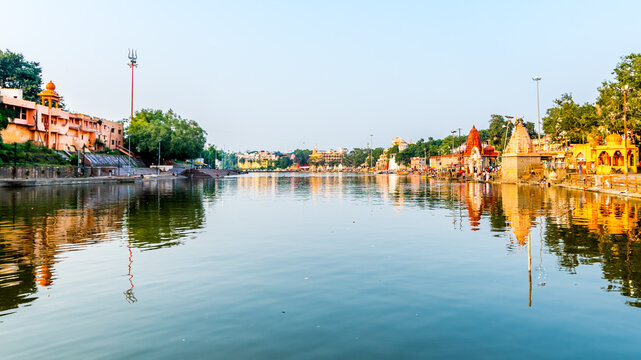
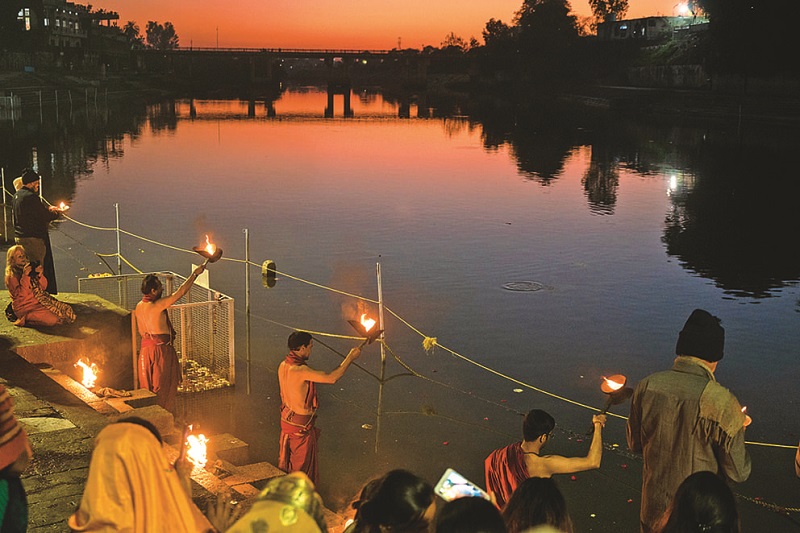
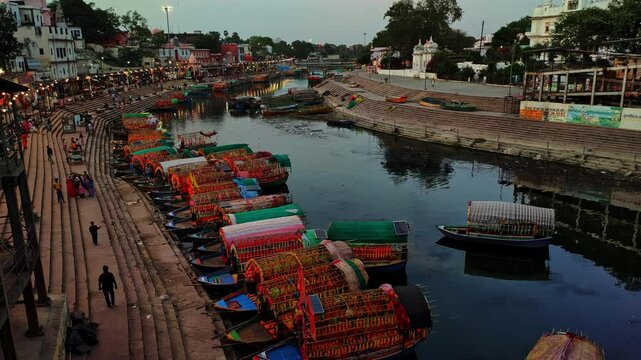
Devotees gathering for prayers at the sacred Ram Ghat in Chitrakoot.

Chitrakoot, meaning “The Hill of Many Wonders,” is a revered pilgrimage town in Uttar Pradesh and Madhya Pradesh, nestled along the banks of the Mandakini River. Steeped in the epic of Ramayana, it is believed to be the place where Lord Rama, Goddess Sita, and Lakshmana spent eleven and a half years of their exile. The town’s serene forests, spiritual ghats, and ancient temples radiate a profound sense of divinity and peace, attracting devotees and seekers of tranquility.

Wiki Link: Chitrakoot wiki page

Must-Visit Attractions in Chitrakoot

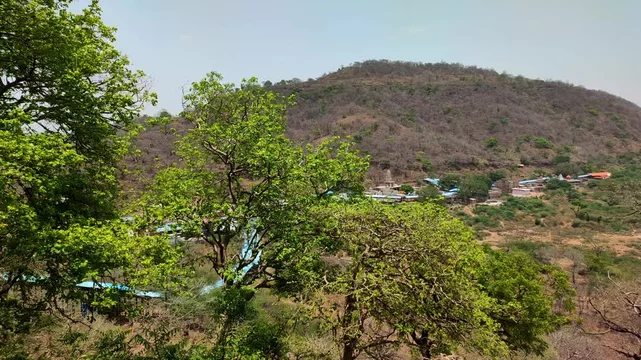
Pilgrims performing the parikrama (circumambulation) around Kamadgiri Hill in Chitrakoot.

Kamadgiri Hill

The heart of Chitrakoot, this sacred hill is circumambulated by pilgrims on the 5-km Parikrama Path. It is believed to fulfill all desires of devotees.

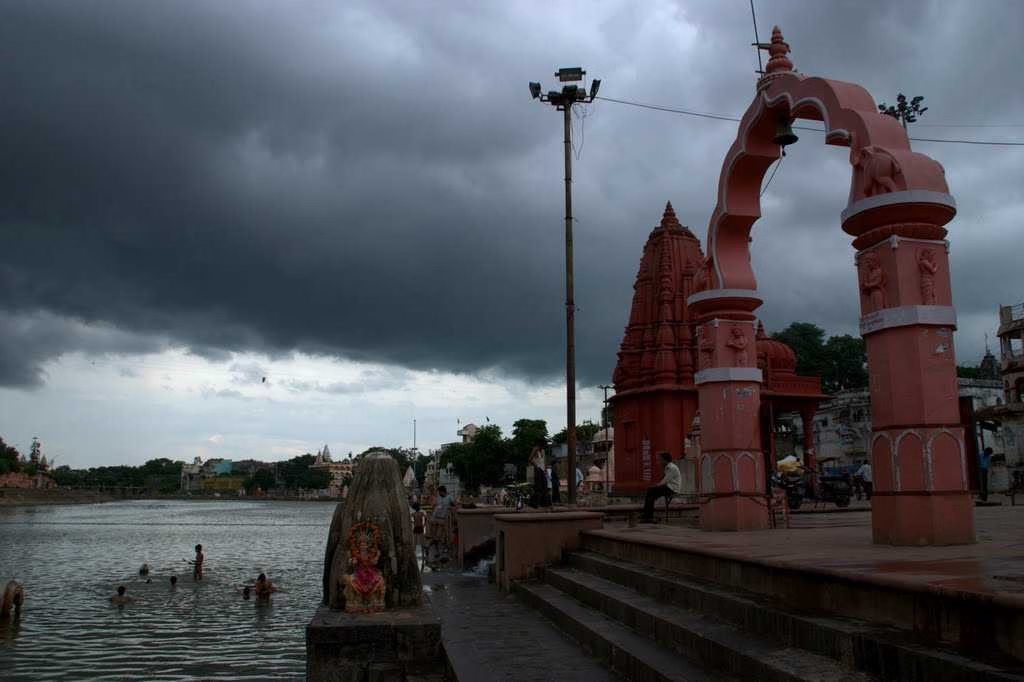
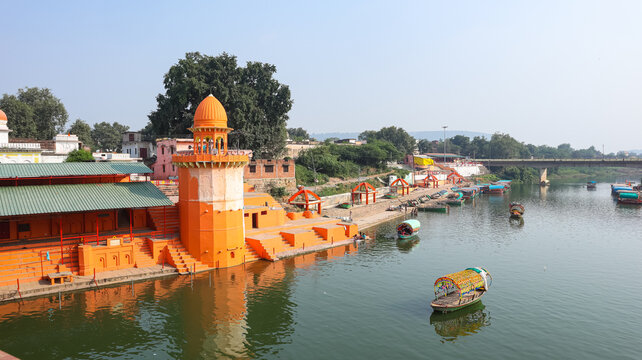
The spiritual ambiance of the riverbank at Ramghat in Chitrakoot.

Ramghat

The main ghat on the Mandakini River, where Lord Rama is said to have bathed. The daily morning and evening aarti here is a mesmerizing spiritual spectacle.

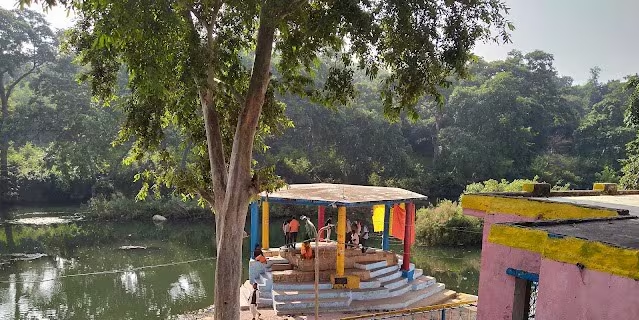
The sacred Sphatik Shila rock platform in the forests of Chitrakoot.

Sphatik Shila

A large quartz rock bearing impressions believed to be the footprints of Lord Rama and Goddess Sita, offering a panoramic view of the surrounding area.

The cave entrance to the twin-cave site of Gupt Godavari in Chitrakoot.

Gupt Godavari

A fascinating site featuring two natural cave tunnels with perennial streams, where Lord Rama and Lakshmana are believed to have held court.

Major Attractions Nearby Chitrakoot

The ancient temple and serene atmosphere of Sitamarhi in Chitrakoot.

Sitamarhi

A historical site about 18 km away, featuring a cave where Goddess Sita is believed to have taken shelter. It is located near the tranquil Bhrigu Rishi Ashram.

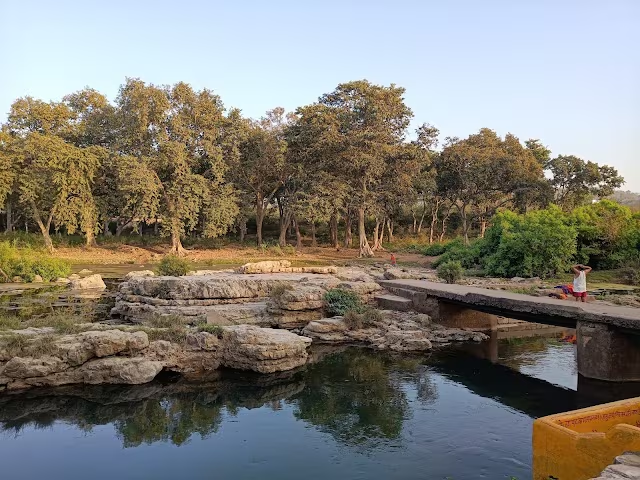
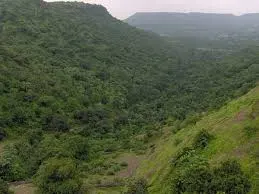
The tranquil Marpha forest retreat area in Chitrakoot.

Marpha

A beautiful, serene valley located about 8 km from Ramghat, known for its lush landscapes and gentle waterfalls, ideal for nature walks.

The sacred water spring and temple at Janki Kund in Chitrakoot.

Janki Kund

A picturesque and peaceful spot along the Mandakini River, believed to be the bathing place of Goddess Sita, surrounded by natural beauty.

A view of the historic Rajapur village associated with Lord Rama's exile in Chitrakoot.

Rajapur

The birthplace of the saint-poet Goswami Tulsidas, the author of the Ramcharitmanas. A temple dedicated to him stands here.

Things to Do in Chitrakoot

Immerse yourself in the spiritual, historical, and natural essence of Chitrakoot. From participating in sacred rituals to exploring serene forests, the town offers a deeply soulful journey.

Devotees participating in the grand evening Ramghat Aarti in Chitrakoot.

Attend the Ramghat Aarti

Participate in the divine evening Sandhya Aarti at Ramghat, where the river is illuminated with lamps and the air fills with devotional chants.

Pilgrims walking the sacred path of the Kamadgiri Parikrama in Chitrakoot.

Perform the Kamadgiri Parikrama

Undertake the sacred 5-km walk around the base of Kamadgiri Hill, a key pilgrimage activity believed to bring blessings and fulfillment.

A peaceful boat ride on the holy Mandakini River in Chitrakoot.

Boat Ride on Mandakini

Enjoy a serene boat ride on the calm waters of the Mandakini River, especially beautiful during sunrise or sunset, offering views of the ghats and temples.

A pathway leading into the historic Dandaka Forest area in Chitrakoot.

Explore the Dandaka Forest

Take a quiet walk or a guided tour through the remnants of the legendary Dandaka Forest, reflecting on the exile period of the Ramayana.

The Performing Art of Chitrakoot

Chitrakoot’s cultural expression is deeply interwoven with the devotional retelling of the Ramayana. The town is a living center for Ramleela performances and traditional folk arts that celebrate the epic’s themes of righteousness, devotion, and duty.

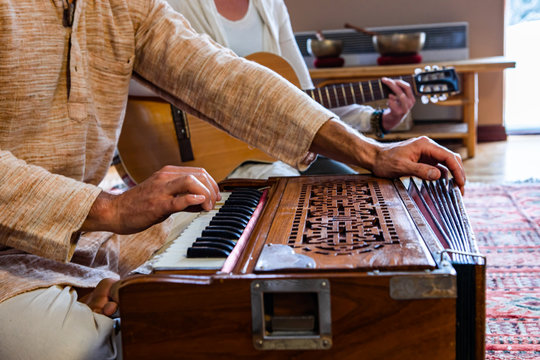
A group singing devotional Ram Bhajans and Kirtans in Chitrakoot.

Ram Bhajans & Kirtans

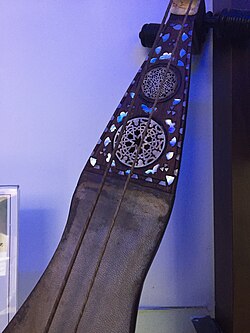
A folk musician performing traditional Chaiti or Kajri songs.

Chaiti & Kajri

A singer performing the heroic ballad style of Alha.

Alha

Chitrakoot is a vital devotional center where soulful Ram Bhajans and Kirtans echo through its temples and ghats. The region resonates with traditional folk styles like the seasonal Chaiti and Kajri, expressing themes of longing and divine love. These sacred and folk melodies, often accompanied by simple instruments, form the spiritual soundtrack of this holy town.

A dramatic scene from a traditional Ramlila performance.

Ramlila

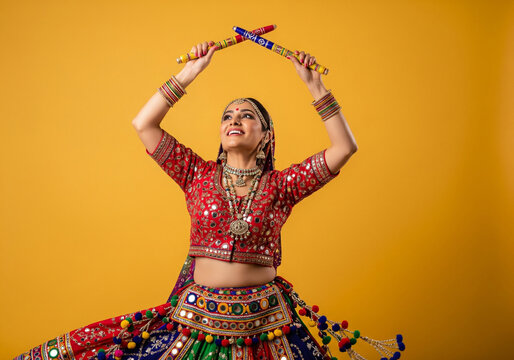
Artists performing vibrant Traditional Folk Dances.

Traditional Folk Dances

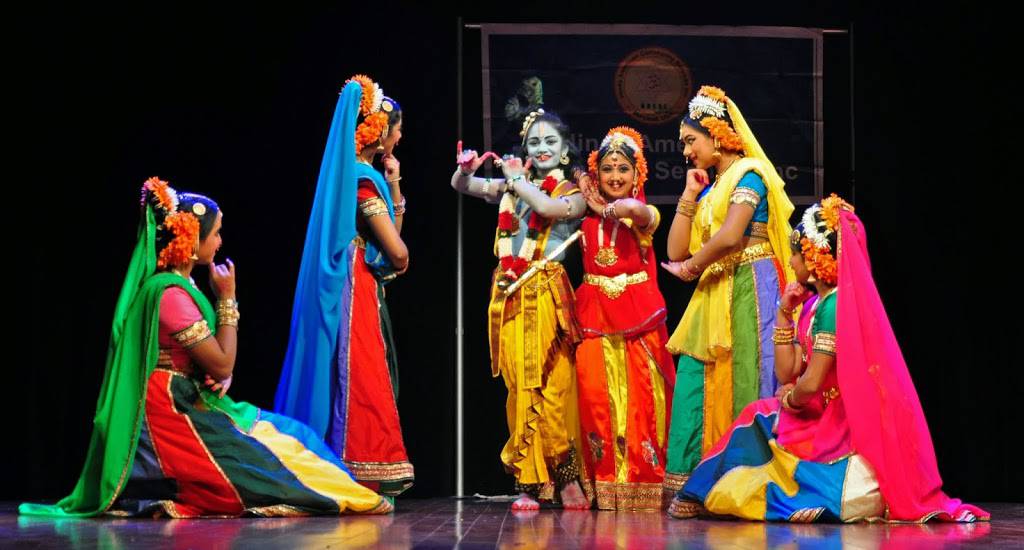
A performance depicting the divine dance-drama of Raslila.

Raslila

Chitrakoot’s cultural heartbeat is the dramatic Ramlila, a revered folk theatre performance that enacts episodes from the Ramayana with elaborate costumes and dialogues. Alongside it, simple, devotional circle dances are performed by locals during village festivals and religious celebrations, embodying community joy and spiritual reverence.

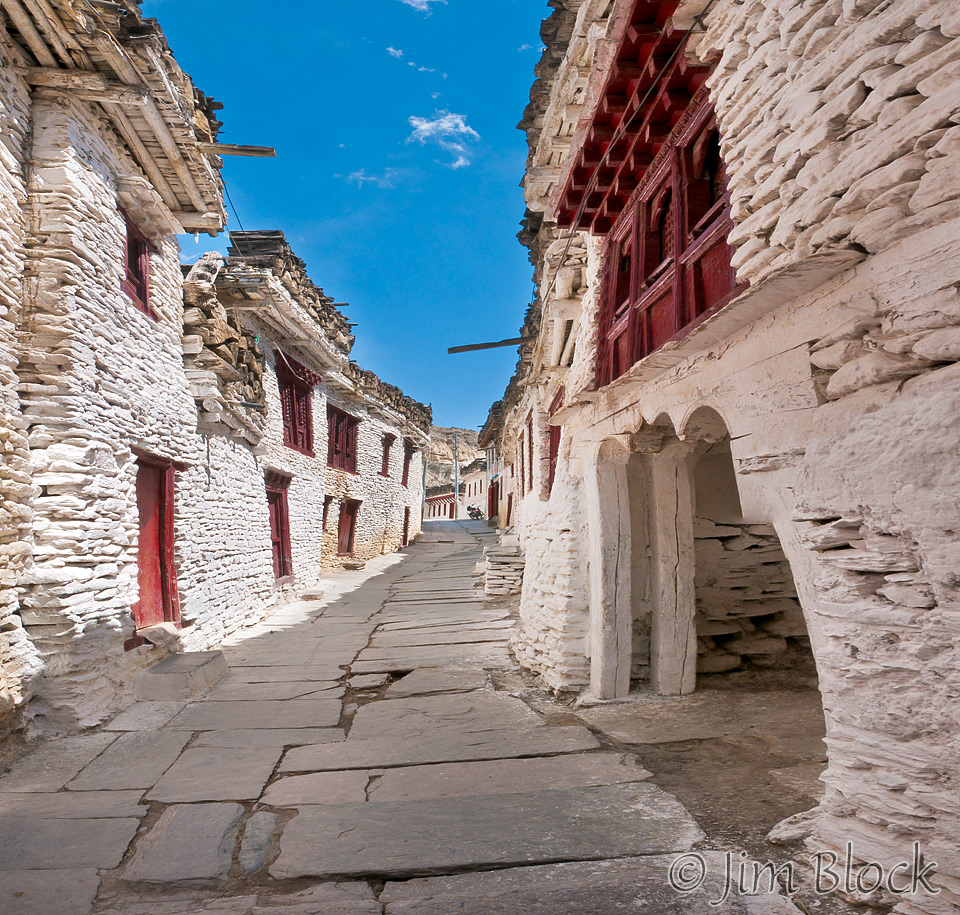
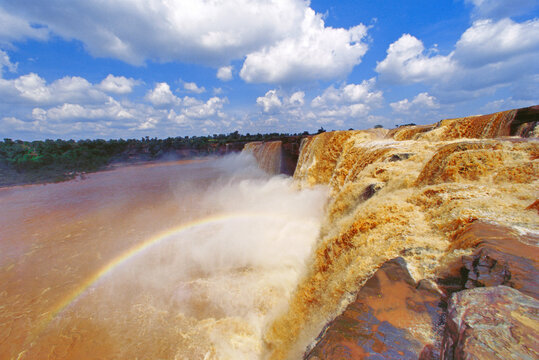
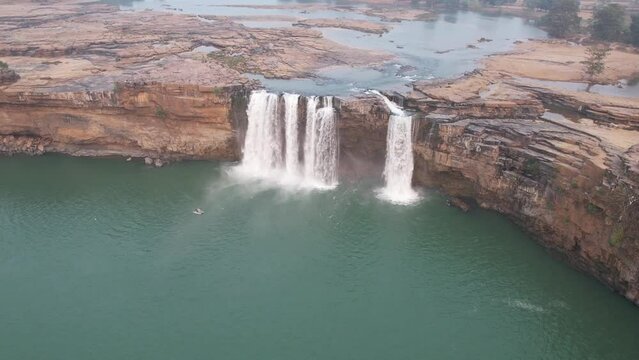
A wide-angle view of the Chitrakote waterfall during monsoon.

City Vibes - Timeless Devotion & Rustic Serenity

Chitrakoot resonates with an atmosphere of unwavering devotion and rustic calm. The constant chants of “Jai Shri Ram,” the soothing flow of the Mandakini, and the deep shade of sacred groves transport visitors to the era of the Ramayana. It is less a bustling town and more a tranquil ashram, where spirituality permeates the simple daily life and the pristine natural surroundings.

Heritage of Chitrakoot

Chitrakoot’s heritage is singularly defined by its intimate connection to the Ramayana. Every hill, cave, and riverbank here is a chapter from the epic. This living heritage is preserved through centuries-old temples, continuous pilgrimage rituals like the Parikrama, and the oral tradition of storytelling and Ramleela, making it an unparalleled cultural landscape.

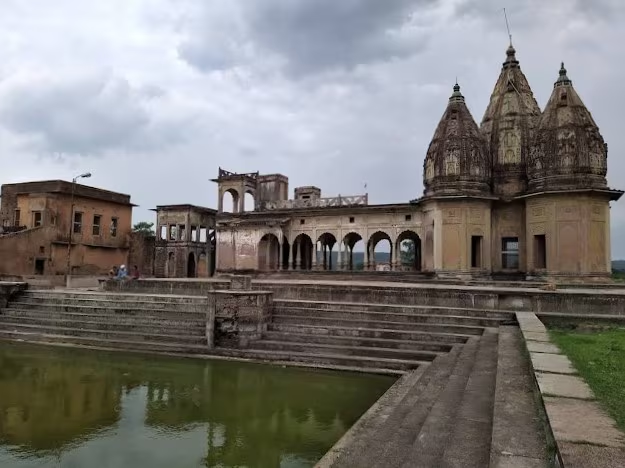
The ruins of the historic Ganesh Bagh palace in Chitrakoot.
Ganesh Bagh in Chitrakoot

Cuisine of Chitrakoot

The cuisine of Chitrakoot is simple, satvik (pure), and vegetarian, reflecting its pilgrimage nature, with a focus on local produce and traditional North Indian flavors.

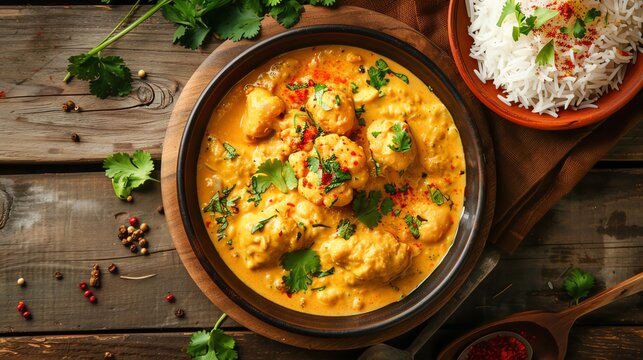
A traditional thali with Kadi (curry) served with steamed rice.

Kadi Chawal

A comforting and common meal featuring a spiced yogurt-based gram flour curry served with steamed rice.

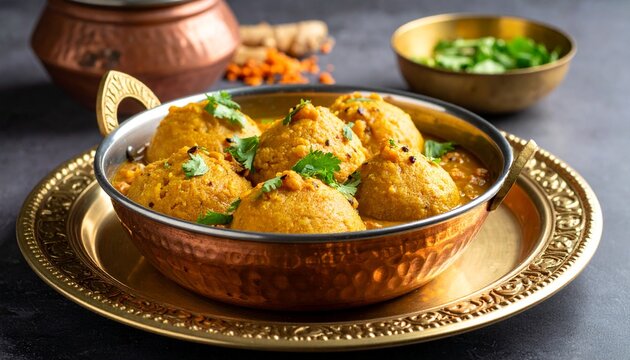
Bafla, a wheat bread, served with ghee and dal.

Bafla

A local variation of the Rajasthani Dal Baati, consisting of steamed and baked wheat dough balls served with dal and ghee.

A plate of crispy Aloo Puri, a popular breakfast.

Aloo Puri

A classic North Indian breakfast of fluffy deep-fried bread (puri) served with a spiced potato curry.

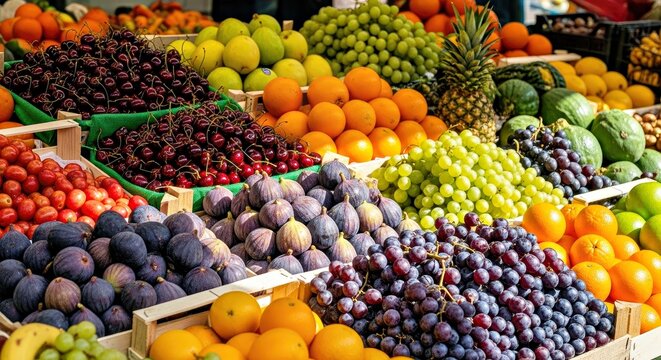
A basket of fresh local fruits and traditional sweets.

Local Fruits & Sweets

Enjoy seasonal fruits from the region. For sweets, try Besan LadduJalebi, and Balushahi from local halwais.

Shopping in Chitrakoot

Shopping in Chitrakoot is centered on religious souvenirs, simple handicrafts, and local organic products that reflect its spiritual character.

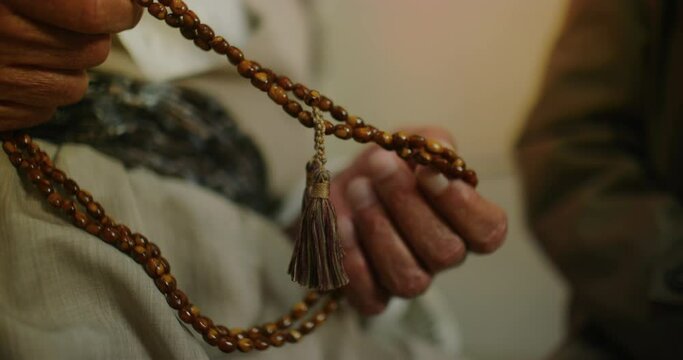
A shop selling religious items like prayer beads and idols.

Religious Items & Prayer Beads

Purchase Rudraksha malastulsi kanthis, small idols of Rama-Sita-Lakshmana, and other puja accessories from shops near the temples.

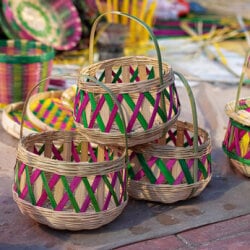
Artisans crafting bamboo and grass handicrafts.

Bamboo & Grass Handicrafts

Lightweight and utilitarian items like bamboo baskets, mats, and handwoven fans made by skilled local artisans.


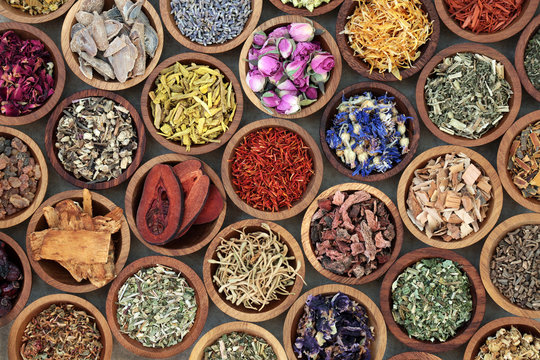
A display of natural herbal and Ayurvedic products.

Herbal & Ayurvedic Products

Look for locally made herbal powdersmedicinal oils, and triphala from the forests of Chitrakoot, known for their purity.

A devotee collecting sacred Mandakini Jal (river water).

Mandakini Jal

Small containers of holy water from the Mandakini River, carried home by pilgrims as a sacred offering (prasad).

Tourist's Handbook

The ideal time to visit Chitrakoot is from October to March during the cool and pleasant winter. This period is perfect for pilgrimage activities, parikramas, and outdoor exploration. The weather is comfortable for walking and attending open-air rituals. Summers (April-June) can be hot, and the monsoon (July-September) brings heavy rains, which can disrupt travel and outdoor activities.

  • Pilgrimage Footwear: Wear comfortable, slip-on shoes for temple visits and the Parikrama, as you will need to remove them frequently.

  • Hydration: Carry water, especially during the Parikrama or long temple queues, to avoid dehydration.

  • River Safety: Be cautious on the ghat steps and while bathing in the Mandakini River, especially during the monsoon when currents can be strong.

  • Modest Dress Code: Dress conservatively in respect of the highly religious environment. Shoulders and knees should be covered in temple areas.

  • Cash: Keep sufficient cash as ATMs may be limited and many small vendors/priests do not accept digital payments.

  • Festival Crowds: Be prepared for massive crowds during major festivals like Ram Navami; plan accommodation and travel well in advance.

Auto-rickshaws and cycle-rickshaws are the primary modes for short distances within the town and to nearby sites like Bharat Milap. Tempo travelers and shared jeeps connect the main town with outlying attractions like Gupt Godavari and Sitamarhi. For a comprehensive tour, hiring a private taxi for a full day is the most convenient and time-efficient option. Walking is essential for the Kamadgiri Parikrama.

Unauthorized Guides & Priests: Be wary of self-appointed guides who may demand exorbitant fees for unnecessary rituals or stories. Use temple-appointed priests if needed.

Overcharging for Puja Items: Prices for flowers, coconuts, and other offerings can be inflated near temple gates. Buy from local markets slightly away.

Fake Holy Water/Relics: Only accept prasad or holy water from inside the temple premises, not from street vendors.

Accommodation Touts: Avoid touts at bus stands offering "cheap lodges." Book through reputable sources or head to known pilgrimage accommodation (dharamshala) offices.

Donation Pressure: Politely decline if you feel pressured into making large, unregistered donations. Official donation boxes are available inside temples.

Photography Charges: Clarify if there are any fees before taking photos inside smaller, privately-run temples or of individuals.

Explore Madhya Pradesh

Recommended articles

  • The Complete Ramayana Trail: Ayodhya to Chitrakoot

  • A Pilgrim’s Guide to the Kamadgiri Parikrama

  • Spiritual Significance of the Mandakini River

  • Temples and Legends of Chitrakoot