Steeped in the epic tales of the Ramayana, Chitrakoot in Uttar Pradesh is a profound spiritual sanctuary for every pilgrim. Discover sacred hills, tranquil rivers, and ancient caves among the top places to visit in Chitrakoot.
Kamadgiri
Kamadgiri Hill, meaning “the hill that fulfills desires,” is considered the original holy embodiment and the very heart of Chitrakoot. Believed to be the abode of Lord Rama during his exile, pilgrims perform a sacred five-kilometer Parikrama (circumambulation) around its base.
This ritual is thought to grant spiritual merit and fulfillment of wishes. The hill is dotted with numerous small temples and shrines, each resonating with deep mythological significance.
The main bathing ghat on the Mandakini River, central to all religious rituals and daily ceremonies.
Sati Anusuya Ashram
The forest hermitage of Sage Atri and Anusuya, known for its tranquil setting and mythological tales.
Hanuman Dhara
A temple located high on a hill where a perpetual stream of water flows over an idol of Lord Hanuman.
Gupt Godavari
Two ancient, mysterious cave streams discovered underground, believed to be where Lord Rama held court.
Sphatik Shila
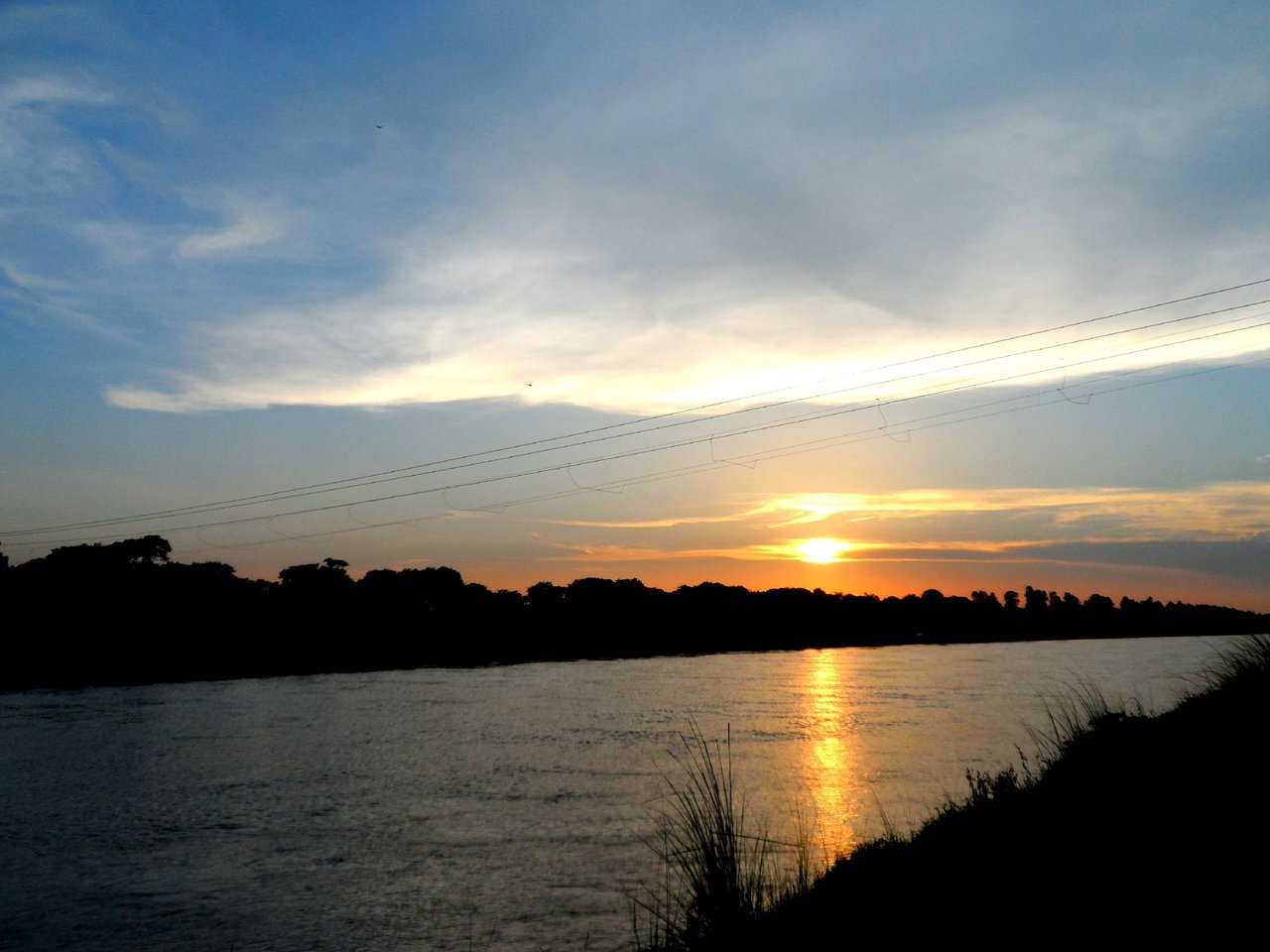
This is a smooth, quartz-like rock platform located on the banks of the serene Mandakini River. It is famously associated with a poignant episode from the Ramayana, where it is said that Lord Rama and Goddess Sita sat here. Mythology also recounts that a distressed Sita pointed out the golden deer to Lakshmana from this spot, marking a turning point in the epic.
Today, it serves as a peaceful place for meditation and reflection amidst the river’s gentle flow.
Janki Kund
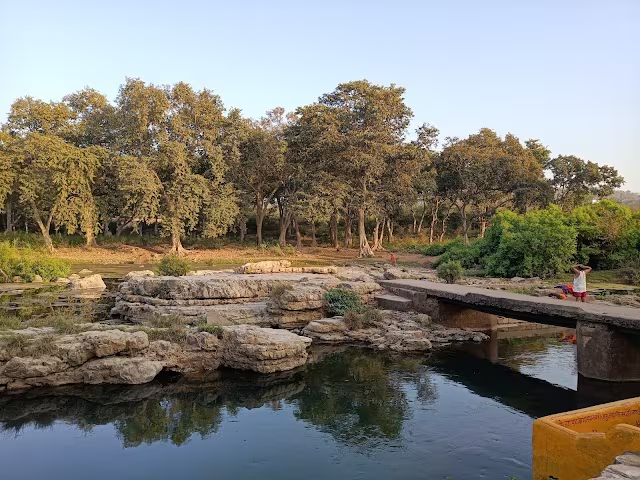
Nestled amidst picturesque rocky terrain along the Mandakini, Janki Kund is a tranquil and scenic spot. It is believed to be the secluded bathing pool where Goddess Sita would come during the exile period. The kund is approached by descending a series of stone steps, leading to clear, cool waters.
Its natural beauty and spiritual serenity make it a perfect location for quiet contemplation away from the main pilgrim crowds.
Ram Darshan
A large park and exhibition complex with statues and dioramas depicting scenes from the Ramayana.
Bharat Koop
The well where Bharat stored holy water from all sacred rivers to perform the rituals for Rama’s return.nce.
Kamta Nath Temple
A historic Shiva temple located near the Kamadgiri hill, with an ancient, self-manifested lingam.
Sitapur
This site holds immense ritual significance as the exact location where Lord Rama performed the Shraddha (last rites) for his father, King Dasharatha. The act fulfilled a crucial duty, cementing the area’s importance in the narrative of righteousness and filial piety.
A temple and a sacred pond, known as the Dasharatha Kund, mark the spot. It is a place for pilgrims to perform ancestral rites and connect with this profound chapter of the epic.
Lakshman Pahadi
A hilltop where Lakshman is said to have kept watch over the forest during their exile.
Marpha
A serene and scenic valley area known for its natural beauty and tranquil walking paths.
Devangana
A beautiful, lesser-visited natural area with caves and streams, perfect for quiet contemplation.
Bharat Milap Temple
Marks the site where Bharat met Lord Rama to plead for his return to Ayodhya.
Ganesh Bagh
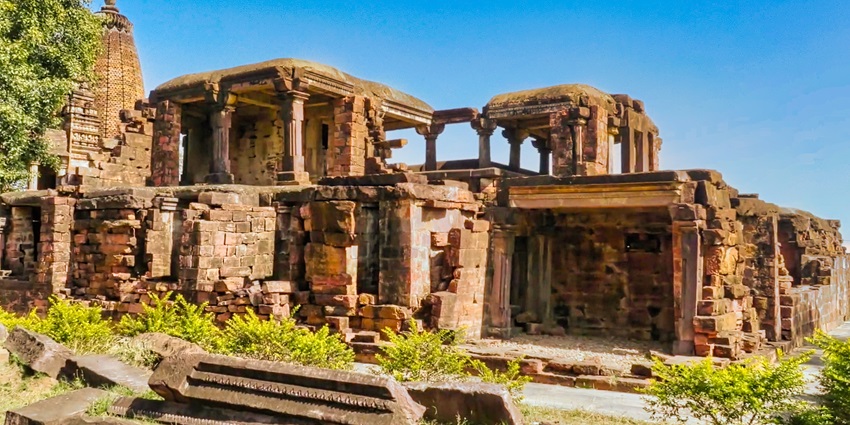
Offering a different historical layer, Ganesh Bagh is the impressive, weathered ruin of an 18th-century palace complex built by the Maratha Peshwa Vinayak Rao. It features a unique, pyramidal stone temple, a stepwell (baoli), and the remains of a once-beautiful water palace.
This site provides a fascinating glimpse into the region’s architectural heritage beyond its ancient mythology, standing as a testament to its layered past.
Pandav Gufa
A historic cave believed to have been the refuge of the Pandava brothers during their exile.
Rajapur
The birthplace of the poet Tulsidas, who authored the Ramcharitmanas.
Kalinjar Fort
A majestic hilltop fortress guarding over a millennium of history, from Gupta-era temples to Mughal sieges, crowned by the sacred Neelkanth Temple.
Mukharvind
Mukharvind is a revered site believed to be the precise spot where the lotus from the hands of Lord Brahma fell, marking the sanctified center of the Kamadgiri Parikrama. It is considered the most powerful and auspicious point on the circumambulation path. Devotees stop here to offer special prayers and meditate.
The name itself, meaning “the face of the lotus,” signifies its origin as the spiritual nucleus from which all sacred energy of Chitrakoot emanates.
Explore the Ramayana Trail
Chitrakoot Blogs
Uttar Pradesh Pilgrimage Guide
Places to visit in Chitrakoot
Places to visit nearby Chitrakoot
India’s most sacred destinations
India’s spiritual heritage sites
Recommended articles
The Complete Ramayana Trail in Uttar Pradesh
A Pilgrim’s Guide to the Sacred Ghats of Kamadgiri