Trip and Tales

¤ 10+ minutes Read

Places to visit in Orchha

Steeped in Bundela dynasty grandeur and timeless architecture, Orchha offers a mesmerizing glimpse into medieval India. Discover majestic palaces, towering cenotaphs, and ancient temples among the top places to visit in Orchha.

Ram Raja Temple

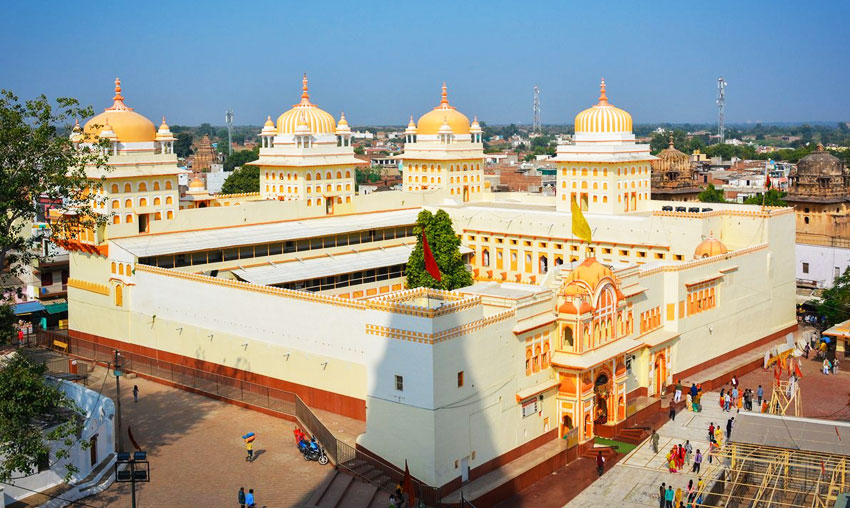
The Ram Raja Temple stands as a unique phenomenon in India, being the only temple where Lord Rama is worshipped not as a deity but as a reigning monarch. According to legend, Queen Ganeshkuwari of Orchha brought the idol of Rama from Ayodhya, and when it was placed temporarily in the palace, it could not be moved again. 

The temple functions as both a place of worship and a royal palace, complete with guards, royal ceremonies, and a daily routine befitting a king. Every evening, the idol is put to sleep with traditional rituals, making it one of the most visited and revered temples in central India.

Jahangir Mahal

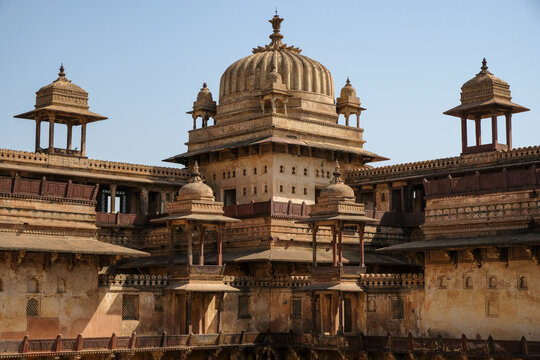
A magnificent seven-story palace built by Raja Bir Singh Deo to honor Mughal Emperor Jahangir’s visit.

Raj Mahal

A stunning palace complex with beautiful murals, courtyards, and exquisite architectural details.

Chaturbhuj Temple

A massive temple built on a high platform, designed to enshrine the Rama idol now at Ram Raja.

Phool Bagh

A beautiful garden complex with fountains, pavilions, and an underground cooling system from the Bundela era.

Laxmi Narayan Temple

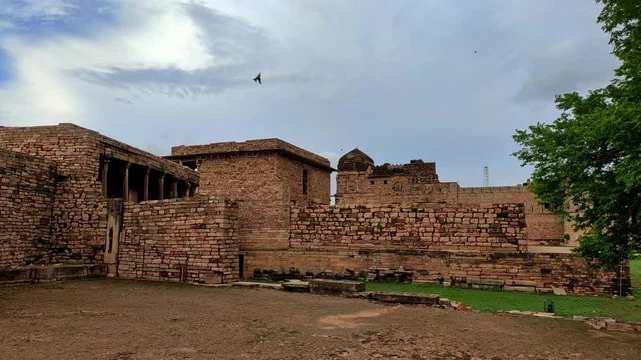
The Laxmi Narayan Temple is a stunning architectural marvel that uniquely combines the features of a fortress and a temple, perched on a modest hillock overlooking Orchha. Built in 1622 by Vir Singh Deo, the temple is dedicated to the goddess of wealth, Laxmi, and features an impressive blend of temple and Mughal architectural styles. 

The interiors are adorned with exquisite frescoes and paintings depicting mythological scenes, royal processions, and everyday life of the Bundela period in vibrant colors. The temple’s upper floors offer breathtaking panoramic views of the Orchha skyline, including the cenotaphs, river Betwa, and surrounding countryside.

Rai Praveen Mahal

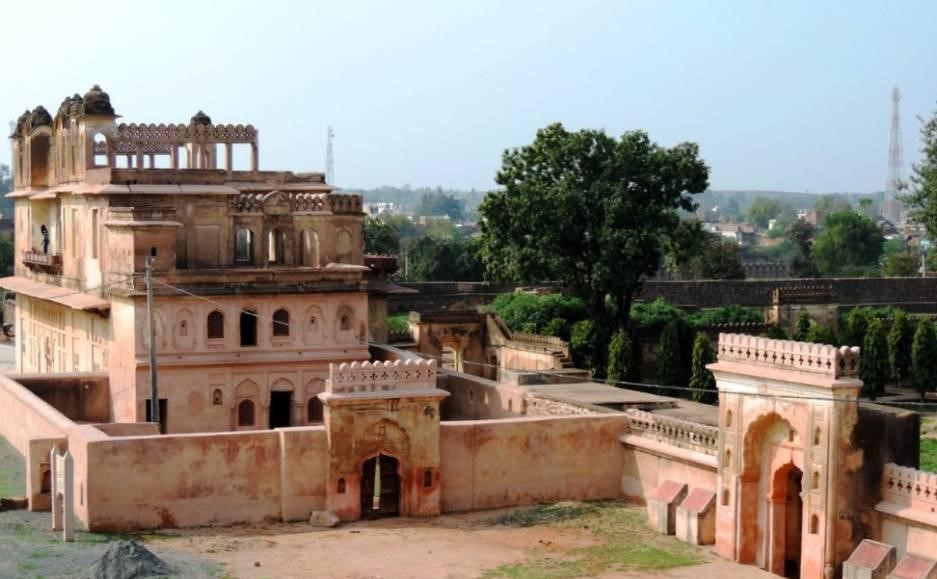
Rai Praveen Mahal is an elegant two-storied palace built in the 17th century for the beautiful poetess and musician Rai Praveen, who was the consort of Raja Indramani. The palace features a unique blend of Mughal and Rajput architecture with ornate pavilions, delicate murals, and a rectangular garden designed in the Char Bagh style. 

Legend holds that Rai Praveen was sent to the Mughal court of Akbar, but her wit and devotion to her lover so impressed the emperor that he sent her back to Orchha with honor.

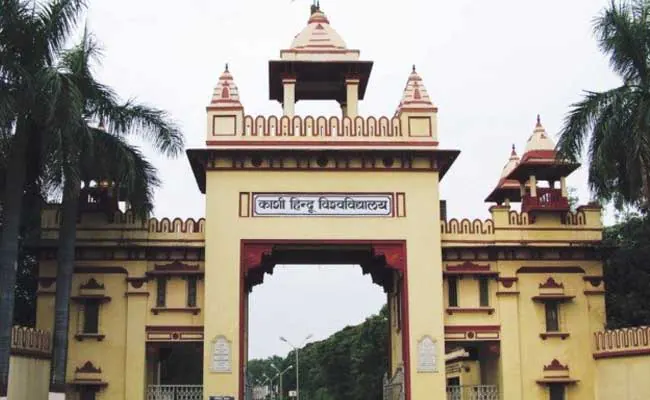
Banaras Hindu University

A elegant palace dedicated to the beautiful poetess and musician Rai Praveen, with a lovely garden.

Sheesh Mahal

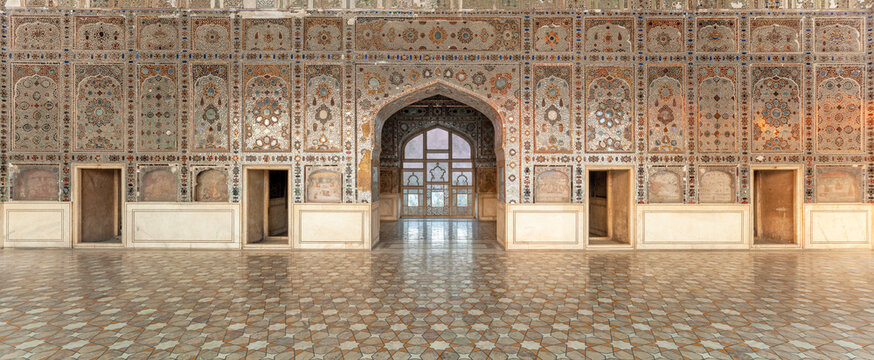
Now a heritage hotel, this palace features intricate mirror work and overlooks the stunning Orchha skyline.

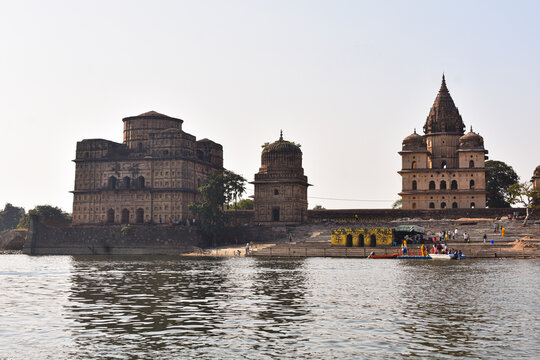
Chhatris

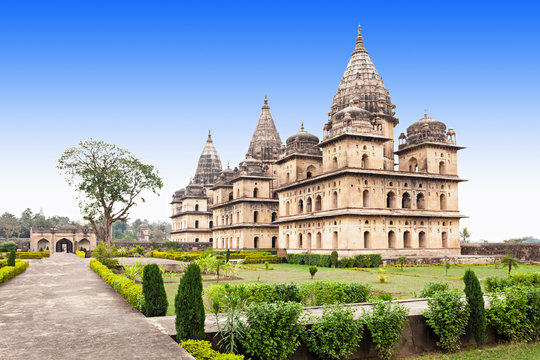
Elegant memorials of Bundela rulers lining the Kanchan Ghat on the banks of River Betwa.

Kanchan Ghat

Kanchan Ghat is a serene riverside landing on the banks of the Betwa River, serving as the primary access point to the stunning royal cenotaphs of Orchha’s Bundela rulers. The ghat offers breathtaking views of the chhatris beautifully reflected in the calm waters, creating a magical spectacle especially during sunrise and sunset. 

It serves as a popular spot for evening strolls, boat rides, and photography, allowing visitors to soak in the spiritual and historical ambiance of Orchha.

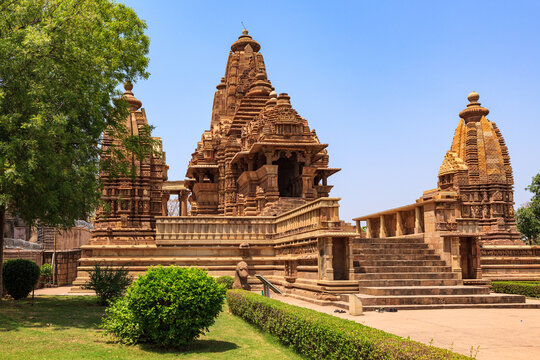
Khajuraho

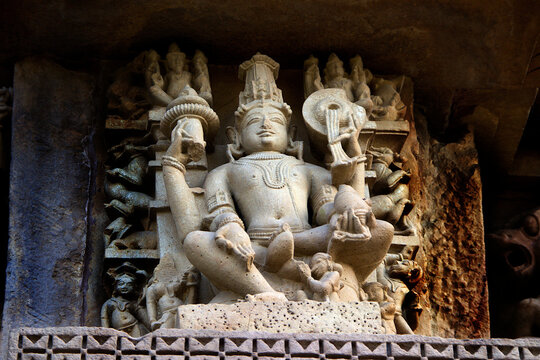
Khajuraho is a UNESCO World Heritage site renowned worldwide for its stunning group of Hindu and Jain temples built between 950-1050 CE by the Chandela dynasty. The temples are famous for their Nagara-style architecture and intricate erotic sculptures that depict various aspects of human life, love, and spirituality with remarkable artistic precision. 

Only about 25 temples survive from the original 85, divided into Western, Eastern, and Southern groups, each adorned with exquisite carvings of gods, goddesses, celestial maidens, and mythical creatures. Beyond the erotic art, the temples represent the Chandela’s celebration of life in all its forms, making Khajuraho one of India’s most fascinating historical and artistic destinations.

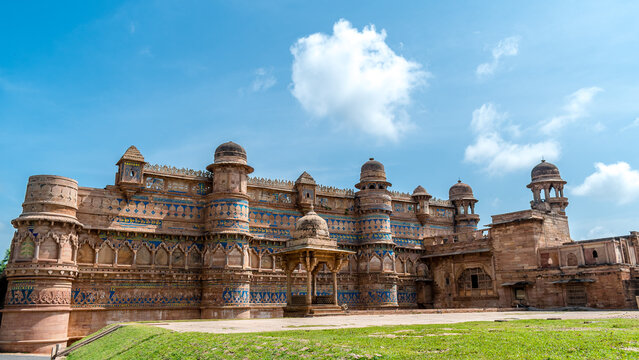
Gwalior Fort

One of India’s most impregnable forts, showcasing magnificent palaces, temples, and historical inscriptions.

Datia Palace

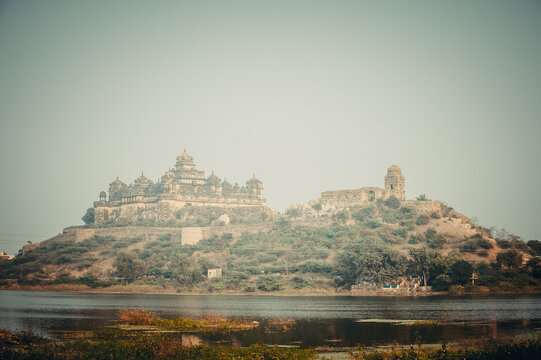
A seven-story abandoned palace, considered one of the finest examples of Bundela architecture.

Panna National Park

A tiger reserve and diamond mining area offering wildlife safaris and scenic landscapes.

Chanderi

A historic town famous for its handwoven Chanderi silk saris and Afghan-era fortifications.

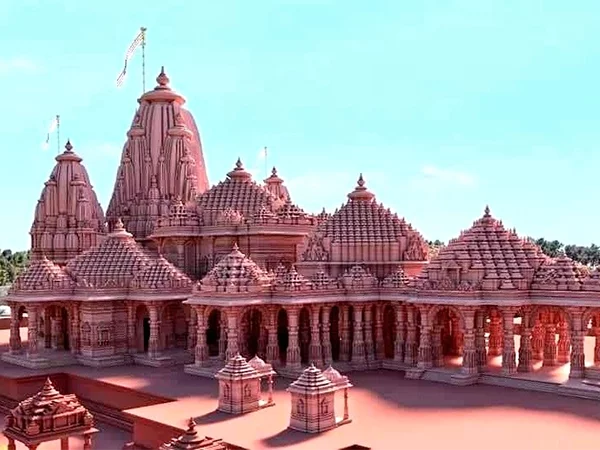
Sonagiri Jain Temples

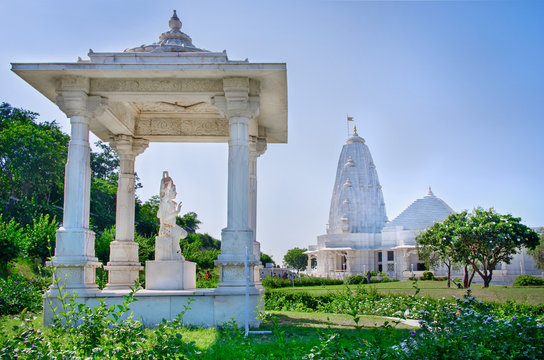
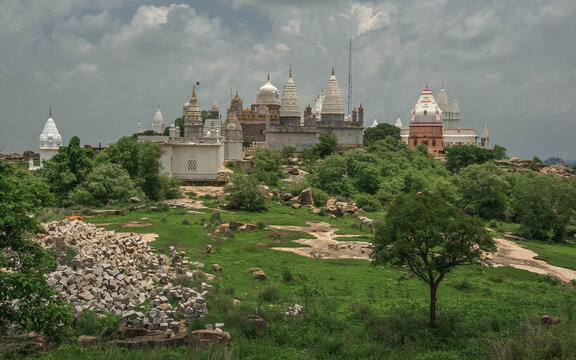
Sonagiri is one of the most sacred Jain pilgrimage sites in India, featuring 77 gleaming white temples spread across a hillside in the Datia district of Madhya Pradesh. 

The name “Sonagiri” means “Golden Peak,” derived from the belief that the hill radiates golden light due to the presence of numerous enlightened Jain ascetics who attained salvation here. Pilgrims climb over 3000 steps to reach the main temple atop the hill, passing numerous smaller shrines and breathtaking views of the surrounding countryside. 

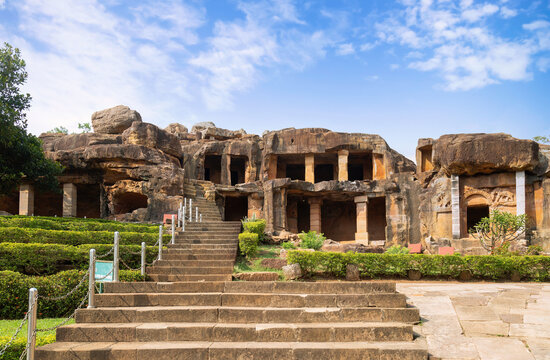
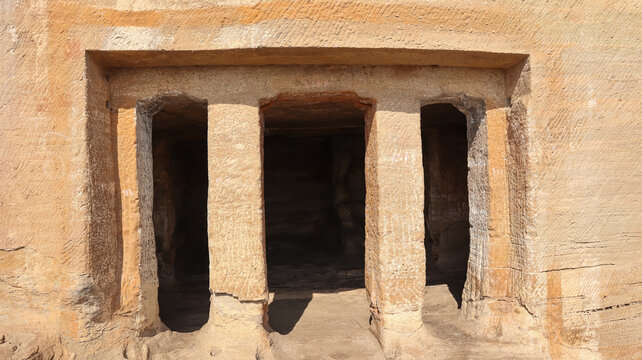
Udayagiri

A small town with ancient caves and temples, once an important center during the Gupta period.

Deogarh

Home to the Dashavatara Temple, one of the earliest surviving Hindu temples with exquisite Gupta-era sculptures.

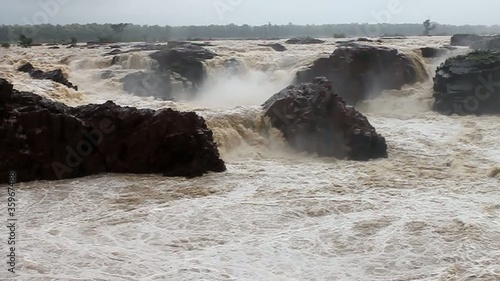
Raneh Falls

A stunning canyon waterfall on the Ken River, showcasing unique crystalline rock formations.

Kundalpur Jain Temple

Kundalpur is a revered Jain pilgrimage complex located about 35 kilometers from Damoh, featuring 63 magnificent temples adorned with intricate marble carvings and sculptures. The site’s crowning glory is the 15-foot tall statue of Lord Adinath (Rishabhdev), the first Jain Tirthankara, carved from a single block of black stone and seated in meditation. 

According to Jain tradition, Kundalpur is associated with the birthplace of Lord Adinath and remains one of the most important Digambara Jain pilgrimage centers in India. 

Pandav Falls

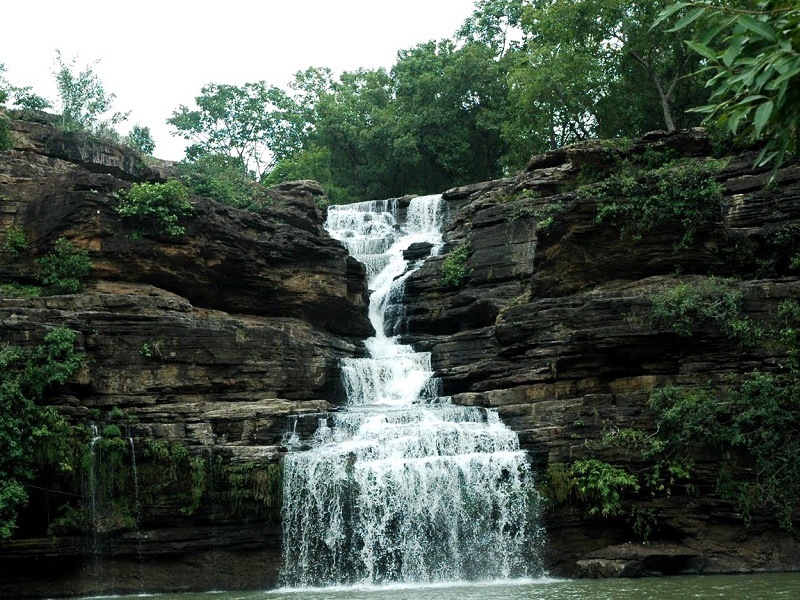
Pandav Falls is a scenic waterfall located in the Panna district, named after the legendary Pandava brothers from the Mahabharata epic. According to local tradition, the Pandavas stayed in this area during their 13-year exile, and the natural caves near the falls provided them shelter from their enemies. 

The waterfall cascades down rocky terrain, creating a series of natural pools perfect for swimming and picnicking amidst lush greenery. The site also features ancient rock shelters with prehistoric paintings, adding archaeological significance to its natural beauty and mythological associations.

Explore Orchha

Orchha Travel Blogs

  • Orchha: The Medieval Marvel
  • Orchha Architectural guide
  • Places to visit in Orchha
  • Places to visit nearby Orchha

Recommended articles

  • Madhya Pradesh’s hidden gem
  • India’s best preserved medieval town
  • India’s most popular destination
  • Madhya Pradesh’s hidden gem