¤ 10+ minutes Read
Alibag, a charming coastal town in the Konkan region of Maharashtra, is the perfect weekend getaway from Mumbai and Pune. Known for its pristine beaches, historic forts, lush green landscapes, and a laid-back vibe, Alibag offers a refreshing blend of history, nature, and leisure. With its swaying palm trees, golden sands, and the Arabian Sea kissing its shores, this town is often called the “Goa of Maharashtra” – yet it retains its own unique, tranquil identity.
Wiki Link: Alibag wiki page
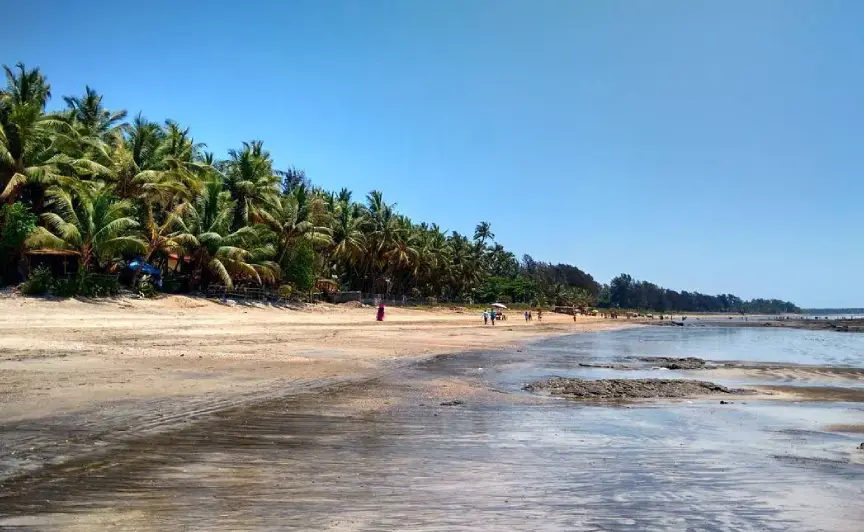
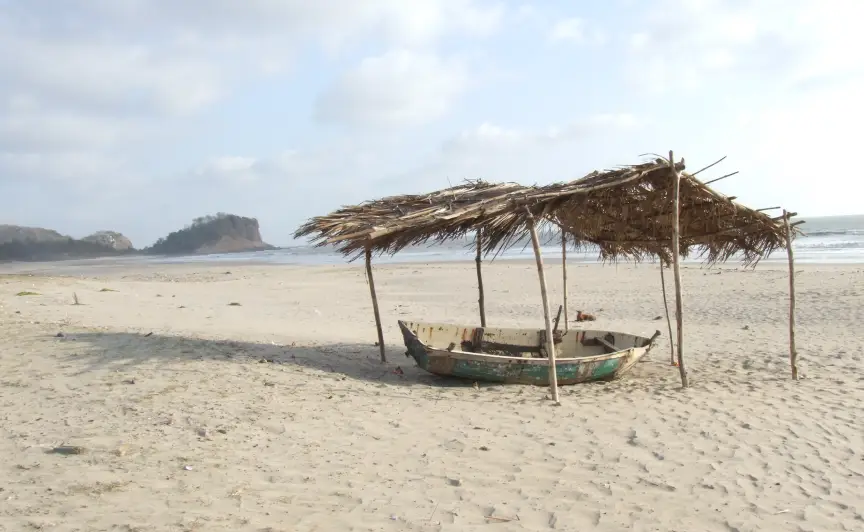
The town’s namesake shoreline offers gentle waves, black sand, and peaceful evening strolls under swaying palms.
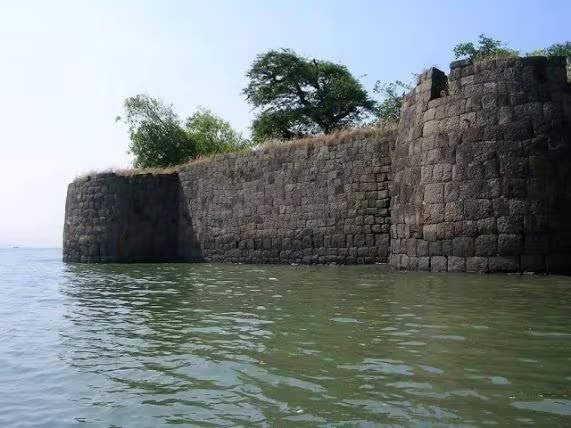
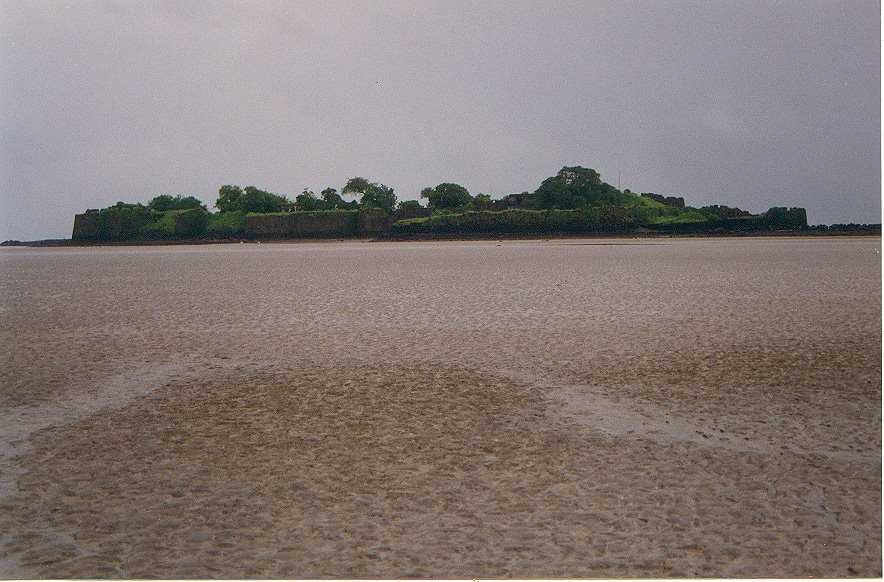
A 17th-century Maratha sea fort, accessible on foot during low tide with ancient walls and cannons to explore.
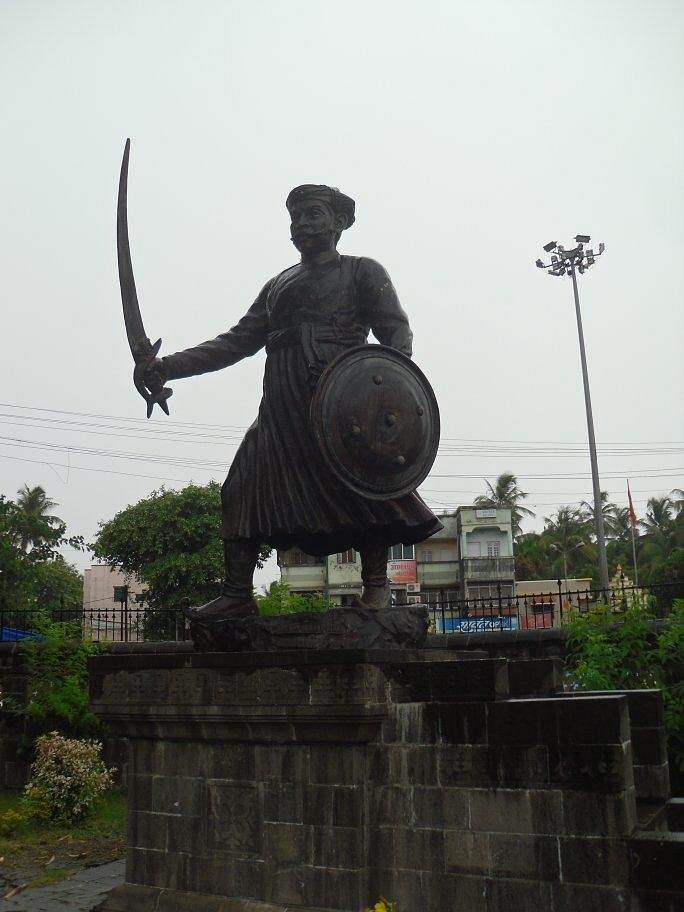
A memorial honouring the legendary Maratha naval commander who once ruled these waters with unmatched valour.
Situated on the opposite bank of the Ganges, Ramnagar Fort offers a glimpse into the grandeur of the Mughal era.
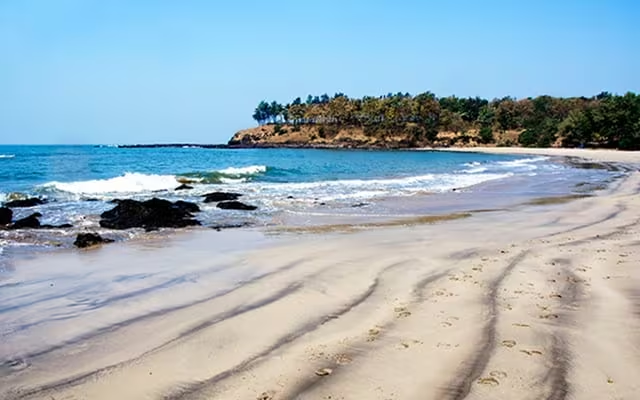
A pristine stretch of white sand and turquoise waters, widely regarded as one of Konkan’s most beautiful beaches.
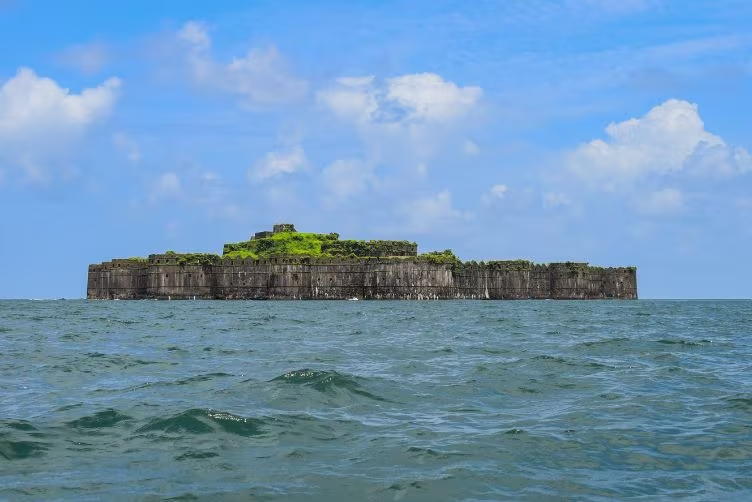
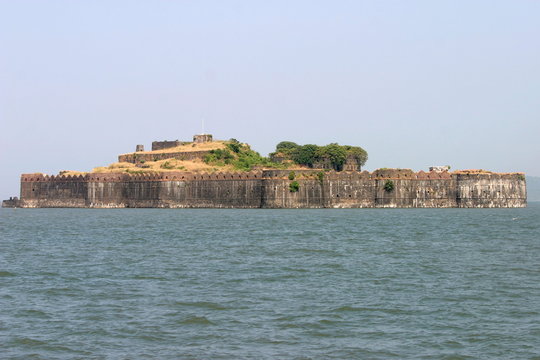
An impregnable sea fort that stands unconquered, bearing testimony to formidable Maratha and Siddi naval might.
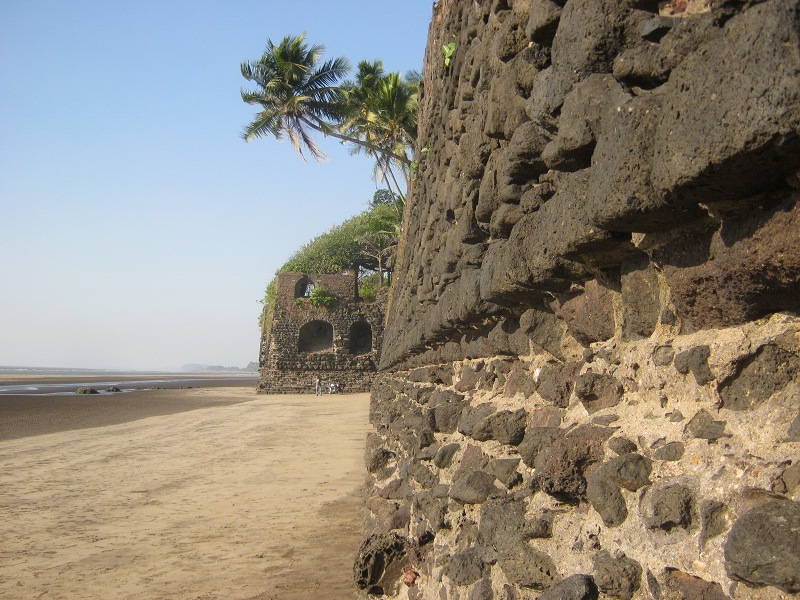
A Portuguese-influenced coastal fort overlooking the river-sea confluence, whispering tales of colonial Konkan.
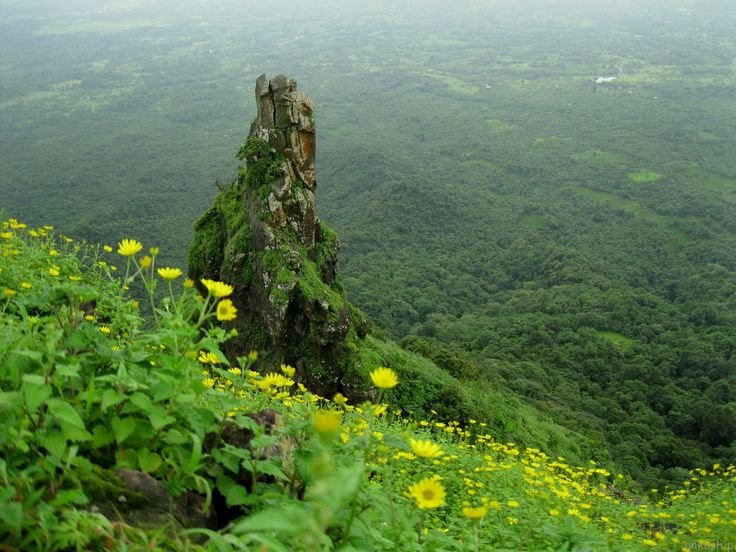
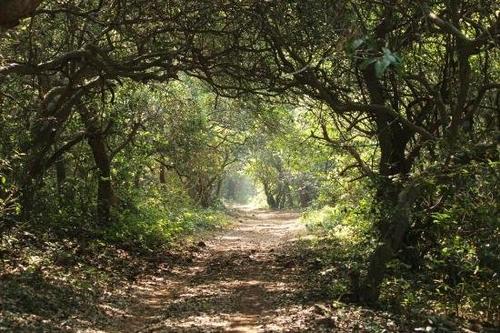
A lush forest refuge sheltering leopards, deer, and over 140 bird species amidst seasonal waterfalls.
Alibag offers a delightful mix of relaxation, adventure, and cultural exploration. From beach hopping to fort trekking, the town promises a rejuvenating coastal experience.
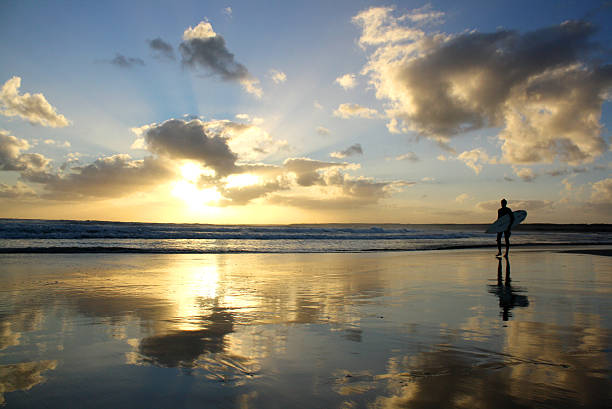
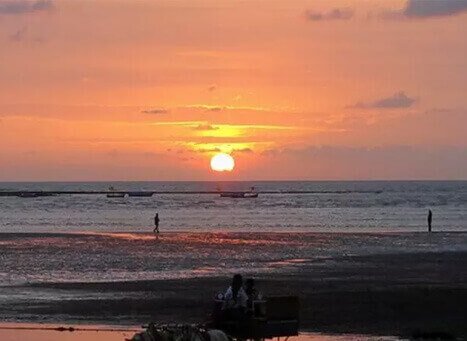
Witness golden hour magic at Akshi, Thal, or Varsoli – serene shores away from the crowds.
Walk across the seabed at low tide to discover ancient walls, secret passages, and sea-facing temples.
A favourite family activity, trotting along the sandy shoreline of Alibag Beach.
Savour authentic Malvani flavours with Sol Kadhi, Bangda Fry, and spicy Crab Curry.
The Konkan coast, with Alibag at its heart, is deeply rooted in folk traditions, devotional music, and vibrant performing arts. These art forms celebrate the sea, the harvest, and the region’s rich cultural and religious heritage.
Powada
Lavani
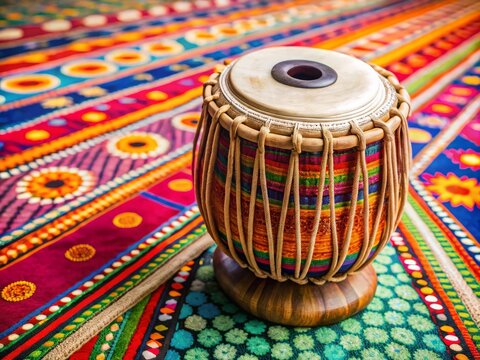
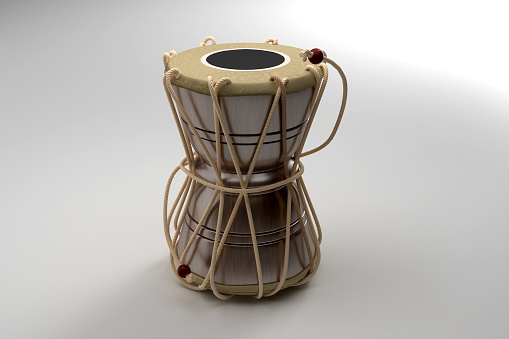
Bharud
The Konkan coast, anchored by Alibag, is vibrant with Powadas (heroic ballads) celebrating Maratha naval legends like Kanhoji Angre, and devotional Abhangas & Bhajans honoring local deities. Energetic Lavani and socially poignant Bharud performances thrive here, while folk songs reflect the rhythms of coastal life—the fisherfolk’s toil, harvest celebrations, and the timeless sway of palm groves. This musical heritage, passed down through generations, remains the living heartbeat of Konkani culture.
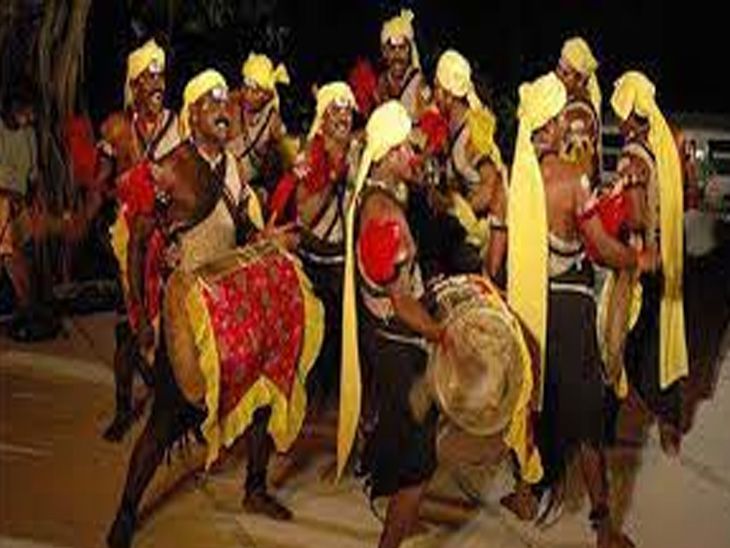
Dhangari Gaja
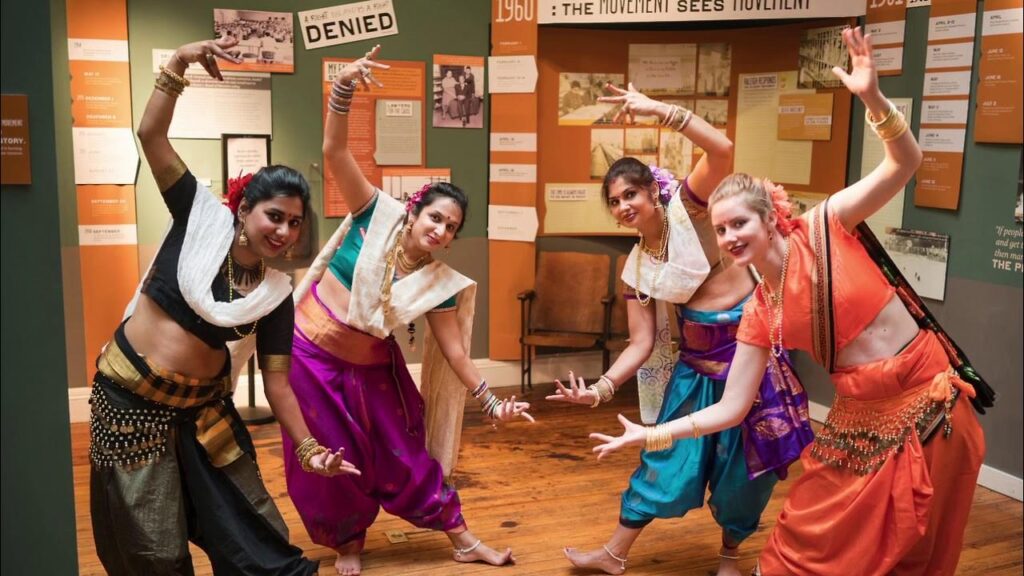
Koli Dance
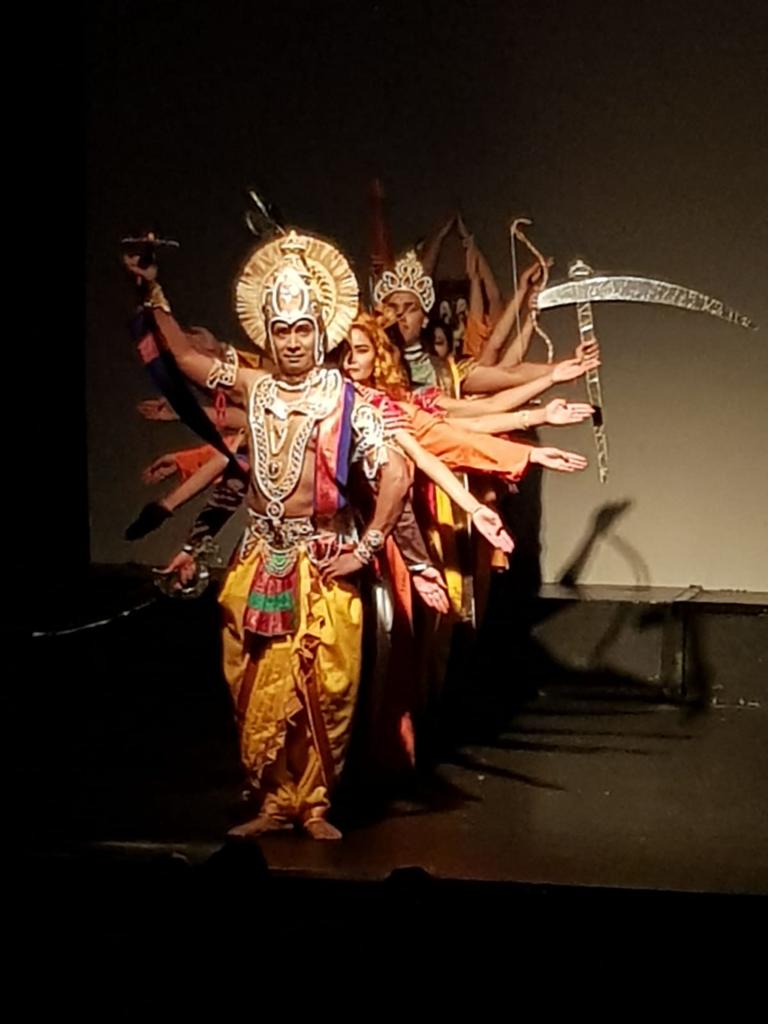
Dashavatara
The Konkan coast is alive with the spirited Koli Dance, performed by the fisherfolk community, imitating the rhythm of ocean waves and the casting of fishing nets. Dhangari Gaja, a vigorous folk dance of the shepherd community, is performed with sticks and dedicated to Lord Biruba. Traditional theatre forms like Dashavatara and Tamasha blend dance, drama, and music, depicting mythological tales and social stories with expressive movements and vibrant costumes.
Alibag exudes an easygoing, unhurried rhythm of life. The air is salty, the pace is slow, and the landscape is dotted with coconut and betel nut plantations. By day, it’s about beachcombing, fort-hopping, and savouring fresh seafood. By evening, the coastline glows with hues of orange and pink as fishermen return with their catch. It’s a place where the sea tells stories, and time seems to stand still.
Alibag’s heritage is intrinsically linked to the Maratha naval supremacy under Chhatrapati Shivaji Maharaj and the legendary Kanhoji Angre. The numerous sea forts – Kolaba, Murud-Janjira, and others – stand as silent sentinels of a glorious maritime past. The region also bears the subtle influence of Portuguese colonization, evident in forts like Revdanda and the old churches dotting the coastline. This blend of Maratha valour and colonial history gives Alibag its unique cultural identity.
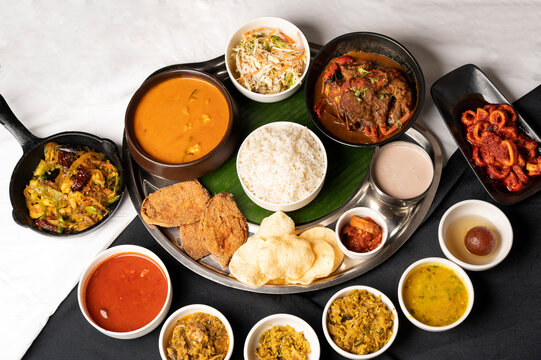
Alibag is a seafood lover’s paradise. The cuisine is predominantly Malvani and Konkani, characterized by the generous use of coconut, kokum, and a distinctive blend of spices.
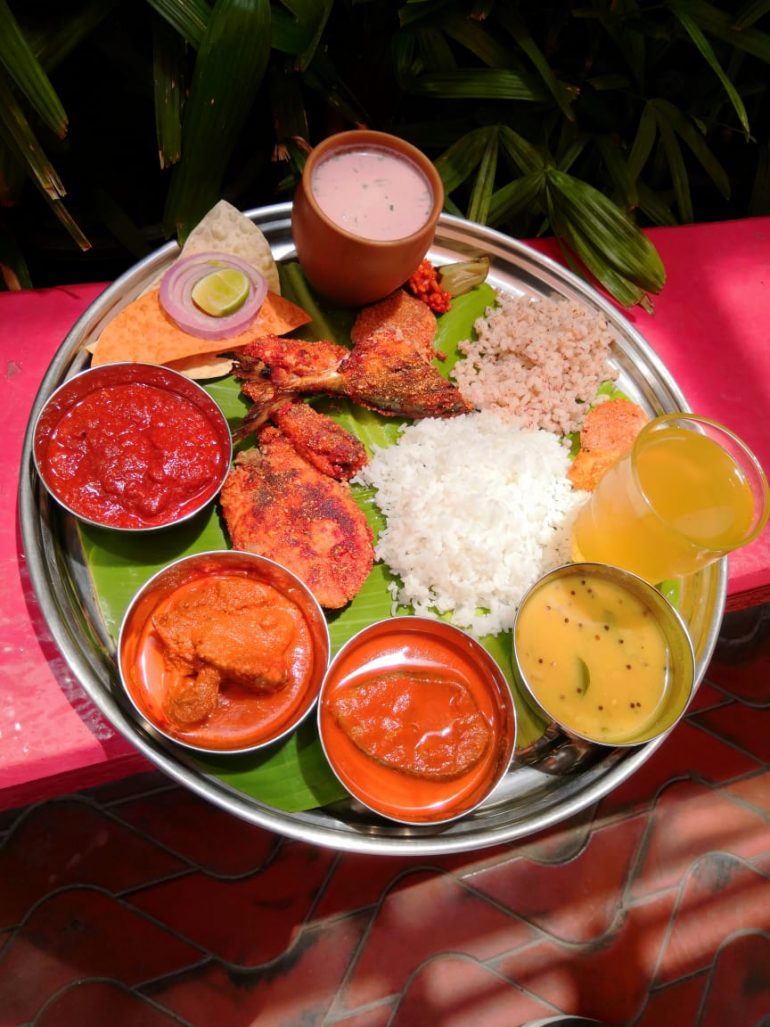
A lavish platter of fried fish, curry, sol kadhi, and rice—the ultimate Konkan coastal feast.
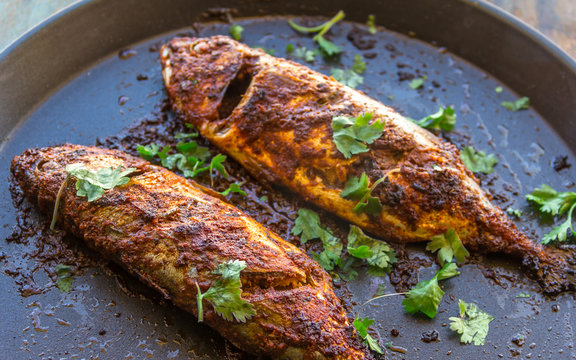
Mackerel marinated in spicy red masala and shallow fried to crispy perfection.
A refreshing pink digestive of kokum and coconut milk, served chilled after seafood meals.perience.
Sweet rice flour dumplings stuffed with jaggery and coconut, offered to Lord Ganesha.
Shopping in Alibag is about taking home a piece of the Konkan coast – from local produce to handcrafted artefacts.
Take home world-famous Alphonso mangoes in summer and high-quality Konkan cashew nuts.
Traditional kolhapuri-style cookware and decorative items crafted from copper and brass.
Handcrafted leather sandals, comfortable and stylish—a quintessential Maharashtrian souvenir.
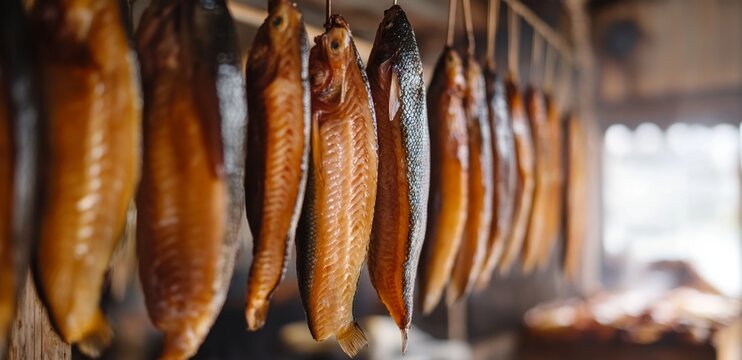
Dried fish, prawns, and bombil—coastal flavours packed fresh for travel.
The ideal time to visit Alibag is from October to March. Post-monsoon months (Oct-Dec) offer lush green landscapes, clean beaches, and pleasant temperatures. Winter (Dec-Feb) is cool and perfect for sightseeing, fort treks, and beach activities. Avoid the monsoon (June-September) as heavy rains often lead to high tides, waterlogging, and rough sea conditions, though the region turns exceptionally green.
Sea Safety: Never venture too deep into the sea. Be cautious of strong currents and high tides, especially at beaches without lifeguards.
Kolaba Fort Access: Only walk to Kolaba Fort during low tide. Check tide timings locally before attempting the walk. Avoid carrying valuables that cannot get wet.
Sun Protection: Carry sunscreen, sunglasses, and hats. The coastal sun can be harsh even during winter.
Water Sports: Only engage in water sports through licensed operators. Ensure life jackets are provided and properly fitted.
Mosquito Protection: Coastal areas have high mosquito activity during evenings. Carry repellent and opt for accommodation with mosquito nets or screens.
Road Driving: Be cautious while driving on narrow coastal roads, especially during weekends when tourist traffic is heavy.
Auto-rickshaws are the most common and convenient mode of local transport, though fares should be negotiated beforehand. Bicycle and scooter rentals are popular among tourists for exploring nearby beaches and forts at their own pace. Private taxis and cabs are available for day-long sightseeing trips to places like Kashid, Murud, and Revdanda. Self-driving is also a great option as roads are well-maintained and the coastal routes are scenic.
Overpriced Seafood: Always check the menu and prices before ordering seafood, especially at beach shacks. Clarify if rates are per piece or per kilogram.
Fake Boat Rides: At Nagaon and Kashid, beware of unregistered operators offering boat rides. Always use official counters or reputed water sports operators.
Overcharging by Autos: Auto drivers often overcharge tourists. Negotiate the fare before boarding or insist on meter usage (though meters are rarely used).
Counterfeit Local Products: Be cautious when buying "Alphonso mangoes" or "pure cashews" from roadside stalls outside the season. Purchase from established shops.
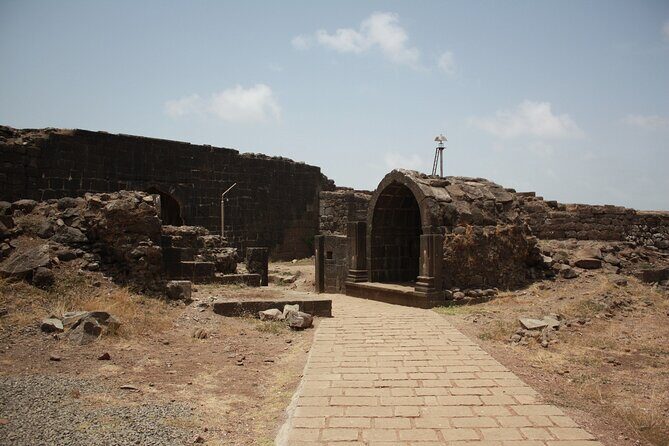
Unauthorized Guides: At Kolaba Fort and Murud-Janjira, unauthorized individuals may offer guiding services for a fee. Their information is often inaccurate.
Parking Scams: Some unauthorized persons near popular beaches may demand "parking fees" on public roads. Park only at designated paid parking areas.
Maharashtra Cultural Guide
Places to Visit in Alibag
Places to Visit Nearby Alibag
India’s Best Beach Destinations
India’s Historic Sea Forts
Maharashtra Coastal Guide: From Alibag to Sindhudurg
A Weekend Itinerary for Alibag & Murud
Konkan Cuisine: Seafood, Spices & Sol Kadhi
The Maritime Legacy of Kanhoji Angre
Alibag Beyond Beaches: Forts, Sanctuaries & Villages