¤ 10+ minutes Read
Latur, a historic city in the Marathwada region of Maharashtra, is known for its rich cultural heritage, ancient temples, and growing agricultural significance. Once part of the powerful Rashtrakuta and Chalukya empires, Latur offers visitors a blend of spirituality, history, and rural charm. From revered Shiva temples to vibrant local festivals, the city provides an authentic Maharashtrian experience that captivates pilgrims, history enthusiasts, and travelers seeking offbeat destinations.
Wiki Link: Latur wiki page
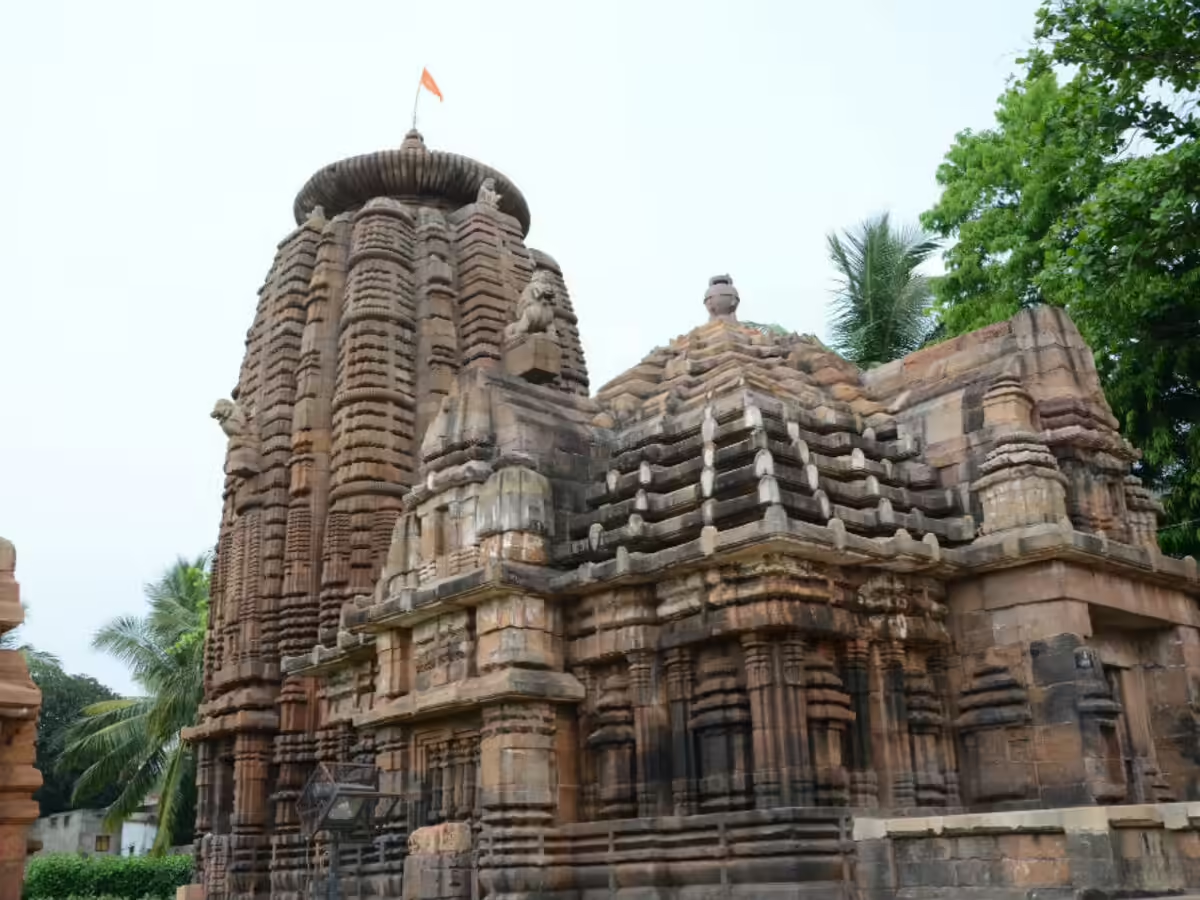
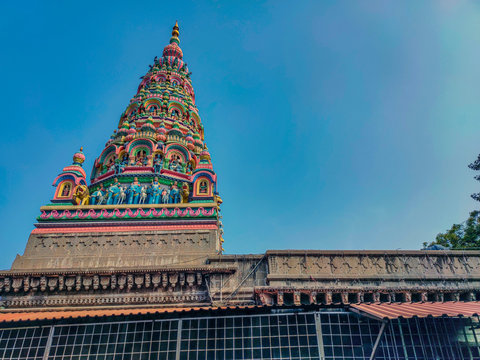
A magnificent Shiva temple featuring intricate stone carvings, a large artificial lake, and host to the famous annual Mahashivratri fair.
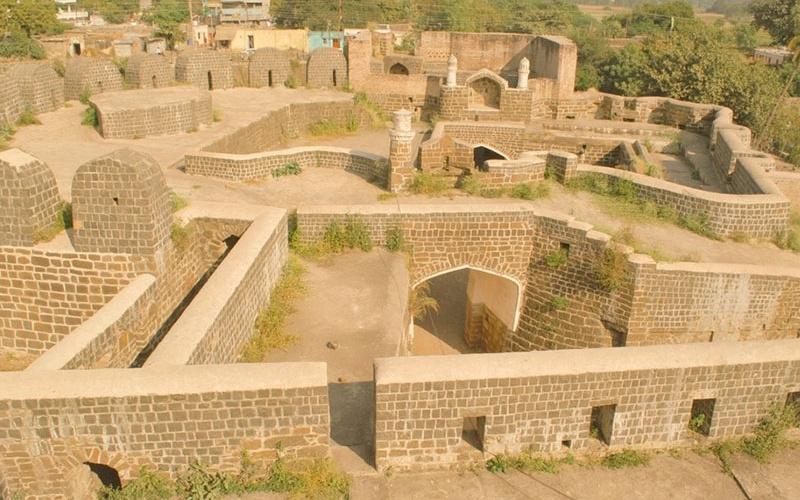
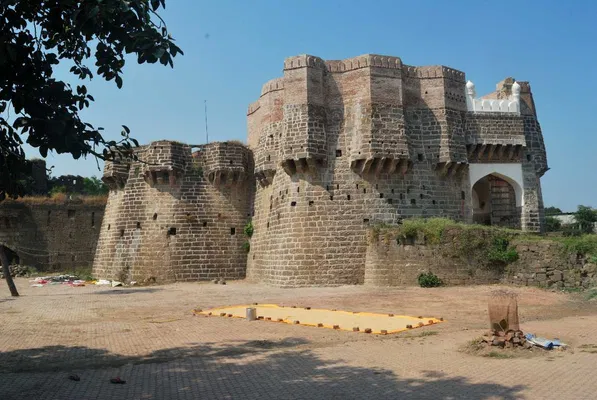
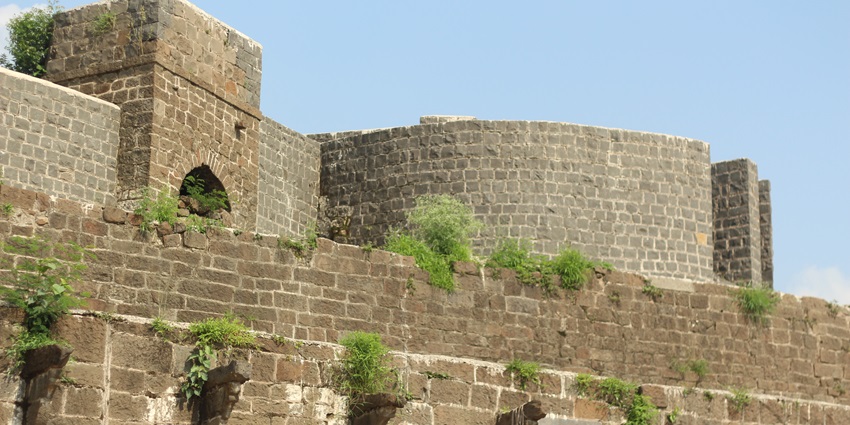
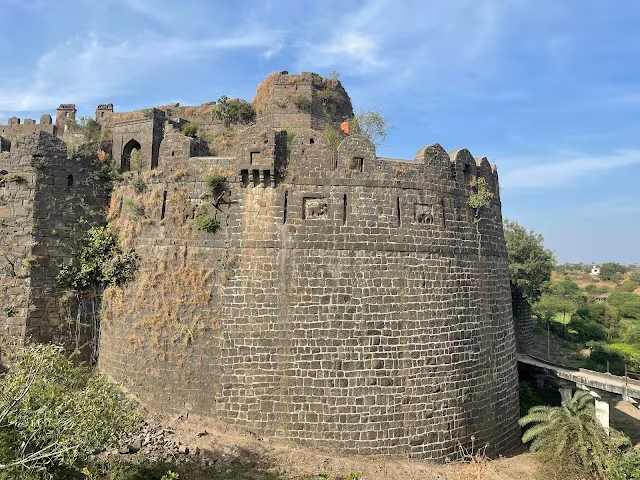
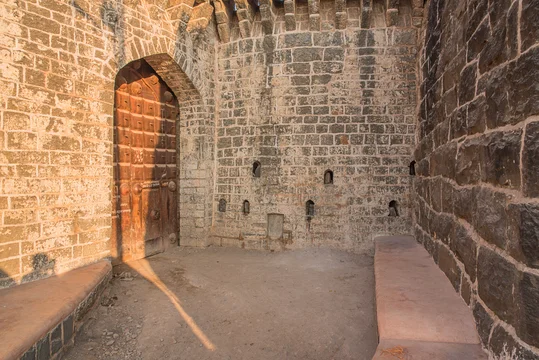
A historic fort 30 km from Latur that played a key role in the 1760 battle between the Marathas and the Nizam.
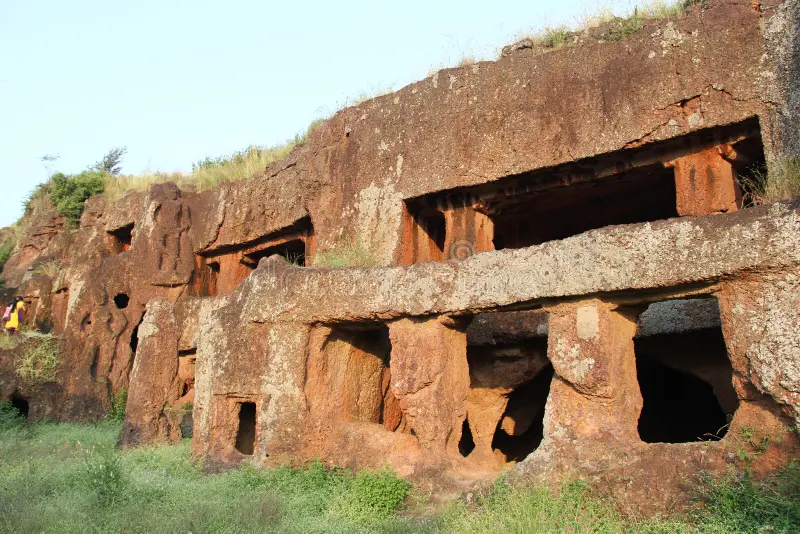
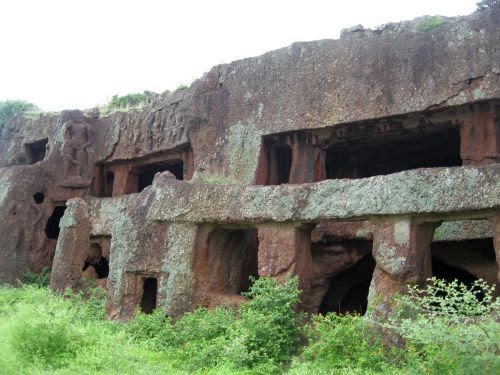
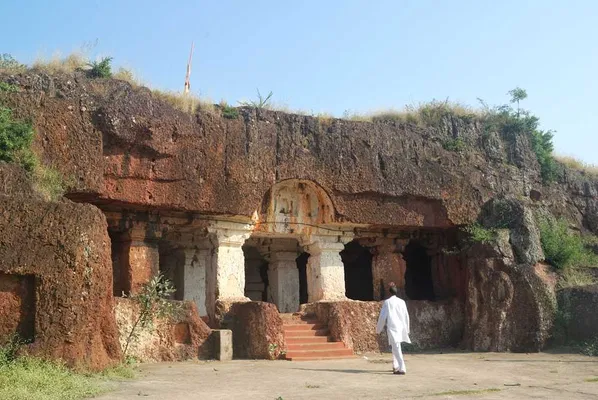
Ancient 4th-5th century rock-cut caves featuring Buddhist and Hindu sculptures, inscriptions, and prayer halls amidst scenic hills.
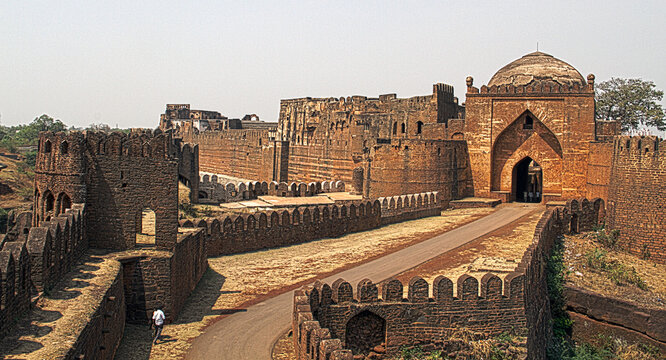
A majestic fort near Latur known for its impressive gateways, bastions, and a large dargah reflecting Hindu-Islamic architecture.
A historic city 60 km away famous for Bidar Fort, ancient madrasas, and the unique Karez underground water supply system.
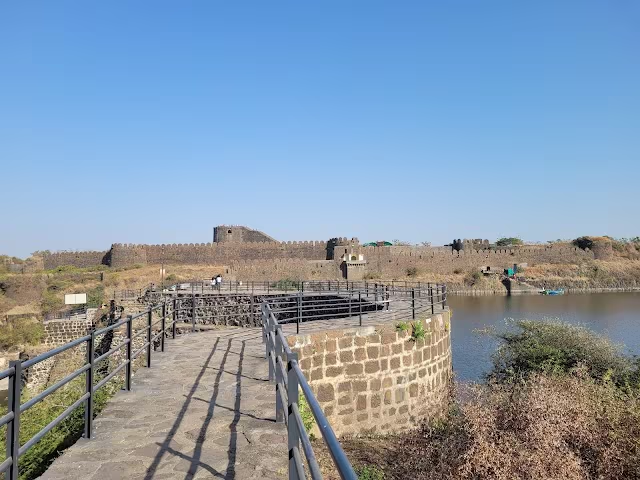
A massive fort 80 km away sitting on the Bori River with impressive cannons, palaces, and a unique 80-meter long tunnel.
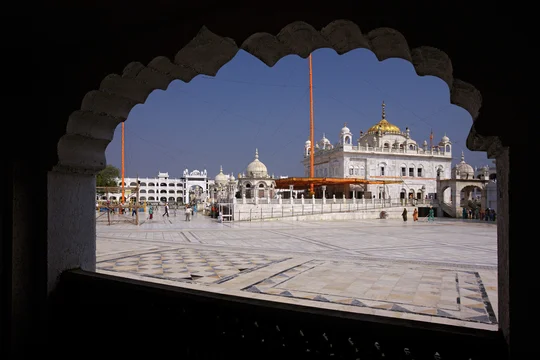
One of the holiest Sikh pilgrimage sites located 150 km away where Guru Gobind Singh passed away.
A sacred town 120 km away home to the Tulja Bhavani Temple, one of the 51 Shakti Peethas of Maharashtra.
Experience the spiritual, historical, and cultural essence of this emerging Maharashtrian destination. From temple visits to fort explorations, Latur offers a soulful journey into the heart of Marathwada.
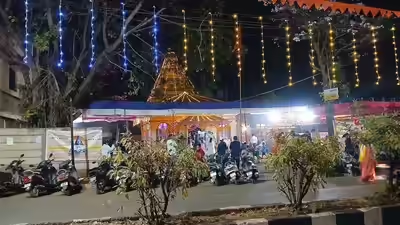
Witness the grand annual fair where thousands of devotees gather to offer prayers in an electrifying spiritual atmosphere.
Take a short trek to these rock-cut caves and marvel at sculptures and inscriptions dating back over 1,500 years.
Walk along historic fort walls where the Marathas defeated the Nizam and enjoy sweeping landscape views.
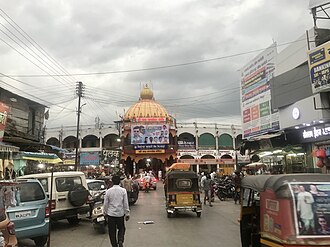
Visit the iconic circular grain market to experience Latur’s commercial heritage and shop for local spices and pulses.
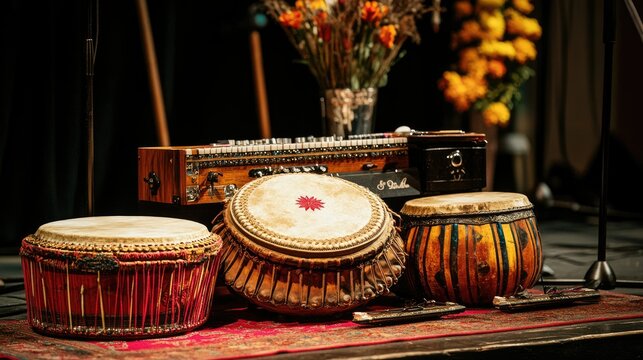
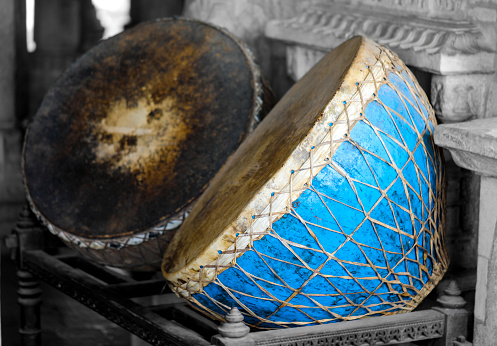
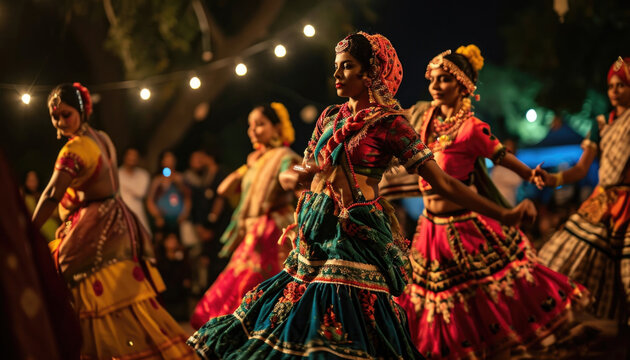
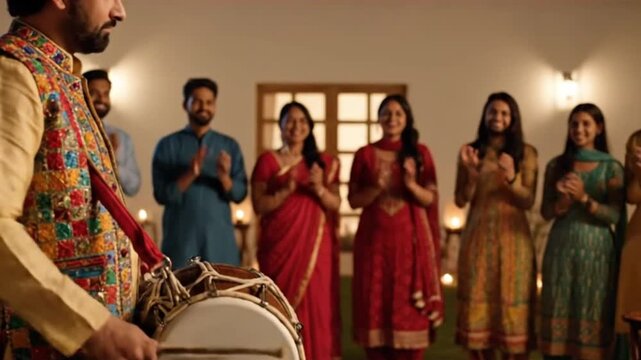
A vibrant hub for folk and devotional performing arts. The city has a rich tradition in folk music, dance, and theater, with local artists and performers drawing inspiration from Maharashtra’s cultural heritage and the region’s deep spiritual roots. Folk music forms like Lavani and Gondhal, including powerful dholki beats and storytelling chants, are deeply embedded in the city’s cultural identity. Tamasha and Powada dance-drama forms also flourish here, often performed during festivals and village fairs, embodying the spirited essence of Marathwada. The city’s connection with music and dance continues to inspire generations, preserving its artistic legacy.
Lavani
Bharud
Gondhal
The music of Latur is deeply rooted in the Lavani and Gondhal traditions, two powerful folk music forms that have flourished across the Marathwada region for centuries. Lavani is characterized by its energetic rhythm, bold lyrical themes, and the distinctive beat of the dholki drum, while Gondhal serves as a ritualistic musical offering performed during religious ceremonies dedicated to the goddess Durga. Together, these forms combine storytelling, devotion, and entertainment, reflecting the vibrant cultural spirit and rural heart of Latur and its surrounding villages.
Tamasha
Dholki Dance
Powada
The dance form most strongly associated with Latur is Tamasha, a vibrant folk theater tradition of Maharashtra that blends dance, music, and dramatic storytelling into a lively performance. This energetic art form features the famous Lavani dance performed by female artists accompanied by the powerful beats of the dholki and tasha drums, along with comedic sketches and romantic ballads. Performed during festivals, weddings, and village fairs, Tamasha captures the essence of rural Marathi culture and continues to entertain audiences across the Marathwada region.
Latur exudes the energy of a growing city while retaining the warmth of its rural Maharashtrian heart. Unlike the tourist crowds of major destinations, Latur offers an authentic, unpolished glimpse into life in the Marathwada region. The city buzzes during market hours at Ganj Golai, while evenings bring families to the Siddheshwar Temple complex for quiet prayers and strolls around the lake. The pace is relaxed, the people are welcoming, and the atmosphere is deeply connected to agricultural rhythms and traditional festivals.
Latur’s heritage spans over a millennium, with evidence of human settlement dating back to the Rashtrakuta and Chalukya dynasties (6th-12th centuries CE). The Kharosa Caves stand as testament to the region’s Buddhist and Hindu past, while the Udgir and Ausa forts reflect the strategic importance of the area during the Maratha and Nizam conflicts. Latur was also a significant center during the Hyderabad Nizam’s rule before being integrated into independent India. Today, the city balances its historical legacy with modern agricultural prosperity, particularly as a leading producer of turmeric, sorghum (jowar), and oilseeds.
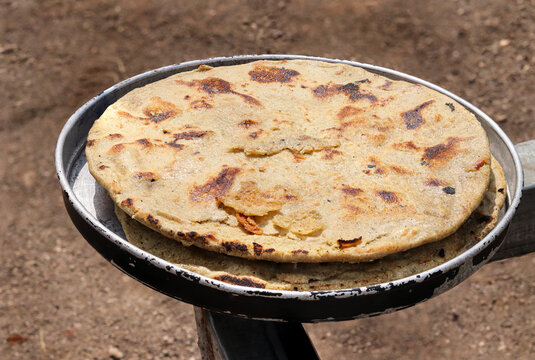
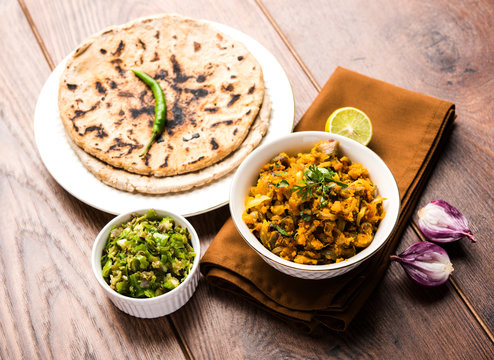
The cuisine of Latur is classic Maharashtrian fare, characterized by bold spices, earthy flavors, and generous use of jowar (sorghum) and bajra (pearl millet).
A thick, round flatbread made from jowar flour served hot with ghee alongside curries or chutneys as a daily staple.
A classic rural combination of spicy gram flour curry eaten with jowar bhakri and often accompanied by raw onions.
A dry, crumbly chickpea flour dish similar to pitla but drier, typically served with bhakri or rice.
A tangy, spicy toor dal soup made with goda masala and tamarind or kokum, served over steamed rice.
Shopping in Latur centers around local agricultural produce, traditional handicrafts, and everyday essentials from bustling markets.
High-quality turmeric with high curcumin content sold as raw rhizomes or powder, known for bright color and medicinal properties.
Locally grown sorghum and pearl millet available as grains or flours for cooking authentic Maharashtrian meals at home.
Affordable cotton sarees, dhotis, and fabrics available in local markets from Maharashtra’s cotton belt region.
Traditional kitchenware made from brass and copper available in old city markets reflecting regional craft traditions.
The best time to visit Latur is from October to March. The winter months offer pleasant weather with daytime temperatures between 15°C and 30°C, making it ideal for sightseeing, fort explorations, and temple visits. The region is semi-arid, so summers (April-June) are extremely hot, with temperatures often exceeding 40°C, making outdoor activities uncomfortable. The monsoon (July-September) brings moderate rainfall but can also lead to humid conditions and waterlogging in some areas, though the surrounding landscape turns green and beautiful during this time.
Latur has a growing network of local transport options. Auto-rickshaws are the most common and affordable mode for short distances within the city; always negotiate or ask for the meter. City buses operated by the municipal corporation connect major neighborhoods and the bus stand to key attractions like Siddheshwar Temple. For visiting nearby sites like Udgir Fort (30 km), Kharosa Caves (20 km), or Ausa Fort (25 km), hiring a private taxi or auto-rickshaw for a half-day or full-day trip is the most convenient option. Latur also has a railway station connected to major cities like Mumbai, Hyderabad, and Pune.
Negotiate Auto-Rickshaw Fares First – Always agree on the total fare before starting your journey; ask your hotel staff for an estimated price to avoid being overcharged.
Beware of Unauthorized Guides at Forts – Udgir Fort and Kharosa Caves may have self-appointed guides offering tours; use only registered guides or explore with a reliable map instead.
Confirm Prices at Local Markets – When shopping at Ganj Golai or spice markets, prices may be inflated for tourists; ask locals or your hotel about fair rates before buying.
Avoid Unsolicited Donation Requests – Politely decline anyone pressuring you to donate to fake temple funds or charities outside Siddheshwar Temple; use only official donation boxes inside.
Check Produce for Quality – When buying turmeric or spices, examine the product carefully; some sellers may try to sell lower quality items at premium prices to tourists.
Use Reputable Cab Services – For trips to nearby attractions, book taxis through your hotel or a known travel agency rather than accepting offers from random touts at the bus stand.