¤ 10+ minutes Read
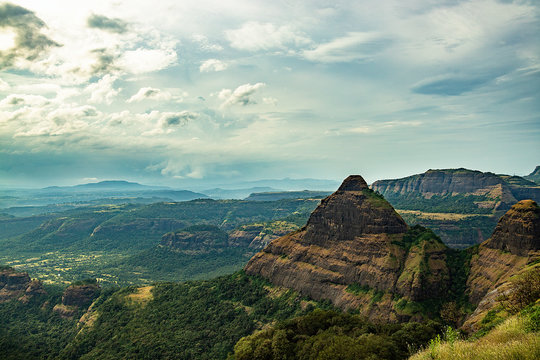
Lonavala, one of Maharashtra’s most beloved hill stations, is a picturesque escape nestled in the Sahyadri range of the Western Ghats. Known for its lush green valleys, cascading waterfalls, ancient cave temples, and the iconic chikki sweet, it offers a perfect blend of natural beauty, historical intrigue, and monsoon magic that draws visitors from Mumbai and Pune throughout the year.
Wiki Link: Lonavala wiki page
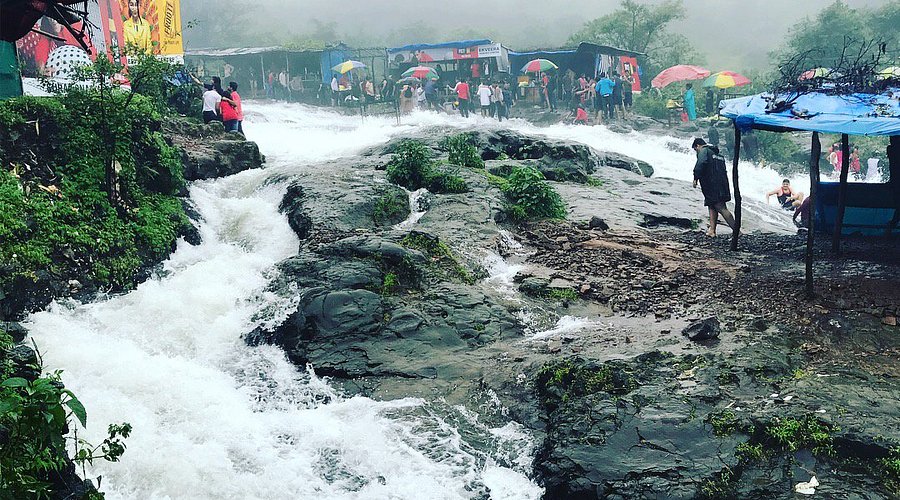
A iconic monsoon destination where water cascades over stone steps, creating a natural waterpark for families.
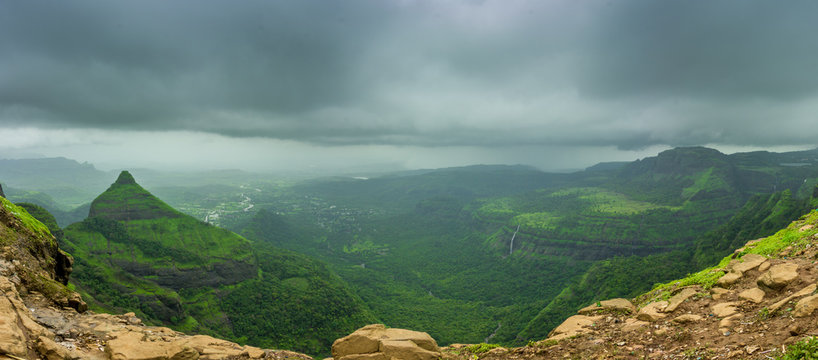
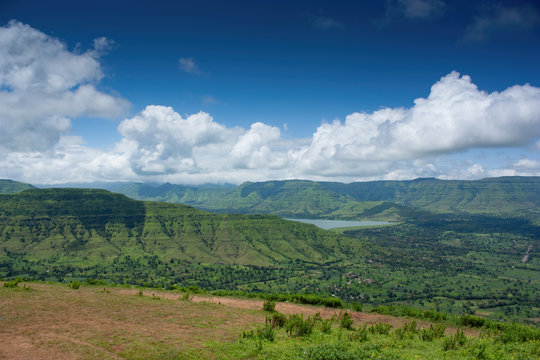
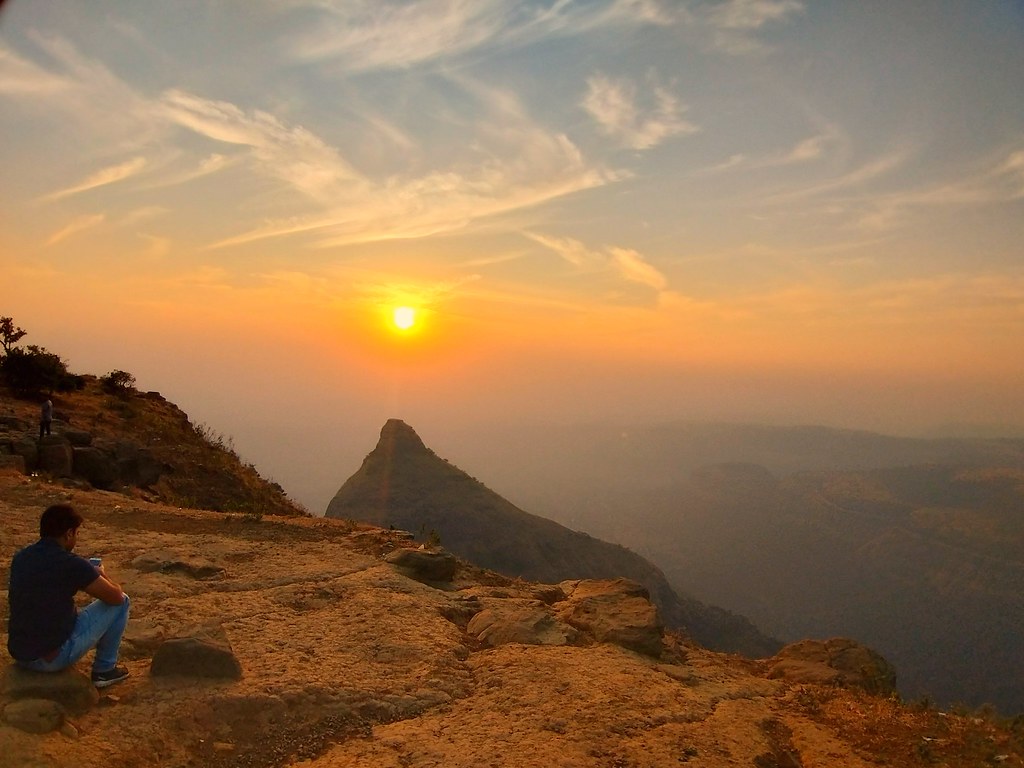
A dramatic cliff edge offering breathtaking sunset views and panoramic vistas of the lush valleys below.
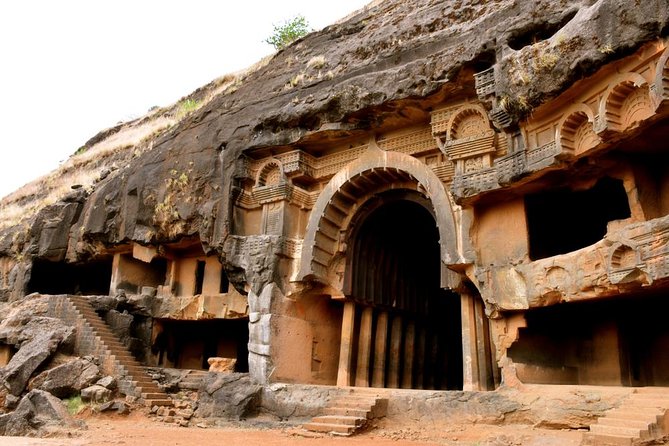
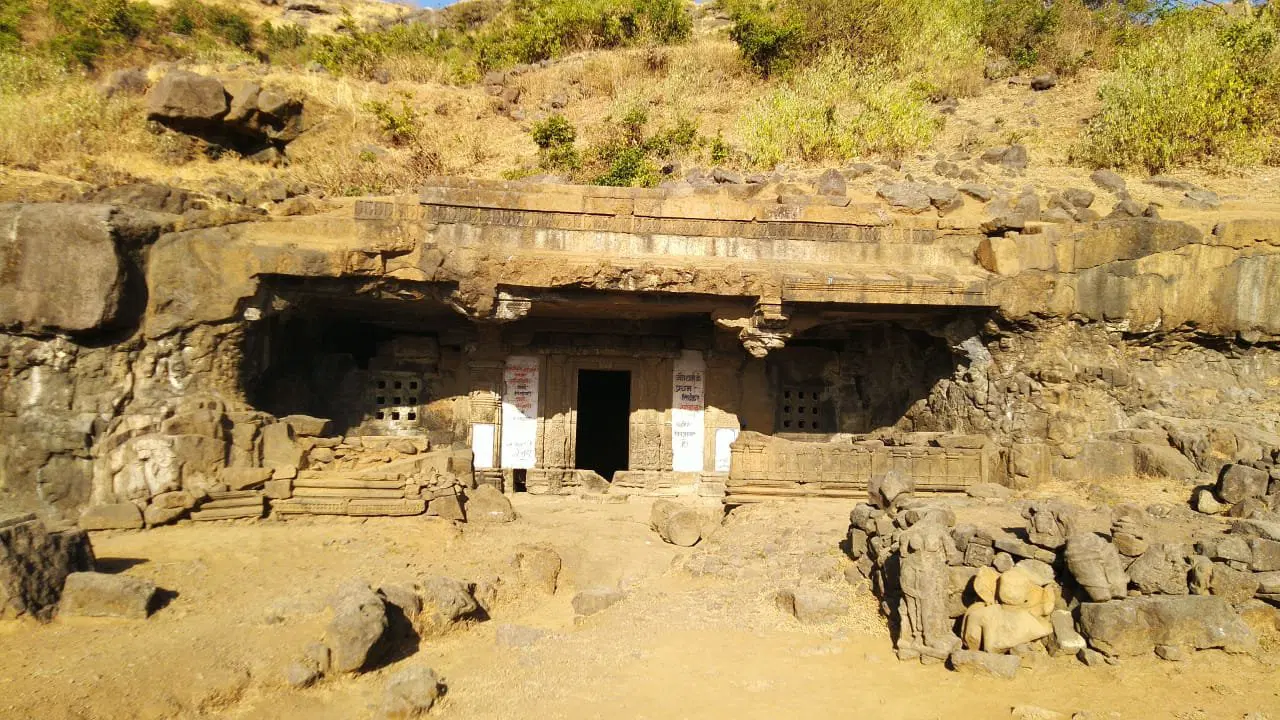
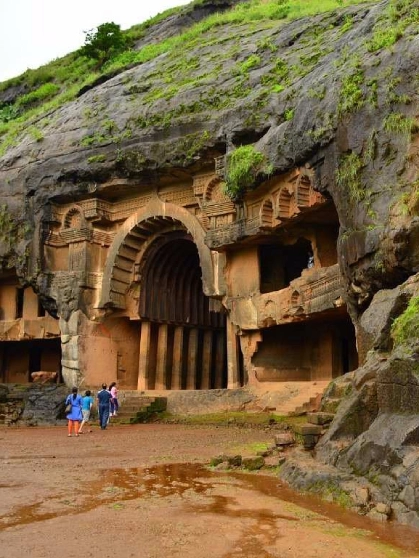
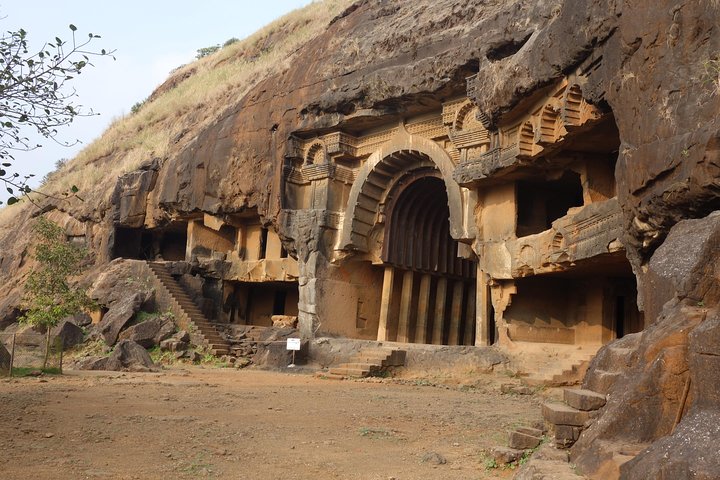
Ancient Buddhist rock-cut cave shrines dating back to the 2nd century BC with intricate carvings.
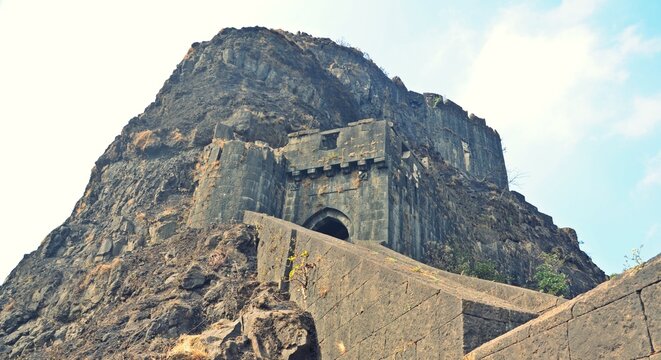
A historic hill fortress with Maratha history, offering trekking trails and sweeping valley views.
A scenic hill station adjacent to Lonavala, known for its viewpoints and lush green valleys.
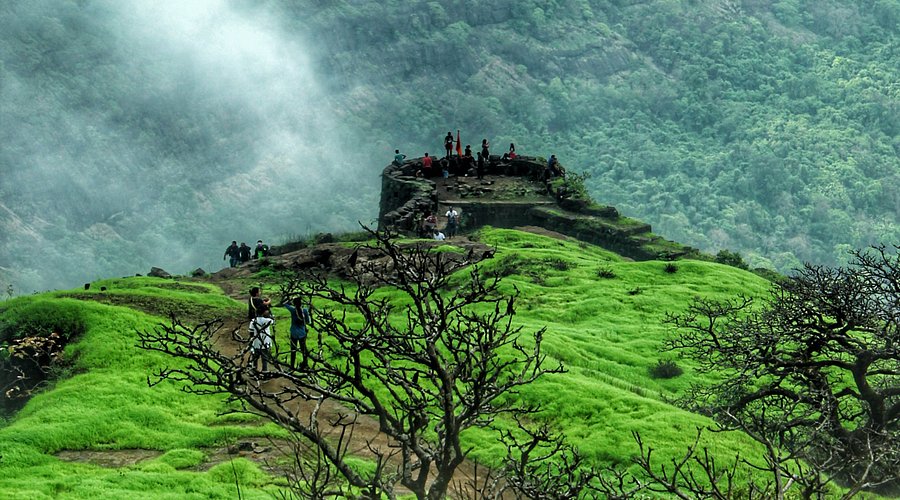
A historic fortress nestled in the Sahyadris, accessible via scenic treks through dense forests.
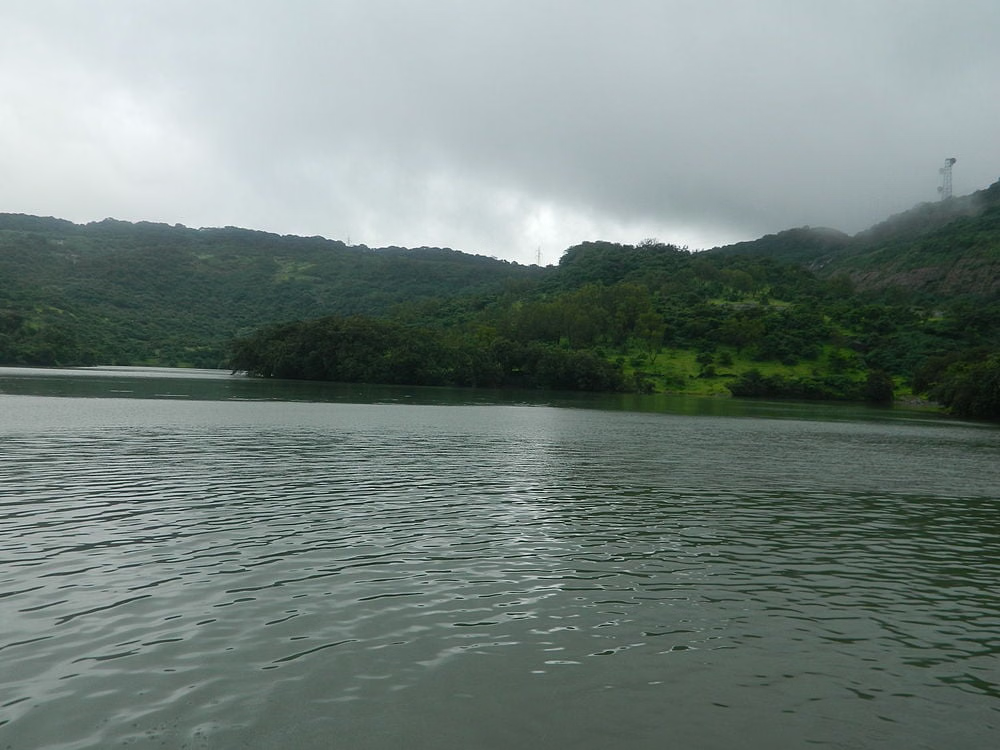
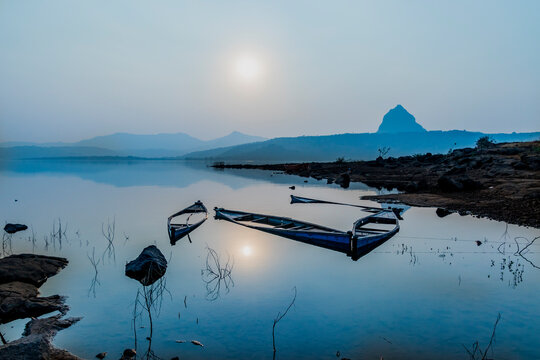
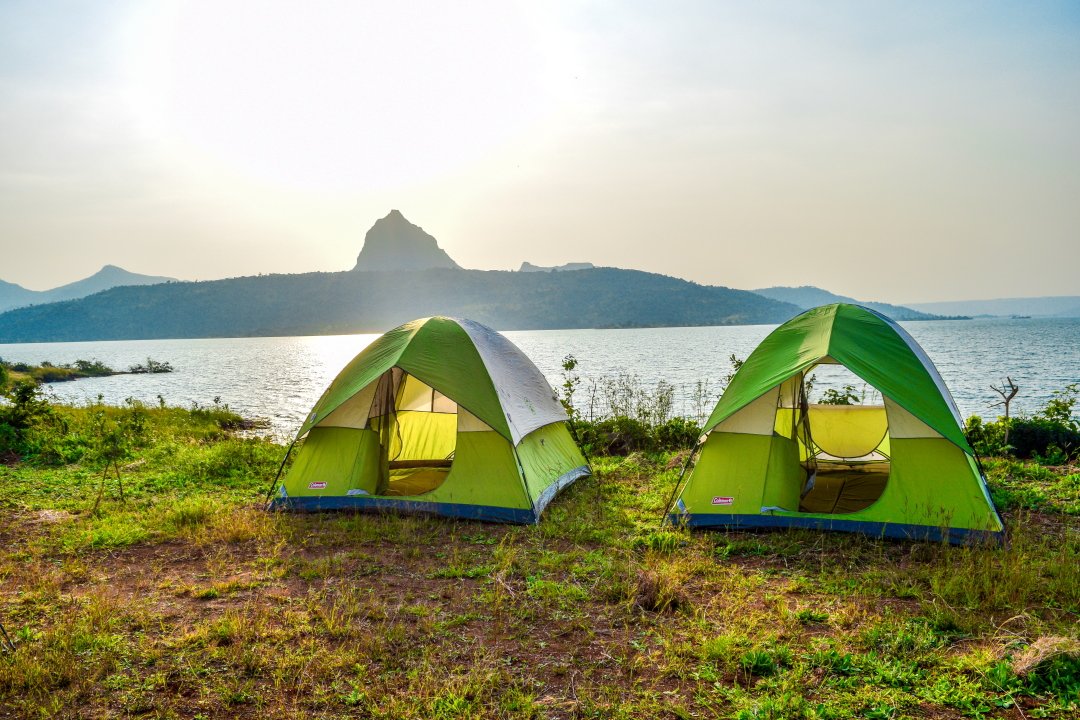
A serene artificial lake surrounded by hills, perfect for camping, bonfires, and lakeside picnics.
A luxurious planned township with stunning architecture, a man-made lake, and a world-class golf course.
Immerse yourself in the natural beauty, historical richness, and culinary delights of Lonavala. From monsoon splashes to fort treks, the hill station offers experiences for every kind of traveler.
Embrace the rains by joining crowds to feel cool water cascade over stone steps at Bhushi Dam.
Challenge yourself with treks to historic forts like Lohagad, Visapur, and Rajmachi for panoramic views.
Witness magical sunsets from Tiger’s Point or Rajmachi Point as golden hues paint the valleys.
Spend a starry night by tranquil Pawna Lake enjoying bonfires, barbecues, and peaceful ambiance.
While Lonavala is primarily a nature and leisure destination, the region’s cultural fabric is deeply influenced by Maharashtra’s rich artistic traditions. The hill station often serves as a creative retreat for artists and performers from Mumbai and Pune.
Marathi Folk Music
Natya Sangeet
Bollywood Music
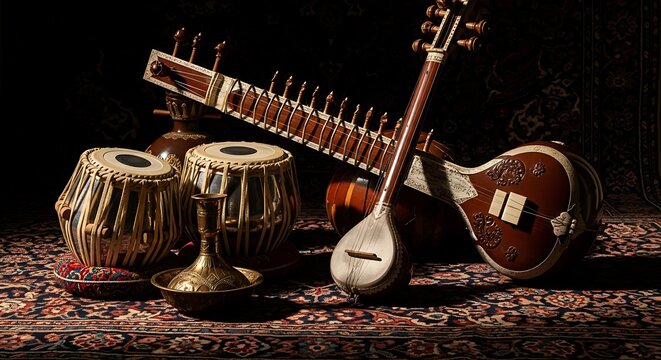
The state is a major center for Hindustani classical music, with iconic gharanas like Gwalior and Banaras shaping its evolution. The soulful Thumri, Dhrupad, and Khayal styles are widely performed. Folk music, including the Chaiti and Birha genres, tells tales of love, devotion, and daily life.
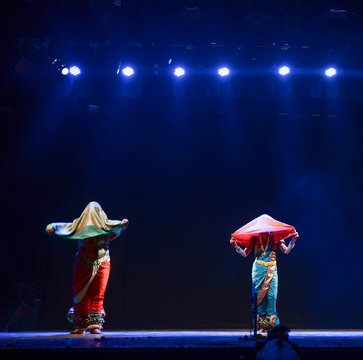
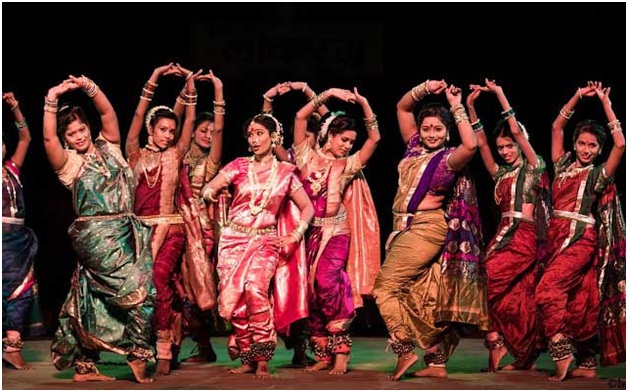
Lavani
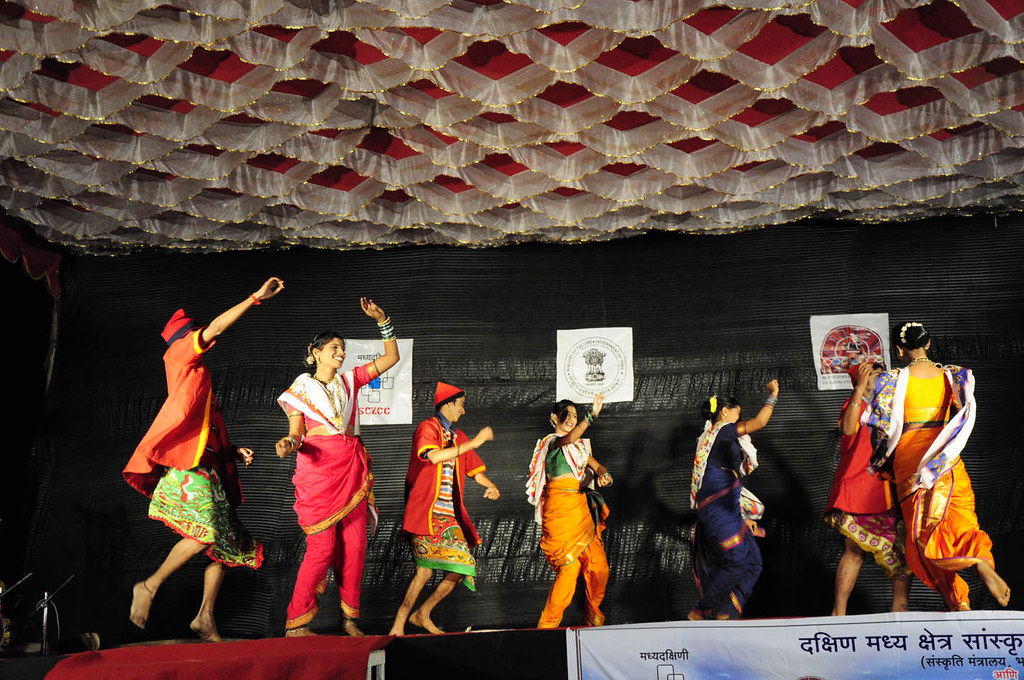
Koli Dance
Tamasha
Kathak is known for its intricate footwork, spins, and storytelling, Kathak has its roots in the temples of Varanasi and Lucknow. The state also celebrates vibrant folk dances like Ramlila, a dramatic performance of the Ramayana, and Rasiya, which is performed during festivals.
Lonavala pulses with a distinct energy that changes with the seasons. During the monsoon, it transforms into a lush, verdant paradise, with waterfalls roaring and valleys draped in mist. On weekends, the town buzzes with energy as families, couples, and friend groups from Mumbai and Pune flock here for a quick escape. The air is filled with the aroma of spicy bhutta (corn on the cob), hot chai, and the ever-present sweetness of chikki.
Lonavala’s heritage is deeply rooted in its strategic location along ancient trade routes. The region’s cave temples at Karla and Bhaja, dating back over two millennia, stand as testaments to the flourishing Buddhist culture in the Western Ghats. Later, the hills were fortified by the Marathas under Chhatrapati Shivaji Maharaj, with forts like Lohagad and Visapur serving as crucial watchtowers and defensive outposts. This blend of ancient Buddhist spirituality and Maratha valor defines the region’s rich historical legacy.
Lonavala’s culinary scene is a delightful mix of traditional Maharashtrian flavors, street food delights, and its world-famous sweet specialty – chikki.
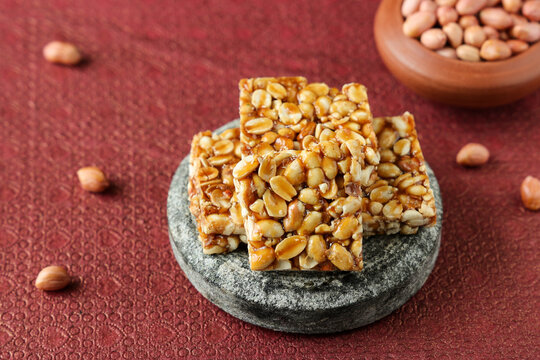
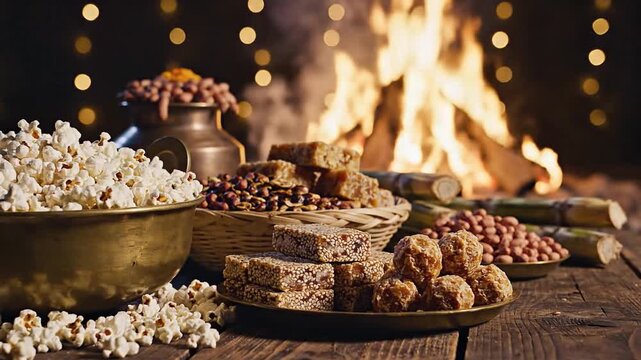
The undisputed king of Lonavala sweets, this crunchy jaggery and nut confection comes in countless delicious varieties.
A quintessential monsoon snack, hot smoky corn slathered with lemon juice, salt, and spicy chili powder.
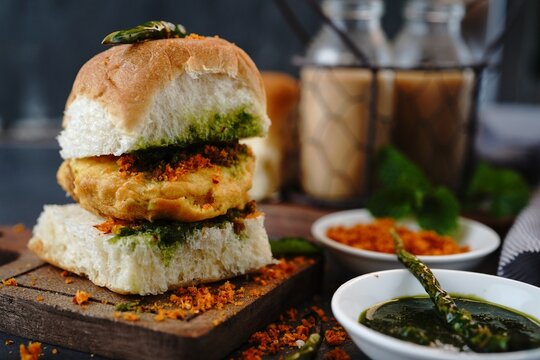
Mumbai’s iconic street food finds a loving home here, a spicy potato fritter sandwiched in a soft bun with chutneys.
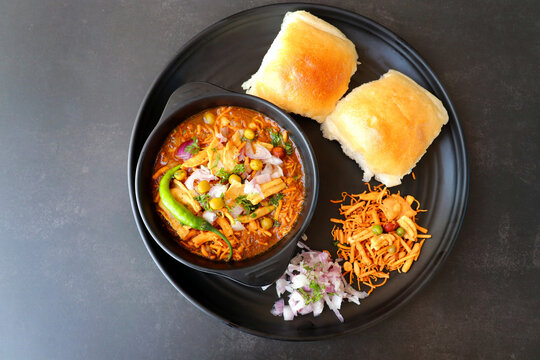
A fiery Maharashtrian curry made with sprouted moth beans, topped with crunchy farsan and served with soft pav.
Shopping in Lonavala is a delightful experience focused largely on its famous edible souvenirs and local handicrafts. The main market areas are bustling with shops and stalls.
The primary reason to shop in Lonavala, from traditional peanut to innovative chocolate and fruit-nut versions.
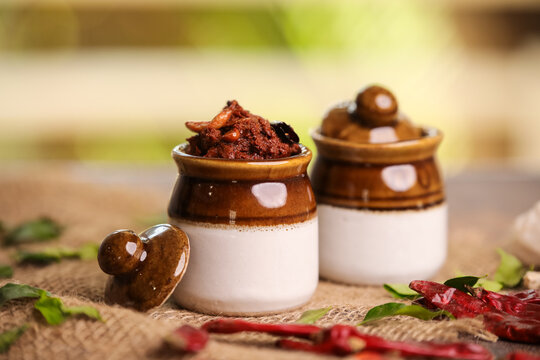
Local shops offer aromatic Maharashtrian spices, spice powders, and homemade pickles bursting with regional flavors.
Lonavala’s market is renowned for quality Kolhapuri chappals, traditional handcrafted leather sandals known for durability and style.
Local handicraft shops sell intricately carved wooden decor items and traditional Maharashtrian masks used in folk performances.
The ideal time to visit Lonavala is during the monsoon season (June to September) when the landscape is at its lushest, with waterfalls in full flow and valleys draped in mist. The post-monsoon months (October to February) offer pleasant weather, clear skies, and excellent trekking conditions. Summers (March-May) are warm and dry but still pleasant for evening outings.
Monsoon Caution: During the rainy season, avoid venturing too close to slippery cliff edges at viewpoints. Never enter waterfall areas or dams when water flow is dangerously high.
Trekking Preparedness: If trekking to forts, wear sturdy shoes with good grip, carry sufficient water, and inform someone about your trekking plans. Avoid trekking alone.
Road Safety: The roads to and around Lonavala can be winding and crowded, especially on weekends. Drive carefully and wear seatbelts/helmets.
Weather Awareness: Carry rain gear (umbrella/raincoat) during monsoons and light woolens during winter evenings.
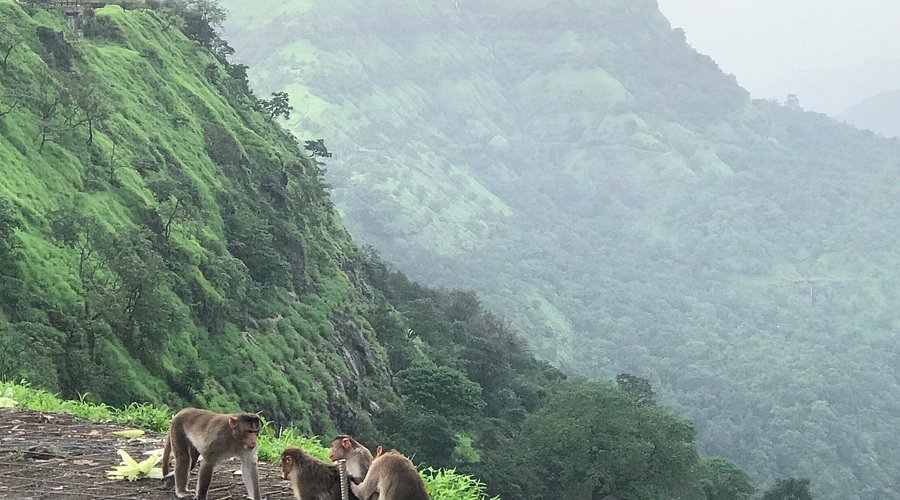
Monkey Menace: Be cautious of monkeys at viewpoints and forts. Do not feed them and keep your food and belongings secure.
Stay Hydrated: Carry water bottles, especially if trekking or exploring during warmer months.
Private taxis and cabs are the most convenient option for sightseeing, especially for visiting multiple attractions. App-based cabs (like Ola and Uber) are available for local travel and inter-city transfers to Mumbai or Pune. Auto-rickshaws are available for short distances within the town. For the adventurous, renting a two-wheeler is a popular way to explore the hills and nearby attractions at your own pace. Shared jeeps and local buses connect major points and are economical.
Taxi Overcharging: Always negotiate the fare beforehand or insist on using the meter for auto-rickshaws. For sightseeing, confirm the total package price and inclusions.
Chikki Quality: While buying chikki, check the packaging date and opt for reputed, branded shops to ensure freshness and quality rather than unbranded roadside stalls.
Photography Charges: At some viewpoints, local vendors may demand money for using binoculars or for photographing their setup. Clarify charges beforehand.
"Special" Guides: For fort treks like Lohagad, you generally don't need a guide. If someone insists, you can politely decline.
Parking Fees: Some unofficial parking attendants may try to charge exorbitant fees at popular spots. Use designated parking areas and ask for a receipt.
Weekend Crowds & Prices: Be aware that hotels, restaurants, and activity prices can surge on weekends and public holidays. Book well in advance.
Maharashtra Cultural Guide
Places to Visit in Lonavala
Places to Visit Nearby Lonavala
India’s Most Popular Hill Stations
India’s Historic Forts
Maharashtra’s Hill Station Gems: Lonavala & Khandala
The Ultimate Monsoon Guide to Lonavala
Fort Treks Around Lonavala: Lohagad, Visapur & Rajmachi
A Sweet Affair: The Story of Lonavala’s Famous Chikki