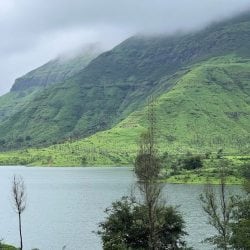
Steeped in mythology and natural beauty, Nashik – Maharashtra offers rich experiences for every traveler. Discover sacred temples, serene ghats, historic caves, and world-class vineyards among the top places to visit in Nashik.
Trimbakeshwar Temple
Trimbakeshwar Temple is one of the twelve revered Jyotirlingas of Lord Shiva, located in the town of Trimbak. It is distinguished by its unique linga, which has three faces representing Brahma, Vishnu, and Shiva. The temple is built in the classic Hemadpanti architectural style and is situated at the source of the Godavari River, known as Kushavarta Kund.
It holds immense spiritual significance, especially during the Simhastha Kumbh Mela. The atmosphere is deeply devotional, attracting pilgrims seeking blessings and liberation (moksha).
The cave in Panchvati where Sita was supposedly abducted by Ravana, a key Ramayana site.
Kalaram Temple
A famous ancient temple dedicated to Lord Rama, known for its striking black stone idol.
Sundarnarayan Temple
A historic temple known for its unique architecture where the sun’s rays fall on the idol.
Kapaleshwar Temple
A unique temple dedicated to Lord Shiva situated below ground level, near the Godavari.
Ramkund
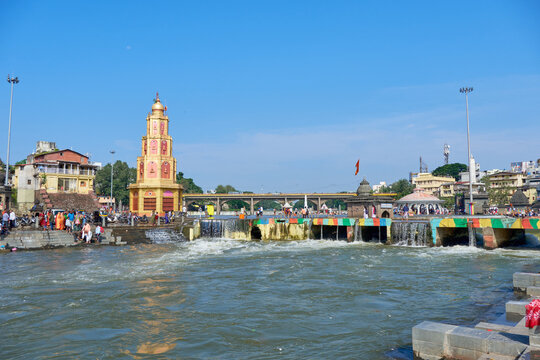
Ramkund is a sacred rectangular bathing tank on the banks of the Godavari River in central Nashik. It is believed that Lord Rama and Sita bathed here during their exile, giving the site its name and holy status. Hindus immerse ashes of the deceased here, believing it brings salvation to the departed souls.
The ghats surrounding it are constantly active with religious rituals and ceremonies. Its spiritual aura is especially palpable during eclipses and other auspicious occasions when thousands take a holy dip.
Someshwar Temple
A picturesque temple complex dedicated to Lord Shiva, set amidst scenic hills and waterfalls.
Ganga Ghat
The series of steps along the Godavari River used for religious ceremonies and rituals.
Muktidham Temple
A modern marble temple complex with shrines representing all 12 Jyotirlingas.
Pandavleni Caves
A group of 24 ancient Buddhist caves (viharas) carved into a hill, dating back to the 1st century BCE.
Nashik City Museum
Housed in the historic Old Mumbai Agra Road building, this museum is a treasure trove for numismatists and history enthusiasts. Its prime attraction is an extraordinary collection of over 12,000 Indian coins, tracing monetary history from the 6th century BCE to the modern era.
Beyond coins, it exhibits sculptures, manuscripts, arms, and artifacts from the region’s past. The museum provides a fascinating glimpse into the economic and cultural evolution of Nashik and India. It’s a quiet, educational spot away from the city’s pilgrim bustle.
Dudhsagar Falls
Located near the hill station of Bhandardara, about 80 km from Nashik, Dudhsagar Falls is a stunning three-tiered cascade on the River Pravara. Its name, meaning “Sea of Milk,” comes from the frothy white appearance of the water as it gushes down a 310-meter drop.
The falls are surrounded by lush greenery and are most spectacular during the monsoon season (July to October). The area offers scenic viewpoints and is a popular spot for picnics and photography. The sight and thunderous sound of the plunging water create a mesmerizing natural spectacle.
Sula Vineyards
As India’s premier and most famous winery, Sula Vineyards revolutionized the country’s wine culture. Located on the outskirts of Nashik, it offers guided tours of its vineyards and state-of-the-art production facilities. Visitors can indulge in wine-tasting sessions, sampling their signature Sauvignon Blancs, Chenin Blancs, and reds.
The vineyard’s Tuscan-style tasting room and restaurants, like “Little Italy,” provide a chic, relaxed ambiance. It’s a must-visit for oenophiles and those looking for a sophisticated experience amidst scenic landscapes.
Anjaneri Hill
The birthplace of Lord Hanuman, featuring a temple and offering challenging trekking routes.
Igatpuri
A serene hill station in the Western Ghats known for its dense forests, waterfalls, and Vipassana centre.
Bhandardara
A beautiful hill station with Arthur Lake, Umbrella Falls, and the historic Wilson Dam.
Shirdi
The holy town where Sai Baba lived, located about 90 km from Nashik and a major pilgrimage destination.
Grishneshwar Temple
Grishneshwar Temple is the twelfth and last Jyotirlinga, located approximately 90 km from Nashik near the Ellora Caves. This ancient shrine, partially carved from red rock, is dedicated to Lord Shiva and holds great historical and architectural significance.
The temple has been rebuilt several times, with the current structure dating back to the 18th century, commissioned by Queen Ahilyabai Holkar. Its intricate carvings and spiritual potency draw countless devotees. Its proximity to the UNESCO World Heritage site of Ellora makes it part of a popular cultural circuit.
Saptashrungi
One of the 51 Shakti Peethas, a temple of Goddess Saptashrungi Nivasini located on a hill fort.
Vaitarna Dam
A large dam and popular picnic spot offering beautiful views of the surrounding landscape.
Harishchandragad
A historic hill fort in the Western Ghats famed for its Konkan Kada cliff and ancient temples.
Nandur Madhmeshwar Bird Sanctuary
Recognized as a Ramsar Wetland site, this sanctuary is aptly called the “Bharatpur of Maharashtra.” It is formed by the backwaters of the Nandur Madhmeshwar Weir on the Godavari River. The wetland ecosystem attracts over 230 species of resident and migratory birds, including flamingos, Siberian cranes, and herons.
The winter months (November to February) are the best time for birdwatching when migratory populations peak. It’s a paradise for nature lovers, photographers, and anyone seeking tranquility amidst rich biodiversity.
Trimbak
Trimbak is the holy town nestled at the foothills of the Brahmagiri Mountain range, home to the Trimbakeshwar Temple. It is the source (origin) of the Godavari River, India’s second-longest river, which begins at the Kushavarta Kund. The town’s entire identity is intertwined with spirituality, mythology, and the grandeur of the surrounding mountains.
It serves as the base for treks to the Brahmagiri peak and the origin point of the Godavari. The town’s lanes, filled with pilgrims and sadhus, offer an authentic glimpse into India’s timeless religious traditions.
Gangapur Dam
Built on the Godavari River, Gangapur Dam is a key source of water for Nashik city and irrigation for the surrounding region. The dam creates a vast, serene reservoir whose backwaters extend into scenic landscapes, popular for boating and picnics. The road along the dam wall offers picturesque views, especially at sunset, making it a favourite local getaway.
The area around the dam is lush and peaceful, providing a quick escape from the urban hustle. It’s a simple yet refreshing spot for relaxation and family outings.