
Rituals of Maharashtra
Rituals in Maharashtra weave deep spiritual traditions with vibrant community life. They mark every milestone, from birth to harvest, blending Vedic rites with lively folk customs. These practices honor deities, nature, and ancestors, strengthening social bonds and preserving a rich cultural heritage across generations.
Life Event Rituals
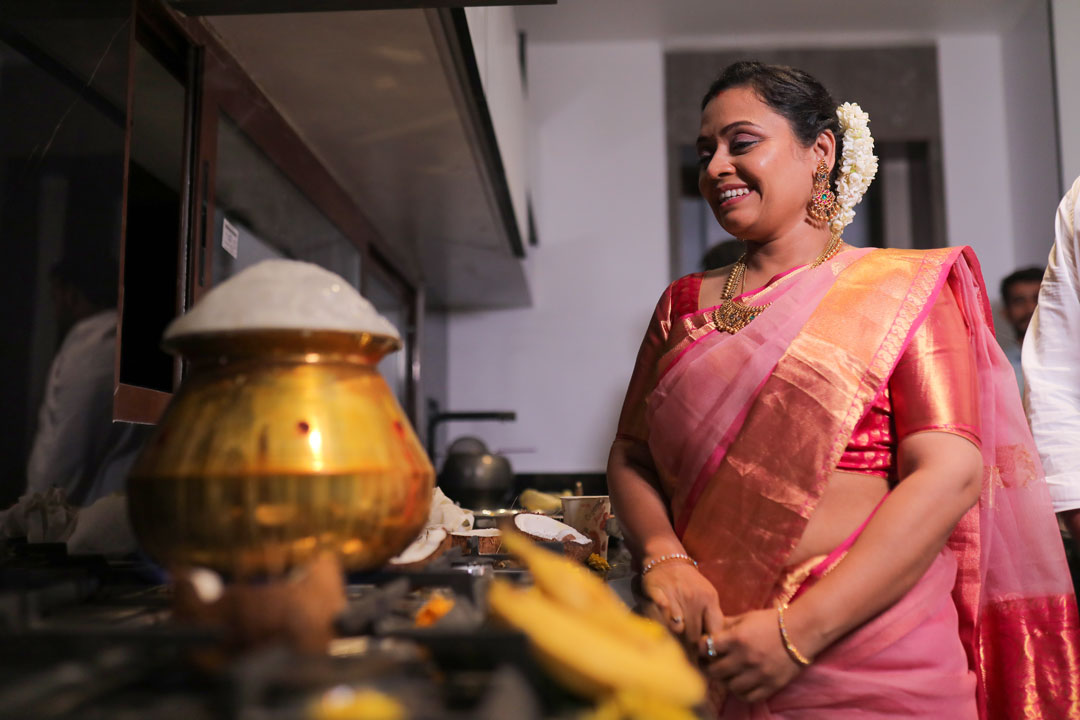
Housewarming Ceremony (Griha Pravesh)
A purification ritual for a new home, seeking blessings from Vastu Purush (deity of directions) and ensuring peace and prosperity for its residents.
How is it done?
- Vastu Shanti Puja – A primary ritual to appease the deities of the eight directions.
- Ganapati Puja – Invoking Lord Ganesha to remove obstacles.
- Kalash Sthapana – Installing a sacred pot symbolizing abundance.
- Milk Boiling – Bringing a pot of milk to a boil until it overflows, signifying plenty.
- Entering with Ghee & Jaggery – Family enters holding auspicious items.
- First Meal (Vastra & Anna Dana) – Cooking and sharing the first meal, often followed by charity.
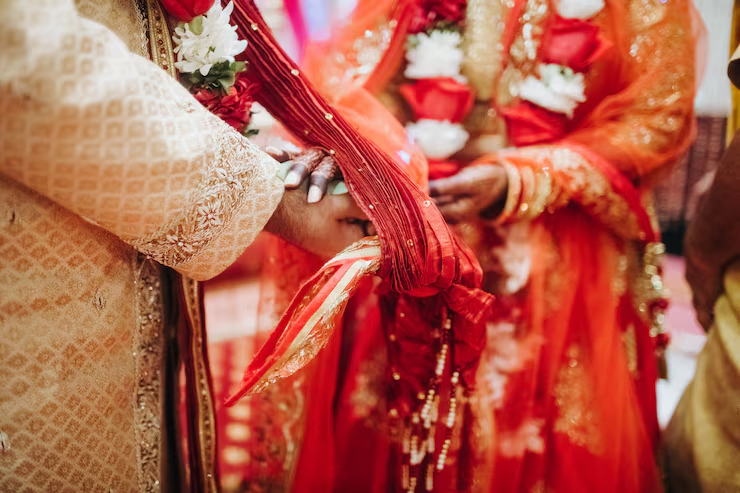
Wedding Rituals (Vivaha)
A multi-day sacred ceremony symbolizing the union of two souls and families, blending Vedic traditions with Marathi customs.
How is it done?
- Sakhar Puda – A pre-wedding engagement ceremony where the bride is gifted a sari and a packet of sugar.
- Halad Chadhavane – Turmeric paste is applied to the bride and groom in their respective homes.
- Seemantha Puja – The groom is welcomed at the bride’s home, and her father performs a ritual washing of his feet.
- Antarpat – A cloth is held between the couple until the auspicious moment, after which it is dropped for them to see each other (Saval Nonu).
- Mangal Ashtaka & Saptapadi – Priests chant hymns while the couple takes seven steps around the sacred fire.
- Kanya Daan & Sindoor Daan – The father gives away the bride, and the groom applies sindoor (vermilion) to her hair parting.
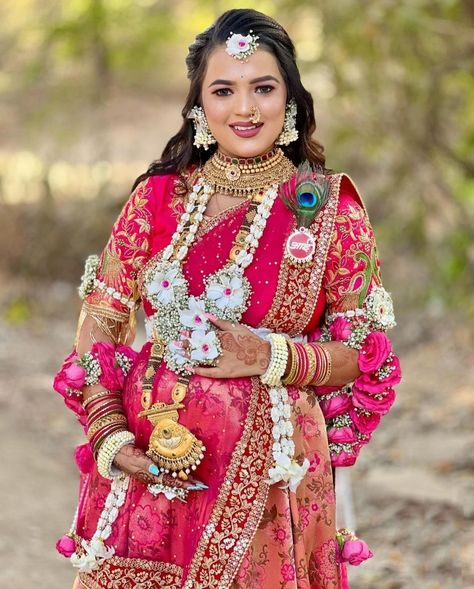
Baby Shower (Dohale Jevan / Simant Puja)
A ritual performed in the 5th or 7th month of pregnancy to bless the mother-to-be and ensure the child’s well-being.
How is it done?
- Blessing with Rice & Coconut – Elderly women place rice and a coconut on the expecting mother’s sari pallu.
- Feeding Sweets (Dohale Jevan) – The mother is fed a festive, sweet meal by female relatives.
- Applying Halad – A paste of turmeric and sandalwood is applied for glow and protection.
- Gifting New Clothes & Black Beads – The mother receives a new sari and black beaded jewelry to ward off the evil eye.
- Musical Games (Ovi) – Traditional songs and playful questioning about the baby’s gender.
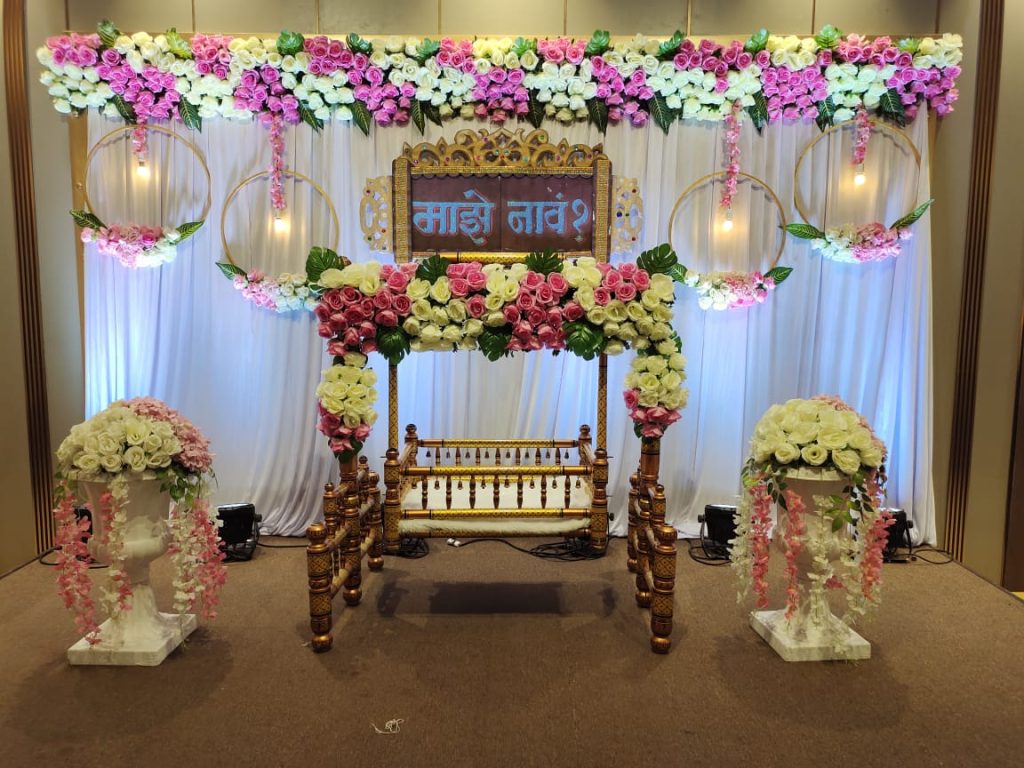
Naming Ceremony (Namakaran / Baarsa)
Conducted on the 12th day after birth, this ritual formally names the child, announcing its arrival to society.
How is it done?
- Purification Bath – The baby and mother are given a ritual bath with herbal water.
- Whispering the Name – The father whispers the chosen name four times into the baby’s right ear.
- Writing in Grains – The name is written with a golden ring in a plate filled with rice.
- Moon Sighting (Chandradarshan) – The mother views the moon through a sieve, a symbol of auspiciousness.
- First Cradle (Palna) – The baby is placed in a cradle for the first time with ceremonial rocking.
Post-Death Rituals (Antyesti & Shraddha)
Rituals to guide the departed soul towards peace and liberation, performed with strict observance.
How is it done?
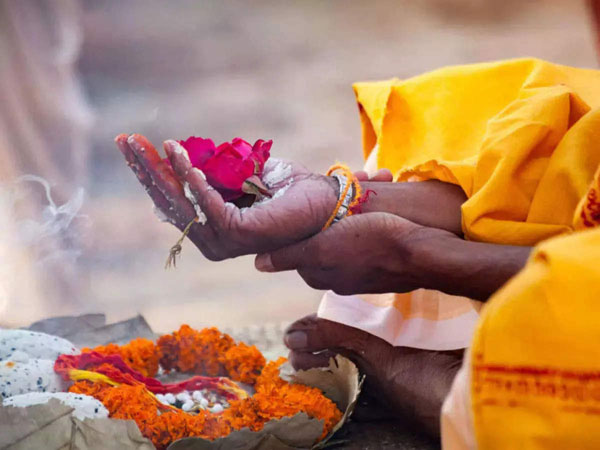
- Bathing & Draping – The body is washed with Gangajal and draped in new white cloth (kafan).
- Cremation (Agni Sanskar) – The eldest son lights the funeral pyre.
- Ashes Immersion (Vispjan) – Ashes are immersed in a sacred river, preferably the Godavari or Ganges.
- Periodic Rituals (10th, 13th, 17th day) – Specific rituals and feasts (Bhandara) are performed on these days.
- Annual Shraddha – An annual ritual to pay homage, involving Pinda Daan and feeding Brahmins.
Spirit Worship ritual
Daily Worship (Nitya Puja)
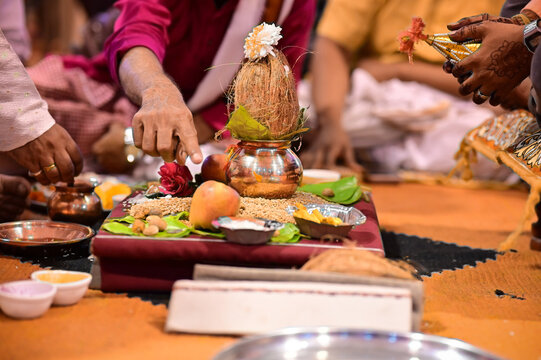
The ritualistic daily worship at home and temples, involving offerings (Naivedya) and arti.
How is it done?
- Panchopachar Puja – Worship with five elements: Gandha (sandalwood), Pushpa (flowers), Dhupa (incense), Deepa (lamp), and Naivedya (food).
- Naivedya Offerings – Preparing specific food for the deity, like modak for Ganesha or panchamrit for Vitthal.
- Arti & Bhajan – Waving lamps and singing devotional songs at sunrise and sunset.
Vows & Fasting (Vrata/Upvas)
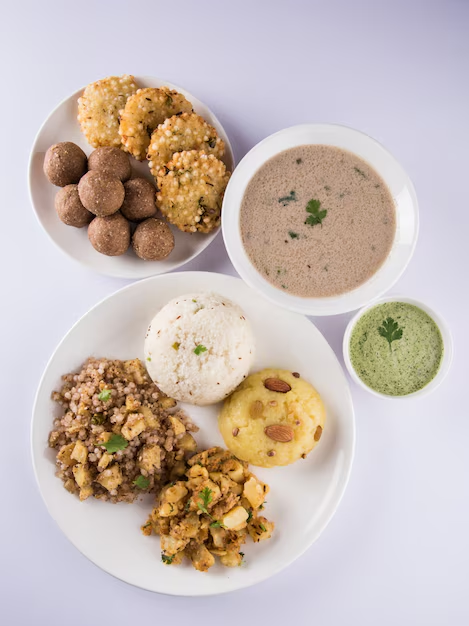
Observing strict fasts and rituals to fulfill a vow or during religious periods.
How is it done?
- Somvar Vrat (Monday fasts for Shiva) – Abstaining from food, performing Shiva Puja, and consuming only one meal.
- Vat Purnima Vrat – Women tie threads around a banyan tree, praying for their husband’s longevity.
- Chandraayan Vrat – A lunar-based fast following the waxing and waning moon cycles.
- Breaking the Fast (Parana) – Breaking the fast at a specific time after performing puja.
Personal Sadhana & Japa
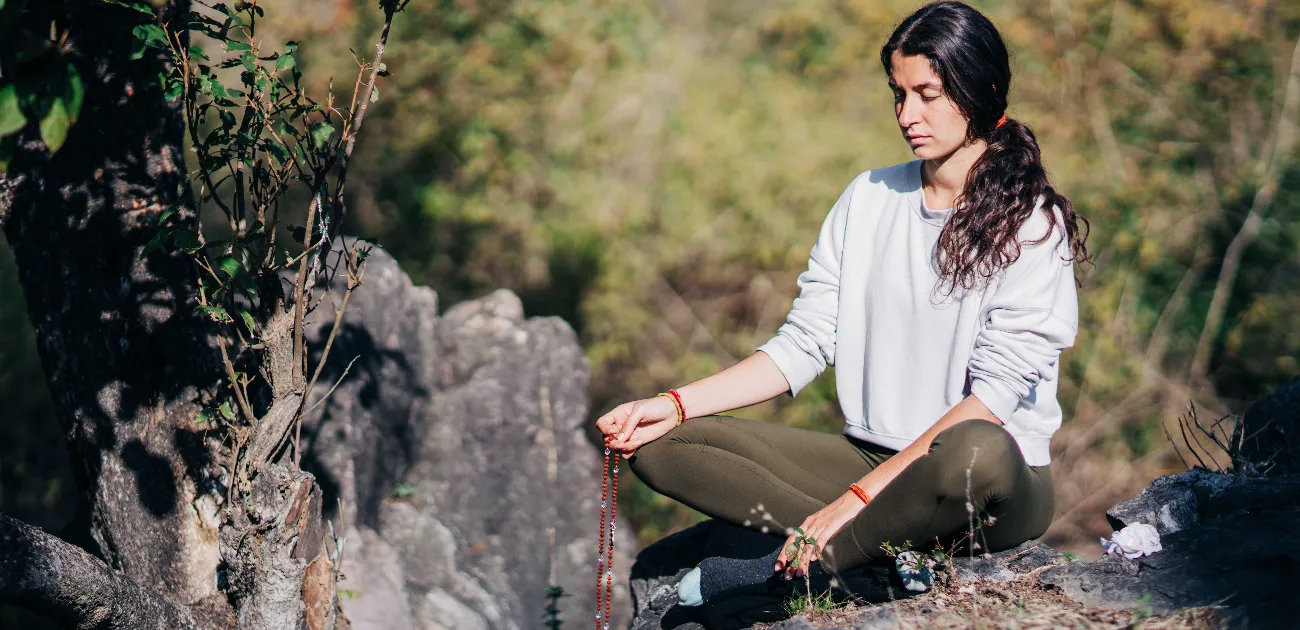
Individual spiritual practice involving meditation, mantra repetition, and devotion.
How is it done?
- Mala Japa – Using a rosary of 108 beads to count mantra repetitions, often with tulsi or rudraksha beads.
- Sandhya Vandana – Performing prayers and rituals at the three junctures of the day: dawn, noon, and dusk.
- Guru Puja – Paying respects to one’s spiritual teacher through offerings and service on Guru Purnima.
- Bhajan/Kirtan Satsang – Gathering with a community to sing devotional songs and hymns.
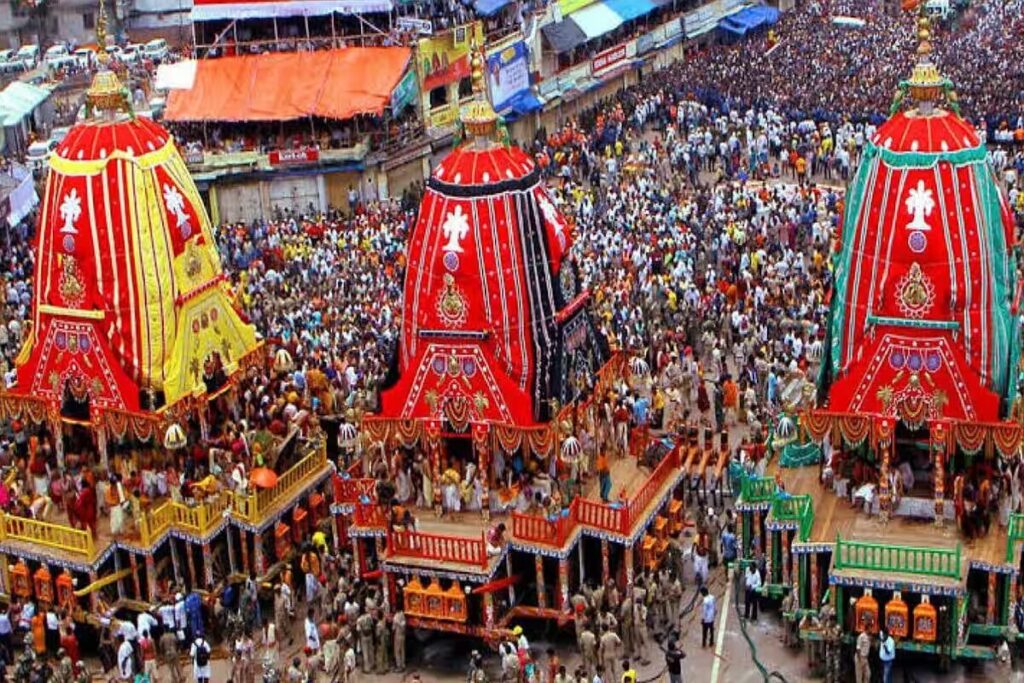
Pilgrimage Observances (Yatra Niyam)
Rituals observed during pilgrimages to sacred sites for spiritual merit.
How is it done?
- Observance of Vrat – Maintaining vows of abstinence, including a strict vegetarian diet, for the pilgrimage duration.
- Walking Barefoot (Padayatra) – Covering part or all of the pilgrimage distance on foot as an act of humility and devotion.
- Sacred Bath (Snan) – Taking a holy dip in sacred rivers like the Godavari, Krishna, or at temple tanks before worship.
- Shaving the Head (Mundan) – A vow where devotees shave their heads at pilgrimage sites as an offering.
Folk Festivals
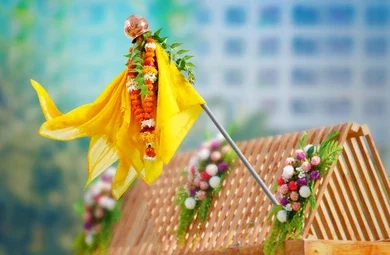
Gudi Padwa (Marathi New Year)
Celebrates the new year and the arrival of spring, symbolizing victory and prosperity.
How is it done?
- Hoisting the Gudi – A bamboo pole topped with a silk cloth, neem leaves, and an inverted pot is raised outside homes.
- Purple & Gold Rangoli – Drawing intricate patterns at the doorstep.
- Eating Neem-Jaggery – Consuming a mixture of bitter neem and sweet jaggery, symbolizing life’s phases.
- Purchasing New Items – Buying gold, clothes, or utensils for good luck.
- Community Processions – Street processions with folk dances and music.
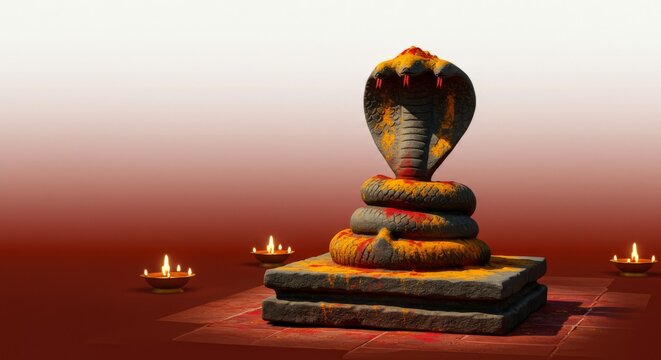
Nag Panchami
Worship of serpent deities (Nagas) for protection from snake bites and for family welfare.
How is it done?
- Drawing Snake Images – Drawing images of serpents with turmeric or cow dung on walls.
- Offering Milk & Kheer – Offering milk and sweet rice pudding to snake idols or anthills.
- Touching Stones – In some regions, women touch grinding stones with a betel nut, symbolizing the snake.
- Avoiding Tilling – Farmers do not dig the earth on this day.
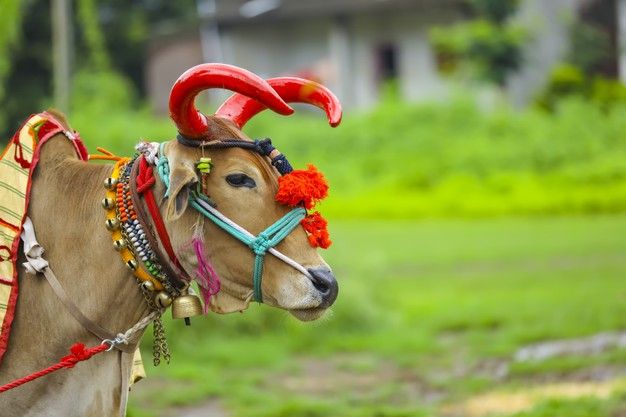
Pola
A festival honoring bullocks, the farmers’ partners, celebrating their strength and contribution.
How is it done?
- Bathing & Decorating Bullocks – Bullocks are bathed, their horns painted, and adorned with beads and bells.
- Procession of Bullocks – A grand procession with decorated bullocks through the village.
- Worship of Plough – The farming tools are cleaned and worshipped.
- Special Feast – Preparing a special meal for the family and the animals.
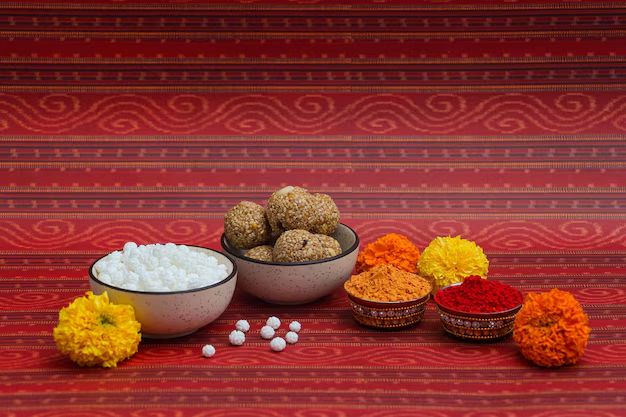
Makar Sankranti / Uttarayan (Haldi Kumkum)
A harvest and social festival where women celebrate and exchange gifts.
How is it done?
- Haldi Kumkum Gathering – Married women invite other women, apply haldi-kumkum, and exchange gifts like utensils.
- Flying Kites – The sky is filled with kites, especially in cities.
- Eating Til-Gul – Exchanging and eating sweets made of sesame (til) and jaggery (gul) to foster sweet talk.
- Charity (Dan-Punya) – Donating food, clothes, or til to the needy.
Temple Rituals
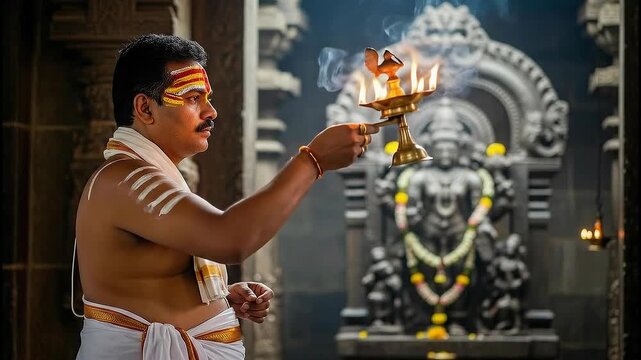
Daily Temple Rituals (Nitya Pooja)
The prescribed schedule of worship performed by temple priests from dawn to dusk.
How is it done?
- Kakad Aarti – The first pre-dawn ritual to wake the deity with hymns, lamps, and bells.
- Shodashopachara Puja – The main worship involving sixteen steps of offering, including bathing, dressing, and feeding the idol.
- Mahanaivedya – Offering the main meal of the day to the deity, which is later distributed as Mahaprasad.
- Shej Aarti – The final night ritual of putting the deity to sleep with gentle songs and lights.
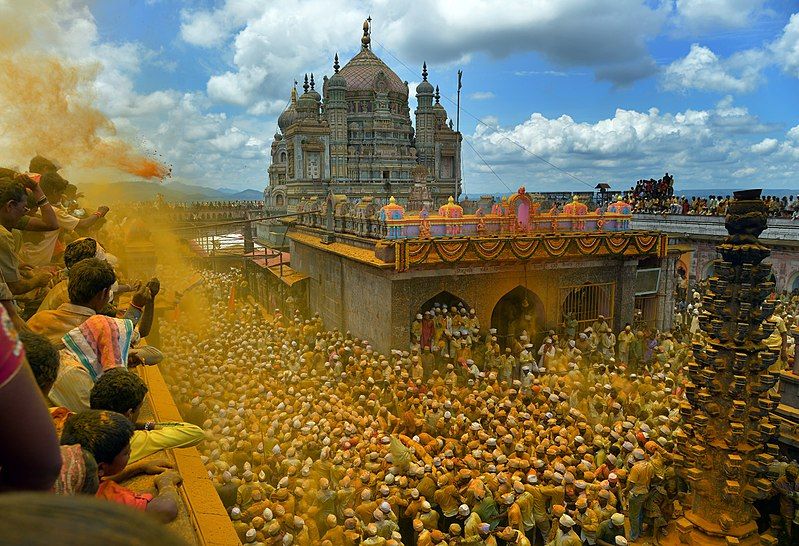
Temple Festivals (Yatra / Utsav)
Grand processions and celebrations for a temple’s deity, often marking a legend or a calendar event.
How is it done?
- Rathotsava/Palkhi Procession – The deity’s idol is placed on a chariot or palanquin and paraded through the town.
- Mahaprasad Distribution – Large-scale distribution of sanctified food to devotees.
- Abhishekam – Ritual bathing of the deity with milk, curd, honey, and water.
- Palkhi of Sant Dnyaneshwar & Tukaram – The annual pilgrimage (wari) to Pandharpur with ceremonial palkhis.
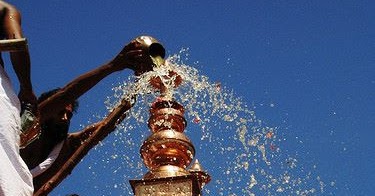
Consecration & Special Offerings (Kumbhabhishekam, Nayivedya)
Ceremonies for temple sanctification and unique food offerings to the deity.
How is it done?
- Kumbhabhishekam – The grand consecration ceremony where the temple spire is bathed with sanctified water from a sacred pot (kumbha).
- Anna Koot or Prasad Bhandara – Preparing a mountain of food (like 56 types of dishes – Chappan Bhog) as a special offering.
- Vastra & Alankar – Dressing and ornamenting the deity in special clothes and jewels for festivals.
- Dhwaja Arohanam – Hoisting the temple flag to mark the beginning of a major festival.
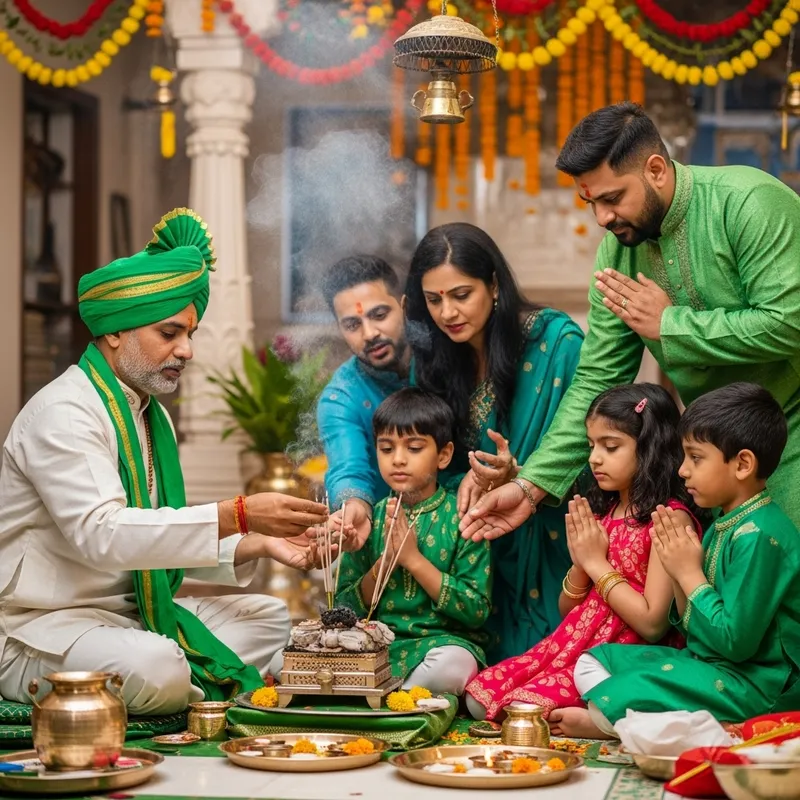
Devotee-Priest Interactions (Darshan, Archana)
The rituals through which devotees interact with the deity and receive blessings.
How is it done?
- Darshan – Viewing the deity, often in a specific order (from feet to head), as the primary act of worship.
- Archana – A priest performs a personalized worship on behalf of a devotee, chanting the deity’s names with offerings of flowers.
- Offering Sacred Threads (Mouli/Dhaga Bandhna) – Tying a consecrated thread around the wrist for protection after receiving blessings.
- Receiving Prasad & Teertham – Accepting the sanctified food and holy water from the priest after worship.
Ayurveda and Yoga
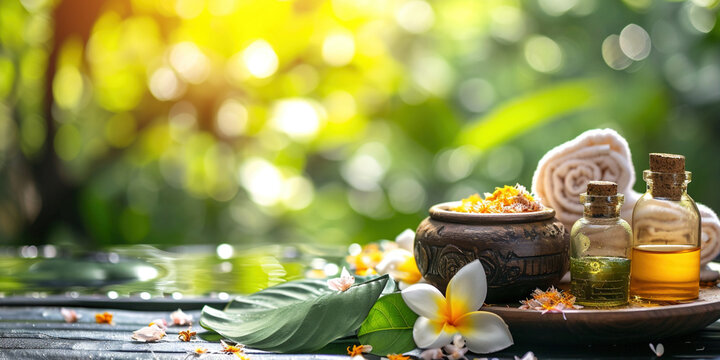
Dinacharya (Daily Regimen)
Traditional daily routines aligned with Ayurvedic principles for holistic health.
How is it done?
- Ushapaan – Drinking copper-pot stored water early in the morning.
- Abhyanga (Self-Oil Massage) – Massaging the body with sesame or coconut oil before bathing.
- Nasya – Applying a drop of medicated oil (like Anu Tailam) in the nostrils.
- Seasonal Diet (Ritucharya) – Adapting food habits to the season, like eating cooling foods in summer.
- Yoga & Pranayama – Practicing Surya Namaskar and breathing exercises.
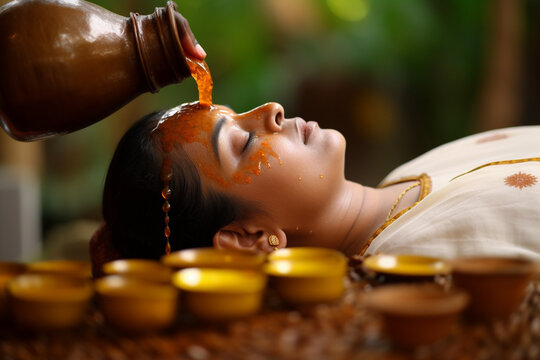
Panchakarma Therapies
Traditional detoxification and rejuvenation treatments performed at specific life stages or seasons.
How is it done?
- Vamana (Therapeutic Emesis) – Administered in spring for Kapha-related issues.
- Virechana (Purgation Therapy) – Done in autumn for Pitta balance.
- Basti (Medicated Enema) – Considered the prime treatment for Vata disorders.
- Nasya & Raktamokshana – Nasal administration and bloodletting (rarely practiced now).
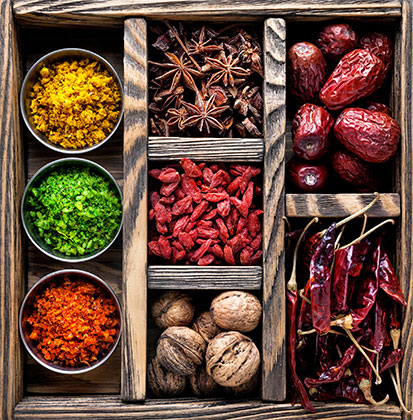
Wellness from Kitchen (Gharelu Nuskhe)
Ritualistic use of everyday ingredients for preventive and curative purposes.
How is it done?
- Drinking Haldi Doodh (Turmeric Milk) – For immunity, especially at night.
- Ginger-Lemon-Honey Concoction – For cough and cold.
- Jeera Water – For digestion and lactating mothers.
- Applying Udhatana (Dry Ubtan) – A paste of gram flour and herbs for skin cleansing during baths.
- Steam Inhalation (Vapor) – With carom seeds (ajwain) or eucalyptus for congestion.
Social Fabrics
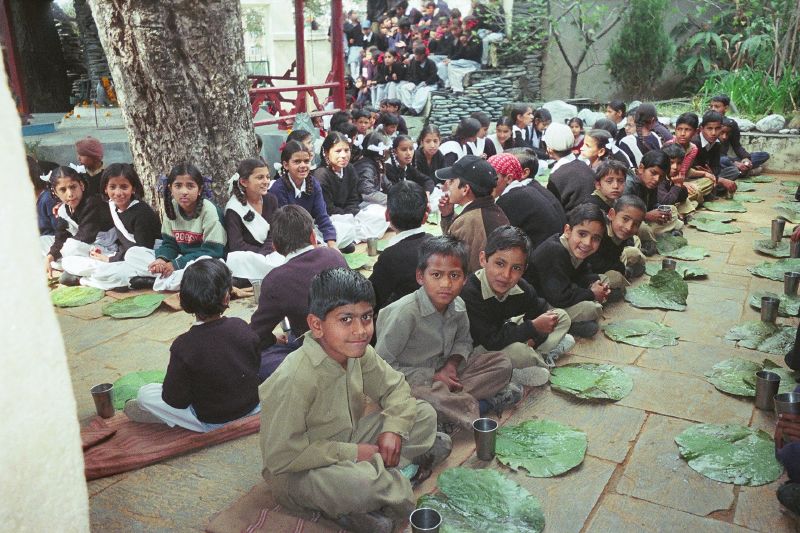
Community Dining (Bhandara / Mahaprasad)
Large-scale communal meals organized during temple festivals, Shraddha, or as a vow.
How is it done?
- Volunteer-Based (Seva) – Community members volunteer to cook and serve.
- Sitting in Rows (Pangat) – People sit in parallel rows on the floor to eat together, signifying equality.
- Satvik Food – The meal is usually vegetarian, prepared without onion and garlic.
- Offering to Deity First – Food is first offered to the temple deity or a sacred fire before distribution.
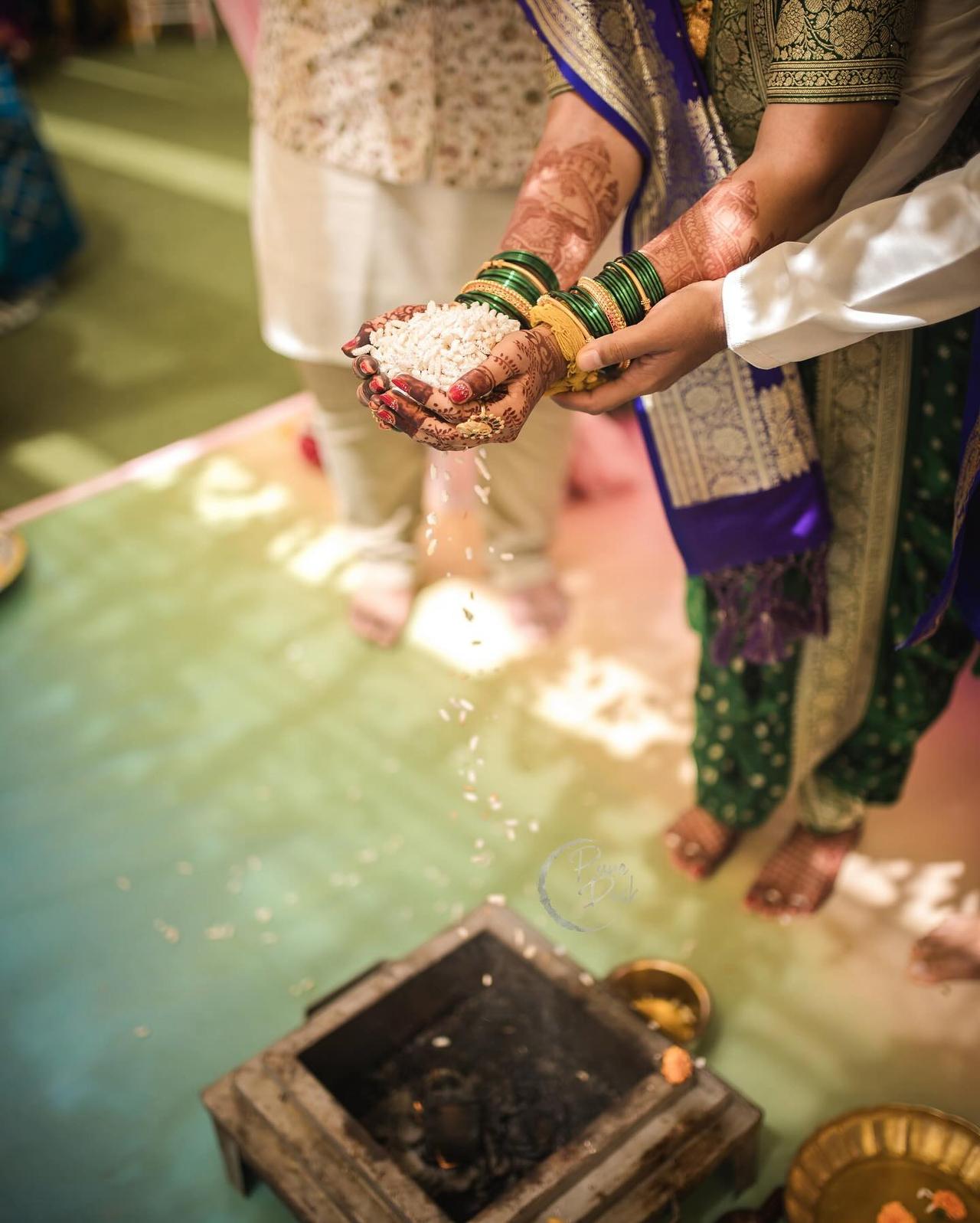
Gotra & Kuldaivat Rituals
Rituals centered around the clan deity (Kuldaivat) and ancestral lineage (Gotra).
How is it done?
- Annual Kuldaivat Yatra – A family pilgrimage to the ancestral village temple of the clan deity.
- Offering at Life Events – Important events like weddings are first announced before the Kuldaivat.
- Pitru Tarpan – Offering water and black sesame seeds to ancestors during the Pitru Paksha fortnight.
- Observing Gotra Rules – Following marriage rules based on Gotra to avoid marrying within the same lineage.
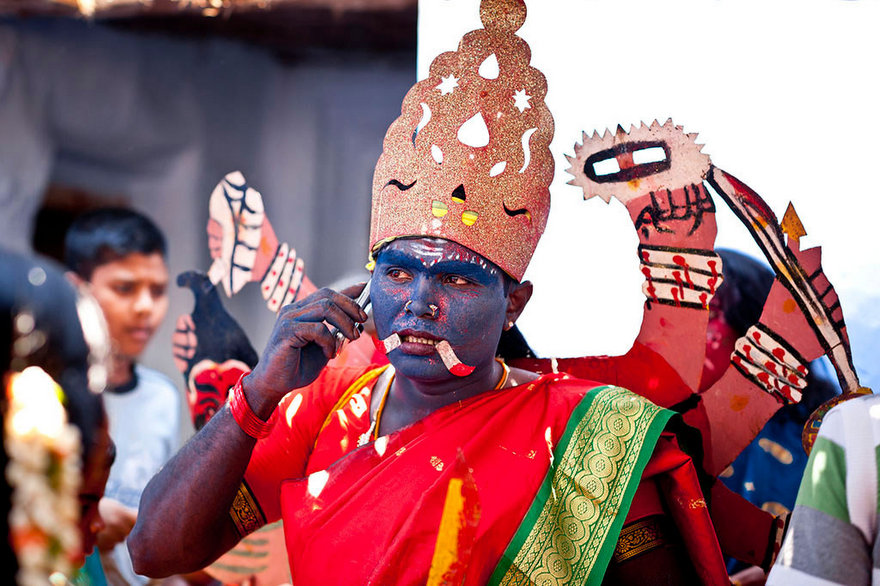
Village Guardian Worship (Gramadevata Puja)
Worship of the village’s protective deity, often a folk goddess or spirit.
How is it done?
- Annual Jatra or Utsav – A grand village fair with animal sacrifices (now often symbolic) and festivities.
- Offering of Terracotta Horses – Devotees offer small terracotta horses to the deity as vows.
- Possession Rituals – In some regions, oracles may get possessed by the deity to give advice.
- Boundary Procession (Shet Palane) – A ritual procession around the village boundaries for protection.
Art & Craft
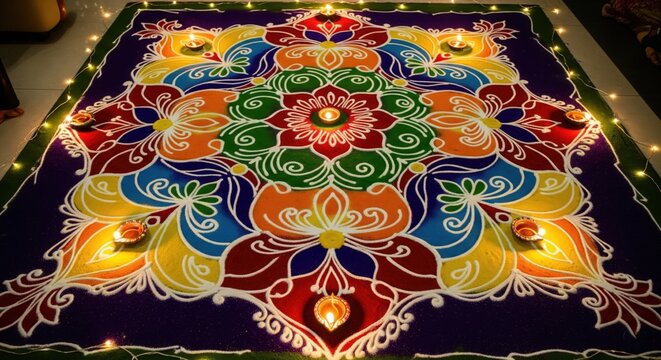
Rangoli (Rangavalli)
The ritualistic creation of floor art to welcome guests and deities, and to mark festivals.
How is it done?
- Early Morning Drawing – Created at dawn using powdered stone, rice flour, or flowers.
- Geometric & Freeform Designs – From simple geometric patterns (Kolam) to elaborate designs of peacocks, lotus, or chariots.
- Using Dots (Bindu) – Many designs start with a grid of dots which are then connected.
- Festival-Specific Themes – Special rangolis for Diwali (fort), Gudi Padwa (gudi), and Sankranti (sun).
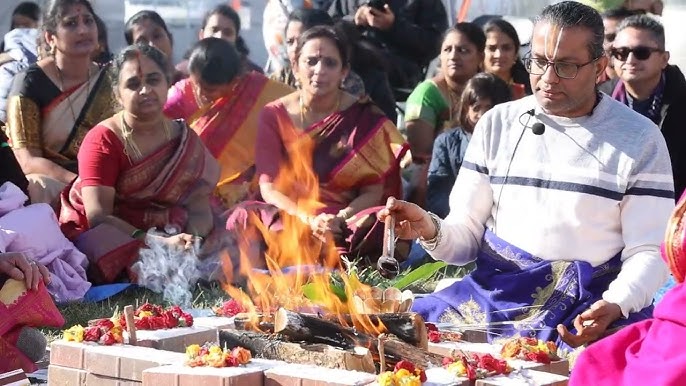
Pre-Performance Worship (Sangeet Bhoomi Puja)
Rituals performed before commencing a classical music or dance performance.
How is it done?
- Guru Vandana – Paying respects to the teacher and the divine Saraswati.
- Tuning to Shruti – The tanpura is tuned, and the performance space is sanctified with a prayer.
- Offering to Instruments – Instruments like the tabla or pakhavaj are touched to the forehead or offered flowers.
- Natyasastra Traditions – Following ancient protocols for stage entry and initial recitations.
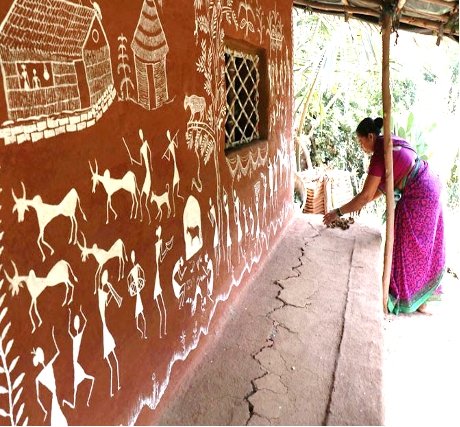
Warli Painting Rituals
The tribal art form, originally part of marriage and harvest rituals of the Warli tribe.
How is it done?
- Marriage Wall (Lagnachowk) – Painting the inner walls of the marriage hut with motifs of the Tarpa dance, marriage gods, and the sacred mother goddess.
- Using Rice Paste – The paint is made from rice flour and water, applied with a bamboo stick.
- Harvest & Hunting Scenes – Depicting community activities, nature, and deities.
- Circular Composition – Representing the circle of life, with no beginning or end.
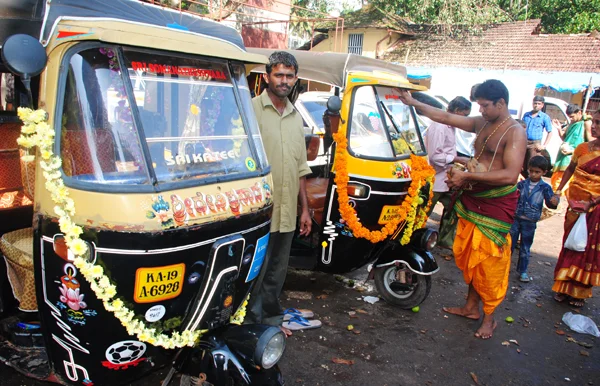
Tool & Vehicle Worship (Ayudha Puja / Chaitya Puja)
Worshipping the instruments of one’s livelihood during Dasara or Vishwakarma Puja.
How is it done?
- Cleaning & Decorating – Tools, vehicles, and machinery are cleaned, painted, and decorated with flowers and sandalwood paste.
- Applying Kumkum Tilak – A mark of vermilion is applied.
- Offering Flowers & Naivedya – Tools are offered flowers and sweets.
- Halting Work – No work is done with the tools on this day.
Other Significant Rituals
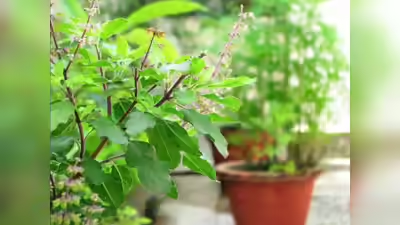
Tulsi Vivah
The ceremonial marriage of the Tulsi (Holy Basil) plant to Lord Krishna or Shaligram, marking the start of the wedding season.
How is it done?
- Preparing the Mandap – A small wedding canopy is built around the Tulsi plant.
- Tying the Sacred Thread – A cotton thread is tied around the plant and the idol of Krishna.
- Performing Wedding Rites – Simple wedding rituals are performed, including Saptapadi around the plant.
- Offering Seasonal Food – Offering of amla, sugarcane, and sweets.
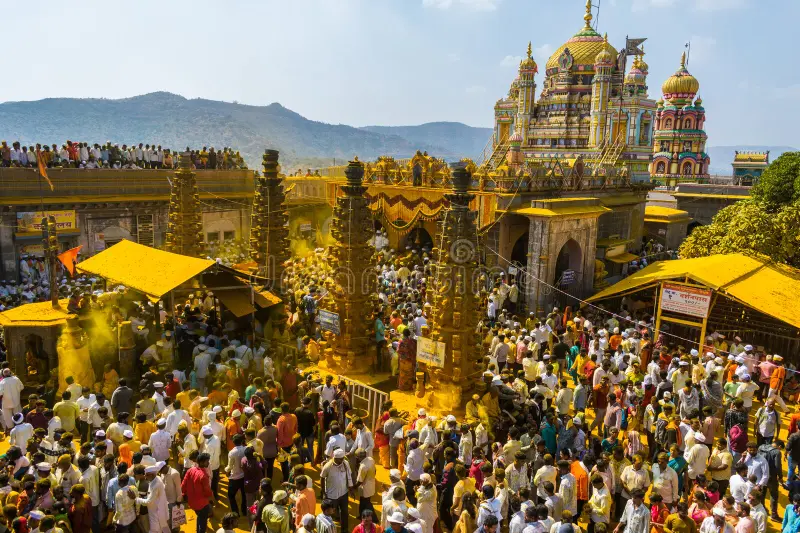
Khandoba Festival (Jejuri)
The vibrant worship of Khandoba, a warrior deity and a form of Shiva, especially at Jejuri temple.
How is it done?
- Offering Turmeric (Bhandara) – Devotees throw turmeric powder in the air, turning the town yellow.
- Carrying Daggers (Palakhi) – Some devotees walk on nails or carry symbolic daggers as vows.
- Singing Ovis – Singing traditional folk songs in praise of the deity.
- Tying Threads (Darshani) – Tying sacred threads for wishes.
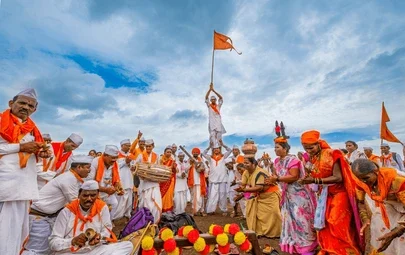
Warkari Rituals (Pandharpur Pilgrimage)
The rituals of the Warkari sect, involving a pilgrimage to Vitthal’s temple in Pandharpur.
How is it done?
- Wearing Tulsi Mala & Carrying Tulsi-Shendi – Adorning a basil bead necklace and carrying a small bag of basil leaves.
- Chanting Harinam & Dindi – Walking in groups (dindi) while continuously chanting the names of God (Harinam).
- Pangat & Prachar – Eating in community rows and listening to spiritual discourses.
- Ekadashi Rituals – Fasting on the 11th day of the lunar fortnight and taking a holy bath in the Chandrabhaga river.
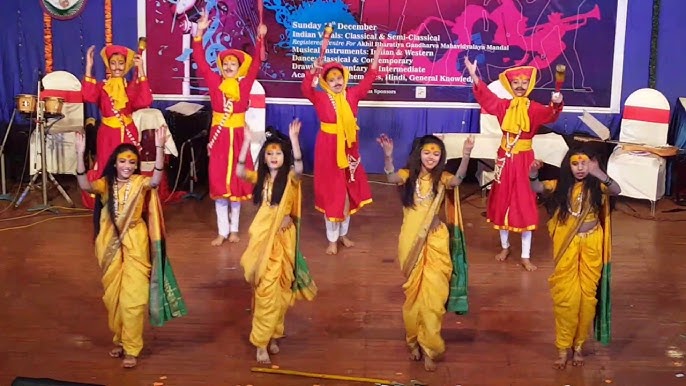
Gondhal Folk Performance
A ritualistic folk art performed to invoke family deities (mostly Goddess Amba) during weddings and other celebrations.
How is it done?
- All-Night Performance – The Gondhal party performs with rhythmic music and storytelling throughout the night.
- Invoking the Goddess – The lead performer (Gondhalya) invokes the deity with songs and dances, often entering a trance.
- Narrative Singing – Singing stories from the Puranas and local legends.
- Offering (Prasad) – The host family offers food and gifts to the performers as part of the ritual.