Trip and Tales

¤ 10+ minutes Read

Satara

A complete tourist and cultural guide

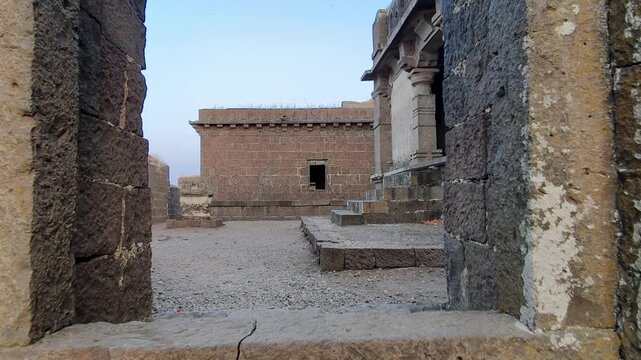
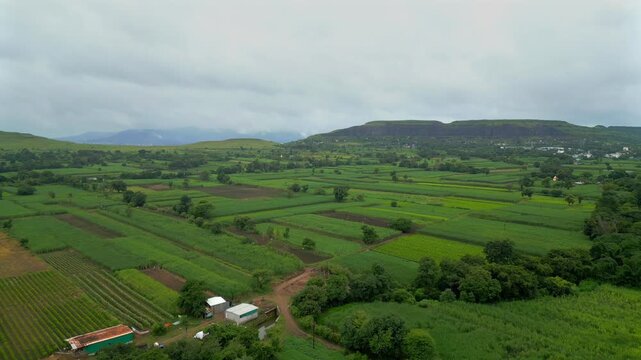
Ancient Shiva temple at Shikhar Shinganapur surrounded by lush green farmland in Satara

Satara, nestled in the Sahyadri ranges of Maharashtra, is a city steeped in Maratha history and surrounded by breathtaking natural beauty. Known as the “Land of Forts,” it served as a powerful seat of the Maratha Empire under Chhatrapati Shivaji Maharaj and later his descendants. With its lush green valleys, cascading waterfalls, ancient temples, and the sweet aroma of freshly picked strawberries, Satara offers a perfect blend of heritage, spirituality, and nature.

Wiki Link: Satara wiki page

Must-Visit Attractions in Satara

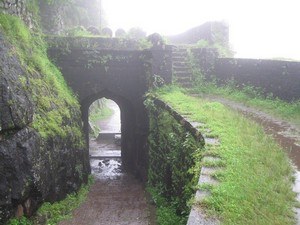
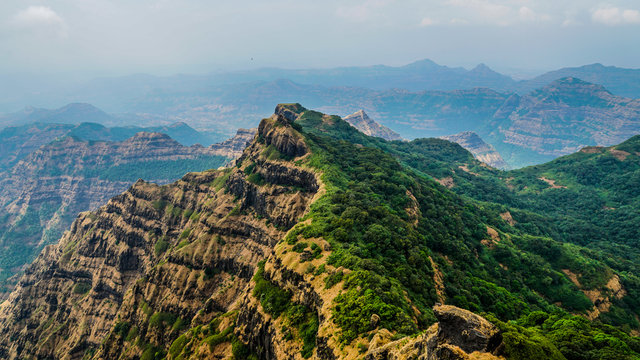
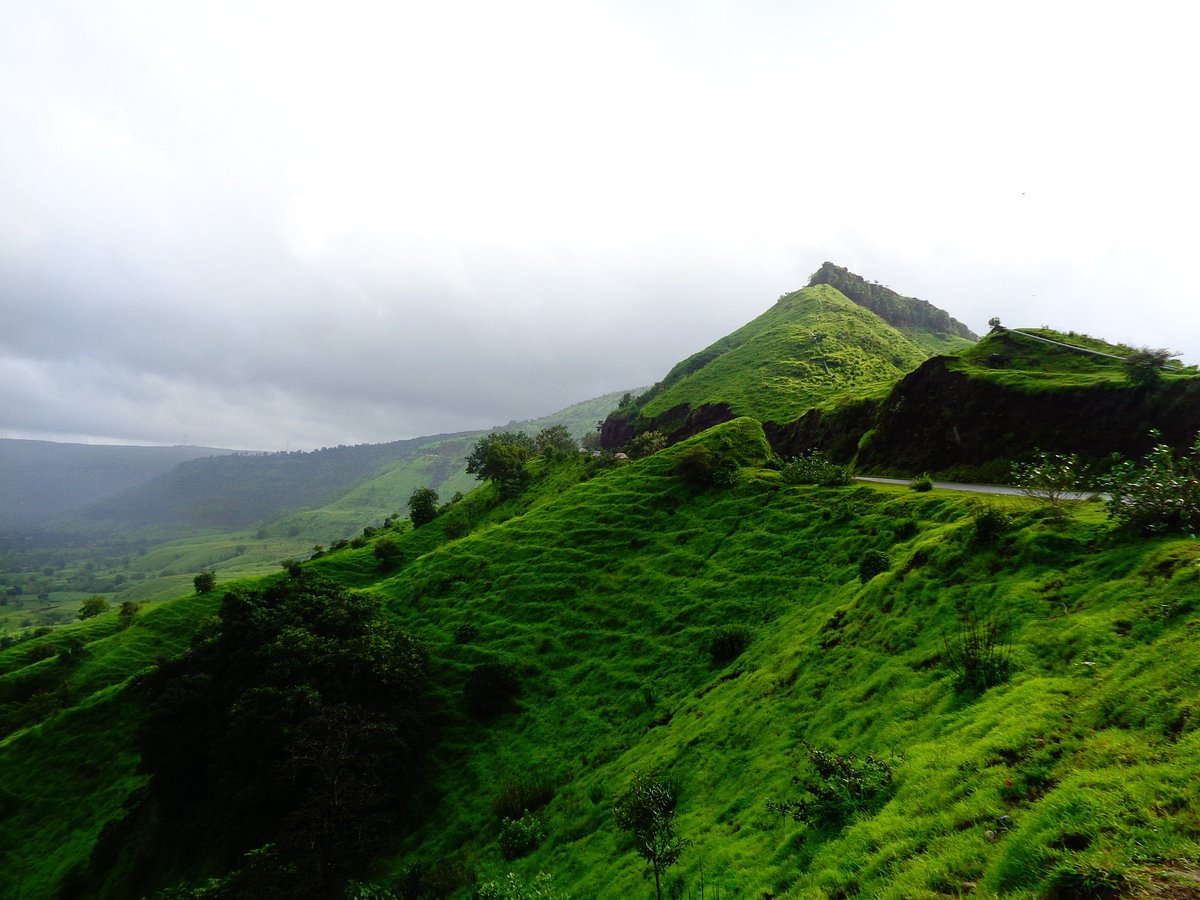
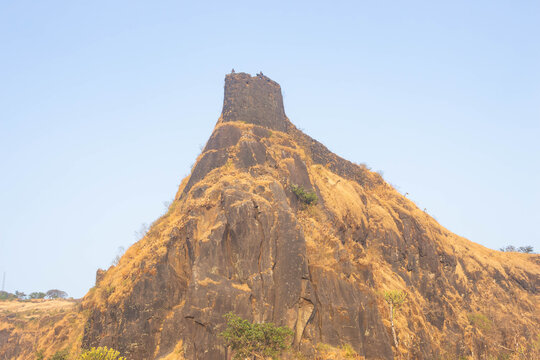
Historic Ajinkyatara Fort perched on a hilltop overlooking Satara city

Ajinkyatara Fort

A historic 16th-century hill fort offering panoramic views of Satara city, symbolizing Maratha resilience and valor.

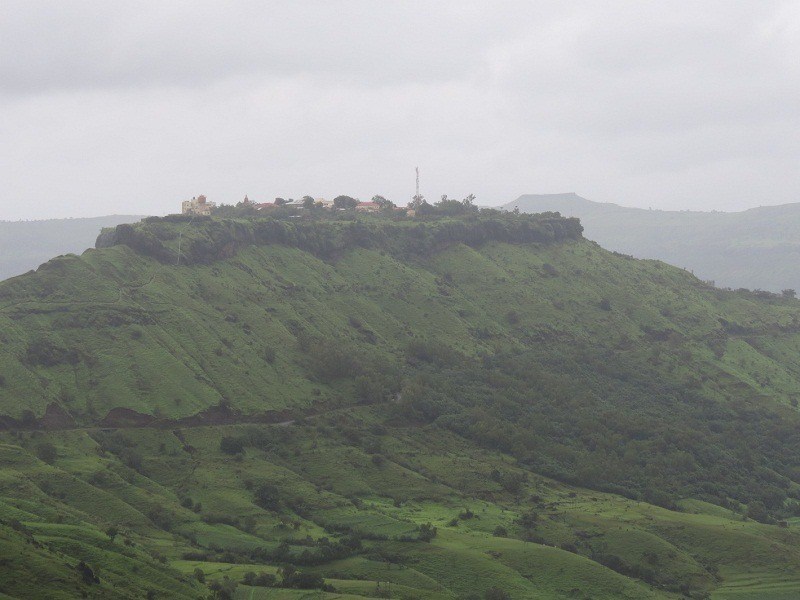
Sacred Sajjangad Fort near Satara, the final resting place of Sant Ramdas

Sajjangad Fort

The sacred hill fort near Satara, revered as the final resting place of the great saint Sant Ramdas.

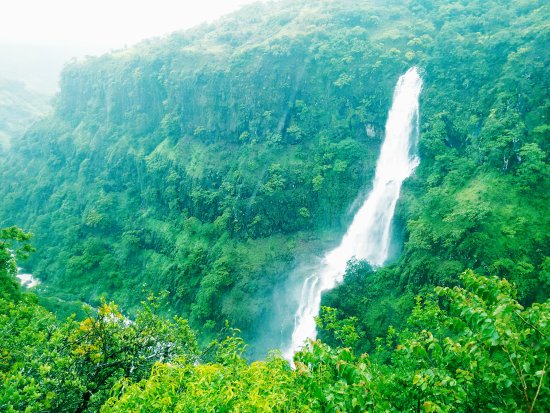
Spectacular Thoseghar Waterfalls plunging amidst lush green hills near Satara

Thoseghar Waterfalls

A spectacular series of waterfalls near Satara, plunging dramatically amidst lush green Sahyadri hills.

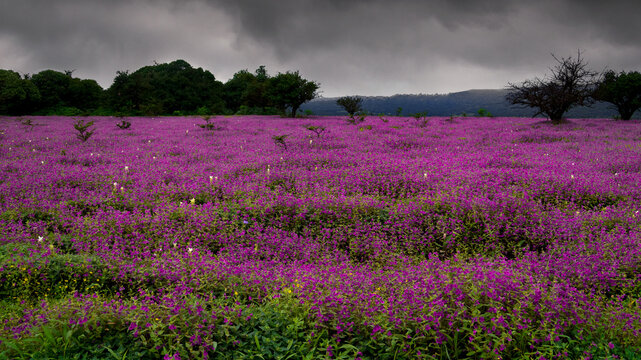
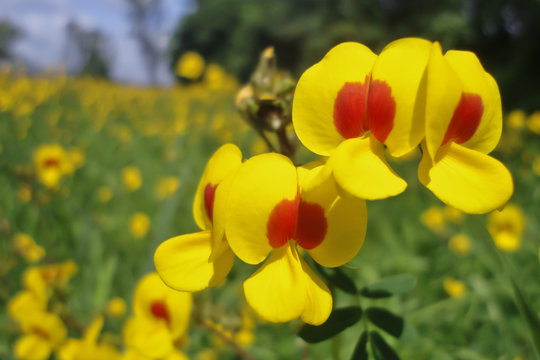
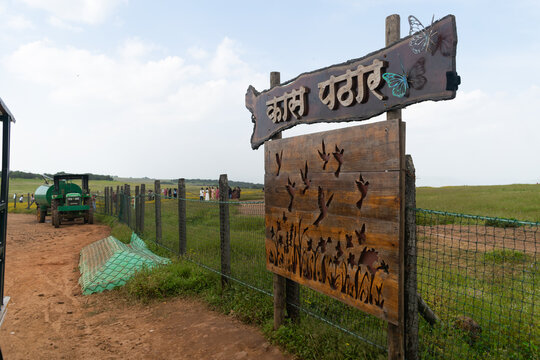
UNESCO World Heritage site Kaas Plateau in Satara blanketed with vibrant wildflowers

Kaas Plateau

A UNESCO World Heritage site transforming into a breathtaking valley of wildflowers during post-monsoon season.

Major Attractions Nearby Satara

Scenic hill station Mahabaleshwar near Satara known for its stunning viewpoints

Mahabaleshwar

Maharashtra’s premier hill station renowned for stunning viewpoints, strawberry farms, and the source of the Krishna River.

Picturesque Panchgani hill station near Satara with its famous tabletop plateau

Panchgani

A picturesque hill station surrounded by five hills, famous for its tabletop plateau and colonial-era boarding schools.

Quaint town Wai near Satara with ancient temples and scenic ghats on Krishna River

Wai

A historic town on the Krishna River, known as “Dakshin Kashi” for its ancient temples and scenic ghats.

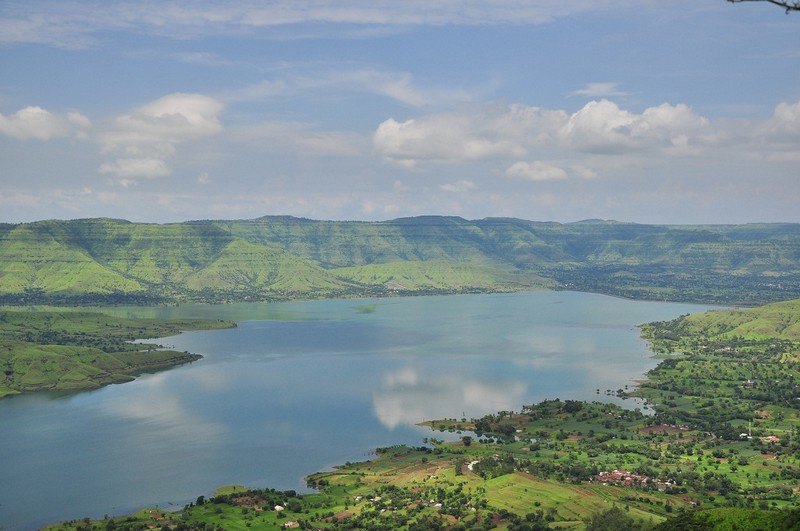
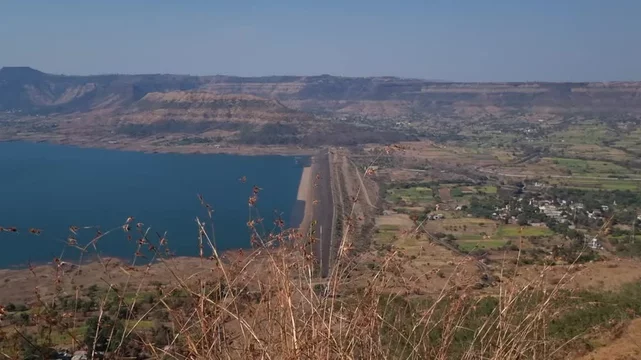
Scenic Dhom Dam backwaters on Krishna River near Satara and Mahabaleshwar

Dhom Dam

A scenic dam on the Krishna River offering beautiful backwaters ideal for boating and peaceful picnics.

Things to do in Satara

Experience the historical grandeur, natural wonders, and agricultural richness of Satara. From trekking to ancient forts to witnessing a valley of flowers, the region promises unforgettable experiences.

Devotees climbing the steps to seek blessings at sacred Sajjangad Fort in Satara

Seek Blessings at Sajjangad

Climb the steps or drive up to this revered fort to pay homage at Sant Ramdas’s samadhi and absorb the serene spiritual atmosphere.

Trekking enthusiasts exploring historic forts amidst Sahyadri ranges in Satara

Fort Trekking

Embark on treks to historic forts like Ajinkyatara and Pratapgad to relive Maratha history and enjoy panoramic Sahyadri views.

Tourists witnessing the spectacular valley of flowers at Kaas Plateau in Satara

Visit the Kaas Plateau

Witness the spectacular natural phenomenon of Kaas Plateau bursting into a carpet of vibrant wildflowers during post-monsoon season.

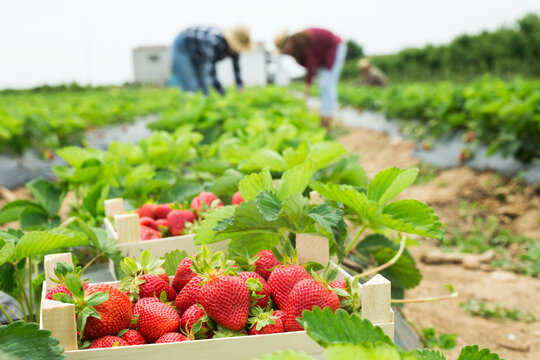
Visitors enjoying fresh strawberry picking at a farm near Satara and Mahabaleshwar

Strawberry Farm Visit

Visit strawberry farms near Mahabaleshwar for fresh strawberry picking and tasting delicious strawberry products like cream and milkshakes.

The Performing Art of Satara

Satara, deeply rooted in Marathi culture and tradition, has nurtured various folk and classical art forms. The region’s vibrant cultural expressions reflect its history, devotion, and rural life, often showcased during festivals and local fairs.

Music Forms

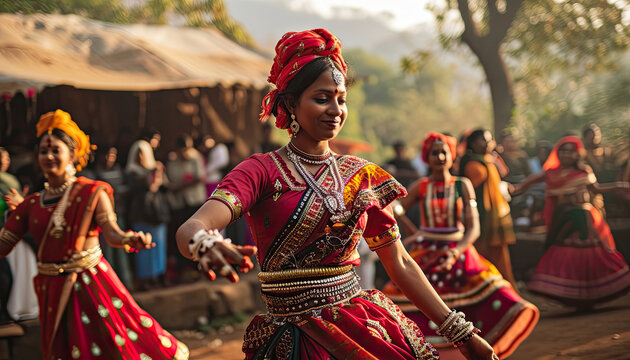
Energetic Lavani folk dance performance showcasing Satara's vibrant cultural tradition

Lavani

Traditional Bharud poetic-social discourse being performed in rural Satara

Bharud

Dramatic Powada ballad narrating heroic tales of Maratha warriors in Satara

Powada

Satara is deeply rooted in Maharashtra’s rich folk music traditions, with Lavani and Powada being the most prominent forms, celebrating valor, romance, and social themes. Devotional Abhangas and Bharuds resonate through the region, carrying the spiritual legacy of saints like Sant Ramdas and Sant Eknath. The soulful Bhajan and Kirtan traditions remain an integral part of religious and cultural life in villages across Satara.

Dance Forms

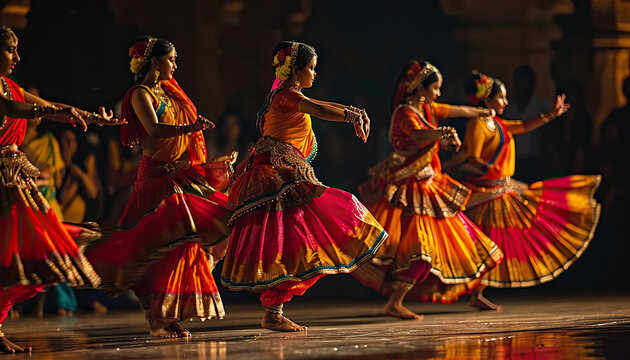
Energetic and expressive Lavani dance performance with traditional Maharashtrian costumes

Lavani Dance

Dramatic musical narration of historical events through traditional Povadas

Povadas

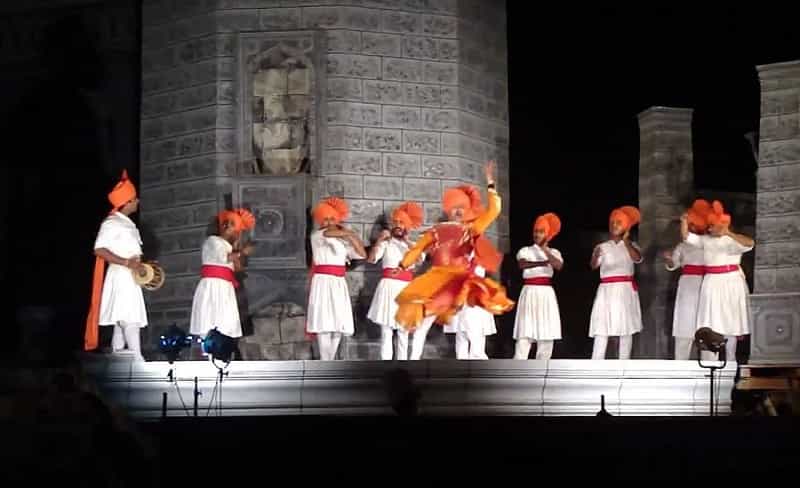
Traditional Tamasha folk theatre performance combining music, dance and drama

Tamasha

Lavani, with its powerful rhythm and expressive gestures, remains the most celebrated folk dance of the region, often performed during festivals and cultural events. Tamasha, a traditional folk theatre form, combines dance and music to entertain audiences with stories of romance and mythology. Koli Dance, though originating from coastal communities, is popularly performed in Satara, showcasing energetic movements that mimic fishing and ocean waves.

Vibrant wildflowers carpeting the UNESCO World Heritage Kaas Plateau

City Vibes - Historical Grandeur & Agricultural Abundance

Satara effortlessly blends its proud Maratha legacy with the simple rhythms of rural Maharashtra. The city exudes a sense of historical significance, with forts standing sentinel over modern life, while the surrounding countryside bursts with agricultural activity—strawberry farms, sugarcane fields, and lush greenery. The atmosphere is one of reverence for the past and a vibrant, productive present.

Heritage of Satara

Satara’s heritage is intrinsically linked to the Maratha Empire. It served as a key capital and administrative center. The majestic forts—PratapgadAjinkyatara, and Sajjangad—are living monuments to this glorious past. The city also holds immense spiritual significance as the place where Sant Ramdas spent his final days, influencing the region’s devotional culture. The Maratha legacy is preserved in its architecture, folk traditions, and the very fabric of its identity.

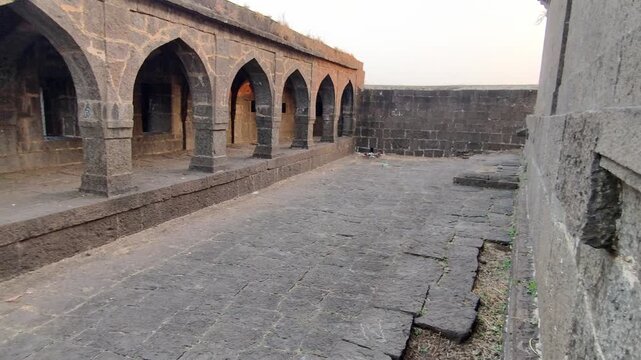
Ancient Shiva temple at Shikhar Shinganapur with unique architectural features
Shikhar Shingnapur temple

Cuisine of Satara

Satara’s cuisine is classic, hearty Maharashtrian fare with a focus on locally sourced ingredients, bold flavors, and unique regional specialties.

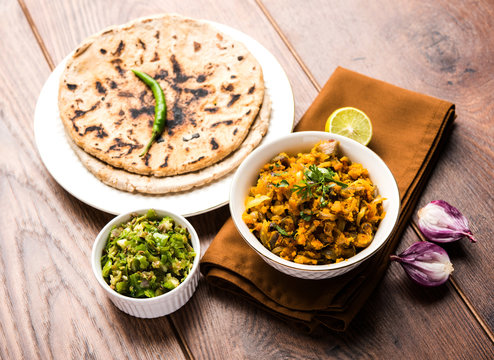
Traditional Maharashtrian meal of spicy gram flour curry with soft millet bread

Pithla Bhakri

The quintessential rural Maharashtrian meal of spicy gram flour curry served with soft millet bread.

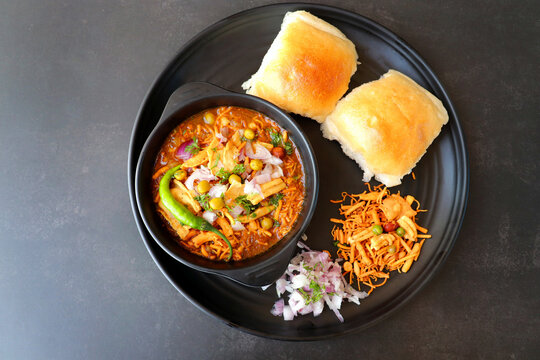
Spicy sprouted bean curry topped with farsan served with soft pav bread

Misal Pav

A beloved spicy curry made with sprouted beans, topped with farsan, and served with soft pav.

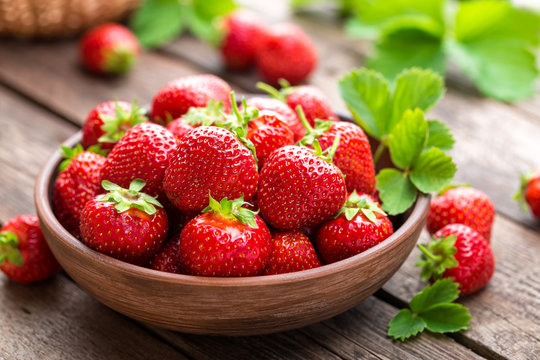
Fresh juicy strawberries served with cream, a specialty of the Satara region

Strawberries & Cream

Fresh, juicy strawberries enjoyed with cream, milkshakes, jams, and other delightful delicacies.

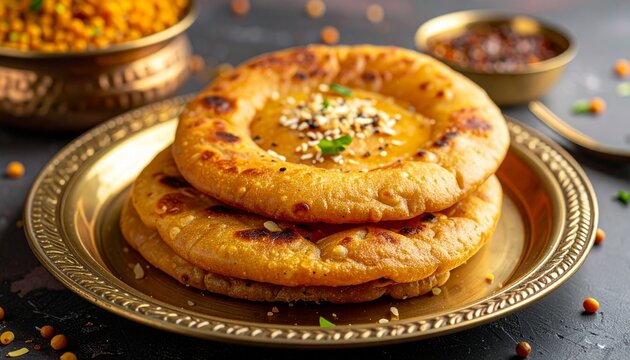
Festive sweet flatbread stuffed with chana dal and jaggery, flavored with cardamom

Puran Poli

A festive sweet flatbread stuffed with chana dal and jaggery, flavored with cardamom.

Shopping in Satara

Shopping in Satara offers authentic Maharashtrian products, from farm-fresh produce to traditional handicrafts that reflect the region’s rural charm.

Basket of fresh strawberries along with jams, syrups and preserves

Fresh Strawberries & Products

Fresh, juicy strawberries straight from farms, along with jams, syrups, and crushed preserves.

Traditional green glass bangles essential to Maharashtrian women's attire

Hirvi Bangles

The iconic green glass bangles essential to Maharashtrian women’s attire, found in local markets.

Rich silk Paithani sarees with intricate gold thread work and traditional motifs

Paithani Sarees

Beautiful silk sarees with rich gold thread work and intricate traditional motifs.

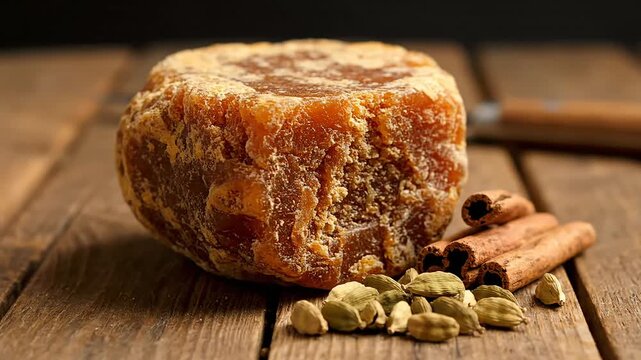
High-quality sugarcane jaggery used in traditional Maharashtrian sweets and cooking

Local Jaggery

High-quality sugarcane jaggery used in traditional sweets and everyday Maharashtrian cooking.

Tourist's Handbook

The ideal time to visit Satara is during the monsoon (June to September) and post-monsoon (October to February) seasons. Monsoon brings the waterfalls to life and paints the Sahyadris in lush green, making Thoseghar a spectacular sight. Post-monsoon (August-October) is the only time to witness the Kaas Plateau in bloom, while winters (October-February) offer pleasant weather for fort trekking and sightseeing.

  • Trekking Preparedness: Wear sturdy, non-slip shoes for fort treks, especially during monsoon when trails can be slippery. Carry sufficient water and snacks.

  • Monsoon Caution: Be extremely careful near waterfalls like Thoseghar during peak monsoon. Rocks are slippery, and currents can be strong. Follow safety barriers and instructions.

  • Kaas Plateau Regulations: Follow all rules at Kaas Plateau. Do not pluck flowers or stray from designated paths to protect the fragile ecosystem. Book entry in advance online during peak season.

  • Sun Protection: Carry sunscreen, hats, and sunglasses, especially during summer months and while visiting open plateaus like Kaas.

  • Hydration: Carry water bottles, especially during treks and long sightseeing days.

  • Road Safety: Be cautious while driving on the ghat roads connecting to Mahabaleshwar and Panchgani, especially during monsoon due to landslides and sharp curves.

State transport (MSRTC) buses are reliable and connect Satara to major cities and nearby attractions. Auto-rickshaws are convenient for short distances within the city. For exploring surrounding areas like Mahabaleshwar, Panchgani, and Wai, hiring a private taxi or renting a self-drive car is the most flexible option. Local share-rickshaws also operate on specific routes.

Unauthorized Guides at Kaas: At Kaas Plateau, beware of individuals posing as guides offering to take you to "restricted" or "better" areas. Stick to the designated paths and authorized guides only.

Overcharging by Taxis: For trips to Mahabaleshwar, Panchgani, or forts, agree on a fixed fare beforehand or use app-based cabs to avoid overcharging.

Fake Strawberry Products: When buying strawberry products, ensure they are from reputed brands or shops to avoid diluted or artificially flavored items.

Photography Fees: Some locals near tourist spots might demand money if you photograph them or their property. Politely decline or ask for permission first.

Accommodation Touts: Be cautious of touts at bus stands offering cheap hotels. Book accommodations in advance through reputable online platforms.

Counterfeit Handicrafts: When buying Paithani sarees or Kolhapuri chappals, purchase from established, government-certified emporiums to ensure authenticity.

Explore Maharashtra

Satara Blogs

  • Maharashtra Cultural Guide

  • Places to Visit in Satara

  • Places to Visit Nearby Satara

  • India’s Most Scenic Hill Stations

Recommended articles

  • Maharashtra Cultural Guide: Traditions & Festivals

  • The Complete Guide to Kaas Plateau & Valley of Flowers

  • Fort Trails of Maharashtra: Satara & Beyond

  • Strawberry Farms of Mahabaleshwar: A Sweet Escape