
Rituals of Nagaland
The Rituals of Nagaland reflect the living traditions of its diverse Naga tribes, deeply rooted in nature, ancestry, and community life. From life-cycle ceremonies and spirit worship to vibrant folk festivals and village rituals, these practices actively preserve Nagaland’s indigenous identity and cultural values.
Life Event Rituals

Birth Purification Ritual
This ritual welcomes a newborn into the clan and seeks protection from harmful spirits. Families actively perform it to ensure the child’s health and spiritual safety.
How is it done?
- Cleansing Ceremony – Elders sprinkle water mixed with forest herbs around the house to purify the space and remove negative energies.
- Protective Prayers – Family members invoke ancestral spirits to guard the newborn from illness and misfortune.
- Naming Blessing – Elders bless the child with a name linked to clan history, nature, or ancestral traits.

Naming Ceremony
The naming ceremony formally introduces the child to the community. Families actively choose names connected to ancestry and nature.
How is it done?
- Clan Consultation – Elders discuss ancestry, omens, and family history before finalizing the name.
- Public Name Declaration – The family announces the child’s name during a small community gathering.
- Blessing Ritual – Elders pray for long life, strength, and wisdom for the child.

Marriage Ritual
Marriage rituals unite two families and clans through tradition. Families actively celebrate alliance and social bonding.
How is it done?
- Alliance Negotiation – Elders discuss marriage terms, clan ties, and mutual responsibilities.
- Gift Exchange – Both families exchange livestock, ornaments, or symbolic items.
- Community Feast – Villagers gather for a large feast celebrating unity and prosperity.
House Construction Ritual
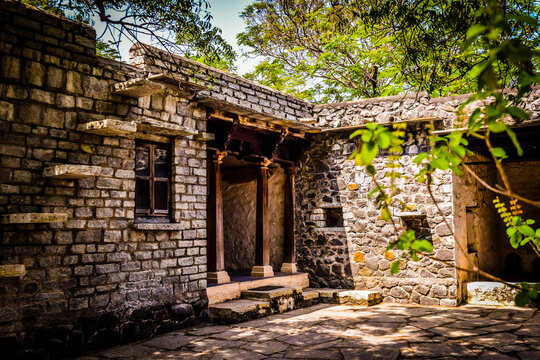
This ritual seeks spiritual approval before building a new home. Families actively pray for safety, prosperity, and protection from spirits.
How is it done?
- Site Selection – Elders choose a location after observing signs from nature.
- Spirit Offering – Symbolic offerings are made to appease land and forest spirits.
- First Pillar Ceremony – Builders ceremonially erect the main wooden post with prayers.

Funeral Rituals
Funeral rituals honor the deceased and guide the soul toward ancestors. Families actively express respect, remembrance, and closure.
How is it done?
- Body Preparation – Relatives cleanse and dress the body following tribal customs.
- Ancestral Invocation – Elders pray to guide the soul safely to the spirit world.
- Community Mourning – Villagers gather to share grief and pay final respects.
Spirit Worship Ritual

Ancestor Spirit Worship
Ancestor spirit worship honors departed family members and seeks their guidance and protection. Communities actively maintain harmony between the living and ancestral world.
How is it done?
- Household Offerings – Families place rice, meat, and rice beer near household altars to honor ancestral spirits.
- Prayer by Elders – Elders invoke ancestors during important family or village events.
- Seasonal Remembrance – Rituals take place during agricultural cycles to seek blessings.

Forest Spirit Worship
Forest spirit worship respects nature spirits believed to guard land, animals, and forests. Villagers actively seek permission before using natural resources.
How is it done?
- Sacred Grove Rituals – Worship occurs near forests considered spiritually powerful.
- Symbolic Offerings – Leaves, flowers, and animal offerings honor forest spirits.
- Permission Prayers – Hunters and farmers pray before entering forests.
Village Guardian Spirit Ritual
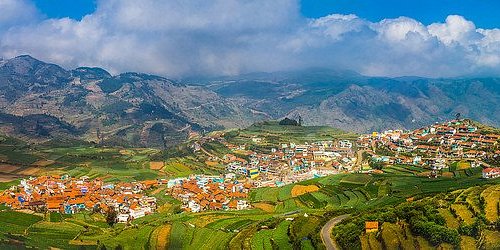
This ritual honors spirits believed to protect villages from disease and misfortune. Communities actively perform it to ensure safety and unity.
How is it done?
- Central Shrine Worship – Villagers gather at common spirit shrines.
- Protective Chants – Elders chant prayers for collective well-being.
- Community Participation – Every household contributes offerings.
Agricultural Spirit Worship
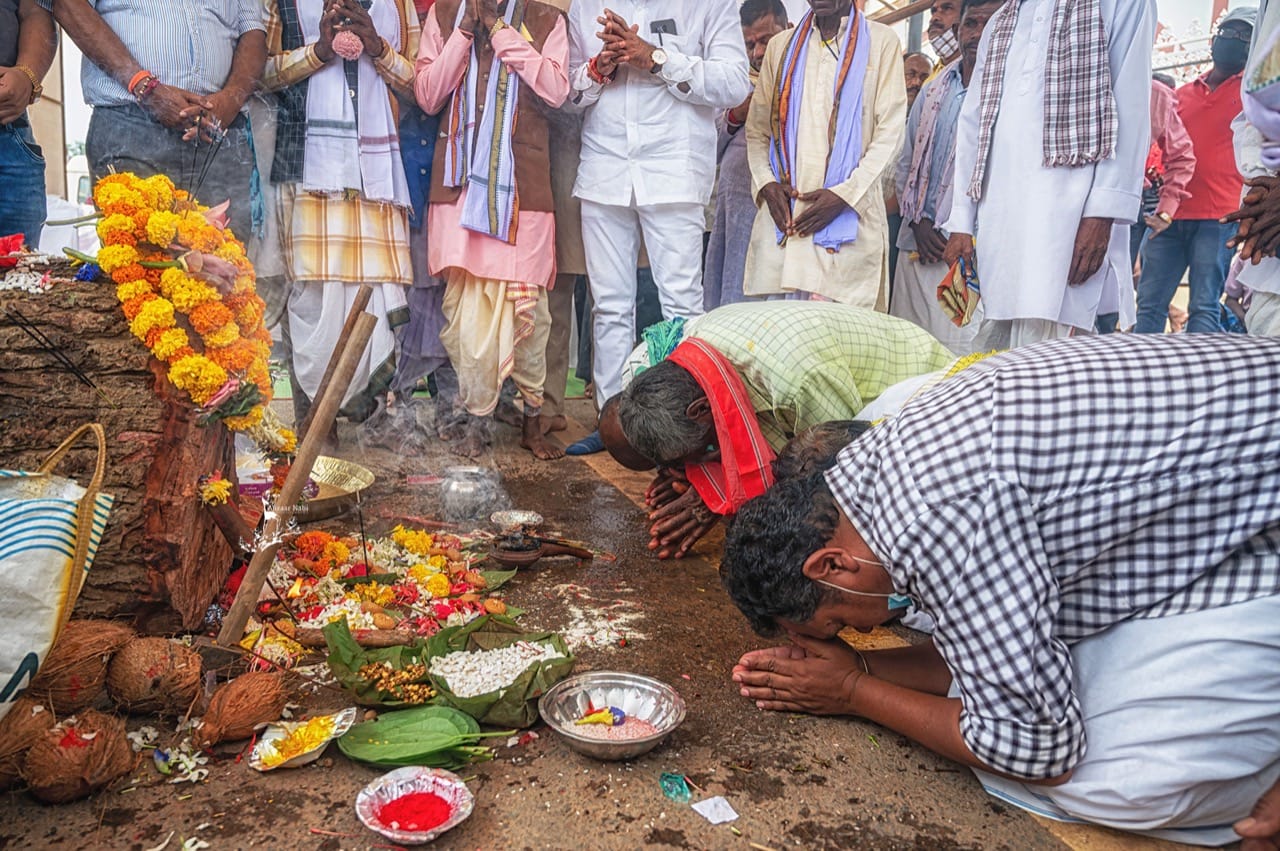
Agricultural spirit worship seeks fertility and good harvests. Farmers actively perform it before sowing and harvesting.
How is it done?
- Field Offerings – Farmers place food at field corners.
- Harvest Prayers – Elders bless crops before cutting.
- Thanksgiving Rituals – Successful harvests receive gratitude ceremonies.
Folk Festivals
Hornbill Festival
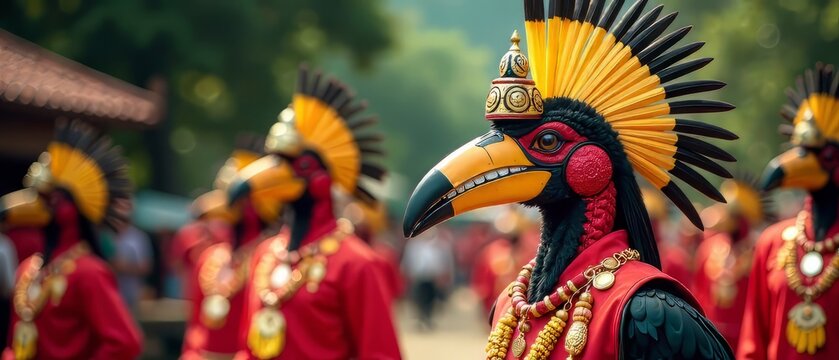
The Hornbill Festival celebrates Naga tribal culture, unity, and heritage. Communities actively showcase traditional rituals, dances, and customs.
How is it done?
- Tribal Performances – Each tribe performs traditional dances and warrior songs.
- Traditional Attire Display – Participants wear colorful tribal costumes and ornaments.
- Craft and Food Stalls – Villagers present indigenous crafts and cuisines.
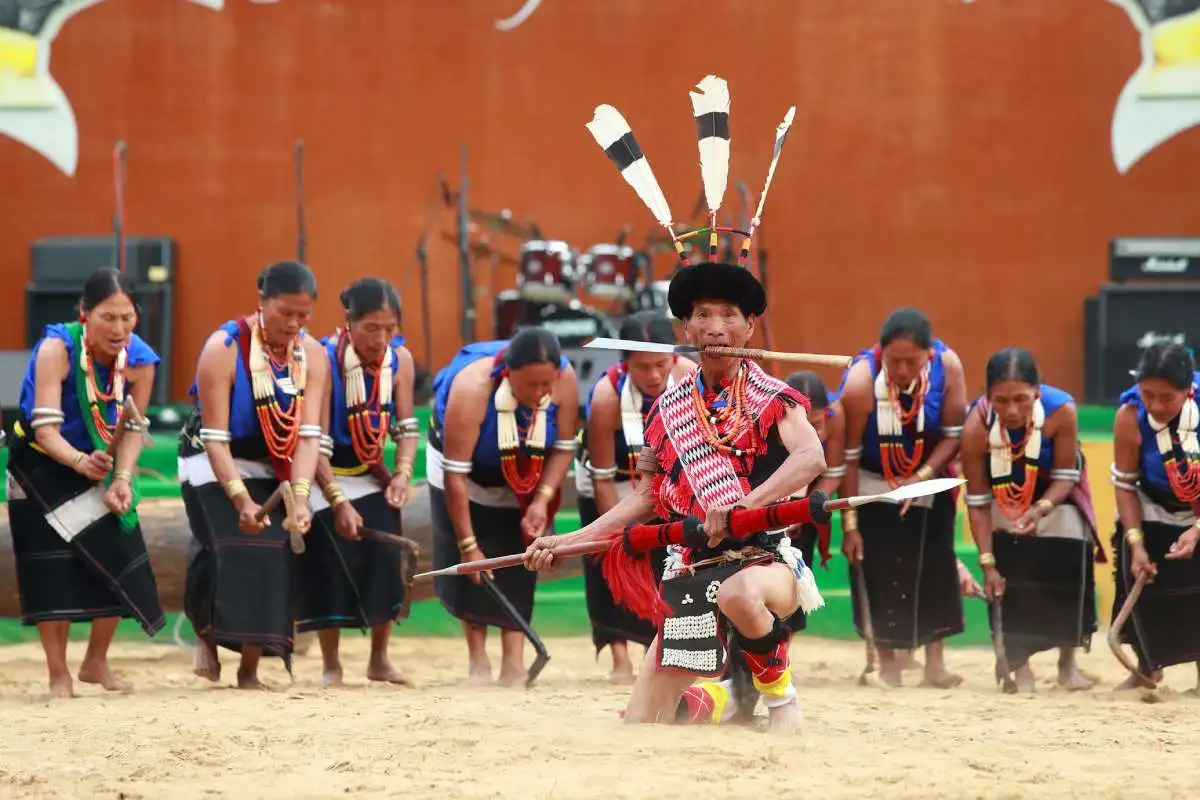
Moatsu Festival
Moatsu Festival marks the completion of sowing season and seeks agricultural prosperity. The Ao tribe actively celebrates renewal and gratitude.
How is it done?
- Ritual Offerings – Elders offer prayers for healthy crops.
- Community Feasting – Villagers share traditional meals together.
- Folk Songs and Dances – Performances celebrate joy and unity.
Temple Rituals

Village Morung Ritual Worship
Morung worship centers around the traditional village institution that guides spiritual and social life. Communities actively perform rituals to seek protection and unity.
How is it done?
- Prayer Gathering – Elders and youth gather for collective prayers.
- Offerings to Spirits – Food and symbolic items honor guardian spirits.
- Moral Instruction – Elders pass cultural teachings during rituals.

Sacred Stone and Monolith Worship
Sacred stones represent ancestral and protective spirits in Naga belief. Villagers actively worship them during important occasions.
How is it done?
- Stone Cleansing – Elders clean stones before rituals.
- Offering Placement – Food and drink are placed at the site.
- Prayer Chanting – Chants invoke protection and fertility.

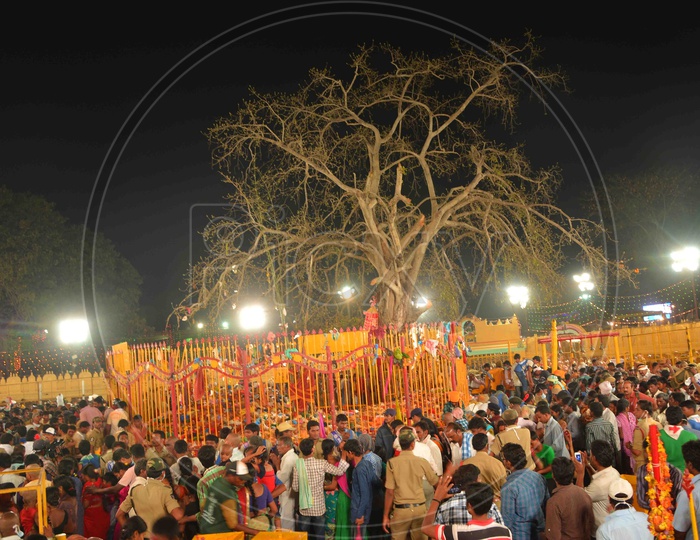
Sacred Tree Worship
Sacred trees symbolize life and spiritual guardianship. Communities actively worship them to maintain harmony with nature.
How is it done?
- Tree Decoration – Ribbons and natural ornaments adorn trees.
- Nature Offerings – Leaves, fruits, and water honor spirits.
- Seasonal Prayers – Worship aligns with agricultural cycles.
Ayurveda and Yoga

Traditional Herbal Healing Practices
Nagaland’s indigenous communities rely on plant-based healing rooted in principles similar to Ayurveda. These practices focus on balancing the body with nature.
How is it done?
- Forest Herbs – Leaves, roots, and bark are used for immunity, wounds, and digestion.
- Natural Decoctions – Herbal teas treat fever, cold, and fatigue.
- Diet-Based Healing – Seasonal foods restore internal balance.
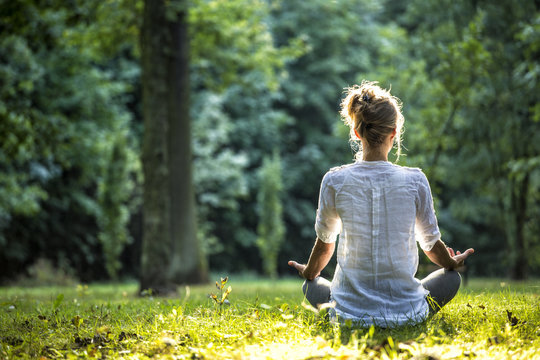
Body–Nature Balance Philosophy
Healing traditions emphasize harmony between body, mind, and environment, aligning closely with Ayurvedic dosha balance.
How is it done?
- Seasonal Living – Diet and activity change with climate.
- Natural Rhythms – Sleep and work follow sunrise–sunset cycles.
- Preventive Care – Lifestyle discipline prevents illness.

Yoga-Like Physical Practices
Though not classical yoga, Naga tribes practice posture-based movements that enhance strength and flexibility.
How is it done?
- Stretching Movements – Improve joint mobility and endurance.
- Breathing Control – Enhances stamina and mental focus.
- Meditative Stillness – Calms the mind before rituals.
Social Fabrics
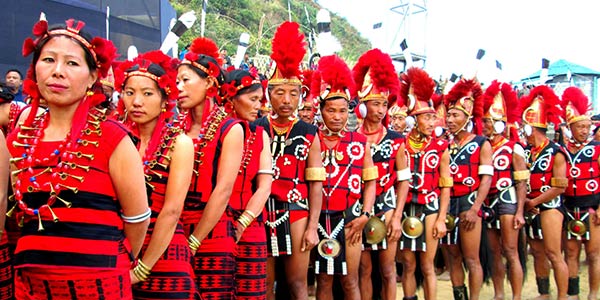
Tribal Clan System
Nagaland’s society is strongly organized around tribal and clan identities, which guide social behavior and responsibilities.
How is it done?
- Clan Lineage – Families trace ancestry through clan ties that shape identity and unity.
- Community Roles – Each clan assigns duties such as leadership, defense, and rituals.
- Collective Decision-Making – Elders guide important social and cultural matters.
Village-Centric Lifestyle
Villages act as the core of social, cultural, and economic life across Naga communities.
How is it done?
- Village Councils – Councils manage disputes, land use, and traditions.
- Shared Resources – Forests and fields are communally protected.
- Mutual Support – Neighbors assist each other during festivals and crises.

Role of Elders and Oral Traditions
Elders preserve history and social values through storytelling and rituals.
How is it done?
- Oral Narratives – Legends and histories pass through generations.
- Moral Guidance – Stories teach ethics and social conduct.
- Ritual Leadership – Elders lead ceremonies and festivals.
Art & Craft

Traditional Weaving
Traditional weaving in Nagaland plays a central role in expressing tribal identity, social status, and cultural values. Each tribe follows distinct patterns, colors, and motifs passed down through generations.
How is it done?
- Handloom Weaving – Artisans actively weave shawls and garments on traditional backstrap or loin looms, ensuring durability and cultural accuracy.
- Symbolic Patterns – Weavers incorporate motifs representing bravery, fertility, clan lineage, and historical achievements.
- Natural Dye Usage – Craftspeople extract colors from plants, tree bark, roots, and minerals to maintain eco-friendly practices.

Wood Carving
Wood carving remains deeply connected to ritual life, village architecture, and ancestral beliefs across Naga tribes.
How is it done?
- Morung Decorations – Skilled carvers create large sculptures and panels for Morungs (youth dormitories) to symbolize strength and unity.
- Animal and Warrior Motifs – Craftsmen carve figures of hornbills, tigers, and warriors to convey protection and courage.
- Traditional Tools – Artisans use hand tools, chisels, and knives following ancestral carving techniques.
Other Significant Rituals
Agricultural Transition Rituals
These rituals mark important shifts in farming cycles and ensure harmony between people and nature. Communities actively perform them to seek protection and abundance.
How is it done?
- Field Blessings – Elders offer prayers before clearing land or beginning cultivation.
- Seed Selection Rituals – Farmers ceremonially choose seeds believed to bring fertility and resilience.
- Harvest Offerings – Families present the first yield to ancestors and village spirits.

Fire and Purification Rituals
Fire rituals help cleanse spaces and renew spiritual balance within villages.
How is it done?
- Sacred Fire Lighting – Elders light fires using traditional methods to mark ritual beginnings.
- Smoke Cleansing – Families allow smoke to pass through homes for purification and protection.
- Community Renewal – Villages observe periods of silence or rest to complete the cleansing process.