
North India's Famous Dance Forms
North India’s Famous Dance Forms reflect the artistic soul of the region, blending classical discipline with lively folk traditions. Rooted in mythology, regional history, and everyday life, these dance forms express devotion, celebration, and storytelling while actively preserving North India’s cultural heritage and creative legacy.
Wiki Link: North India’s Famous Dance Forms
Giddha
Chandigarh & Punjab
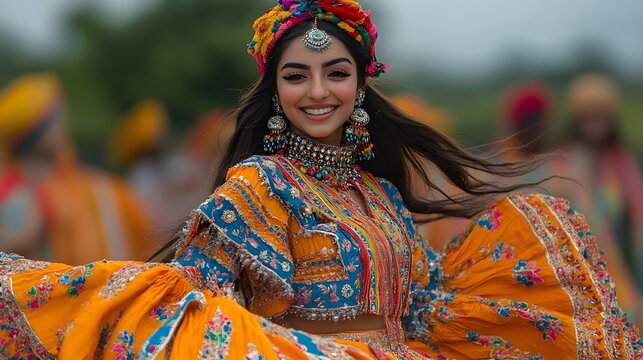
Developed as a women-centric folk dance expressing joy, strength, and everyday life experiences. It originated from rural Punjabi communities as a form of social bonding. Women performed Giddha during festivals, weddings, and family celebrations. The dance allowed women to express emotions, humor, and wisdom through boliyan (folk verses).
Traditional claps and circular movements define the rhythm. Bright costumes and dupattas enhance visual appeal. The dance celebrates womanhood and cultural pride. Giddha strengthens community ties. It remains a symbol of Punjabi folk identity.
Kathak
Delhi and Uttar Pradesh
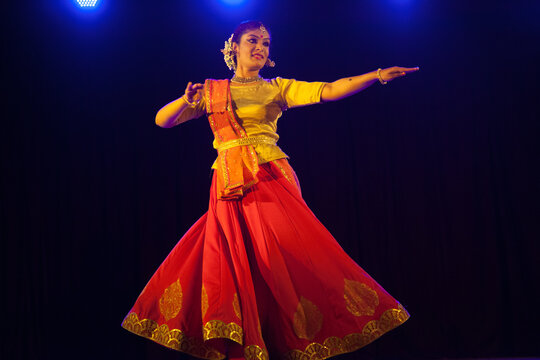
Evolved from ancient storytelling traditions where dancers narrated epics through movement. It developed in temple courtyards and later flourished under Mughal patronage. The dance emphasizes rhythm, expressions, and intricate footwork.
Storytelling remains central to its performance. Mughal influence added grace, spins, and musical refinement. Kathak blends devotion with artistic discipline. Performers convey emotions through facial expressions and gestures. The dance preserves historical narratives. Kathak stands as a major classical dance of North India.
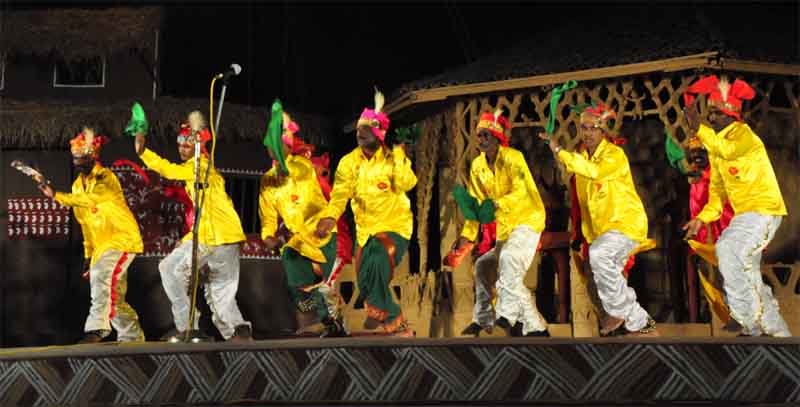
Saang Dance
Haryana
Originated as a folk theatre dance blending music, drama, and storytelling. Rural communities developed it to narrate mythological and social stories. Performers used expressive movements to convey moral lessons. The dance relied on dialogue, humor, and satire.
Male performers traditionally played all roles. Minimal stage setups kept focus on performance. Saang entertained and educated audiences. It strengthened village culture. The dance reflects Haryana’s folk heritage.
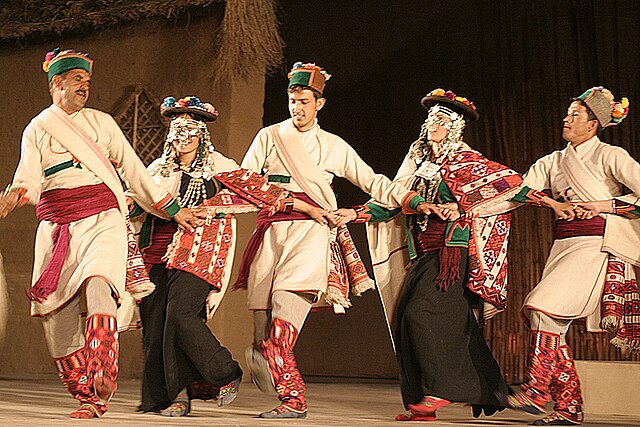
Nati
Himachal Pradesh
Evolved as a communal dance celebrating nature, seasons, and festivals. Villagers performed it during harvests and temple fairs. The dance emphasizes unity and collective rhythm.
Slow, graceful movements match mountain life. Traditional attire adds cultural richness. Drums and folk instruments set the pace. Nati encourages community participation. It reflects harmony with nature. The dance remains integral to Himachali culture.
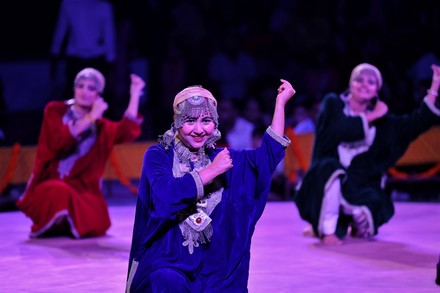
Rouf
Jammu & Kashmir
Developed as a graceful folk dance performed mainly by women. It originated as a spring celebration welcoming renewal and fertility. Women performed Rouf in groups during festivals. Gentle footwork and synchronized movements define the style. The dance expresses joy and seasonal change.
Traditional songs accompany performances. Rouf strengthens female bonding. It reflects Kashmiri elegance. The dance remains culturally significant.
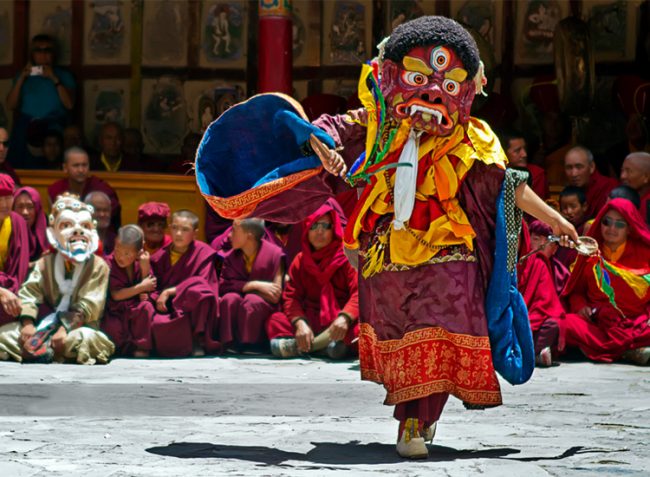
Cham Dance
Ladakh
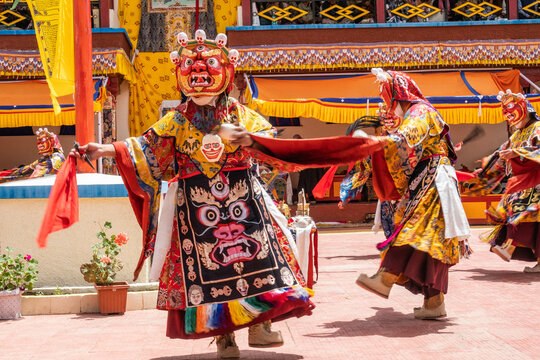
Originated within Tibetan Buddhist monasteries. Monks performed it as a ritual dance to ward off evil spirits. The dance symbolizes the victory of good over negative forces. Colorful masks represent deities and demons. Ritual movements follow spiritual discipline.
Sacred music accompanies the performance. Cham teaches moral values. It preserves Buddhist traditions. The dance reflects Ladakh’s spiritual heritage.
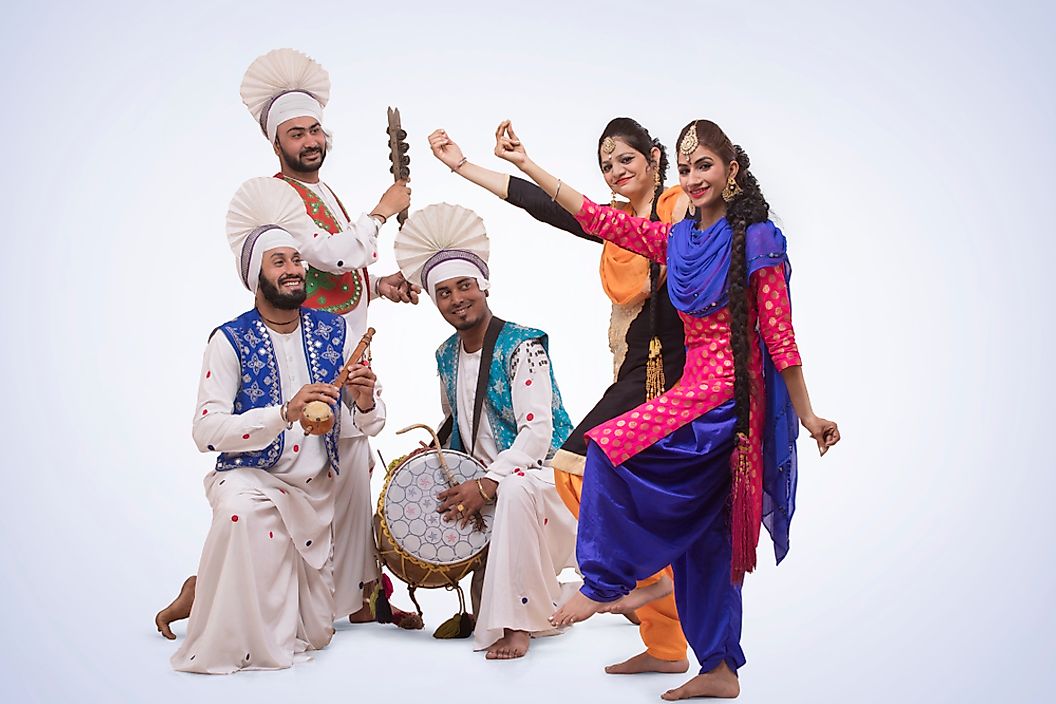
Bhangra
Punjab
Bhangra began as a harvest celebration honoring agricultural prosperity. Farmers performed it to celebrate successful crops. Energetic movements reflect strength and enthusiasm. Drum beats drive the rhythm. The dance symbolizes joy and resilience.
Bhangra later evolved into a global cultural symbol. Performers wear vibrant costumes. The dance promotes unity. Bhangra represents Punjabi pride worldwide.
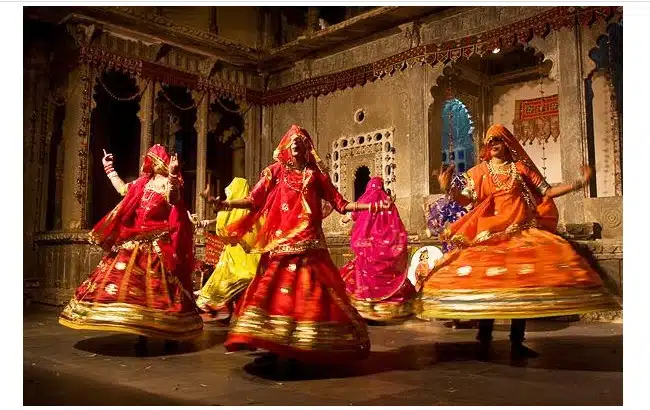
Ghoomar
Rajasthan
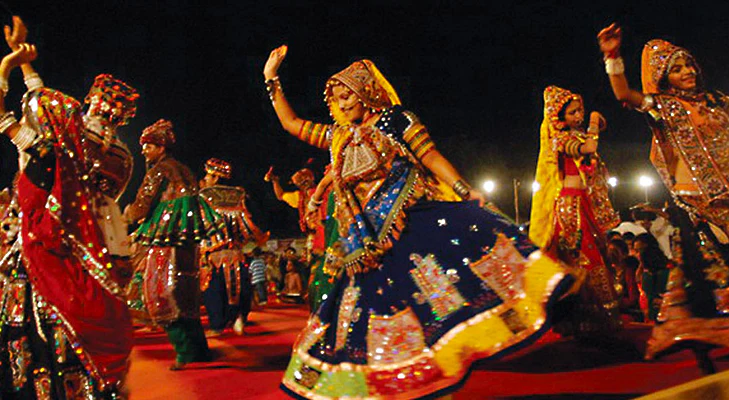
Ghoomar originated as a royal and community dance performed by women. It celebrated femininity and grace. The dance evolved during ceremonial occasions and festivals. Circular movements symbolize continuity and harmony.
Flowing ghagras enhance elegance. Folk songs narrate cultural stories. Ghoomar strengthened social identity. It reflected royal patronage. The dance remains iconic to Rajasthan.
Langvir Nritya
Uttarakhand
Langvir Nritya developed as a strength-based folk dance. Performers showcased physical endurance and balance. The dance originated during fairs and celebrations. Acrobatic movements define its uniqueness.
Drums accompany performances. The dance entertains rural audiences. It highlights bravery and agility. Langvir reflects mountain resilience. It remains culturally distinct.

Raslila
Uttar Pradesh (Mathura–Vrindavan)
Raslila originated as a devotional dance-drama celebrating Lord Krishna’s life. It developed within temple traditions. Performers enact divine stories through expressive movement.
Music and narration guide performances. The dance strengthens devotional connection. Communities perform Raslila during festivals. It preserves Vaishnav traditions. Children often participate. Raslila blends faith and art.
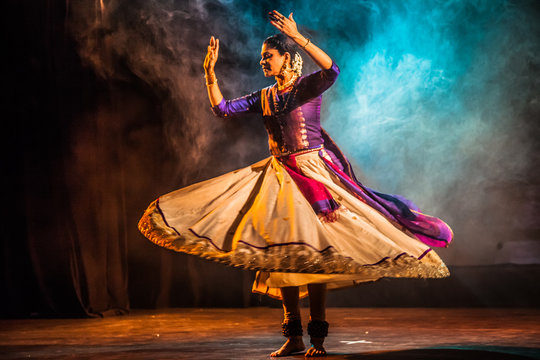
Dhamyal
Punjab & Haryana
Jhumar developed as a slower and graceful folk dance. It originated to celebrate seasonal changes and harvest joy. The dance emphasizes rhythm and gentle body movements.
Traditional folk songs accompany performances. Men usually perform Jhumar in groups. The dance promotes harmony and coordination. It reflects rural simplicity. Jhumar balances energy and elegance. It remains culturally important in North India.
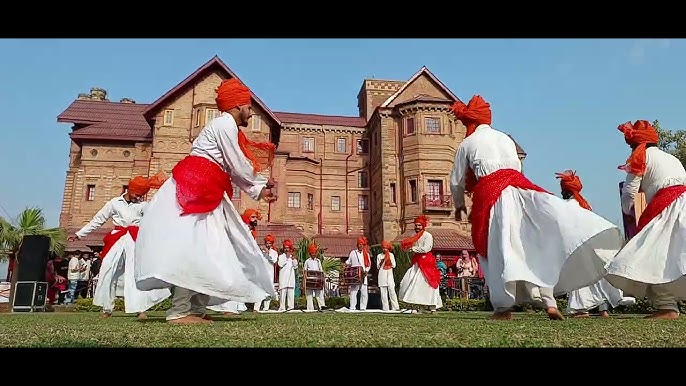
Kud Dance
Jammu region (Jammu & Kashmir)
Kud dance originated as a thanksgiving ritual. Villagers performed it to seek blessings from local deities. The dance began during rain prayers and good harvests. People danced around temples at night.
Drum beats set the tempo. Collective movements symbolize unity. Kud strengthens spiritual connection. It reflects rural faith. The dance is still performed during festivals.
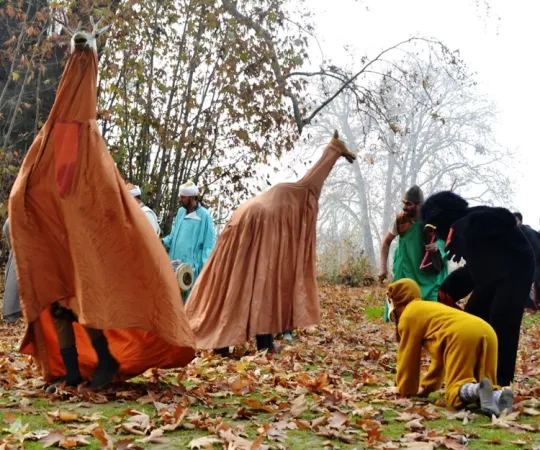
Bhand Pather
Kashmir Valley
Bhand Pather evolved as a folk theatre dance form. It originated to spread social awareness. Performers used humor and satire to convey messages. Dance and drama were combined for storytelling.
Traditional music supported performances. The form addressed social issues. Bhand Pather entertained and educated audiences. It preserved oral traditions. The dance reflects Kashmiri folk wisdom.
Andhra Pradesh Blogs
- Andhra Pradesh Cultural guide
- Places to visit in Andhra Pradesh
- Places to visit in Andhra Pradesh
- India’s most popular destination
- India’s archaeological marvels