
North India's Famous Festivals
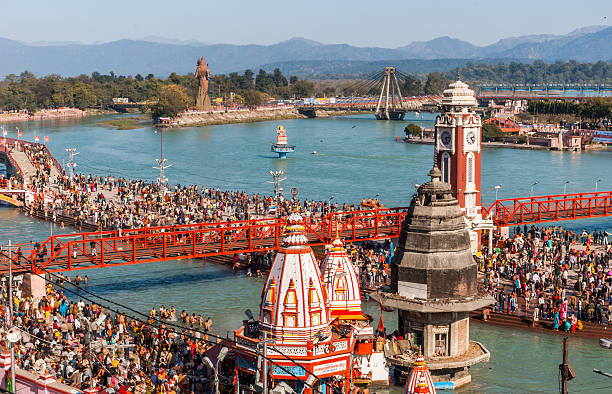
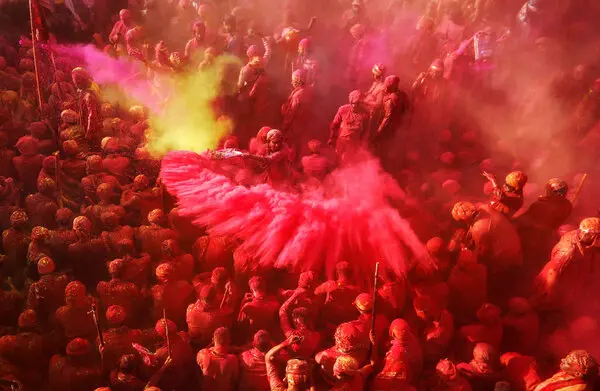
North India’s Famous Festivals reflect the region’s rich cultural diversity, deep-rooted traditions, and joyful community spirit. From religious celebrations and seasonal festivals to folk events and regional fairs, these festivals actively bring together history, devotion, and local heritage across North India.
Wiki Link: North India’s Famous Festivals

Diwali
Pan-North India (ancient Hindu traditions)
Began to celebrate the return of Lord Rama to Ayodhya after his victory over Ravana, symbolizing the triumph of good over evil. The festival also honors Goddess Lakshmi, who represents wealth, prosperity, and well-being. Historically, communities observed Diwali to mark the end of harvest and the beginning of a new financial cycle. Families clean and decorate homes to welcome positive energy and divine blessings.
People light oil lamps to remove darkness and ignorance from life. Fireworks symbolize joy and spiritual awakening. The festival encourages generosity through gift-giving and charity. Diwali strengthens family bonds and social harmony. It remains one of North India’s most spiritually significant celebrations.

Holi
Mathura–Vrindavan region, Uttar Pradesh
Originated from the legend of Prahlad and Holika, highlighting the power of devotion and the victory of faith over cruelty. The festival also celebrates Lord Krishna’s playful spirit and his bond with Radha. Traditionally, Holi marked the arrival of spring and the renewal of nature after winter. Communities used colors to express joy, unity, and equality.
People forgive past conflicts and rebuild relationships during this festival. Singing, dancing, and folk traditions strengthen cultural identity. Shared sweets symbolize togetherness and happiness. Holi removes social barriers and promotes inclusiveness. It remains a vibrant expression of joy and harmony across North India.
Navratri
Northern plains of India (Uttar Pradesh, Delhi, Haryana)
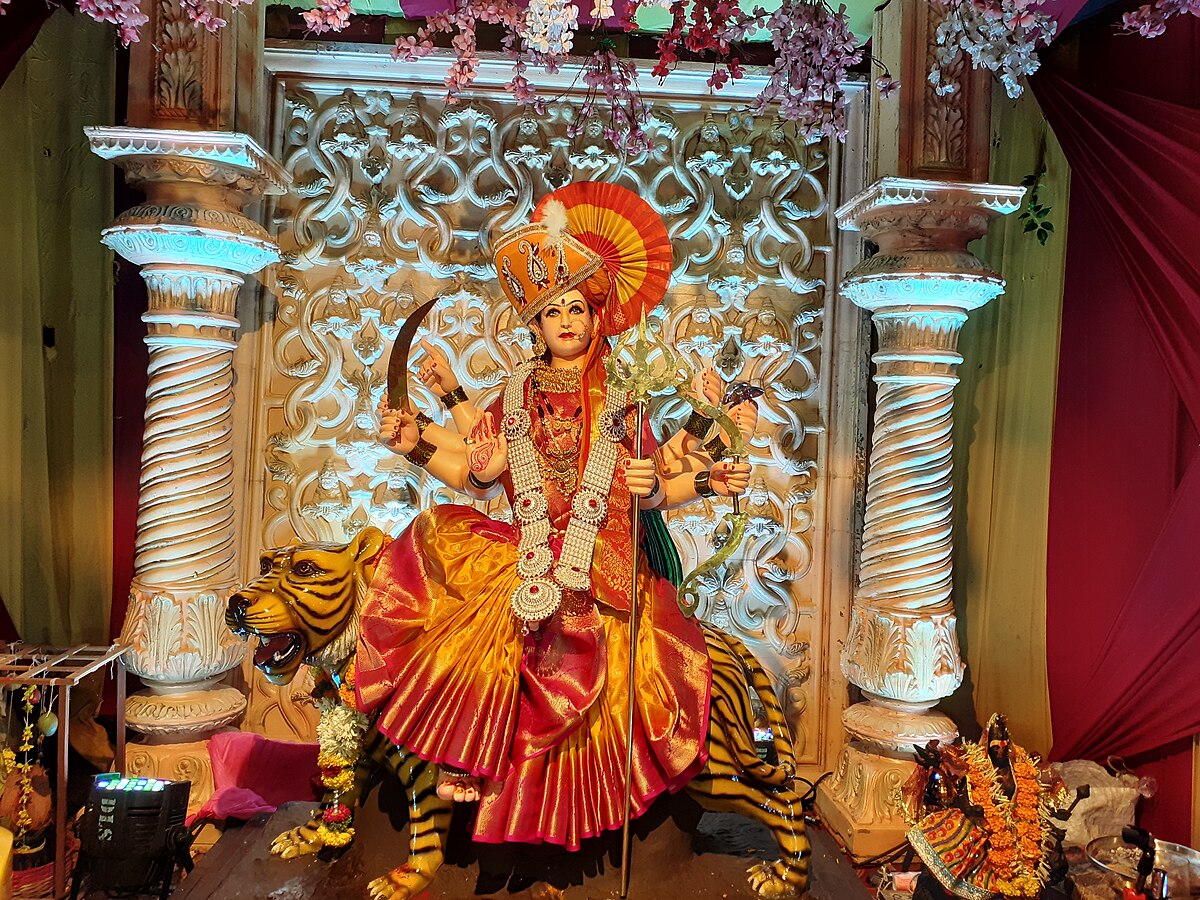
Began to honor Goddess Durga and her victory over Mahishasura, symbolizing the triumph of divine power over negative forces. The festival emphasizes spiritual discipline, self-control, and devotion. Historically, people observed fasting to purify the body and mind.
Temples organize special prayers to invoke strength and protection. Ram Leela performances became an integral part of North Indian Navratri celebrations. These dramas teach moral values and righteous living. Devotees follow disciplined routines during the nine days.
Dussehra
Ayodhya and Kashi region, Uttar Pradesh
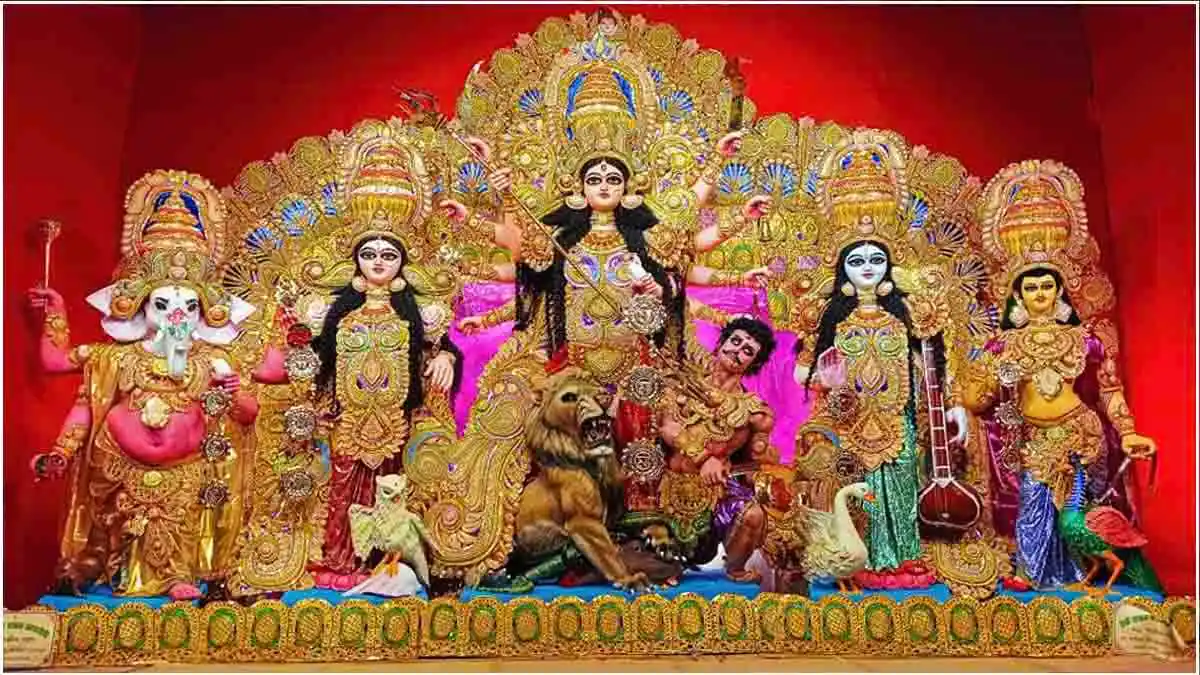
Commemorates Lord Rama’s victory over Ravana, symbolizing the destruction of ego, injustice, and arrogance. The festival developed alongside Ram Leela traditions in North India. Communities use theatrical performances to narrate the Ramayana. Burning Ravana effigies represents the elimination of evil traits within society.
Families gather to witness celebrations and rituals. The festival reinforces ethical values and moral responsibility. Children learn lessons of courage and righteousness. Dussehra encourages self-reflection and justice. It remains a powerful cultural and spiritual event.
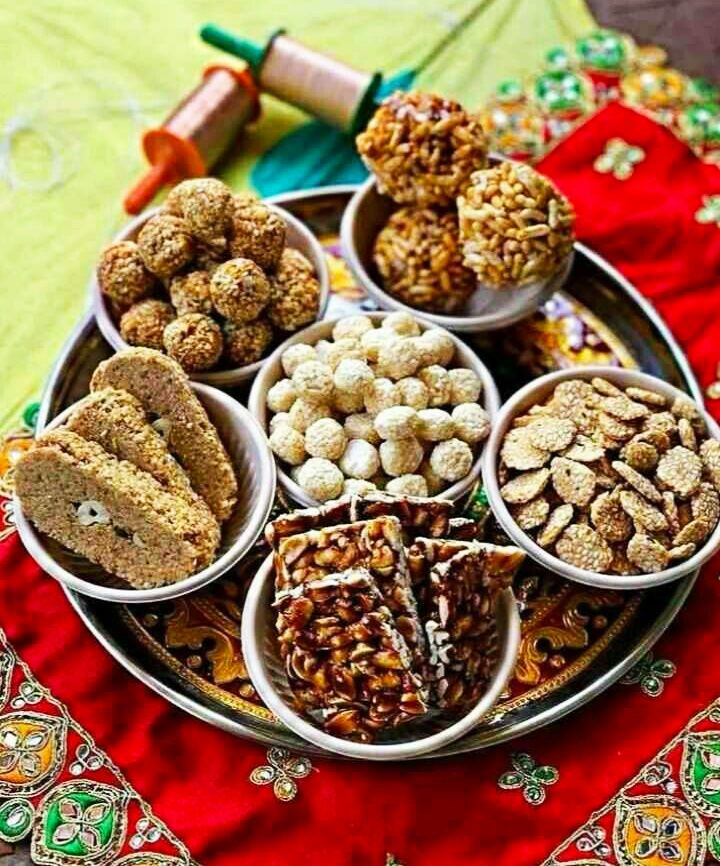
Makar Sankranti
Northern agricultural regions of India
Marks the Sun’s transition into Capricorn, signifying longer days and increased energy. The festival originated as a seasonal and agricultural celebration. Farmers thank nature for successful harvests and prepare for new crops. Sesame and jaggery sweets symbolize warmth and nourishment during winter.
Ritual baths in rivers promote physical and spiritual cleansing. Kite flying represents freedom and joy. Communities come together for shared meals and celebrations. The festival promotes harmony with natural cycles. Makar Sankranti highlights gratitude, health, and balance.
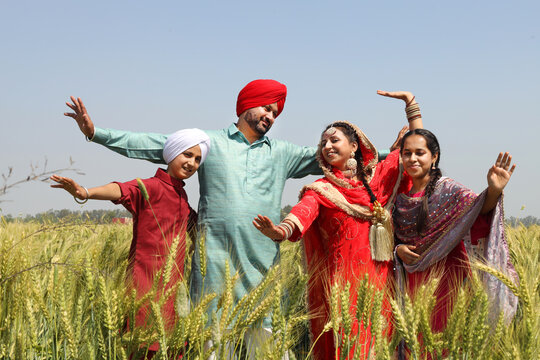
Baisakhi
Punjab
Started as a harvest festival celebrating agricultural abundance. It gained deep religious significance with the formation of the Khalsa in 1699 by Guru Gobind Singh. The festival symbolizes courage, discipline, and equality. Farmers celebrate prosperity and hard work. Sikhs visit gurdwaras to offer prayers and gratitude.
Nagar kirtans spread spiritual teachings through processions. Traditional dances express joy and cultural pride. Community kitchens serve free meals to all. Baisakhi reflects faith, service, and unity.
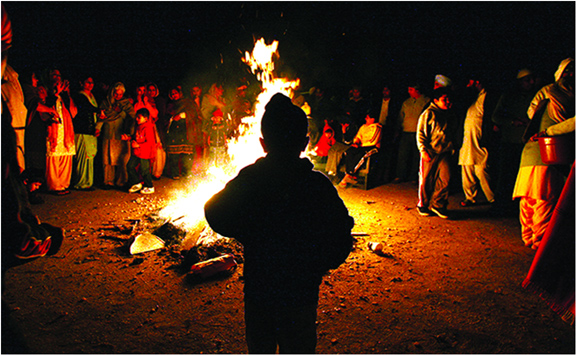
Lohri
Punjab and Haryana
Originated as a winter harvest festival honoring fire and solar energy. The festival marked the end of harsh winter conditions. Farmers celebrated fertility and prosperity. Bonfires symbolized warmth, protection, and renewal.
Folk songs narrated cultural stories and legends. Families offered grains, sugarcane, and peanuts to the fire. The festival strengthened community bonds. Lohri promoted gratitude toward nature. It remains a joyful rural tradition.
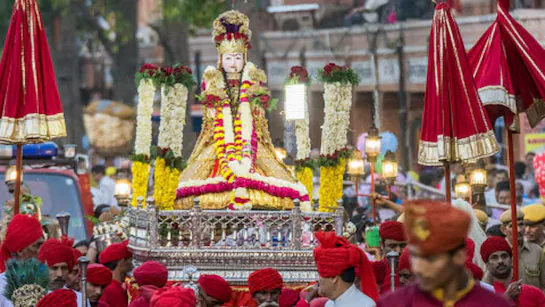
Gangaur
Rajasthan
Celebrates Goddess Gauri and symbolizes marital happiness and fertility. The festival originated as a women-centric ritual seeking family well-being. Married women pray for long and prosperous married lives. Unmarried women seek suitable partners.
Clay idols reflect devotion and creativity. Colorful processions showcase regional culture. Folk songs express emotion and tradition. Community participation strengthens social bonds. Gangaur highlights Rajasthan’s spiritual heritage.
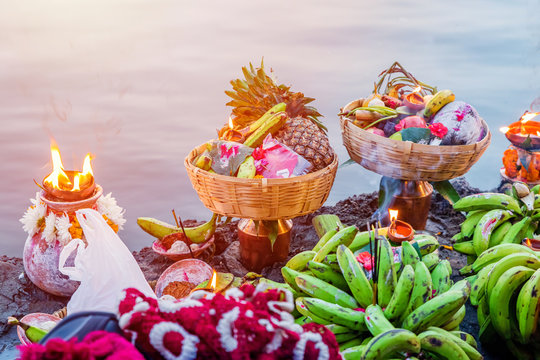
Chhath Puja
Eastern Uttar Pradesh and Bihar
Worships the Sun God as the source of life and energy. The festival originated as a Vedic tradition honoring natural elements. Devotees observe strict fasting and purity rituals. Riverbanks become sacred spaces for offering prayers at sunrise and sunset.
The festival emphasizes discipline and gratitude toward nature. Families participate collectively in preparations. Folk songs express devotion and hope. Chhath Puja strengthens community unity. It highlights environmental respect and spiritual discipline.

Kumbh Mela
Prayagraj, Haridwar, Ujjain, and Nashik
Originated from the mythological churning of the ocean, symbolizing the search for immortality. The festival marks sacred river confluences. Devotees believe ritual bathing cleanses sins and promotes spiritual liberation. Saints and ascetics gather to share teachings.
Akharas lead ceremonial processions. Pilgrims travel from across the country. Spiritual discourses enrich faith. The event promotes religious unity. Kumbh Mela stands as the world’s largest spiritual gathering.
Andhra Pradesh Blogs
- Andhra Pradesh Cultural guide
- Places to visit in Andhra Pradesh
- Places to visit in Andhra Pradesh
- India’s most popular destination
- India’s archaeological marvels