
North India’s Famous Music Forms

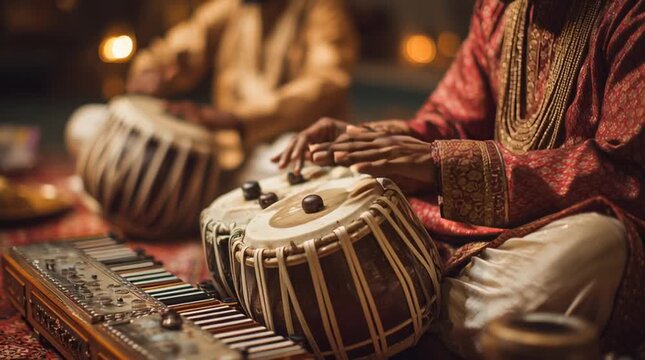
North India’s Famous Music Forms represent a rich blend of classical, folk, and devotional traditions shaped by history, spirituality, and regional culture. These music forms evolved through royal patronage, temple traditions, and community celebrations, actively preserving North India’s artistic legacy and emotional expression.
Wiki Link: North India’s Famous Music Forms
Hindustani Classical Music
Uttar Pradesh, Delhi, Rajasthan
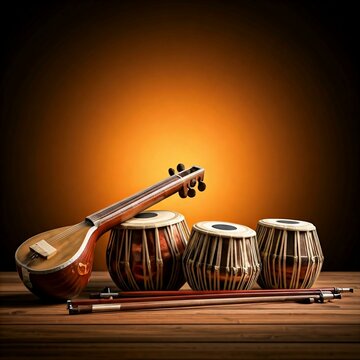
Evolved from ancient Vedic chanting and temple traditions. It developed further under royal patronage during the Mughal period. Musicians structured this form around ragas to express emotions and seasons. Tala systems provided rhythmic discipline and balance.
Oral transmission through guru–shishya tradition preserved authenticity. Performers emphasized improvisation and emotional depth. Instruments like sitar and tabla gained prominence. This music nurtured spiritual and artistic growth. It remains the foundation of North Indian classical music.

Dhrupad
Braj region (Uttar Pradesh, Rajasthan)
Originated as a sacred and meditative form of classical music. It developed in temples to praise deities through sound. The form emphasized purity, discipline, and spiritual control. Musicians focused on slow elaboration of ragas. Royal courts later supported its growth.
The pakhawaj drum defined rhythmic structure. Lyrics often praised gods and kings. Dhrupad demanded vocal strength and control. It remains the oldest surviving classical music form.
Khayal
Delhi and Uttar Pradesh
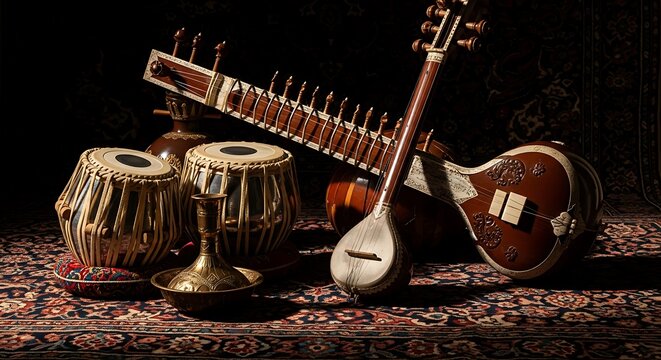
Developed as a flexible and expressive form of Hindustani music. It evolved to allow creativity and improvisation. Musicians used imagination to explore ragas deeply. The form gained popularity in royal courts.
Bandishes formed the base for performance. Tabla accompaniment added rhythmic complexity. Khayal allowed emotional storytelling. Performers expressed personal interpretation. It dominates modern classical concerts.
Thumri
Uttar Pradesh (Lucknow and Varanasi)
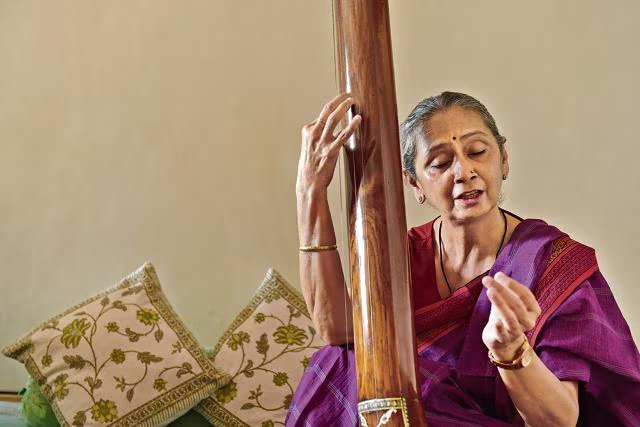
Originated as a semi-classical music form focused on emotion and romance. It developed in royal courts and cultural salons. Lyrics often expressed love and devotion to Krishna. Musicians emphasized expression over strict rules. Light ragas enhanced mood.
Dance traditions influenced its style. Thumri connected music with poetry. It appealed to wider audiences. The form preserved emotional storytelling.

Qawwali
Delhi (Sufi shrines)
Developed within Sufi traditions to spread spiritual teachings. It originated to bring people closer to divine love. Performers used repetition to induce devotion. Harmonium and clapping defined rhythm.
Lyrics praised God and saints. Group singing enhanced energy. The form broke social barriers. Audiences participated emotionally. Qawwali symbolized spiritual unity.

Bhajan
Uttar Pradesh, Rajasthan, Haryana
Originated as devotional singing in temples and homes. Saints used it to spread spiritual teachings. Simple melodies made it accessible. Lyrics praised gods and virtues. Communities sang together during rituals.
Bhajans encouraged devotion and reflection. Instruments supported collective singing. The form promoted moral values. Bhajans remain central to spiritual life.

Kirtan
Uttar Pradesh and Northern India
Evolved as a call-and-response devotional music form. It originated to involve communities in worship. Repetition helped deepen concentration. Groups sang names of deities. Rhythm encouraged participation.
The form reduced barriers between performer and listener. Kirtan promoted unity and devotion. Temples popularized it widely. It strengthened communal spirituality.

Folk Music of Rajasthan (Maand)
Rajasthan
Developed as a royal folk music form. It originated to narrate heroic tales and romance. Musicians sang stories of kings and warriors. The form blended classical and folk styles. Instruments like sarangi supported melodies.
Songs preserved regional history. Performances entertained royal courts. Maand expressed pride and valor. It remains culturally significant.
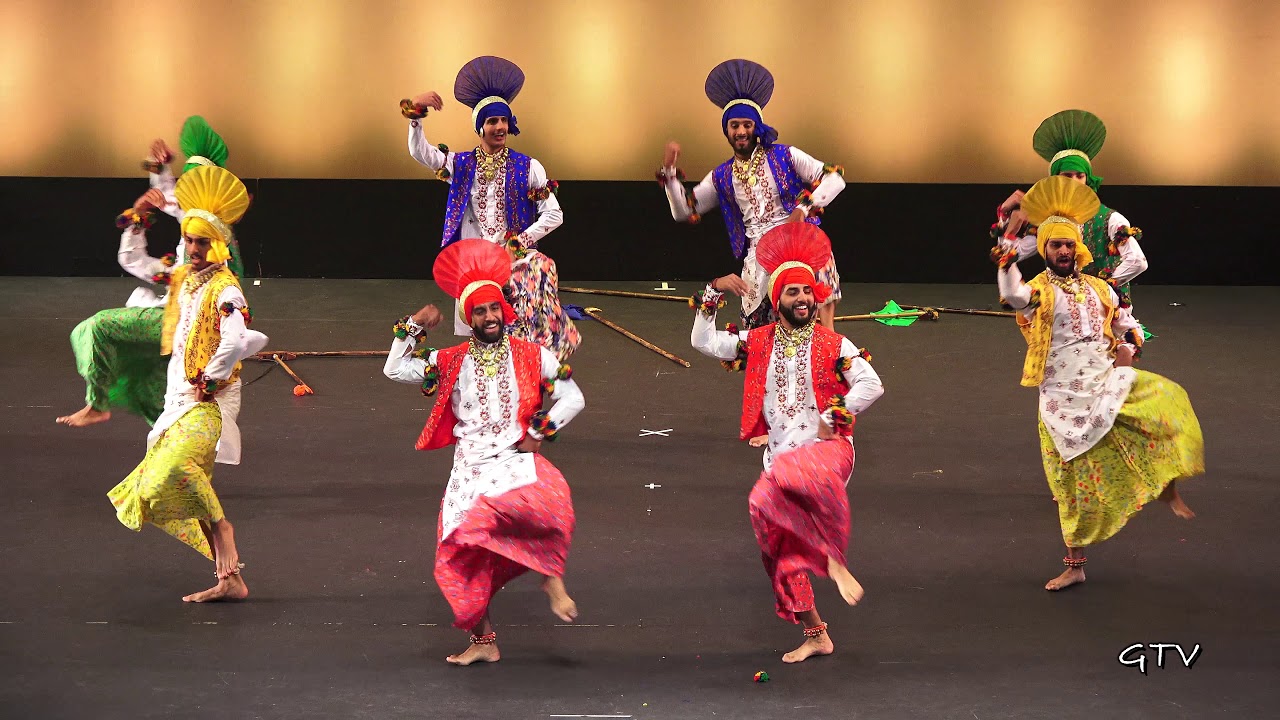
Punjabi Folk Music
Punjab
Folk music originated from agricultural life and seasonal cycles. Farmers sang to celebrate harvests. Lyrics expressed joy and resilience. Instruments like dhol set energetic rhythm.
Music accompanied dances like Bhangra. Songs narrated rural life. The form strengthened community spirit. Punjabi folk gained global reach. It reflects vibrant cultural identity.

Braj Folk Music
Mathura–Vrindavan, Uttar Pradesh
Originated as devotional singing for Lord Krishna. It developed within temple traditions. Songs narrated divine love stories. Simple melodies allowed mass participation. Instruments supported rhythm softly. Festivals popularized performances.
The music connected faith and culture. Communities preserved it orally. It remains spiritually significant.
Andhra Pradesh Blogs
- Andhra Pradesh Cultural guide
- Places to visit in Andhra Pradesh
- Places to visit in Andhra Pradesh
- India’s most popular destination
- India’s archaeological marvels