¤ 10+ minutes Read
Steeped in history and Sikh heritage, Bhatinda – Punjab offers countless experiences for every traveler. Discover ancient forts, sacred shrines, and unique cultural landmarks among the top places to visit in Bhatinda.
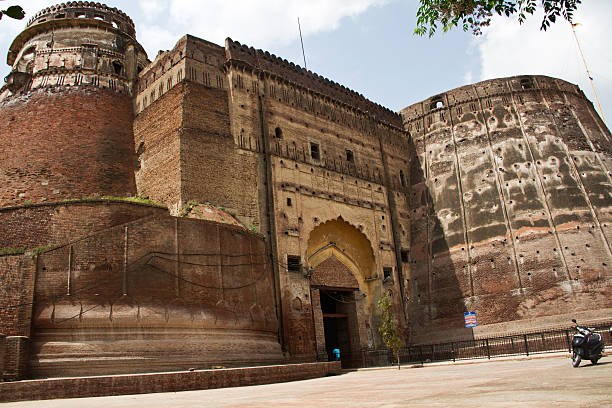
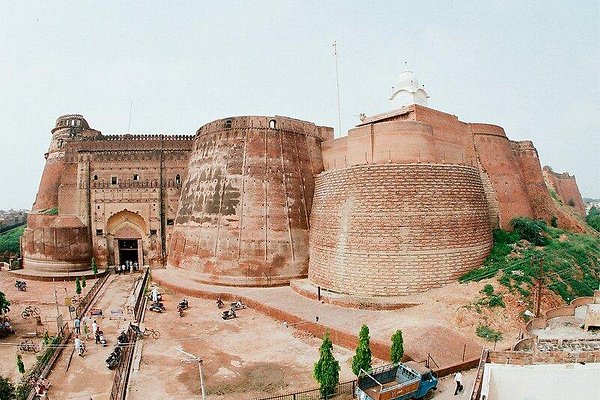
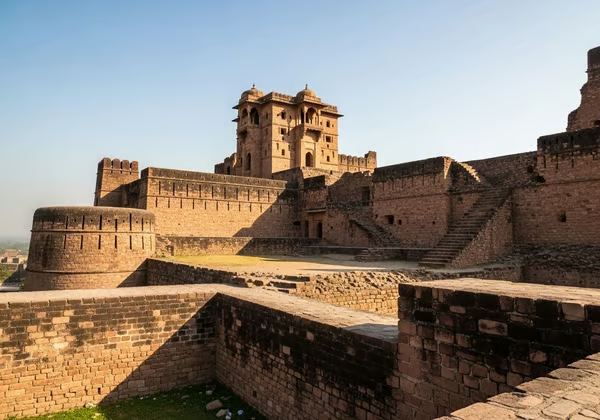
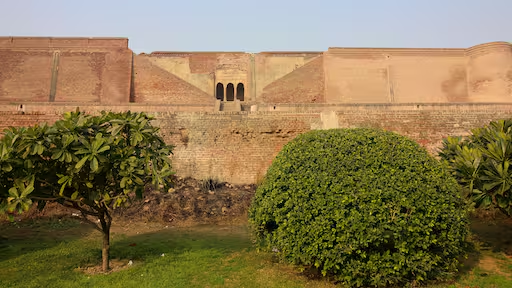
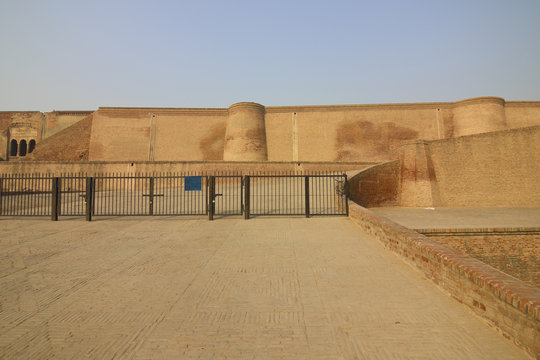
Qila Mubarak stands as the iconic landmark of Bhatinda, dating back to the 11th century and the reign of Raja Dab.
This massive brick fort is one of the oldest surviving structures in Punjab and has witnessed centuries of history, including the visit of Guru Gobind Singh. Within its walls lies the Gurudwara Qila Mubarak, commemorating the Guru’s stay, while the fort’s architecture reflects a blend of Hindu and Mughal styles. Its towering walls and ancient gates continue to captivate historians and tourists alike, offering a glimpse into the region’s glorious past.
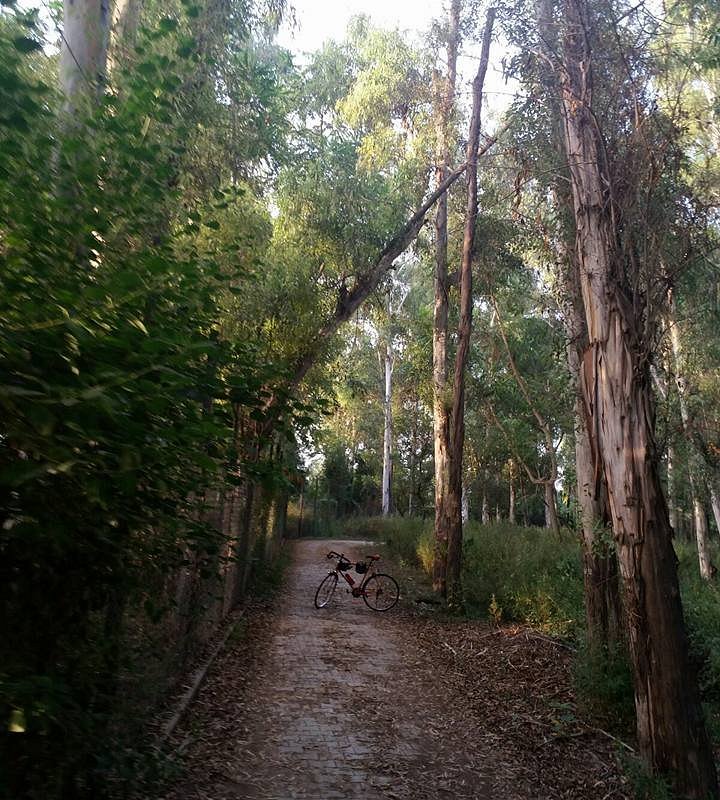
A vast forest area associated with Guru Gobind Singh’s visit and a sacred Sikh pilgrimage site.
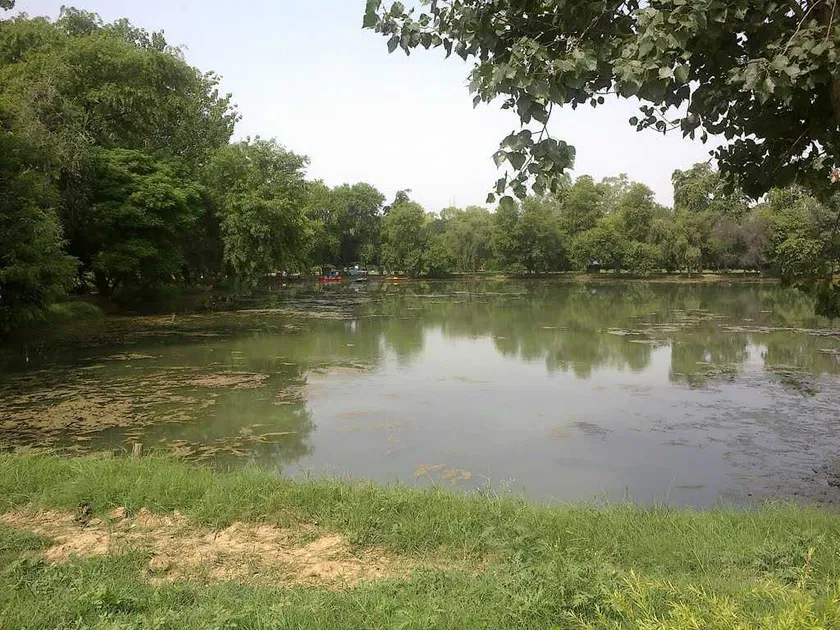
A serene lake surrounded by a mini-zoo, ideal for boating and family outings.
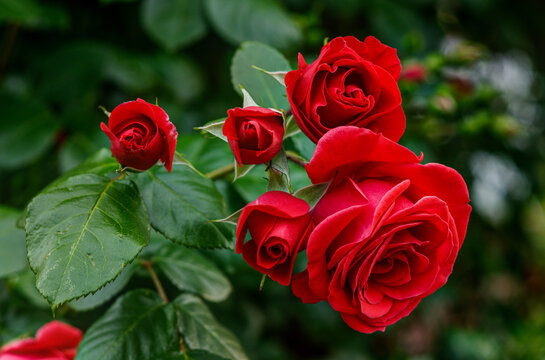
A beautifully maintained garden featuring hundreds of rose varieties and lush green lawns.
A popular recreational spot with water rides, toy trains, and amusement facilities for children.
The Thermal Plant Stadium, officially known as the Guru Nanak Stadium, is a premier multi-sports facility located within the Guru Nanak Dev Thermal Plant complex. It serves as a major hub for cricket matches and athletic events in the city, hosting both local and state-level tournaments.
The stadium is well-maintained with modern amenities, including a good pitch for cricket and tracks for various sports. It also provides a recreational space for plant employees and local sports enthusiasts to engage in physical activities.
The Mazaar of Peer Haji Rattan is a revered Sufi shrine located in Bhatinda, attracting devotees from both Muslim and Hindu communities. This sacred site is dedicated to Peer Haji Rattan, a revered Sufi saint known for his spiritual powers and teachings of communal harmony.
The annual Urs festival celebrated here draws large crowds who come to pay their respects and seek blessings. The mazaar’s peaceful ambiance and architectural simplicity make it a significant symbol of religious unity in the region.
A significant Gurudwara commemorating Guru Gobind Singh’s stay and scripture compilation.
A small zoological park with diverse bird species, deer, and other wildlife.
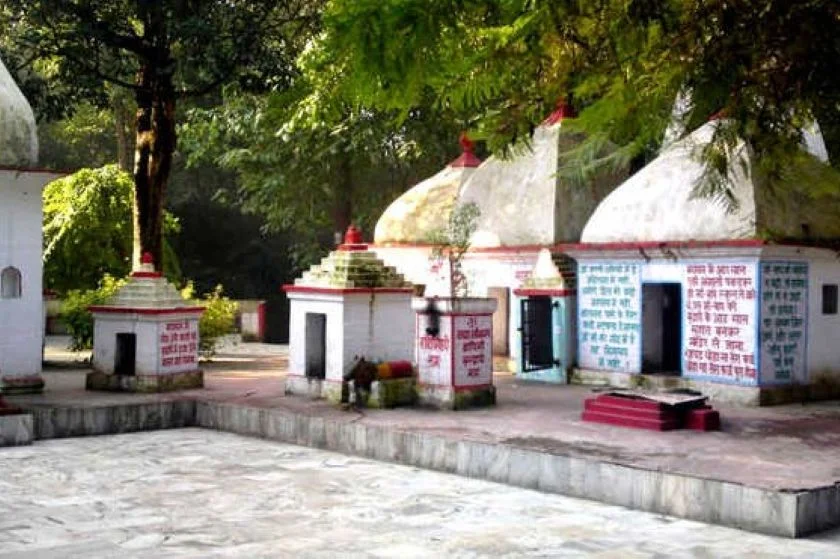
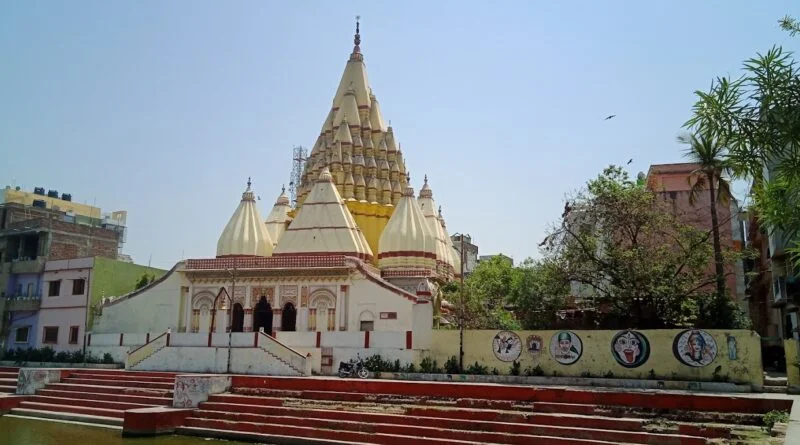
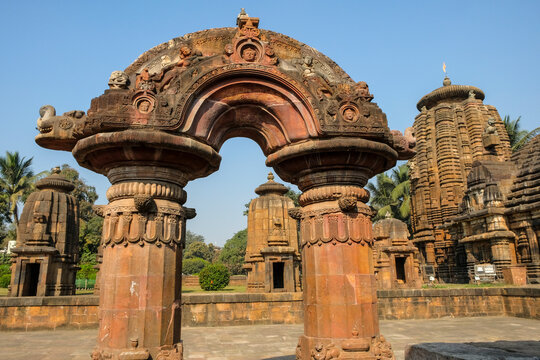
An ancient temple dedicated to Lord Shiva with intricate architecture and sacred pond.
Mata Rajeshwari Devi Mandir is a prominent Hindu temple complex in Bhatinda dedicated to Goddess Rajeshwari, a form of Durga. The temple features striking modern architecture with intricately carved pillars and a serene prayer hall that attracts devotees throughout the year.
Special celebrations during Navratri see the temple beautifully decorated and filled with worshippers seeking the goddess’s blessings. The complex also includes smaller shrines for other deities, creating a complete spiritual environment for visitors.
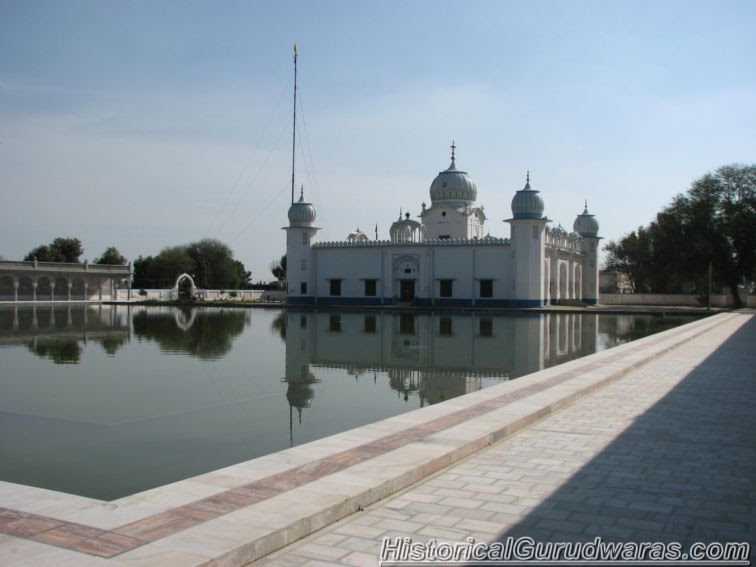
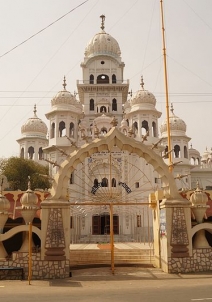
Gurudwara Nanakiana Sahib marks the sacred site where Guru Nanak Dev Ji, the first Sikh Guru, stayed during his travels in the region.
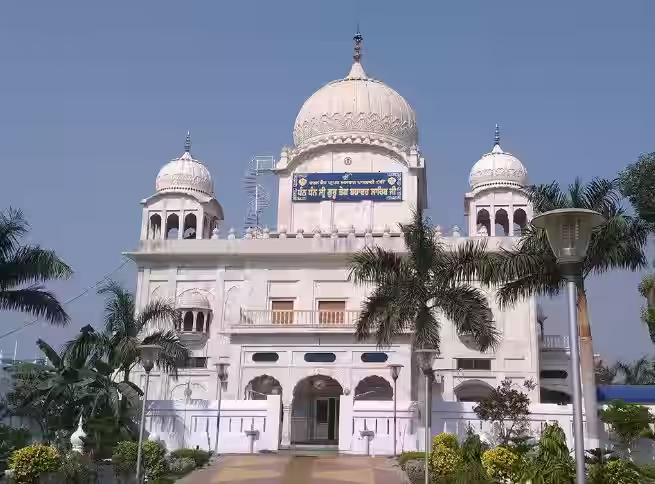
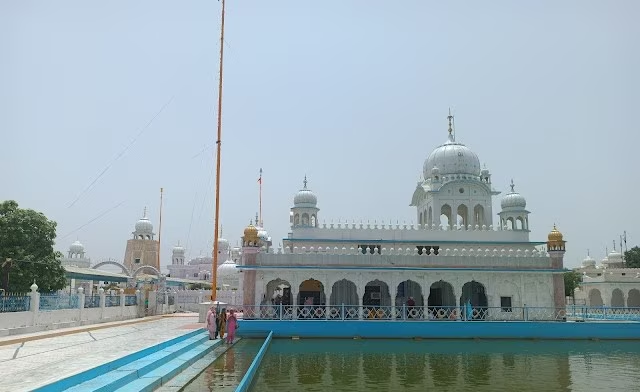
The pristine white marble structure stands as a symbol of peace and devotion, attracting pilgrims and visitors alike. Its serene surroundings and spiritual ambiance offer a perfect setting for meditation and prayer.
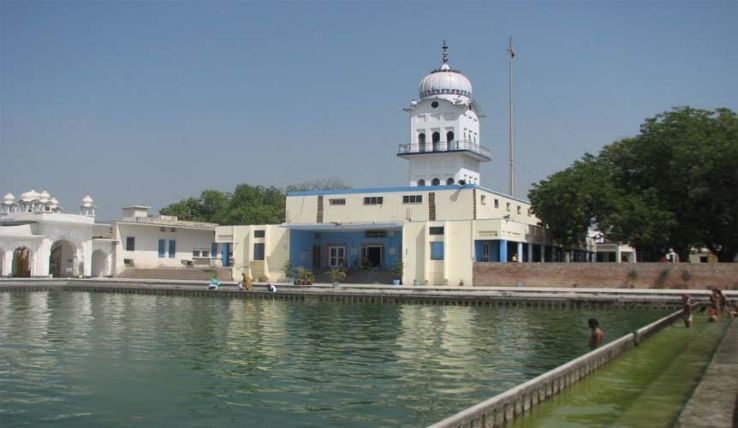
Gurudwara Shri Tuti Gandhi Sahib, located in nearby Faridkot district, holds immense historical significance in Sikhism. This sacred shrine commemorates the visit of Guru Hargobind Sahib, the sixth Sikh Guru, who stayed here during his travels.
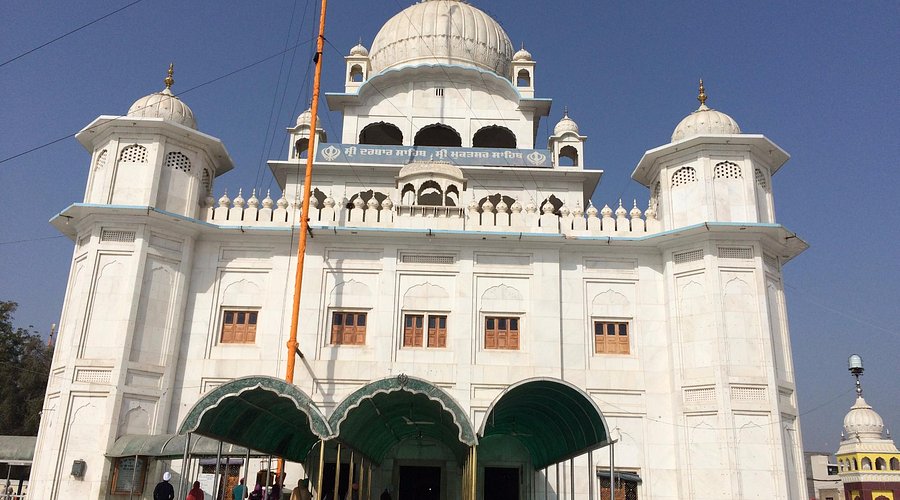
The name “Tuti Gandhi” refers to the broken arm of a devoted follower who selflessly served the Guru, symbolizing unwavering faith and devotion. The Gurudwara complex exudes peace and spirituality, with its white marble architecture and serene sarovar attracting pilgrims year-round.
Malout is a historic town near Bhatinda, famous for its military cantonment and the impressive Malout Fort. The town’s strategic location has given it military importance since colonial times, reflected in its well-maintained cantonment area.
Malout Fort stands as a testament to the region’s architectural heritage, showcasing traditional Punjabi fort construction. The town also serves as a gateway to nearby agricultural lands and offers visitors a blend of historical exploration and rural Punjabi experiences.
A magnificent 18th-century fort with Sheesh Mahal, royal artifacts, and beautiful gardens.
A border town with unique culture, historical sites, and traditional handicrafts.
An ancient temple complex known for its peaceful environment and sacred pond.
A historic fort with rich Sikh heritage and architectural significance.
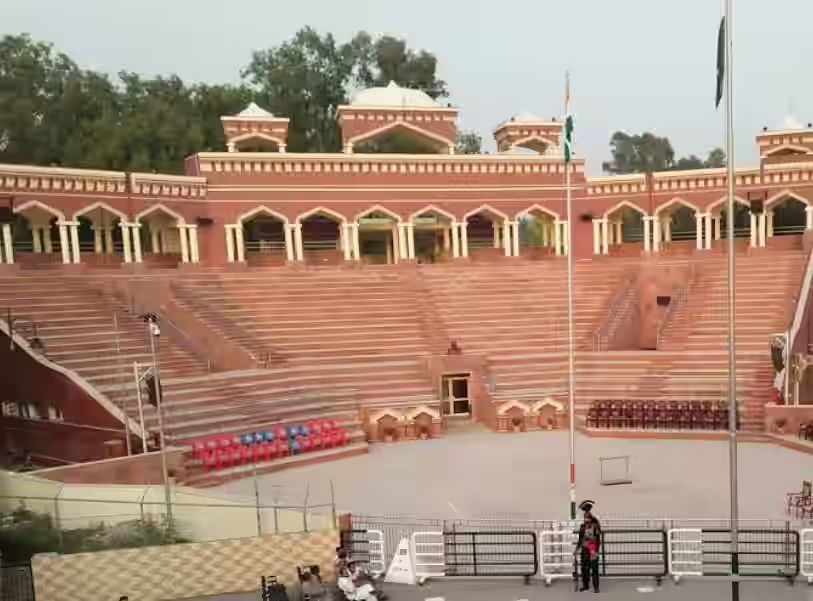
Hussainiwala Border is a prominent Indo-Pak border crossing located near Firozpur in Punjab, approximately 100 km from Bhatinda. This border point is famous for its daily Beating the Retreat ceremony, a patriotic spectacle where soldiers from both nations perform coordinated drills before sunset.
The site also holds historical significance as the cremation place of Indian freedom fighters Bhagat Singh, Rajguru, and Sukhdev, whose samadhi (memorial) attracts countless visitors paying homage to these martyrs.
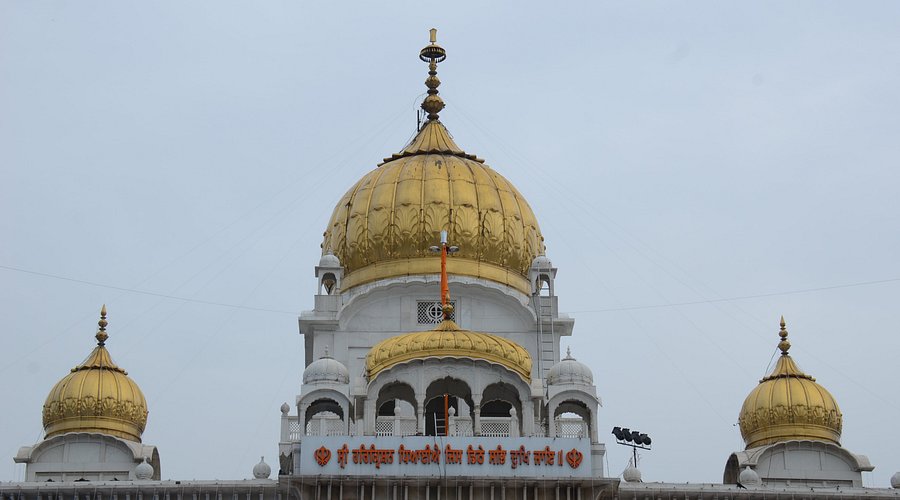
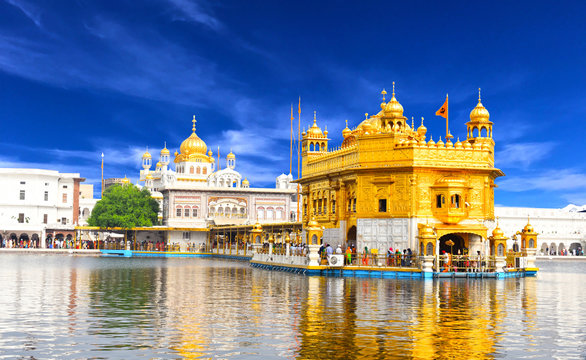
Takht Sri Damdama Sahib, located in Talwandi Sabo near Bhatinda, is one of the five temporal seats of authority in Sikhism. This sacred site holds unparalleled significance as the place where Guru Gobind Singh compiled the final version of the Guru Granth Sahib in 1706.
The Takht complex features magnificent architecture with golden domes and sprawling courtyards that draw millions of devotees annually. It also houses a museum displaying Sikh artifacts, weapons, and manuscripts, making it both a spiritual and educational destination.
A revered Sikh shrine with historical importance and serene ambiance.
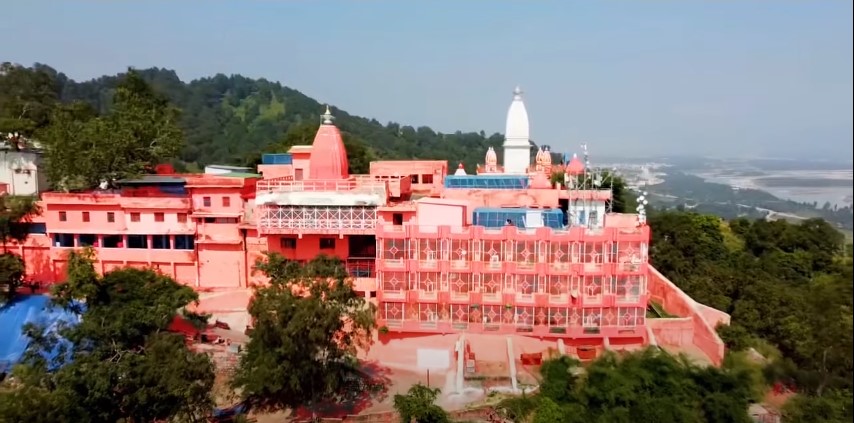
A popular hilltop temple dedicated to Goddess Mansa, offering panoramic views.
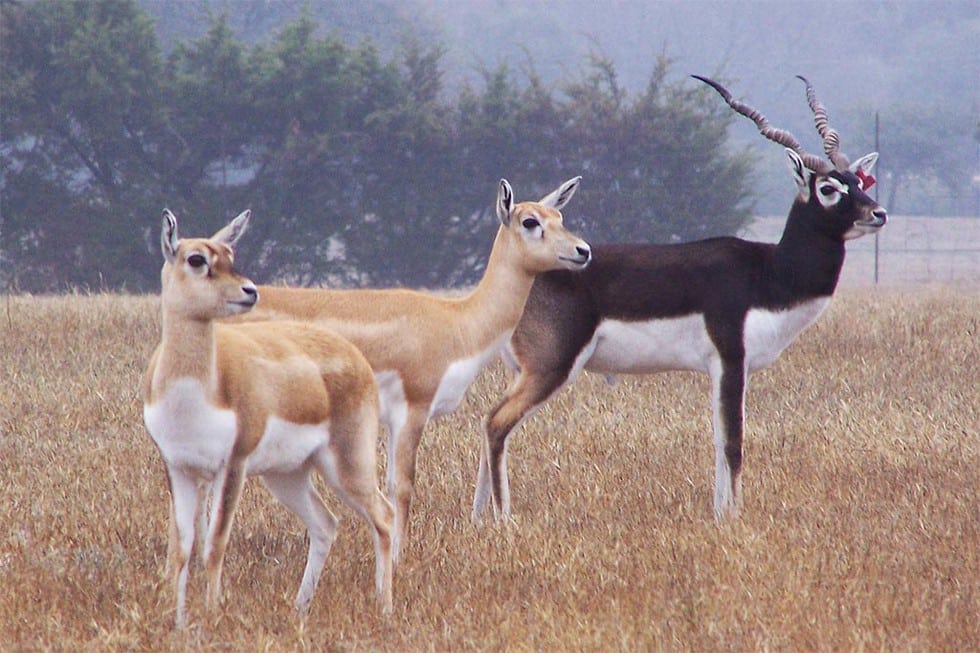
A protected forest area home to blackbucks, deer, and diverse bird species.
Gurudwara Shri Phaphre Sahib, situated in the Mansa district near Bhatinda, is a historic Sikh shrine with deep spiritual roots. This sacred site commemorates the visit of Guru Tegh Bahadur, the ninth Sikh Guru, who stayed here during his travels through the Malwa region.
The Gurudwara derives its name from the “phaphre” (wooden planks) used to construct the original platform where the Guru sat. Today, the serene white marble complex with its peaceful surroundings attracts devotees seeking spiritual solace and historical connection.