¤ 10+ minutes Read
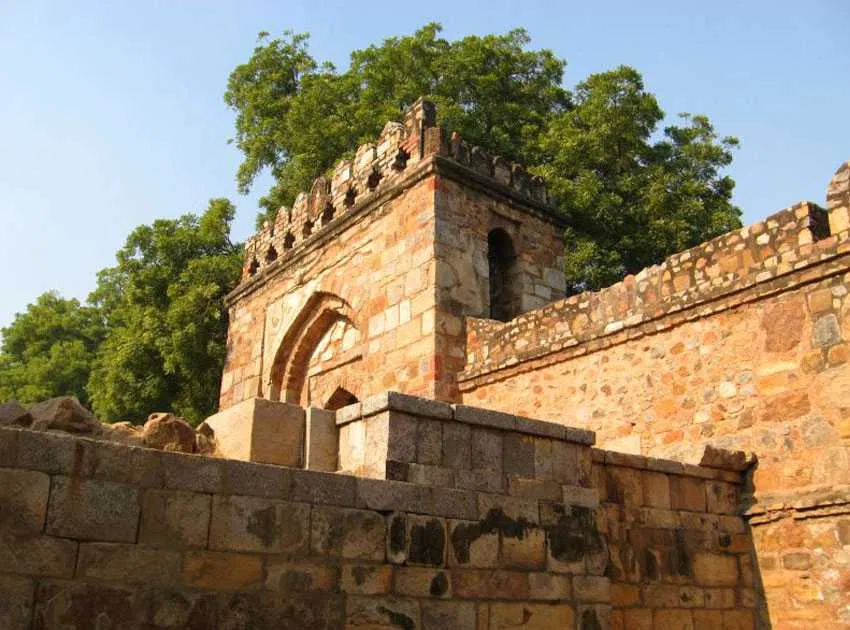
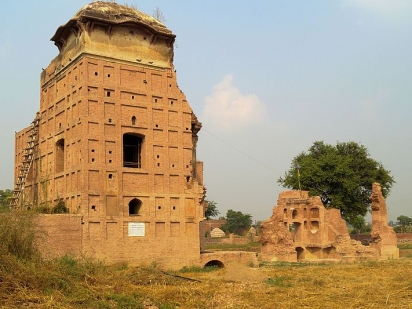
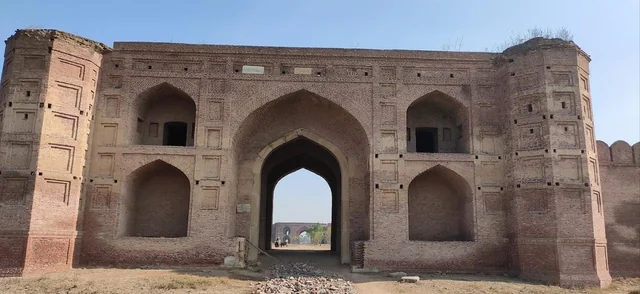
A 15th-century Lodhi dynasty fort, now a historical landmark within Punjab’s premier agricultural university campus.
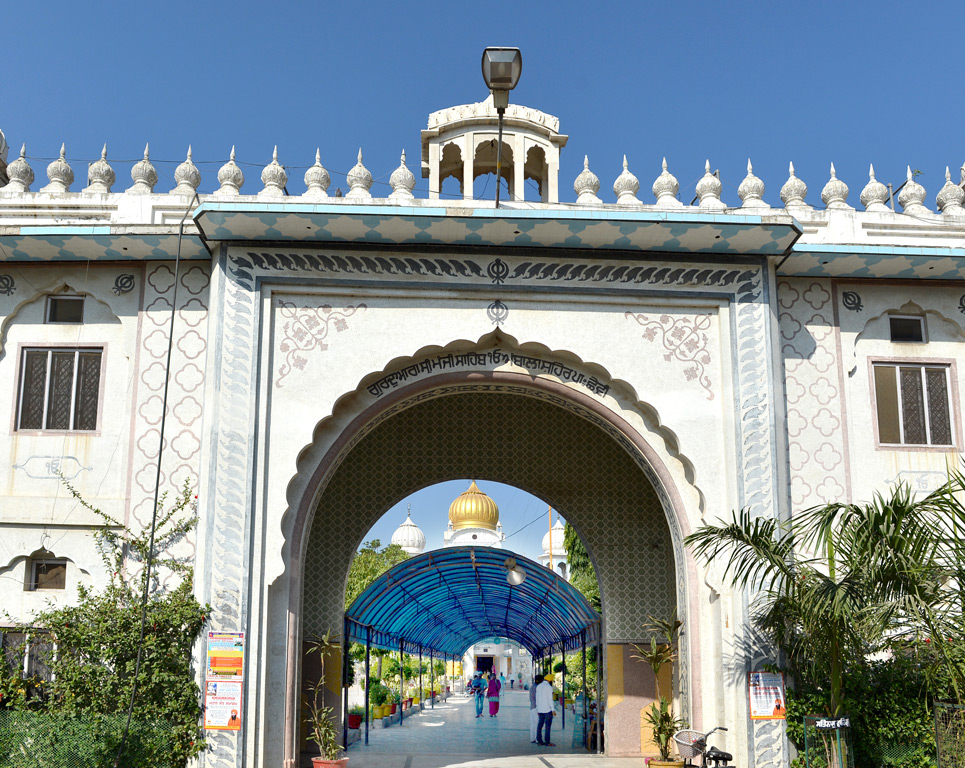
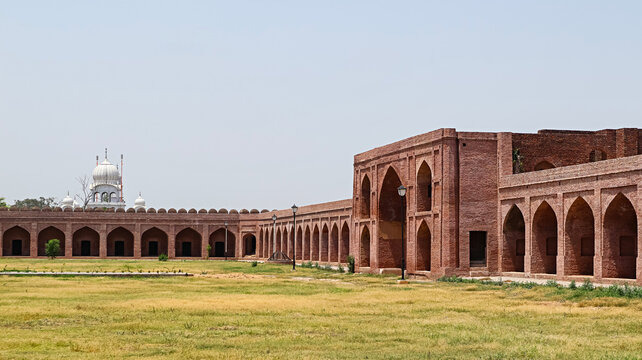
A revered Sikh shrine commemorating Guru Hargobind Sahib’s visit, offering spiritual solace and stunning architecture.
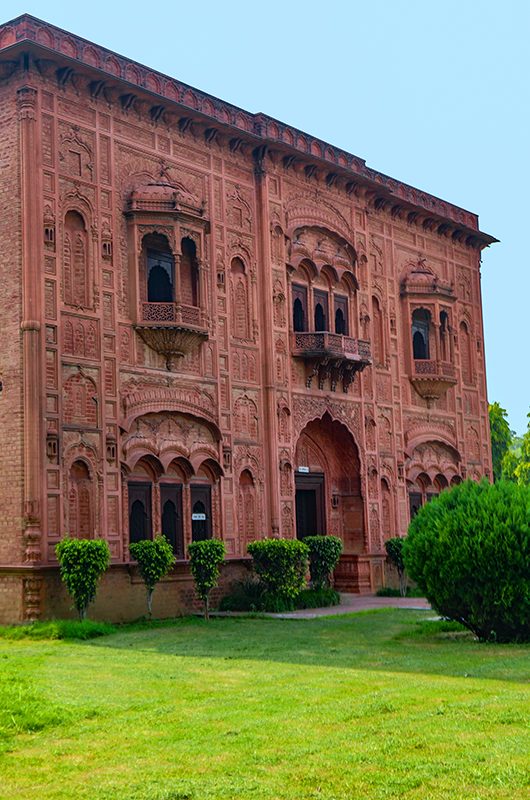
A vibrant museum preserving Punjab’s rural heritage through folk artifacts, textiles, and life-size village displays.
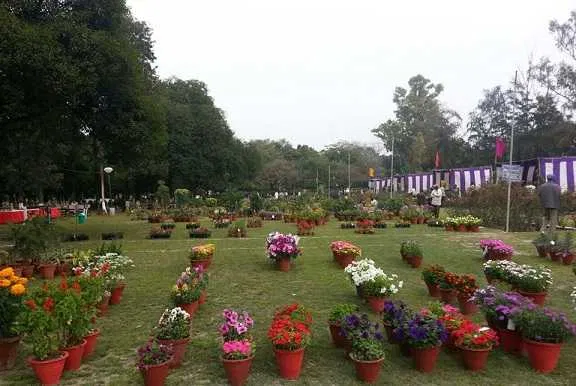
Asia’s largest rose garden, featuring 1,600+ rose varieties in a stunning floral display.
A historic pilgrimage town 50 km away, home to the sacred Gurudwara Fatehgarh Sahib commemorating Guru Gobind Singh’s martyred sons.
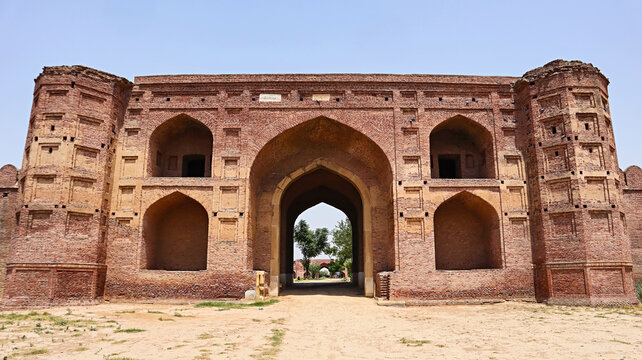
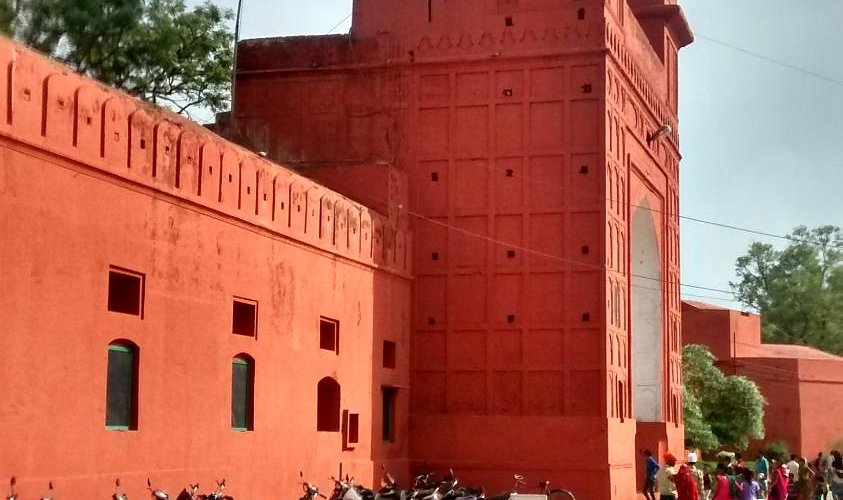
A 17th-century fort on Grand Trunk Road, built by Sher Shah Suri and later a Sikh outpost under Maharaja Ranjit Singh.
A historic town where Guru Gobind Singh Ji rested after escaping Chamkaur, marked by the sacred Gurudwara Charan Kamal.
A historic town featuring the beautiful Mughal-era Tomb of Nur Mohammad and several ancient temples and gurudwaras.
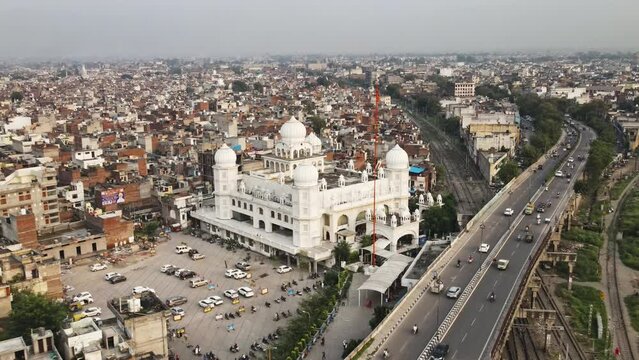
Ludhiana offers a mix of industrial exploration, spiritual experiences, and vibrant Punjabi culture. From bustling markets to serene gardens, the city has something for every traveler.
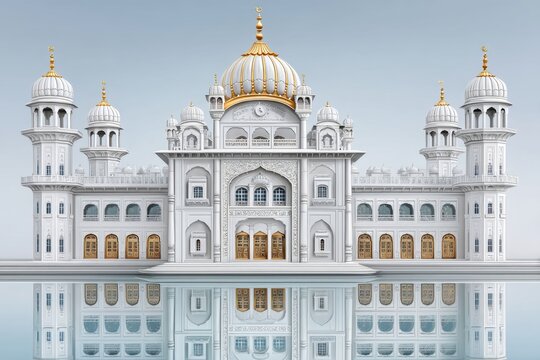
Visit serene gurudwaras like Shri Manji Sahib to experience Punjab’s spirituality and partake in the community langar meal.
Explore heritage and war museums showcasing Punjab’s rich folk traditions, history, and martial valor through fascinating exhibits.
Relax amidst lush greenery at the sprawling Nehru Rose Garden or peaceful Deer Park for a refreshing escape.
Browse Ludhiana’s famous textile markets like Chaura Bazaar for quality woolens, hosiery, and fabrics at wholesale prices.
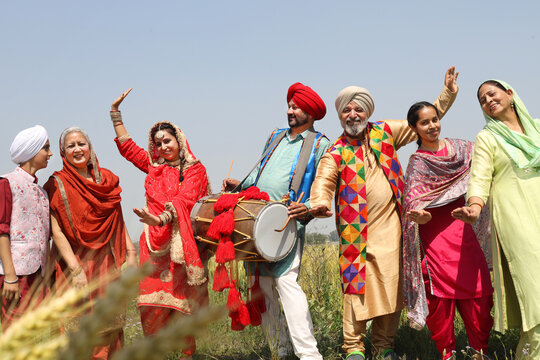
Ludhiana, being at the heart of Punjab, is a vibrant center for Punjabi folk music and dance. The city’s cultural scene is lively, especially during festivals and weddings, where traditional art forms are performed with great enthusiasm.
Bhangra Music
Giddha Music
Mahiya & Tappe
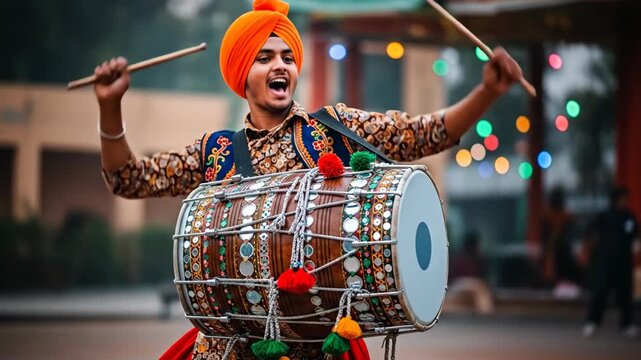
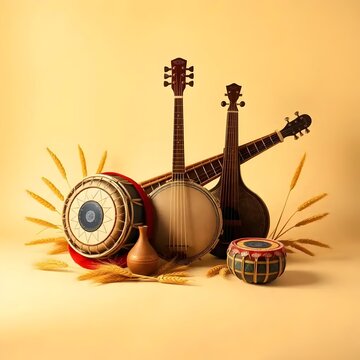
Punjab is the birthplace of the energetic Bhangra music, characterized by the powerful beats of the dhol and soulful lyrics that celebrate harvest, love, and valor. The region is also renowned for its folk traditions like Mahiya and Tappe, which are short, romantic couplets often sung spontaneously at social gatherings. Additionally, the spiritual strains of Sufi and Qawwali music, echoing the poetry of Bulleh Shah and other saints, have a profound and dedicated following across Ludhiana.
Bhangra
Giddha
Jhumar
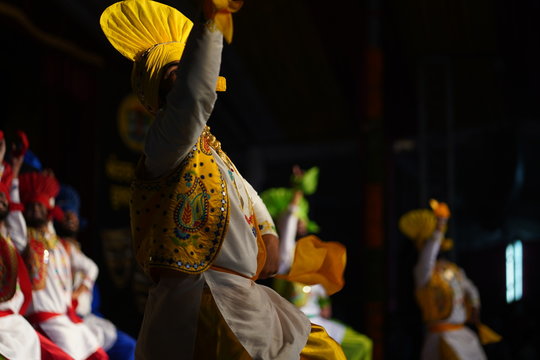
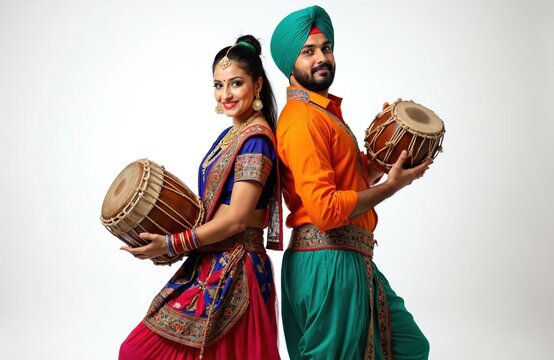
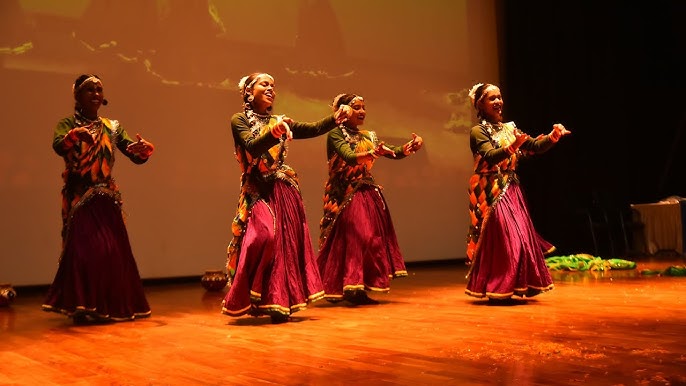
Bhangra stands as the iconic harvest dance of Punjab, performed with tremendous energy and vigor during festivals like Baisakhi, featuring high jumps and rhythmic shoulder movements. Giddha, the graceful counterpart performed by women, involves elegant clapping, singing of folk songs (boliyan), and playful enactments of daily life. Other traditional forms like the slower, more dignified Jhumar and the simple yet elegant Sammi dance further enrich the region’s diverse dance heritage.
Ludhiana is a city of contrasts – where the relentless hum of textile mills meets the spiritual calm of its gurudwaras, and bustling commercial streets lead to peaceful gardens. The city pulses with an energetic, can-do spirit, yet retains the warm, hearty, and vibrant soul of Punjab. It’s a place where business deals are made over glasses of lassi, and the day ends with the soulful melodies from a local gurudwara.
Ludhiana’s heritage is layered, with roots in the Lodhi dynasty and later shaped by the Sikh Empire under Maharaja Ranjit Singh. The city grew from a small village into a major trading post. Its heritage is preserved in landmarks like the Lodhi Fort, in the historical significance of nearby towns like Fatehgarh Sahib, and in the rich folk traditions meticulously showcased in its museums.
Ludhiana is a food lover’s paradise, offering the heartiest and most flavorful dishes of Punjabi cuisine. From street food to elaborate meals, the city’s food scene is legendary.
A creamy, mildly spiced tomato-based chicken curry that originated in Punjab and is a must-try in Ludhiana’s dhabas.
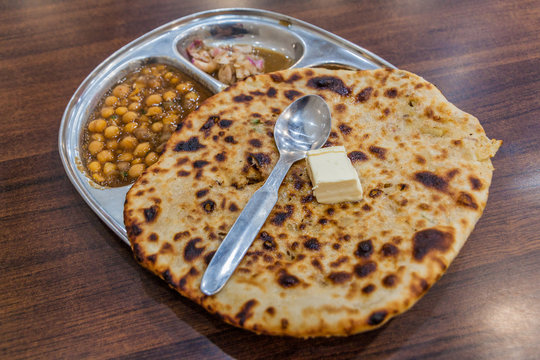
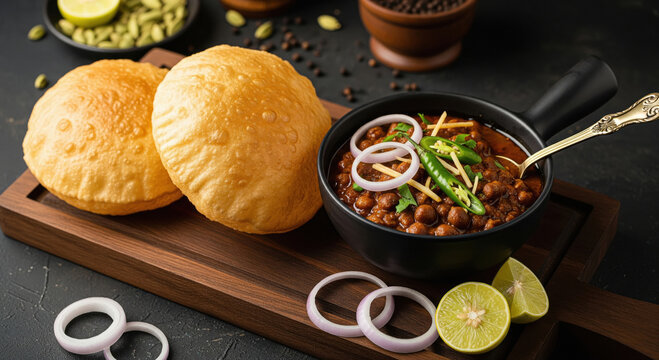
A stuffed, crispy flatbread served with spicy chickpeas and tangy chutney, beloved as breakfast and snack across Ludhiana.
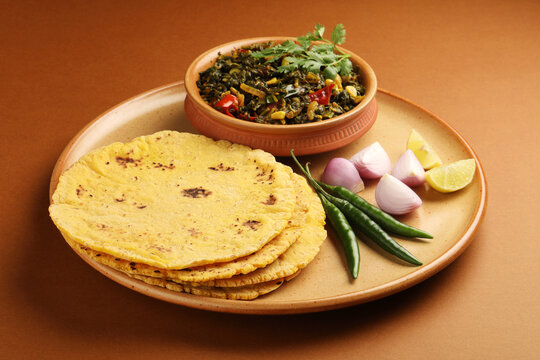
The quintessential winter delicacy featuring mustard green curry served with cornmeal flatbread and generous butter.
An indulgent dish of spicy chickpea curry served with large, puffy fried bread, a staple of Punjabi weekends.
Ludhiana is a shopper’s delight, especially for textiles. The city’s markets are vibrant, offering everything from world-class woolens to traditional Punjabi juttis.
Ludhiana is famous for its hosiery, woolen garments, and ready-made clothes at Chaura Bazaar, Ghumar Mandi, and Focal Point.
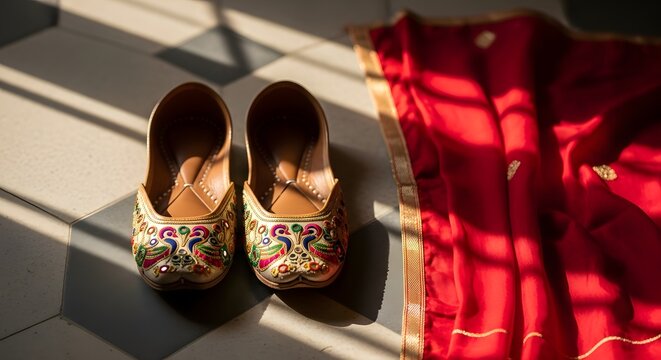
Shop for intricately embroidered traditional Punjabi leather footwear available in various designs and colors at local markets.
Ludhiana is known for manufacturing bicycle parts, sewing machines, and agricultural implements found in specialized markets.
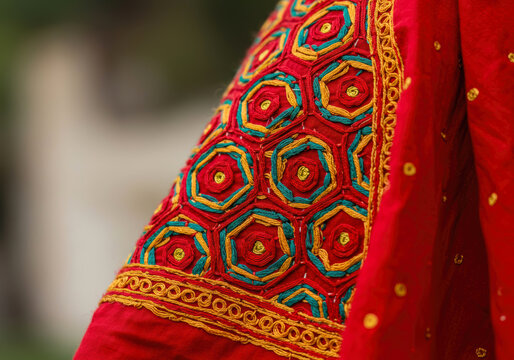
Look for beautiful Phulkari embroidery work on dupattas and suits at local emporiums and handicraft shops.
The ideal time to visit Ludhiana is from October to March. The winter months (Nov-Feb) are cool and pleasant, perfect for sightseeing and exploring the city. October and March offer comfortable transitional weather. Summers (April-June) are extremely hot, and the monsoon season (July-September) brings humidity and heavy rainfall.
Traffic Awareness: Ludhiana has heavy traffic congestion. Be extremely cautious while crossing roads and during peak hours.
Crowded Markets: Keep your belongings secure, especially in busy markets like Chaura Bazaar, to avoid pickpocketing.
Food & Water: Enjoy the street food, but choose busy, hygienic vendors. Drink only packaged drinking water.
Respect Gurudwara Etiquette: When visiting gurudwaras, cover your head, remove shoes, and dress modestly.
Road Trips: If driving to nearby attractions, be mindful of road conditions and traffic on the highways.
Weather Precautions: Carry light woolens in winter and stay hydrated if visiting during the hotter months.
Auto-rickshaws and cycle-rickshaws are the most common and convenient modes of transport for short distances within the city. App-based cab services (like Ola and Uber) are also available. Local buses connect different parts of the city and are economical. For exploring nearby attractions, hiring a taxi for the day is recommended.
Overcharging by Auto-Rickshaws: Always negotiate the fare before starting your journey or insist on using the meter, as overcharging is common.
Taxi Fare Haggling: For outstation trips, get quotes from multiple taxi operators or book through reputable apps to avoid being overcharged.
Counterfeit Goods: In textile markets, be wary of extremely cheap products that may be of lower quality than advertised. Check the material and stitching before buying.
Touts at Bus/Railway Stations: Avoid touts offering unsolicited help with accommodation or transport. Use pre-paid services or book through verified platforms.
Fake Guides: There are no official guides for most city attractions. Be cautious if someone offers guided tours at a price.
Shopkeeper Tactics: In tourist-heavy shops, prices may be inflated. Bargaining is expected and advisable in local markets.
Punjab Cultural Guide
Places to Visit in Ludhiana
Places to Visit Nearby Ludhiana
India’s Most Vibrant Cities
India’s Culinary Destinations
Punjab Cultural Guide: Bhangra, Food & Festivals
The Textile Trail: Shopping in Ludhiana
Punjabi Cuisine: A Food Lover’s Guide
Spiritual Punjab: Gurudwaras Around Ludhiana