¤ 10+ minutes Read
Patiala, a vibrant city steeped in royalty and tradition, is a cultural jewel of Punjab. Known for its majestic palaces, colorful bazaars, and rich sporting heritage, Patiala offers visitors a fascinating glimpse into the opulent lifestyle of the Patiala royal family. From the iconic Patiala Shahi turban to the famous Patiala peg, this city has given the world a legacy of grandeur, chivalry, and zest for life that continues to captivate travelers.
Wiki Link: Patiala wiki page
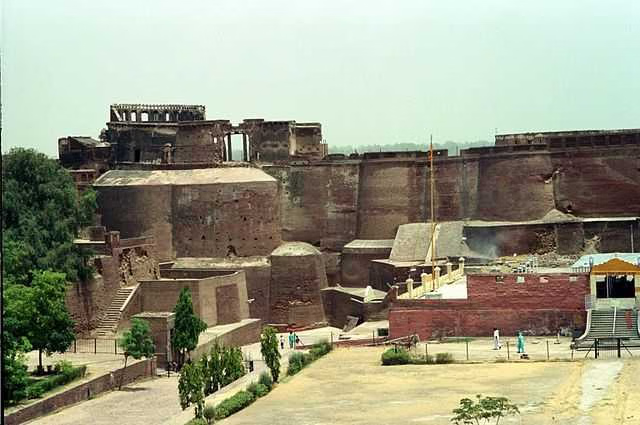
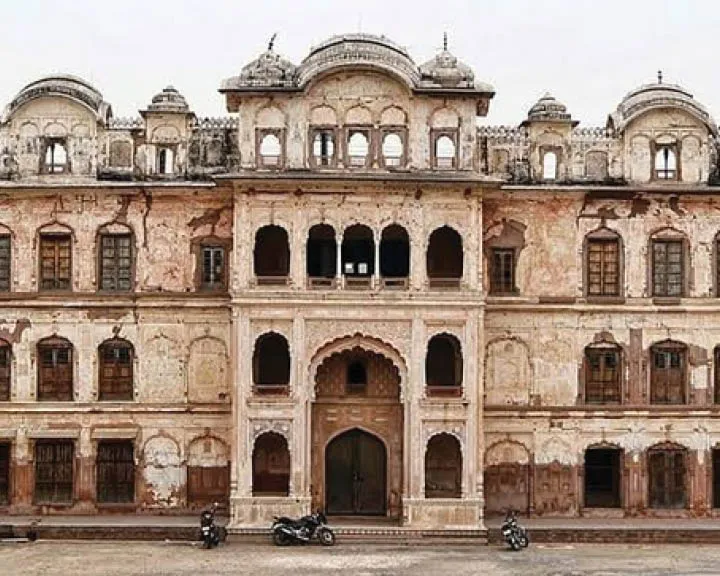
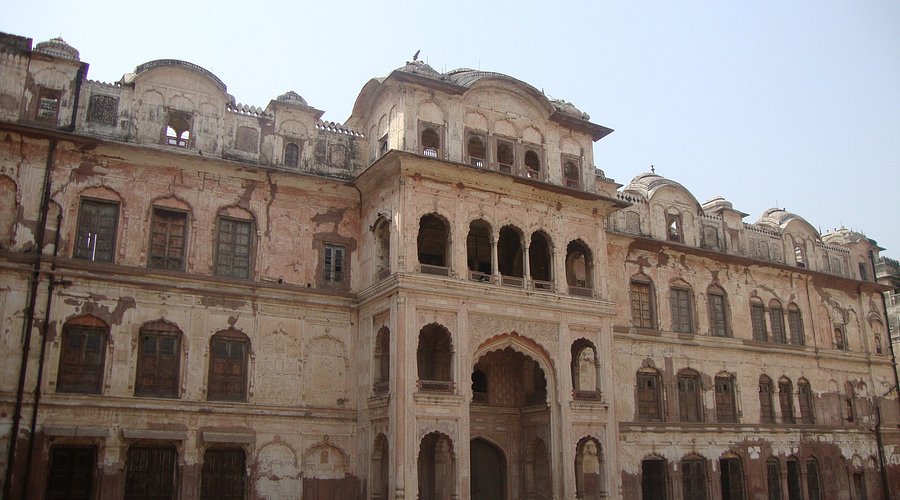
The historic fort complex that served as the royal seat of Patiala’s founding dynasty.
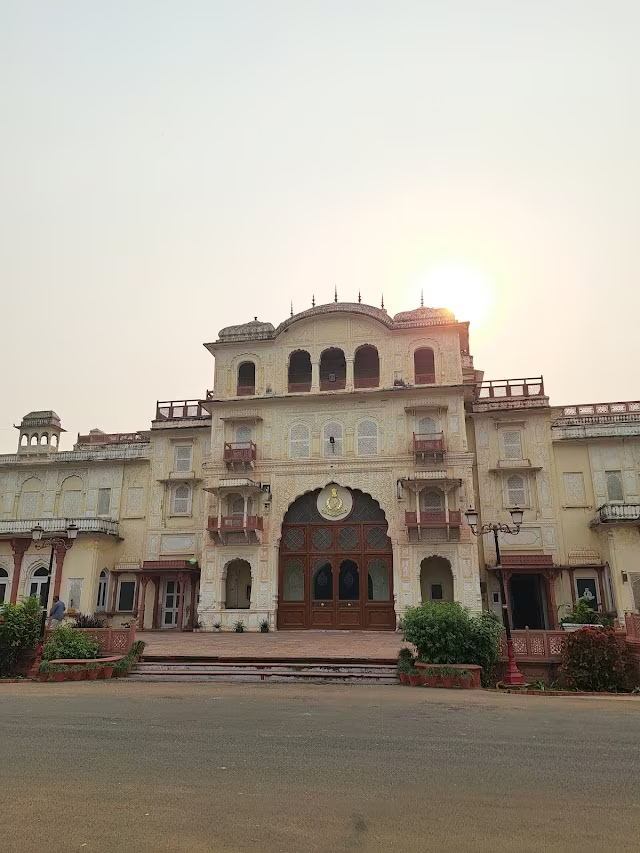
A stunning palace adorned with intricate mirror work and exquisite frescoed walls.
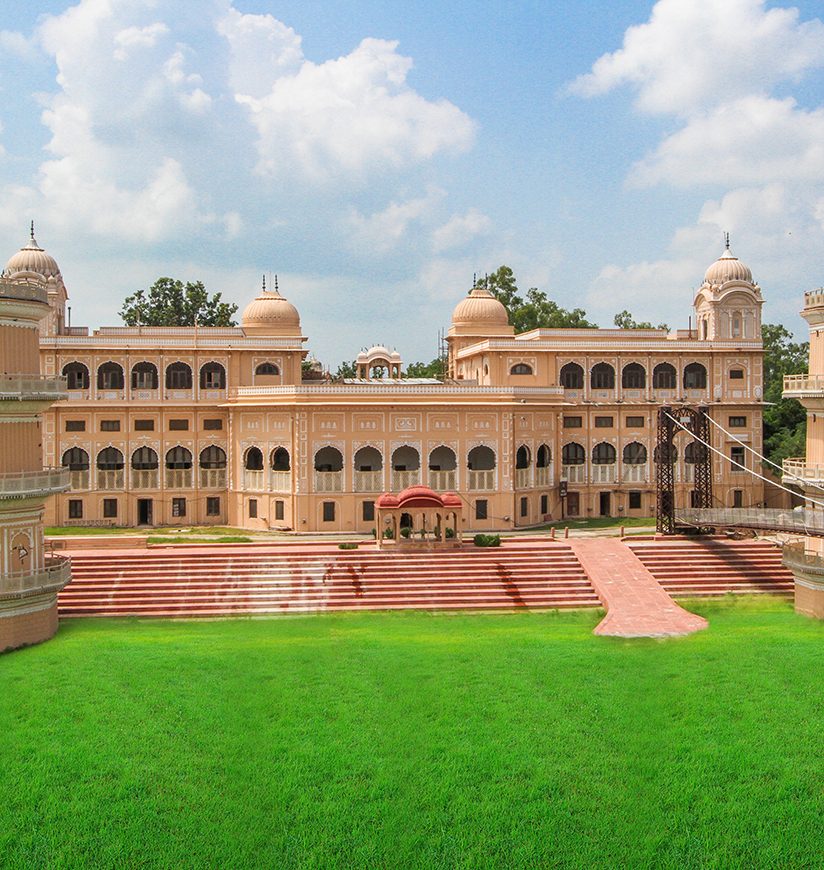
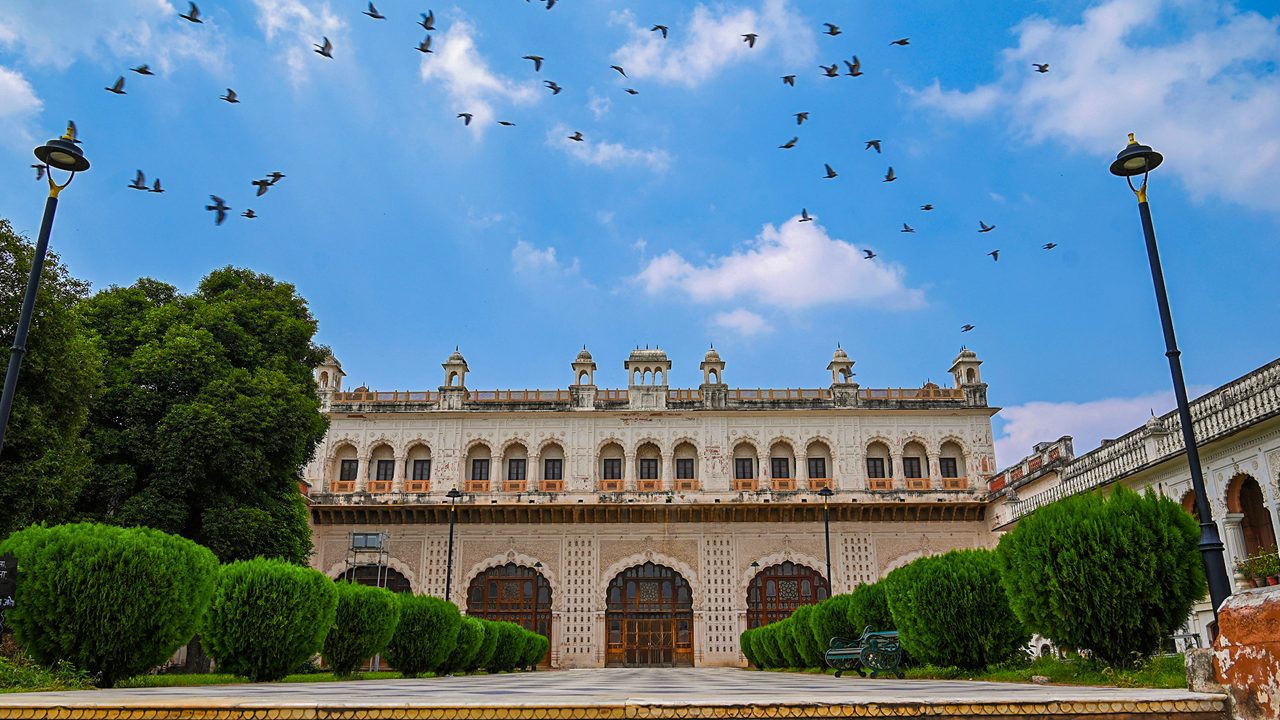
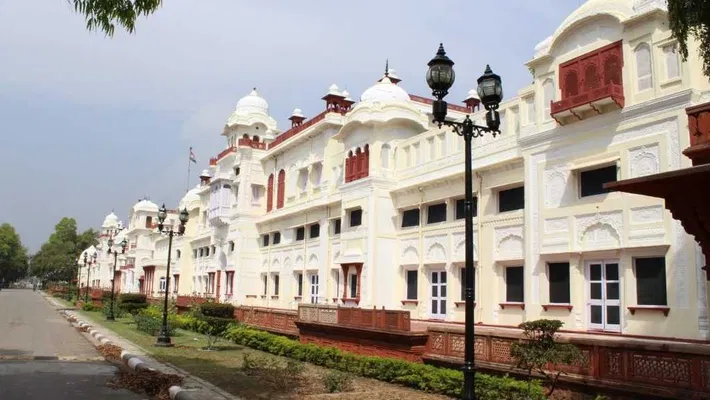
The grand royal residence now housing the National Institute of Sports and museum.
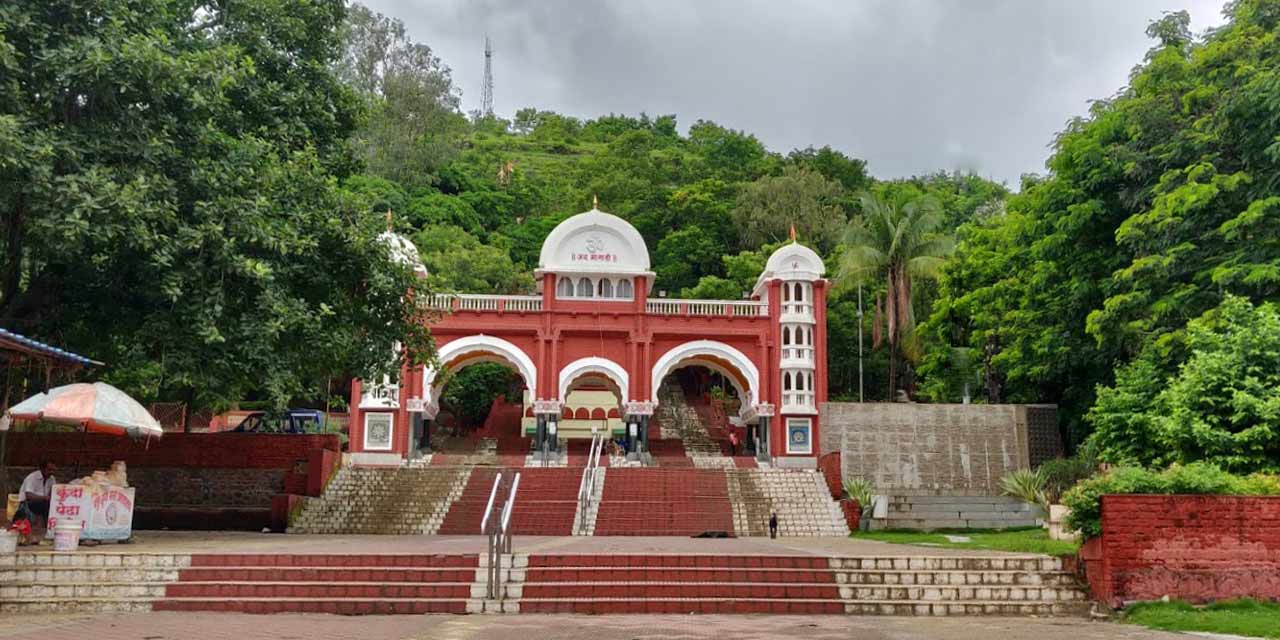
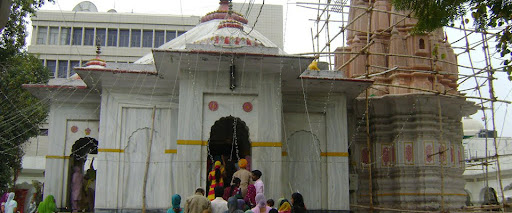
A famous hilltop temple dedicated to Goddess Kali with panoramic city views.
A sprawling green haven home to deer, peacocks, and various bird species, perfect for nature walks and a peaceful escape from the city hustle.
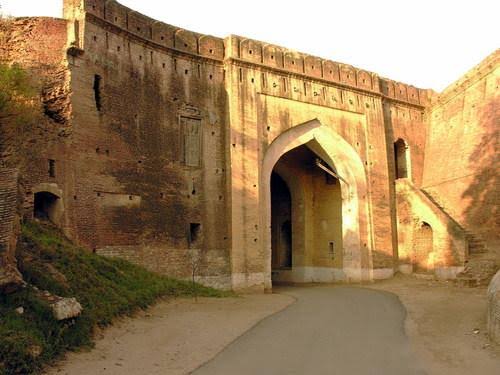
An ancient fort with a rich history, showcasing the architectural prowess of the region and offering insights into Punjab’s past.
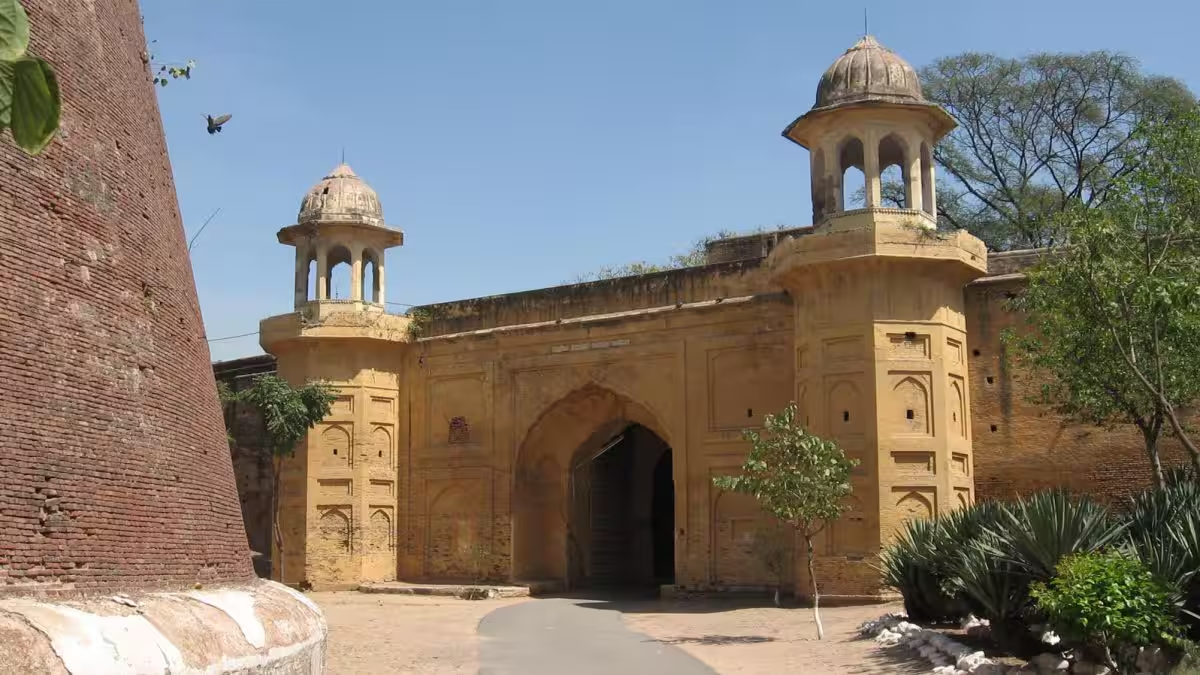
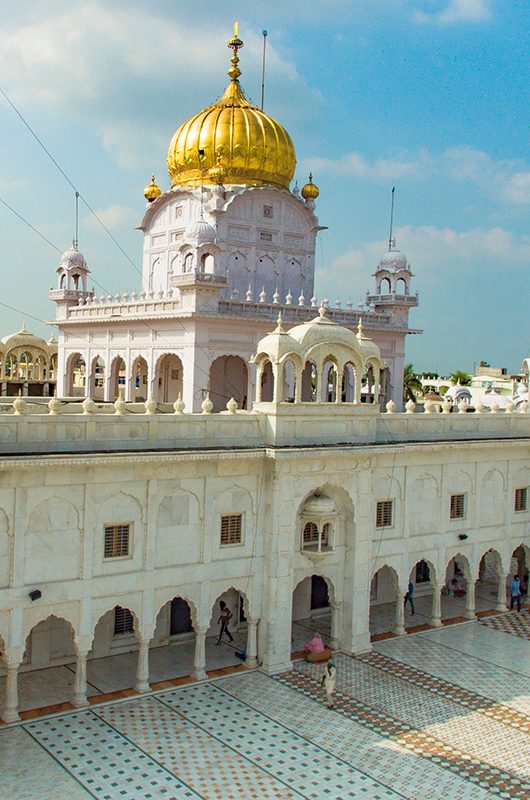
A beautifully preserved fort with a fascinating history, featuring a gurudwara within its premises and offering a glimpse into Sikh heritage.
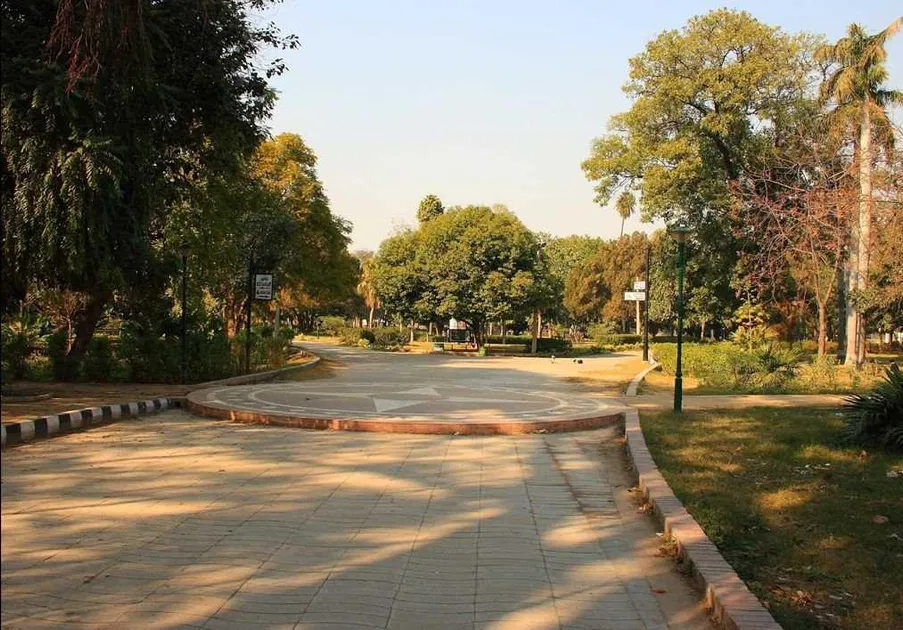
Elegant Mughal-style gardens with fountains and pavilions, providing a serene environment for evening strolls and picnics.
Immerse yourself in the royal charm, sporting legacy, and vibrant culture of Patiala. From exploring palaces to indulging in local flavors, the city promises a regal experience.
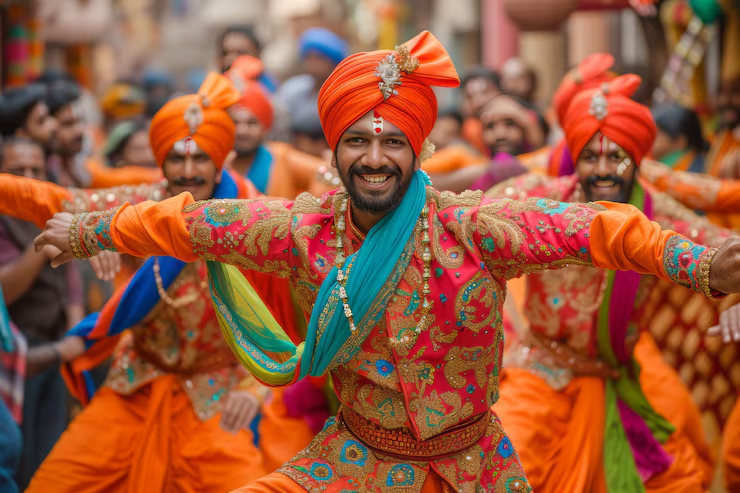
Discover the legendary Patiala Peg and the iconic Shahi Turban that symbolize the city’s royal heritage.
Visit Patiala’s historic polo grounds to see why this city is hailed as the cradle of Indian polo.
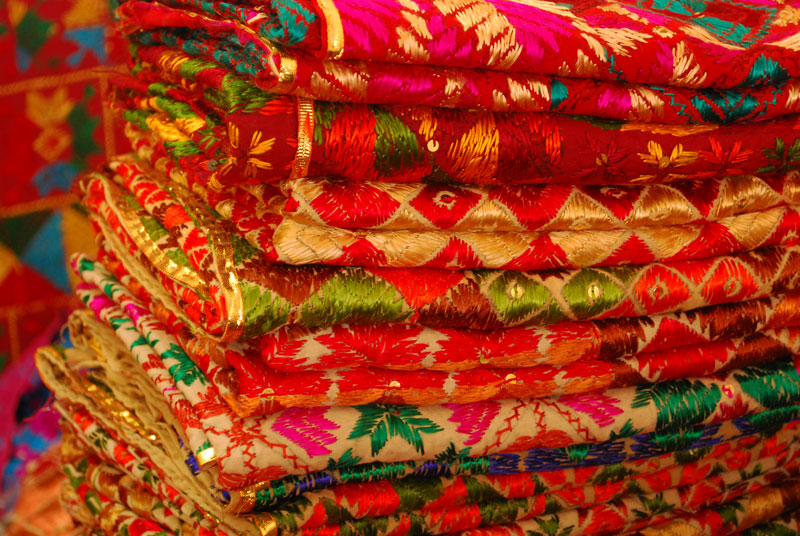
Shop for authentic Phulkari, Patiala juttis, and Parandi in the city’s vibrant local markets.
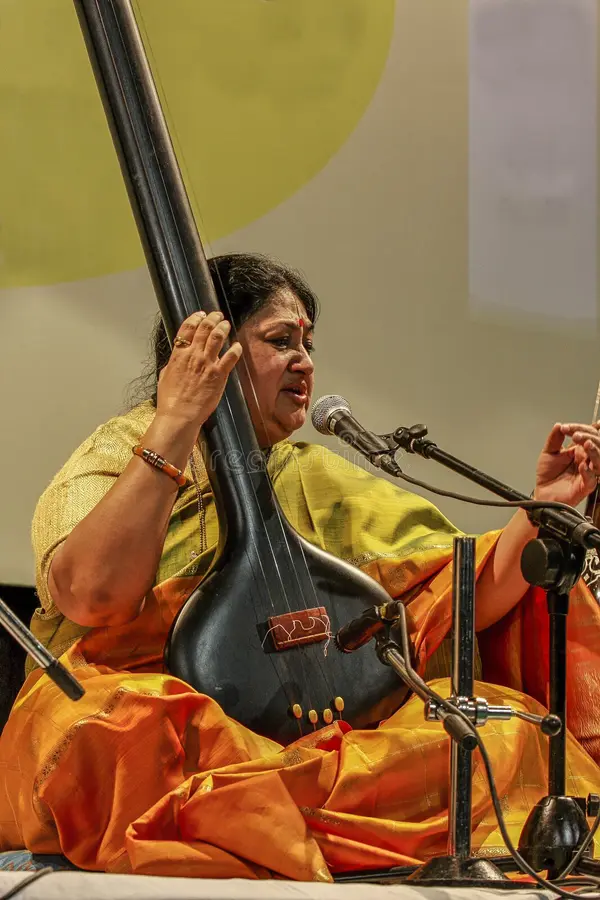
Experience the soulful melodies of the renowned Patiala Gharana, masters of thumri and khayal singing.
Patiala’s cultural landscape is dominated by its royal patronage of music and dance. The city has given birth to one of the most influential schools of Hindustani classical music and continues to celebrate Punjab’s vibrant folk traditions.
Patiala Gharana
Thumri & Dadra
Khayal
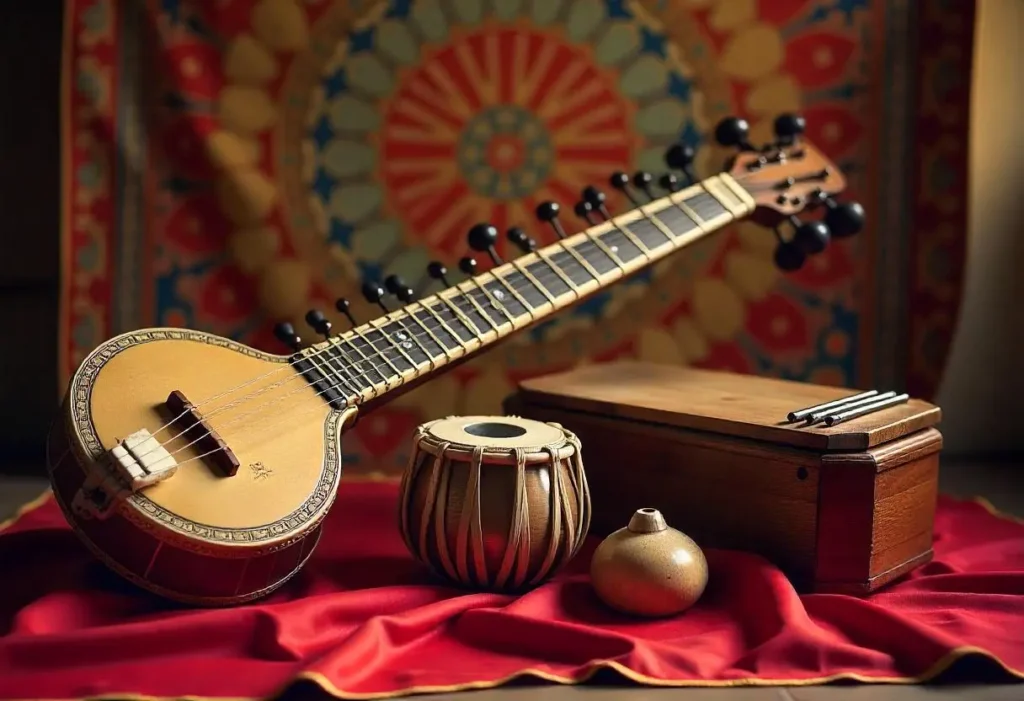
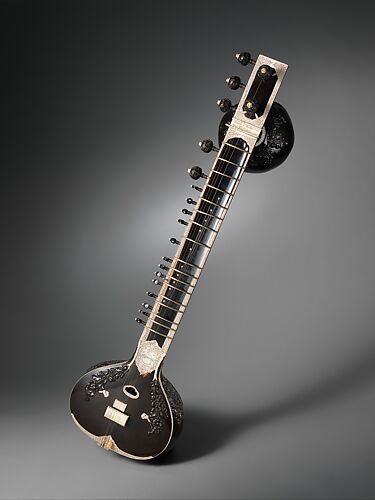
Patiala is home to the renowned Patiala Gharana, one of the most influential schools of Hindustani classical music, founded by Ustad Ali Baksh Khan and Ustad Fateh Ali Khan, known for its emphasis on melodious sur (notes) and intricate layakari (rhythmic play). The gharana is particularly celebrated for its soulful renditions of Thumri, Dadra, and Khayal, characterized by bol-baant (lyrical improvisation) and complex taan patterns. Folk music traditions like Tappa, Mahiya, and Boliyan resonate through the region, reflecting the vibrant spirit of Punjabi culture, love, and daily life.
Bhangra
Giddha
Jhumar
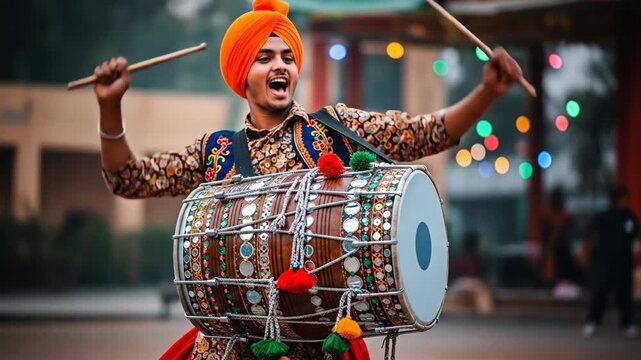
Patiala is a vibrant hub for Punjab’s energetic folk dances, with Bhangra taking center stage as the most celebrated dance form, performed with vigor and enthusiasm during harvest festivals and celebrations. The graceful Giddha, performed by women in colorful attire, involves rhythmic clapping, expressive gestures, and the singing of traditional boliyan that narrate tales of love, humor, and daily life. Other traditional forms like Jhumar, a slower, graceful dance from the Sandalbar region, and Sammi, performed by women in vibrant tribal costumes, continue to preserve the region’s rich cultural heritage.
Patiala exudes an aura of royal splendor blended with the infectious energy of Punjabi culture. The city’s grand palaces, wide avenues, and historic landmarks speak of a bygone era of maharajas and lavish lifestyles. At the same time, the bustling bazaars, spirited folk music, and warm hospitality of its people reflect the vibrant, life-affirming spirit of Punjab. It’s a city where history lives on, not just in monuments, but in the very fabric of daily life.
Patiala’s heritage is inextricably linked to the Patiala royal family, the Phulkian dynasty. The city was founded in 1763 by Maharaja Ala Singh and flourished under subsequent rulers. The architectural legacy includes magnificent forts, palaces, and gardens that blend Rajput, Mughal, and European styles. The royal patronage extended to arts, music, and sports, establishing institutions like the Patiala Gharana in music and promoting polo and cricket, which remain integral to the city’s identity.
Patiala’s cuisine is a royal feast, reflecting the rich culinary traditions of Punjab with a touch of regal indulgence.
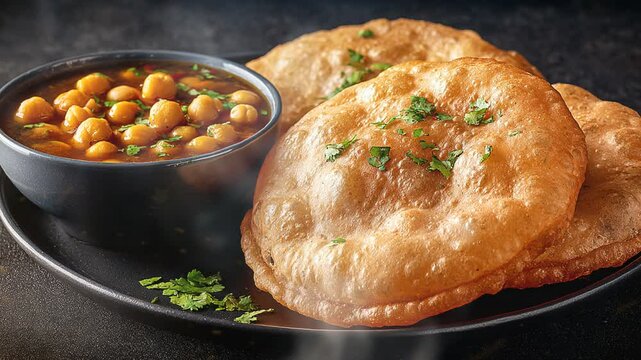
A quintessential Punjabi dish, Patiala-style Chole Bhature is famous for its spicy chickpea curry paired with large, fluffy fried bread.
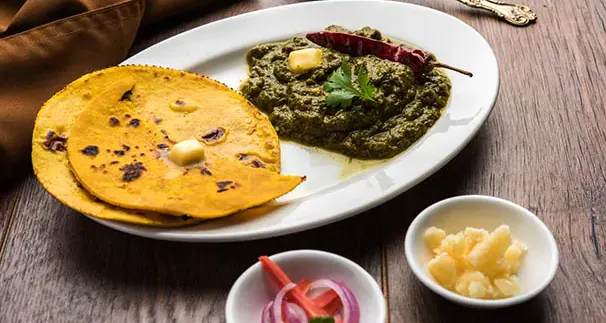
A traditional winter delicacy featuring mustard greens cooked with spices, served with cornmeal flatbread and a dollop of butter.
The legendary Patiala Lassi is a thick, creamy, and mildly sweet yogurt drink, often topped with malai (cream) and served in tall glasses.
Marinated paneer cubes grilled to perfection, a popular starter that showcases Punjab’s love for dairy and tandoori flavors.
Shopping in Patiala is a delightful journey through Punjab’s rich craft traditions. The city’s markets are treasure troves of handcrafted items, vibrant textiles, and traditional footwear.
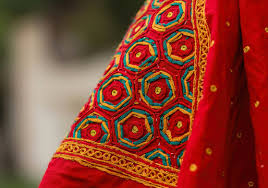
Patiala is famous for authentic Phulkari and Bagh embroidery, with vibrant floral patterns adorning dupattas, suits, and shawls.
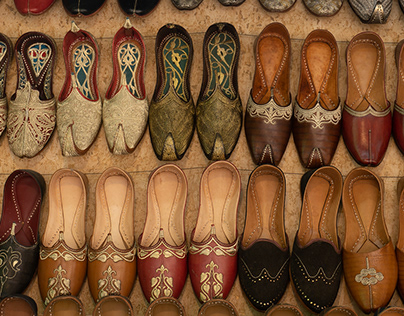
Handcrafted leather footwear with intricate embroidery and embellishments, known for their comfort and traditional designs.
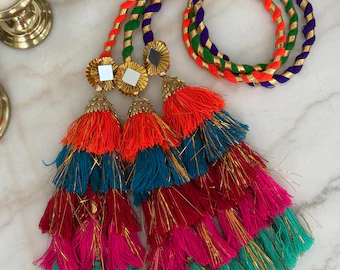
Shop for Parandi, traditional Punjabi jewellery like choora (wedding bangles), and imitation jadau pieces.
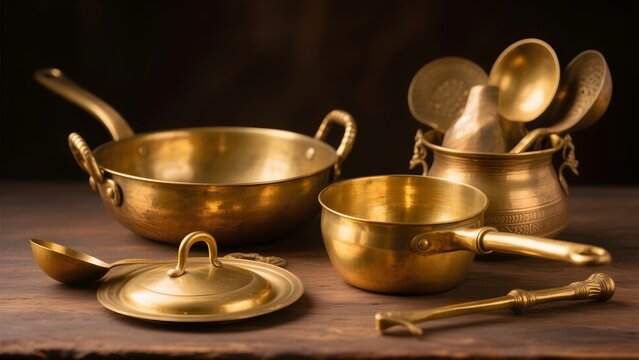
The markets offer traditional brass and copper utensils, often intricately designed, perfect for both use and decor.
The best time to visit Patiala is from October to March. The winter months (Nov-Feb) offer pleasant weather with cool temperatures, ideal for sightseeing and exploring palaces and gardens. October and March are transitional months with comfortable weather. Summers (April-June) are extremely hot, and the monsoon (July-September) brings moderate rainfall, which can disrupt outdoor plans.
Sun Protection: If visiting during summer, carry sunscreen, sunglasses, and a hat as temperatures can soar.
Respect Religious Places: Dress modestly and remove footwear before entering gurudwaras and temples. Cover your head at gurudwaras.
Winter Clothing: Carry adequate woolens if visiting between December and February, as mornings and evenings can be quite cold.
Traffic Awareness: Be cautious while crossing roads as traffic can be chaotic in busy market areas.
Stay Hydrated: Especially during warmer months, keep yourself hydrated with water and refreshing drinks like lassi.
Emergency Numbers: Keep local police (100) and ambulance (102) numbers handy.
Auto-rickshaws and cycle-rickshaws are the most convenient modes of transport for navigating the city's streets and markets. Local buses connect major areas and are economical. App-based cab services (like Ola and Uber) are available for comfortable travel within the city. For exploring nearby attractions, hiring a taxi for the day is the best option. Many tourists also choose to rent a car with a driver for flexibility.
Auto-Rickshaw Overcharging: Always negotiate the fare before boarding or insist on using the meter. Avoid accepting rides from touts at bus stands.
Fake Phulkari Products: Be cautious when buying Phulkari; some shops may sell machine-made items at hand-embroidered prices. Buy from reputable, government-empanelled stores.
Jutti Quality: Check the quality of leather and stitching when buying Patiala juttis to ensure you're getting authentic, durable footwear.
Accommodation Scams: Book hotels through trusted platforms. Beware of agents at the railway station offering deals that seem too good to be true.
Overpriced Souvenirs: In tourist-heavy areas, souvenirs may be marked up significantly. Bargain politely or shop in local markets frequented by residents.
Guide Services: While not as common as in other cities, be wary of unauthorized guides offering tours of palaces; verify credentials if needed.
Punjab Cultural Guide
Places to Visit in Patiala
Places to Visit Nearby Patiala
India’s Royal Heritage Destinations
Punjab’s Vibrant Cities
Punjab Cultural Guide: Royal Traditions & Modern Spirit
The Patiala Gharana: A Legacy in Music
Phulkari: The Floral Embroidery of Punjab
A Food Lover’s Guide to Patiala’s Royal Cuisine