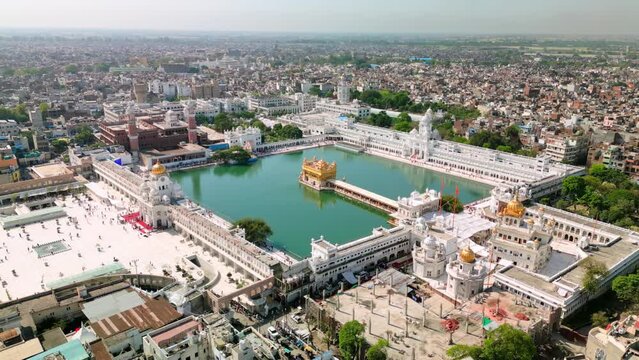
Steeped in royal grandeur and vibrant culture, Patiala – Punjab offers a regal experience for every traveler. Discover magnificent forts, ornate palaces, and sacred shrines among the top places to visit in Patiala.
Qila Mubarak Complex
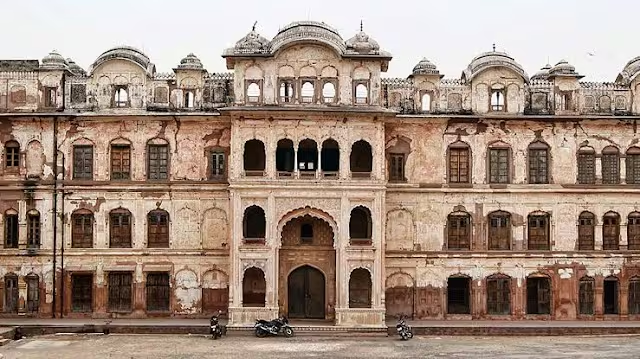
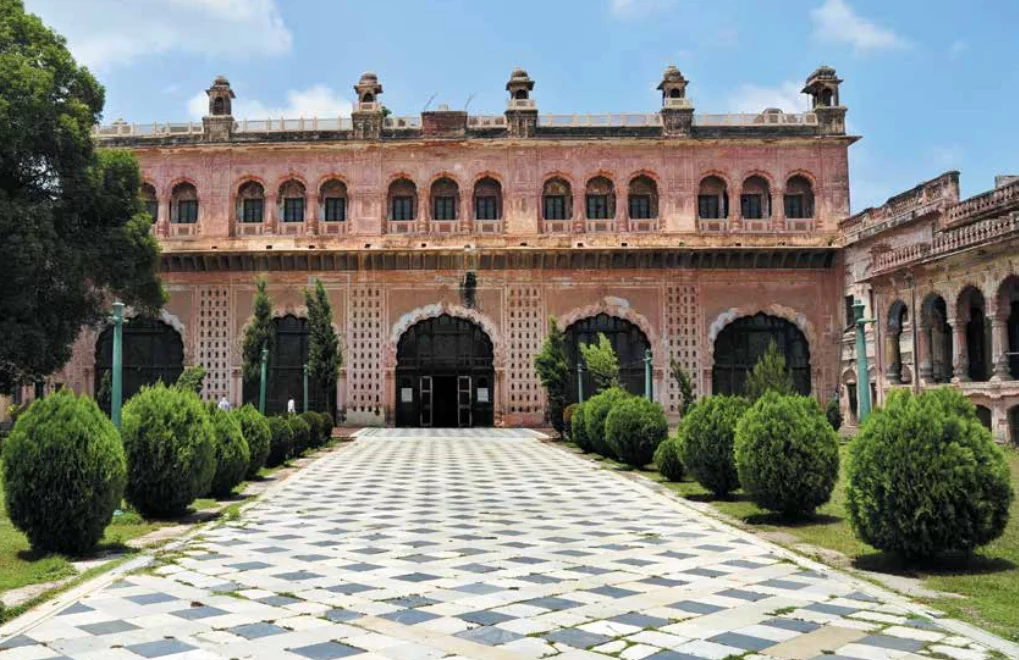
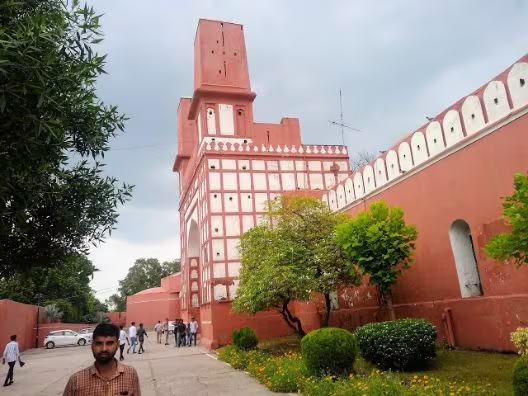
The Qila Mubarak Complex stands as the historic heart of Patiala, having served as the royal seat of the Phulkian dynasty.
This imposing structure is not a single building but a fort-palace complex, with its most famous section being the Qila Androon, or inner fort. Within its walls, visitors can explore a series of courtyards, exquisite art galleries, and the stunning Darbar Hall, all of which offer a tangible glimpse into the opulent lifestyle and rich history of the Patiala royals.
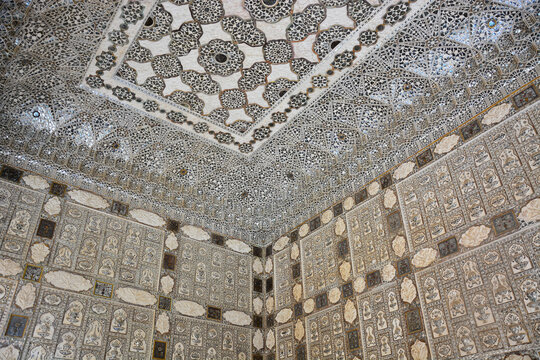
Sheesh Mahal
A beautiful palace with intricate mirror work, now housing a museum with rare paintings.
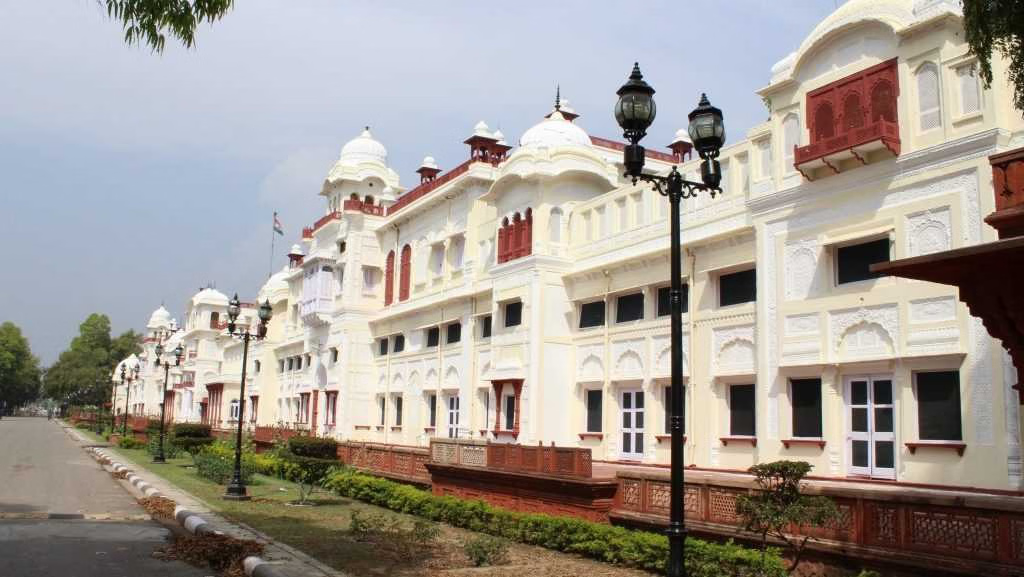
Moti Bagh Palace
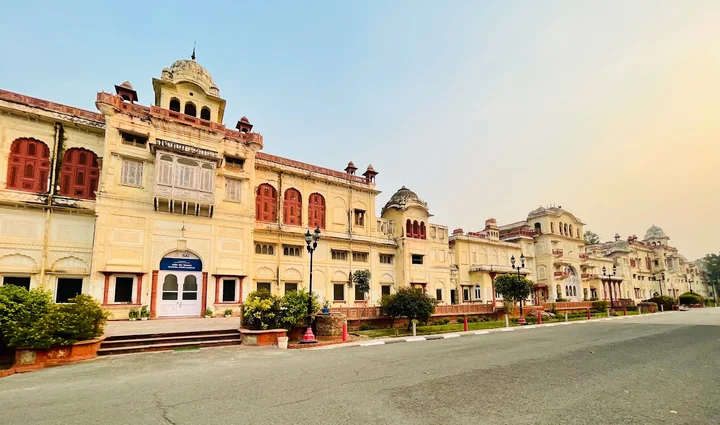
A grand 19th-century palace surrounded by sprawling gardens, now partly a museum.
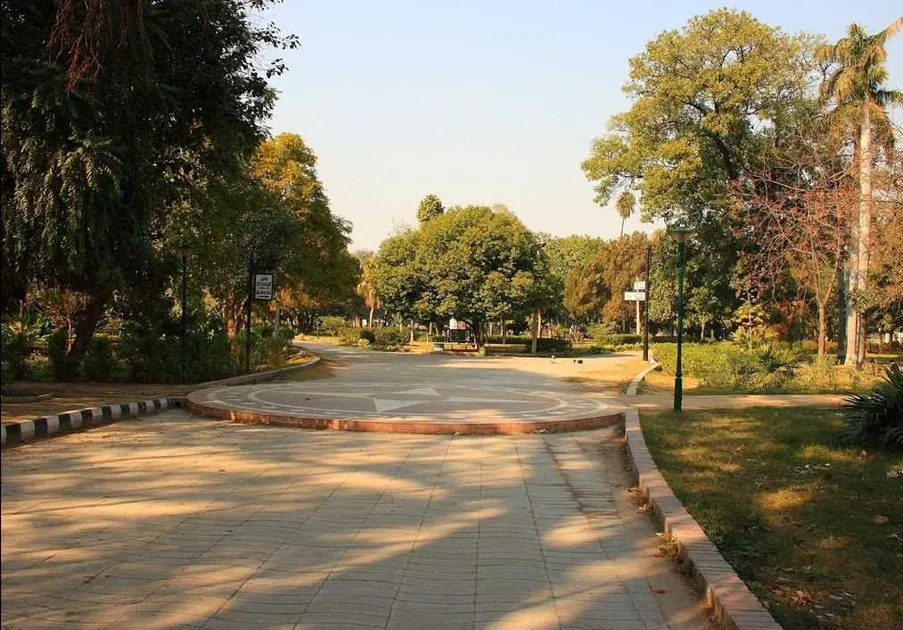
Baradari Gardens
Lush gardens featuring a beautiful baradari pavilion and the iconic statue of Maharaja Rajinder Singh.
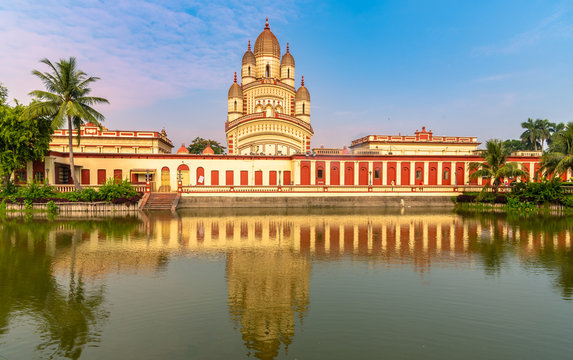
Kali Temple
A revered temple dedicated to Goddess Kali, known for its distinctive architecture and spiritual significance.
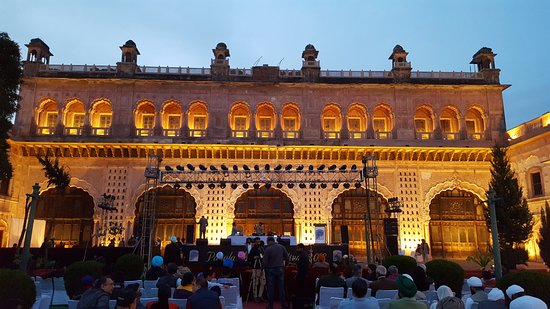
Darbar Hall (Qila Androon)
Located deep within the Qila Mubarak Complex, the Darbar Hall is a breathtaking spectacle of royal grandeur and artistic achievement. This magnificent throne room is adorned with intricate frescoes, massive Belgian chandeliers, and a stunning inlay of colored glass and mirror work.
It once served as the primary venue for royal audiences and ceremonies, and today it stands as a museum, displaying a remarkable collection of royal artifacts, paintings, and costumes that narrate the story of a bygone era.
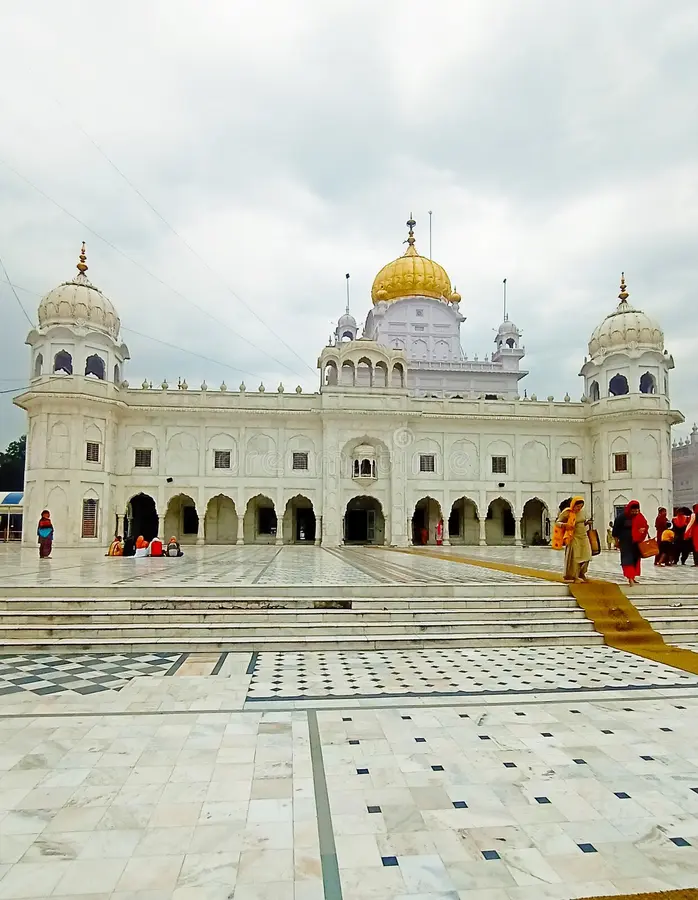
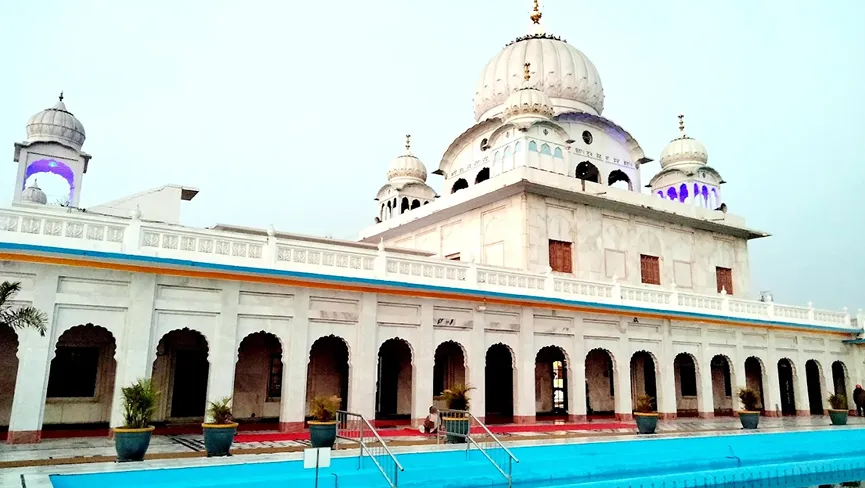
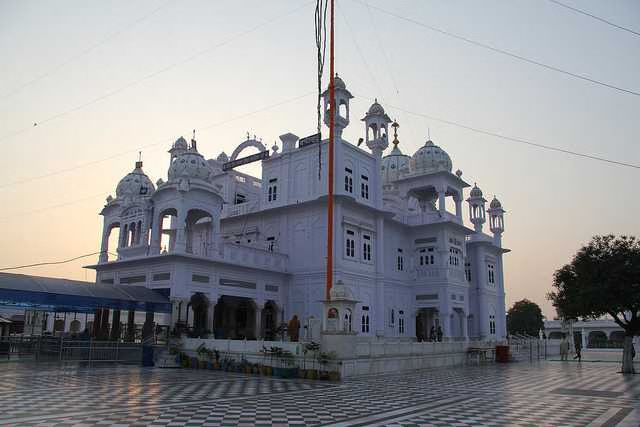
Gurudwara Dukh Nivaran Sahib
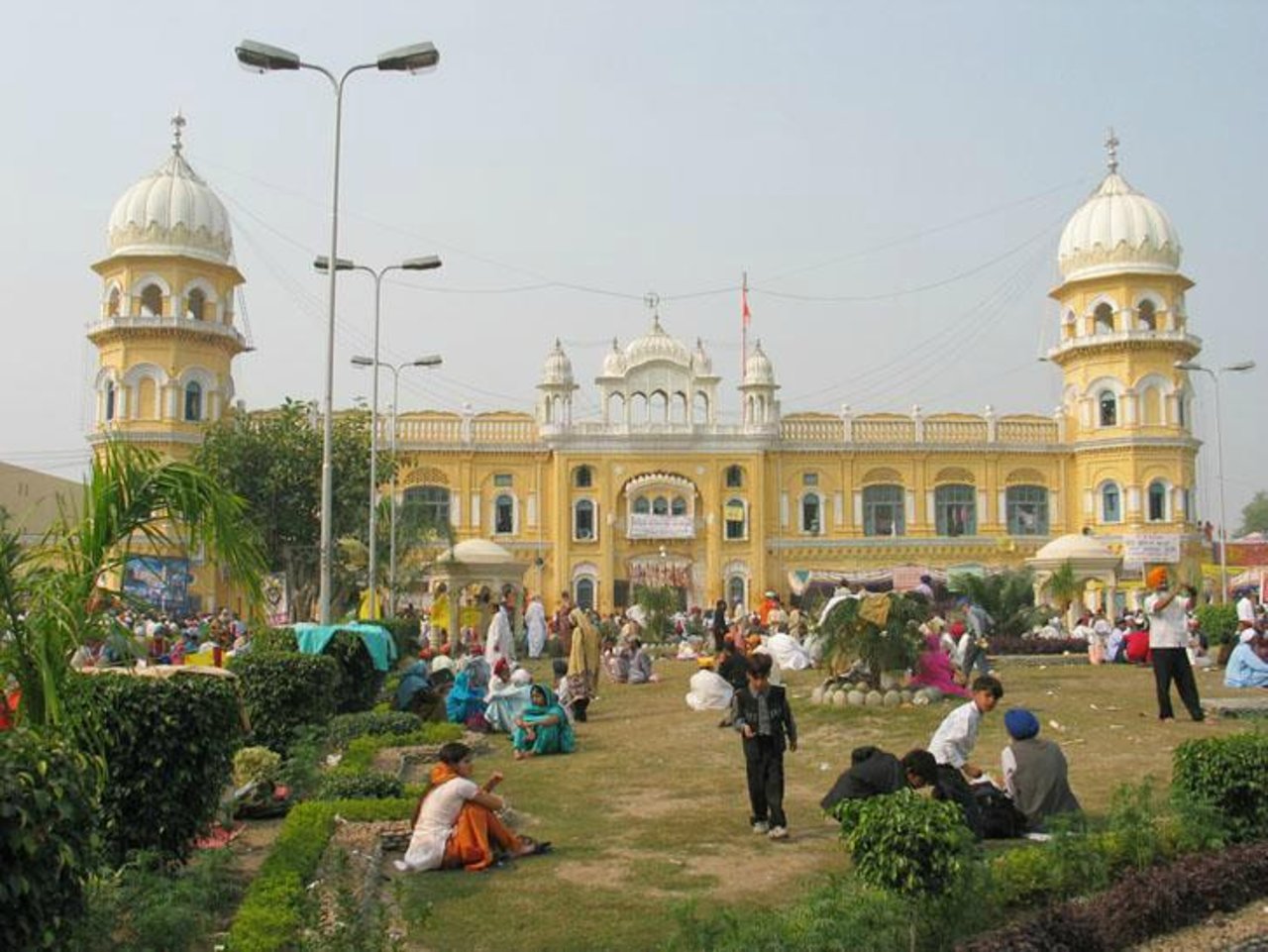
This revered Sikh shrine holds a special place in the hearts of devotees, who believe it possesses the power to relieve them of their sufferings, as its name, ‘Dukh Nivaran,’ suggests. The Gurudwara was established to commemorate the visit of the ninth Sikh Guru, Guru Tegh Bahadur, whose presence is said to have alleviated a local epidemic.
The sacred sarovar (pool) within the complex is considered highly holy, and the serene atmosphere of the white-marble structure provides profound peace and spiritual solace to all who visit.
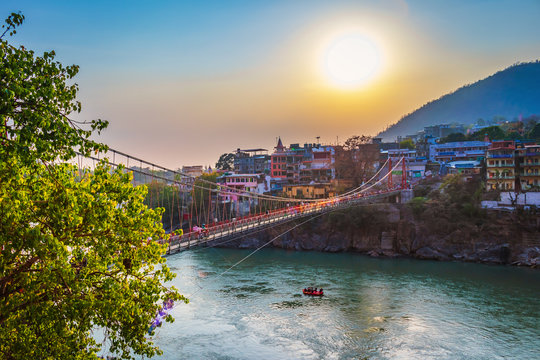
Lakshman Jhoola
A mini suspension bridge over a dry moat, offering a unique viewpoint of the Qila grounds.
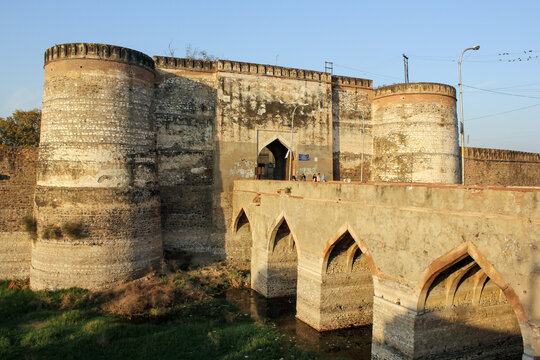
Qila Bahadurgarh
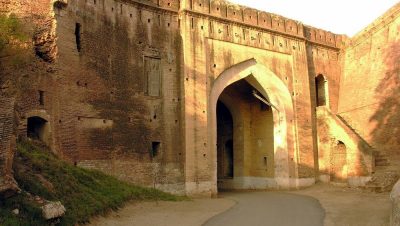
A historic 17th-century fort with massive walls and gates, located on the outskirts.
ChattBir Zoo
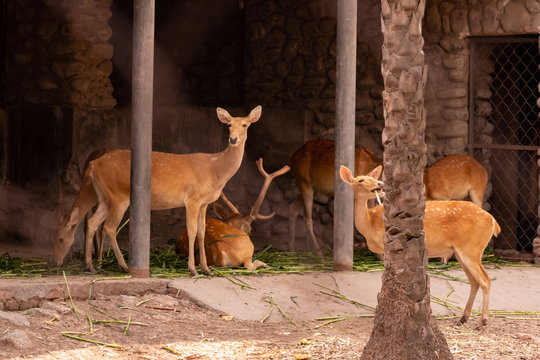
A large zoological park with a deer park, lion safari, and rescue center for animals.
National Institute of Sports
The National Institute of Sports (NIS), also known as the Netaji Subhas National Institute of Sports, is Asia’s largest sports institute and a premier center for sports education and training. Housed within the sprawling grounds of the old Moti Bagh Palace, the institute is equipped with world-class training facilities, research centers, and a fascinating sports museum.
It plays a pivotal role in developing India’s coaches and athletes, while its historic campus and the adjacent Ranjit Stadium make it a landmark destination for sports enthusiasts visiting Patiala.
Samadhi of Maharaja Bhupinder Singh
The Samadhi of Maharaja Bhupinder Singh is a serene marble memorial dedicated to one of Patiala’s most prominent and influential rulers. Located in a peaceful garden setting away from the city’s bustle, the structure is an elegant example of funerary architecture, featuring intricate marble carvings and a calm, reflective ambiance.
It serves not only as a final resting place for the Maharaja, who was a celebrated cricketer and a patron of the arts, but also as a quiet monument to the royal family’s enduring legacy in the city.
Bir Forest Range
The Bir Forest Range, located on the outskirts of Patiala, offers a refreshing escape into nature with its vast stretches of managed forest and grassland. This protected area is a popular destination for morning walks, jogging, and birdwatching, attracting nature lovers and those seeking tranquility away from the city noise.
Its serene trails and diverse flora and fauna make it an ideal spot for a peaceful picnic or a quiet afternoon immersed in the natural beauty of the region.
Samana
A historic town known for its medieval mosque and association with Mughal history.
Nabha
A former princely state with palaces, forts, and the famous Hira Mahal.
Sirhind
A historic city with monuments like the Fateh Burj, Aam Khas Bagh, and Rauza Sharif.
Sangrur
A town featuring the Banasar Bagh, a beautiful garden with a palace and museum.
Gurudwara Jyoti Sarup (Sirhind)
Gurudwara Jyoti Sarup, situated in the historic town of Sirhind, is one of the holiest Sikh shrines, commemorating the supreme sacrifice of the younger sons of Guru Gobind Singh. It is built at the exact location where Sahibzada Zorawar Singh and Sahibzada Fateh Singh were martyred by being bricked alive into a wall.
The Gurudwara’s name, meaning “the place of the eternal light,” reflects the profound spiritual legacy of their sacrifice, drawing countless devotees who come to pay homage to their unparalleled courage and faith.
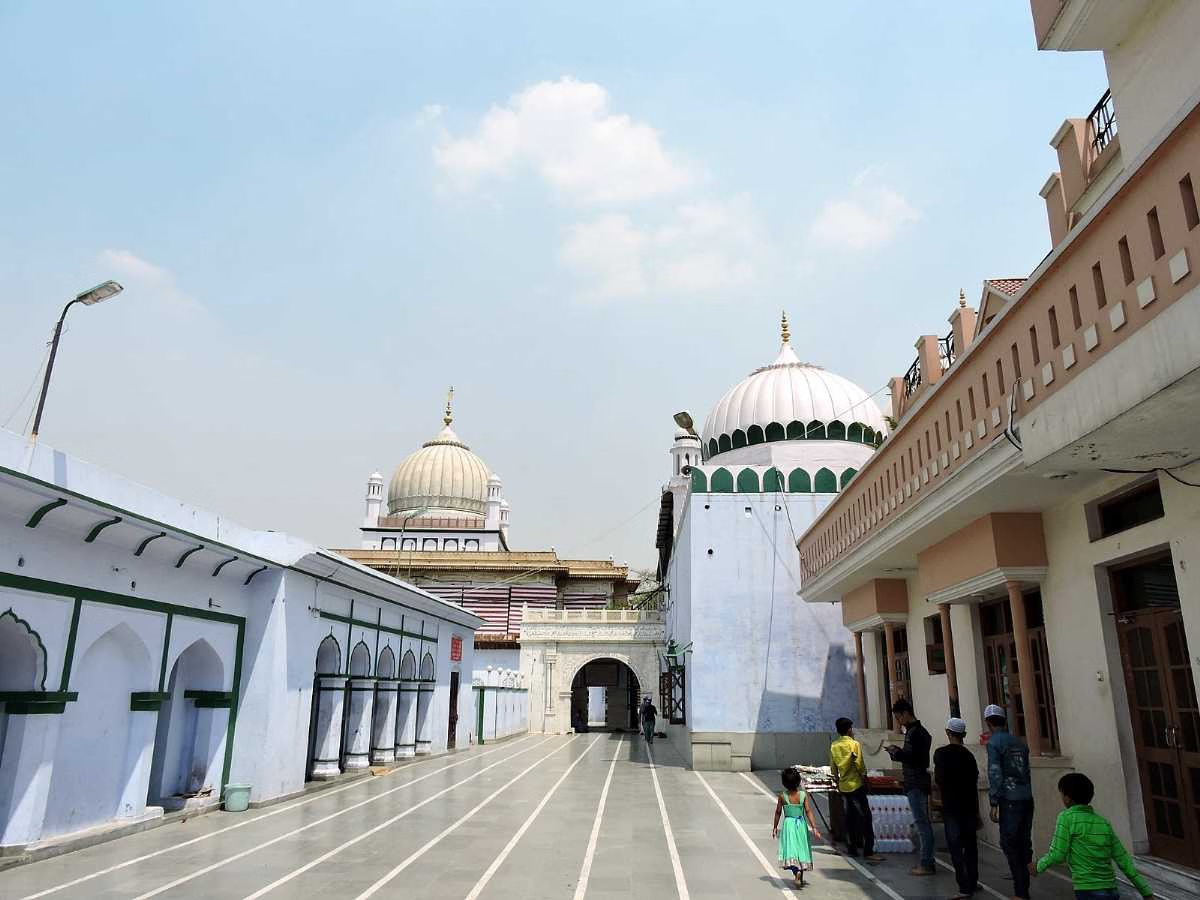
Rauza Sharif
A mausoleum complex dedicated to the Sufi saint Hazrat Sheikh Ahmad Farooqi.
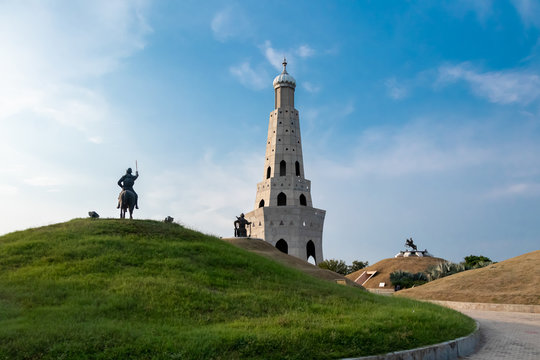
Fateh Burj
A towering victory tower built to celebrate Sikh victories and history.
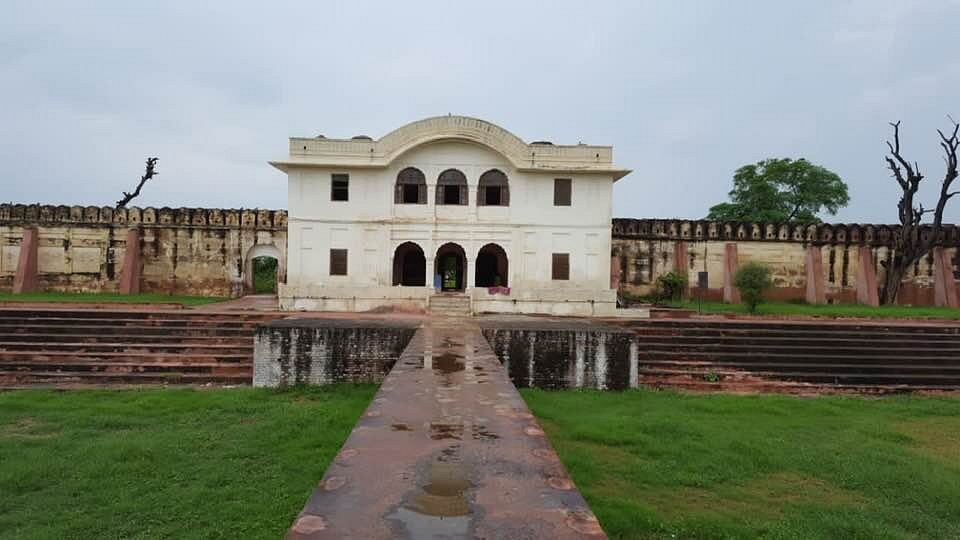
Aam Khas Bagh
A historic Mughal garden complex with pavilions and a beautiful summer palace.
Gurudwara Ber Sahib
Gurudwara Ber Sahib, located in the historic town of Sultanpur Lodhi, marks the site where Guru Nanak Dev, the first Sikh Guru, is said to have meditated under a ber (jujube) tree for 14 years.
This sacred spot is profoundly significant as it was here that Guru Nanak received the divine calling to spread his message of one God and universal brotherhood. The serene Gurudwara complex, built around the ancient tree and a holy sarovar, offers a deeply spiritual atmosphere and stands as a timeless reminder of the Guru’s enlightenment and his enduring teachings.
Phillaur
Known for its historic fort, now housing a police academy, with impressive architecture.
Akalgarh
A village with a historic fort and Gurudwara associated with the Sikh warrior Jassa Singh Ahluwalia.
Lohgarh Fort
The historic fort of the legendary Sikh warrior Banda Singh Bahadur.