
Rituals of Punjab
Life Event Rituals
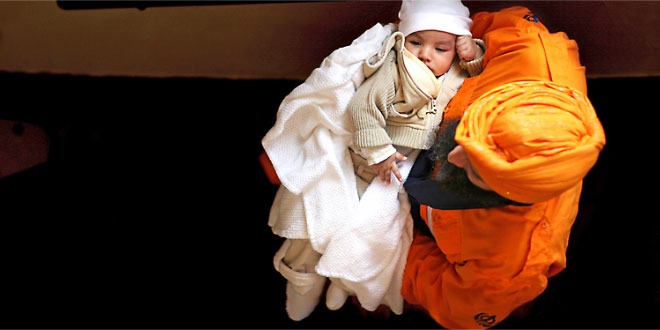
Birth Ceremonies (Janam Sanskar)
Celebratory rituals welcoming the newborn, combining Sikh traditions with Hindu customs.
How is it done?
- Satkaar (Birth Celebration) – Distribution of sweets (ladoo) and sharing of the first glimpse (darshan) of the baby with family.
- Naam Karan (Naming Ceremony) – In Sikh families, the name is chosen from the Guru Granth Sahib’s first letter of the hymn (Hukamnama). In Hindu families, the paternal grandmother whispers the name.
- Mundan (First Haircut) – The baby’s first haircut, often at a gurudwara (for Sikhs) or temple, with hair offered to the sacred fire or river.
- Chhati (Sixth-Day Ritual) – A ceremony on the sixth day involving prayers for the mother and child’s health, and the first wearing of iron bangle (Kara for Sikh boys).
- Annaprashan (First Feeding) – The baby’s first solid food, usually kheer (rice pudding), fed by the maternal uncle.
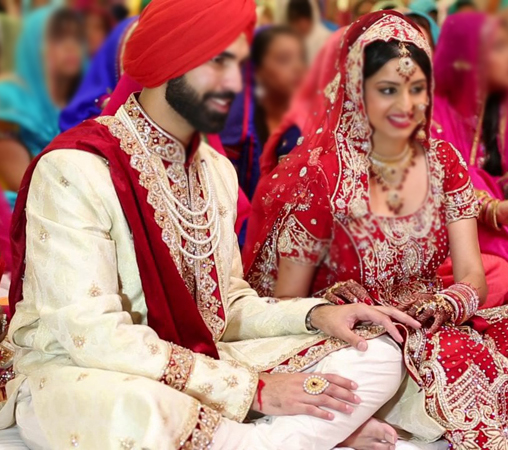
Wedding Rituals (Viah)
Vibrant multi-day celebrations blending Sikh Anand Karaj with Punjabi Hindu traditions.
How is it done?
- Roka & Thaka (Engagement) – Formal agreement between families with exchange of gifts, sweets, and the groom’s family presenting the bride with jewelry.
- Sangeet & Mehendi – Nights of music, dance, and applying henna to the bride’s hands and feet.
- Choora Ceremony – The maternal uncle gifts and places red and white ivory bangles (choora) on the bride’s wrists, with kaliras (dangling ornaments) attached.
- Anand Karaj (Sikh Ceremony) – The couple circles the Guru Granth Sahib four times (Laavan) in the gurudwara. Hindu couples perform pheras around the sacred fire.
- Doli (Departure) – The bride throws rice over her shoulder towards her parental home before leaving, symbolizing leaving prosperity behind.
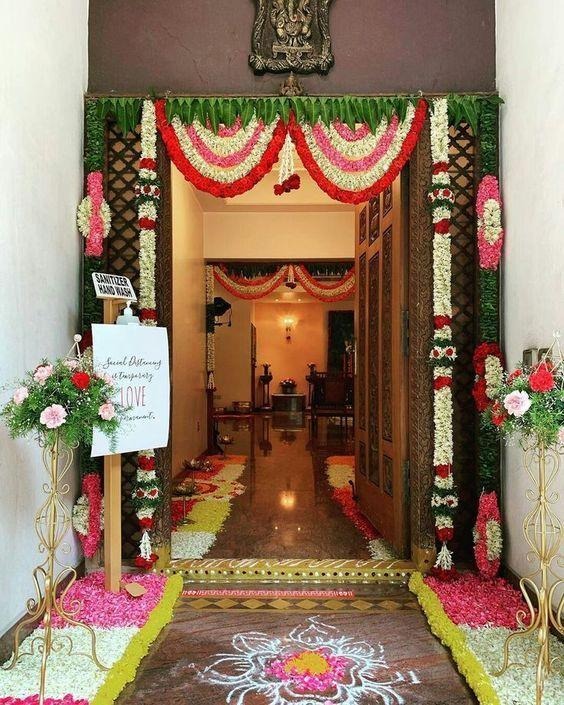
Housewarming (Ghar Pravesh)
How is it done?
- Gurudwara Sahib Path – A continuous reading of the Guru Granth Sahib (Akhand Path) is often completed before entering.
- First Entry – Entering with the Guru Granth Sahib or idols, a pot of water (kalash), and a container of wheat.
- Lighting the Hearth – The first fire is lit in the kitchen and milk is boiled until it overflows.
- Guru ka Langar – A community meal is served to family, friends, and often the needy, prepared in the new kitchen.
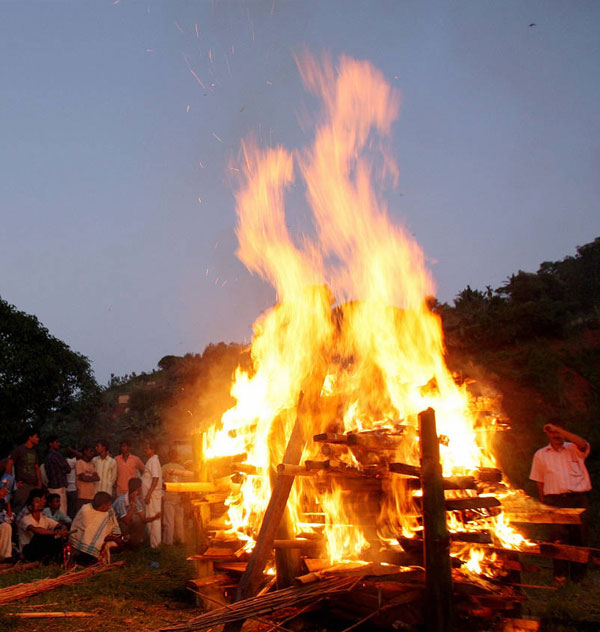
Post-Death Rituals (Antim Sanskar)
Rituals to honor the departed, with Sikh and Hindu practices emphasizing prayer and community support.
How is it done?
- Antam Sanskar (Last Rites) – The body is washed and dressed in clean clothes (Kachera for Sikhs). Sikhs avoid cremating with the 5 Ks (Kakar).
- Cremation – The eldest son lights the pyre. In Sikhism, prayers (Ardas) are recited at the crematorium.
- Ashes Immersion – Ashes are collected and immersed in a flowing river, preferably the Sutlej or Beas.
- Bhog & Path – A completion ceremony of a reading of the Guru Granth Sahib (Sikh) or a havan (Hindu), followed by a community meal (langar/bhandara).
- Annual Remembrance – The death anniversary is marked by prayers, charity, and feeding the community.
Spirit Worship ritual

Daily Prayer (Nitnem & Puja)
The daily discipline of worship in homes and gurudwaras/temples.
How is it done?
- Amrit Vela (Ambrosial Hours) – Sikhs rise before dawn to recite morning prayers (Japji Sahib, Jaap Sahib). Hindus perform morning puja with offerings.
- Guru Granth Sahib Prakash – In gurudwaras and many homes, the Guru Granth Sahib is ceremonially opened in the morning.
- Evening Aarti/Kirtan – Hindus perform aarti with lamps; Sikhs gather for evening hymns (Rehras Sahib) and community singing (kirtan).
- Sukhmani Sahib Path – Reciting this prayer for peace is a common evening or weekly practice for Sikhs.
Vows & Fasting (Vrat/Upvas)
Observances for spiritual purification and fulfilling wishes.
How is it done?
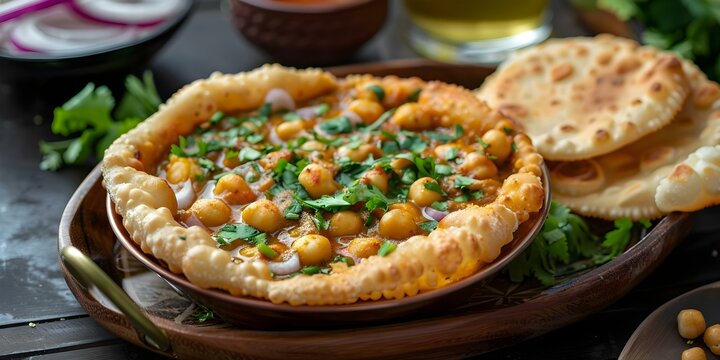
- Monday Fast (Somvar Vrat) – For Lord Shiva, often observed by women for a good husband or family well-being.
- Friday Fast (Santoshi Mata Vrat) – Observed for 16 consecutive Fridays with specific food restrictions.
- Navratri Fasting – Nine days of fasting, often consuming only one meal a day of satvik food.
- Karva Chauth – Married women fast from sunrise to moonrise for their husband’s longevity, breaking fast after sighting the moon.

Personal Devotion (Sadhana & Simran)
Individual spiritual practices for connecting with the divine.
How is it done?
- Naam Simran (Meditation on God’s Name) – Sikhs meditate by repeating “Waheguru.” Hindus may repeat a mantra (japa) using a mala.
- Seva (Selfless Service) – Volunteering at the gurudwara langar, cleaning temples, or community work as a form of worship.
- Reading Sacred Texts (Paath) – Daily or weekly reading of the Guru Granth Sahib, Ramayana, or Bhagavad Gita.
- Pilgrimage Preparation (Yatra) – Purifying acts like bathing, wearing clean clothes, and maintaining a prayerful mindset before visiting holy sites.
Folk Festivals
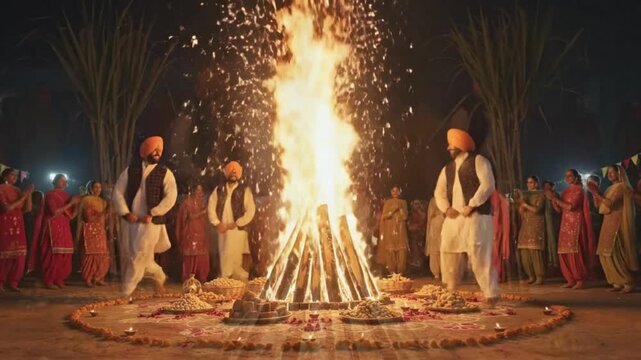
Lohri
The winter harvest festival, marking the end of winter and honoring fire.
How is it done?
- Bonfire (Lohri di Agg) – Lighting a large communal bonfire in the evening.
- Offering to Fire – Throwing popcorn, puffed rice, rewari, and sesame seeds into the fire while circling it.
- Folk Songs & Dance – Singing traditional Lohri songs and performing bhangra and gidda around the fire.
- Feasting – Distributing prasad of til, gur, peanuts, and popcorn, and eating sarson da saag and makki di roti.
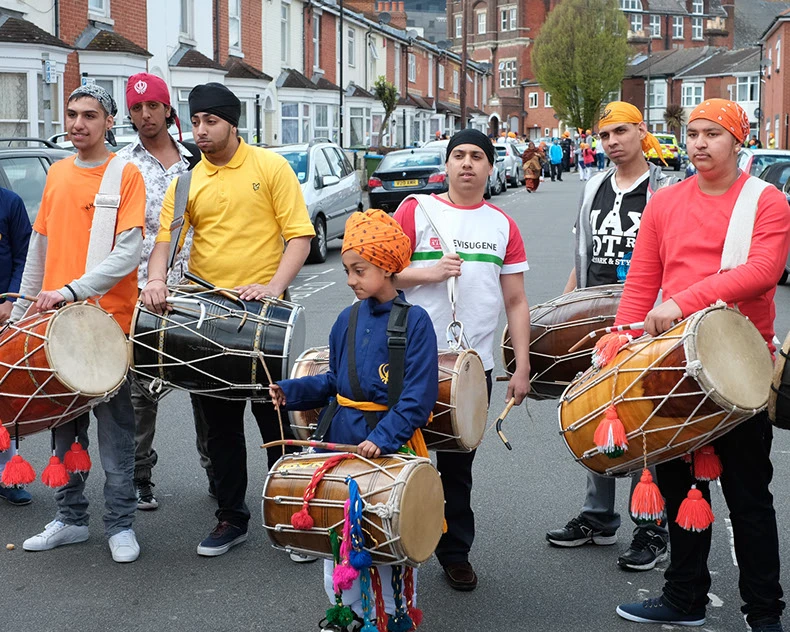
Vaisakhi
The Punjabi New Year and harvest festival, and the founding day of the Khalsa.
How is it done?
- Morning Bath – Taking an early bath, often in rivers or canals.
- Gurudwara Visits – Special prayers, kirtan, and processions (Nagar Kirtans) are held.
- Community Fairs (Melas) – Visiting fairs with folk performances, wrestling bouts (kushti), and food stalls.
- New Harvest Meal – Cooking and eating the first harvest, and preparing special dishes like kadhi and meethi chawal.
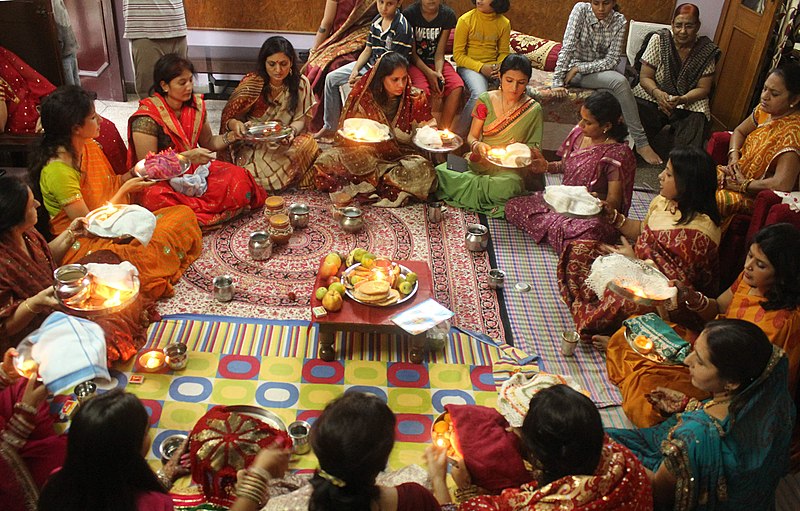
Karva Chauth
A fasting ritual observed by married women for their husband’s well-being.
How is it done?
- Sargi – Before dawn, the mother-in-law feeds the fasting daughter-in-law a meal of fruits, sweets, and vermicelli.
- Day-Long Fast – Abstaining from food and water until moonrise.
- Evening Gathering – Women dress in red, apply mehendi, exchange decorated pots (karvas), and listen to the Karva Chauth story.
- Moon Sighting & Breaking Fast – Viewing the moon through a sieve, then seeing the husband’s face, followed by him offering water and the first morsel of food.
Teej
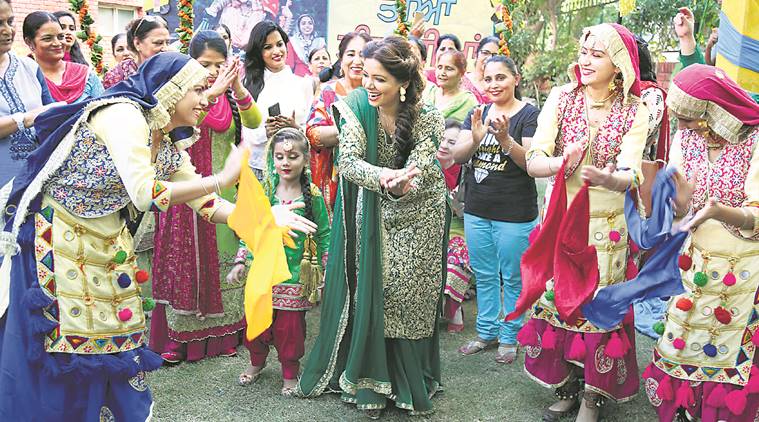
A monsoon festival celebrated by women, dedicated to Goddess Parvati.
How is it done?
- Swings (Jhoola/Peengan) – Decorating and swinging on rope swings hung from trees.
- Fasting & Prayer – Women fast and pray for marital happiness and the well-being of their families.
- Applying Mehndi & Wearing Green – Adorning hands with henna and dressing in green clothes and bangles.
- Special Songs & Dance – Singing traditional Teej songs (Teejian) and performing gidda.
Temple Rituals
Daily Gurdwara Rituals (Nitnem)
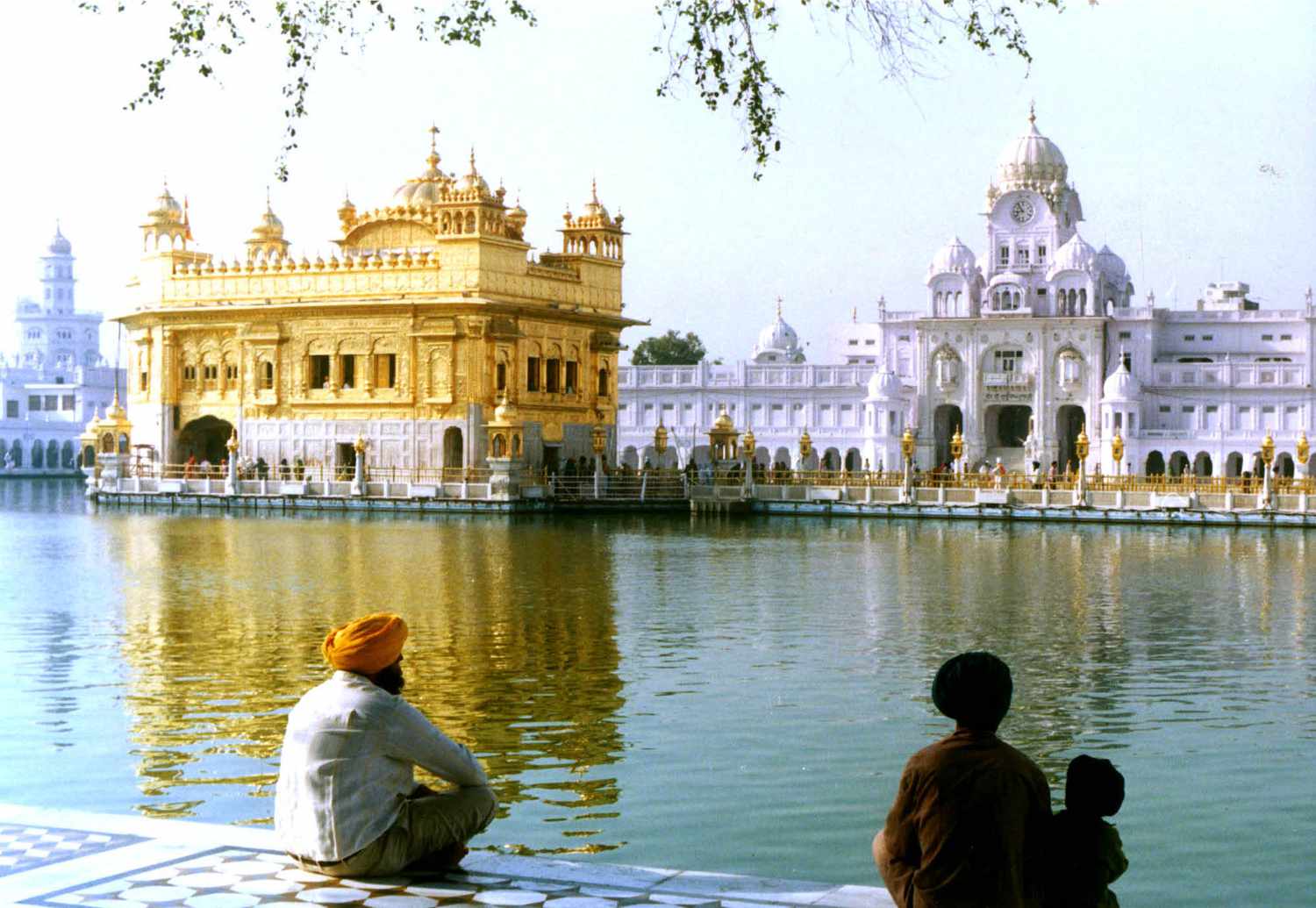
The prescribed daily routine in Sikh places of worship.
How is it done?
- Prakash (Opening of the Guru Granth Sahib) – Carrying the Guru Granth Sahib in a procession to its altar in the morning.
- Hukamnama – Taking a random reading from the Guru Granth Sahib as the divine order for the day.
- Continuous Recitation (Akhand Path) – A non-stop 48-hour reading of the entire Guru Granth Sahib for special occasions.
- Sukhasan (Closing Ritual) – Putting the Guru Granth Sahib to rest in a separate room at night with prayers.
Temple Festivals (Melas & Jagrans)
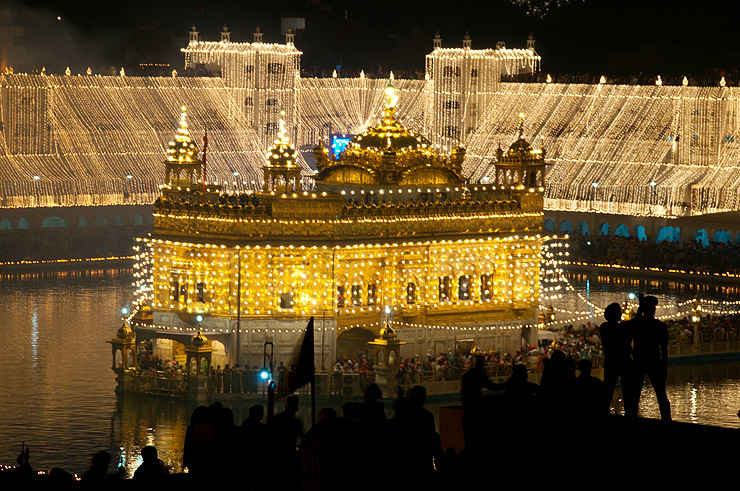
Large-scale celebrations at temples and gurudwaras.
How is it done?
- Nagar Kirtan (Processional Hymn Singing) – A parade with the Guru Granth Sahib or deity idols, accompanied by music and martial arts (Gatka).
- Gurpurab Celebrations – Birth anniversaries of the Sikh Gurus marked with 48-hour readings, kirtan, and large langars.
- Jagran (Night Vigil) – All-night devotional singing and storytelling at temples, especially for local deities.
- Mela (Religious Fair) – Fairs at historic gurudwaras (like Anandpur Sahib) or temples, combining worship with commerce and entertainment.
Votive Offerings (Matha Tekna & Mannat)
Rituals where devotees make physical offerings for wishes.
How is it done?
- Matha Tekna (Bowing Forehead to Ground) – Prostrating before the Guru Granth Sahib or deity upon entering.
- Offering Rumala & Chola – Donating embroidered cloths to cover the Guru Granth Sahib or dress the deity.
- Tying Threads (Kalava/Dhaga) – Tying sacred threads on temple trees or railings as a vow.
- Offering Karah Parshad – Preparing and donating the sanctified semolina pudding for distribution in gurudwaras.
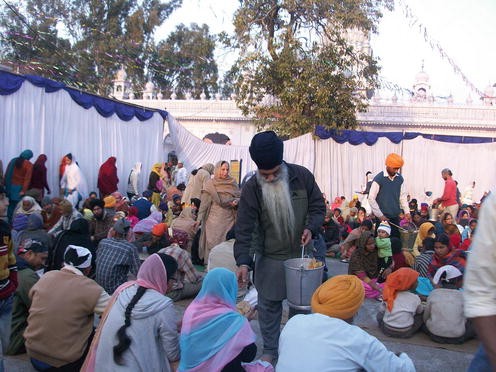
Devotee Participation (Sangat & Pangat)
The core practices of congregation and community eating.
How is it done?
- Sitting in Sangat (Congregation) – Sitting together on the floor in the prayer hall, regardless of background.
- Receiving Karah Parshad – Accepting the blessed sweet pudding with cupped hands after prayers.
- Partaking in Langar – Sitting in rows (pangat) and eating the free community meal as equals.
- Offering Dasvandh – Donating one-tenth of one’s earnings to the gurudwara or community kitchen.
Ayurveda and Yoga

Yoga & Meditation Practices
Influenced by the Nath yogi tradition and Sikh meditative discipline.
How is it done?
- Amrit Vela Sadhana – The pre-dawn practice of meditation and prayer, considered the most auspicious time.
- Breath Control (Pranayama) – Practicing breathing exercises, often in the fresh morning air of fields or courtyards.
- Gatka (Martial Yoga) – The Sikh martial art, practiced as a form of physical and spiritual discipline, often starting with an ardas.
- Community Yoga (Sangat) – Group yoga sessions sometimes organized in villages or gurudwara complexes.
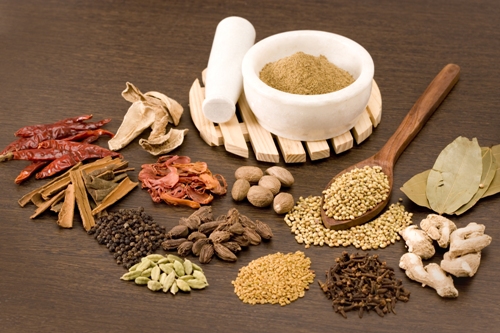
Herbal Wellness (Khed Vaid)
Traditional herbal knowledge from Punjab’s forests and fields.
How is it done?
- Giloy and Ashwagandha Decoctions – Boiling these herbs for strength, immunity, and vitality.
- Neem for Purification – Using neem twigs as datuns (natural toothbrushes) and neem water for skin ailments.
- Healing Poultices (Ubtan) – Applying pastes of turmeric, sandalwood, and herbs for wounds and skin health.
- Diet as Medicine – Using spices like turmeric, fenugreek, and ginger preventively in daily cooking.
Social Fabrics
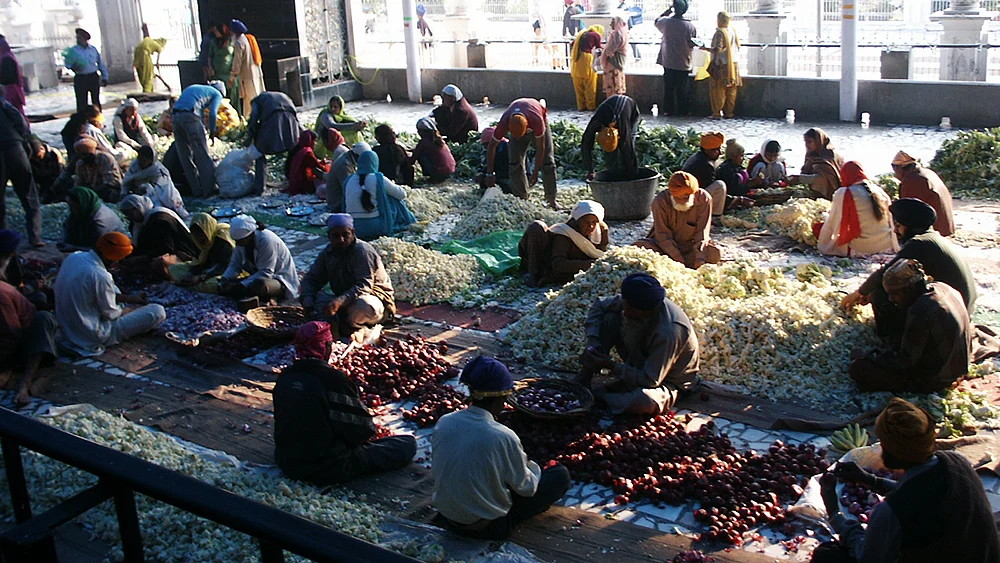
Community Kitchen (Langar)
The cornerstone of Sikhism, a free meal served to all visitors at the gurudwara.
How is it done?
- Volunteer Service (Seva) – Devotees volunteer to cook, serve, and clean. No one is paid.
- Simple, Nutritious Food – Typically vegetarian meals like dal, roti, rice, and a vegetable dish.
- Sitting Together (Pangat) – Everyone sits in rows on the floor, regardless of religion, caste, or status.
- No Wastage – Food is prepared in quantities to minimize waste, and leftovers are respectfully managed.
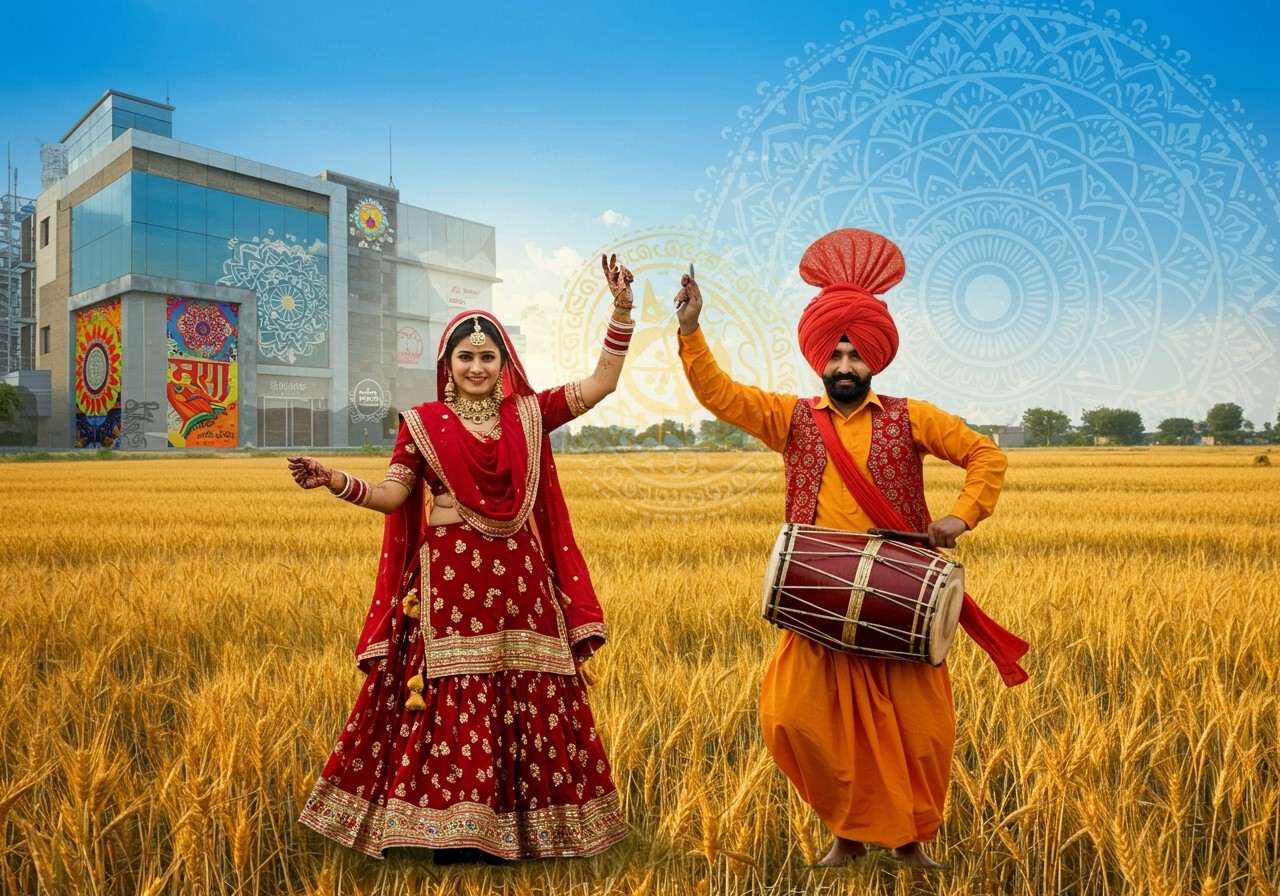
Gotra & Clan Traditions (Biradari)
Rituals centered around clan identity and ancestral worship.
How is it done?
- Ancestral Village Visits (Pind) – Returning to the ancestral village for major life events and festivals.
- Clan Gatherings (Biradari Diwan) – Meetings of the extended clan to discuss matters and celebrate together.
- Worship of Clan Saints (Pirs) – Paying respects at the shrines (mazaars) of saints revered by specific clans.
- Marriage Rules – Following traditional rules about marriage within or outside the gotra.
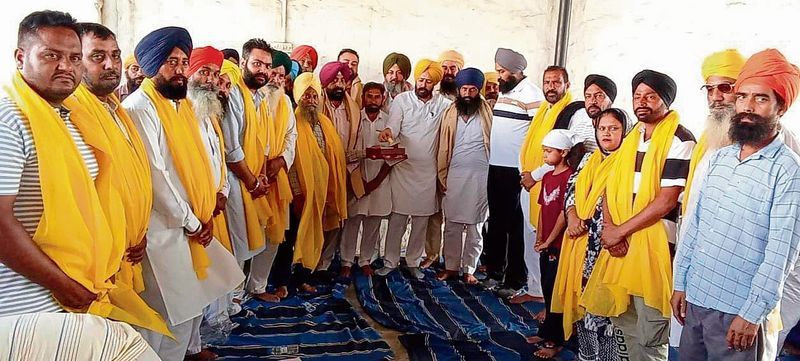
Village Council (Panchayat)
Traditional systems of local governance and justice.
How is it done?
- Community Oath (Sachcha Sauda) – Taking an oath on the Guru Granth Sahib or holy scripture to tell the truth.
- Consensus Decision (Sammati) – Elders deliberate to reach a unanimous verdict acceptable to all parties.
- Symbolic Punishments – Fines, community service, or social boycotts as forms of restitution.
- Community Feast (Santhiya) – A shared meal to mark the resolution and restore social harmony.
Art & Craft
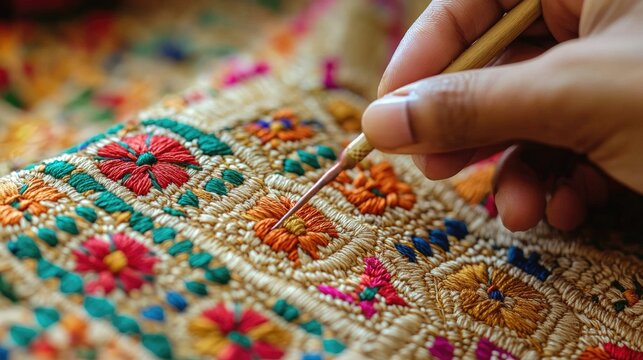
Phulkari Embroidery Rituals
The traditional craft of embroidery, deeply tied to women’s lives and ceremonies.
How is it done?
- First Stitch for the Bride (Doli Phulkari) – The bride begins embroidering her own Phulkari dupatta for the wedding.
- Gift of Phulkari – Maternal grandmothers gift hand-embroidered Phulkaris to granddaughters for their trousseau.
- Embroidery Gatherings (Trijan) – Women gather during festivals or leisure time to embroider together, singing folk songs.
- Blessing the Tools – The embroidery frame (adda) and needles are sometimes blessed before starting a major piece.
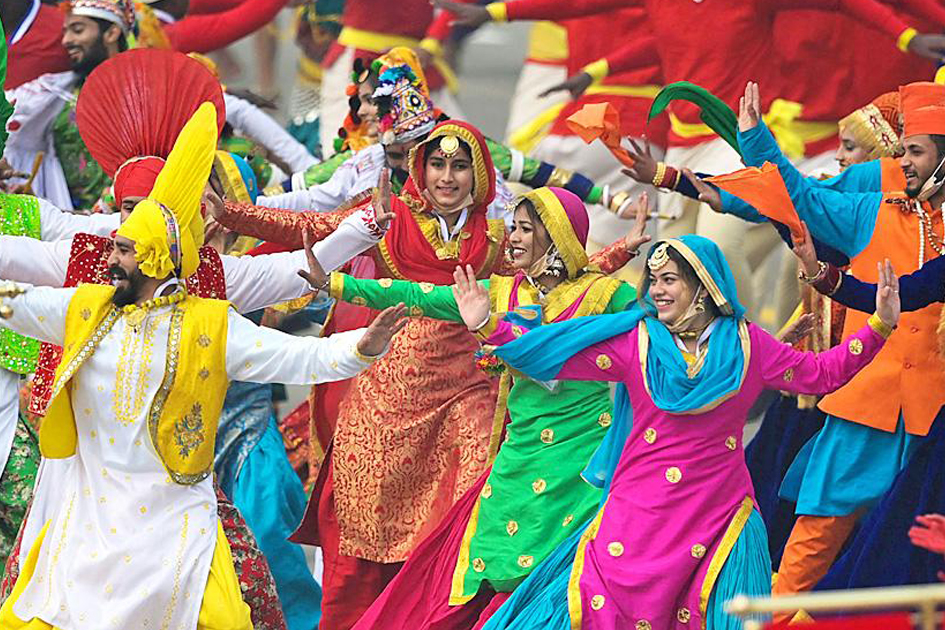
Folk Music & Dance (Bhangra & Gidda)
Energetic performances integral to celebrations and harvests.
How is it done?
- Pre-Performance Ritual (Ardas) – A short prayer is offered before beginning a performance, especially at competitions.
- Drum Blessing (Dhol Vaja) – The dhol (drum) is often garlanded and a tilak applied before being played.
- Harvest Celebrations – Bhangra originated as a celebratory dance performed by men during the Vaisakhi harvest.
- Women’s Circles (Gidda) – Women perform gidda in circles during festivals like Teej and weddings, often with poetic recitations (boliyan).

Craft & Tool Veneration (Ayudha Puja)
Worship of instruments of livelihood, reflecting Punjab’s agrarian and artisan roots.
Energetic performances integral to celebrations and harvests.
How is it done?
- Worship of Farming Tools – On Vaisakhi or Lohri, tractors, plows (hal), and other tools are cleaned and decorated.
- Artisan Tool Puja – Cobblers, carpenters, and blacksmiths worship their tools on Vishwakarma Day.
- Vehicle Decoration – Trucks, cars, and motorcycles are washed, decorated with flags and motifs, and blessed for safety.
- Halting Work – No work is done with the worshipped tools or vehicles on the day of the puja.
Other Significant Rituals
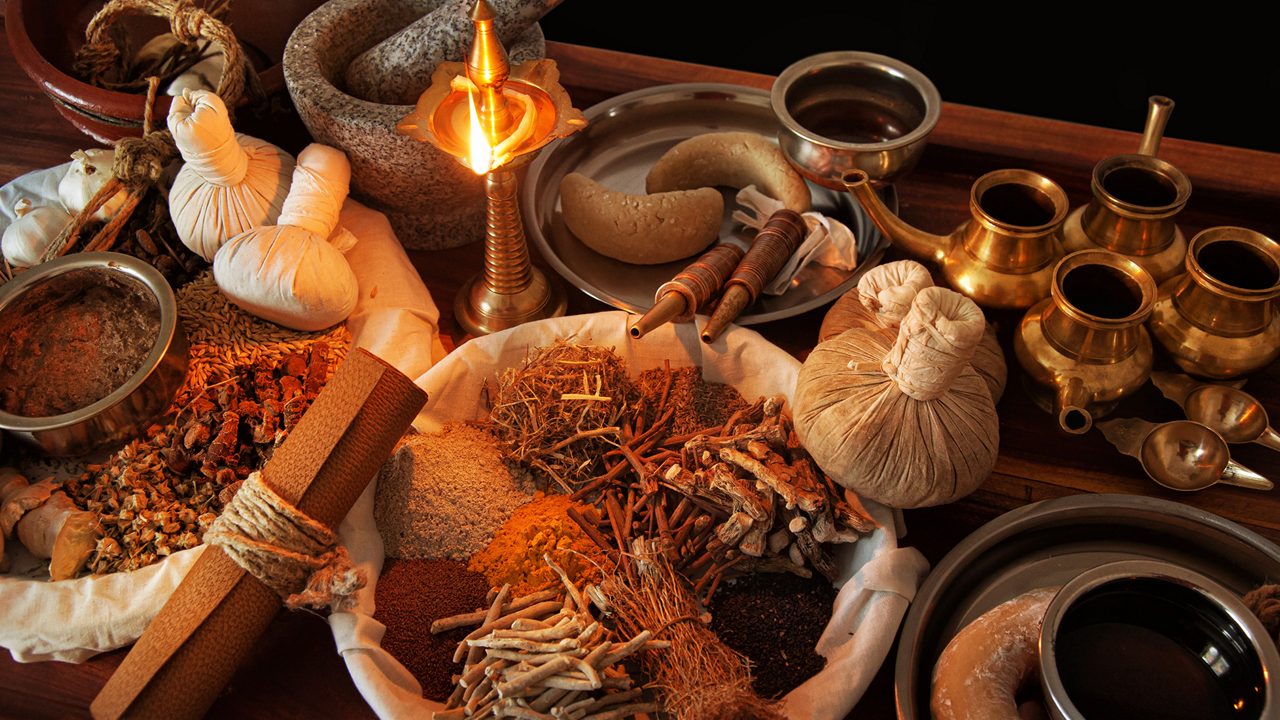
Traditional Wellness (Desi Ilaj)
Home remedies using local ingredients, passed down through generations.
How is it done?
- Wheatgrass Juice (Gehu ka Ras) – Consuming fresh wheatgrass juice in spring for detoxification.
- Herbal Concoctions (Kadha) – Boiling herbs like tulsi, ginger, and black pepper for colds and immunity.
- Massage with Mustard Oil (Sarsoon tel di malish) – Regular body and scalp massage, especially for newborns and the elderly.
- Fermented Foods – Regular consumption of probiotic foods like lassi (buttermilk) and pickles for gut health.

Nature Veneration (Prakriti Puja)
Rituals showing reverence for natural elements crucial to agrarian life.
How is it done?
- Tree Worship (Pipal Puja) – Offering water and threads to the sacred peepal tree, especially on Saturdays.
- River Offerings – Offering prayers and small offerings (diyas, flowers) to rivers like the Sutlej during festivals.
- Honoring Farm Animals – Decorating and feeding bulls and cows on festivals like Lohri and Vaisakhi.
- First Fruit Offering – Offering the first fruits of the season (like mangoes) at the gurudwara or temple before consuming.
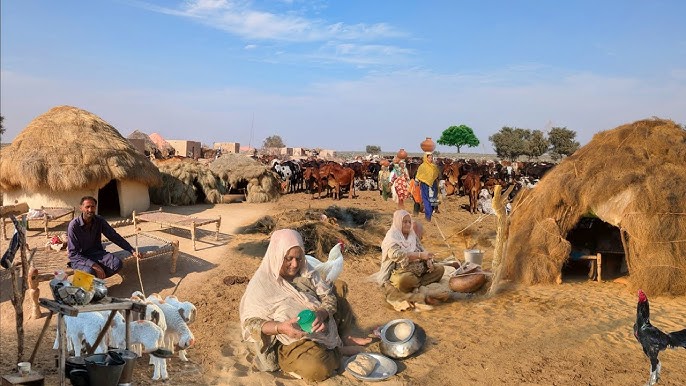
Seasonal Routines (Ritu Charya)
Adapting lifestyle and diet with Punjab’s extreme seasons.
How is it done?
- Winter Warmth Practices – Eating energy-rich foods like ghee, jaggery, and sarson da saag; wearing woolens (phulkari shawls).
- Summer Cooling Routines – Drinking cooling drinks like sattu, lassi, and eating melons; resting during the afternoon heat.
- Monsoon Detox – Consuming bitter gourds (karela) and herbs to prevent seasonal illnesses.
- Autumn Harvest Diet – Incorporating newly harvested grains, lentils, and sugarcane into meals.