¤ 10+ minutes Read
Steeped in Rajput grandeur and timeless charm, Bundi – Rajasthan offers a treasure trove of architectural wonders for every traveler. Discover the majestic Taragarh Fort, intricately carved stepwells like Raniji Ki Baori, and the stunning murals of Garh Palace among the top places to visit in Bundi. Wander through narrow blue-hued lanes that whisper tales of valiant rulers and rich heritage. From serene lakes to ancient temples, Bundi captivates with its unspoiled beauty and old-world allure.
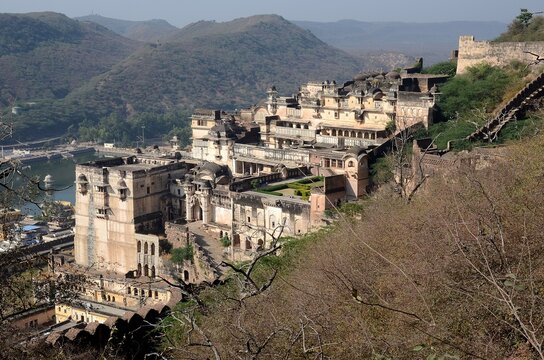
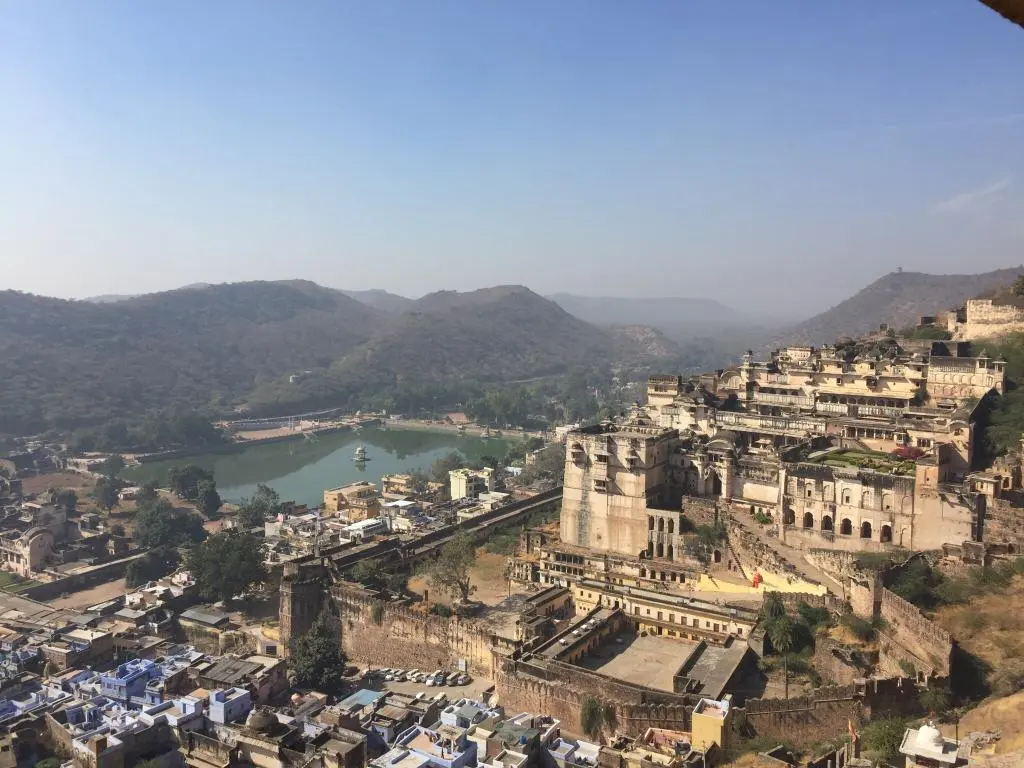
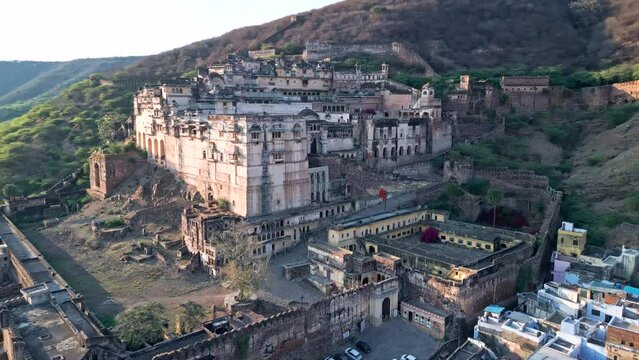
Perched dramatically on a steep hill, Taragarh Fort, or the “Star Fort,” serves as a formidable sentinel overlooking the city of Bundi. Constructed in 1354, it is renowned for its massive battlements, intricate tunnels, and the colossal Bhim Burj, a massive cannon platform that once housed a legendary cannon.
Exploring its crumbling ruins, ancient reservoirs (kunds), and the Rani Mahal (Queen’s Palace) offers a glimpse into the martial history and strategic brilliance of the Bundi rulers. The fort provides breathtaking panoramic views of the city’s blue-painted houses, the palace complex below, and the surrounding landscape.
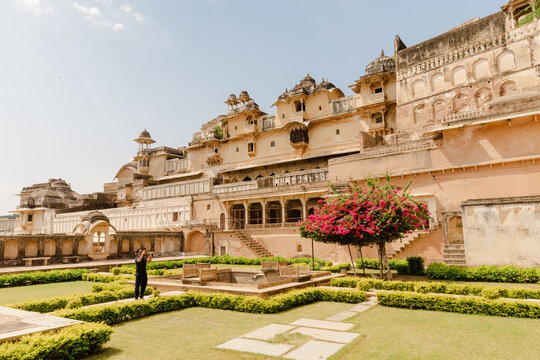
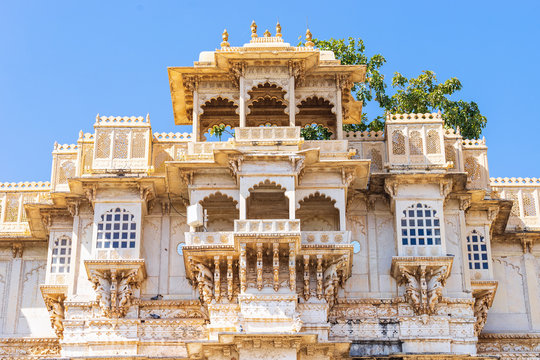
A stunning palace complex adorned with exquisite Rajasthani murals, mirror work, and the famous Chitrashala art gallery.
A breathtaking art gallery within Bundi Palace featuring vibrant 18th-century frescoes depicting royal processions and mythology.
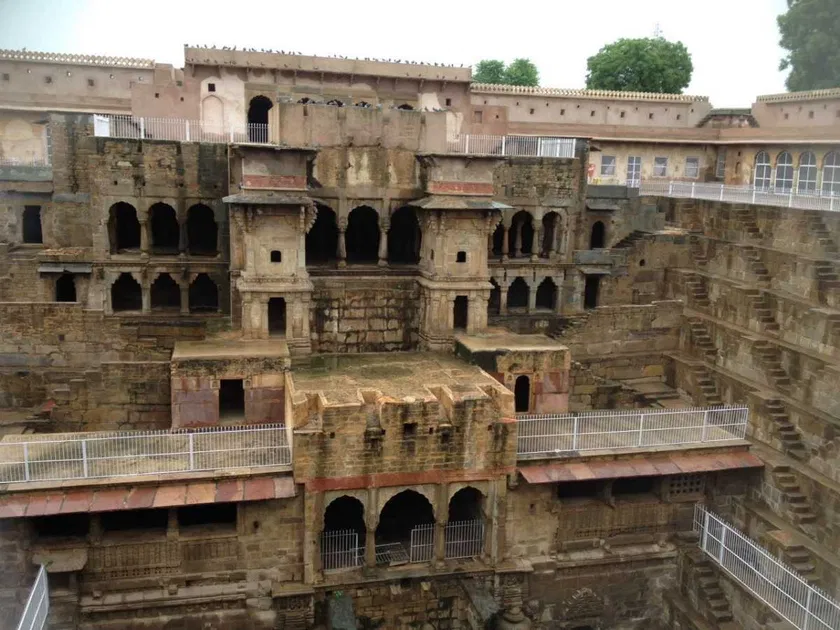
A grand stepwell built in 1699, featuring intricate stone carvings, arched niches, and a narrow staircase descending to water.
A pair of picturesque stepwells connected by a causeway, reflecting the surrounding temples and havelis.
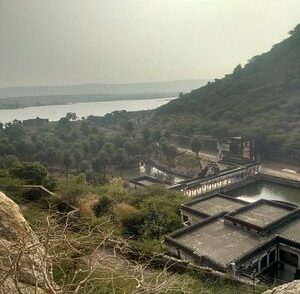
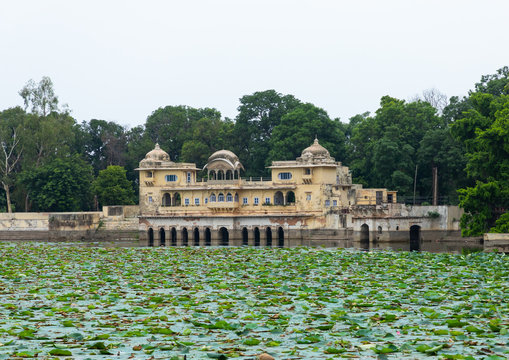
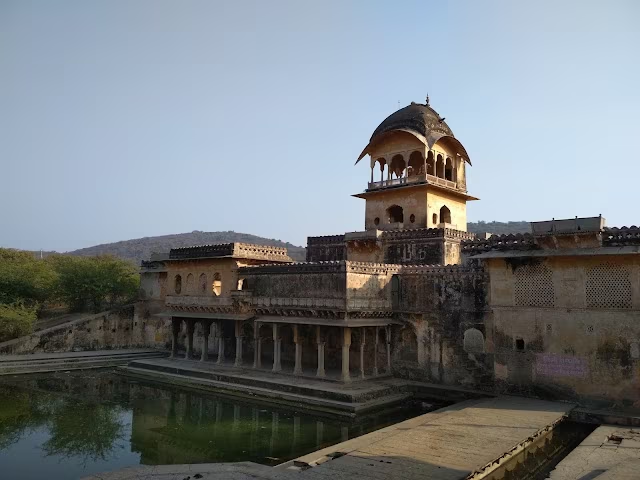
Sukh Mahal is a charming, two-story palace situated on the edge of the serene Jait Sagar Lake, built as a summer retreat for the rulers of Bundi. Its architecture is notable for a unique underground channel that drew cool water from the lake to circulate through the palace walls, functioning as a natural air conditioning system.
The palace gained literary fame as the place where Rudyard Kipling is believed to have stayed and drawn inspiration for his novel “Kim.” Today, its tranquil setting, arched verandas, and historical ambiance make it a peaceful spot to relax and reflect.
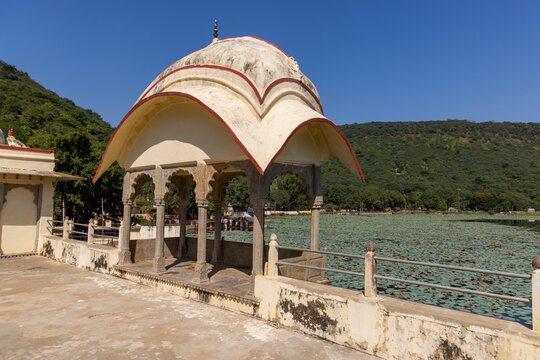
Jait Sagar is a large, picturesque artificial lake that stretches out before the Sukh Mahal palace, creating a quintessential Rajasthani landscape. Built in the 14th century by Maharaja Jait Singh, it serves as a vital water body that enhances the beauty of the surrounding heritage structures.
The calm waters reflect the nearby hills, the palace, and the ornate cenotaphs along its banks, making it a perfect location for a peaceful evening stroll or a boat ride. Its serene atmosphere is further enhanced by the melodies of numerous birds that flock to its shores.
An impressive memorial with intricately carved pillars, built by Rao Anirudh Singh in honor of his foster brother.
A small, ornate hunting lodge located on a hilltop near the palace, offering unique views of the old city and the palace ramparts.
A historic palace section within the Bundi complex, featuring a beautiful pearl-colored hall and intricate latticework windows.
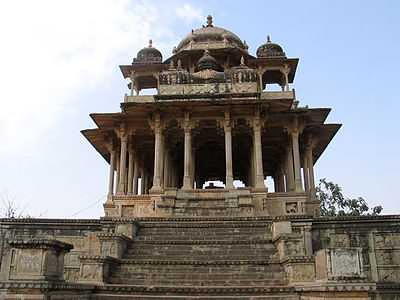
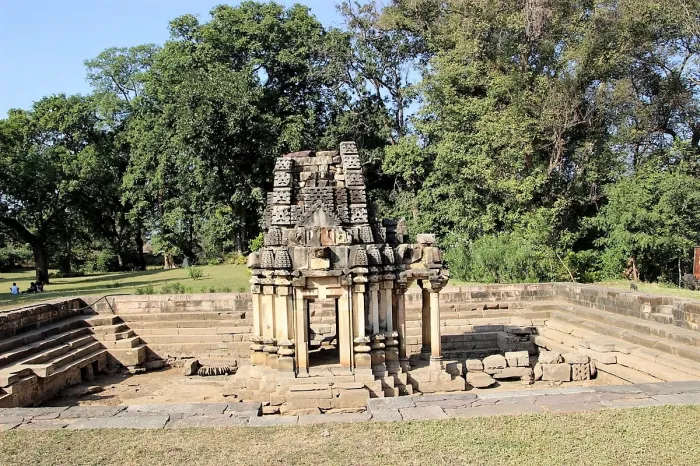
Dhabhai Ji ki Chhatri is a unique and artistically significant riverside cenotaph located along the Nagar Sagar Kund stepwells in Bundi. Unlike traditional single-storied chhatris, this structure is distinguished by its three-tiered design, showcasing exceptional craftsmanship and architectural ambition.
Built by a royal minister (Dhabhai), it features intricately carved pillars, delicate arches, and detailed stone latticework that reflect the high artistic standards of the Bundi school. The cenotaph’s location by the water, connected to the stepwells, creates a serene and historically rich tableau.
Situated approximately 30 kilometers from Bundi, Bhen Kiyari is an ancient rock-cut temple complex dedicated to Bhanda Devi, a form of the Mother Goddess. Carved directly into a vertical cliff face, the site features a series of shrines, intricate sculptures, and water tanks that date back to the 9th and 10th centuries.
The main temple is accessible via a flight of stairs and is revered for its powerful spiritual atmosphere and the natural spring that flows through the complex. Surrounded by hills and forests, it offers a fascinating blend of history, art, and serene natural beauty.
A sacred riverside spot on the Chambal River, about 40 km away, known for its scenic beauty and a historic Shiva temple.
A significant pilgrimage town at the confluence of the Chambal and Mej rivers, about 30 km from Bundi, dotted with ancient temples and ghats.
Historical site near Bijolia town, about 40 km away, home to ancient rock edicts and the remains of several grand Shiva temples.
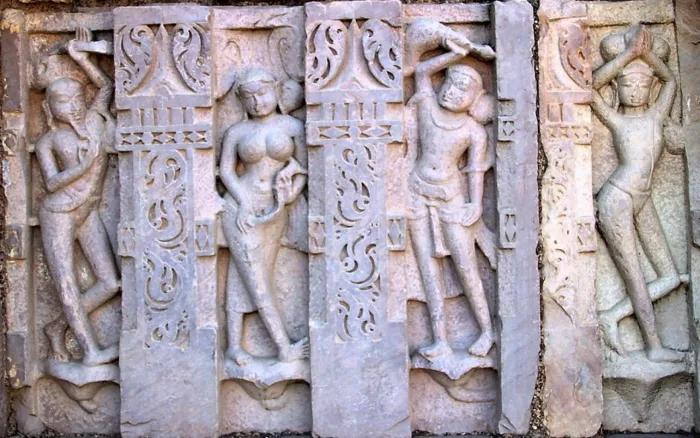
A scenic spot about 50 km away, featuring cascading waterfalls amidst a gorge and a complex of intricately carved 12th-century temples.
Located about 45 kilometers from Bundi, Ramgarh Fort is a massive, rugged, and partially ruined hill fort that exudes an aura of ancient legends and untamed history. Believed to have been built by Raja Suchet Singh, who died in 1844, it is famously associated with the tale of his wife’s sati, marked by a samadhi (memorial) at the site.
The fort’s imposing walls, gateways, and crumbling palaces are set amidst a dramatic, forested landscape, offering a sense of adventure and solitude. A trek to the top rewards visitors with commanding views of the surrounding countryside and a palpable sense of the fort’s storied past.
A relatively modern palace complex about 6 km outside Bundi, featuring a blend of Rajput and European architecture with beautiful gardens.
A serene garden and royal cenotaph complex located about 10 km from Bundi, known for its peaceful atmosphere and historical chhatris.
An ancient temple dedicated to Lord Ganesha, situated about 25 km from Bundi in a picturesque setting on the way to the Chambal region.
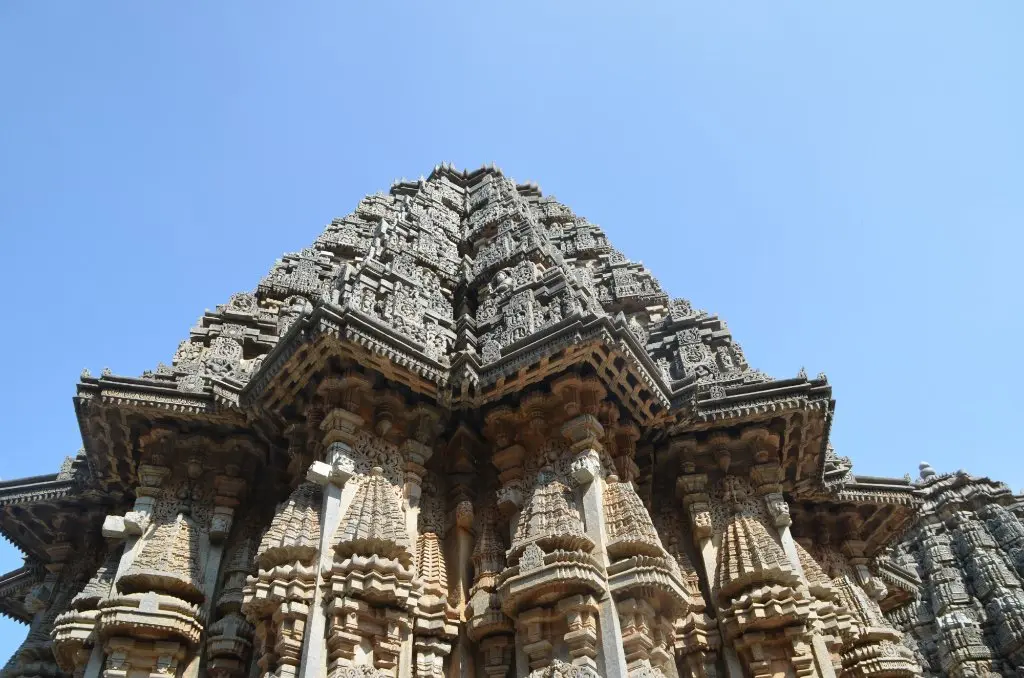
Badoli, also known as Gokund, is an important historical site located about 35 kilometers from Bundi, renowned for its group of ancient, intricately carved temples. The site is dominated by the Ghateshwar Mahadev Temple, a 10th-century masterpiece dedicated to Lord Shiva, featuring a soaring shikhara (spire) and exquisitely detailed sculptures.
Nestled beside a serene water tank, the complex includes several other shrines and ruins that showcase the mature architectural style of the Gurjara-Pratihara period. The peaceful, secluded setting amidst nature makes Badoli a significant destination for history enthusiasts and those seeking offbeat heritage sites.