¤ 10+ minutes Read
Kota, situated on the banks of the Chambal River in Rajasthan, is a city of fascinating contrasts. Once a premier Rajput princely state, it is renowned today as one of India’s most significant educational hubs, attracting thousands of students annually. Beyond its coaching centers, Kota boasts a rich historical legacy, magnificent palaces, exquisite gardens, and breathtaking riverfront vistas, making it a unique blend of tradition, royalty, and modernity.
Wiki Link: Kota wiki page
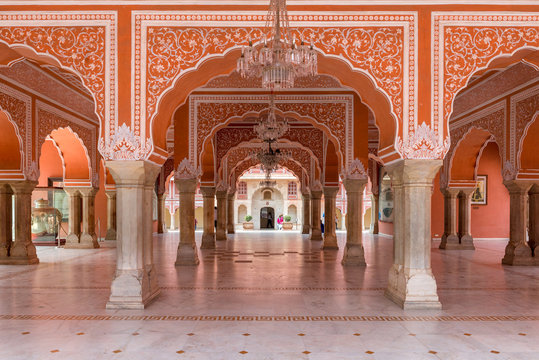
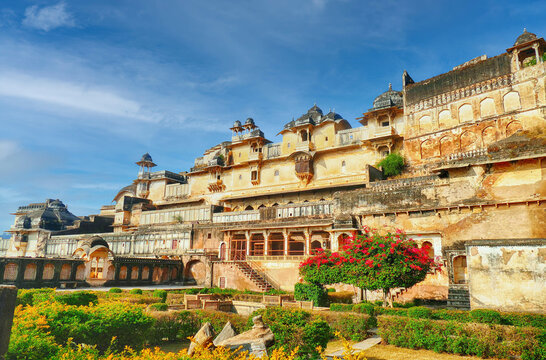
The grand City Palace overlooking the Chambal River features stunning courtyards, pavilions, and a royal museum.
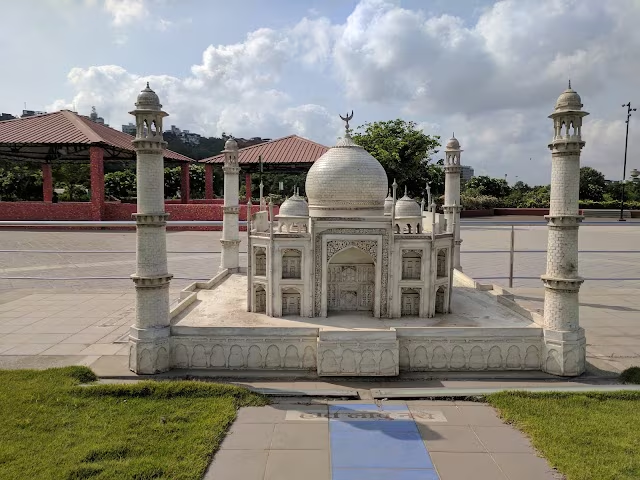
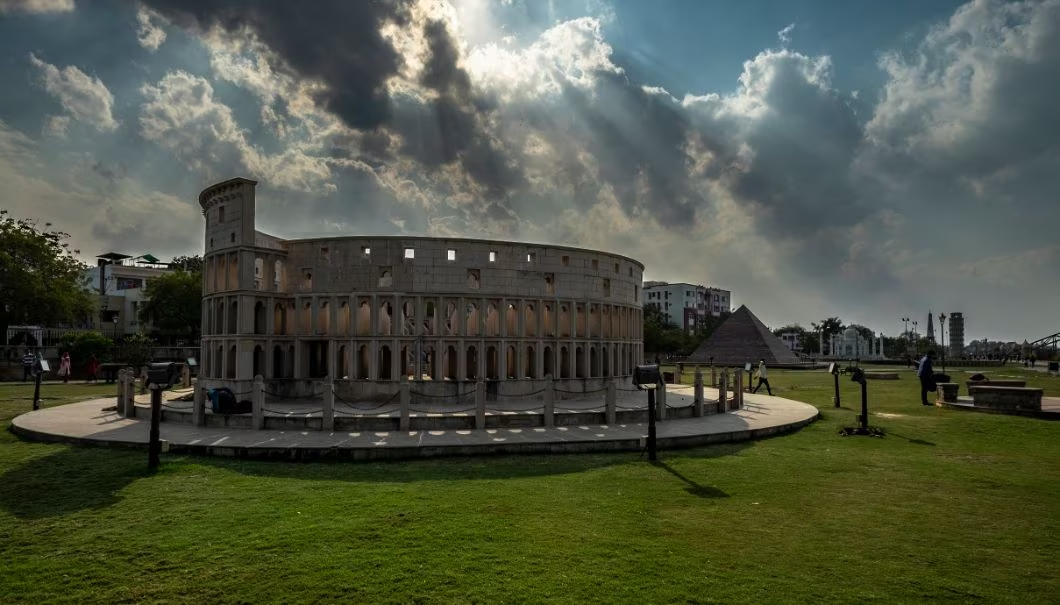
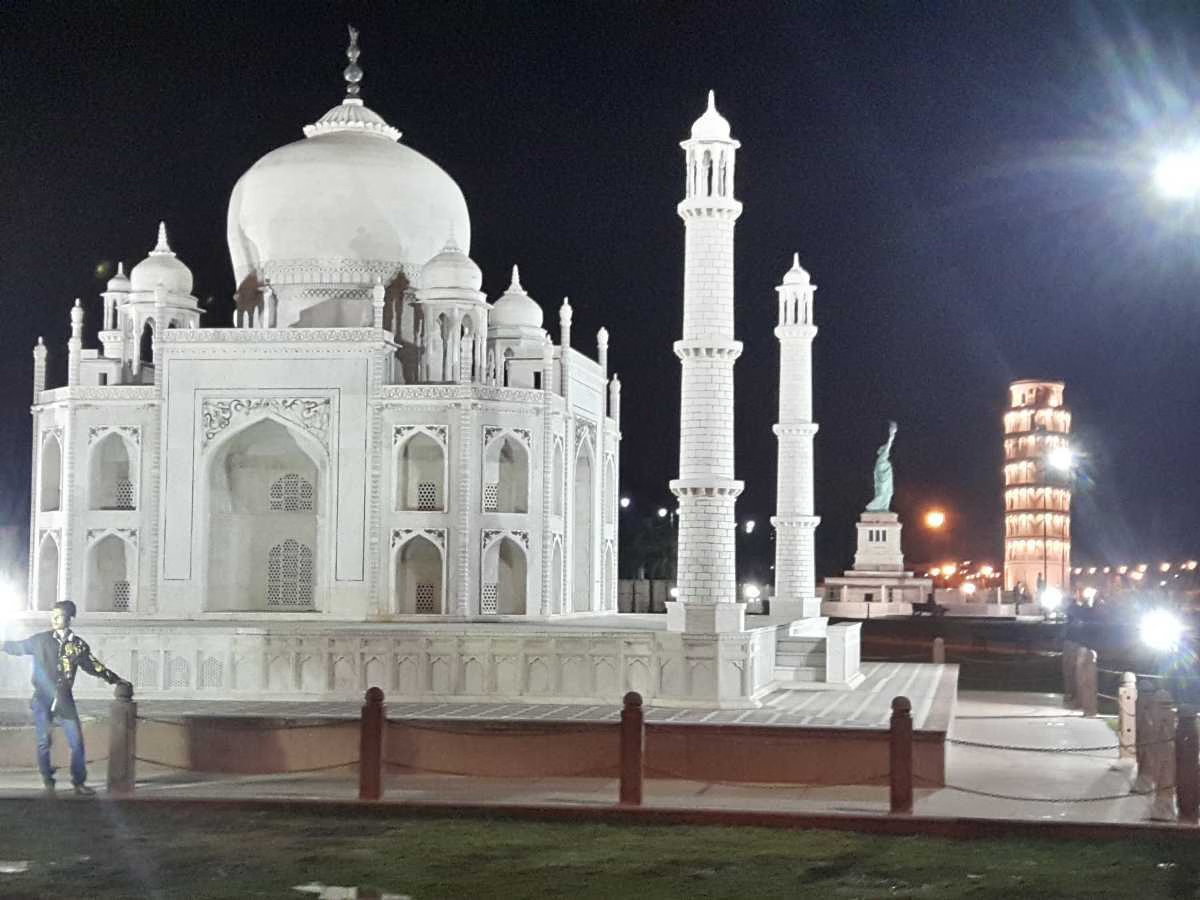
A unique park featuring illuminated miniature replicas of the world’s seven wonders along the Chambal River.
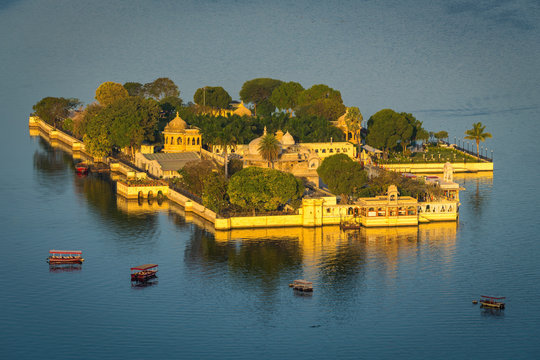
An exquisite red sandstone island palace built in 1740, floating gracefully in Kishore Sagar Lake.
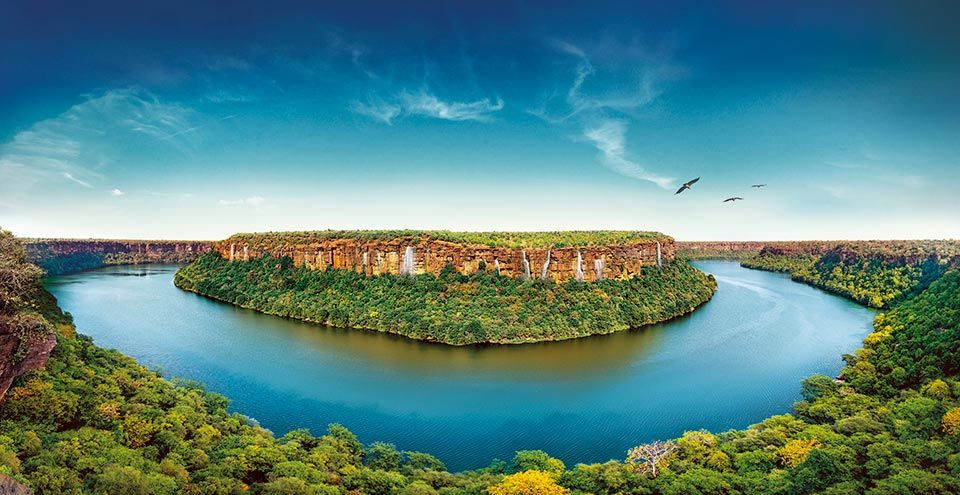
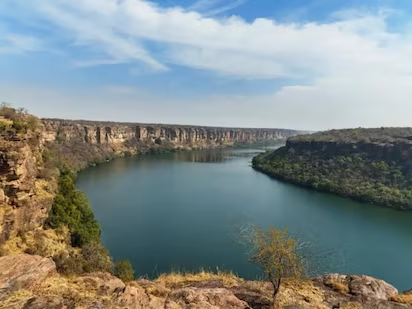
A sacred temple perched on a cliff edge offering spectacular panoramic views of the Chambal gorge.
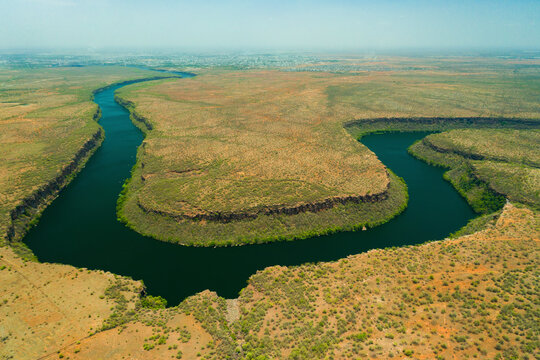
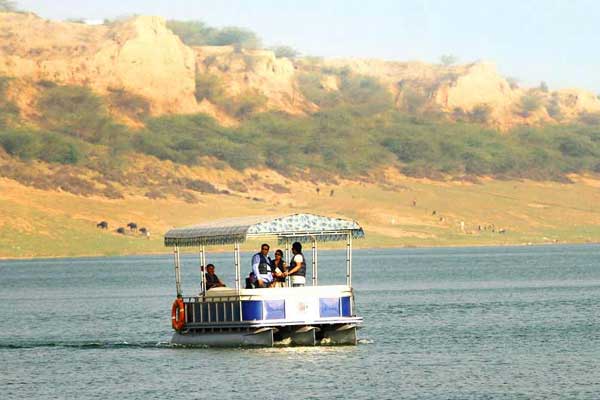
A thrilling boat safari on the Chambal River to spot rare Gangetic dolphins and gharials.
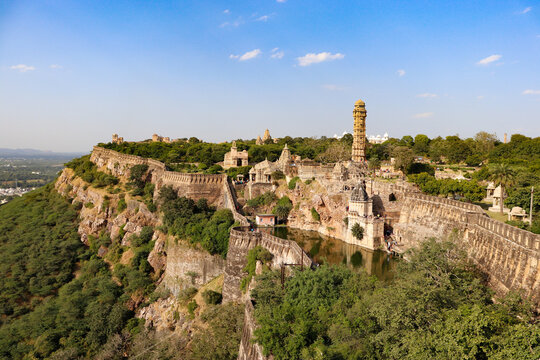
The largest fort in India and UNESCO World Heritage Site, symbolizing Rajput valor and sacrifice.
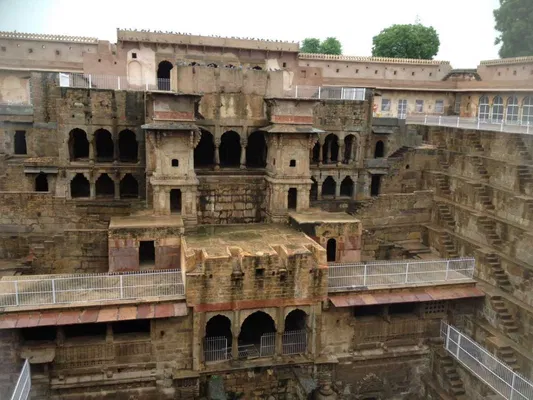
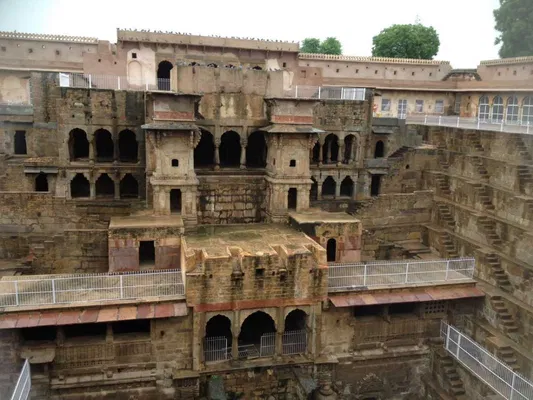
The charming “City of Stepwells” near Kota, famous for intricate baoris, palaces, and murals.
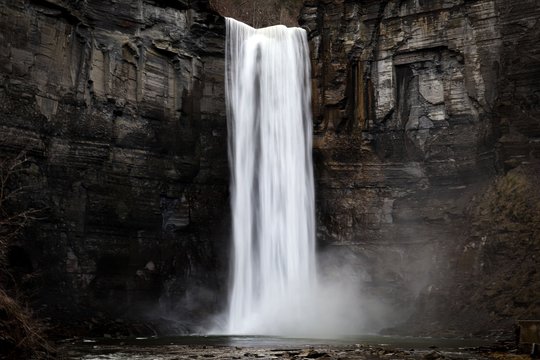
A picturesque waterfall near Kota surrounded by ancient Shiva temples and lush greenery.
Experience the royal heritage, natural beauty, and unique urban pulse of Kota. From exploring grand palaces to river safaris and savoring local delicacies, the city offers a diverse and memorable journey.
A serene boat ride on the Chambal River offering views of ghats, City Palace, and basking crocodiles.
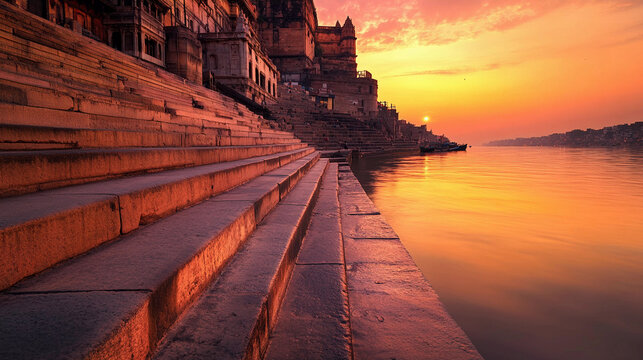
Experience tranquil sunset views from the Chambal riverfront amidst the city’s academic hustle.
Walk through bustling central Kota lanes filled with students, bookshops, and lively eateries.
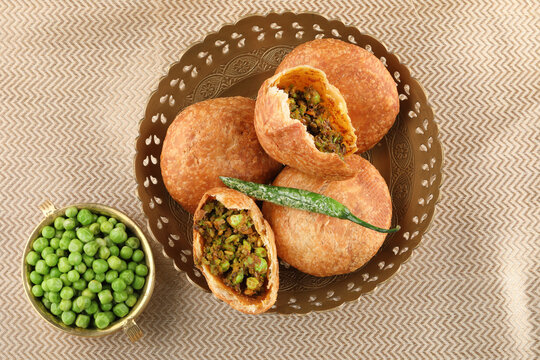
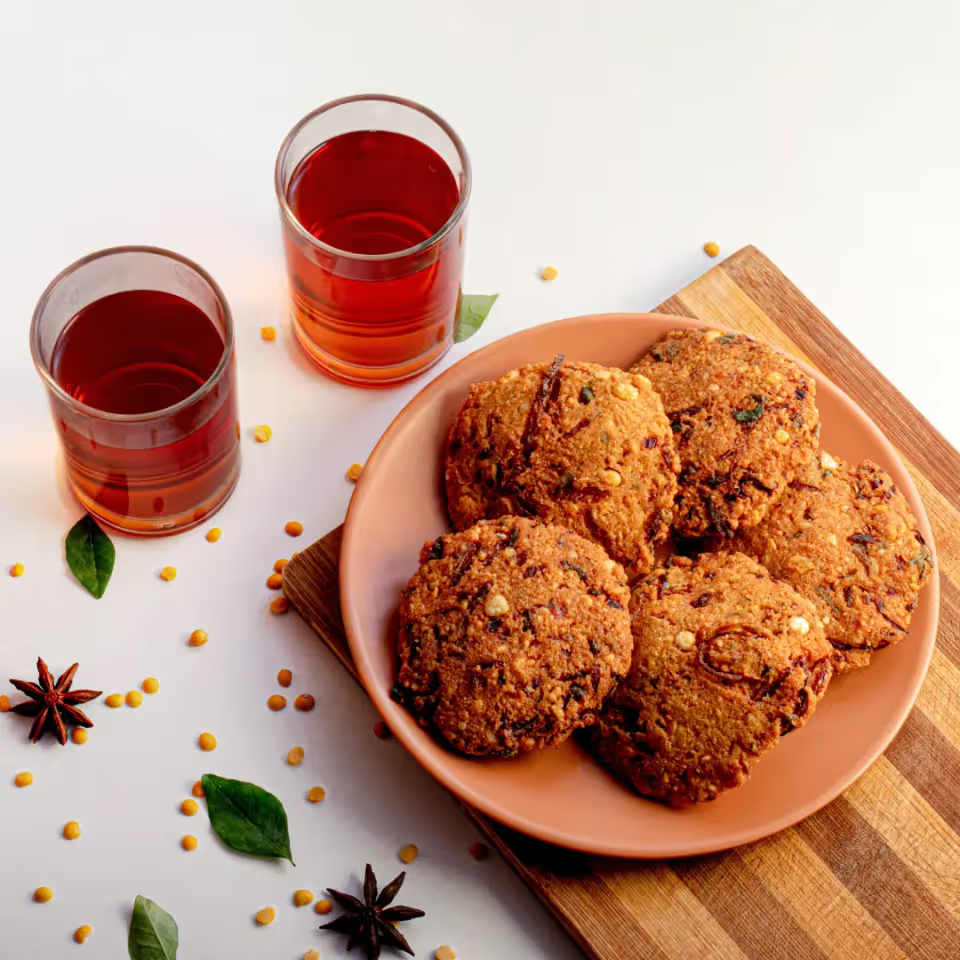
Indulge in Kota’s culinary delights including famous Kachori, Kalmi Vada, and sweet Ghevar.
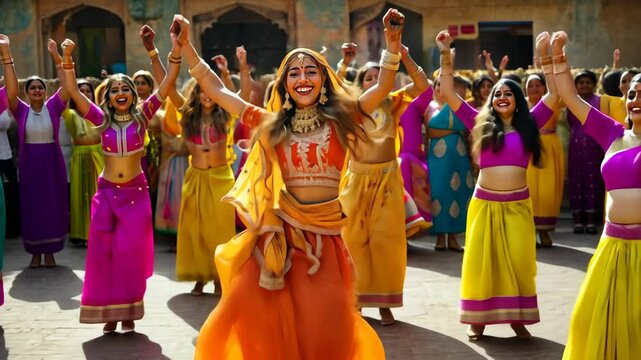
Kota, as part of the Hadoti region (derived from Hada Rajputs), has a rich tradition of folk music and dance that reflects the valor, romance, and daily life of its people. The region’s culture is vibrant and expressive, often performed during festivals and fairs.
Hadauti Folk Music
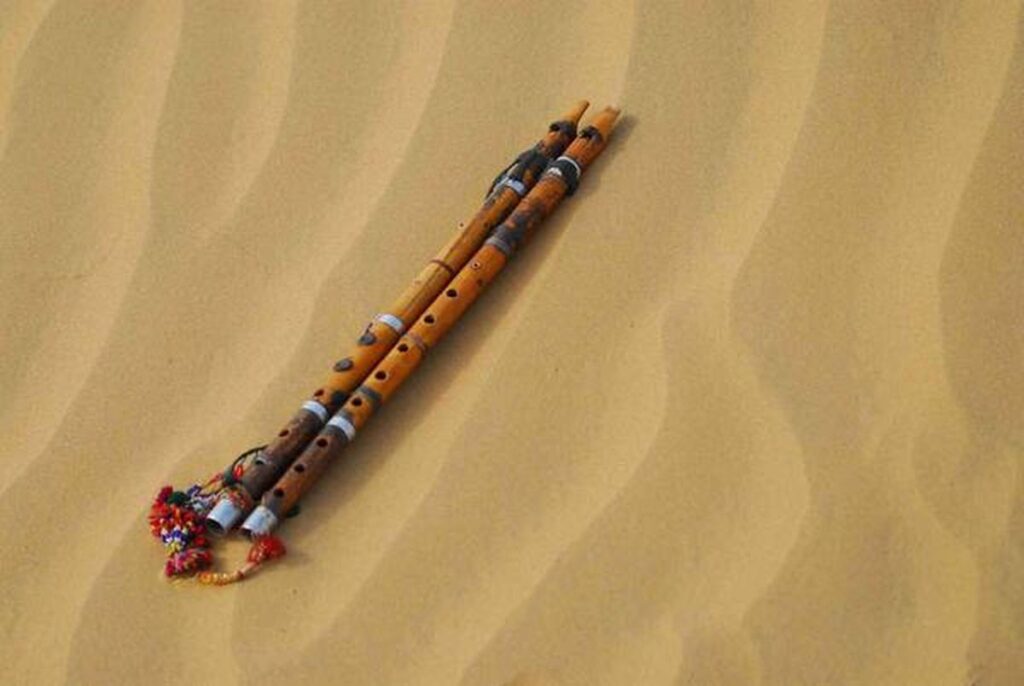
Algoza Music
Bhajans & Qawwalis
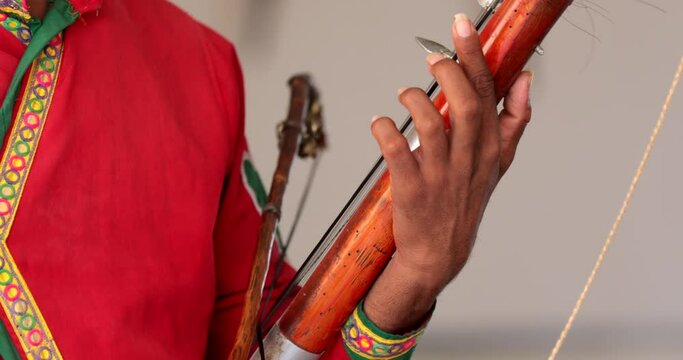
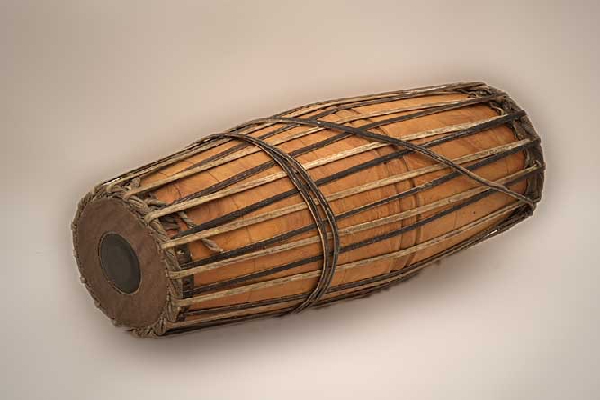
Kota and the Hadoti region are vibrant centers for Hadauti folk music, with traditional ballads like Bhat narrating tales of Rajput valor and romance. The soulful Kurja songs express the emotions of separation and longing, deeply rooted in local folklore. Folk instruments like the algoza (double flute) and dholak accompany these melodies, preserving the region’s rich oral traditions during festivals and community gatherings.
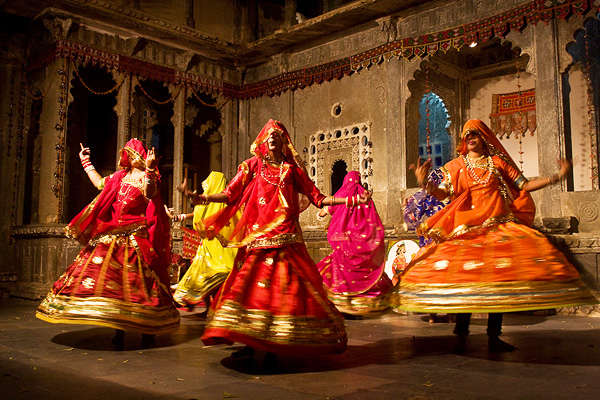
Ghoomar
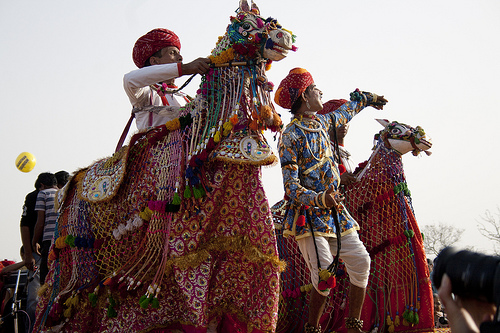
Kachhi Ghodi
Tejaji Dance
Ghoomar, the iconic Rajput dance, is performed gracefully by women in circular movements, accompanied by rhythmic clapping and traditional songs. The energetic Kachhi Ghodi dance features performers riding dummy horses, dramatizing tales of bandits and bravery with stylized movements. Folk dances dedicated to Tejaji, the local deity, involve acrobatic storytelling, while Terahtali showcases women performing intricate rhythms with brass cymbals tied to their bodies.
Kota pulses with a unique dual energy. By day, its historical palaces and museums whisper tales of Rajput royalty. By evening, the city transforms, with thousands of students filling the streets, cafes, and bookshops, creating an atmosphere of ambition and youthful energy. This blend of serene riverfronts, regal heritage, and modern academic hustle gives Kota a character unlike any other in Rajasthan.
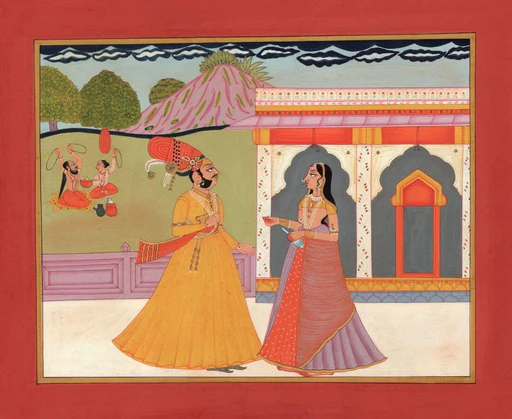
Kota’s heritage is deeply rooted in the Hada Rajput clan. The magnificent City Palace, the beautiful Jagmandir, and the ancient temples reflect a rich artistic and architectural legacy. The region is also famous for the Kota School of Painting, which flourished under royal patronage, known for its dynamic depictions of hunting expeditions, court scenes, and wildlife.
Kota’s cuisine is a delightful mix of traditional Rajasthani flavors and unique local specialties.
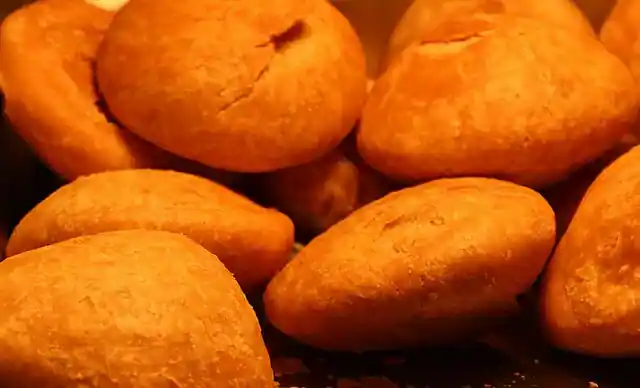
A signature Kota snack featuring crispy deep-fried kachoris stuffed with spiced lentils and tangy chutneys.
A unique non-vegetarian Kota specialty of spiced minced mutton patties, deep-fried to perfection.
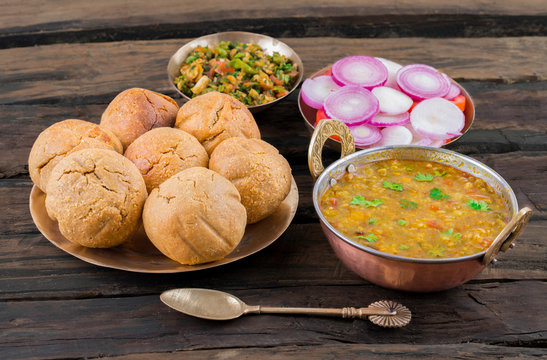
The iconic Rajasthani meal of crispy wheat baati served with lentil dal and sweet churma.
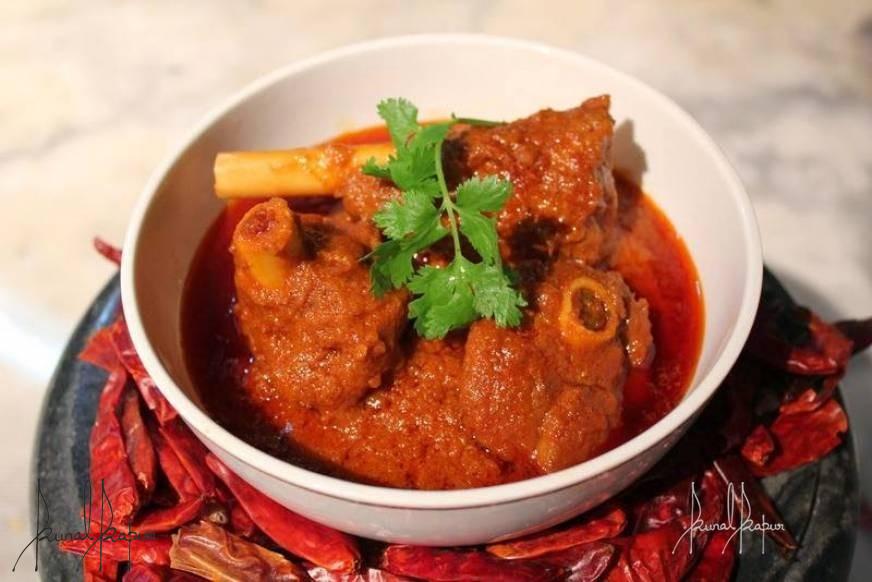
A legendary fiery Rajasthani mutton curry cooked in spicy red chili and garlic gravy.
Shopping in Kota offers a unique blend of traditional Rajasthani crafts and local specialties. The markets buzz with energy, reflecting both the city’s heritage and its modern student population.
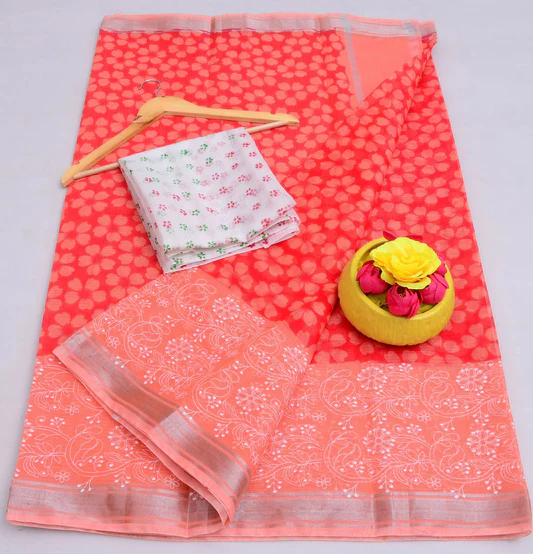
The pride of Kota, these lightweight handwoven cotton-silk sarees feature the iconic square-check pattern.
Exquisite reproductions and contemporary art inspired by the renowned Kota school of miniature painting.
Colorful traditional Rajasthani lac bangles adorned with stones and intricate embellishments.
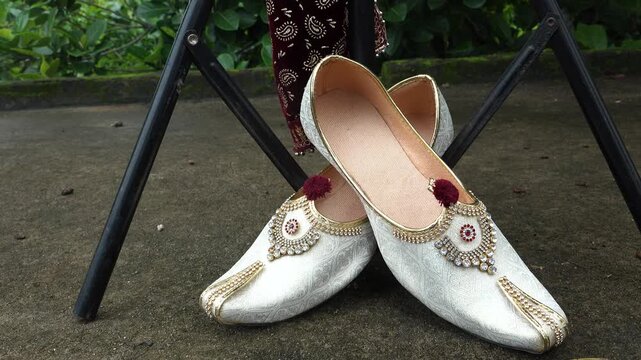
Handcrafted leather footwear with intricate embroidery and characteristic pointed toes.
The best time to visit Kota is during the winter months, from October to March. The weather is pleasant and cool, with temperatures ranging from 10°C to 25°C, making it ideal for sightseeing, river safaris, and exploring nearby attractions. Summers (April-June) are extremely hot, and the monsoon (July-September) brings humidity, though the region becomes lush green.
Sun Protection: Carry sunscreen, sunglasses, and a hat, especially during winters as the sun can be strong during midday.
Stay Hydrated: Even in winter, keep a water bottle handy while exploring outdoor attractions.
River Safety: During boat rides or Chambal safaris, strictly follow the instructions of the boat operator and wear life jackets.
Student Zones: Be mindful of the heavy student traffic in central areas, especially around coaching hubs, which can get crowded.
Footwear: Wear comfortable walking shoes when exploring historical sites like the City Palace or Garadia Mahadev.
Respect Local Customs: Dress modestly when visiting temples and religious sites.
Kota is well-connected by rail (Kota Junction is a major railway station) and road. Within the city, auto-rickshaws are the most convenient mode of transport for short distances. City buses operate on key routes. For visiting nearby attractions like Garadia Mahadev or Chambal Safari, hiring a taxi or cab for the day is recommended. App-based cab services are also available in the city.
Overcharging by Auto-Rickshaws: Always agree on a fare before starting the ride or insist on using the meter. Fares can be inflated for tourists.
Unauthorized Guides: At historical sites, beware of unofficial guides offering tours. Use only guides authorized by the Rajasthan Tourism Development Corporation.
Boat Safari Operators: For Chambal River safaris, book through authorized operators or the forest department to ensure safety and authentic wildlife viewing.
Fake Souvenirs: Be cautious when buying "antique" miniature paintings or artifacts; many may be modern reproductions sold at inflated prices.
Photography Charges: Some individuals at tourist spots may demand money for photographing them or their stalls. Clarify beforehand.
Accommodation Touts: Avoid touts at the railway station or bus stand offering cheap hotels; book through reputable online platforms or directly.