¤ 7 minutes Read
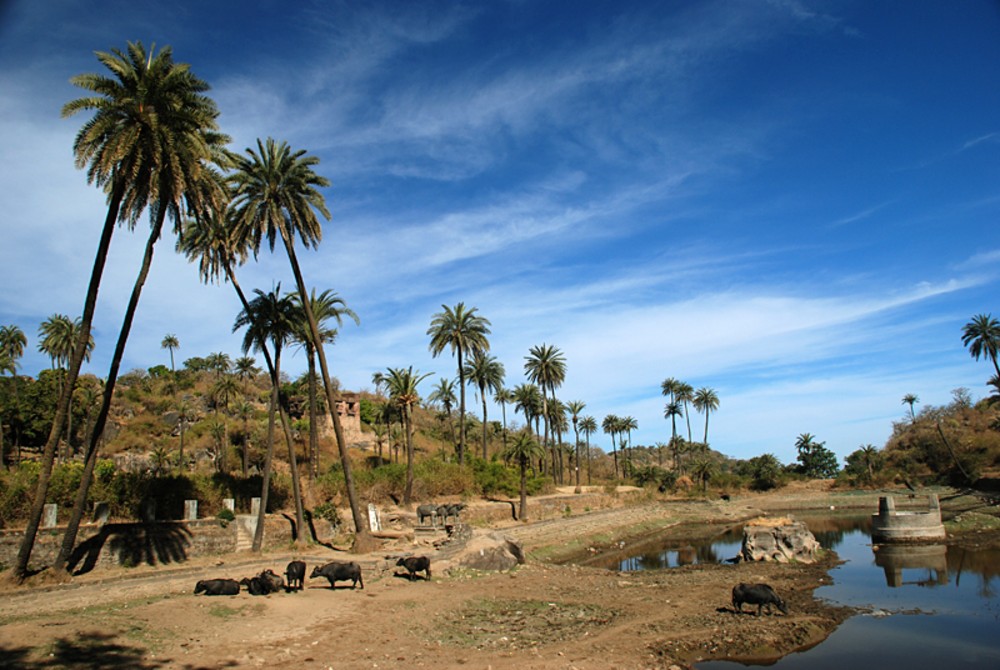
Mount Abu, Rajasthan’s only hill station, rises like a cool oasis above the arid plains of the state, offering a refreshing blend of natural beauty, spiritual calm, and colonial-era charm. Surrounded by the lush Aravalli Range, it is known for its pleasant climate and dramatic viewpoint. With its mix of forests, wildlife, markets, cafés, and sunset vistas, Mount Abu feels like a tranquil retreat where nature, culture, and history come together seamlessly.
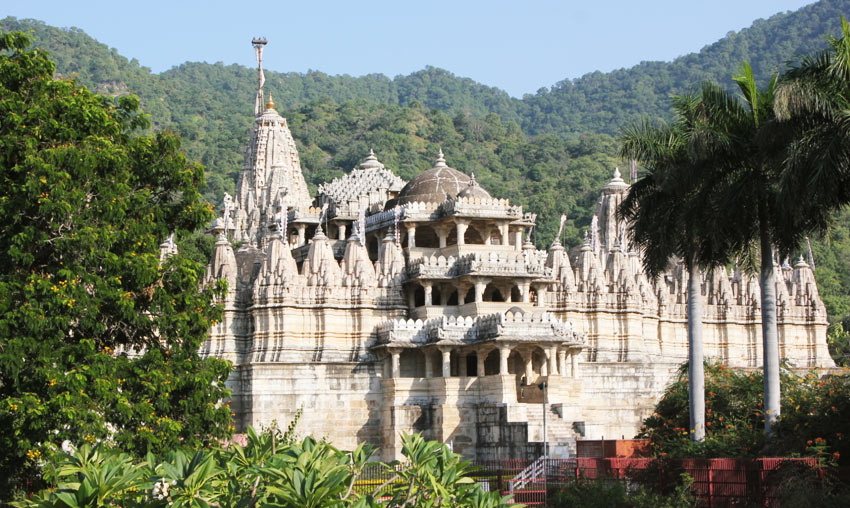
The Dilwara Temples are Mount Abu’s most celebrated architectural gems, famous for their unbelievably intricate marble carvings.
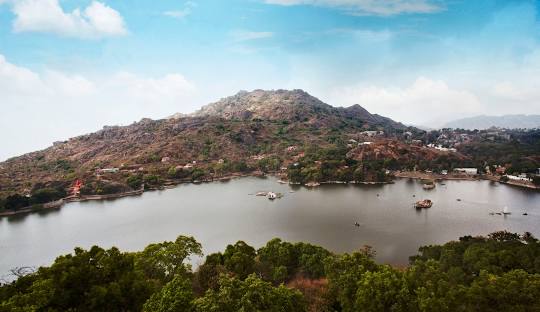
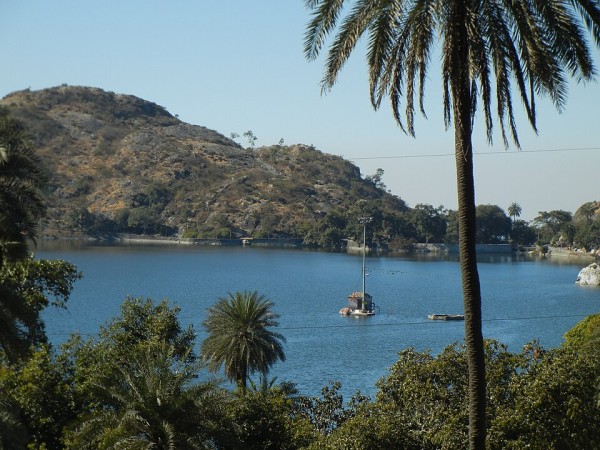
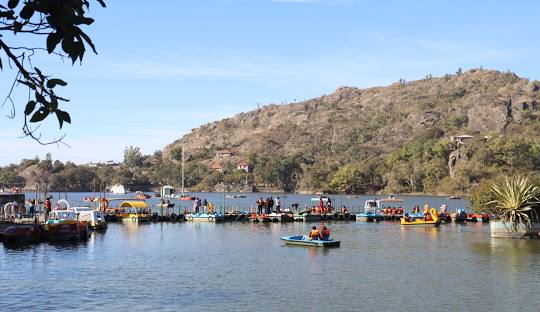
Nakki Lake is the heart of Mount Abu, a serene, man-made lake surrounded by rocky hills, gardens, and cafés.
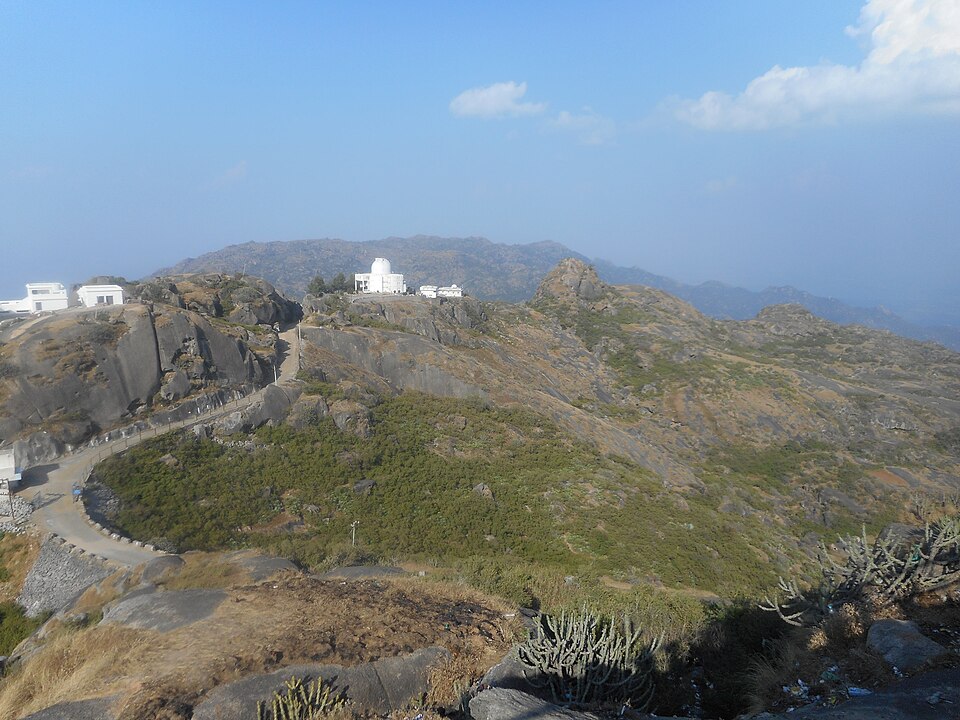
Guru Shikhar, the highest peak of the Aravalli Range, offers breathtaking panoramic views of the surrounding mountains.
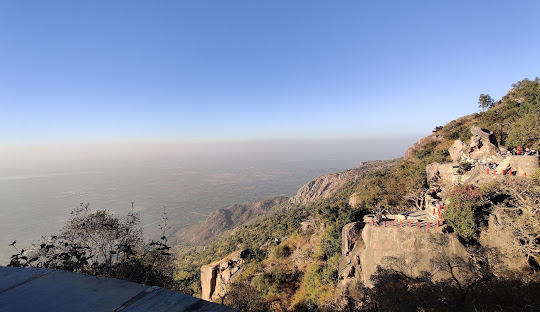
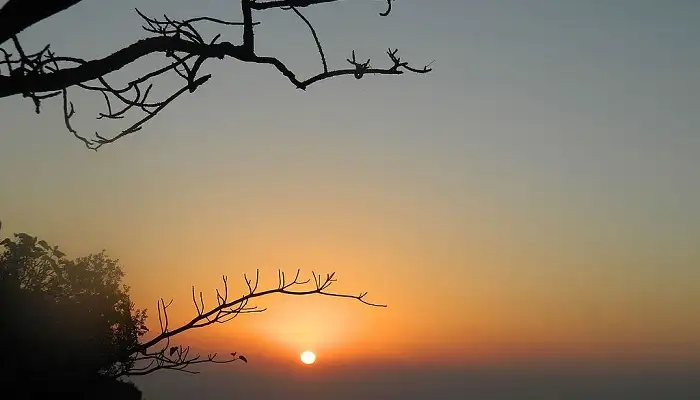
One of Mount Abu’s most famous viewpoints, Sunset Point attracts visitors every evening to witness spectacular sunset.
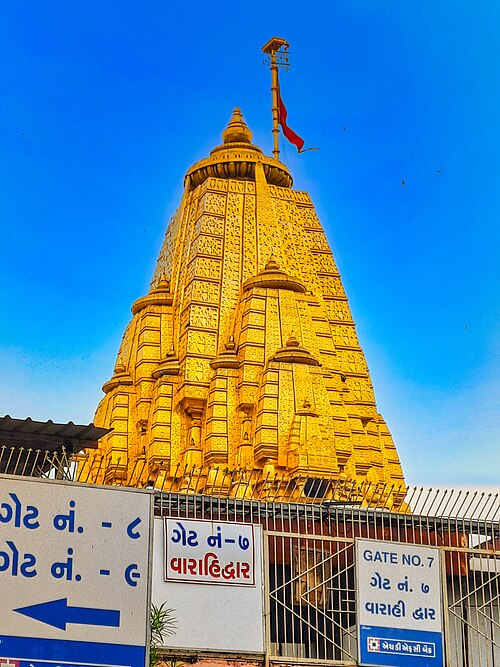
One of the most important Shakti Peethas in India, the Ambaji Temple attracts thousands of devotees throughout the year
Achalgarh Fort, built by the Paramara dynasty offers a glimpse into the region’s medieval history. The fort’s viewpoints create a perfect blend of heritage
Located near Mount Abu, this sanctuary is a protected habitat for the Indian sloth bear and several other wildlife species.
A UNESCO World Heritage Site, Kumbhalgarh Fort boasts the world’s second-longest continuous wall after the Great Wall of China
Experience the spiritual, cultural, and historical essence of the city.
A relaxing boat ride on Nakki Lake is one of the most enjoyable experiences in Mount Abu. Surrounded by hills & gardens.
For adventure lovers, trekking up to Guru Shikhar highest peak of the Aravalli Range, is both refreshing and rewarding
Visiting the Dilwara Jain Temples is a must for anyone interested in architecture or history. The peaceful atmosphere make it special.
One of the highlights of Mount Abu is sitting at Sunset Point and watching the sky turn into shades of orange, pink, and purple
The performing arts of Mount Abu reflect a blend of local traditions, cultural storytelling, and vibrant folk expression. Music and dance here are often connected to nature, festivals, and community celebrations, creating an atmosphere filled with rhythm and emotion. Performances typically involve graceful movements, expressive gestures, and lively beats that bring local stories and customs to life. Whether presented during gatherings, cultural evenings, or festive occasions, these art forms add color, warmth, and a sense of cultural pride to the hill station’s serene environment.
Maand
Lok Geet
Bhajans
Maand, a traditional Rajasthani style of singing known for its melodic richness and romantic or devotional themes. Lok Geet, which reflects the daily lives, festivals, and stories of local communities. Bhajan, plays an important role, especially in temples and during spiritual gatherings.
Ghoomar
Kalbelia
Bhavai
Ghoomar, is a popular folk dance performed by women in flowing skirts, often during festivals and celebrations. Kalbelia, is another traditional dance, performed by the Kalbelia community, characterized by energetic movements. Bhavai, is a dramatic folk dance that combines storytelling and balancing acts.
Mount Abu offers a relaxed yet lively city vibe, where the calm of a hill station blends with the charm of small-town life. The streets around Nakki Lake buzz with cafés, local shops, and friendly vendors, creating a warm and welcoming atmosphere. You’ll see tourists strolling along the lakeside, families enjoying snacks, and small markets filled with colorful handicrafts.
Mount Abu’s heritage is a rich blend of history, culture, and ancient craftsmanship that adds depth to its natural beauty. The town is home to age-old temples, stone structures, and traditional architectural styles that reflect the legacy of past dynasties and spiritual traditions. Its heritage is shaped by intricate carvings, sacred sites, and stories passed down through generations.
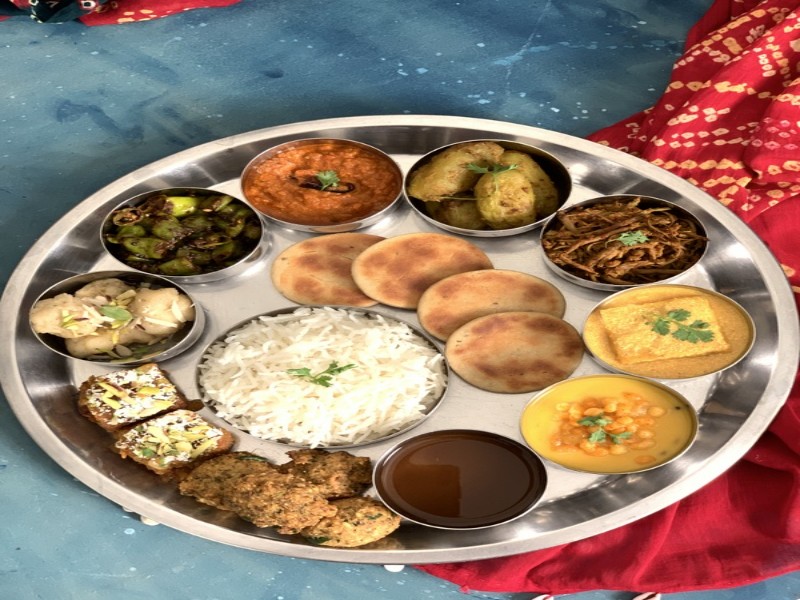
Mount Abu is a paradise for food lovers, offering a variety of traditional delights.
A traditional Rajasthani thali in Mount Abu offers a wholesome mix of local flavors, including vegetables, lentils, breads, and sweets.
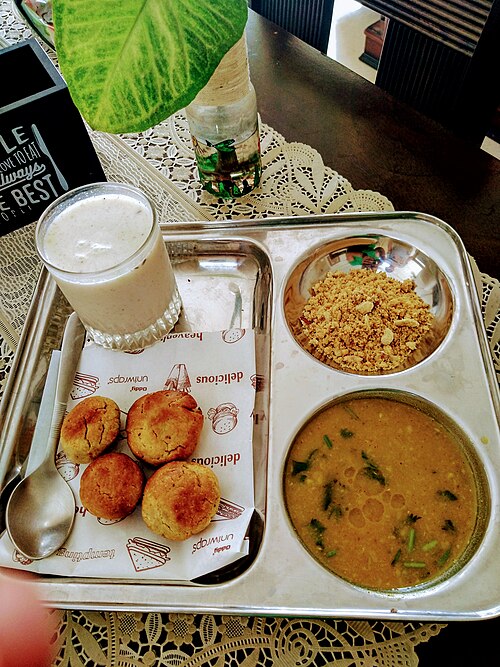
This classic Rajasthani dish is loved for its earthy taste and balanced flavors. The crispy baati, served with warm lentils and sweet churma
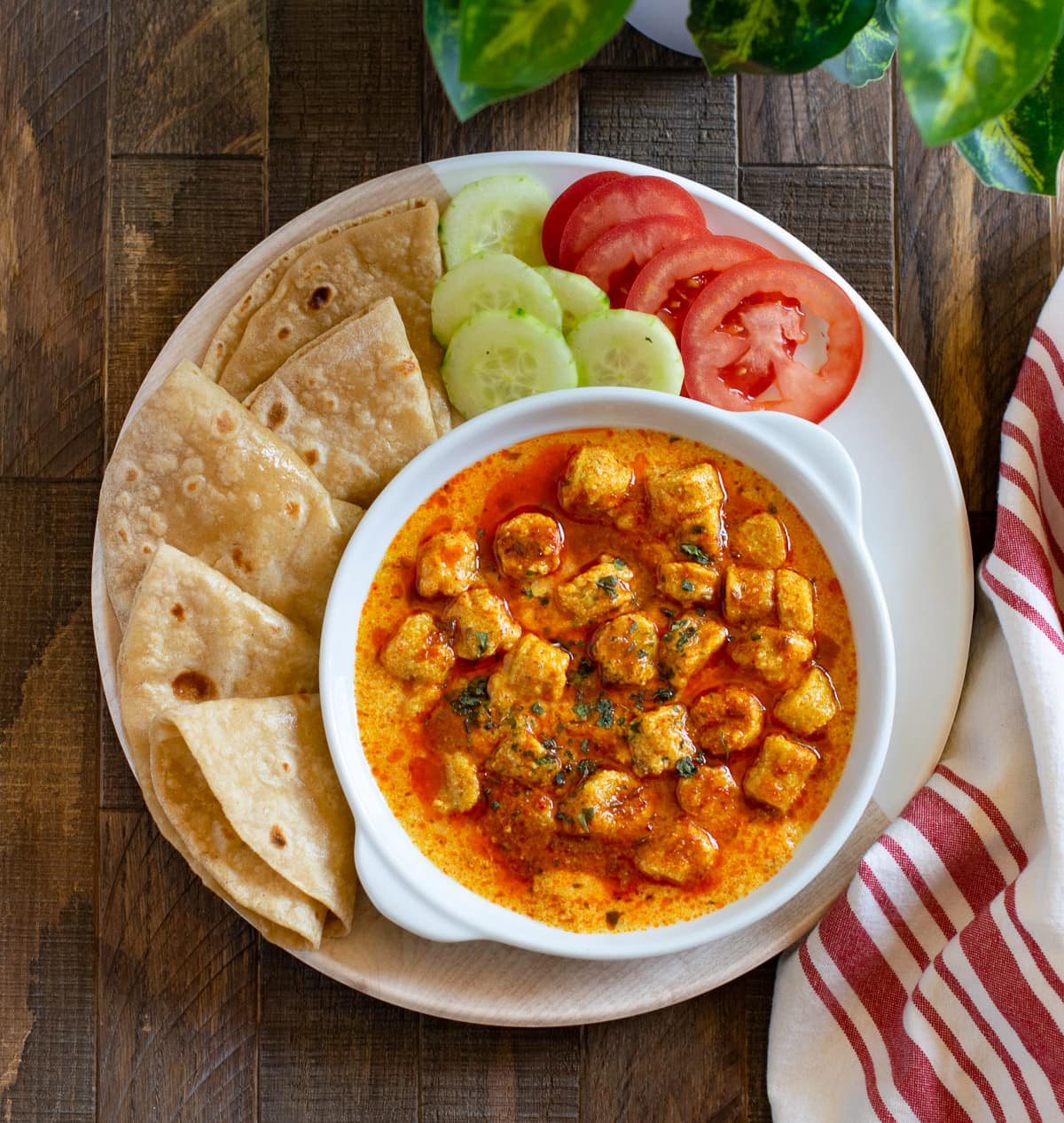
A popular curry from the region, gatte ki sabzi is made with gram flour dumplings cooked in a rich and tangy gravy.
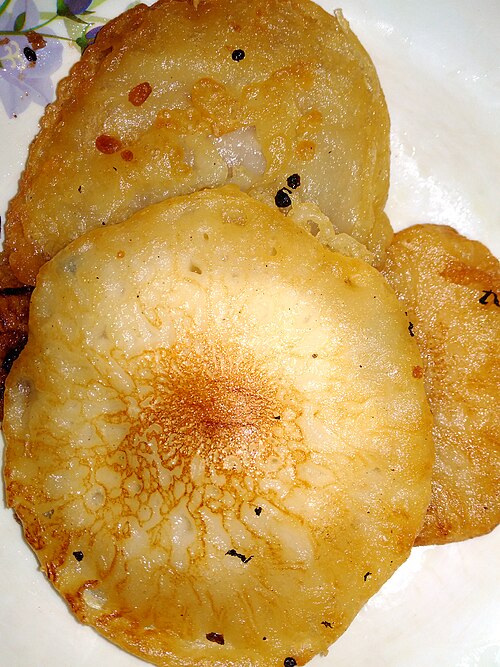
A sweet treat often found in Mount Abu, malpua is a soft, syrupy dessert that’s perfect for those with a sweet tooth.
Shopping in Mount Abu offers a vibrant mix of tradition and craftsmanship.
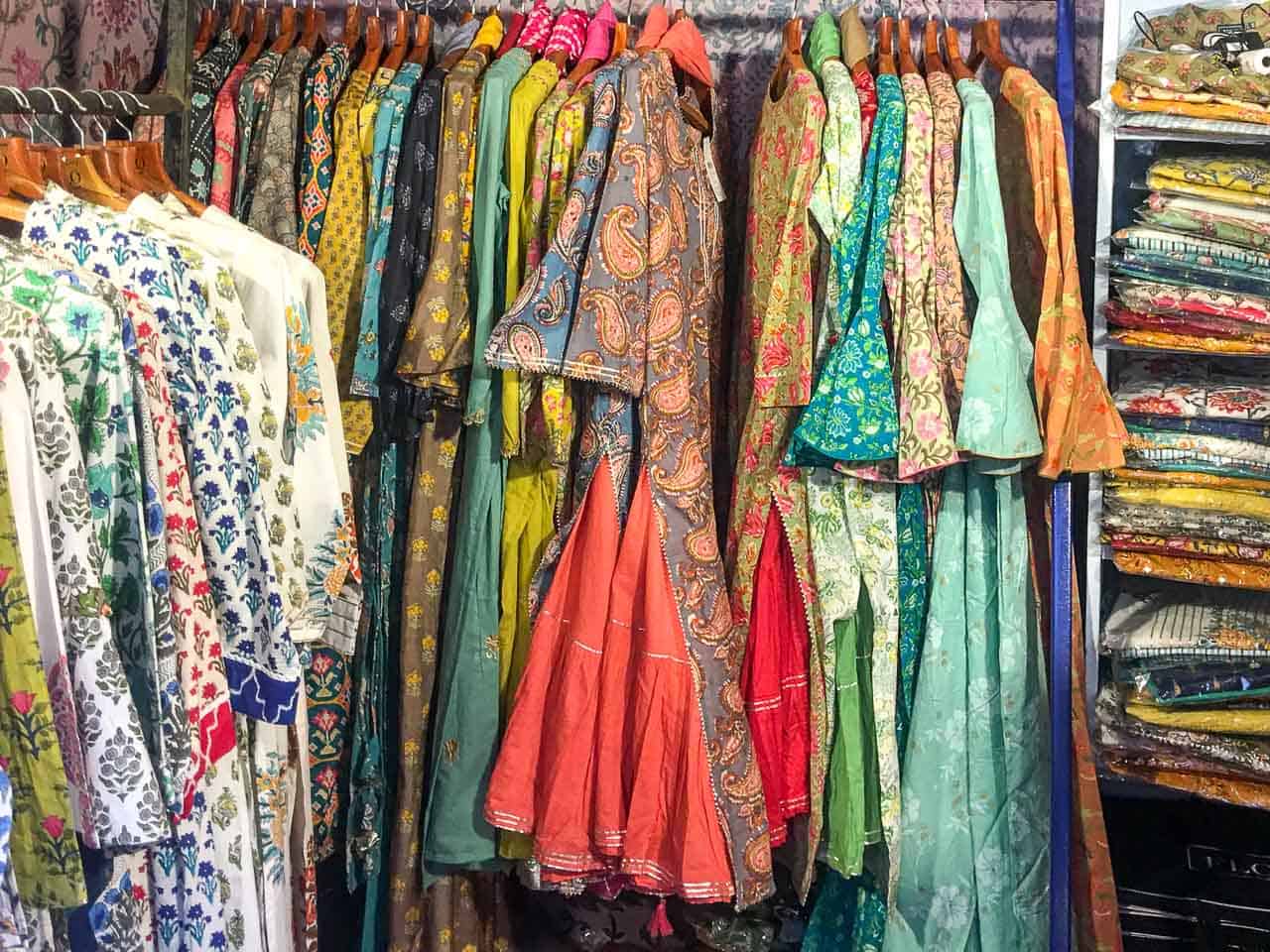
Lightweight Kota sarees, Jaipuri prints, and colorful dupattas are widely available across Mount Abu.
Mount Abu is known for its aromatic Rajasthani spices and homemade pickles.
You’ll find unique tribal jewelry made from silver, metal, beads, and stones in local shops. They’re popular among visitors
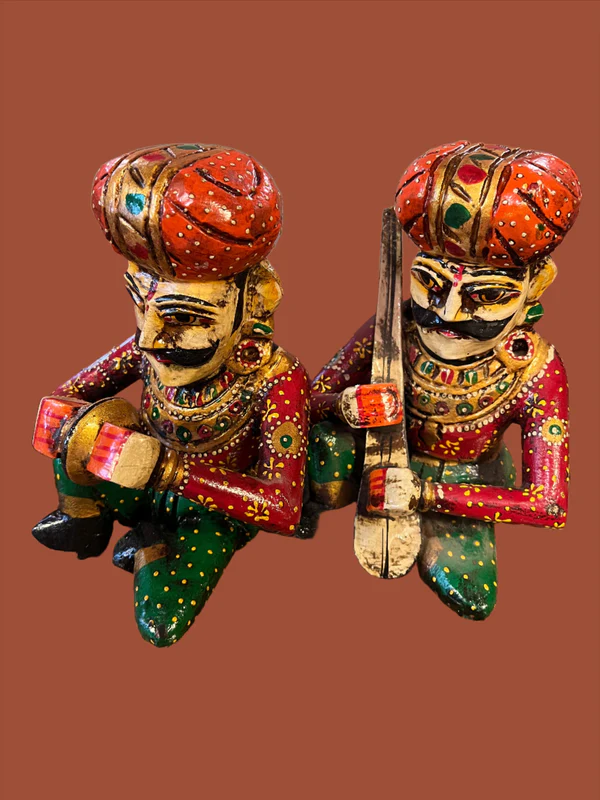
Mount Abu’s markets offer beautiful traditional handicrafts such as carved woodwork, pottery, and decorative home items.
The best time to visit Mount Abu is during the winter and early summer months, from November to March, when the weather is cool, pleasant, and perfect for sightseeing. During this period, the temperatures stay comfortable, making it ideal for exploring viewpoints, enjoying outdoor activities, and walking around markets and lakes. The clear skies and gentle breeze add to the charm of the hill station.
Stay aware of surroundings: Especially in crowded areas like markets and lakesides.
Avoid trekking alone: Always go in groups or with a guide when exploring hills and forests.
Keep valuables safe: Use hotel safes and avoid carrying large amounts of cash.
Follow local rules: Respect temple and cultural guidelines, and avoid restricted areas.
Weather precautions: Carry rain gear during monsoon and stay hydrated during summers.
Getting around Mount Abu is relatively easy due to its compact size and well-connected roads. Local transportation options include taxis, auto-rickshaws, and rented scooters or bikes, which are convenient for short trips to popular spots like Nakki Lake, Sunset Point, and the Dilwara Temples. Walking is also a pleasant way to explore the town’s markets, cafés, and heritage sites, especially around the central areas.
Overcharging by taxis or auto-rickshaws: Always confirm fares in advance or insist on using the meter.
Fake guides or unauthorized tour operators: Hire guides only through trusted sources or your hotel.
Street vendors inflating prices for tourists: Compare prices and bargain politely.
Overpriced or low-quality handicrafts: Check for quality and authenticity before buying souvenirs.
Photography scams: Some people may demand money after taking photos at popular viewpoints; always clarify beforehand.