
Rituals of Rajasthan
The Rituals of Rajasthan showcase a living tradition shaped by royal heritage, desert life, and deep-rooted spirituality. From life-cycle ceremonies and temple worship to folk rituals and seasonal practices, these rituals actively reflect Rajasthan’s cultural values, community bonds, and enduring faith.
Life Event Rituals

Garbhadhana Sanskar
Marks the beginning of parenthood and seeks divine blessings for conception and a healthy child. This ritual reflects Rajasthan’s belief in spiritual purity and positive energies.
How is it done?
- Vedic Invocation – Priests chant mantras to invoke fertility and harmony.
- Sacred Fire Ritual – The couple offers ghee and herbs into the fire.
- Elder Blessings – Family elders bless the couple for healthy progeny.

Namkaran Sanskar (Naming Ceremony)
Namkaran gives the newborn an identity and formally welcomes the child into society. Families carefully choose the name based on tradition and astrology.
How is it done?
- Astrological Naming – The priest selects an auspicious syllable.
- Name Announcement – Parents softly whisper the name into the child’s ear.
- Family Celebration – Relatives bless the child and share sweets.

Annaprashan Sanskar (First Feeding Ceremony)
Marks a child’s first intake of solid food, symbolizing growth and nourishment. Families treat this ritual as an important milestone.
How is it done?
- Sacred Food Preparation – Rice or sweet dishes prepared ritually.
- First Feeding – Elders feed the child with prayers.
- Blessing Ritual – Family members offer wishes for good health.

Mundan Sanskar (First Haircut)
Mundan signifies purification and the removal of past-life impurities. Rajasthani families often perform this ritual at temples.
How is it done?
- Head Shaving – The barber shaves the child’s head at an auspicious time.
- Mantra Recitation – Priests chant purification hymns.
- Charity Offering – Families donate food or clothes afterward.
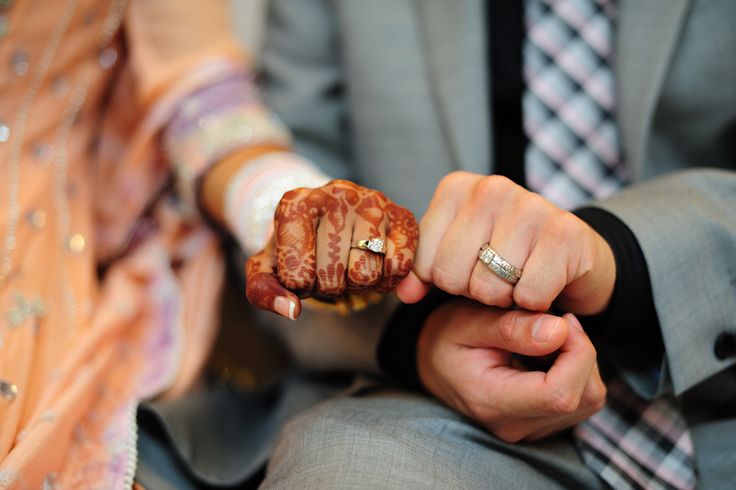
Vivah Sanskar (Marriage Ceremony)
Marriage forms a sacred bond between two families and strengthens social ties. Rajasthani weddings emphasize tradition, honor, and community participation.
How is it done?
- Hasta Milap – Priests tie the hands of the couple together.
- Sacred Pheras – The couple circles the holy fire while taking vows.
- Sindoor and Mangalsutra – Rituals confirm marital union.

Antyeshti Sanskar (Last Rites)
Antyeshti completes the life cycle by guiding the soul toward peace and liberation. Families perform this ritual with devotion and restraint.
How is it done?
- Cremation Ceremony – The family performs final rites with prayers.
- Asthi Visarjan – Ashes immersed in a sacred water body.
- Shraddha Rituals – Annual offerings honor ancestors.
Spirit Worship Ritual

Kuldevi and Kuldevta Worship
Families in Rajasthan actively worship their Kuldevi or Kuldevta as protective ancestral spirits. This practice strengthens lineage identity and spiritual security.
How is it done?
- Daily Prayer Offering – Devotees offer flowers, lamps, and incense.
- Festival Worship – Families gather at ancestral temples annually.
- Vow Fulfillment – Devotees complete promised offerings after wishes are fulfilled.
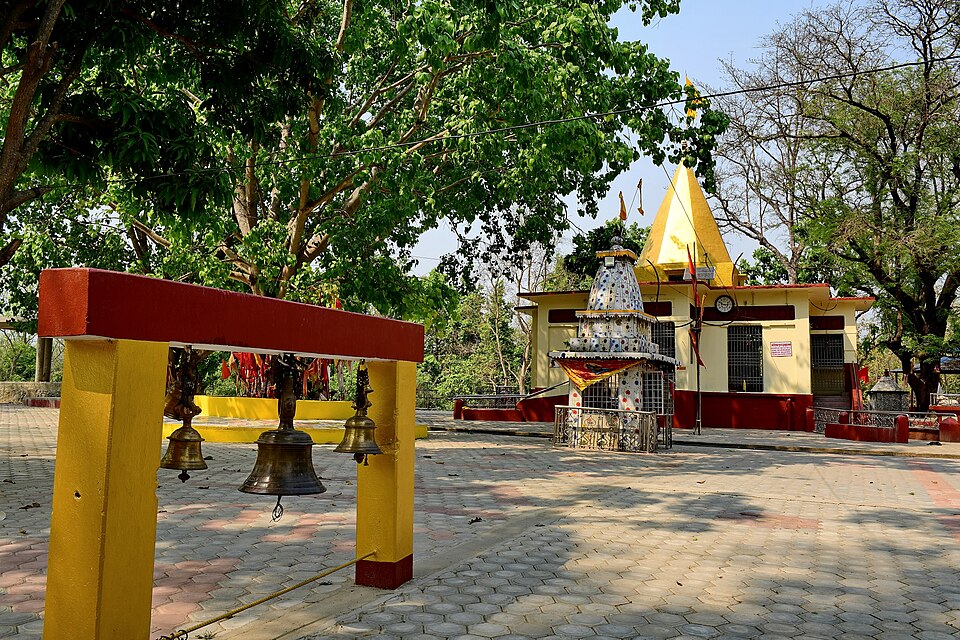
Bhairav Worship
Communities worship Bhairav as a powerful guardian spirit who protects villages and travelers. Temples dedicated to Bhairav attract regular devotees.
How is it done?
- Early Morning Offerings – Devotees offer oil lamps and flowers.
- Special Bhog Offering – Offerings like sweets or liquor are presented symbolically.
- Protective Prayers – Worshippers seek courage and safety.

Gogaji (Snake-Deity) Worship
People worship Gogaji as a folk deity and serpent protector. Devotees believe Gogaji shields them from snake bites and misfortune.
How is it done?
- Snake Symbol Offering – Devotees offer milk and flowers.
- Sacred Singing – Folk songs narrate Gogaji’s legends.
- Annual Fair Worship – Communities gather at shrines.
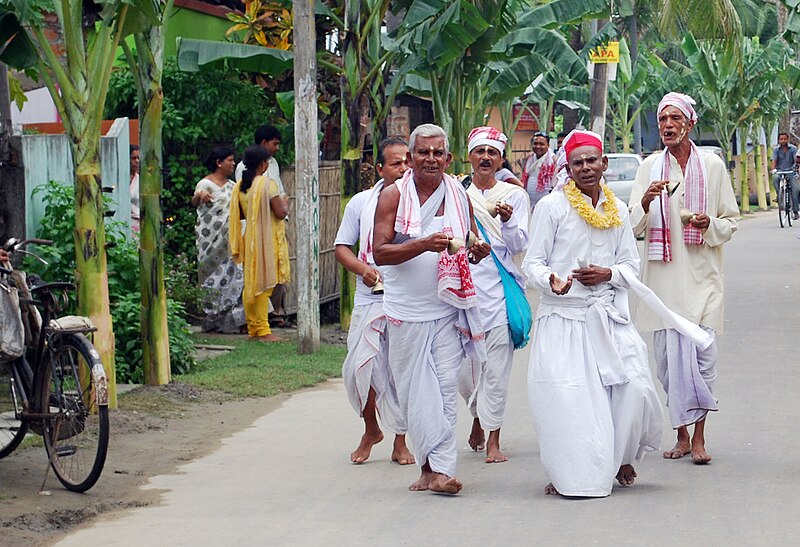
Pabuji Worship
Pastoral communities worship Pabuji as a guardian spirit of cattle and land. His worship blends devotion with folk storytelling.
How is it done?
- Phad Recitation – Priests narrate stories using painted scrolls.
- Lamp Offering – Devotees light lamps before the shrine.
- Community Participation – Villagers gather for night-long rituals.
Folk Festivals
Gangaur Festival
Gangaur celebrates Goddess Gauri and symbolizes marital happiness and prosperity. Women actively observe rituals to seek blessings for a happy married life.
How is it done?
- Clay Idol Worship – Women decorate and worship Gauri idols daily.
- Processions – Colorful processions move through streets.
- Folk Songs – Traditional songs express devotion and joy.
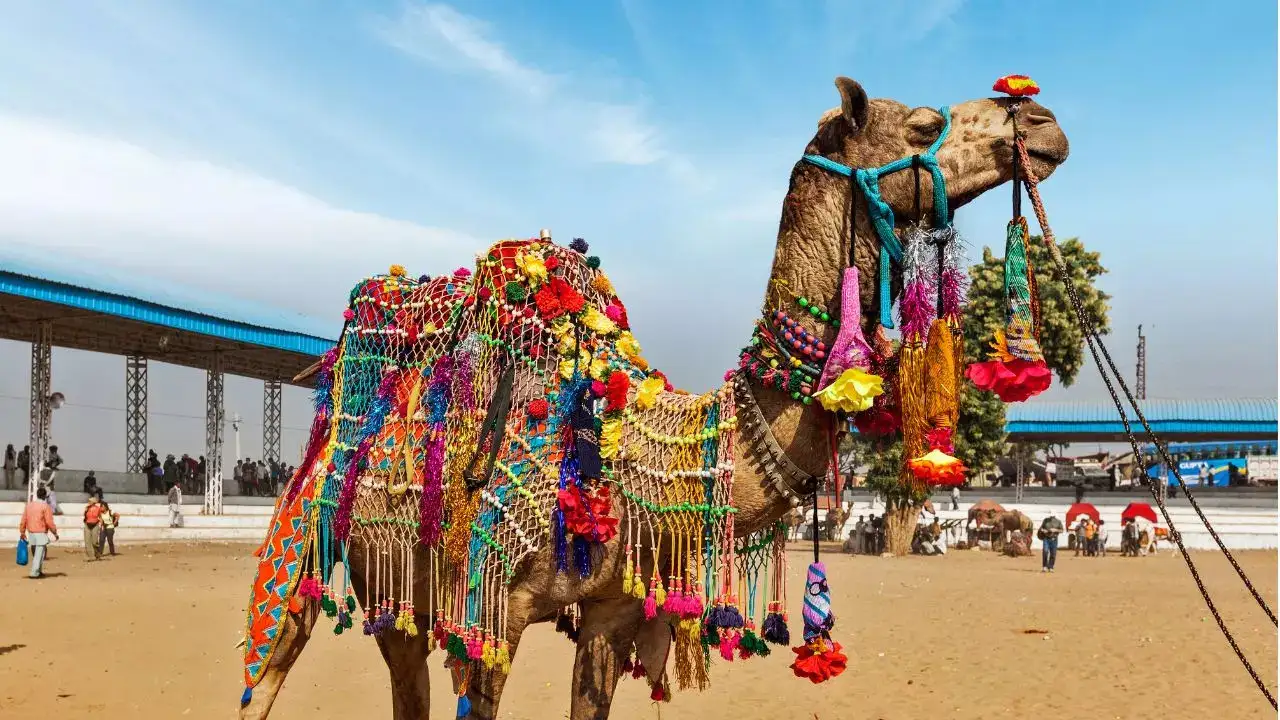
Pushkar Camel Fair
Pushkar Camel Fair blends spirituality, trade, and folk culture. It attracts traders, pilgrims, and tourists from across the country.
How is it done?
- Camel Trading – Decorated camels are bought and sold.
- Holy Bathing – Pilgrims bathe in Pushkar Lake.
- Cultural Events – Folk music and competitions entertain visitors.
Temple Rituals

Abhishek Seva
Abhishek Seva purifies the deity through ritual bathing and symbolizes renewal. Temples across Rajasthan actively perform this ritual.
How is it done?
- Sacred Bathing – Water, milk, honey, and curd poured over the idol.
- Mantra Recitation – Priests chant Vedic hymns continuously.
- Prasad Distribution – Devotees receive blessed offerings.

Sandhya Aarti
Sandhya Aarti marks the evening transition and invites reflection. Devotees gather to thank the deity for the day.
How is it done?
- Lamp Lighting – Lamps illuminate the temple premises.
- Aarti Performance – Priests perform circular lamp movements.
- Collective Prayer – Devotees chant together.

Mangla Aarti
Mangla Aarti begins the temple day by awakening the deity and inviting positive energy. Devotees gather early to seek blessings and spiritual clarity.
How is it done?
- Temple Purification – Priests clean the sanctum and light lamps.
- Aarti Offering – Lamps are waved with rhythmic bells.
- Devotional Chanting – Mantras and hymns fill the temple.
Ayurveda and Yoga
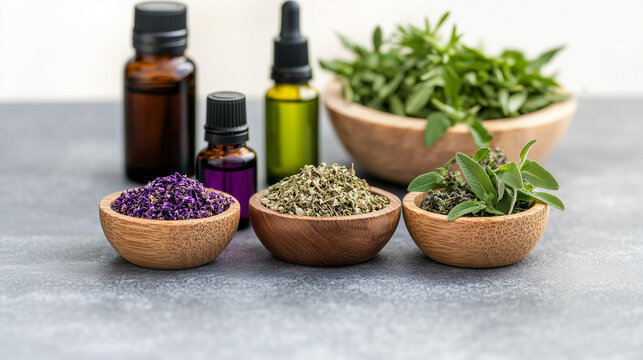
Panchakarma Therapy
Panchakarma plays a vital role in Rajasthan’s Ayurvedic practices and focuses on deep body cleansing and rejuvenation. People actively follow this therapy to restore physical balance.
How is it done?
- Preparatory Care – Practitioners begin with oil massage and steam therapy.
- Detox Procedures – Therapies like Vamana or Virechana cleanse the system.
- Recovery Phase – Patients follow a light diet and rest.
Scientific Reasoning
- Panchakarma removes metabolic toxins from the body.
- It improves digestion, circulation, and immunity.
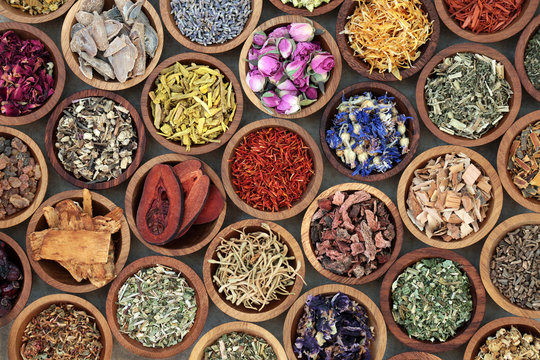
Herbal Medicine Practice
Rajasthan uses desert and forest herbs in Ayurvedic healing. Healers actively prepare remedies based on natural elements and seasonal needs.
How is it done?
- Herb Collection – Practitioners gather Ashwagandha and Neem.
- Remedy Preparation – Herbs are dried, powdered, or boiled.
- Controlled Intake – Patients consume medicines as prescribed.

Yoga Asana Practice
Yoga remains an essential daily practice for physical strength and flexibility. People actively integrate asanas into morning routines.
How is it done?
- Morning Stretching – Practitioners begin with Surya Namaskar.
- Posture Practice – Standing and seated poses follow.
- Relaxation – Shavasana completes the session.
Social Fabrics
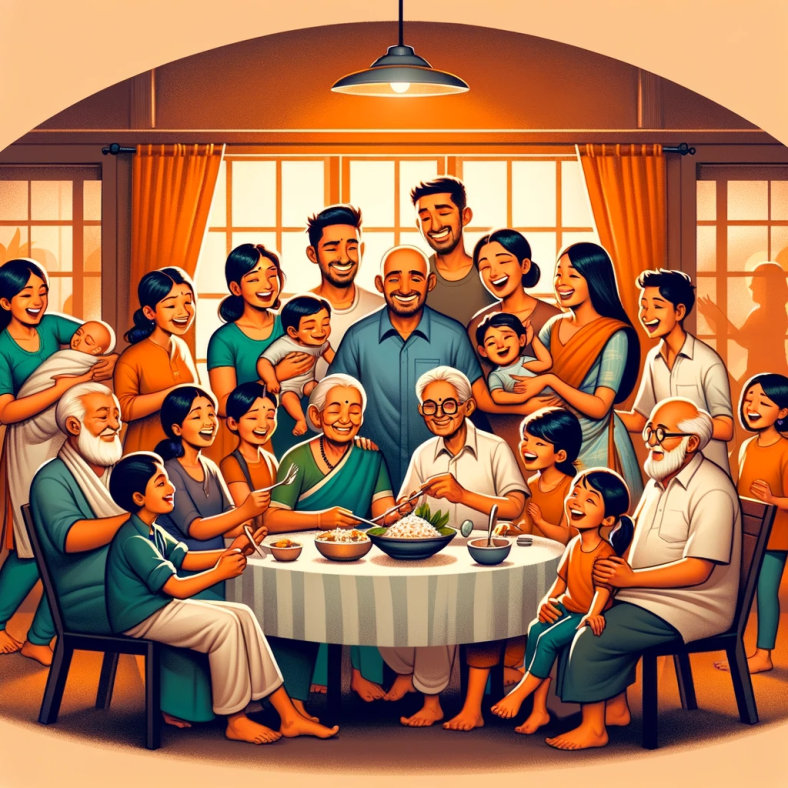
Joint Family System
The joint family system forms the foundation of Rajasthani society and promotes unity and shared responsibility. Families actively live together across generations and support one another in daily life.
How is it done?
- Elders guide decision-making and family traditions.
- Members share resources, work, and household duties.
- Children learn values through daily interaction.

Caste and Community Structure
Rajasthan follows a strong community-based social structure that shapes identity and customs. Communities actively preserve their traditions and social roles.
How is it done?
- Social gatherings occur within community groups.
- Occupations pass down through generations.
- Marriage alliances strengthen community bonds.
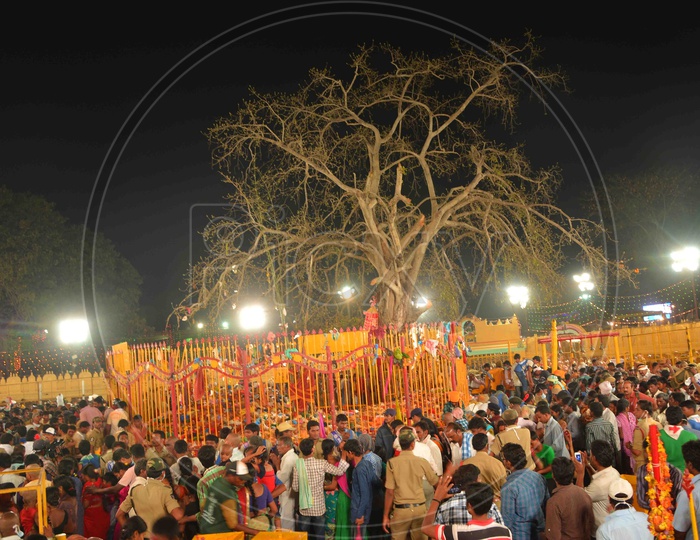
Village Panchayat System
Village panchayats play an active role in rural governance and social harmony. People rely on them for local decision-making.
How is it done?
- Elders and elected members lead discussions.
- Panchayats resolve disputes and manage resources.
- Villagers participate in collective decisions.
Art & Craft

Block Printing
Block printing stands as one of Rajasthan’s most celebrated textile crafts. Artisans actively use hand-carved wooden blocks to create detailed patterns on fabric.
How is it done?
- Craftsmen carve motifs on teak wood blocks.
- Natural dyes are prepared using minerals and plants.
- Artisans stamp patterns repeatedly on cotton fabric.

Bandhani (Tie-Dye)
Bandhani showcases intricate tie-dye techniques practiced across Rajasthan. Artisans actively create patterns using fine knots.
How is it done?
- Fabric is tightly tied with threads at selected points.
- Dyers immerse cloth in vibrant colors.
- Tied areas resist dye, forming patterns.
Other Significant Rituals
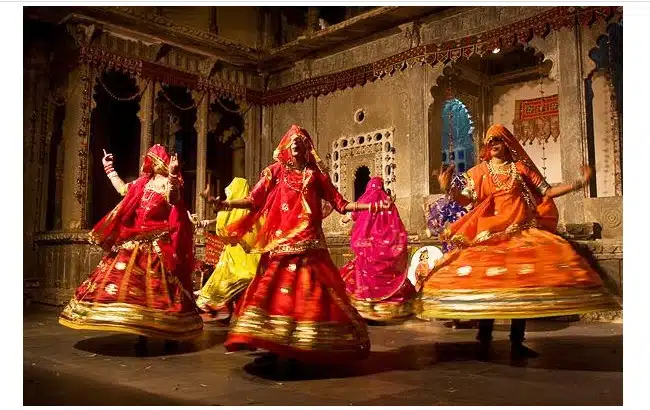
Ghoomar Dance Ritual
Ghoomar serves both as a ritual and a social tradition. Women actively perform it during festivals and weddings.
How is it done?
- Women wear traditional ghagras and jewelry.
- Circular dance movements follow rhythmic songs.
- Performances symbolize grace and joy.
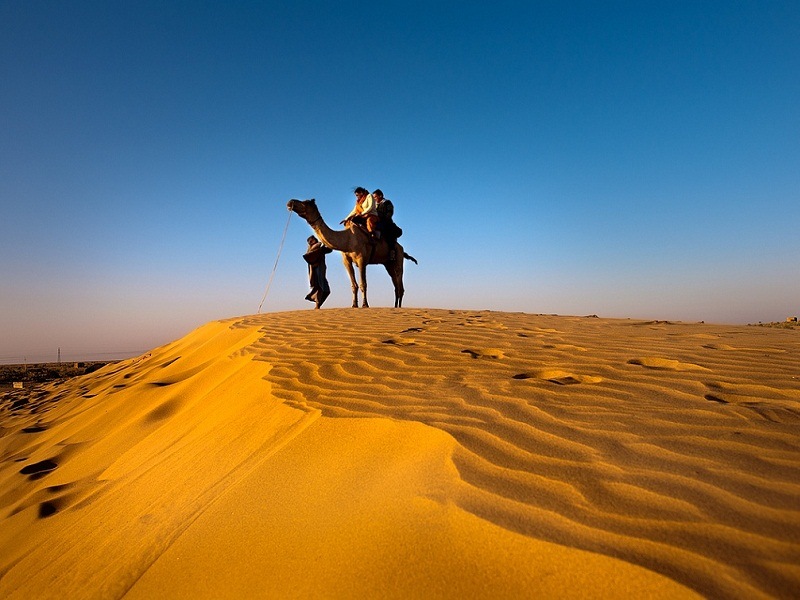
Camel Worship Ritual
Camel worship reflects Rajasthan’s desert lifestyle. Communities actively honor camels for survival and livelihood.
How is it done?
- Owners decorate camels with ornaments.
- Special prayers seek protection and strength.
- Fairs celebrate the animal’s cultural value.