
South India's Famous Dance Forms

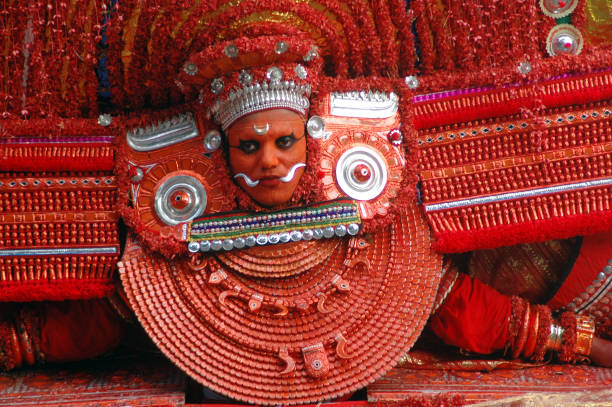
South India’s famous dance forms reflect centuries of devotion, storytelling, and artistic discipline. Rooted in temple traditions and royal patronage, these dances blend expressive movements with intricate rhythm and music. Each state preserves unique classical and folk styles that showcase regional identity. From sacred performances to festive celebrations, dance remains deeply connected to spiritual and cultural life. Together, these forms highlight the timeless artistic legacy of South India.
Wiki Link: South India’s Famous Dance Forms
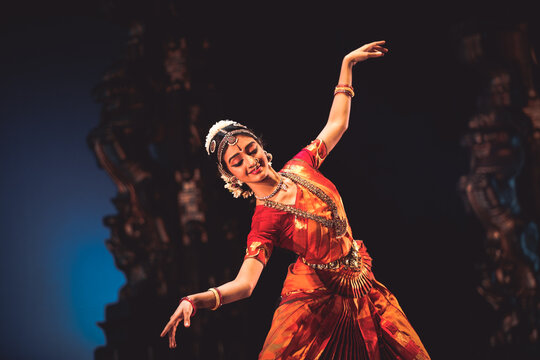
Bharatanatyam
Tamil Nadu
Originated in the temples of Tamil Nadu as a sacred devotional dance dedicated to Hindu deities. Devadasis performed it as an offering of devotion and storytelling through movement. The dance was structured around precise hand gestures, facial expressions, and rhythmic footwork.
It follows the principles of Natya Shastra, blending expression, melody, and rhythm. Royal courts later patronized and refined its technique. Bharatanatyam conveys mythological stories and spiritual philosophy.
Costumes and jewelry enhance its visual elegance. Musicians accompany performances with Carnatic music.
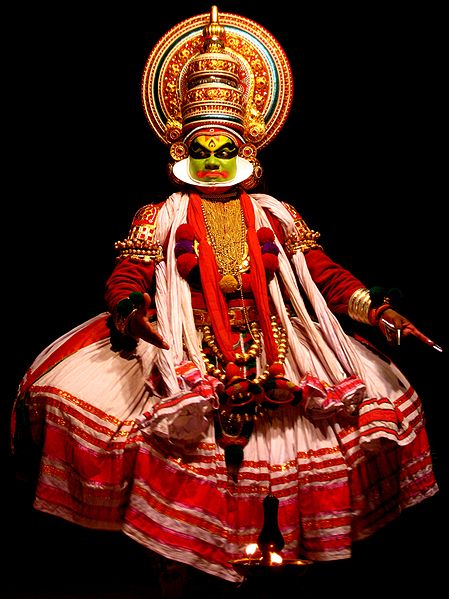
Kathakali
Kerala
Developed as a classical dance-drama form rooted in Kerala’s temple traditions. Performers narrate epic stories from the Ramayana and Mahabharata. The dance combines elaborate makeup, dramatic costumes, and expressive gestures.
Artists undergo rigorous training to master facial control and body movements. Percussion instruments intensify the dramatic atmosphere. The form evolved under royal patronage to entertain and educate audiences. Symbolic colors in makeup represent character traits.
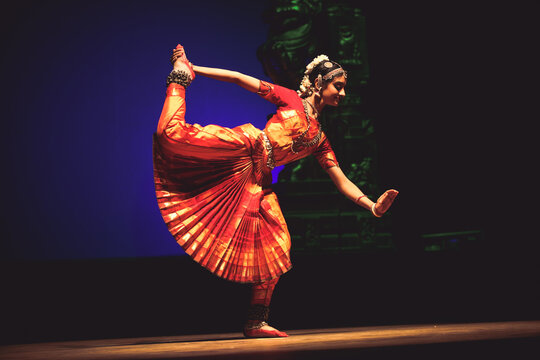
Kuchipudi
Andhra Pradesh
Originated in the village of Kuchipudi as a dance-drama tradition performed by Brahmin communities. The dance began as a devotional offering in temples. It combines graceful movements with expressive storytelling. Performers use dialogue and music to narrate mythological tales.
Kuchipudi blends classical technique with theatrical elements. Rhythmic footwork and fluid gestures define its style. Traditional costumes enhance stage presence. Carnatic music forms its musical base.
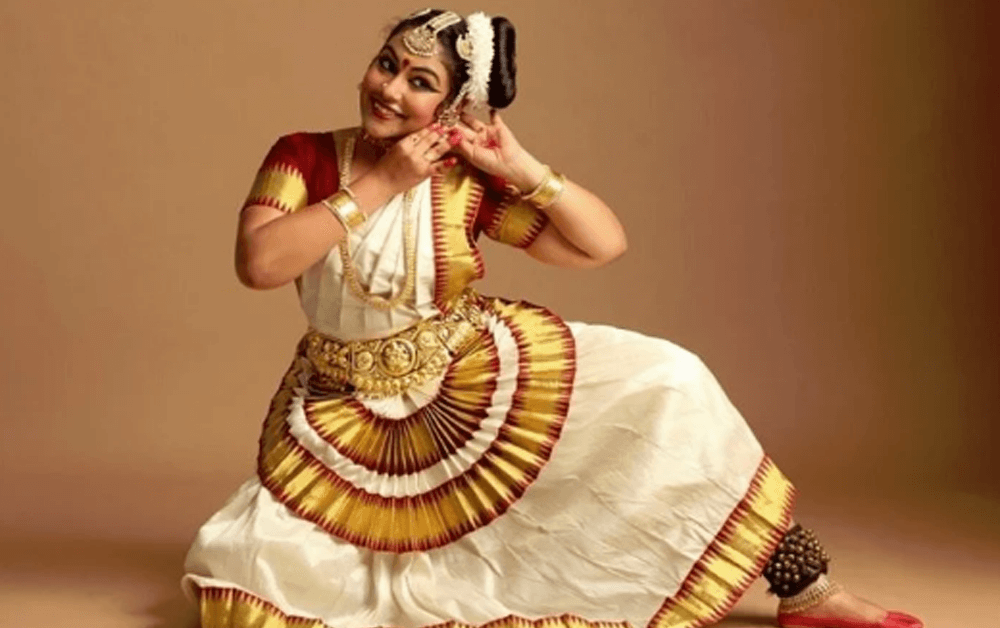
Mohiniyattam
Kerala
Evolved as a graceful classical dance inspired by the feminine form. The name derives from “Mohini,” the enchantress avatar of Lord Vishnu. Temple traditions shaped its spiritual foundation. Soft movements and gentle expressions define its style.
Performers emphasize grace and emotional storytelling. White and gold costumes reflect Kerala’s cultural aesthetics. Carnatic music guides rhythmic flow. The dance highlights feminine strength and devotion. Royal patronage helped preserve its structure. Mohiniyattam remains Kerala’s elegant classical tradition.
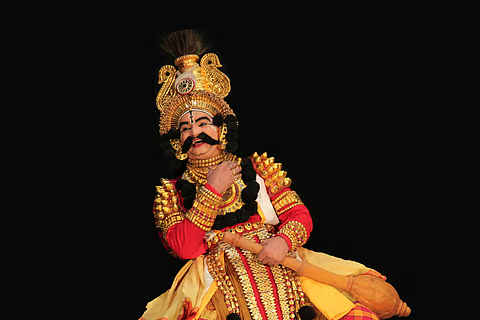
Yakshagana
Karnataka
Developed as a vibrant dance-drama tradition blending music, dialogue, and costume. It originated in temple precincts and village gatherings. Performers enact mythological stories with dramatic expression. Elaborate headgear and face paint enhance characters.
The dance emphasizes energetic movement and dialogue delivery. Folk music drives the rhythm. Yakshagana educates audiences through entertainment. It preserves oral storytelling traditions. Performances often last through the night. The form reflects Karnataka’s rich folk heritage.
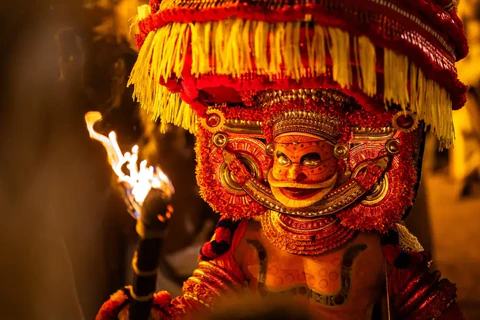
Kathakali (Theyyam Variant)
Kerala
Evolved as a ritual dance deeply rooted in tribal and temple worship. Performers embody deities during ceremonial rituals. The dance began as a medium to communicate divine messages. Elaborate face painting symbolizes spiritual transformation. Rhythmic drumming intensifies the ritual atmosphere.
Community members seek blessings during performances. The form preserves ancestral traditions. The dance bridges folk belief and devotion. Theyyam emphasizes spiritual surrender. It remains integral to North Kerala’s living heritage.
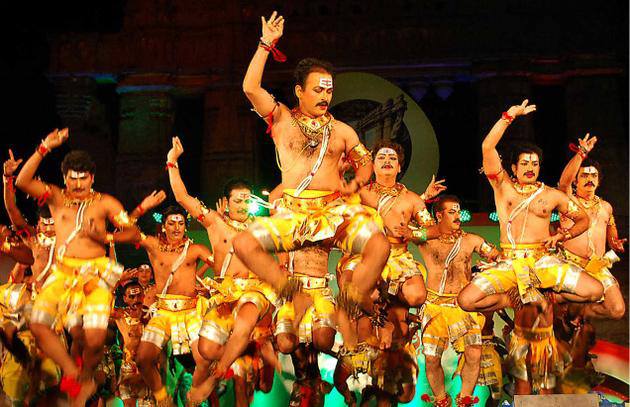
Perini Shivatandavam
Telangana
Originated as a warrior dance dedicated to Lord Shiva. Soldiers performed it before battle to invoke courage and strength. The dance emphasizes powerful footwork and masculine energy. Rhythmic beats stimulate intensity and focus.
Temple traditions preserved its structure. Scholars revived it in modern times. The form symbolizes valor and devotion. Performers maintain strong posture and control. The dance connects spirituality with martial discipline. Perini reflects Telangana’s historic warrior culture.
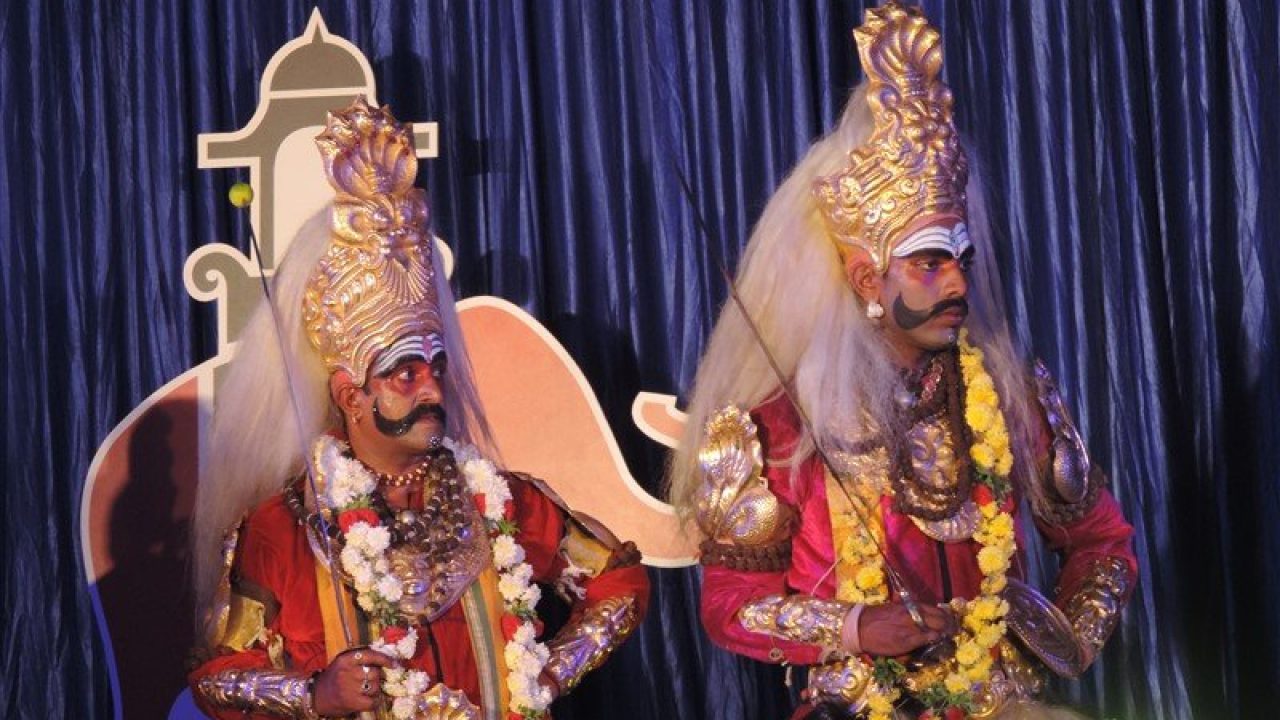
Veeragase
Karnataka
Originated as a ritual dance honoring Lord Shiva and Veerabhadra. Devotees performed it during religious processions. The dance emphasizes dramatic movements and spiritual fervor.
Performers wear symbolic costumes. Folk instruments accompany performances. The form narrates mythological events. Veeragase represents courage and faith. Community celebrations popularized the dance. It preserves religious storytelling. The dance remains vibrant during festivals.
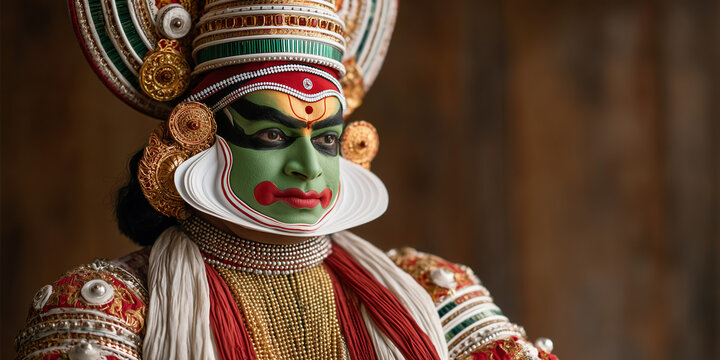
Ottan Thullal
Kerala
Originated as a solo dance form created by poet Kunchan Nambiar. It was developed to communicate social satire through performance. The dance combines humor, rhythm, and storytelling. Performers narrate epics in a simplified manner.
Colorful costumes enhance stage presence. Percussion instruments maintain rhythm. The form educates and entertains audiences. It promotes moral reflection. Ottan Thullal preserves Kerala’s literary heritage. The dance remains culturally significant.
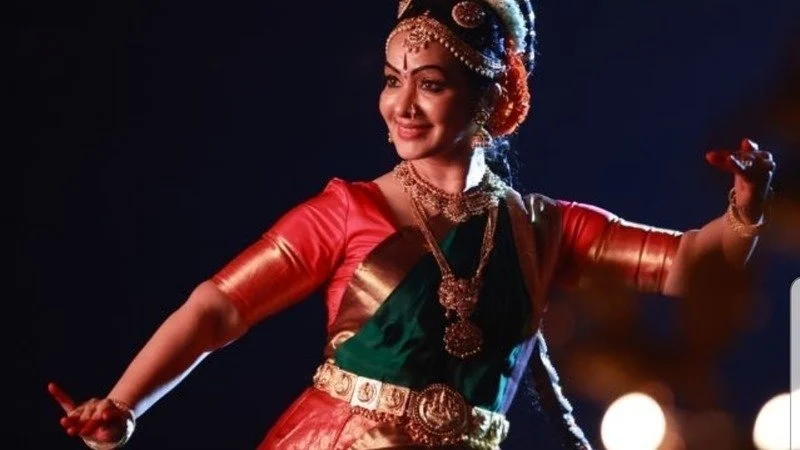
Andhra Natyam
Andhra Pradesh
Originated in the temples of Andhra Pradesh as a devotional dance performed by female temple dancers. It developed as a spiritual offering dedicated to deities during religious rituals. The dance preserves ancient traditions described in classical texts. Performers emphasize expressive storytelling and refined gestures.
Temple architecture and sculptures influenced its posture and stance. Royal patronage helped sustain the art form for centuries. The dance combines grace with rhythmic precision. Carnatic music supports its emotional depth. Scholars revived
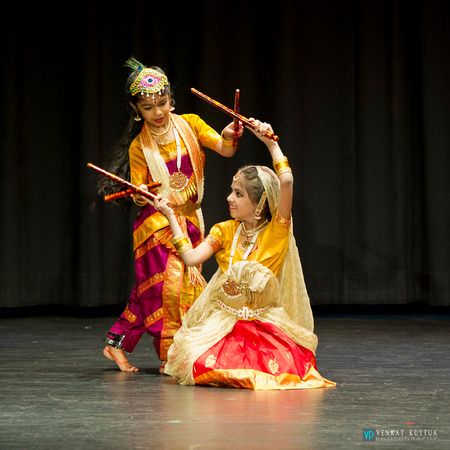
Kolattam
Tamil Nadu & Andhra Pradesh
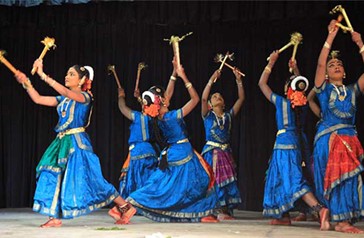
Originated as a folk dance performed during village festivals and temple celebrations. The name derives from “kola,” meaning stick, as performers use sticks rhythmically. Communities began performing Kolattam to celebrate harvests and social gatherings.
Dancers form circles and strike sticks in coordinated patterns. The dance promotes teamwork and unity among participants. Folk songs guide movements and rhythm. Women traditionally lead performances during festive occasions. The simplicity of steps makes it accessible to all age groups.
Karagattam
Tamil Nadu
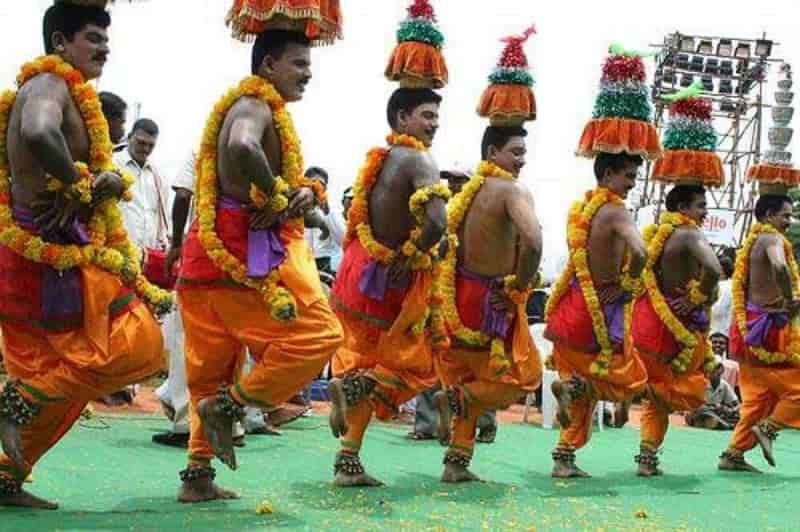
Developed as a folk dance dedicated to the rain goddess Mariamman. Villagers began performing it to seek blessings for good rainfall and agricultural prosperity. Dancers balance decorated pots on their heads as a sign of devotion. The dance demands skill, balance, and rhythmic coordination. Folk music energizes performances during temple festivals.
Costumes reflect rural aesthetics and tradition. The ritual aspect emphasizes gratitude and faith. Karagattam often includes acrobatic movements to entertain audiences. It strengthens village identity and celebration.
Kummi
Tamil Nadu & Kerala
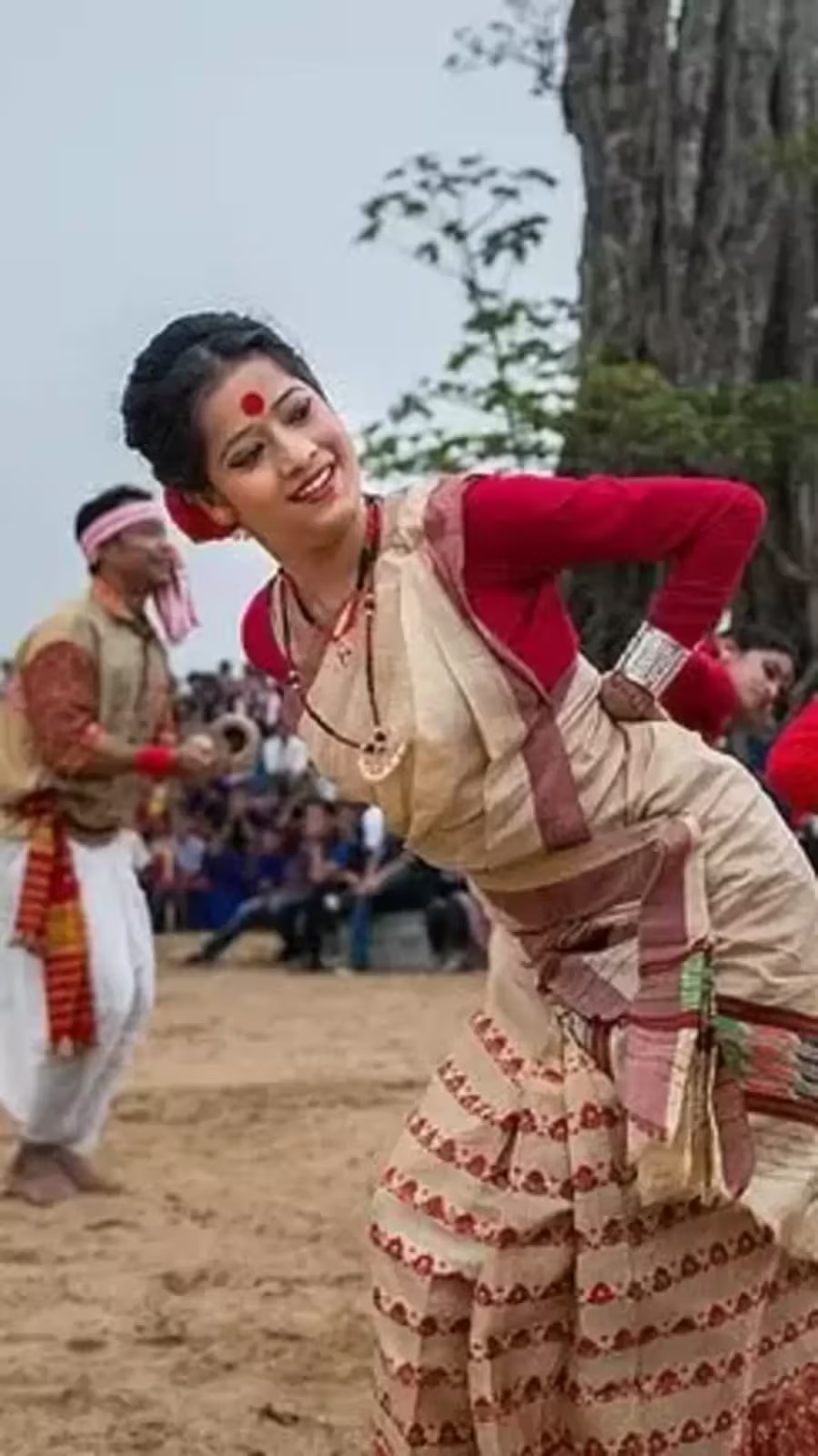
Originated as one of the oldest folk dances performed mainly by women. It developed in rural communities during harvest and temple festivals. Women form circles and clap rhythmically while singing traditional songs. The dance requires minimal instruments, relying on vocal rhythm.
Kummi promotes unity and shared celebration. Its simple movements make it inclusive and accessible. Folk lyrics often narrate local legends and daily life. The dance strengthens intergenerational cultural transmission. Communities preserve it through festive gatherings.

Dollu Kunitha
Karnataka
Originated among the Kuruba community as a devotional dance dedicated to Lord Beereshwara. Performers wear large drums tied around their waists. The dance emphasizes powerful drum beats and synchronized movements. It was traditionally performed during temple processions and religious fairs.
The rhythm creates high energy and collective excitement. Performers undergo physical training to maintain stamina and precision. The dance symbolizes strength, devotion, and unity. Community participation enhances its vibrancy.
Lambadi Dance
Telangana & Andhra Pradesh
Originated among the Banjara tribal community. It developed as an expression of nomadic lifestyle and cultural pride. Women perform the dance wearing vibrant mirror-work costumes. The movements are graceful yet rhythmic. Folk songs narrate tribal history and emotions.
The dance strengthens identity within the community. Festivals provide platforms for performance and celebration. The form preserves oral traditions and folklore. Younger generations continue to learn and perform it. Lambadi dance reflects tribal heritage and resilience.
Andhra Pradesh Blogs
- Andhra Pradesh Cultural guide
- Places to visit in Andhra Pradesh
- Places to visit in Andhra Pradesh
- India’s most popular destination
- India’s archaeological marvels