
South India's Famous Festivals
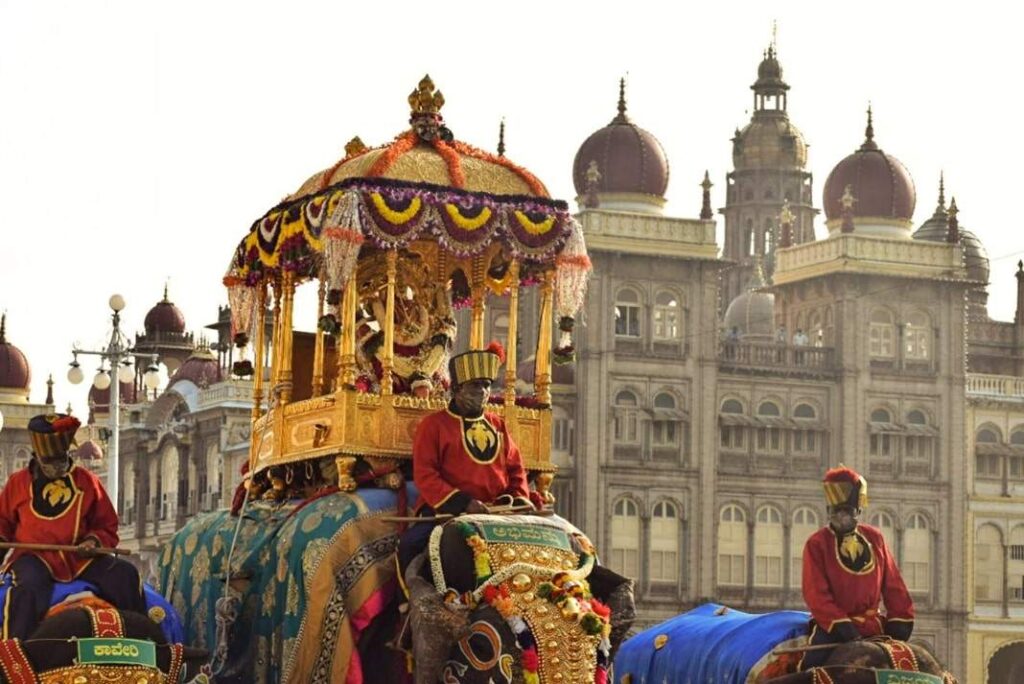

South India’s festivals beautifully reflect its deep spiritual roots, rich traditions, and close connection with nature. These celebrations revolve around temple rituals, seasonal changes, and ancient customs passed down through generations. Colorful processions, classical music, dance, and elaborate rituals form the heart of every festival. Each state adds its unique regional flavor while preserving shared cultural values. Together, these festivals showcase the timeless heritage and vibrant social life of South India.
Wiki Link: South India’s Famous Festivals

Pongal
Tamil Nadu
Originated as a harvest festival dedicated to the Sun God, symbolizing gratitude for agricultural abundance. Farmers began celebrating Pongal to thank nature for successful crops. The festival marks the end of the harvest season and the start of prosperity.
Families cook freshly harvested rice as a sacred offering. Cattle worship reflects respect for farming companions. Traditional kolams decorate homes with positivity. Community feasts strengthen social bonds. Rituals emphasize harmony with nature. Pongal remains Tamil Nadu’s most important cultural festival.

Onam
Kerala
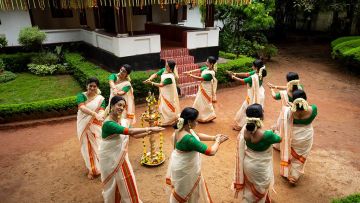
Celebrates the mythical return of King Mahabali, symbolizing equality and prosperity. The festival originated as a harvest celebration rooted in agrarian traditions. People believe Mahabali visits his people during Onam. Floral rangolis welcome happiness and abundance.
Vallam Kali boat races reflect unity and strength. Onam Sadya represents sharing and gratitude. Cultural performances highlight heritage. Families celebrate together regardless of background. Onam reflects Kerala’s inclusive social values.

Ugadi
Karnataka, Andhra Pradesh, Telangana
Marks the beginning of the New Year according to the Hindu calendar. The festival originated to celebrate renewal and fresh beginnings. People prepare Ugadi Pachadi to reflect life’s mixed experiences. Temple visits encourage spiritual cleansing.
Traditional prayers seek prosperity and wisdom. Panchanga readings guide future plans. Homes are cleaned to welcome positivity. Cultural events promote learning. Ugadi symbolizes hope and balance.

Vishu
Kerala
Marks the Malayalam New Year and represents auspicious beginnings. The festival originated to align life with prosperity and good fortune. Vishukkani arrangements symbolize abundance and blessings.
Elders gift money to younger members as goodwill. Fireworks express joy and celebration. Temple visits strengthen faith. Traditional meals unify families. Rituals promote optimism. Vishu reflects Kerala’s spiritual rhythm.

Mysuru Dussehra
Karnataka
Mysuru Dussehra commemorates the victory of good over evil. The festival originated under royal patronage of the Wodeyars. It celebrates Goddess Chamundeshwari’s triumph. Grand processions reflect royal heritage. Palace illumination adds splendor.
Cultural performances preserve tradition. Devotional rituals deepen faith. Community participation remains strong. Mysuru Dussehra symbolizes pride and devotion.
Thrissur Pooram
Kerala
Originated as a temple festival celebrating divine unity. The event was started to bring temples together. Decorated elephants symbolize strength and grandeur. Percussion music energizes crowds. Fireworks enhance festive spirit. Rituals follow precise tradition.
Communities gather in large numbers. The festival promotes harmony. Thrissur Pooram reflects Kerala’s temple culture.

Karthigai Deepam
Tamil Nadu
Celebrates the divine form of Lord Shiva as infinite light. The festival originated from ancient Shaivite traditions emphasizing spiritual illumination. Lighting oil lamps symbolizes the removal of ignorance and darkness. The grand fire lit atop Arunachala hill represents cosmic energy.
Families decorate homes with rows of lamps. Devotees observe fasting and temple visits. Ritual chants enhance spiritual focus. The festival promotes inner clarity and devotion. Communities gather in collective prayer. Karthigai Deepam remains one of Tamil Nadu’s most sacred observances.

Bonalu
Telangana
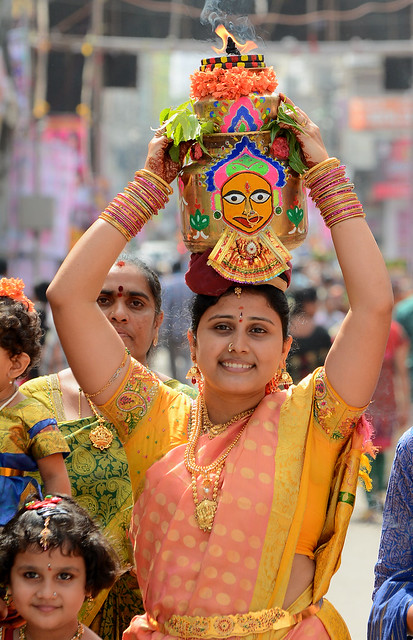
Originated as a folk festival honoring Goddess Mahakali. Communities began celebrating it to seek protection and health. Women offer cooked rice as devotion. Processions express cultural pride. Folk music energizes rituals.
Temples become social centers. The festival strengthens local identity. Bonalu promotes collective faith. It reflects Telangana’s folk roots.
Bathukamma
Telangana
Originated as a floral festival celebrating nature, womanhood, and regional identity. The festival began as a tribute to Goddess Gauri, symbolizing life and prosperity. Women arrange seasonal flowers in layered formations to create the Bathukamma centerpiece. The use of native flowers reflects ecological awareness and respect for biodiversity.
Women gather in circles to sing traditional songs that narrate cultural stories. The festival strengthens female solidarity and community bonding. Ritual immersion of the floral arrangement symbolizes renewal and continuity. Families celebrate together, reinforcing generational traditions.
Attukal Pongala
Kerala
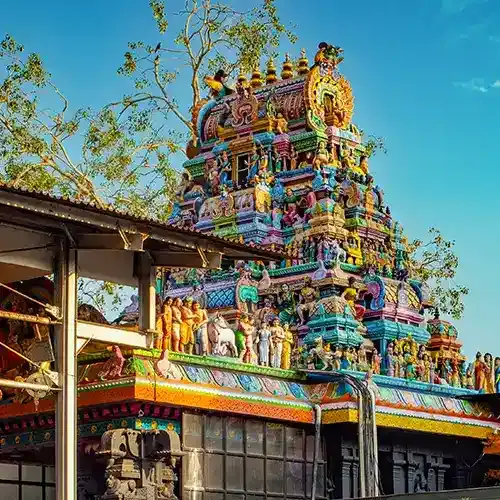
Originated as a women-led devotional festival dedicated to Goddess Attukal Amma. Devotees began the ritual to seek blessings for prosperity and family well-being. Women prepare sweet rice offerings in earthen pots as an act of faith. The ritual transforms city streets into sacred spaces filled with devotion. Temple priests formally light the hearths to begin the offering.
Collective participation symbolizes equality and shared spirituality. The festival emphasizes discipline, purity, and gratitude. It holds a record as one of the largest gatherings of women for a religious event. Families support and participate in preparations wholeheartedly.

Hampi Utsav
Karnataka
Originated to celebrate the glorious heritage of the Vijayanagara Empire. The festival was started to revive historical pride and cultural tourism. Performances of classical music and dance highlight Karnataka’s artistic richness. The ruins of Hampi become illuminated cultural stages. Folk artists showcase traditional crafts and storytelling.
Processions reflect royal grandeur and historical symbolism. Visitors experience reenactments of ancient court traditions. The festival strengthens awareness of heritage conservation. Community participation promotes local identity. Hampi Utsav connects history, art, and modern celebration.
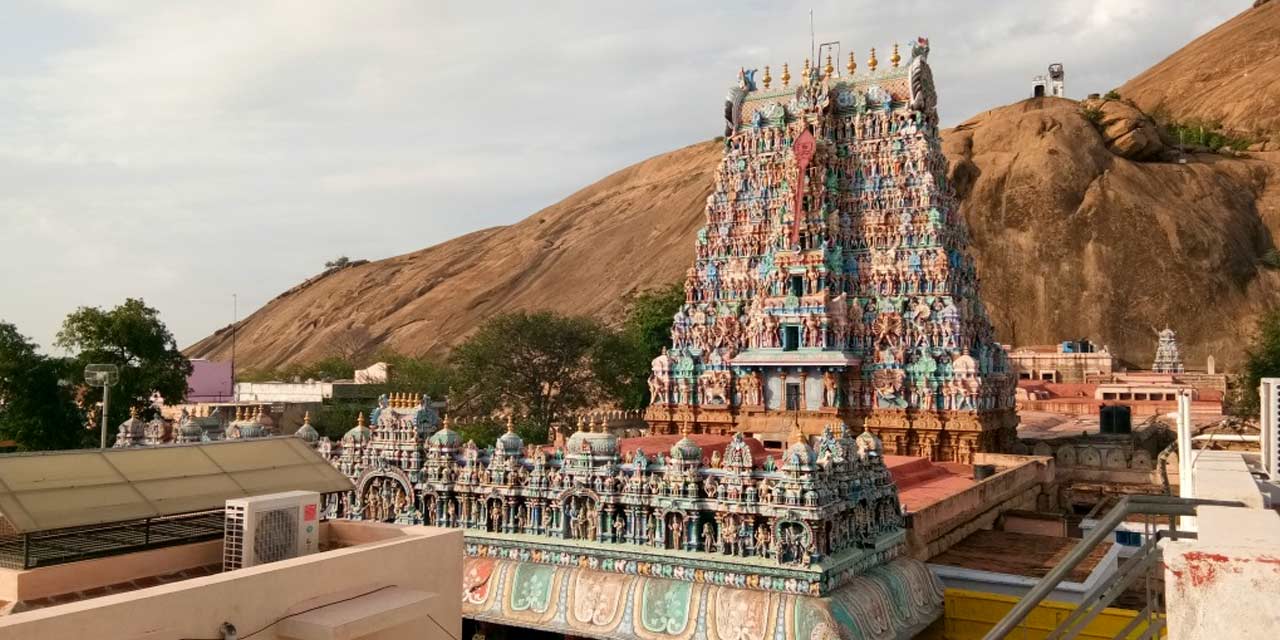
Thaipusam
Tamil Nadu
Originated as a devotional festival honoring Lord Murugan. Devotees began observing it to express gratitude and fulfill vows. The festival marks the victory of Lord Murugan over negative forces. Participants carry decorated kavadis as acts of penance and devotion.
Some devotees practice physical austerities to demonstrate faith. Temple processions create powerful spiritual energy. Chanting and music accompany rituals. The festival emphasizes self-discipline and inner purification. Communities gather to witness and support participants.

Varalakshmi Vratham
Tamil Nadu, Karnataka, Andhra Pradesh
Originated as a sacred observance dedicated to Goddess Lakshmi. Married women began performing it to seek prosperity and family well-being. The ritual emphasizes devotion, discipline, and gratitude. Women decorate homes and prepare special offerings. Sacred threads symbolize protection and blessings.
Collective prayers strengthen community bonds. The festival highlights feminine spirituality and responsibility. Families gather to celebrate with reverence. The ritual reinforces cultural continuity.
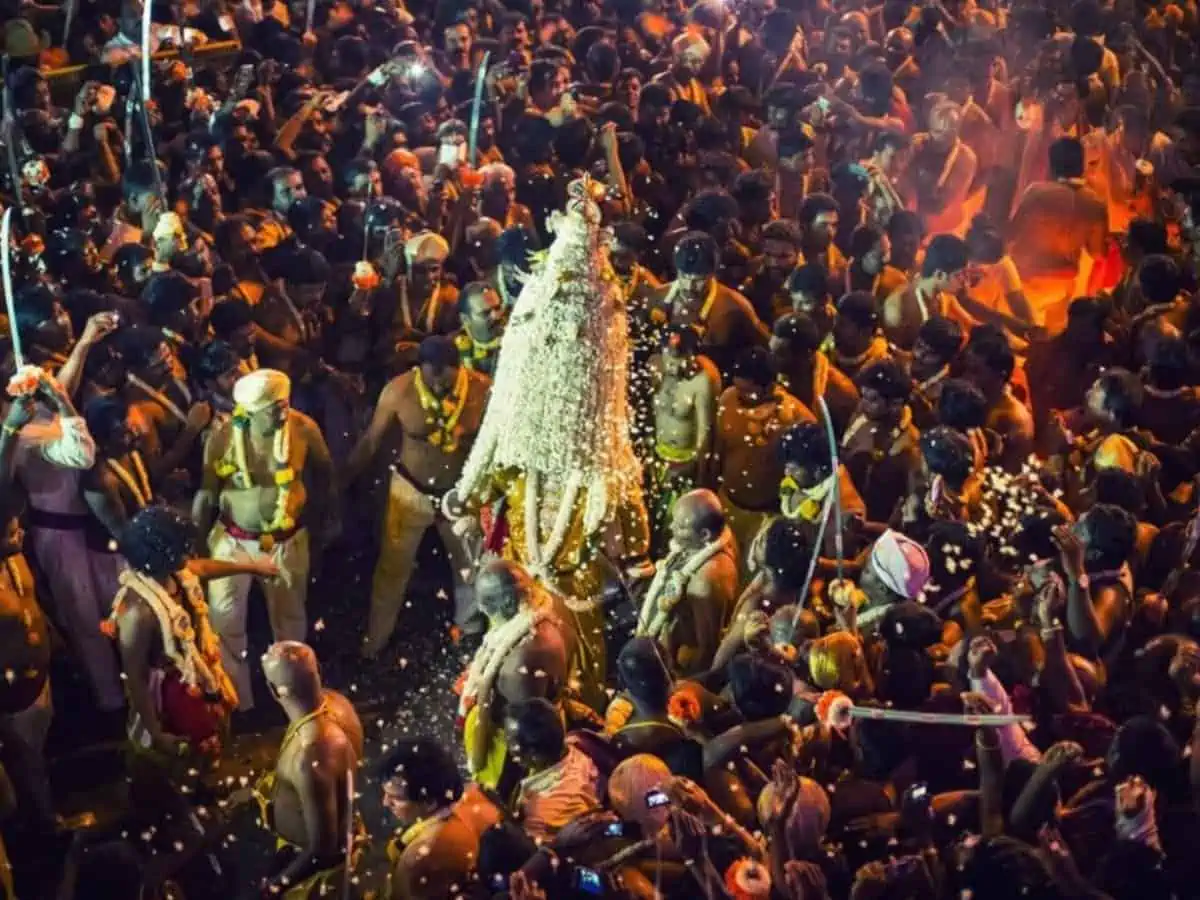
Karaga Festival
Karnataka
Originated as a centuries-old tradition dedicated to Goddess Draupadi. The festival began among the Thigala community as an act of devotion and protection. Priests carry the Karaga, a sacred floral pyramid, in night processions. Devotees accompany the procession with reverence and music. Rituals symbolize purity and divine strength. Community members observe strict vows during the festival period.
Cultural performances enhance the spiritual atmosphere. The event promotes social unity and faith. Generations continue to preserve its traditions. Karaga reflects Karnataka’s living cultural heritage.
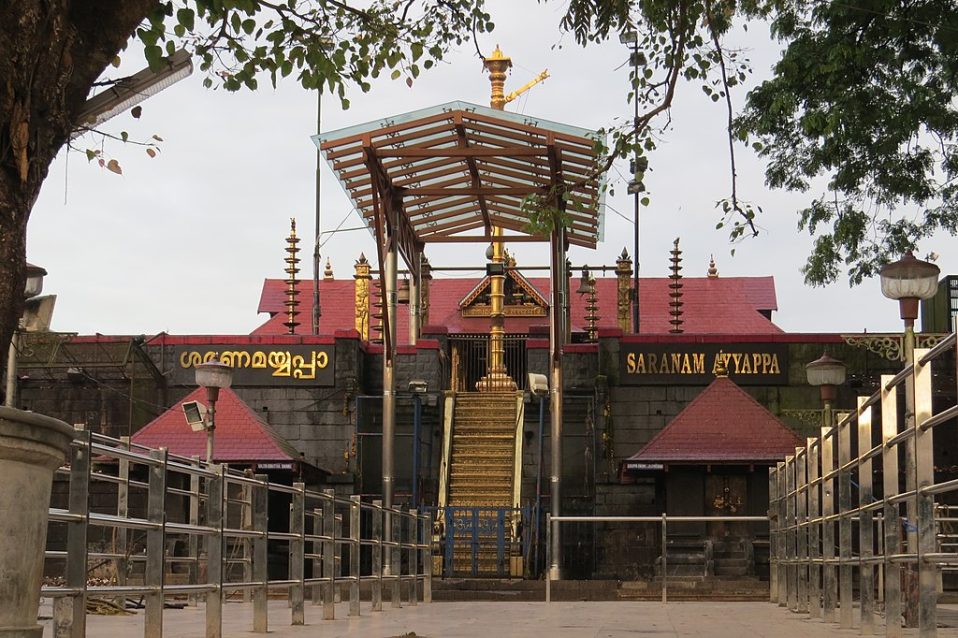
Sabarimala Mandala Festival
Kerala
Originated as a pilgrimage dedicated to Lord Ayyappa. Devotees observe a 41-day austerity period to purify body and mind. The pilgrimage symbolizes discipline, equality, and devotion. Pilgrims wear simple attire to reflect humility. The trek through forests strengthens spiritual determination. Temple rituals mark the culmination of devotion. Collective chanting creates powerful unity.
The festival promotes self-control and moral conduct. Millions gather annually with faith. Sabarimala Mandala remains one of South India’s most significant spiritual observances.
Andhra Pradesh Blogs
- Andhra Pradesh Cultural guide
- Places to visit in Andhra Pradesh
- Places to visit in Andhra Pradesh
- India’s most popular destination
- India’s archaeological marvels