
South India's Famous Music Forms
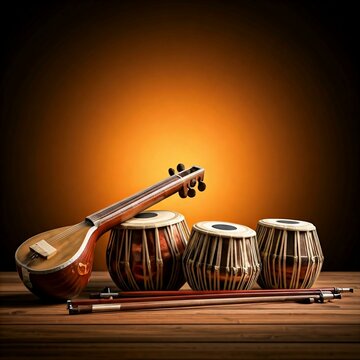
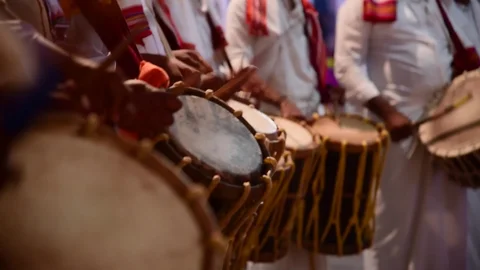
South India’s famous music forms reflect deep devotion, classical discipline, and rich cultural continuity. Rooted in temple traditions and ancient scriptures, these musical styles evolved through royal patronage and spiritual practice. Carnatic music forms the foundation of the region’s classical identity, while folk and devotional genres connect communities through storytelling and faith. Each state preserves distinct melodies, instruments, and performance traditions. Together, these music forms highlight the spiritual depth and artistic excellence of South India.
Wiki Link: South India’s Famous Music Forms

Carnatic Music
Tamil Nadu, Karnataka, Andhra Pradesh, Kerala
Originated from ancient temple traditions and Vedic chanting in South India. Saints and composers developed it as a devotional offering to Hindu deities. The form evolved through structured ragas and talas that emphasize precision and discipline. Composers like the Carnatic Trinity formalized its structure through kritis. Performers focus on melodic improvisation within classical boundaries.
The music highlights spiritual devotion and philosophical themes. Instruments such as veena, mridangam, and violin accompany performances. Temple rituals and royal courts supported its growth. The guru–shishya tradition preserved authenticity across generations.
Harikatha
Tamil Nadu & Andhra Pradesh
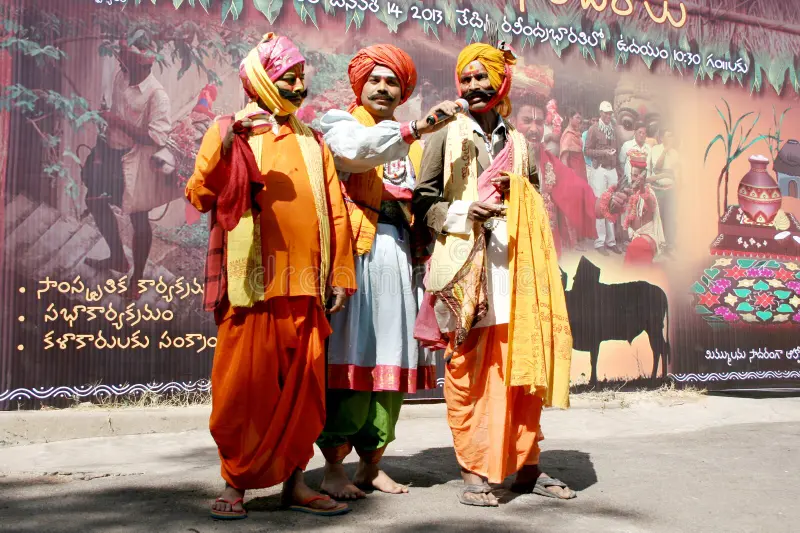
Developed as a storytelling music tradition combining devotion and narration. It originated in temples to spread moral and spiritual teachings. Performers narrate mythological stories using music and dialogue. The form blends philosophy, poetry, and dramatic expression. Musicians accompany the narrator with classical instruments.
The performance educates while entertaining audiences. Harikatha gained popularity during the Bhakti movement. It simplified complex scriptures for common people. The tradition strengthened spiritual awareness. Harikatha remains a respected devotional art form.
Thevaram
Tamil Nadu
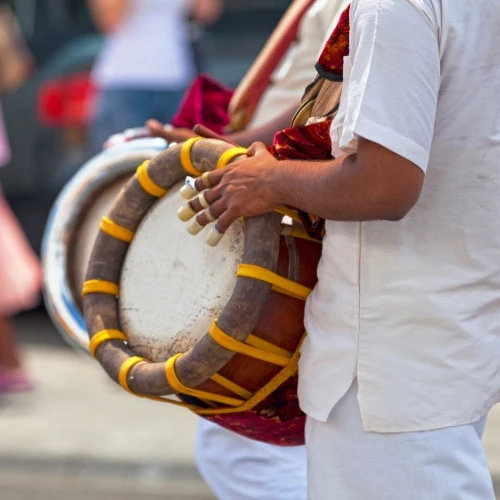
Originated as devotional hymns composed by Shaivite saints. These hymns were sung in praise of Lord Shiva in temples. The form developed during the Bhakti movement to promote devotion over ritualism. Priests and musicians preserved the hymns through oral tradition. The melodies follow early Carnatic structures.
Thevaram strengthened temple-centered worship practices. Communities sang these hymns during daily rituals. The compositions emphasize surrender and faith. Temple architecture often reflects verses from Thevaram. It remains integral to Tamil spiritual music tradition.

Annamacharya Kirtanas
Andhra Pradesh
Originated as devotional songs dedicated to Lord Venkateswara. Saint Annamacharya composed thousands of hymns in Telugu. The songs aimed to spread Bhakti philosophy among common people. The compositions emphasize devotion, surrender, and equality.
Musicians later adapted them into Carnatic concert repertoires. The Tirumala temple preserved many of these works. Lyrics blend poetic beauty with spiritual depth. Performers highlight emotional expression in renditions. The kirtanas connect faith with melody. They remain central to Andhra’s devotional music heritage.
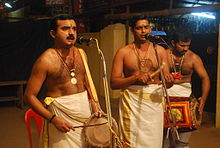
Sopana Sangeetham
Kerala
Eveloped in Kerala’s temple sanctuaries as ritual music. The name derives from “Sopanam,” meaning temple steps where musicians performed. It originated to accompany daily temple worship. The style emphasizes slow, meditative singing. Idakka and chenda instruments support rhythm.
The music differs from mainstream Carnatic structures. Priests and temple musicians preserved its purity. The lyrics often praise deities in Malayalam and Sanskrit. The form enhances spiritual atmosphere during rituals. Sopana Sangeetham remains closely tied to Kerala’s temple culture.
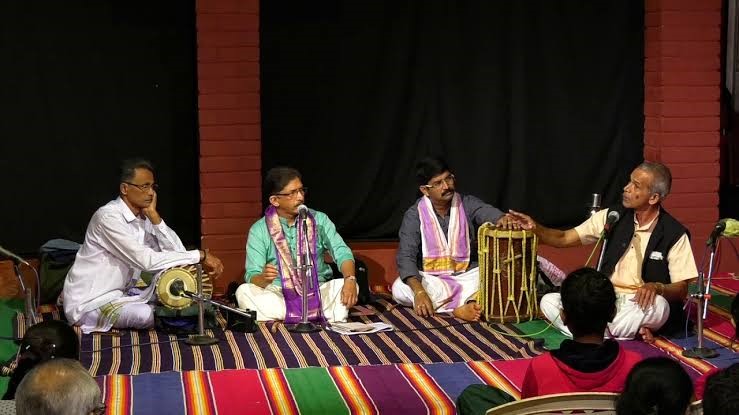
Yakshagana Music
Karnataka
Evolved as the musical backbone of Yakshagana dance-drama performances. It originated in temple and village storytelling traditions. The music guides dramatic narration and character portrayal. Singers lead performances with powerful vocal projection. Percussion instruments maintain energetic rhythm.
The compositions adapt mythological themes. The music emphasizes dialogue delivery and dramatic tension. Audiences engage emotionally with the narrative. The tradition preserves Karnataka’s folk epics. Yakshagana Music continues to energize theatrical heritage.
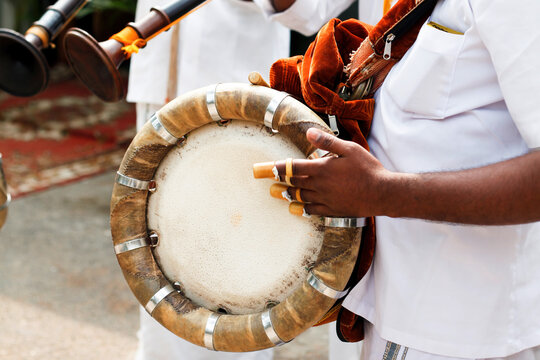
Nadaswaram Music
Tamil Nadu
Developed as an auspicious temple and ceremonial music form. It originated in South Indian temples to accompany rituals and processions. The nadaswaram instrument produces powerful, resonant sound. Musicians perform during weddings and festivals. The form follows Carnatic ragas with improvisation. Temple traditions preserved its significance.
The thavil drum supports rhythmic complexity. The music symbolizes prosperity and divine presence. Artists undergo years of rigorous training. Nadaswaram remains one of the most sacred musical traditions in Tamil Nadu.
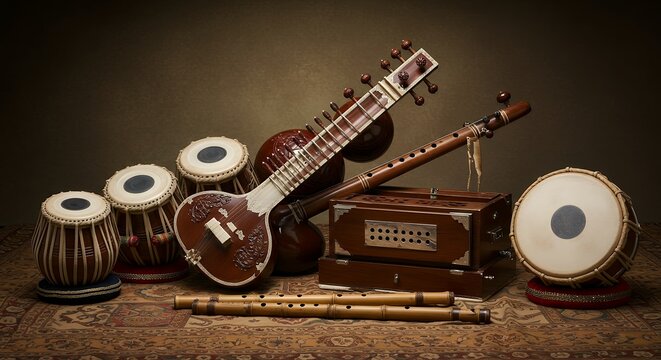
2. Rani Ki Vav
Karnataka
Developed as a lyrical music form expressing emotion and poetry. It originated to blend classical ragas with modern poetic compositions. The form gained popularity through Kannada literature. Singers emphasize mood and lyrical meaning. The music simplifies classical structures for broader audiences.
Radio and cultural programs popularized it widely. Themes include nature, love, and philosophy. The style bridges classical and light music. Bhavageete strengthens regional literary identity. It remains an important part of Karnataka’s musical landscape.
Oggu Katha
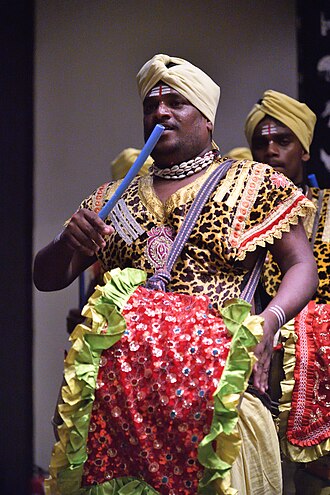
Oggu Katha
Developed as a folk storytelling music tradition dedicated to Lord Mallanna and other regional deities. It originated among the Kuruma community as a devotional performance during temple festivals. Performers combine singing, narration, and dramatic dialogue to convey mythological stories.
The music relies heavily on rhythmic beats and repetitive refrains to engage audiences. Traditional instruments like dhol and jaggu support the performance. The art form served as a medium to preserve oral history and local legends. Artists emphasize devotion, valor, and moral teachings in their storytelling. Performances often take place during village fairs and jatras.

Villupattu
Tamil Nadu
Originated as a folk musical storytelling tradition using a bow-shaped instrument called “villu.” Performers began using this form to narrate epics and local legends in village gatherings. The main singer leads the narration while supporting artists respond in chorus. Rhythmic tapping on the bow creates a unique musical effect.
The form simplifies complex mythological stories for common audiences. Villupattu gained popularity during temple festivals and social events. The storytelling emphasizes moral lessons and devotion. Artists often incorporate humor and social messages into performances.
Janapada Geethe
Karnataka
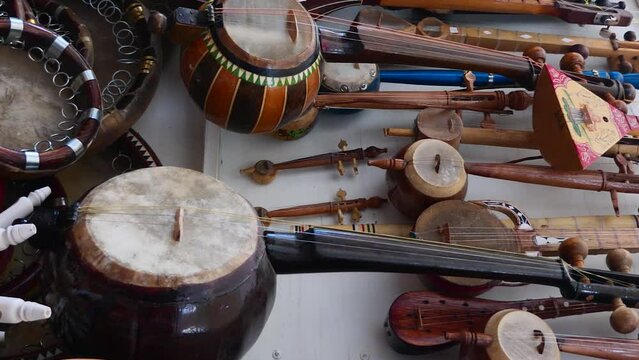
Developed as a folk music tradition rooted in rural Karnataka. Villagers composed these songs to express daily life, farming, love, and social customs. The form originated as an oral tradition passed down through generations. Simple melodies and repetitive rhythms define its style.
Folk instruments such as harmonium and tabla accompany performances. Janapada songs often reflect regional dialects and cultural identity. The music plays a central role in festivals and harvest celebrations. Performers emphasize emotion and storytelling. The genre strengthens community bonding.
Oppana
Kerala
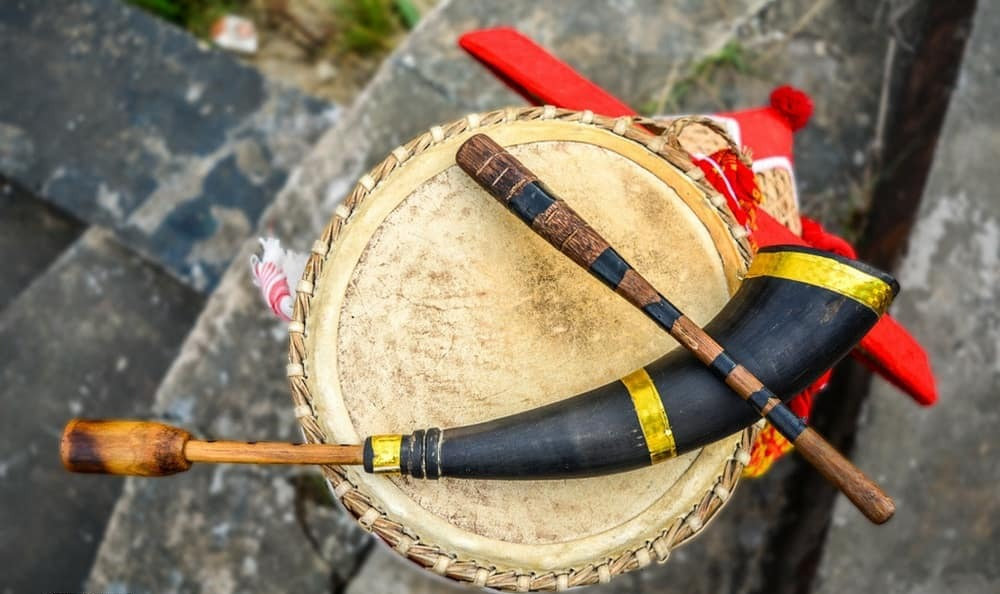
Originated within Kerala’s Muslim community as a celebratory wedding music tradition. Women perform it around the bride, singing rhythmic songs and clapping in harmony. The form developed to celebrate joy and togetherness during marriage ceremonies. Traditional Malayalam and Arabic-influenced lyrics enrich performances.
Hand claps and simple percussion create engaging rhythms. The music highlights blessings and playful teasing. Community participation strengthens social bonds. Oppana preserves cultural identity within the Mappila community. The performance emphasizes grace and elegance.
Mappila Paattu
Kerala
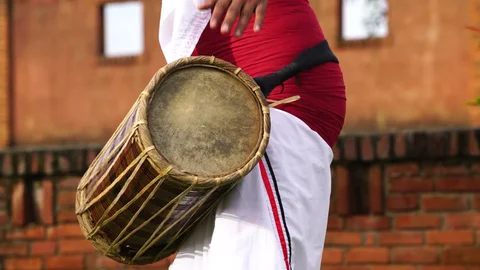
Developed as a lyrical music tradition among Kerala’s Muslim community. It originated from the blending of Arabic and Malayalam cultural influences. The songs narrate themes of devotion, romance, and history. Poets composed verses that reflected maritime trade connections.
Traditional instruments support the melodic flow. The genre became popular during social gatherings and festivals. Performers emphasize poetic expression and rhythm. Mappila Paattu preserves linguistic and cultural diversity.
Burra Katha
Andhra Pradesh
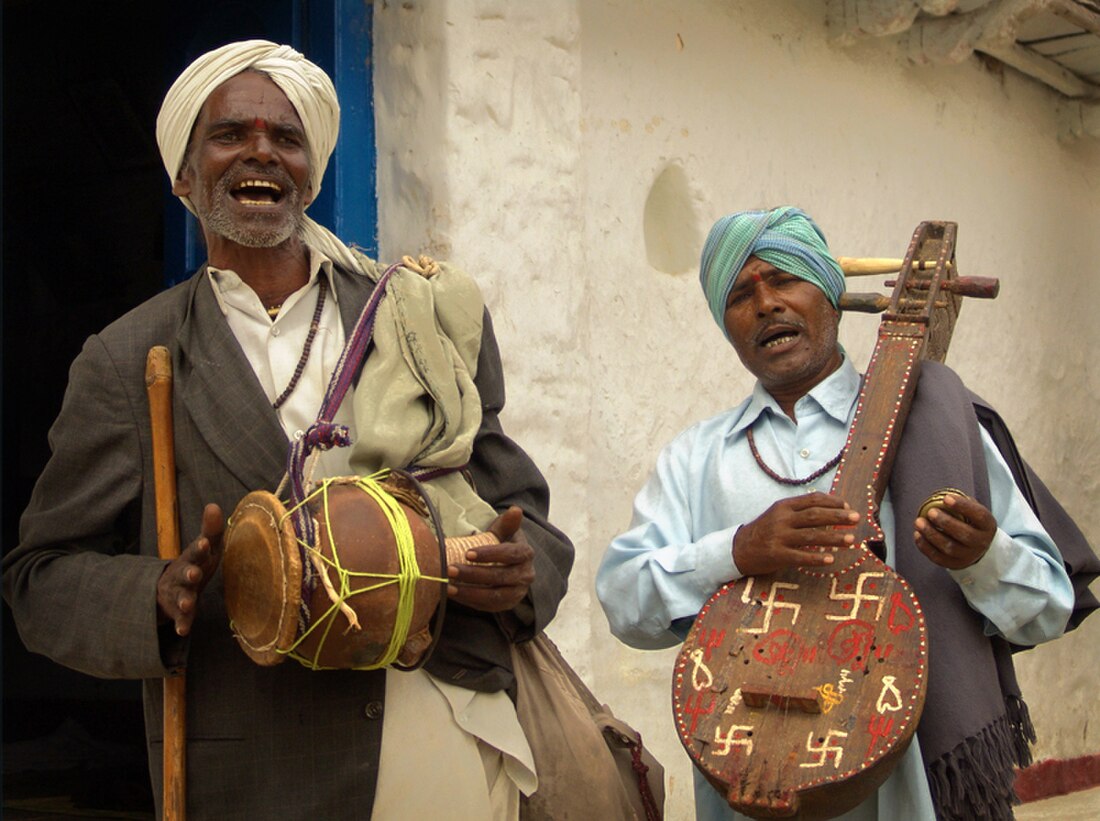
Originated as a dramatic musical storytelling tradition in Andhra Pradesh. Performers used it to spread mythological tales and social reform messages. The main narrator leads the performance with supporting singers. The burra instrument creates rhythmic accompaniment. The art form became popular during the freedom movement to spread awareness.
Themes often address morality and justice. Performers engage audiences through humor and dialogue. The music simplifies complex narratives for rural listeners. Burra Katha preserves Telugu folklore and history. It continues to serve as a cultural storytelling medium.
Chenda Melam
Kerala
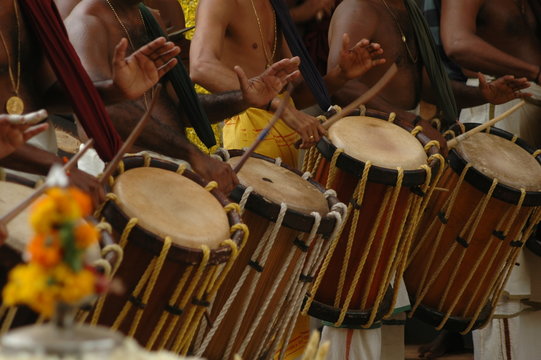
Developed as a powerful percussion-based musical tradition in Kerala’s temples. It originated to accompany temple festivals and processions. The chenda drum produces loud and resonant rhythms. Groups of percussionists perform in synchronized patterns. The music builds intensity gradually, creating spiritual excitement.
Ritual precision guides performances. Chenda Melam strengthens communal participation during festivals. The rhythm energizes large gatherings. It symbolizes devotion and celebration. The tradition remains central to Kerala’s temple music culture.
Andhra Pradesh Blogs
- Andhra Pradesh Cultural guide
- Places to visit in Andhra Pradesh
- Places to visit in Andhra Pradesh
- India’s most popular destination
- India’s archaeological marvels