¤ 10+ minutes Read
Kanchipuram, known as the “City of Thousand Temples,” is one of India’s seven sacred cities and a premier destination for spiritual seekers and culture enthusiasts. Renowned globally for its exquisite silk sarees, ancient temples, and rich philosophical heritage, it offers a profound blend of history, religion, and artisanal tradition that captivates pilgrims and travelers from around the world.
Wiki Link: Kanchipuram wiki page
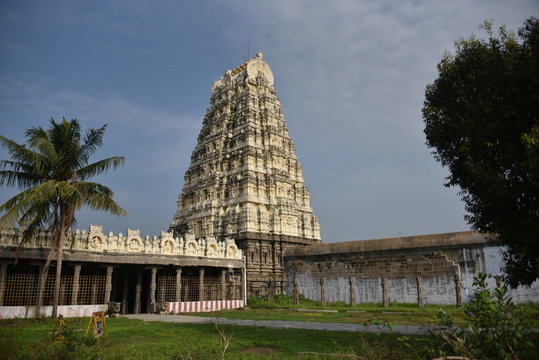
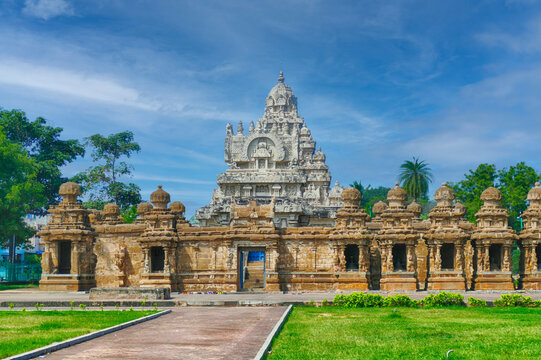
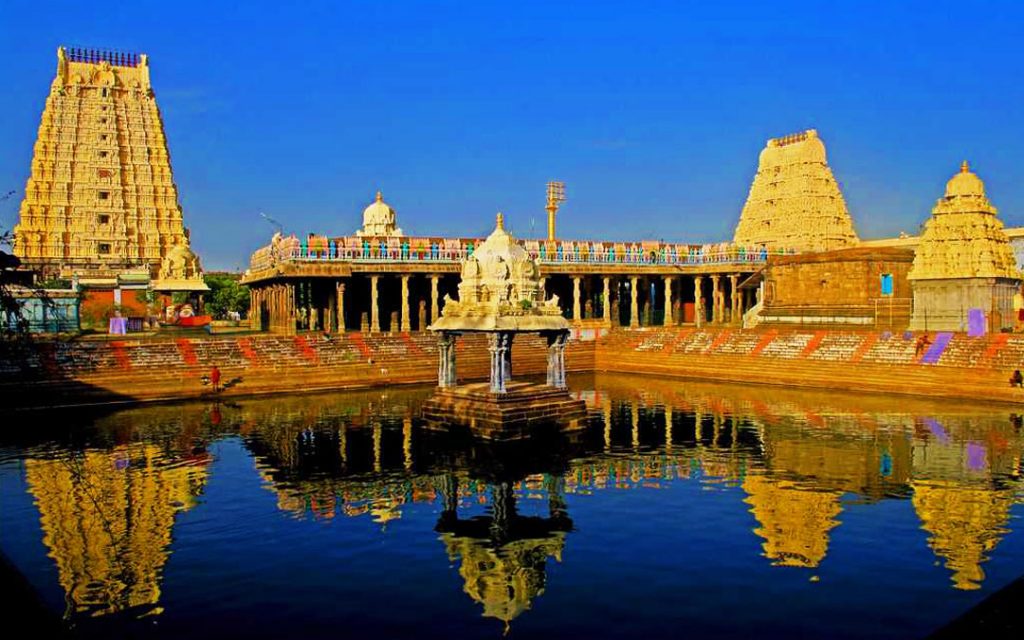
A vast 25-acre complex famed for its ancient mango tree and grand gateway tower.
The premier shrine to Goddess Kamakshi, a major Shakti Peetha and spiritual center.
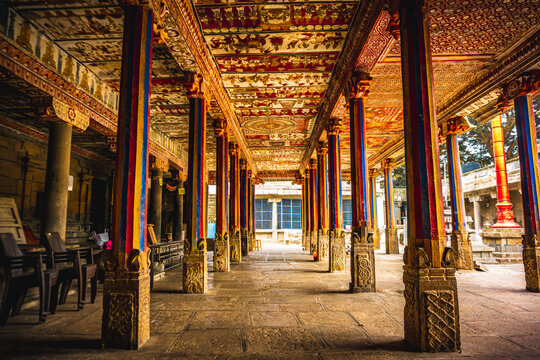
An architectural marvel with a 100-pillar hall and exquisite carvings, a sacred Vishnu site.
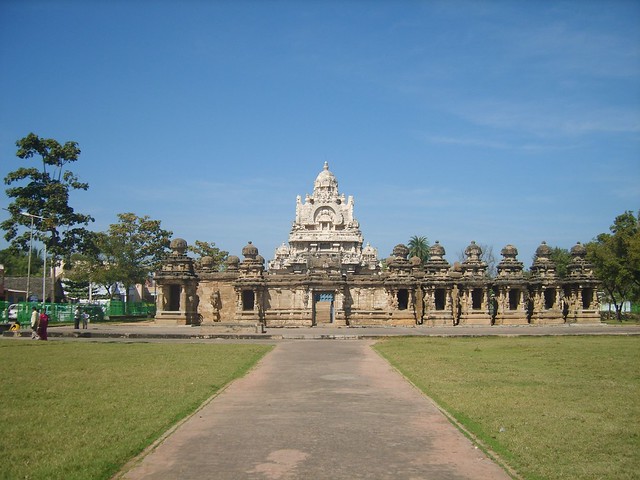
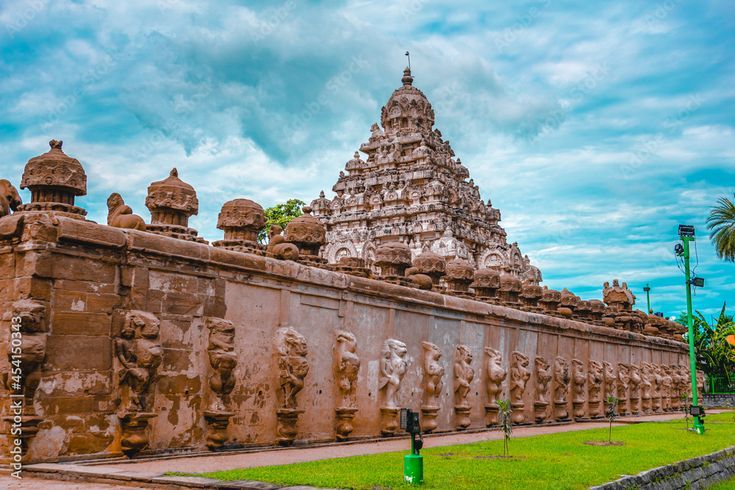
The city’s oldest 8th-century temple, showcasing classic early Dravidian architecture.
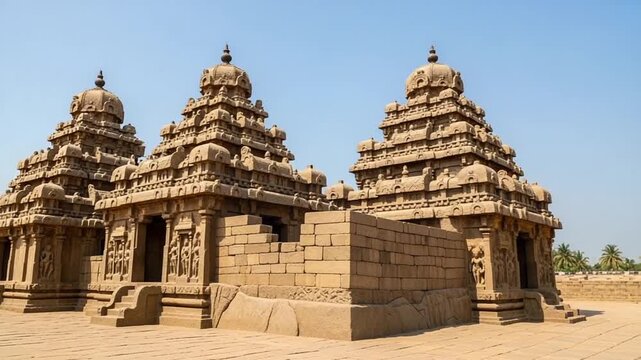
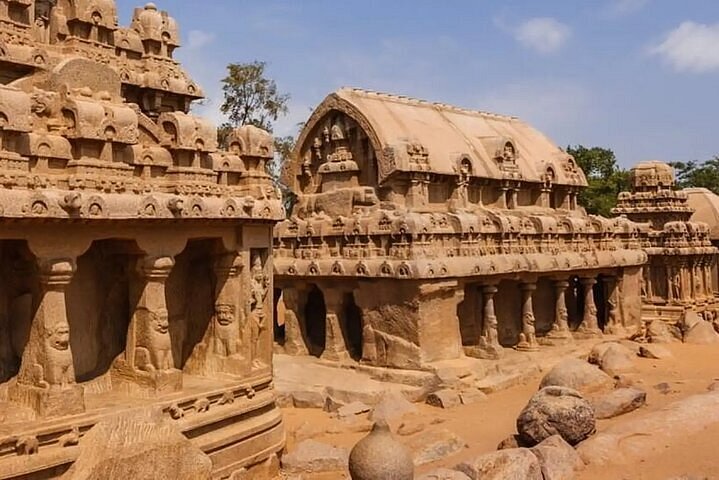
An ancient port city famed for its UNESCO rock-cut monuments, sculptural heritage, and scenic shore temple.
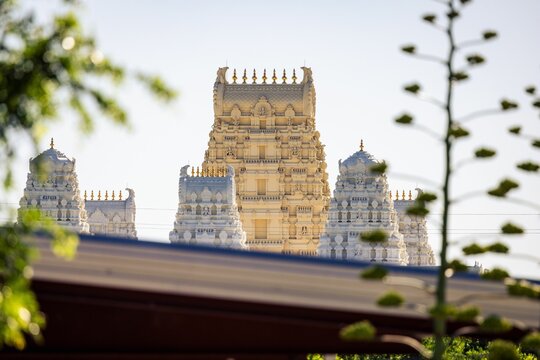
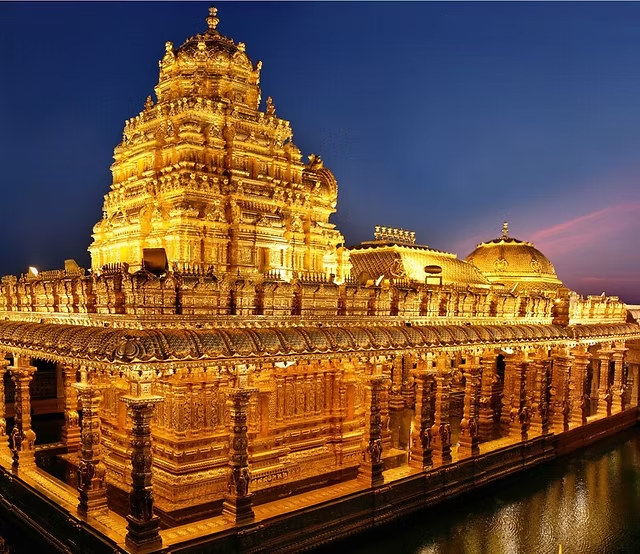
A stunning modern spiritual complex featuring a unique star-shaped pathway entirely plated in gold.
The vibrant capital of Tamil Nadu, known for Marina Beach, historic sites, colonial architecture, and bustling markets.
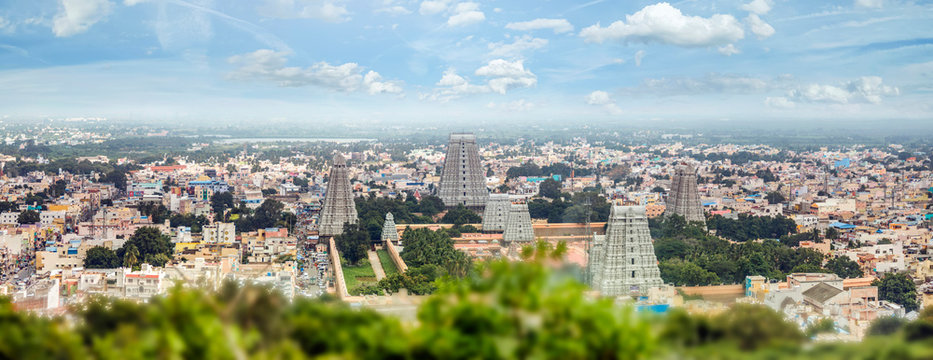
A major pilgrimage town centered on the sacred Annamalai Hill and the vast Arunachaleswarar Temple complex.
Experience the spiritual, artistic, and historical essence of the city. From temple rituals to silk weaving demonstrations, Kanchipuram offers a deeply cultural journey.
Witness elaborate daily pujas, ceremonial processions, and sacred rituals in Kanchipuram’s ancient temples.
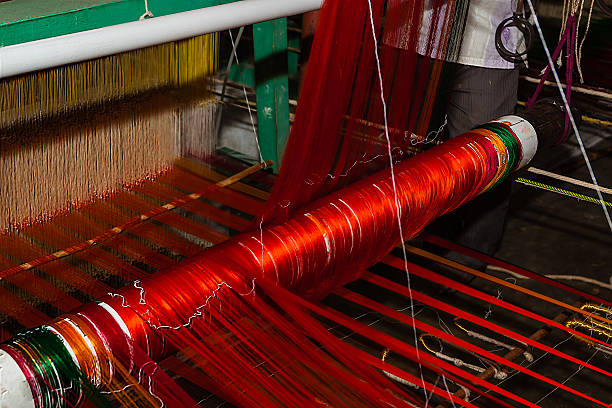
Observe master weavers create exquisite Kanchipuram silk sarees on traditional handlooms in local workshops.
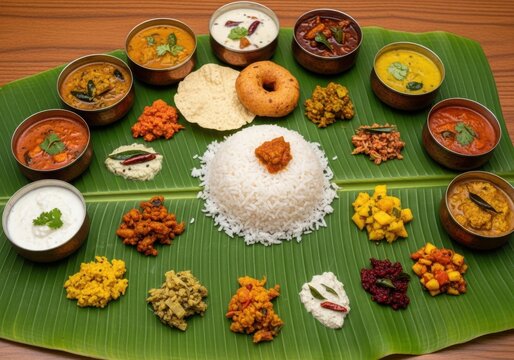
Savor an authentic Tamil vegetarian feast on a banana leaf with sambar, rasam, curd rice, and traditional sweets.
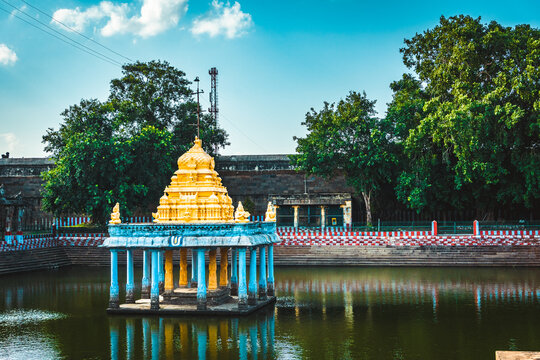
Find deep peace through meditation in the serene corridors and temple tanks of Kanchipuram’s historic shrines.
Kanchipuram has a rich legacy in Carnatic music, Bharatanatyam dance, and traditional Tamil folk arts. The city’s temples have historically been centers for music and dance, with many legendary artists and composers associated with its spiritual ambiance.
Classical Music
Devotional Music
Villuppattu & Oyilattam
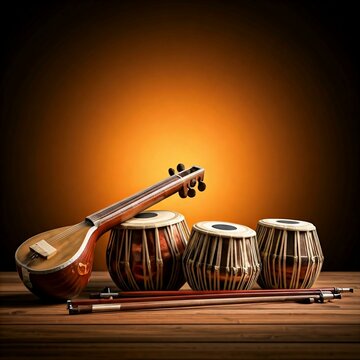
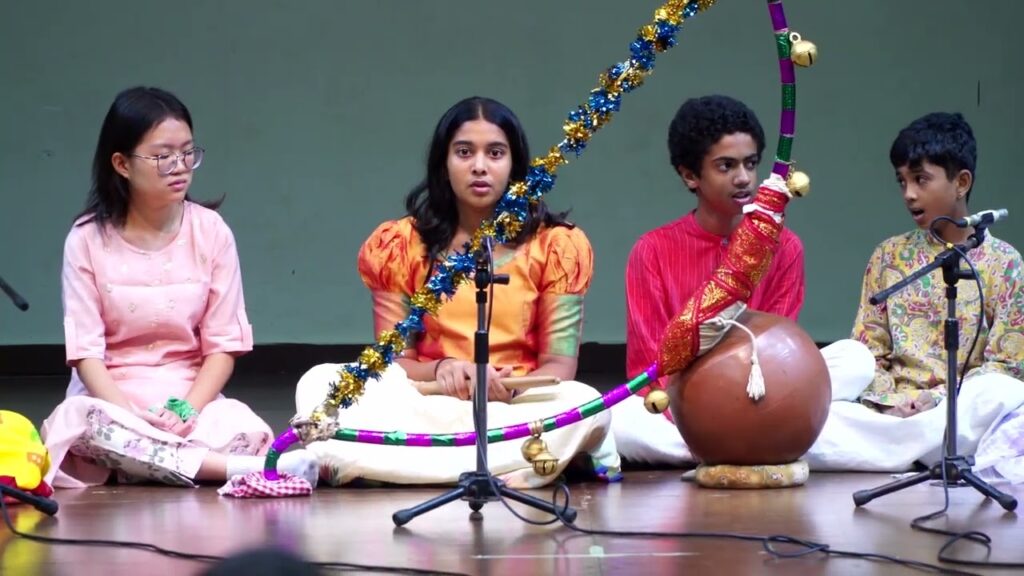
The region is a major center for Carnatic classical music, deeply intertwined with temple traditions, where vocal and instrumental concerts are regularly held in sacred spaces. The devotional hymns of the Thevaram and Divya Prabandham form the soulful core of daily temple rituals, sung with deep reverence. Traditional folk forms like Villuppattu (bow-song) and Oyilattam add vibrant, narrative layers to local festivals, celebrating heroic tales and cultural lore. This creates a rich auditory tapestry where classical precision, divine devotion, and earthy folk storytelling seamlessly coexist.
Bharatanatyam
Therukoothu
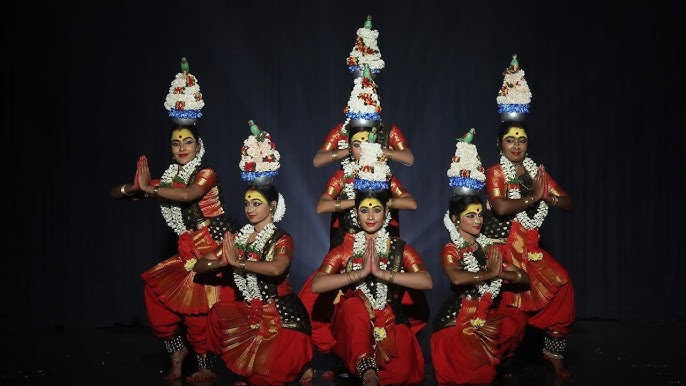
Karagattam
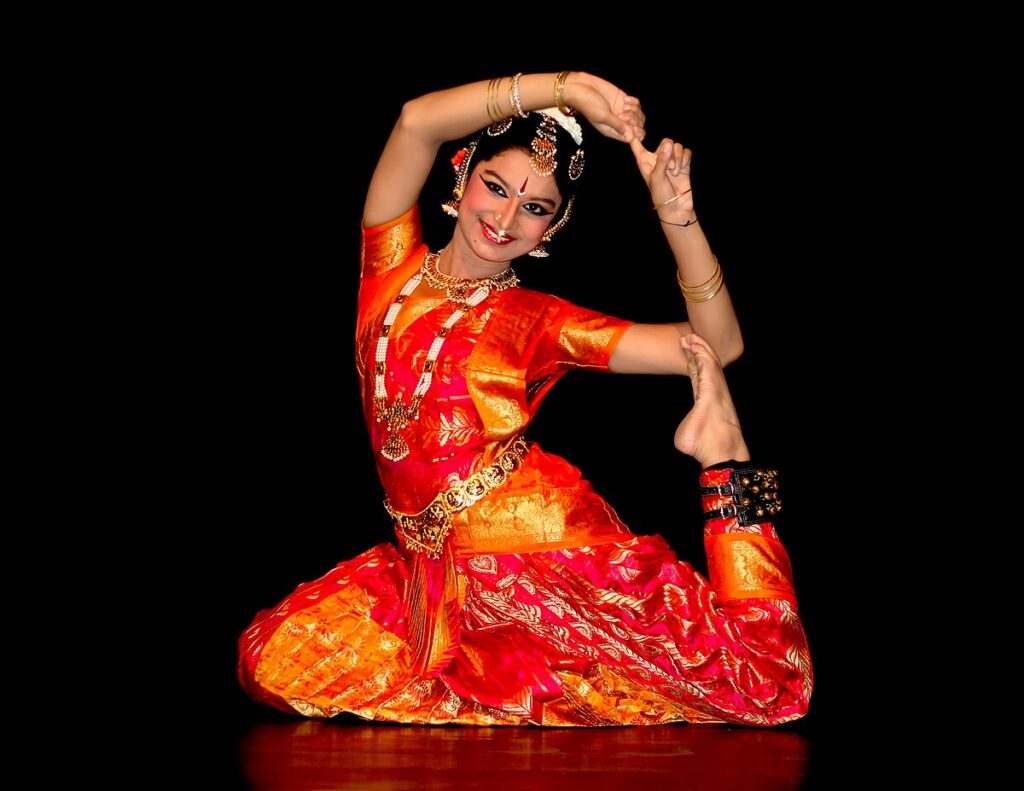
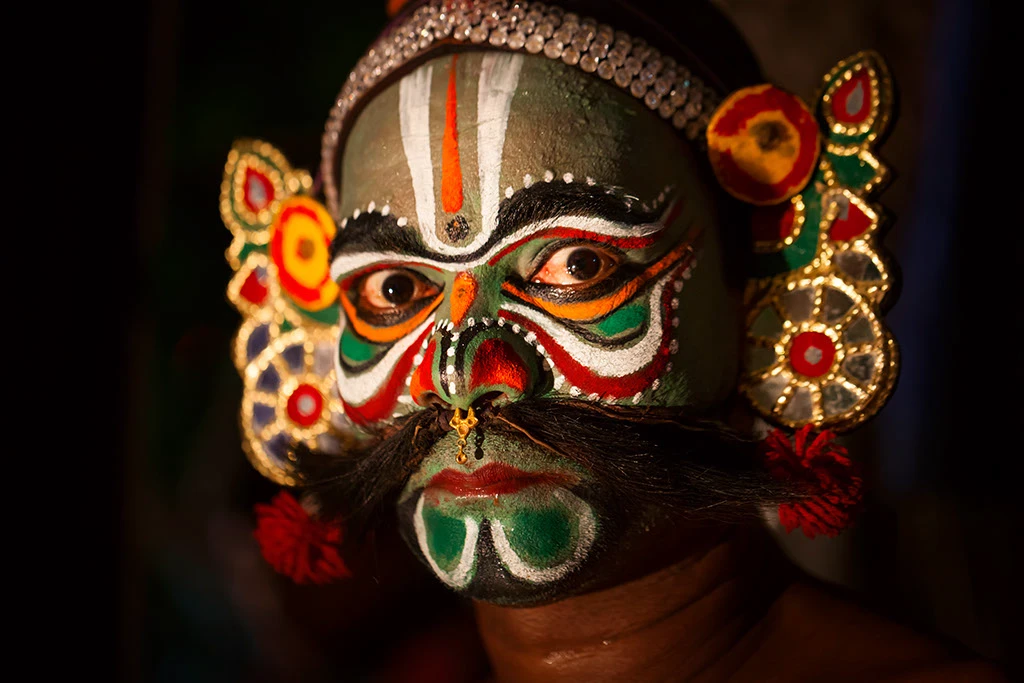
The region is a celebrated hub for Bharatanatyam, a classical dance form with deep temple roots, often performed as a devotional offering to the deities. The vibrant folk theatre of Therukoothu brings epic stories to life on the streets during temple festivals with dramatic music and colorful costumes. Graceful folk dances like Karagattam, performed while balancing pots, showcase artistic skill during village celebrations dedicated to local goddesses. This creates a dynamic dance culture where sacred classical expressions, vibrant folk performances, and ritualistic storytelling powerfully converge.
Kanchipuram thrives in a timeless rhythm dictated by temple bells and the rhythmic clatter of handlooms. The air carries the scent of jasmine, incense, and wet silk yarn. It is a city where devout pilgrims, seeking blessings at ancient shrines, walk the same streets as master weavers creating threads of gold and silk—a seamless blend of deep spirituality and unparalleled craftsmanship.
Kanchipuram’s heritage is a glorious tapestry of Pallava, Chola, and Vijayanagara influences. As a former capital of ancient kingdoms and a premier seat of learning for Buddhism, Jainism, and Hinduism, its history is etched in stone. The city’s living heritage is most vividly seen in its continuous 400-year-old silk weaving tradition, producing sarees worn for generations in ceremonies.
Kanchipuram offers a pure and flavorful South Indian vegetarian culinary experience, deeply connected to temple culture.
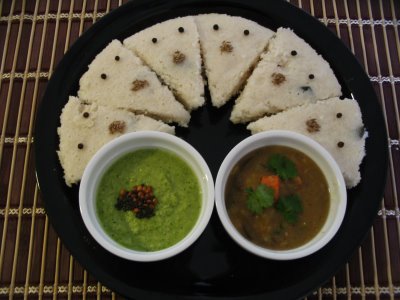
A uniquely spiced, dense idli flavored with pepper, cumin, and ginger, steamed in cloth.
The iconic strong South Indian coffee decoction served in a traditional davara-tumbler set.
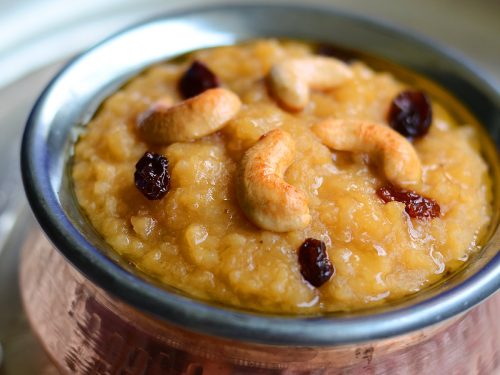
Delicious temple prasadam of sweet stuffed flatbread and ghee-rich sweet rice.
A complete South Indian feast of rice, sambar, rasam, vegetables, and curds served fresh on a banana leaf.
Shopping in Kanchipuram is synonymous with its world-famous silk sarees, but also includes religious artifacts and traditional handicrafts.
Luxurious handwoven silk sarees with intricate zari, temple-inspired motifs, and contrasting borders.
Exquisitely crafted brass and bronze pooja items like traditional lamps and bells for worship.
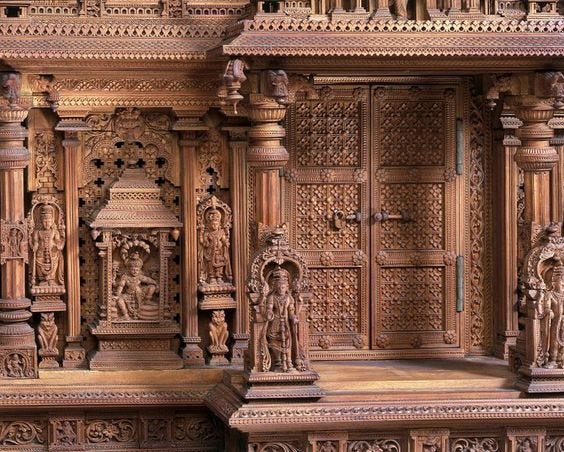
Intricately carved figurines and showpieces from fragrant sandalwood and rich rosewood.
Authentic prayer beads made from Rudraksha seeds or Tulsi wood, used for meditation and japa.
The ideal time to visit Kanchipuram is during the winter and early months, from November to March, when the weather is relatively cool, dry, and pleasant for extensive temple tours and sightseeing. This season is perfect for exploring the vast temple complexes comfortably and attending vibrant festivals like Maha Shivaratri. The more bearable temperatures also enhance the experience of silk shopping and local walks. It is advisable to avoid the extreme heat and humidity of the summer months from April to July, as well as the heavy rainfall during the monsoon season from August to October.
Navigating Kanchipuram is centered on its compact temple town layout, where most major shrines are within a manageable distance of each other. Auto-rickshaws are the most common and convenient mode of transport for hopping between temples and markets. For a more personalized experience, hiring a taxi or cab for a half-day or full-day tour is recommended to cover all key sites efficiently. The city’s core, especially around temple streets and the old weaving lanes, is best explored on foot to truly absorb the atmosphere, though visitors should be prepared for warm weather and busy pedestrian traffic near popular shrines.
Overpriced "Special Darshan" or Puja Tickets – Be cautious of individuals outside temples selling fake "fast pass" tickets; always purchase entry and special ritual tickets only from official temple counters.
Fake Silk Saree Scams – Avoid shops selling artificial or mixed-fabric sarees as pure Kanchipuram silk; insist on authenticity certificates and purchase from government-approved showrooms or certified weaver cooperatives.
Unauthorized Temple Guides – Politely decline self-appointed guides offering unsolicited temple tours; use only licensed guides available through temple administration or your hotel.
Donation Pressure from Unofficial Priests – Agree on any ritual or offering fee clearly before starting a puja conducted by a temple priest to avoid unexpected high demands afterward.
Counterfeit Religious Artifact Sales – When buying brass icons or sandalwood carvings, verify craftsmanship and quality from reputable shops to avoid cheap imitations sold as antique or handcrafted goods.