Steeped in ancient spirituality and timeless craft, Kanchipuram – Tamil Nadu offers profound experiences for every traveler. Discover sacred Pancha Bhoota Stalams, historic Divya Desam temples, and iconic silk weaving heritage among the top places to visit in Kanchipuram.
Ekambareswarar Temple
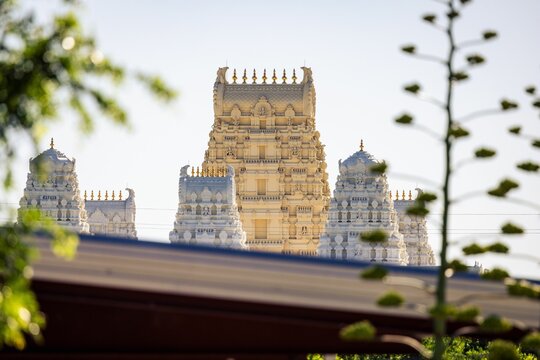
One of the five Pancha Bhoota Stalams representing the element of Earth (Prithvi), the Ekambareswarar Temple is a vast and spiritually profound Shiva temple. Its most famous feature is a sacred, 3,500-year-old mango tree in the inner courtyard, believed to have yielded four different types of mangoes representing the four Vedas.
The temple complex is immense, featuring a 59-meter high southern gateway (gopuram) and a thousand-pillared hall showcasing exquisite Vijayanagara architecture. It is a primary pilgrimage site, where devotees seek blessings by circumambulating the ancient tree and the temple’s sanctum.
A premier Shakti Peetha and the seat of the Goddess Kamakshi in the Sri Vidya tradition.
Kailasanathar Temple
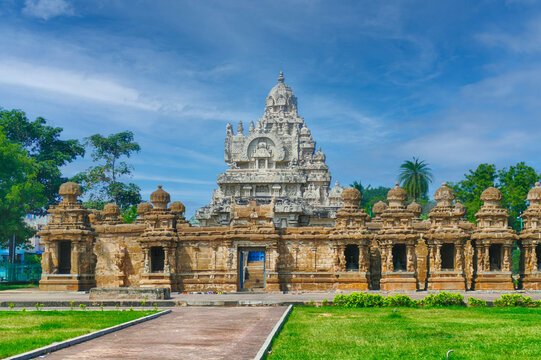
The city’s oldest 8th-century Shiva temple, showcasing sublime Pallava architecture and frescoes.
Devarajaswami Temple
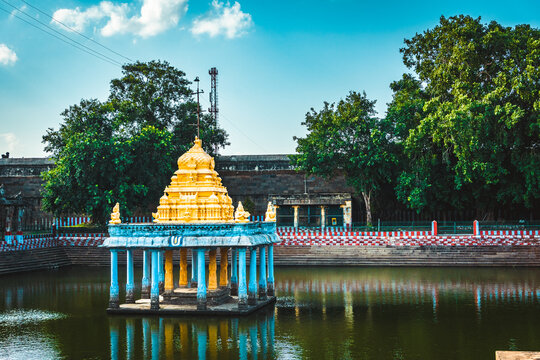
Another sacred Divya Desam known for its beautiful temple tank and exquisite pillared halls.
Varadharaja Perumal Temple
A major Divya Desam dedicated to Vishnu, renowned for its hanging stone chain and intricate sculptures.
Ulagalanda Perumal Temple
This unique Divya Desam is dedicated to Lord Vishnu in his colossal Trivikrama (Vamana) form, known here as Ulagalanda Perumal, meaning “the Lord who measured the world.” The temple’s central marvel is a massive, 35-foot-high standing idol of the deity, carved from a single block of stone, which can be viewed from three different levels.
According to legend, the main idol was so towering that the temple was built around it. The shrine offers a powerful visual and spiritual experience, emphasizing the theme of divine omnipresence and cosmic form described in Hindu scriptures.
Kanchipuram Silk Saree Weaving Units
Kanchipuram is globally synonymous with its luxurious silk sarees, and a visit to a traditional handloom weaving unit is a journey into a living craft. Here, you can witness skilled artisans working on wooden looms, meticulously interlacing vibrant silk threads with fine zari (gold thread) to create the iconic Kanjivaram patterns.
The rhythmic clatter of the looms, the intricate process of setting the design, and the sheer brilliance of the finished textiles are captivating. These sarees, known for their durability, rich colors, and traditional motifs, are a vital part of the city’s cultural and economic identity.
Chitragupta Temple
A rare temple dedicated to Lord Chitragupta, the celestial accountant of human deeds in mythology.
Vaikunta Perumal Temple
An architecturally significant 8th-century Vishnu temple built by the Pallava king Nandivarman II.
Yathothkari Perumal Temple
A revered Divya Desam where the deity is believed to be self-manifested (Swayambhu).
Kumarakottam Temple
Dedicated to Lord Murugan (Kartikeya), the Kumarakottam Temple holds a significant position both geographically and mythologically in Kanchipuram. It is historically situated between the two great temples of Ekambareswarar (Shiva) and Kamakshi (Parvati), symbolically representing the divine family.
The temple itself is an architectural gem with beautiful sculptures and a serene ambiance. It is a key site during the festive season of Skanda Shashthi, drawing devotees who revere Murugan as the divine warrior god and the son of the presiding deities of Kanchi.
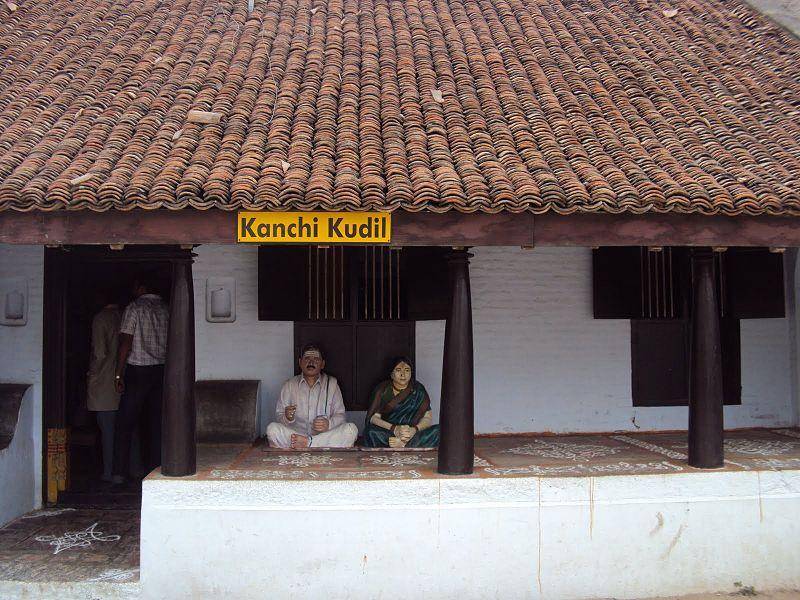
Kanchi Kudil
Kanchi Kudil is a preserved 19th-century heritage house offering an authentic glimpse into traditional Tamil Brahmin lifestyle. The house features antique wooden furniture, traditional kitchen utensils, and agricultural tools used in the era.
It showcases the typical courtyard-centered architecture and daily rituals of old Kanchipuram. A visit here is a journey into the city’s rich cultural and domestic history.
Mahabalipuram
A UNESCO World Heritage Site, Mahabalipuram is an open-air museum of 7th and 8th-century Pallava art and architecture, located about 70 km from Kanchipuram. The site is famed for its spectacular rock-cut monuments, including the iconic Shore Temple by the sea, the magnificent bas-relief of Arjuna’s Penance, and five intricate Rathas (chariots) carved from single boulders.
This ancient port city showcases the zenith of Dravidian sculpture and is a testament to the Pallava dynasty’s architectural genius, blending religious symbolism with incredible artistic skill.
Tirupati
The globally revered hill temple of Lord Venkateswara, among Hinduism’s most visited pilgrimage destinations.
Tiruttani
A sacred hilltop temple dedicated to Lord Murugan, celebrated as one of his six divine abodes.
Chennai
Tamil Nadu’s bustling capital, famous for Marina Beach, Kapaleeshwarar Temple, and colonial history.
Sriperumbudur
The ancestral town of philosopher Ramanujacharya and site of the Rajiv Gandhi National Memorial.
Vedanthangal Bird Sanctuary
One of the oldest and smallest water bird sanctuaries in India, Vedanthangal is a serene haven for avian life, located roughly 55 km from Kanchipuram. During the migratory season (November to March), the shallow lake and its surrounding trees host a spectacular cacophony of thousands of birds, including pintails, garganeys, grey herons, and open-billed storks.
The unique sight of nests precariously balanced on branches over the water creates a vibrant, living tapestry. It’s a paradise for birdwatchers and nature lovers, offering a peaceful escape into a thriving ecosystem.
Vellore Fort
A majestic 16th-century fort complex housing the Jalakanteshwara Temple and a historic mosque.
Cholamandal Artists' Village
A pioneering artists’ commune near Chennai promoting contemporary Indian traditional art.
Covelong Beach
A scenic fishing village and popular beach destination near Chennai, ideal for water sports.
Tiruvannamalai
The holy town of Tiruvannamalai, centered around the sacred Annamalai hill (Arunachala), is one of the most revered spiritual destinations in South India. The massive Annamalaiyar Temple at its base is one of the largest temple complexes in India and a Pancha Bhoota Stalam for the element of Fire (Agni).
The town is synonymous with the teachings of Sri Ramana Maharshi and attracts seekers for meditation and circumambulation (Girivalam) of the holy hill. The deep spiritual energy and the grand Karthigai Deepam festival make it a powerful pilgrimage center.
Pulicat Lake
Straddling the border of Tamil Nadu and Andhra Pradesh, Pulicat Lake is India’s second-largest brackish water lagoon, known for its serene beauty and ecological importance. The lake is a crucial habitat for migratory birds, most notably flamingos that paint its waters pink during the season.
The historical Dutch fort and cemetery at Pulicat town speak of its past as a bustling 17th-century trading port. A boat ride on its tranquil waters offers glimpses of traditional fishing communities and vast, scenic landscapes, making it a perfect spot for history buffs and nature enthusiasts.
Vandalur Zoo
Located on the outskirts of Chennai, about 75 km from Kanchipuram, Vandalur Zoo is the largest zoological garden in India. Spread over 1,265 acres in a forested setting, it provides a semi-natural habitat for over 2,500 species of flora and fauna, including lions, tigers, elephants, and numerous endangered species.
The park emphasizes conservation, breeding, and education, with safari-style enclosures, a walk-through aviary, and a reptile house. It’s an ideal family destination for a day-long excursion to observe wildlife in a spacious and well-maintained environment.