¤ 10+ minutes Read
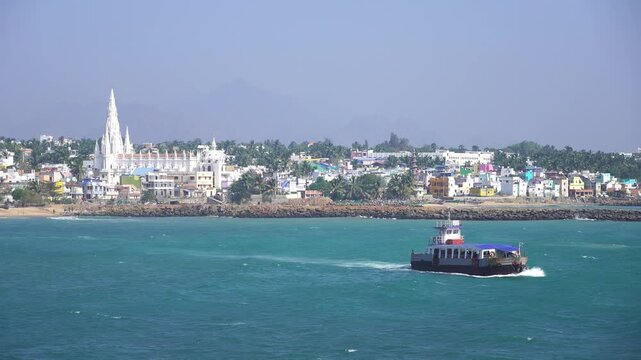
Kanyakumari, formerly known as Cape Comorin, is a unique coastal town in Tamil Nadu, where the Indian subcontinent ends. It is famed for being the confluence of the Bay of Bengal, the Arabian Sea, and the Indian Ocean. A sacred pilgrimage site for Hindus, it offers a breathtaking blend of spiritual significance, natural wonders, and a rich history that captivates visitors from around the globe.
Wiki Link: Kanyakumari wiki page
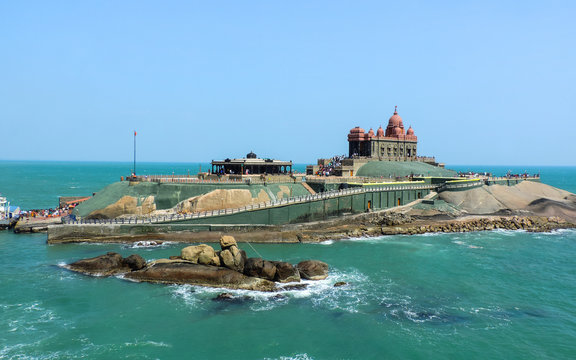
Iconic island memorial offering panoramic ocean views.
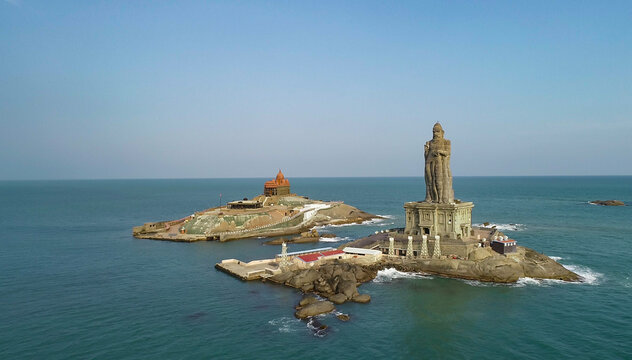
Majestic 133-foot tribute to Tamil’s ancient poet-saint.
Sacred seaside temple dedicated to virgin goddess.
Architectural memorial honoring Gandhi’s legacy.
Magnificent wooden palace showcasing Kerala architecture.
Scenic stepped waterfalls perfect for nature retreats.
Historic fort with rich heritage and biodiversity park.
Temple town famous for musical pillars and giant Hanuman.
Experience the spiritual, natural, and historical essence of the town. From witnessing spectacular sunrises and sunsets to exploring unique monuments, Kanyakumari offers a soulful journey.
Witness rare dual-ocean celestial spectacle.
Spiritual journey to iconic island monuments.
Savor fresh coastal delicacies and traditional flavors.
Find inner peace at Swami Vivekananda’s enlightenment spot.
Kanyakumari is a cultural melting pot, deeply influenced by Tamil traditions. The town’s artistic expressions are rooted in its history and spirituality. While it shares the classical music and dance forms of Tamil Nadu, its coastal location also infuses a unique local flavor into its folk traditions.
Carnatic Music
Nadaswaram & Thavil
Villu Pattu
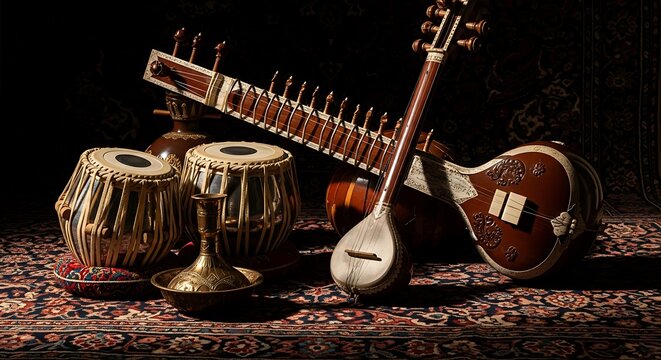
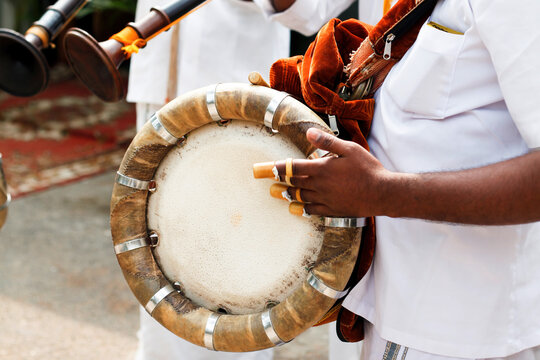
The region is a stronghold of South Indian Carnatic classical music, with a deeply devotional tradition heard in its ancient temples. The soulful strains of the Nadaswaram and the rhythmic beats of the Thavil provide a sacred soundtrack to daily rituals. It also has a rich heritage of Tamil folk music, including storytelling forms like Villu Pattu (bow-song). These folk genres narrate epic tales and local lore, preserving the cultural history of the land.
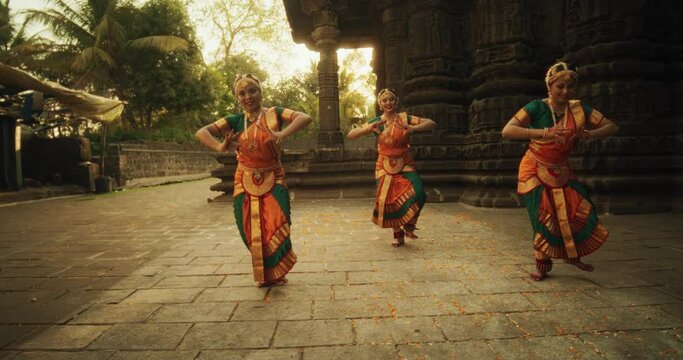
Bharatanatyam
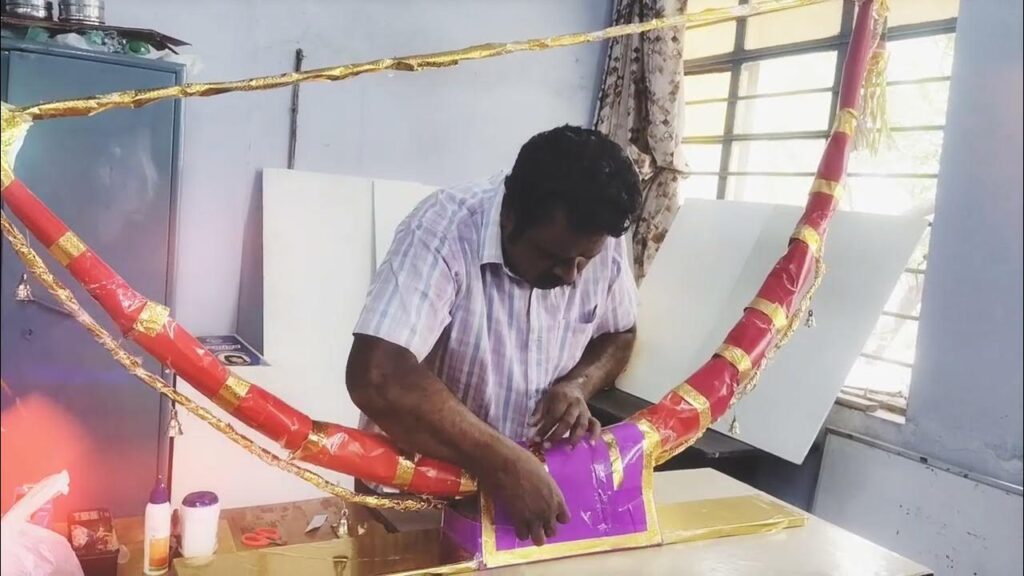
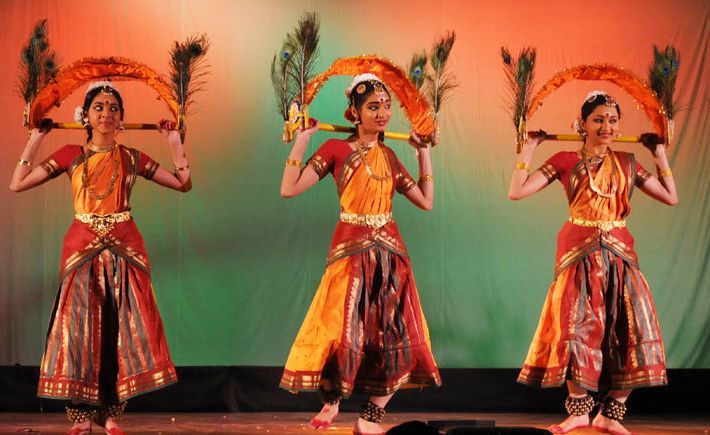
Kaavadi Aattam
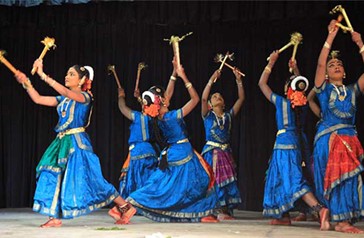
Kummi & Kolattam
The classical dance of Bharatanatyam is deeply revered here, with its precise gestures and rhythmic footwork often depicting divine stories. The vibrant folk dance of Kaavadi Aattam is performed with devotional fervor during festivals dedicated to Lord Murugan. Graceful circle dances like Kummi and Kolattam are popular during harvest and other community celebrations. These performances reflect the area’s rich Tamil cultural heritage and spiritual devotion.
Kanyakumari radiates a unique aura of serene finality. It’s a place where the journey of India ends and begins, marked by the daily celestial drama of the sun and moon rising from and setting into the sea. The town’s essence lies in its powerful confluence—of waters, of cultures, and of spiritual thoughts. The sound of waves crashing from three sides blends with temple bells and the quiet contemplation of pilgrims, creating an atmosphere of peaceful grandeur.
Kanyakumari’s heritage is a rich tapestry woven from the threads of ancient Tamil culture, colonial history, and spiritual movements. It was part of the Travancore kingdom before merging with Tamil Nadu. The town is not just a Hindu pilgrimage site but also a place of national importance, associated with social reformers like Swami Vivekananda and Mahatma Gandhi, whose memories are preserved in its monuments.
Kanyakumari is a paradise for food lovers, offering a variety of traditional South Indian delights with a strong emphasis on fresh, coastal flavors.
A quintessential dish, this tangy and spicy fish curry, made with tamarind and coconut, is a staple in local households.
Soft, lacy hoppers (appam) served with a mild and aromatic vegetable or chicken stew, a legacy of the Syrian Christian community.
Popular local snacks—Kadalai Mittai (peanut jaggery bar) and crispy banana chips are perfect for munching while sightseeing.
A cooling and delicious herbal drink made from the Nannari root, perfect for beating the tropical heat.
Shopping in Kanyakumari offers a vibrant mix of coastal crafts, religious souvenirs, and traditional Tamil products. The bustling markets near the beach are ideal for picking up mementos.
Beautiful conch shells, decorative items made from seashells, and coral artifacts are popular souvenirs from the coast.
Kanyakumari is known for its plantations. Buy high-quality cloves, cardamom, pepper, and cinnamon directly from the source.
Eco-friendly and handcrafted items like baskets, hats, and coasters made from palm leaves and coir.
Elegant and colourful necklaces, earrings, and bracelets made from shells and beads, reflecting the coastal culture.
The ideal time to visit Kanyakumari is from October to March. During these winter months, the weather is pleasantly cool and sunny with clear skies. This period offers perfect conditions for sightseeing, ferry rides, and witnessing spectacular sunrises and sunsets. The comfortable climate is ideal for exploring outdoor attractions and participating in festivals. It is highly recommended to avoid the heavy monsoon rains from June to September.
Auto-rickshaws and taxis are readily available for hire throughout the town. For the main cluster of sights like the beach and temples, the area is compact and easily walkable. The ferry service is essential for visiting the iconic Vivekananda Rock Memorial and Thiruvalluvar Statue. It's advisable to agree on fares with auto-rickshaw drivers before starting your journey. This mix of walking and local transport makes exploring convenient and efficient.
Overpriced Ferry Tickets – Always purchase tickets from the official government ferry counter to avoid touts charging inflated prices.
Fake Guides & Photographers – Be wary of unauthorized guides offering tours; use only licensed guides recommended by your hotel.
"Special Entry" Temple Scams – Ignore anyone claiming you need to pay for special entry or quicker access to the Kumari Amman Temple.
"Pooja" Overcharging – Agree on all charges for any rituals or offerings at temples beforehand to avoid excessive demands for payment.
Exorbitant Price for Shells & Souvenirs – Always compare prices and be prepared to bargain aggressively at local beachside stalls.