¤ 10+ minutes Read
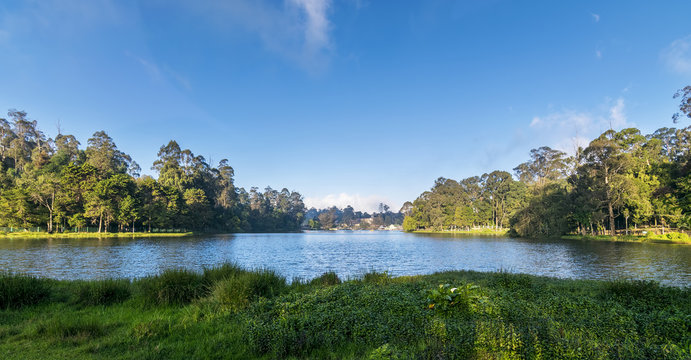
Boating on the serene Kodaikanal Lake, surrounded by lush hills and vibrant flora.
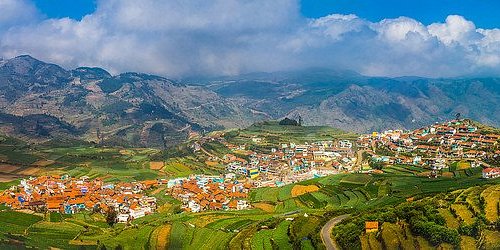
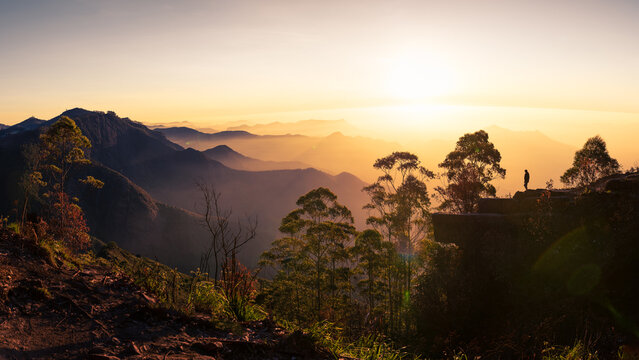
Kodaikanal, often called the “Princess of Hill Stations,” is a picturesque town in the Western Ghats of Tamil Nadu. Established in 1845, it became a popular retreat for British officials and missionaries. Known for its cool climate, misty landscapes, shimmering lakes, and dense forests, it offers a perfect blend of natural beauty, colonial charm, and tranquil ambiance that captivates visitors from around the globe.
Wiki Link: Kodaikanal wiki page
A star-shaped artificial lake perfect for boating, cycling, and leisurely lakeside strolls.
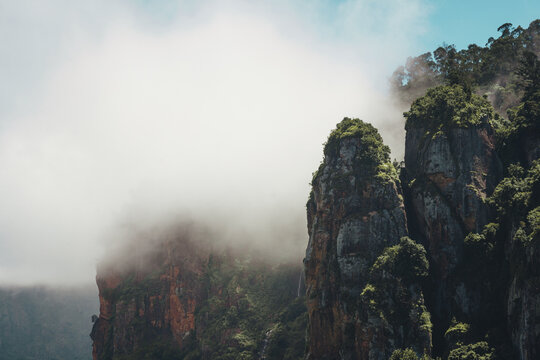
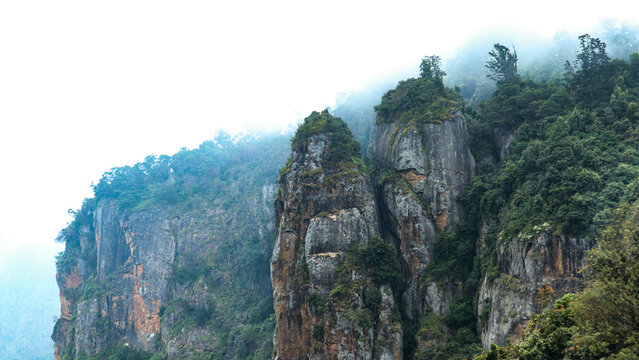
Three massive granite rock pillars offering spectacular valley views from a 400-foot height.
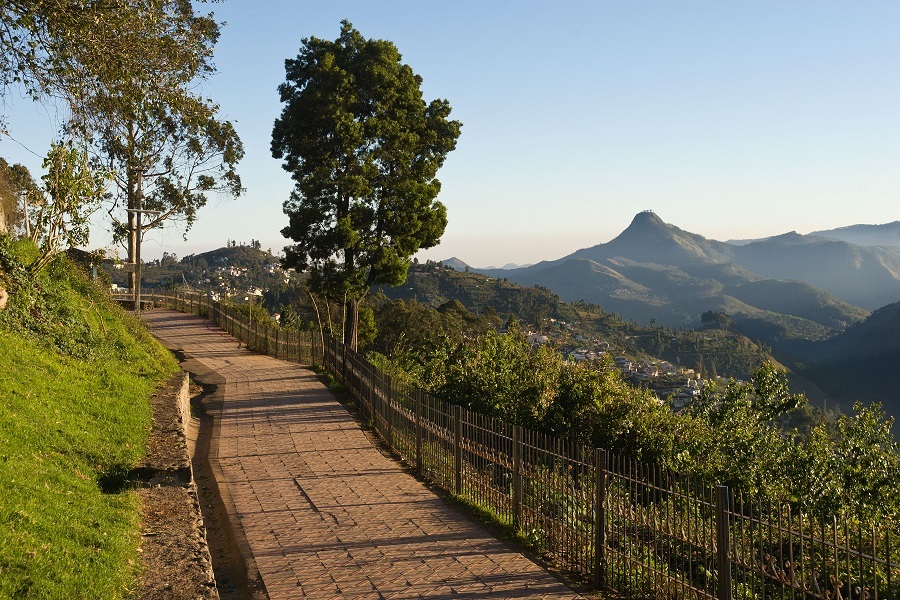
A scenic kilometer-long paved path on steep slopes with breathtaking panoramic valley vistas.
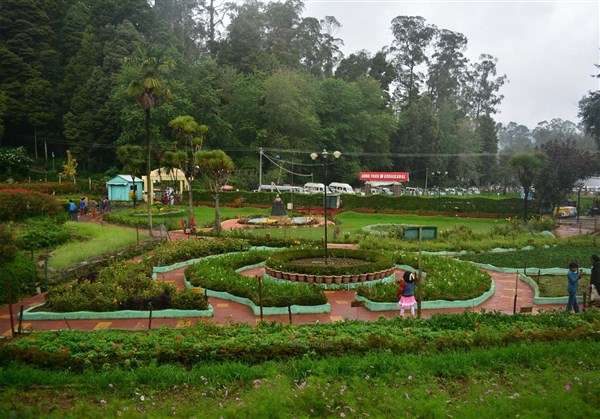
A beautifully maintained botanical garden featuring exotic plants and vibrant seasonal flower shows.
A pristine forest lake requiring a permit, with a scenic drive through dense shola woods.
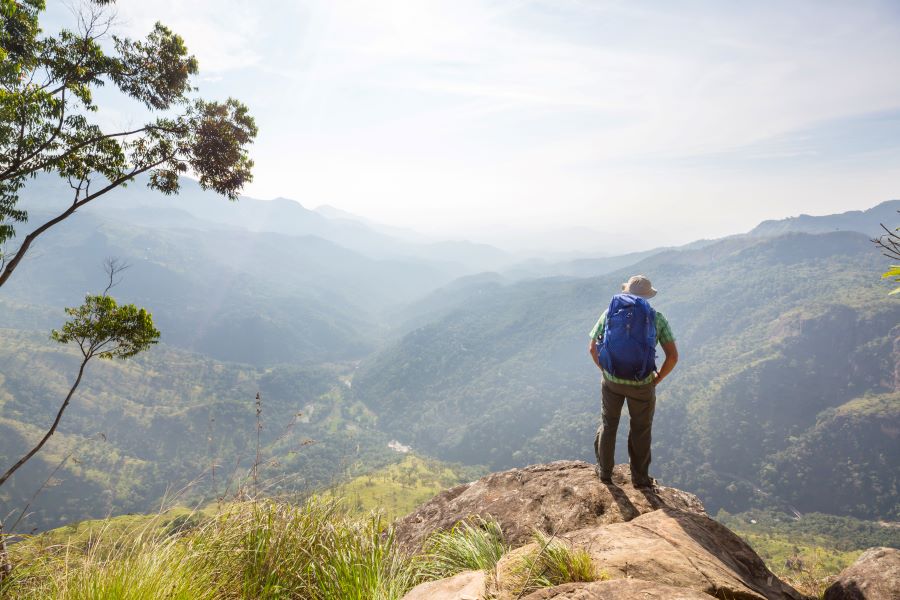
A distinctive rock offering a short trek to breathtaking valley and mountain vistas.
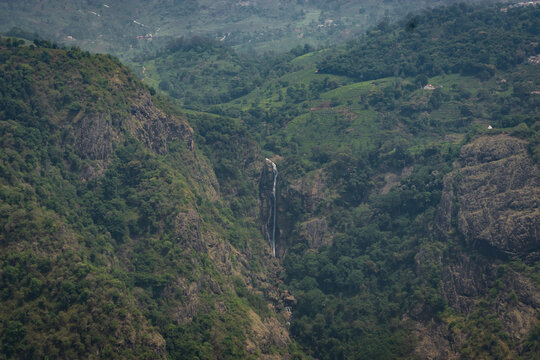
India’s towering “Rat Tail” waterfall, best viewed from a dramatic roadside overlook.
Peaceful “Little New Zealand” landscape with serene lakes, grasslands, and grazing sheep.
Experience the serene, adventurous, and cultural essence of the hill station. From tranquil walks to exploring unique natural wonders, the city offers a refreshing retreat.
Stroll through vibrant flowerbeds and rare plant collections in this serene botanical garden.
Glide across the serene star-shaped lake on a rowboat, pedalo, or shikara.
Browse bustling Bazaar Road for famous homemade chocolates and local handicrafts.
Explore scenic trails to Dolphin’s Nose and Pine Forest for breathtaking valley views.
Kodaikanal, with its serene environment, has been a hub for artists, writers, and musicians. While its traditions are more influenced by its status as a colonial retreat and its native Tamil culture, it fosters a vibrant community focused on folk and contemporary arts. The town often hosts cultural festivals, music recitals, and theater workshops, especially during the summer season.
Tamil Folk Music
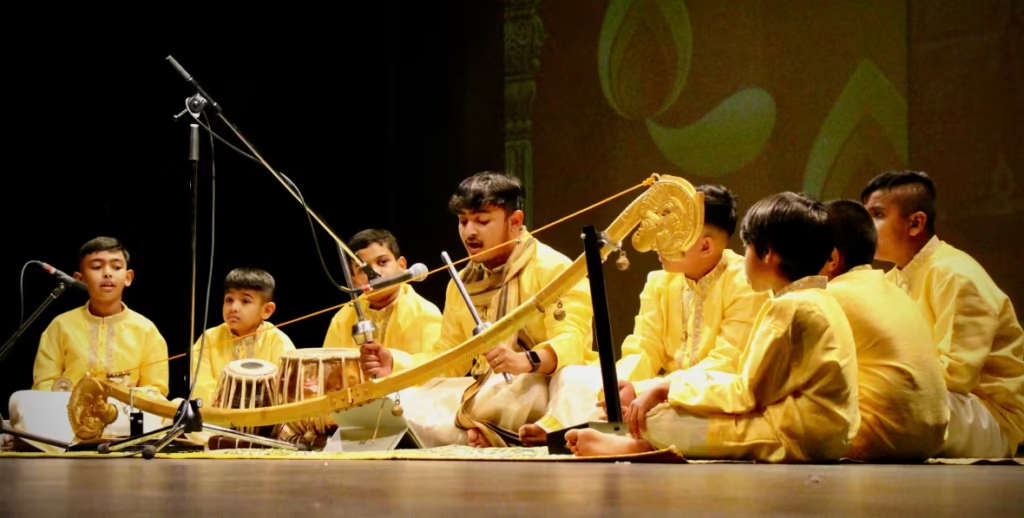
Villu Pattu
Western Music
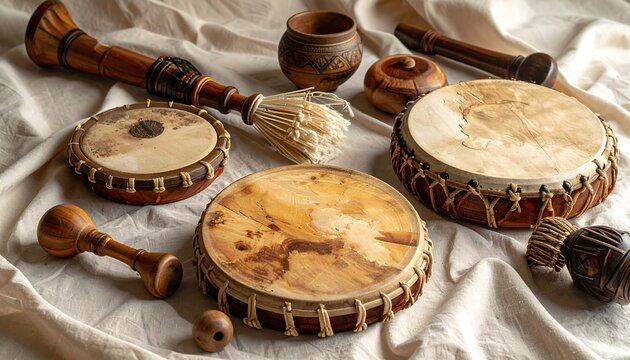
Kodaikanal’s music scene blends Tamil folk traditions with its colonial heritage. The hills echo with the rhythmic beats of Parai Attam and the rustic melodies of Villu Pattu. Influenced by its international schools, the town also nurtures Western classical and contemporary music. This unique fusion creates a serene soundscape, from temple festivals to cozy café performances.
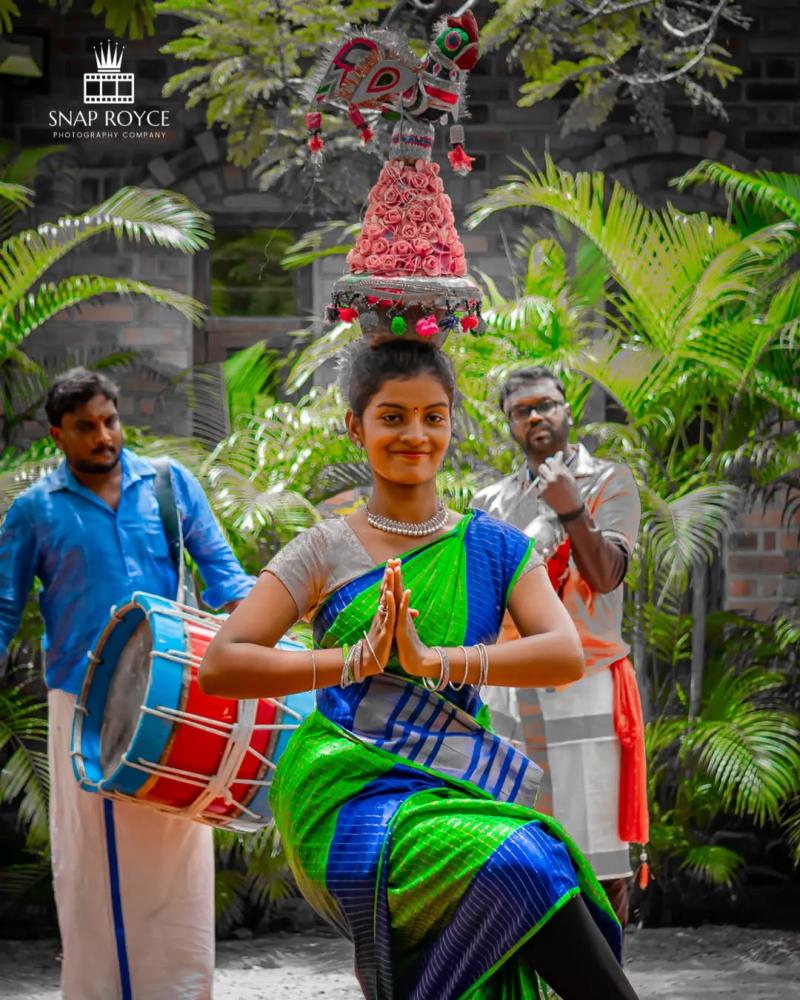
Karakattam
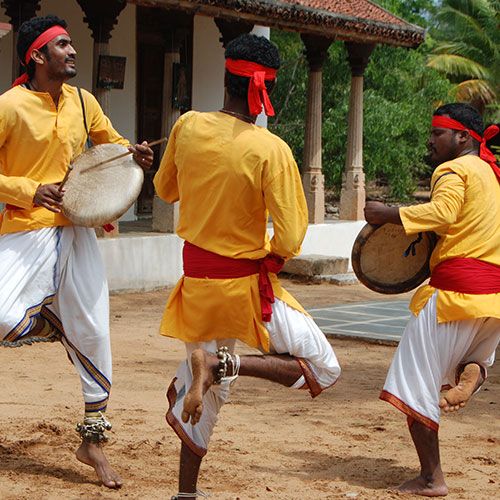
Oyilattam
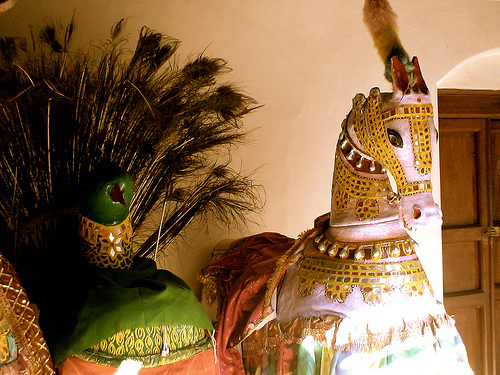
Poikkal Kuthirai Attam
Kodaikanal’s dance culture is deeply rooted in Tamil Nadu’s vibrant folk traditions. The energetic Karakattam, performed with balanced pots, is a highlight of local temple festivals. While classical Bharatanatyam is practiced, the hills come alive with the colorful and rhythmic Oyilattam. These folk dances, often depicting agricultural life and devotion, are an integral part of the region’s cultural celebrations.
Kodaikanal is a tranquil escape from the heat and chaos of the plains. The town’s essence lies in its crisp mountain air, the gentle mist that rolls through the pine forests, and the serene silence broken only by birdsong. Colonial-era cottages, charming churches, and cozy cafes blend seamlessly with the vibrant local bazaars, creating a unique atmosphere of relaxed cosmopolitanism nestled in nature’s lap.
Kodaikanal’s heritage is a blend of its native Tamil culture and the colonial influences of the British. The town’s historic landmarks, like the Christ the King Church and the Shenbaganur Museum, preserve its legacy as a 19th-century hill station. The Kurinji flower, which blooms once every 12 years in the surrounding hills, is an integral part of the region’s ecological and cultural identity.
Kodaikanal offers a unique culinary journey, from authentic Tamil flavors to global café food, influenced by its diverse visitors.
Savor crispy dosas, fluffy idlis, and aromatic filter coffee at authentic local eateries.
Relax in cozy cafes with hot soups, fresh sandwiches, and warm beverages.
Enjoy fresh-picked organic fruits like plums and pears from local hillside orchards.
Indulge in Kodaikanal’s famous homemade chocolates available in countless varieties.
Shopping in Kodaikanal is a delightful experience focused on local crafts, natural products, and edible souvenirs.
Renowned for its pure, therapeutic-grade eucalyptus, lavender, and tea tree oils.
Find charming, handcrafted wooden toys, vibrant shawls, and intricate bamboo work.
Source freshly roasted local coffee beans and a variety of aromatic, high-quality spices.
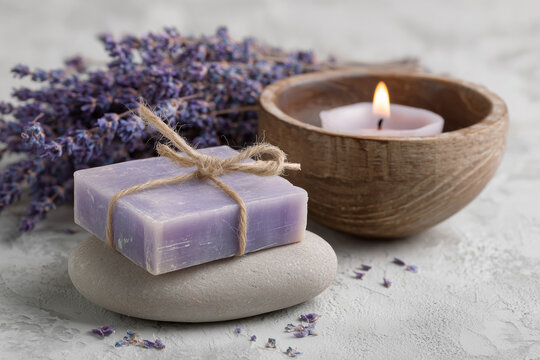
Discover beautifully crafted, naturally scented candles and organic soaps from local artisans.
The best season to visit Kodaikanal is during the winter and early summer months, from October to June, when the weather is pleasantly cool and ideal for sightseeing and outdoor activities. This is a perfect time for boating on the lake, trekking to viewpoints, and exploring the lush green landscapes. The vibrant Summer Festival in May adds a cultural charm to the city. Avoid the peak monsoon (July to September) due to heavy rainfall, landslides, and limited visibility.
Navigating Kodaikanal involves a combination of walking in the town center and using motorized transport for longer distances. Auto-rickshaws and licensed taxis are the most common modes and are ideal for visiting outlying attractions like Pillar Rocks or Bryant Park. For a more flexible itinerary, hiring a private cab for a full or half-day is highly recommended. Leisurely walks along paths like Coaker's Walk are a must-do, while boating on the Kodaikanal Lake offers a unique, serene perspective of the town center. It’s best to explore the bustling Bazaar Road and nearby areas on foot to truly experience its local charm and avoid traffic.
Overpriced Taxi & Horse Rides – Always negotiate and agree on the final fare with taxi drivers and horse owners before the journey begins.
Fake "Shortcut" Guides – Beware of touts offering "special shortcuts" to viewpoints; they often lead to longer routes to extort money.
"Closed Attraction" Scam – Drivers may falsely claim an attraction is closed to take you to a specific shop (for commission) instead.
Shop Pressure & Fake Goods – Be wary of high-pressure sales in souvenir shops selling overpriced or fake "homemade" chocolates and essential oils.
Unauthorized "Entry Fees" – Remember that public viewpoints like Coaker's Walk and Pillar Rocks have a small, official entry fee; pay only at the designated ticket counter.