¤ 10+ minutes Read
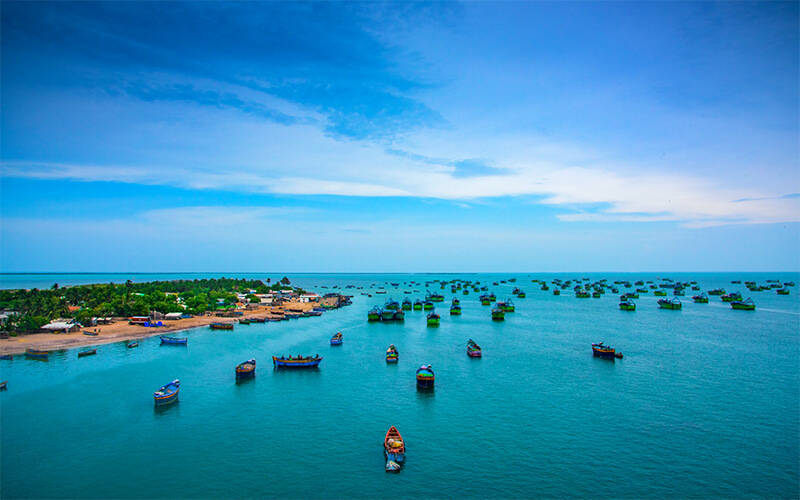
Rameshwaram, located on a serene island in Tamil Nadu, is one of the holiest destinations in Hinduism. It forms part of the Char Dham pilgrimage and is revered for its intimate connection to the epic Ramayana. Known for its sacred water bodies, magnificent temple corridors, and tranquil beaches, it offers a profound blend of spirituality, history, and natural beauty that captivates pilgrims and travelers from around the globe.
Wiki Link: Rameshwaram wiki page
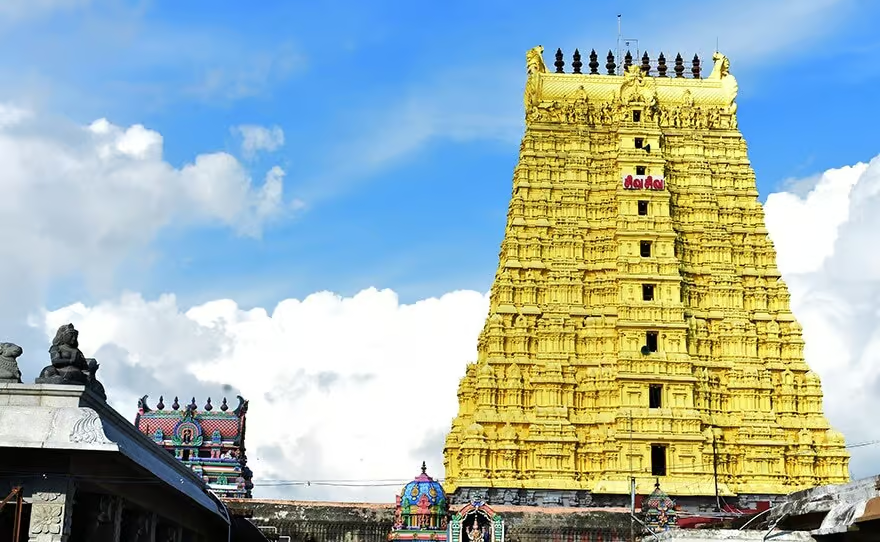
A sacred Jyotirlinga temple famed for having the world’s longest temple corridor and 22 holy water bodies.
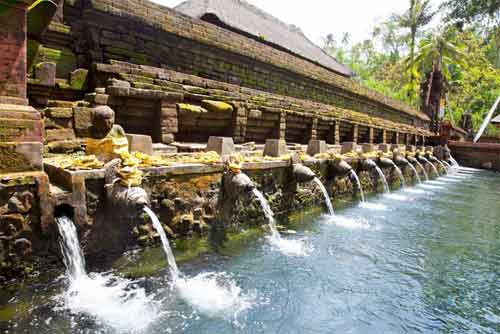
Twenty-two holy wells within the temple where pilgrims perform ritual baths for spiritual purification.
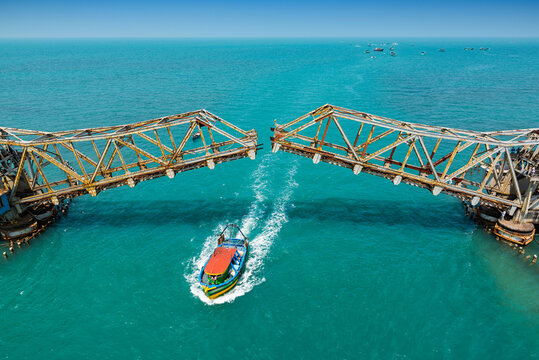
An iconic sea bridge connecting the island to the mainland, renowned for its engineering and scenic views.
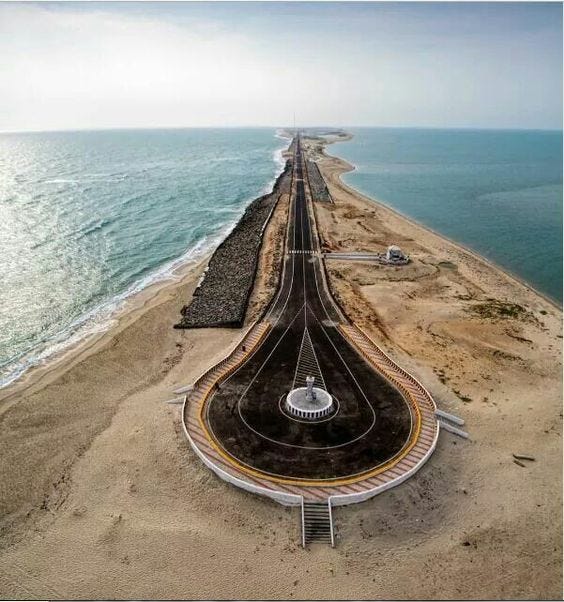
A mythical ghost town where two seas meet, known for its serene beaches and connection to the Ramayana.
The gateway to Rameshwaram, known for its scenic beaches and the iconic Pamban Bridge.
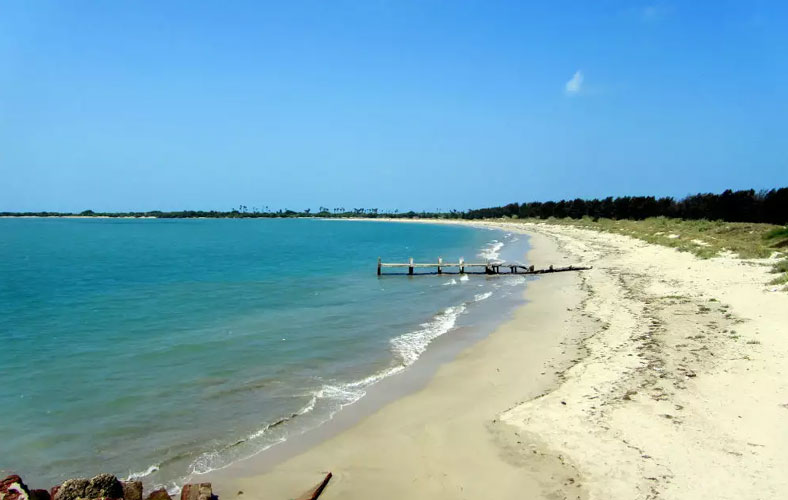
A pristine and well-maintained shoreline, ideal for a serene retreat and family outings.
A mythical chain of shoals, believed to be the ancient bridge to Lanka from the Ramayana.
A protected marine biosphere, renowned for its vibrant coral reefs and diverse aquatic life.
Experience the spiritual, historical, and natural essence of the island. From temple rituals to exploring a ghost town, Rameshwaram offers a soul-stirring journey.
Bathe in the 22 holy wells for spiritual purification at Ramanathaswamy Temple.
Witness a stunning sunset where the Bay of Bengal and Indian Ocean meet.
Experience a thrilling sea journey across India’s iconic engineering marvel.
Savor fresh seafood and traditional vegetarian meals from Tamil coastal culture.
The cultural fabric of Rameshwaram is deeply interwoven with devotional and folk traditions. While it is primarily a pilgrimage center, its artistic expressions are rooted in the storytelling of the Ramayana and classical South Indian music and dance.
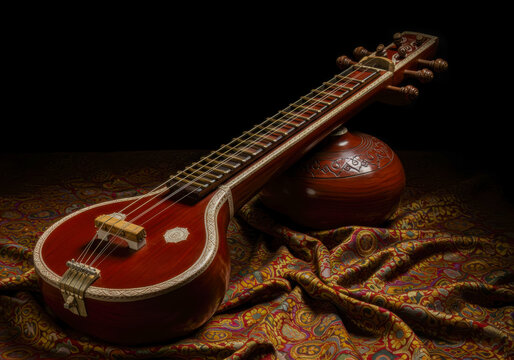
Carnatic Music
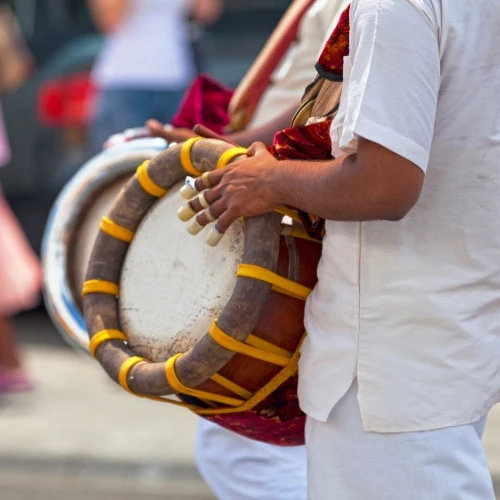
Thevaram Hymns
Villupattu
Rameshwaram is a vital center for Carnatic classical music, with its devotional hymns and kirtans echoing in temple corridors. The soulful Thevaram hymns, dedicated to Lord Shiva, form the core of its spiritual soundscape. Folk traditions like Villupattu, a dynamic form of musical storytelling, vividly narrate tales from the Ramayana. These artistic expressions collectively preserve the region’s deep-rooted cultural and devotional heritage.
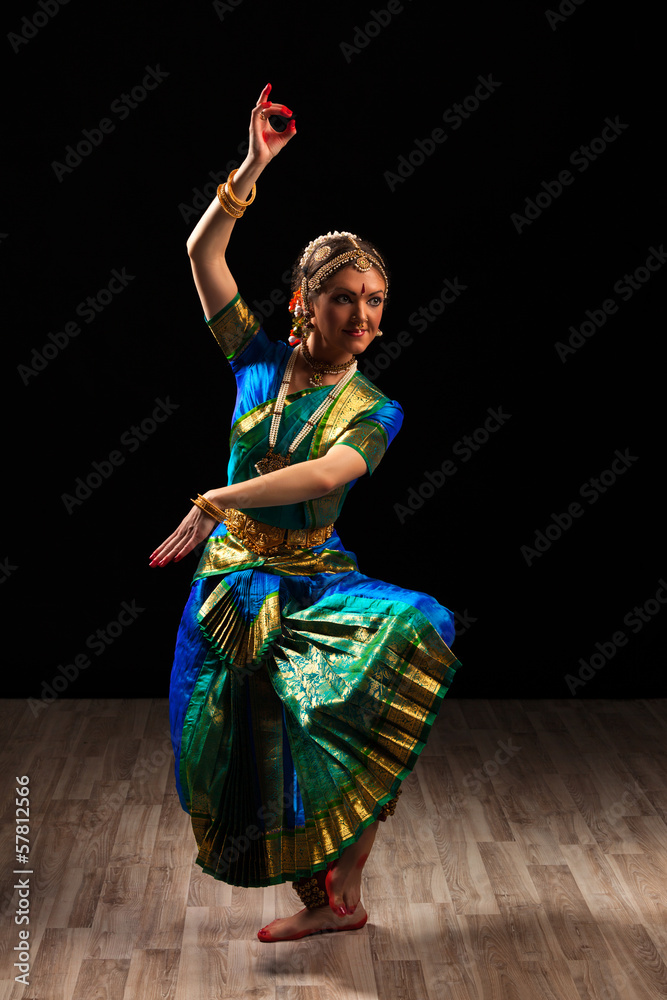
Bharatanatyam
Therukoothu
Karagattam
Rameshwaram’s cultural expression is deeply enriched by the classical dance form of Bharatanatyam, often performed as a devotional offering in temples. The graceful movements and expressive storytelling (Abhinaya) frequently depict legends of Shiva and Rama. Vibrant folk traditions like Therukoothu bring epic tales to life through dynamic street theater and dance. These dance forms embody the region’s profound spiritual ethos and artistic legacy.
Rameshwaram exudes an aura of profound peace and devotion. The air is filled with the scent of the sea and the sound of temple bells. The rhythm of life here is dictated by pilgrimage rituals—the early morning baths in the Tirthas, the quiet prayers at the Jyotirlinga, and the contemplative walks along the windy shores of Dhanushkodi. It is a place where mythology breathes and history whispers from every corner.
Rameshwaram’s heritage is singularly defined by the Ramayana. It is believed to be the place from where Lord Rama built a bridge to Lanka to rescue Sita. The Ramanathaswamy Temple, with its Dravidian architecture and awe-inspiring corridors, stands as a testament to centuries of devotion and architectural brilliance. The town is also a significant site for both Shaivites and Vaishnavites.
Rameshwaram’s cuisine is a delightful reflection of its coastal location and Tamil roots, offering both simple vegetarian fare and fresh seafood.
A complete vegetarian feast served on a banana leaf, featuring rice, sambar, rasam, and an array of side dishes.
Freshly caught fish and shellfish, expertly prepared with local spices either fried, grilled, or in tangy curries.
Soft, lacy hoppers served with a mild and creamy stew, making for a beloved breakfast or dinner meal.
A strong and aromatic brew mixed with hot milk, served in a traditional steel tumbler for an authentic experience.
Shopping in Rameshwaram is centered around religious souvenirs and local handicrafts that reflect its spiritual significance.
Sacred, intricately carved conchs and trumpets (Shankh) used in religious rituals and ceremonies.
Authentic and beautiful jewelry crafted from pearls and corals sourced from the Gulf of Mannar.
Essential religious articles like rudraksha beads, vibhuti, and miniature deity idols for worship.
Unique traditional souvenirs featuring intricate mythological scenes engraved on palm leaves.
The ideal time to visit Rameshwaram is from October to April, during the pleasant winter and early summer months. This period offers cool, comfortable weather perfect for extensive temple visits and sightseeing. The clear skies and gentle sea breeze make activities like beach visits and the Dhanushkodi tour truly enjoyable. It is the optimal season to experience the island's spiritual aura and natural beauty without the extreme heat or monsoon rains.
Auto-rickshaws are the most common and economical mode for navigating short distances within the town. For a more comprehensive exploration, taxis and cabs are readily available for full-day island tours. Renting a bicycle offers a leisurely and personal way to discover the town's hidden charms at your own pace. For the ultimate experience, a scenic train ride across the iconic Pamban Bridge connects the island to the mainland.
Unauthorized Pooja Guides – Touts may offer "special" or "quick" pooja services for a high fee; always perform rituals through the temple's official system.
Overpriced Taxi & Auto Rides – Always negotiate and agree on the fare before the journey begins to avoid inflated charges.
Fake Donation Collectors – Scammers may pose as temple priests or officials; make donations only at the temple's authorized counters.
Pressure Sales at Souvenir Shops – Be wary of shops aggressively selling overpriced conch shells, pearls, and coral jewelry; buy from reputable, established stores.
Charges for Sacred Tirtha Snanam – The holy bath at the temple wells is free; avoid anyone demanding money for entry or "special assistance."