
Rituals of Tamil Nadu
The Rituals of Tamil Nadu represent a continuous cultural tradition shaped by ancient Dravidian beliefs and deep spiritual practices. From life-cycle ceremonies and temple rituals to folk traditions and daily worship, these rituals actively guide social life, devotion, and community harmony across the state.
Life Event Rituals

Birth Ceremony
Focus on protecting the mother, welcoming the child, and seeking divine blessings for health and longevity. Families actively involve elders and priests to ensure positive beginnings.
How is it done?
- Seemantham Ritual – Elders perform prayers during pregnancy to protect the mother and unborn child from negative influences.
- Namakaranam – Parents officially name the child while priests chant mantras to invoke prosperity and wisdom.
- Blessing Rituals – Relatives apply sacred ash or turmeric and offer gifts to bless the newborn’s future.
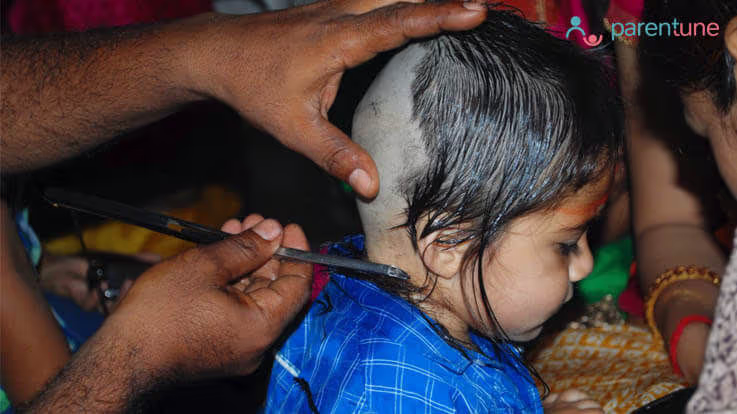
Ear Piercing Ceremony (Karnavedha)
Marks an important milestone believed to enhance spiritual awareness and overall well-being. Families treat this ritual as both sacred and celebratory.
How is it done?
- Temple Visit – Parents take the child to a temple, often dedicated to Lord Murugan or local deities.
- Sacred Piercing – A priest or goldsmith pierces the ears using gold or silver needles after prayers.
- Offering to Deity – Parents offer hair, fruits, or sweets to express gratitude and seek protection.

Sacred Thread Ceremony
Introduces young boys to spiritual learning, discipline, and Vedic education. The ritual symbolizes the beginning of a responsible and knowledge-driven life.
How is it done?
- Yajnopavita Wearing – Elders ceremonially place the sacred thread on the child while chanting mantras.
- Gayatri Mantra Initiation – The guru teaches the Gayatri Mantra to guide moral and spiritual growth.
- Vedic Instruction – The boy begins formal learning under the guidance of elders and teachers.

Marriage Ceremony (Kalyanam)
Tamil Hindu weddings emphasize commitment, family unity, and spiritual partnership. Rituals actively highlight harmony, duty, and mutual respect.
How is it done?
- Kashi Yatra Ritual – The groom symbolically renounces worldly life before accepting marriage responsibilities.
- Kanyadaanam – Parents give away the bride while seeking blessings for the couple’s future.
- Mangalsutra Tying – The groom ties the sacred thali, marking the official union and lifelong bond.

Death and Ancestor Rites (Antyeshti & Shraddham)
Focus on honoring the departed soul and ensuring peaceful ancestral transition. Families actively perform rites with devotion and discipline.
How is it done?
- Cremation Rites – The eldest son or family member performs last rites following Vedic customs.
- Asthi Immersion – Families immerse ashes in sacred rivers or the sea to release the soul.
- Annual Shraddham – Descendants offer food and prayers to honor ancestors and seek their blessings.
Spirit Worship Ritual

Ayyanar Worship
Protects villages from negative forces and ensures community safety. People actively honor Ayyanar as a guardian deity who watches over boundaries and farmlands.
How is it done?
- Terracotta Horse Offerings – Devotees place large clay horses near shrines to symbolize the deity’s vigilant guardianship.
- Boundary Shrines – Villagers install shrines at village borders and regularly maintain them through collective worship.
- Night Rituals – Priests conduct prayers at night, believing the deity patrols the village after dusk

Karuppasamy Worship
Karuppasamy worship emphasizes justice, protection, and moral discipline. Devotees treat the deity as a fierce guardian who responds swiftly to sincere prayers.
How is it done?
- Simple Open Shrines – Villagers worship Karuppasamy in open-air shrines without idols to maintain simplicity.
- Offering Rituals – Devotees offer rice, coconut, and sometimes animal sacrifice in traditional settings.
- Oath Taking – People take vows before the deity, trusting his role as a protector of truth.
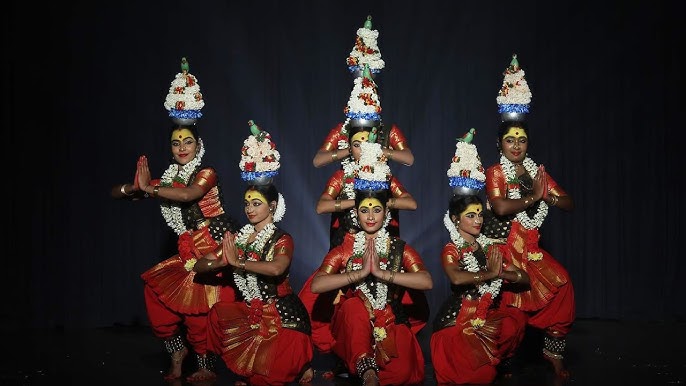
Muniyandi Worship
Reflects ancestral spirit traditions combined with folk beliefs. Communities honor him to prevent misfortune and promote harmony.
How is it done?
- Rural Shrine Worship – Families visit roadside and village shrines dedicated to Muniyandi.
- Protective Offerings – Devotees offer food, lamps, and incense to seek protection from illnesses and accidents.
- Community Participation – Entire villages gather during festivals to perform collective prayers.
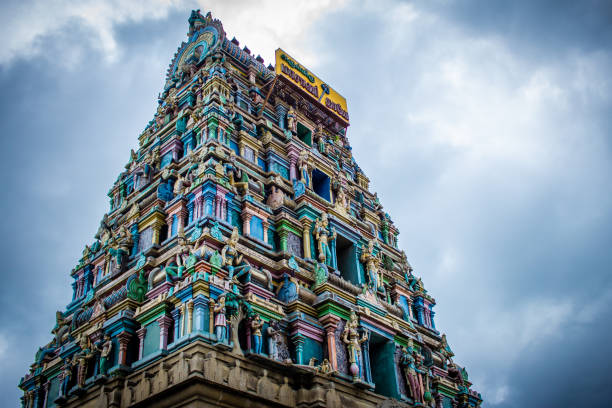
Amman Spirit Worship
Divine and spirit traditions, focusing on fertility, health, and disease prevention. Women actively lead rituals with devotion and discipline.
How is it done?
- Village Festival Worship – Communities organize annual festivals with fasting and processions.
- Fire Walking – Devotees walk over hot embers to demonstrate faith and spiritual strength.
- Healing Rituals – Priests conduct special prayers to cure illnesses and remove negative influences.
Folk Festivals

Pongal Festival
Pongal celebrates gratitude toward nature, the Sun God, and agricultural abundance. Families actively mark this harvest festival with joy, devotion, and community bonding.
How is it done?
- Bhogi Pongal – People clean homes and burn old items to symbolically remove negativity and welcome renewal.
- Thai Pongal – Families cook sweet pongal outdoors and offer it to the Sun God as an expression of gratitude.
- Mattu Pongal – Farmers honor cattle by decorating them and performing special prayers for prosperity.
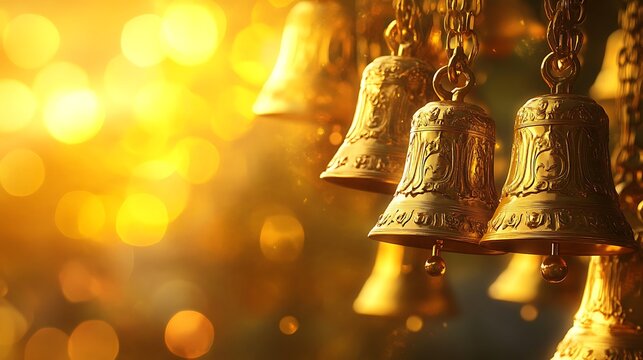
Karthigai Deepam
Symbolizes the victory of light over darkness and spiritual awakening. Communities actively illuminate homes and temples with oil lamps.
How is it done?
- Lamp Lighting – Families light rows of clay lamps at homes and temples during dusk.
- Temple Fire Ritual – A giant beacon burns atop hills or temples, especially at Thiruvannamalai.
- Devotional Singing – People chant hymns and sing devotional songs to mark the occasion.
Temple Rituals

Abhishekam (Sacred Bathing Ritual)
Purifies the deity and renews spiritual energy within temples. Priests actively perform this ritual to invite divine grace and balance cosmic forces.
How is it done?
- Sacred Liquids Offering – Priests pour milk, honey, curd, sandalwood water, and holy water over the idol.
- Mantra Chanting – Vedic hymns accompany each offering to enhance spiritual vibration.
- Prasadam Distribution – Devotees receive the sanctified offerings as blessings.

Arati and Deepa Aaradhana
Arati marks daily worship and expresses devotion through light and sound. Temples actively conduct this ritual multiple times a day.
How is it done?
- Lamp Offering – Priests wave oil lamps before the deity to symbolize illumination and protection.
- Bell Ringing – Bells create rhythmic sound to focus devotion and dispel negativity.
- Devotee Participation – Worshippers join by chanting and offering prayers.

Utsava Processions
Utsava rituals bring deities out of the sanctum to bless the community. Temples actively organize grand processions during festivals.
How is it done?
- Decorated Deities – Priests adorn idols with flowers, jewels, and silk garments.
- Street Processions – Devotees pull temple chariots through streets while chanting hymns.
- Cultural Performances – Musicians and dancers accompany the procession.
Ayurveda and Yoga

Siddha Medicine
Siddha medicine forms the backbone of traditional healthcare in Tamil Nadu and focuses on balancing body, mind, and spirit. Practitioners actively use herbs, minerals, and disciplined lifestyles to restore health.
How is it done?
- Herbal Formulations – Healers prepare medicines using herbs like neem, turmeric, and ashwagandha to treat chronic conditions.
- Dietary Regulation – Practitioners guide patients to follow food habits aligned with body constitution.
- Detox Therapies – Treatments cleanse toxins through oils, steam, and natural remedies.
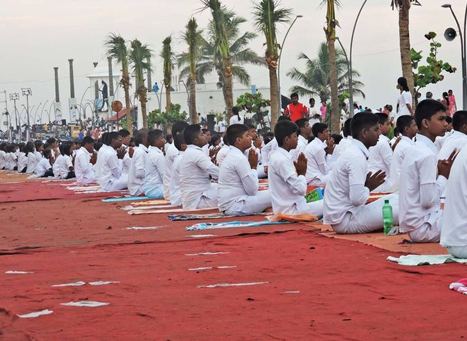
Yoga Practice
Yoga in Tamil Nadu connects physical discipline with spiritual growth, rooted in ancient Shaiva and Siddha traditions. People actively practice yoga to maintain balance and inner peace.
How is it done?
- Asana Training – Practitioners perform postures to improve flexibility, strength, and posture.
- Pranayama – Breathing techniques regulate energy flow and calm the nervous system.
- Meditation – Devotees practice dhyana to enhance concentration and spiritual awareness.
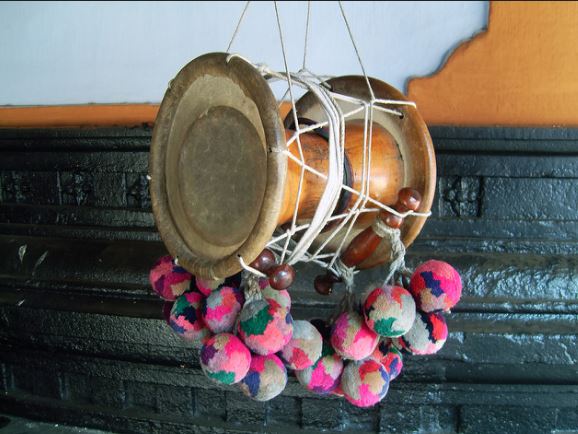
Temple-Based Healing Practices
Temples serve as centers for spiritual healing and wellness. Devotees actively seek relief through ritual-based therapies.
How is it done?
Sacred Offerings – People offer herbs, oils, and lamps as part of healing prayers.
Theertham Consumption – Devotees drink sanctified water believed to carry medicinal value.
Vibration Therapy – Chanting mantras creates calming sound vibrations.
Social Fabrics
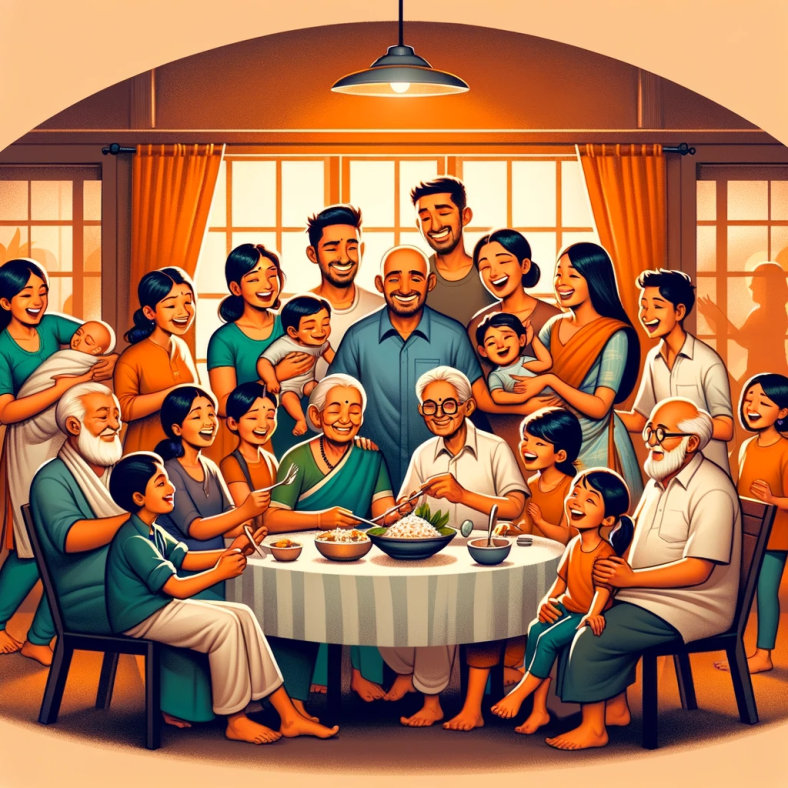
Kudu Kutumba (Joint Family)
The joint family system strengthens relationships and ensures shared responsibilities across generations. Families actively live together to support elders, children, and social values.
How is it done?
Shared Living – Multiple generations reside under one roof and manage household duties collectively.
Elder Guidance – Elders actively guide family decisions, rituals, and moral values.
Collective Celebrations – Families celebrate festivals and life events together.

Village Panchayat System
The panchayat system ensures social order and conflict resolution at the local level. Villages actively rely on collective leadership.
How is it done?
- Village Councils – Elected members manage disputes and development activities.
- Consensus Building – Leaders encourage dialogue to resolve issues peacefully.
- Ritual Oversight – Panchayats coordinate temple festivals and community rituals.

Caste and Community Networks
Community identity plays a key role in social organization and cultural continuity. People actively maintain social bonds through traditional structures.
How is it done?
- Community Associations – Groups organize festivals, marriages, and welfare activities.
- Mutual Support – Members support each other during ceremonies, crises, and celebrations.
- Cultural Preservation – Communities pass customs and rituals to younger generations.
Art & Craft

Tanjore Painting
Tanjore paintings reflect devotional art rooted in temple culture and royal patronage. Artists actively create vibrant images of deities using rich colors and ornate detailing.
How is it done?
- Surface Preparation – Artists prepare wooden boards with cloth, chalk powder, and adhesive for durability.
- Relief Work – Craftspeople add embossed designs using limestone paste to create depth.
- Gold Foil Application – Artisans carefully apply gold foil to enhance brightness and spiritual symbolism.
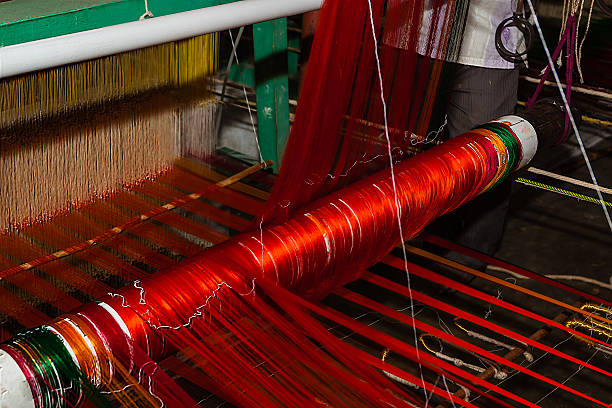
Kanchipuram Silk Weaving
Kanchipuram silk weaving symbolizes elegance, tradition, and craftsmanship. Weavers actively produce silk sarees known for durability and intricate designs.
How is it done?
- Pure Silk Selection – Weavers use high-quality mulberry silk threads for strength and sheen.
- Zari Weaving – Craftspeople weave silver and gold-coated zari into borders and motifs.
- Traditional Looms – Artisans use handlooms to maintain authenticity and precision.
Other Significant Rituals

Fire Walking Ritual (Theemithi)
Theemithi expresses unwavering devotion and spiritual endurance, especially during Draupadi Amman festivals. Devotees actively walk across burning embers to fulfill vows and seek blessings.
How is it done?
- Vow Observance – Devotees fast and maintain discipline for several days before the ritual.
- Sacred Fire Preparation – Priests prepare a bed of glowing embers through ceremonial prayers.
- Barefoot Walk – Participants walk across the fire while chanting deity names.

Girivalam (Sacred Hill Circumambulation)
Girivalam promotes spiritual cleansing and inner reflection, especially at Thiruvannamalai. Devotees actively walk around sacred hills.
How is it done?
- Full-Circle Walk – Participants walk the entire hill path, often barefoot.
- Temple Visits – Devotees stop at shrines along the route for prayers.
- Night Observance – Many perform the walk during full moon nights for spiritual merit.