Explore Vellore’s rich heritage and spiritual sites, from its historic fort and ancient temples to the magnificent Golden Temple and scenic nearby hill stations.
Vellore Fort
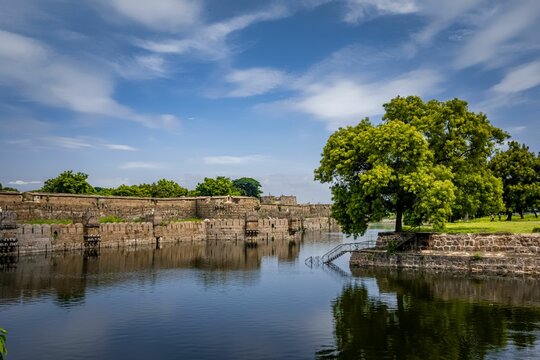
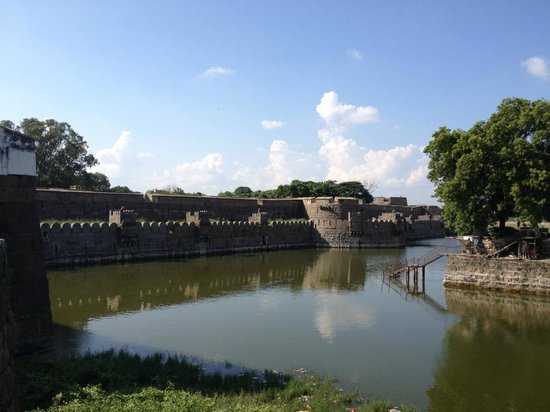
A magnificent 16th-century granite fort built by the Vijayanagara Empire, Vellore Fort is surrounded by a deep moat that was once infested with crocodiles. It features robust stone ramparts, a grand entrance, and houses significant historical structures like the Jalakanteswarar Temple and a Christian church.
The fort has witnessed several pivotal events, including the Sepoy Mutiny of 1806. Today, it stands as a protected monument under the Archaeological Survey of India, symbolizing the region’s layered past. It is one of the most well-preserved forts in Tamil Nadu and a primary historical attraction.
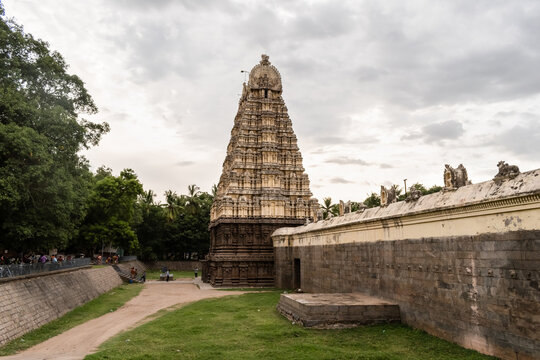
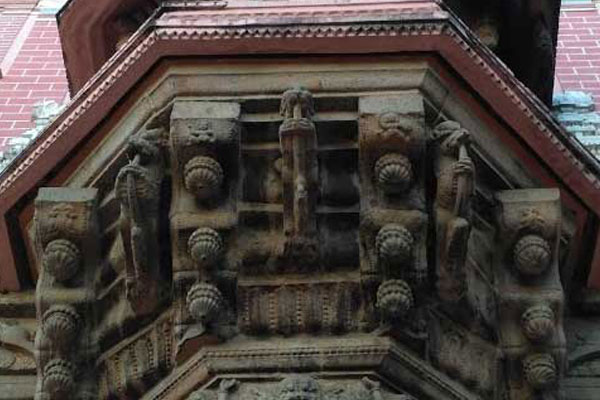
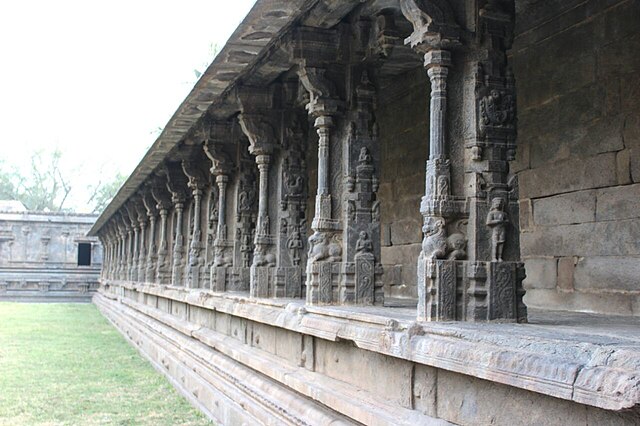
An exquisite Shiva temple within the fort, renowned for its Vijayanagara-era sculptures.
St. John's Church
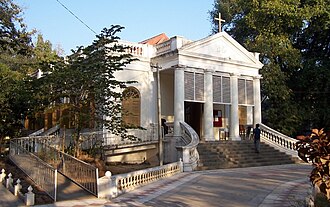
One of Asia’s oldest Anglican churches, built in 1846 with distinctive neo-Gothic architecture.
Clock Tower
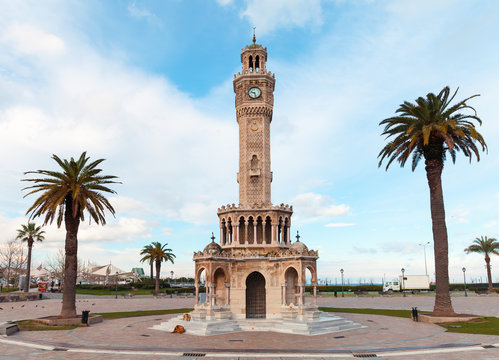
A prominent colonial-era landmark in the city center, marking the old marketplace area.
Cantonment Cemetery
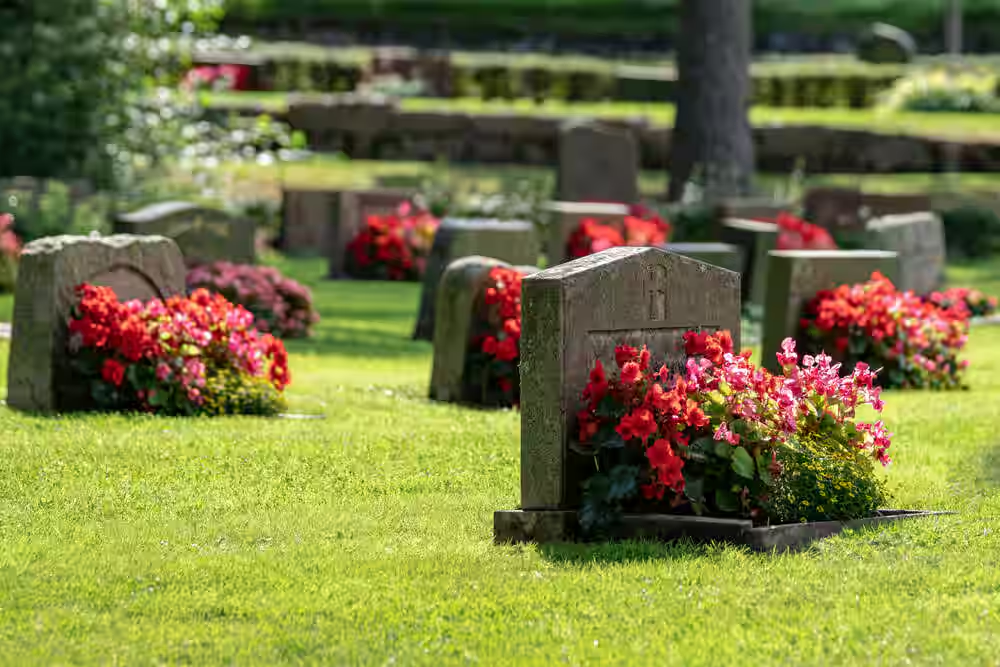
A historic British-era cemetery with graves dating back to the 18th and 19th centuries.
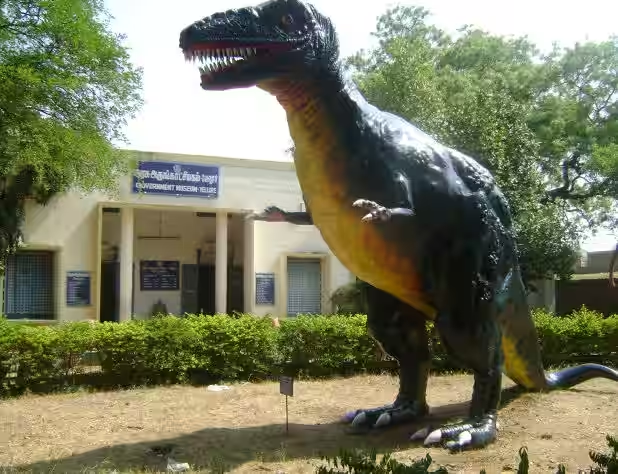
Vellore Government Museum
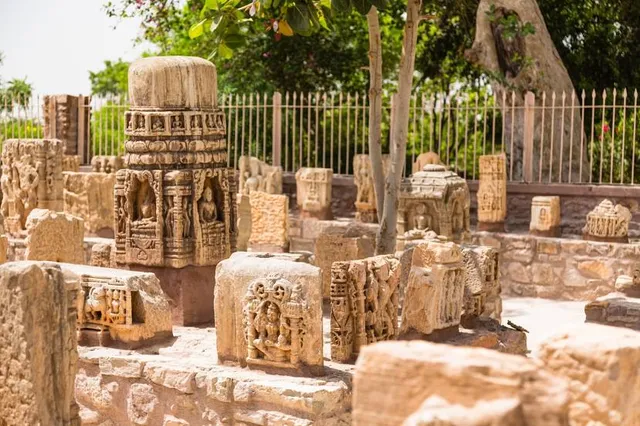
Located within the Vellore Fort, this museum is a treasure trove of artifacts spanning centuries. Its galleries display a rich collection of stone sculptures, bronze idols, ancient weaponry, and traditional coins that narrate the area’s history.
Highlights include relics from the Pallava, Chola, and Vijayanagara periods, offering insight into the region’s artistic and cultural evolution. The museum also features exhibits on anthropology and natural history. It serves as an essential stop for history enthusiasts visiting the fort complex.
Big Bazaar Street
The vibrant and bustling main market area for shopping, local crafts, and street food.
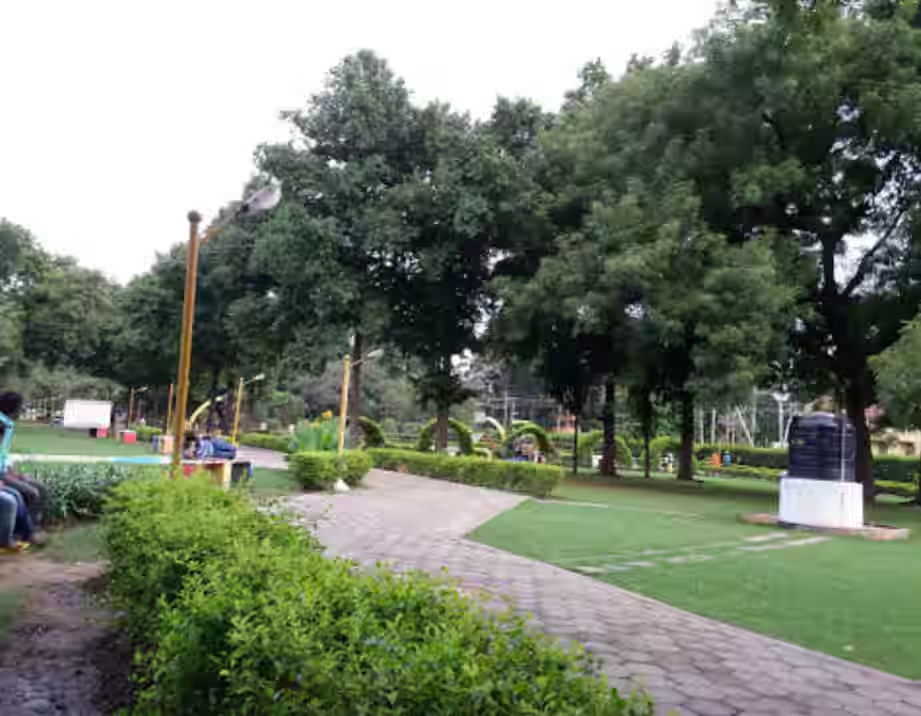
Amirthi Zoological Park
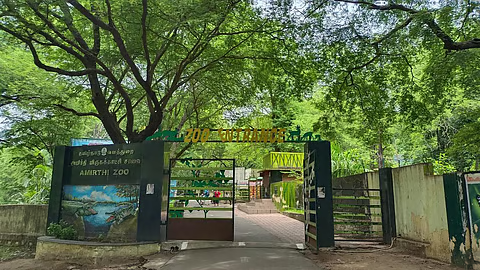
A small forest zoo and park located near a stream, ideal for picnics and nature walks.
Town Hall
An elegant heritage building reflecting colonial architecture, used for public events and functions.
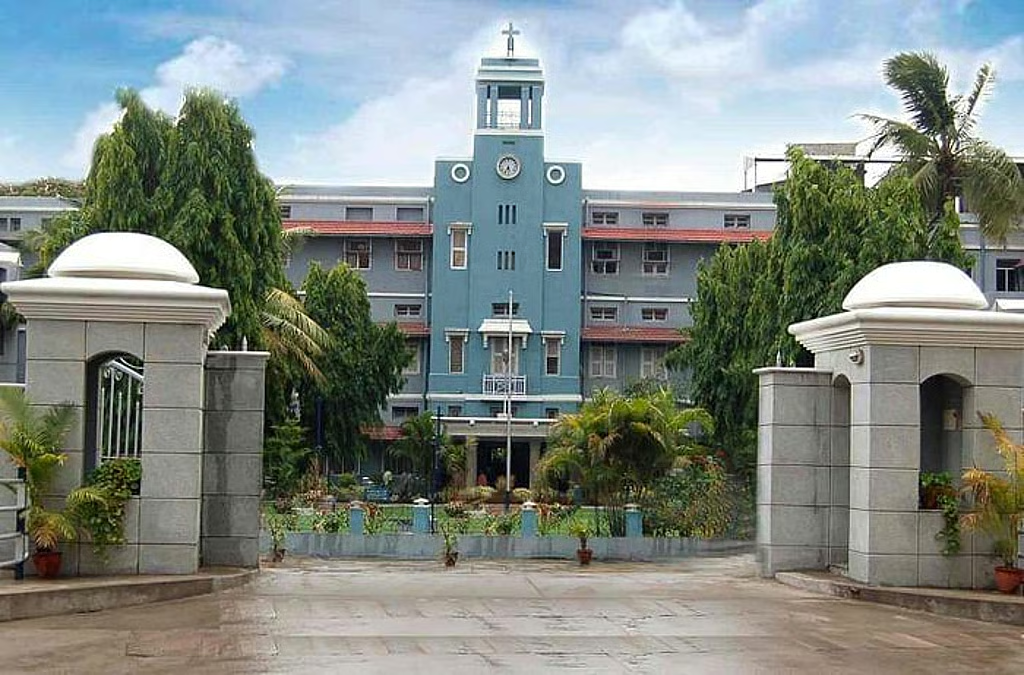
C.M.C. Hospital
One of India’s premier medical institutions with historic campus buildings.
Tamil University Museum
Situated in Thanjavur, this specialized museum is part of the Tamil University and is dedicated to the linguistic and literary heritage of the Tamil people. It boasts a remarkable collection of rare palm-leaf manuscripts, ancient texts, and inscriptions that trace the development of the Tamil language.
Exhibits also include traditional folk art, musical instruments, and archaeological finds that highlight Tamil culture. The museum plays a crucial role in academic research and preservation. It is a must-visit for scholars and anyone interested in Dravidian history.
Katpadi Lake
Katpadi Lake is a serene urban waterbody located near the Katpadi railway station, offering a peaceful escape from the city bustle. It is a popular spot for evening strolls, light recreational activities, and birdwatching, especially during migratory seasons.
The lake’s surroundings are being developed with walkways and seating areas to enhance its appeal as a public space. It provides a scenic backdrop for relaxation and photography. This lake serves as a vital green lung for the local community.
Golden Temple
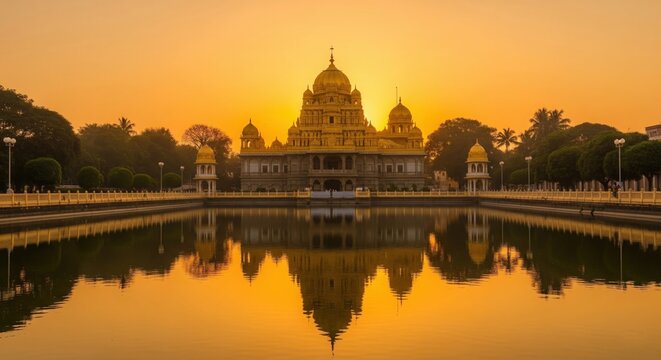
The Golden Temple, or Sripuram, is a breathtaking spiritual park located in Tirumalaikodi, near Vellore. Its main shrine, the Lakshmi Narayani Temple, is entirely covered in pure gold foil, creating a dazzling visual spectacle. The complex is designed in the shape of a star (Sri Chakra) with a long, ornate walkway lined with spiritual messages and lush gardens.
It is dedicated to the goddess Lakshmi and attracts millions of pilgrims and tourists. The temple is renowned for its architectural grandeur, serene atmosphere, and spiritual significance.
Yelagiri Hills
A tranquil hill station known for its orchards, parks, and adventure activities like paragliding.
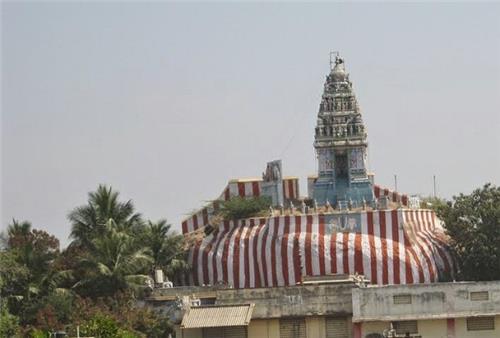
Jalagandeeswarar Temple
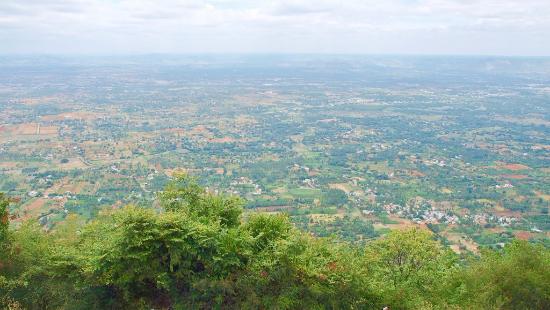
An ancient hilltop temple near Tiruvannamalai offering panoramic views.
Amirthi Forest
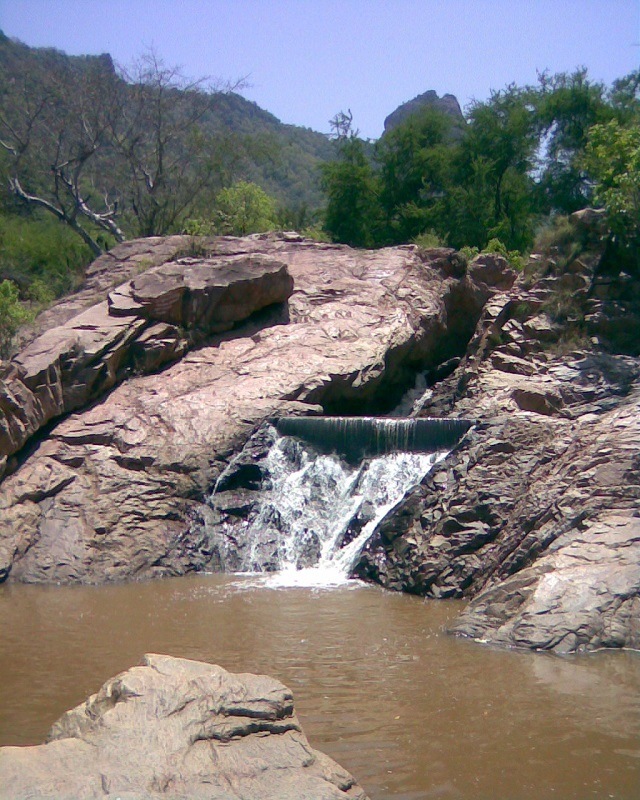
A protected forest area with a small waterfall, trekking trails, and a variety of flora and fauna.
Kaigal Falls
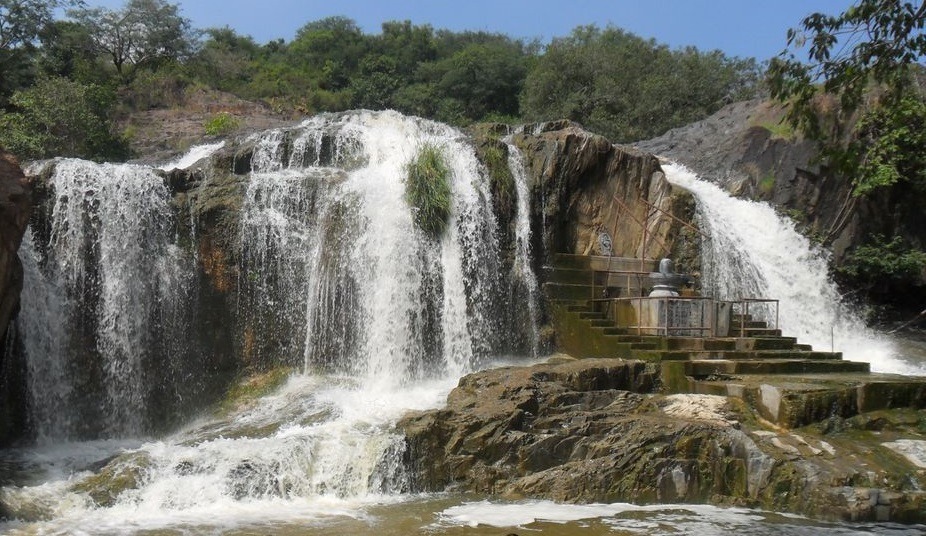
A beautiful waterfall in the Kaundinya Forest, also known as “Dupka Waterfalls,” ideal for nature lovers.
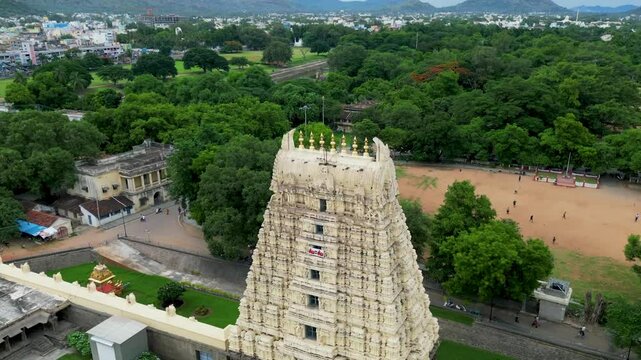
Arunachaleswarar Temple
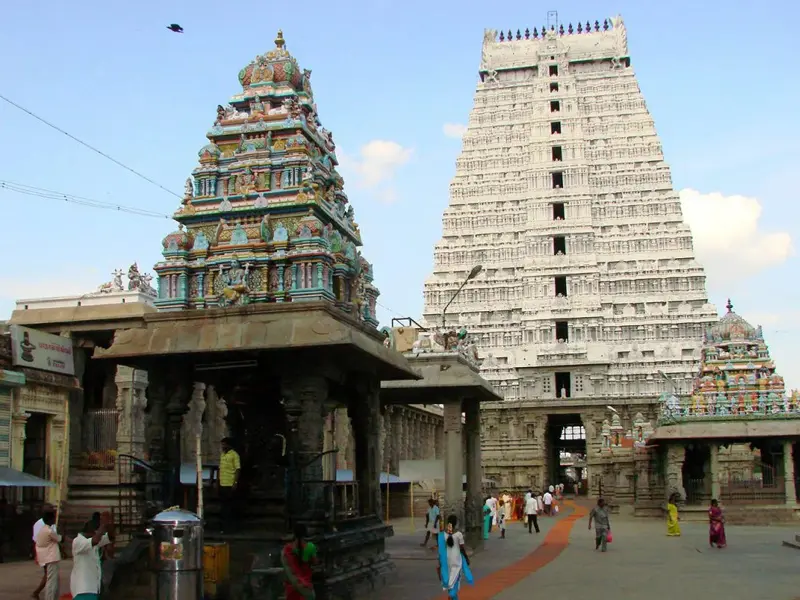
Located in Tiruvannamalai, this is one of the largest temple complexes in India, dedicated to Lord Shiva as the element of fire. It is one of the Pancha Bhoota Stalams and an immensely important pilgrimage site, especially during the Karthigai Deepam festival.
The temple’s towering gopurams (gateway towers), extensive corridors, and sacred tanks are architectural marvels from the Chola and Vijayanagara periods. It lies at the base of the holy Arunachala Hill, which is central to many spiritual practices. The temple radiates immense spiritual energy and draws devotees year-round.
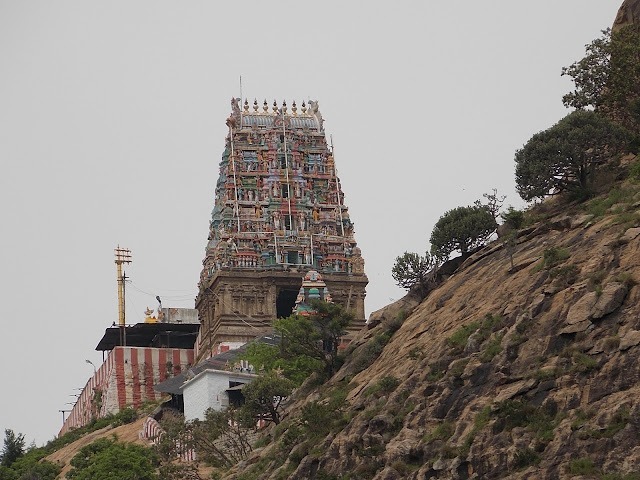
Yoga Narasimhar Temple
A revered hill temple dedicated to Lord Narasimha, accessed by a long stairway.
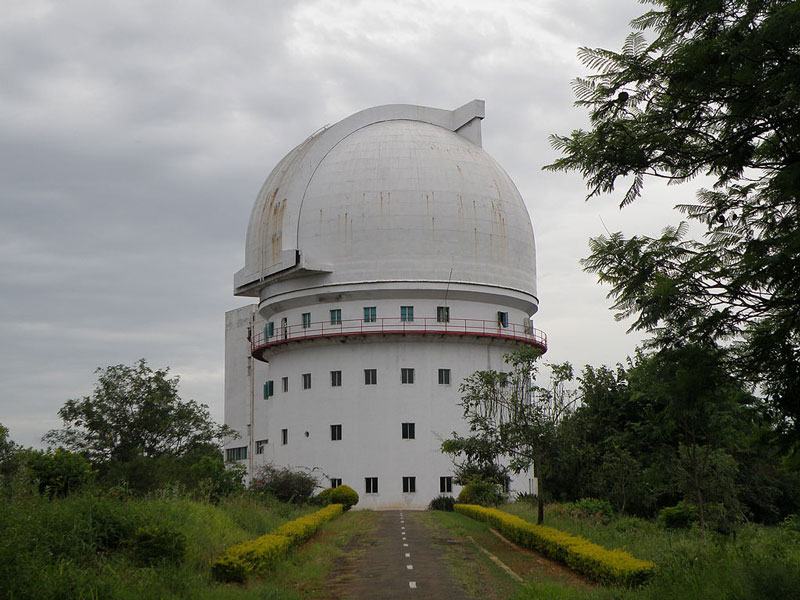
Vainu Bappu Observatory
A working astronomical observatory located in the scenic Javadi Hills.
Thanthondri Malai
A historical site with rock-cut Jain beds and inscriptions from the 9th century.
Government Museum
This museum, located near the Arunachaleswarar Temple, focuses on the archaeological and cultural history of the Tiruvannamalai region. It houses a fine collection of stone sculptures, bronze statues, and hero stones (veeragallu) primarily from the Chola and Vijayanagara eras.
The exhibits provide valuable context to the area’s rich temple architecture and historical significance. Artifacts are well-labeled and displayed in a compact, informative setting. It is a worthwhile visit for those seeking a deeper understanding of local heritage.
Periyar Park
Periyar Park is a well-maintained public park situated in the heart of Tiruvannamalai town, opposite the main bus stand. It features landscaped gardens, walking paths, a children’s play area, and a small library. The park is a popular spot for families, morning walkers, and visitors seeking a quiet respite after temple visits.
It is named in honor of social reformer Periyar E. V. Ramasamy. The park offers a clean, green space for relaxation and community activities.
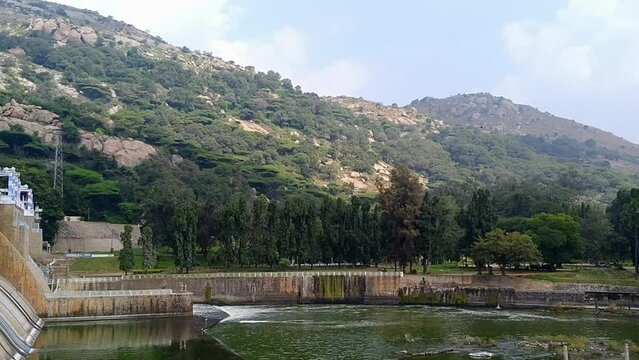
Krishnagiri Dam
Krishnagiri Dam is a large masonry dam built across the Thenpennai River in the Krishnagiri district of Tamil Nadu. It serves as a crucial source of irrigation and drinking water for the surrounding regions, supporting agriculture and local communities.
The dam and its reservoir create a scenic landscape, especially during the monsoon when the water levels are high. It is a popular spot for picnics, photography, and enjoying views of the surrounding hills. The site highlights the importance of water management in the state’s development.
Explore Vellore
Vellore Blogs
Vellore Cultural Guide
A Spiritual Journey: Golden Temple to Ancient Temples
A Historian’s Day Out: Museums & Monuments of Vellore