
¤ 7 minutes Read
Unakoti
A complete tourist and cultural guide

Unakoti, located in the lush forests of Tripura, is an ancient archaeological and pilgrimage site known for its massive rock-cut sculptures and stone carvings that date back more than a thousand years. Often called the “Angkor Wat of the Northeast,” it features a hillside adorned with giant faces of Hindu deities
Must-Visit Attractions in Unakoti

Unakotishwar Kal Bhairav
The most iconic attraction of Unakoti is the massive 30-foot rock-cut sculpture of Lord Shiva, known as Unakotishwar Kal Bhairav.

The giant Ganesha Sculptures
Unakoti features two remarkable Ganesha carvings, both grand in scale and style, making it a must-visit place.

The Waterfalls and Natural Trails
A gentle waterfall flows through the site during monsoons, creating a mystical atmosphere around the sculptures

Rock cut Panels
Scattered across the hill are hundreds of carvings depicting various deities, celestial figures, animals.
Major Attractions Nearby Unakoti

Kailashahar
Just a short drive from Unakoti, Kailashahar is a serene town known for its old temples, lush tea gardens, and quiet ambience

Jampui Hills
Located a bit farther but worth the trip, Jampui Hills is famous for its cool climate, orange orchards, and breathtaking mountain views.

Dharmanagar
One of the major towns in North Tripura, Dharmanagar is known for its clean streets, local markets, and easy accessibility

Rowa Wildlife Sanctuary
This compact sanctuary is home to a variety of birds, reptiles, and small mammals. It’s ideal for short nature walks and birdwatching
Things to do in Unakoti
Experience the spiritual, cultural, and historical essence of the city.

Explore the Rock Cut Sculptures
The main activity at Unakoti is walking through the site and admiring its massive rock-cut sculptures

Trek through the forest
Unakoti is surrounded by lush greenery and winding forest paths. It’s a peaceful experience.

Photography
The combination of towering sculptures, waterfalls, and dense foliage makes Unakoti a fantastic place for photography

Relax by the waterfall area
A small waterfall flows through parts of the site, adding a serene charm to the surroundings.
The Performing Art of Unakoti
The performing art traditions around Unakoti reflect the region’s deep cultural roots and its connection to nature, spirituality, and storytelling. Local performances often draw inspiration from age-old folklore, daily life, and seasonal rhythms, blending expressive movements, rhythmic music, and simple yet powerful narratives. These art forms are usually practiced during community gatherings and festivals, creating a sense of unity among the people. The performances, shaped by the surrounding forests and ancient heritage, carry an earthy charm that highlights the cultural identity of the region and keeps its traditions alive across generations.
Garia Geet
Lebang Songs
Mosang Songs
Garia Geet, is a popular folk song sung during festivals and community gatherings. Lebang songs, accompanies traditional dances and rituals, featuring rhythmic melodies that energize performances. Mosak Song, is typically devotional, performed during religious ceremonies to honor deities and express collective spirituality
Hojagiri
Lebang Bhoomani
Mosak Sumoni
Hojagiri, a graceful and rhythmic performance often involving balancing acts and intricate footwork. Lebang Bhoomani, which is usually performed during harvest festivals and features lively movements and coordinated group patterns. Mosak Sumoni, is a ceremonial dance performed during local religious and social events, characterized by expressive gestures and storytelling through movement.

City Vibes
The streets are peaceful, lined with local shops, tea stalls, and friendly faces that give the region a relaxed and welcoming feel. Life moves at a slower pace, allowing visitors to soak in the charm of everyday moments—morning markets, quiet corners, and scenic views all around.
Heritage of Unakoti
The heritage of Unakoti is rooted in its ancient rock-cut artistry, mythology, and spiritual significance. The site stands as a remarkable testament to the craftsmanship of early cultures who carved massive figures and intricate motifs directly into the hillside. Layered with legends passed down through generations.
Cuisine of Unakoti
Unakoti is a paradise for food lovers, offering a variety of traditional delights.

Mui Borok
This is a traditional food platter of the region, made using fresh, lightly spiced, and mostly oil-free ingredients.

Bamboo Shoot Curry
Bamboo shoots are widely used in local cuisine, cooked with mild spices to create a dish that’s aromatic.

Fish Stew
Freshwater fish is commonly prepared in a light, savory stew using minimal oil and traditional seasonings.

Wahan Mosdeng
This is a flavorful local preparation made with pork, chili, and herbs, creating a smoky and mildly spicy mix.
Shopping in Unakoti
Shopping in Unakoti offers a vibrant mix of tradition and craftsmanship.

Handwoven Textile
The region is known for its traditional handwoven fabrics, including scarves, shawls, and clothing with intricate patterns
Local Spices
It includes dried chili, turmeric, mustard seeds, and aromatic herbs, often sold in small markets or by local farmers

Traditional Jewelery
These pieces often feature ethnic designs and are a beautiful way to take home a piece of the local culture.
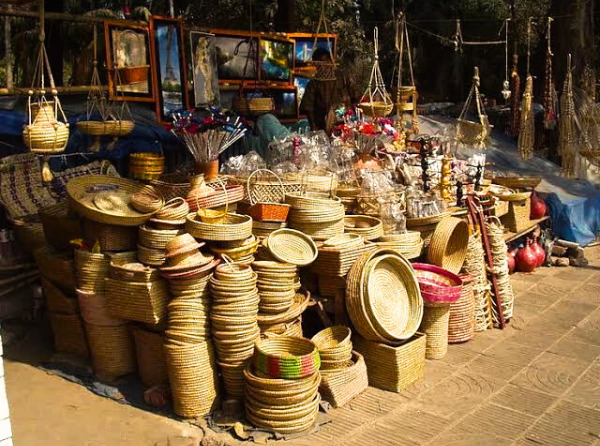
Local Handicraft
Locally made bamboo and cane items, such as baskets, mats, and decorative pieces, are widely available.
Tourist's Handbook
The best time to visit Unakoti is during the cooler and dry months, typically from October to March. During this period, the weather is pleasant, with mild temperatures and clear skies, making it ideal for exploring the rock-cut sculptures, trekking the forested trails, and enjoying the natural surroundings.
. Wear Comfortable Footwear
The site involves walking on uneven, rocky terrain and forest trails. Sturdy, comfortable shoes with good grip will help prevent slips and injuries while exploring the sculptures and surrounding areas.
2. Carry Sufficient Water and Snacks
Unakoti is a remote location with limited food and water options. Keeping water and light snacks handy ensures you stay hydrated and energized throughout your visit.
3. Travel in Groups or with a Guide
The trails can be confusing, and some areas are dense with forest. Moving in groups or hiring a local guide improves safety and helps you navigate the site more efficiently.
4. Be Cautious During Monsoon
The paths can become slippery and muddy during the rainy season. Take extra care while walking, avoid venturing too close to waterfalls or steep edges, and consider postponing visits in heavy rain
Getting around Unakoti and its nearby areas is relatively straightforward, though it requires some planning due to the region’s rural setting. Most visitors rely on private taxis, rented cars, or local buses to reach the site from nearby towns. For trips to nearby towns or attractions, hiring a local guide or driver can make travel easier and more comfortable, while also providing insights into the area’s culture and history.
1. Overcharging by Local Transport
Some taxi or auto drivers may quote higher fares to tourists unfamiliar with local rates. It’s best to agree on a price beforehand or use trusted transport services.
2. Inflated Prices for Souvenirs
Local shops sometimes charge tourists more for handicrafts, textiles, or spices. Comparing prices at a few places before buying can help avoid overpayment.
3. Unauthorized Guides
While hiring a guide can enhance the experience, some may provide inaccurate information or demand extra fees unexpectedly. Always choose registered or well-recommended guides.
4. Hidden Charges at Accommodations
Some small hotels or homestays may add hidden charges for meals, electricity, or extra services. Confirm all costs upfront to prevent surprises.
Explore Tripura

Varanasi Blogs
- Uttar Pradesh Cultural guide
- Places to visit in Varanasi
- Places to visit nearby Varanasi
- India’s most popular destination
- India’s archaeological marvels
Recommended articles
- Uttar Pradesh Cultural guide
- Places to visit in Varanasi
- Places to visit nearby Varanasi
- India’s most popular destination