Trip and Tales

¤ 10+ minutes Read

Jhansi

A complete tourist and cultural guide

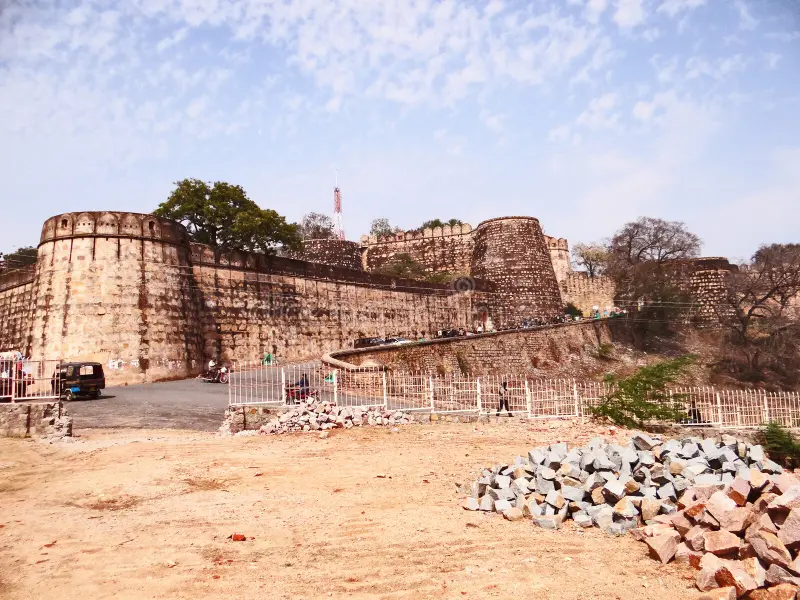
Jhansi Fort, the iconic hilltop fortress and a top historical place in Jhansi.

Jhansi, perched on the banks of the Pahuj River in Uttar Pradesh, is a city that echoes with the roar of bravery and the clang of swords. Synonymous with the legendary Rani Lakshmibai, it stands as a testament to India’s first war of independence in 1857. More than just a historical battlefield, Jhansi is a vibrant city where medieval grandeur meets modern life, offering visitors a deep dive into Bundelkhand’s royal heritage, martial spirit, and cultural resilience.

Wiki Link: Jhansi wiki page

Must-Visit Attractions in Jhansi

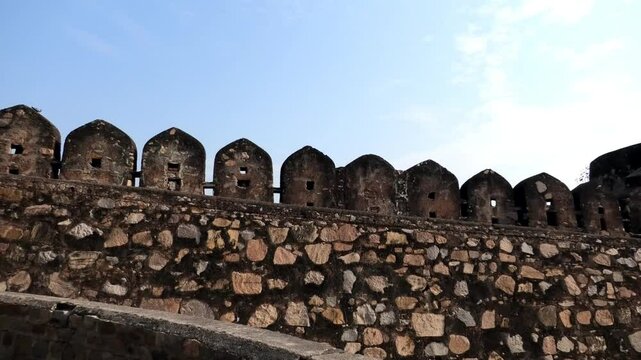
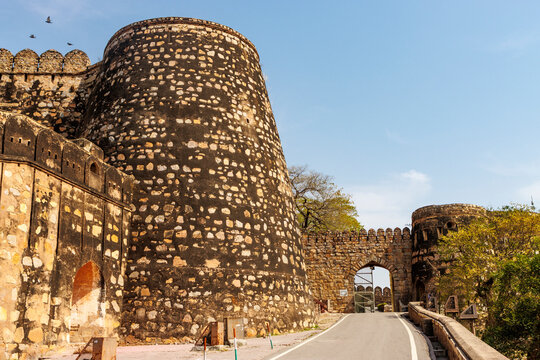
Jhansi Fort, the imposing 17th-century structure dominating the skyline of Jhansi.

Jhansi Fort

A formidable 17th-century granite fortress atop a hill, forever immortalized by Rani Lakshmibai’s heroic defiance against the British.

Jhansi Fort, the imposing 17th-century structure dominating the skyline of Jhansi.

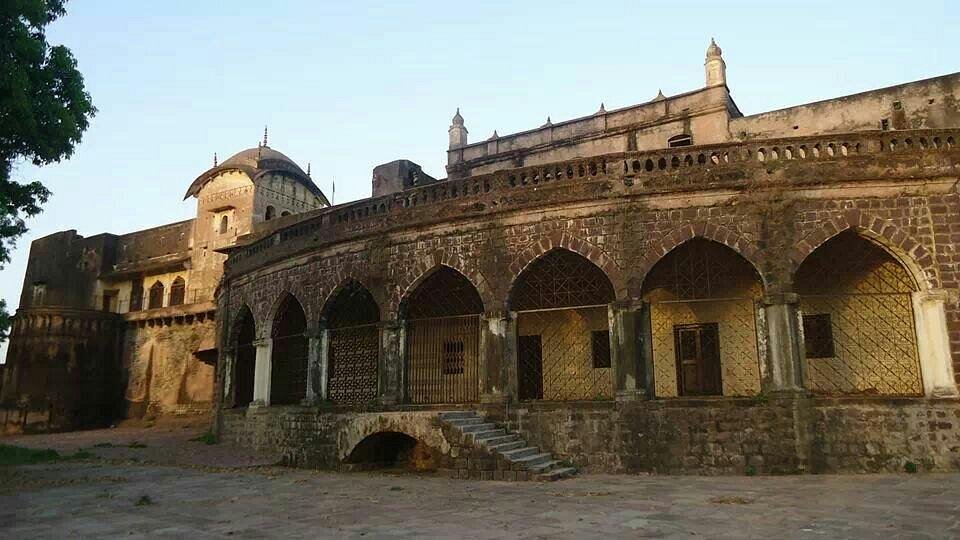
Rani Mahal

The beautifully adorned former royal palace of Rani Lakshmibai, now a museum showcasing vibrant murals and regal artifacts.

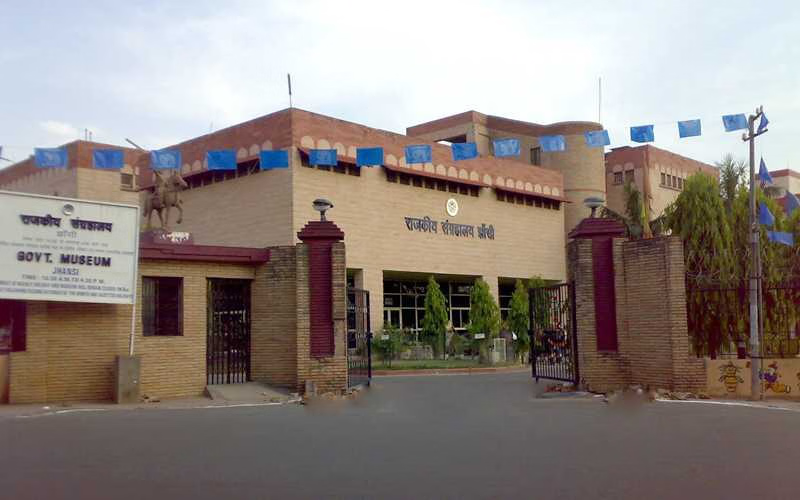
Government Museum Jhansi, a cultural repository showcasing the rich heritage of Jhansi.

Government Museum Jhansi

A treasure house of rare Gupta-era sculptures, terracotta art, and historic weaponry near the base of Jhansi Fort.

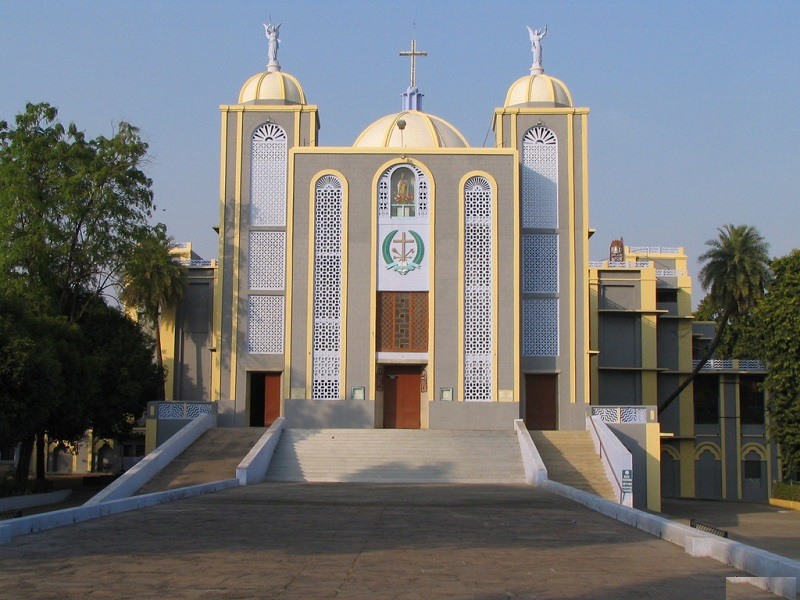
St. Jude's Shrine, a revered Catholic church and a peaceful spiritual site in Jhansi.

St. Jude's Shrine

A serene Catholic sanctuary dedicated to the patron saint of hopeless causes, drawing millions of devotees annually.

Major Attractions Nearby Jhansi

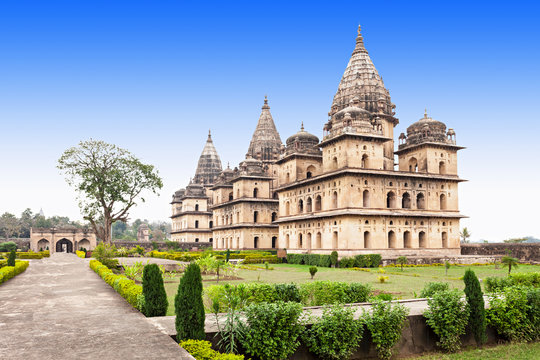
Orchha, the medieval town of temples and palaces near Jhansi.

Orchha

A mesmerizing medieval city on the Betwa River, frozen in time with its magnificent palaces, temples, and riverside cenotaphs.

Khajuraho, the UNESCO World Heritage temple complex near Jhansi.

Khajuraho

A UNESCO World Heritage site famed for Chandella-era temples adorned with exquisite nagara architecture and intricate sculptural art.

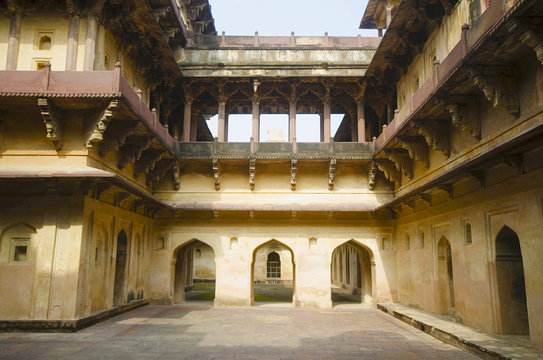
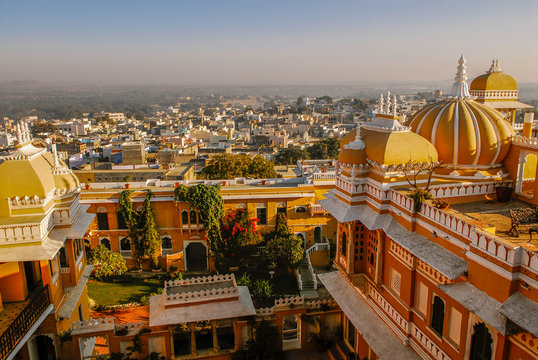
Datia Palace, the seven-story royal palace and a stunning architectural site near Jhansi.

Datia Palace

A magnificent seven-storied sandstone palace, entirely woodless, showcasing the finest Bundela architectural brilliance and murals.

Deogarh, the ancient Gupta temple dedicated to Lord Vishnu near Jhansi.

Deogarh

An ancient Gupta-era fort on the Betwa’s banks, home to the rare 5th-century Dashavatara Temple with exquisite Vishnu panels.

Things to Do in Jhansi

Immerse yourself in the indomitable spirit of Rani Lakshmibai, explore medieval Bundela grandeur, and traverse the ancient trade routes of Bundelkhand. Jhansi is where history breathes and stories come alive.

Witness the Sound & Light Show at Jhansi Fort, a captivating evening experience in Jhansi.

Witness the Sound & Light Show

An evening spectacle at Jhansi Fort, narrating Rani Lakshmibai’s bravery against the backdrop of illuminated ramparts.

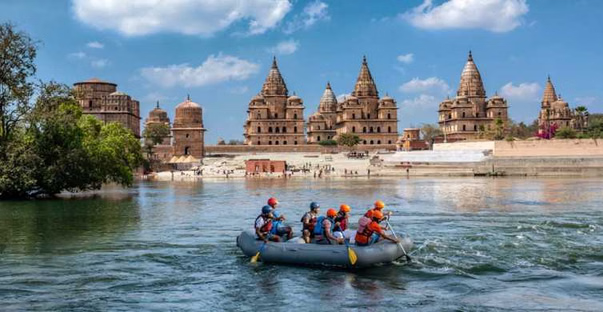
Betwa River Boat Ride in Orchha, a serene boating experience near Jhansi.

Betwa River Boat Ride (Orchha)

Enjoy the peaceful beauty of Varanasi at dawn as the city awakens with devotional hymns and morning rituals. 

Khajuraho Temple Exploration, a journey through ancient erotic sculptures near Jhansi.

Khajuraho Temple Exploration

A mesmerizing journey through Chandella artistry, where divine and sensual sculptures celebrate life in stone.

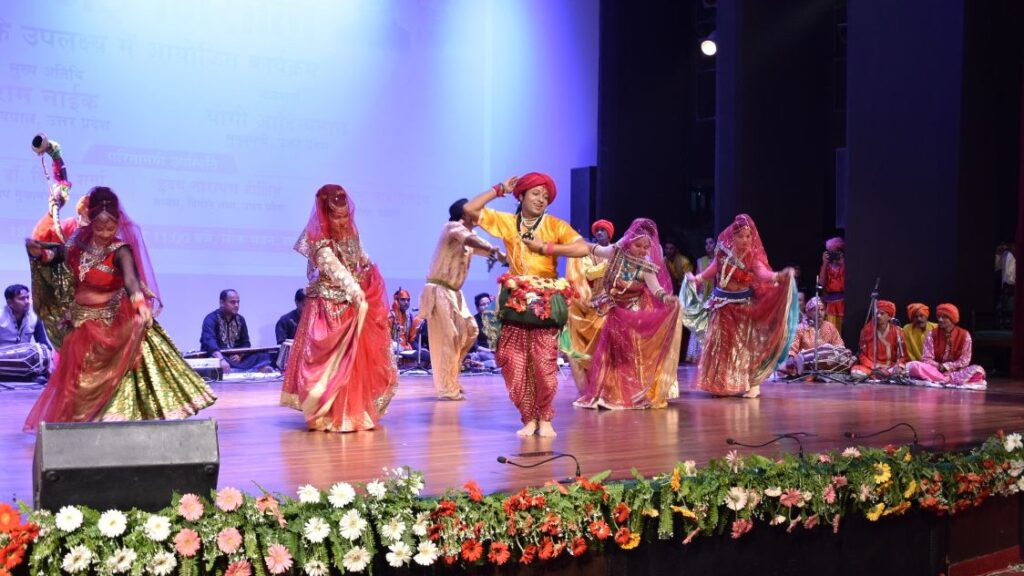
Attend Jhansi Mahotsav, the annual cultural festival celebrating the spirit of Jhansi.

Attend Jhansi Mahotsav

A vibrant winter festival showcasing Bundeli folk music, dance, crafts, and the region’s rich culinary heritage.

The Performing Art of Jhansi

Jhansi is the cultural heart of Bundelkhand, a region with a rich tradition of folk music and dance that narrates tales of valour, love, and devotion. The raw, earthy energy of Bundeli art forms stands distinct from classical traditions, rooted deeply in the soil and soul of the land.

Music Forms

Bundeli Lokgeet, the traditional folk songs and musical heritage of Jhansi.

Bundeli Lokgeet

Folk singers performing the heroic ballad of Alha in Bundelkhand.

Alha

Villagers singing the monsoon melodies of Kajari during rainy season.

Kajari & Sawani

Jhansi, nestled in the heart of Bundelkhand, is a vibrant center for Bundeli Lokgeet and the heroic ballad tradition of Alha, which recounts the epic 12th-century battles of warriors Alha and Udal with passionate fervor. The region’s folk music, including Kajari and Sawani, melodiously celebrates the monsoon’s arrival, expressing themes of love, separation, and devotion. Semi-classical forms like Dadra and Thumri, influenced by the region’s proximity to Varanasi and Lucknow, also flourish, preserving Bundelkhand’s rich oral heritage.

Dance Forms

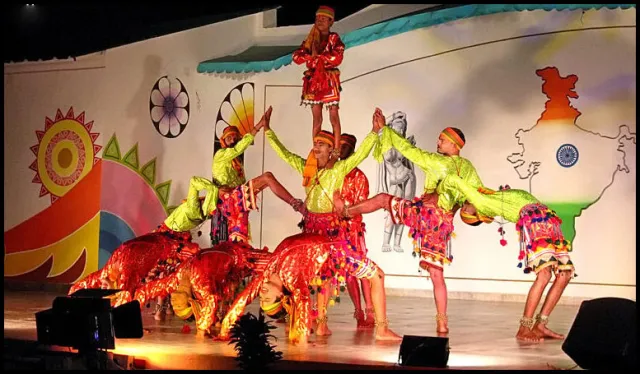
Performers dancing the Rai Nritya in traditional Bundeli attire.

Rai Nritya

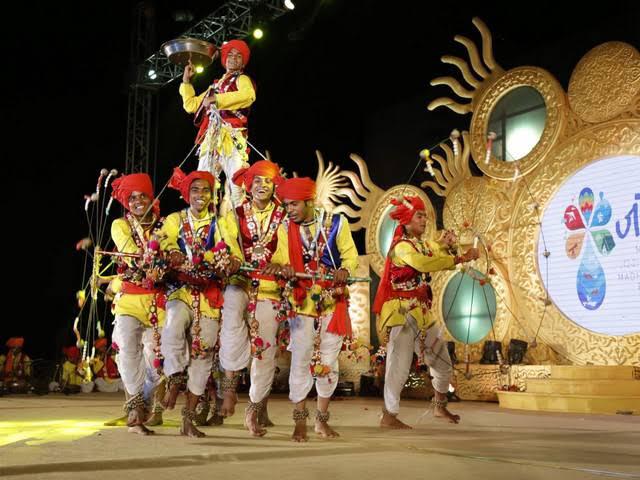
Dancers performing the energetic Ahirai folk dance.

Ahirai Dance

Villagers celebrating with the lively Diwari folk dance.

Diwari Dance

Jhansi is the cradle of Rai Nritya, a graceful folk dance performed by women during weddings and festivals, characterized by circular movements and rhythmic clapping. The energetic Ahirai Dance, performed by the Ahir community, depicts tales of Lord Krishna during Abhirshtami, while Diwari, a devotional temple dance, blends spirituality with rhythmic footwork. The vibrant Phag Dance, celebrated during Holi, fills the streets with colour and traditional Bundeli lyrics, embodying the region’s joyous spirit.

Jhansi Uttar Pradesh, the historic city map and location.

City Vibes - Echoes of Resistance & Royal Legacy

Jhansi pulses with the undying spirit of resistance. Walking through its streets, one feels the presence of Rani Lakshmibai—every alley, every stone of the fort whispers tales of 1857. Yet, the city is not frozen in the past. It thrives as a modern railway hub and military cantonment, creating a unique juxtaposition of sword-wielding statues and bustling markets. The air carries both the solemnity of martyrs and the lively chatter of Bundelkhand’s resilient people.

Heritage of Jhansi

Jhansi’s heritage is intrinsically linked to the Bundela Rajputs and the Maratha rule. The city served as a strategic stronghold, witnessed the valour of Rani Lakshmibai, and later became a symbol of anti-colonial resistance. Beyond the fort, the region boasts a wealth of archaeological sites spanning from the Gupta period to the medieval era, including temples, maths, and stepwells that dot the surrounding landscape.

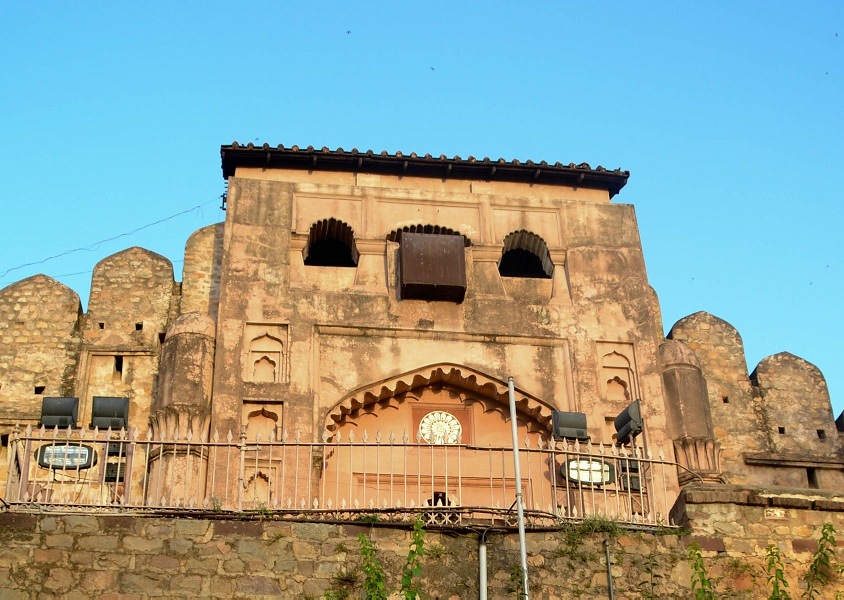
Jhansi Fort (Jhansi ka Kila) illuminated at Morning.
Jhansi Fort (Jhansi ka Kila)

Cuisine of Jhansi

Jhansi’s cuisine is robust, earthy, and deeply satisfying, mirroring the rugged terrain of Bundelkhand. Influenced by both Uttar Pradesh and Madhya Pradesh, it offers unique flavours shaped by the region’s history and agricultural patterns.

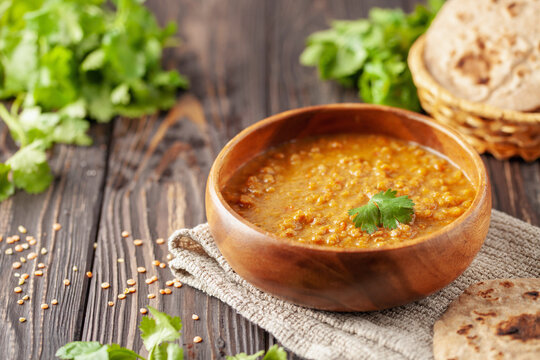
Dehati Dal, a traditional rustic lentil dish of Bundelkhand.

Dehati Dal

A rustic Bundeli lentil preparation tempered with garlic and red chillies, the soul of every local meal.

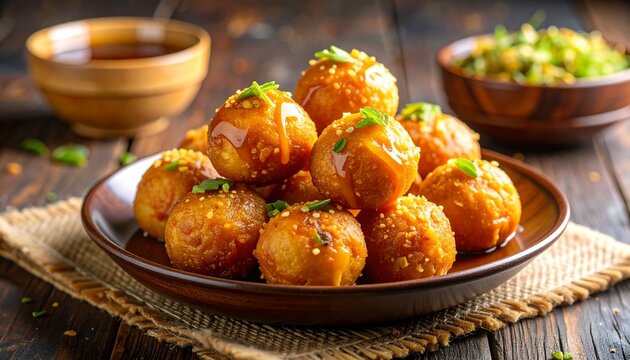
Mawa Bati, the famous sweet delicacy of Jhansi.

Mawa Bati

Jhansi’s signature sweet—deep-fried khoya dumplings soaked in sugar syrup, dense and irresistibly indulgent.

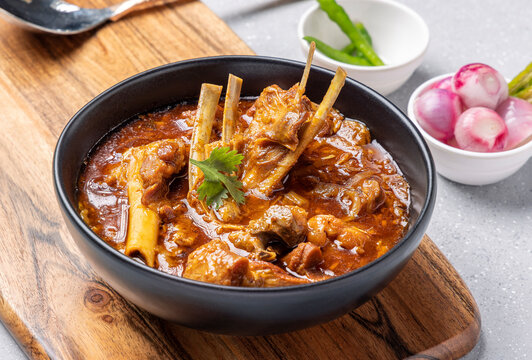
Bundeli Gosht Korma, a rich meat curry from the region.

Bundeli Gosht Korma

A royal mutton curry infused with Mughal and Maratha spices, reflecting Bundelkhand’s regal culinary legacy.

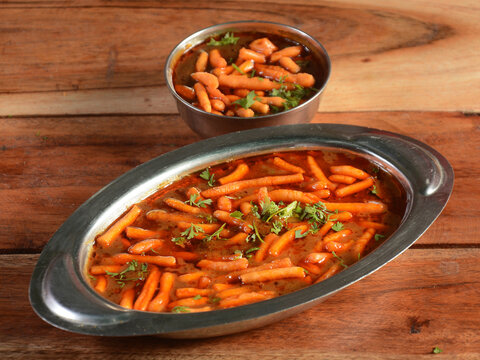
Sev Tamatar ki Sabzi, a tangy tomato and sev curry.

Sev Tamatar ki Sabzi

Tangy tomato gravy generously topped with crunchy sev, a beloved comfort food with puris.

Shopping in Jhansi

Shopping in Jhansi is an immersion into Bundelkhand’s rural and royal crafts. From terracotta artistry to traditional textiles, the markets offer authentic, earthy souvenirs.

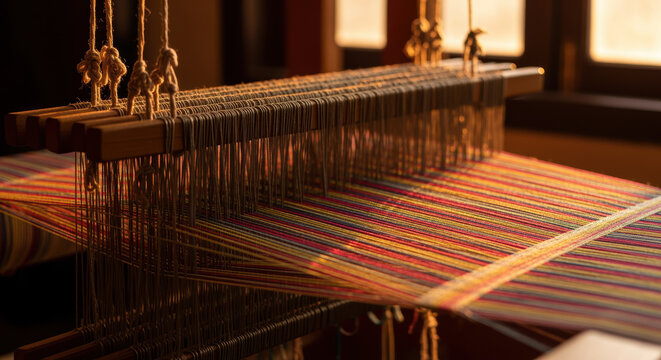
Traditional handloom weaving from the Jhansi region.

Handloom

Lightweight cotton sarees and dhotis with elegant borders, preserving Bundelkhand’s weaving heritage.

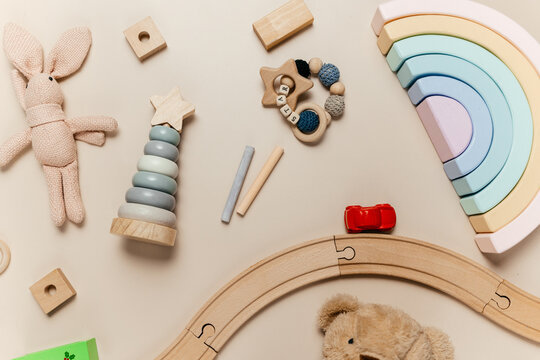
Wooden crafts and handcrafted toys from Jhansi.

Wooden Crafts & Toys

Lacquered wooden artefacts from Bundelkhand villages, carved with deities, birds, and rural life scenes.

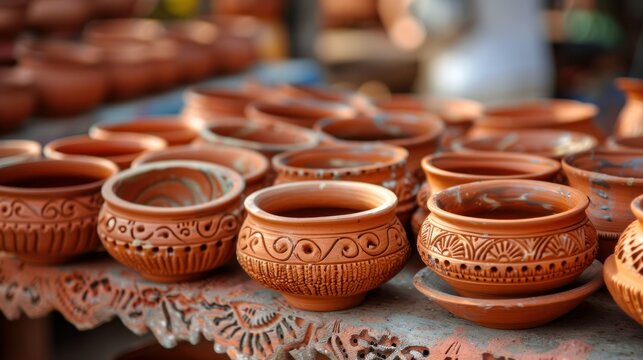
Terracotta pottery with traditional Bundelkhand designs.

Terracotta Pottery

Exquisite black-and-red burnished ware from Jhansi’s villages, featuring traditional surahis, diyas, and figurines.

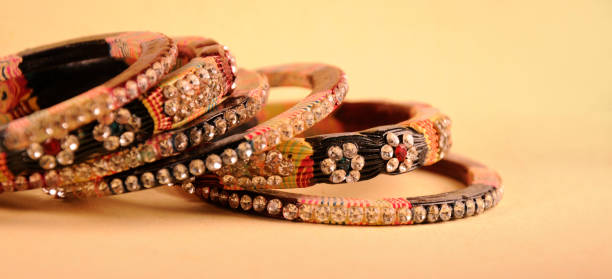
Colorful lac bangles and traditional jewellery of Jhansi.

Lac Bangles & Jewellery

Vibrant lac bangles and silver jewellery from Sadar Bazaar, inspired by timeless Bundeli folk designs.

Tourist's Handbook

The ideal time to visit Jhansi is from October to March. Winters (Nov-Feb) are pleasant with daytime temperatures around 25°C, perfect for exploring the fort and nearby Orchha. Monsoon (July-September) brings moderate rainfall, transforming the surrounding landscape into lush greenery, but humidity can be high. Summers (April-June) are extremely hot, with temperatures soaring above 45°C—best avoided for extensive sightseeing.

  • Sun Protection: If visiting in summer, carry hats, sunglasses, and ample water. Avoid afternoon sightseeing due to extreme heat.

  • Fort Exploration: Jhansi Fort involves extensive walking on uneven, steep surfaces. Wear sturdy, comfortable footwear.

  • Pickpockets: Be vigilant in crowded markets like Sadar Bazaar and Manik Chowk; keep valuables secure.

  • Photography Restrictions: Photography is prohibited inside certain sections of Jhansi Fort museum and Rani Mahal. Respect signage and rules.

  • Women Travellers: Solo female travellers should dress modestly, especially in older parts of the city. Evening outings are safer in groups or well-lit public areas.

  • Road Travel: For trips to Orchha or Khajuraho, hire reliable, pre-booked taxis rather than hailing random vehicles on the roadside.

Jhansi is a major railway junction with excellent connectivity to Delhi, Mumbai, Agra, and Khajuraho. Auto-rickshaws are the most convenient mode for local travel, with fixed rates or negotiated fares. Cycle-rickshaws are ideal for shorter distances in the old city area. Pre-paid taxis and private cabs are available for day trips to Orchha, Khajuraho, and Datia. Local buses connect Jhansi to nearby towns but are less comfortable for tourists.

Unauthorized Guides at Fort: Beware of touts outside Jhansi Fort offering "exclusive stories" for extra money. Hire only officially licensed guides from the ticket counter.

Overcharging Auto-Rickshaws: Auto drivers often quote inflated fares for outstation trips. Fix the rate in advance or insist on using the meter for local travel.

Fake Marble Artefacts: Shops may sell cheap, machine-made replicas as authentic Bundeli stone crafts. Visit government emporiums for genuine purchases.

Khajuraho Day Trip Scams: Some operators offer extremely cheap Khajuraho packages that include hidden costs or poor vehicle conditions. Book through reputed agencies.

Temple Donation Pressure: At smaller temples, priests may pressure visitors for exorbitant donations. Politely decline or contribute modestly as per your comfort.

Paan/Spice Overpricing: At tourist-heavy paan shops, vendors may overcharge visitors unaware of local rates. Check prices with locals or carry small change.

Explore Uttar Pradesh

Jhansi Blogs

  • Uttar Pradesh Cultural Guide

  • Places to Visit in Jhansi

  • Places to Visit Nearby Jhansi

  • India’s Forts & Palaces

  • UNESCO World Heritage Sites in India

Recommended articles

  • Uttar Pradesh Cultural Guide: Bundelkhand Special

  • Rani Lakshmibai: The Warrior Queen of Jhansi

  • Orchha: The Medieval Wonder of Bundelkhand

  • Khajuraho: Art, Architecture & Spirituality

  • Bundeli Cuisine: Flavours of the Heartland