Steeped in valor and royal legacy, Jhansi – Uttar Pradesh offers countless experiences for every history enthusiast. Discover majestic forts, historic palaces, and heroic landmarks among the top places to visit in Jhansi.
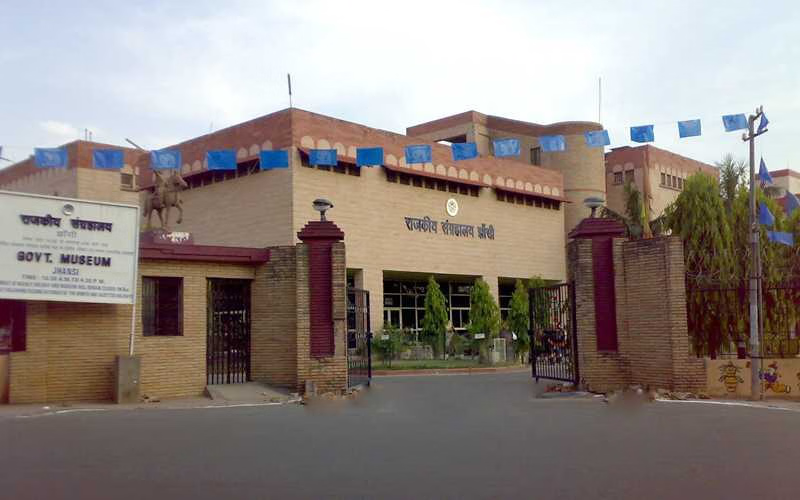
Jhansi Museum (Government Museum)
Established in 1874, the Jhansi Museum houses an impressive collection of sculptures, terracotta artifacts, coins, and manuscripts dating from the Gupta period to the medieval era. The museum’s galleries showcase archaeological findings from the Jhansi district and surrounding Bundelkhand region.
A dedicated section displays weapons, documents, and memorabilia related to the 1857 War of Independence and Rani Lakshmibai. The museum also features rare paintings, inscriptions, and metal objects that offer valuable insights into the region’s rich cultural and historical heritage.
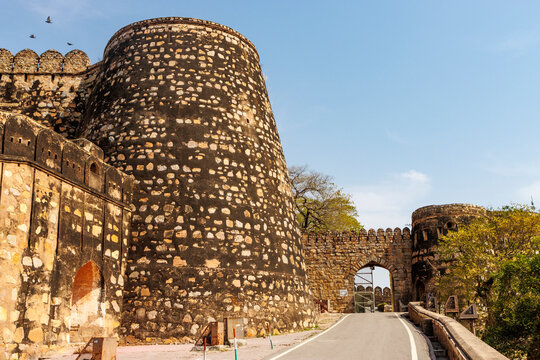
Jhansi Fort
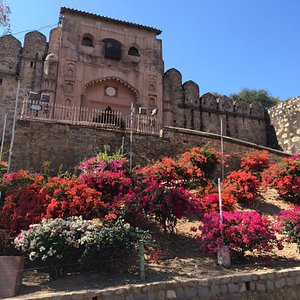
The majestic hilltop fortress of Rani Lakshmibai, featuring massive walls, historic gates, and panoramic city views.
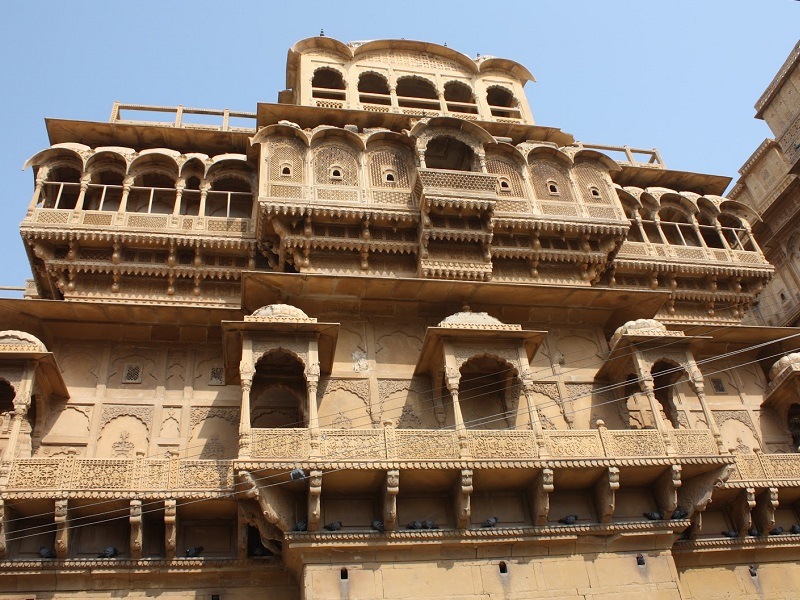
Rani Mahal (Queen's Palace)
The former royal palace of Rani Lakshmibai, now a museum displaying sculptures and Gupta period artifacts.
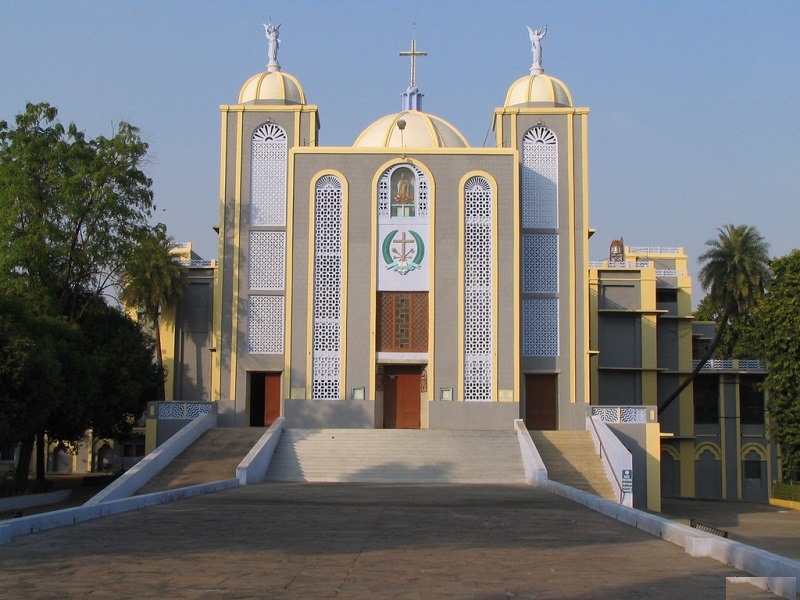
St. Jude's Shrine
A prominent Catholic church and significant pilgrimage site, known for its annual feast attracting devotees nationwide.
Lakshmi Temple
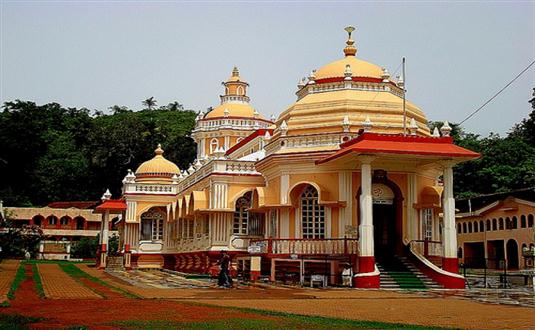
A historic temple dedicated to Goddess Lakshmi, associated with Rani Lakshmibai and the 1857 uprising.
Barua Sagar Tal
Located about 25 kilometers from Jhansi, this scenic lake was created by a dam built across the Betwa River by Raja Udit Singh of Orchha. The picturesque water body is surrounded by granite hills and offers stunning sunset views that attract photographers and nature lovers.
Visitors can enjoy boating on the calm waters or relax at the adjacent park with sitting arrangements. The nearby Sheetla Mata Temple and the historic Barua Sagar Fort add religious and historical significance to this popular picnic spot.
Mahalakshmi Temple (Jhansi)
A popular and active temple dedicated to Goddess Mahalakshmi, frequented by local devotees.
Jhansi Cantonment
A well-maintained military area with colonial-era bungalows and wide tree-lined avenues.
Panchatantra Park
A pleasant urban park featuring sculptures depicting stories from the Panchatantra fables.
Gangadhar Rao Ki Chhatri
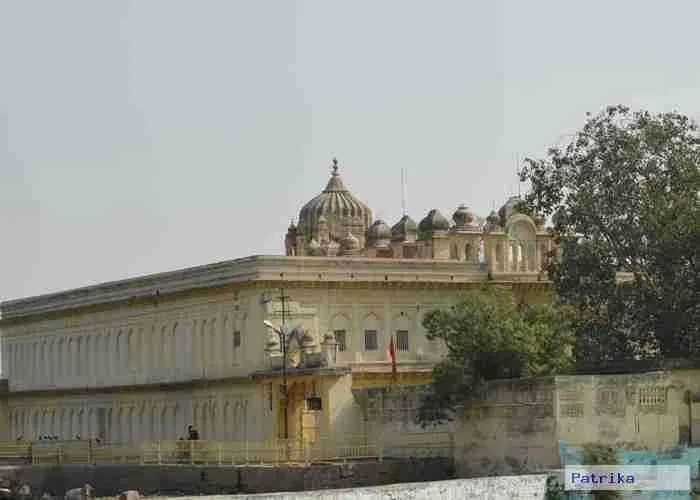
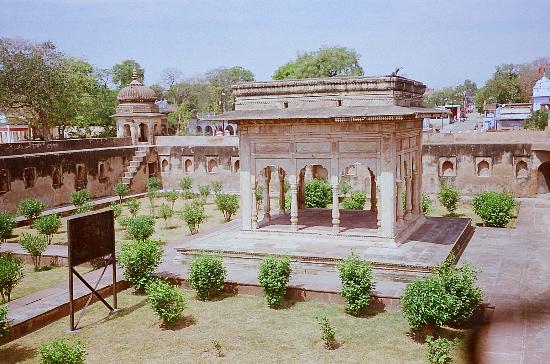
This elegant cenotaph stands as a memorial to Raja Gangadhar Rao, the husband of Rani Lakshmibai, who passed away in 1853. Located near the Jhansi fort, the chhatri features a beautiful blend of Hindu and Mughal architectural styles with its ornate pillars and domed structure.
The memorial holds historical significance as it marks the spot where the queen performed her husband’s last rites. The peaceful surroundings and well-maintained gardens make it a quiet spot for reflection on Jhansi’s royal history.
Orchha Fort Complex
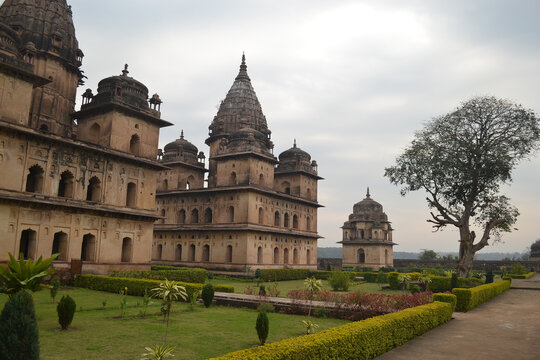
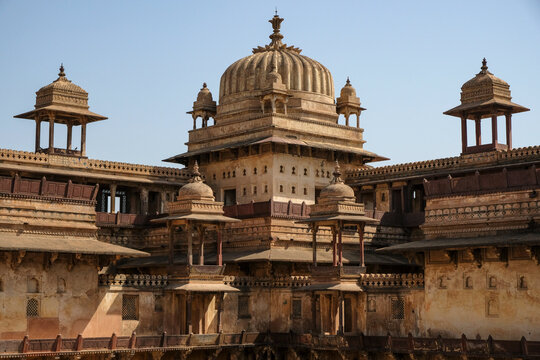
Situated on an island formed by the Betwa River, this magnificent 16th-century fort complex was built by the Bundela Rajput rulers. The complex includes three main palaces: Raja Mahal, Jahangir Mahal, and Rai Praveen Mahal, each showcasing exquisite architecture with intricate murals and carvings.
The palaces feature stunning chhatris, hanging balconies, and beautiful courtyards that reflect the grandeur of Bundela craftsmanship. A visit to the fort also includes the adjacent Ram Raja Temple and the impressive royal cenotaphs lining the riverbank.
Ram Raja Temple (Orchha)
A unique temple where Lord Rama is worshipped as a king, with a fascinating history and royal architecture.
Chaturbhuj Temple (Orchha)
A magnificent temple built on a high platform, dedicated to Lord Vishnu and featuring a massive sanctum.
Jahangir Mahal (Orchha)
A beautiful palace within Orchha Fort, showcasing a blend of Mughal and Rajput architectural styles.
Phool Bagh (Orchha)
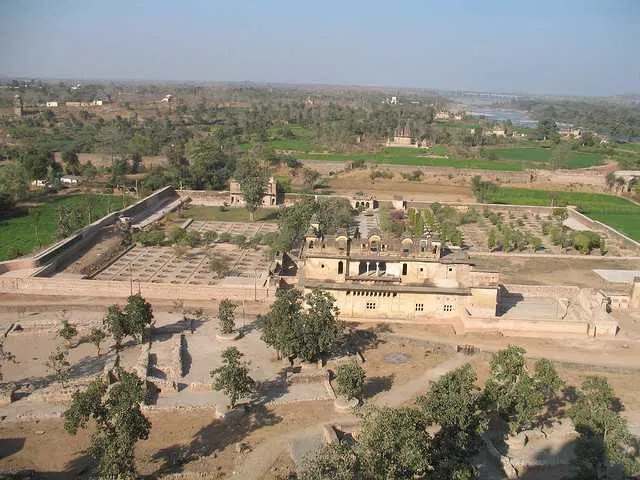
A historic garden and palace complex with underground chambers and a fascinating water management system.
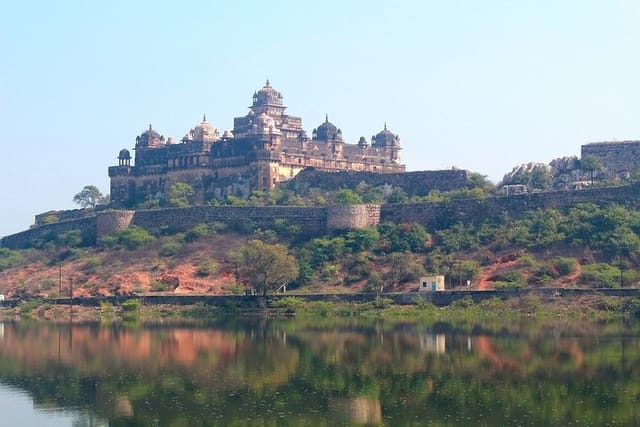
Datia Palace (Bir Singh Palace)
Built by Raja Bir Singh Deo in 1620, this seven-storied palace-fort stands as one of the finest examples of Bundela architecture in North India. The palace combines Mughal and Rajput styles with its symmetrical design, ornate jharokhas, and painted interiors featuring floral motifs. Unlike typical palaces, it has no residential quarters and was primarily used for ceremonial and strategic purposes.
The palace’s unique structure, with its identical twin pavilions at the top, offers panoramic views of the surrounding Datia town.
Pechorkord
An archaeological site with ancient rock paintings and cave shelters, showcasing prehistoric art.
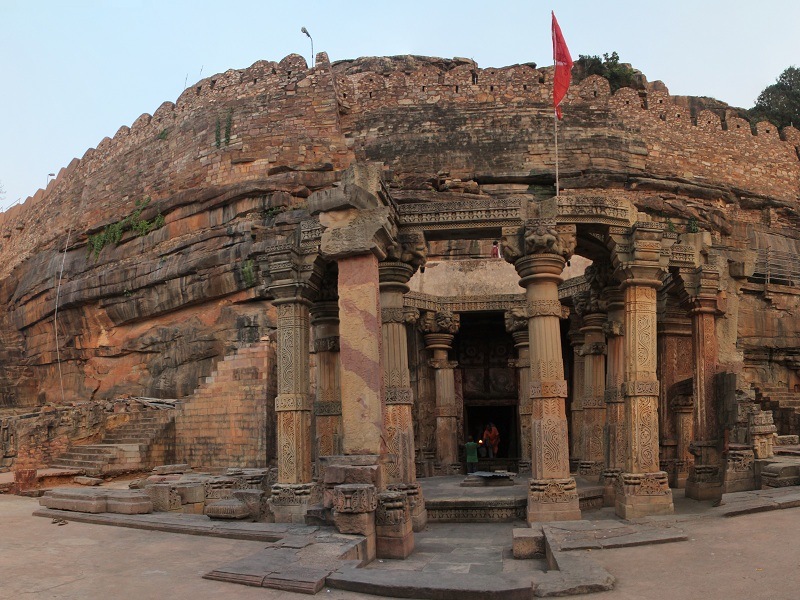
Deogarh Fort
An ancient fortress with a 6th-century Dashavatara Temple, one of the earliest North Indian temple structures.
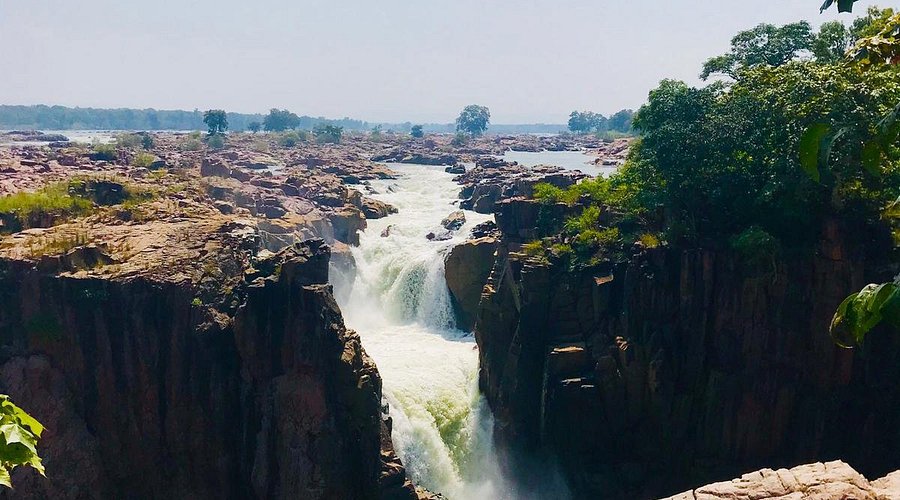
Raneh Falls
A stunning waterfall on the Ken River, featuring deep gorges and naturally carved colorful rock formations.
Sonagiri Jain Temples
Located about 60 kilometers from Jhansi, Sonagiri is one of the most sacred Jain pilgrimage sites in India, with dozens of white marble temples dotting a hill. The main temple, dedicated to Lord Chandraprabhu, the 8th Jain Tirthankara, attracts devotees from across the country.
Pilgrims climb the 300 steps to reach the hilltop temples, believed to be the site where 53 of the 63 Shalakapurushas attained salvation. The serene atmosphere and the striking white temples against the blue sky create a spiritually uplifting experience.
Kalinjar Fort
Perched on a steep hill in the Vindhya range, this historically significant fort has witnessed numerous battles over 2,000 years, involving rulers from the Guptas to the Mughals. The fort houses several ancient temples, including the famous Neelkanth Mahadev Temple dedicated to Lord Shiva, and the Pandav Caves with rock-cut sculptures.
The massive ramparts, imposing gateways like the famous Lal Darwaza, and underground chambers showcase remarkable military architecture. The fort offers breathtaking views of the surrounding plains and holds immense archaeological and mythological importance.
Khajuraho Temples
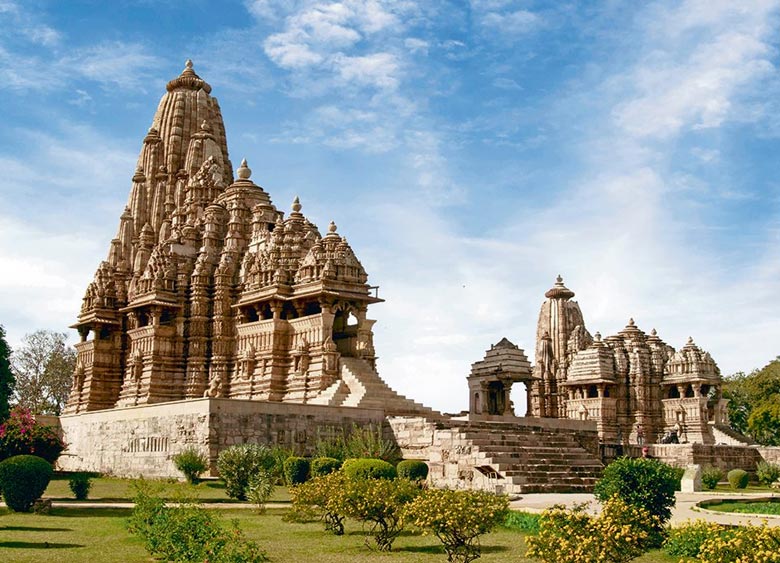
A UNESCO World Heritage Site located about 175 kilometers from Jhansi, these stunning temples were built between 950-1050 CE by the Chandela dynasty. The temples are world-famous for their intricate and sensuous erotic sculptures, alongside depictions of gods, goddesses, celestial maidens, and everyday life.
The Western Group of temples, including the magnificent Kandariya Mahadeva Temple, represents the pinnacle of medieval Indian architecture with their towering spires. These 22 surviving temples showcase the Chandela rulers’ artistic brilliance and their celebration of life, love, and spirituality in stone.