¤ 10+ minutes Read
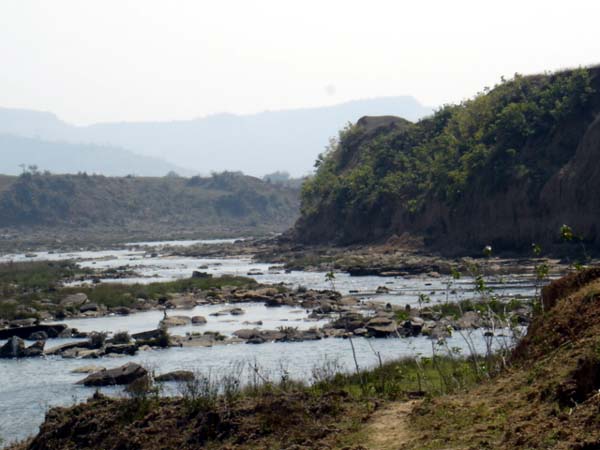
Mirzapur, often referred to as the “Gateway to the Vindhyas,” is a district in Uttar Pradesh that seamlessly blends natural beauty with deep spiritual significance. Known for its rugged landscapes, cascading waterfalls, ancient temples, and the mighty Ganges River, it offers a diverse experience for nature lovers, adventure seekers, and pilgrims alike. Its raw, unpolished charm provides a refreshing contrast to the bustling energy of nearby Varanasi.
Wiki Link: Mirzapur wiki page
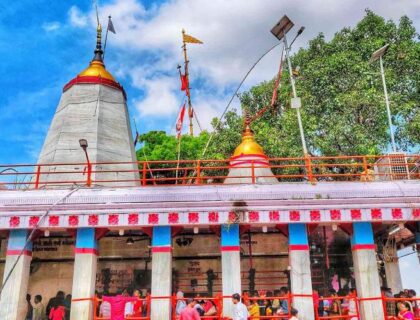
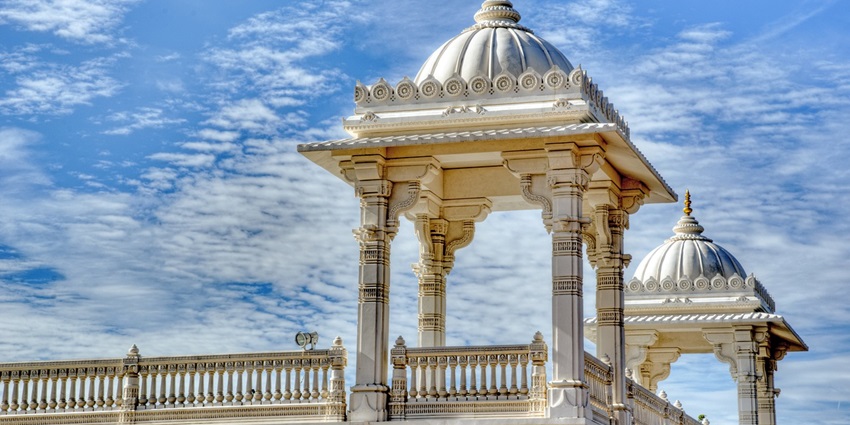
A revered Shakti Peetha dedicated to Goddess Vindhyavasini, drawing countless pilgrims with its powerful spiritual energy, especially during Navratri.
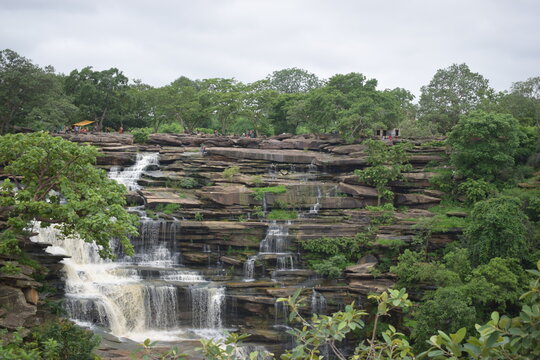
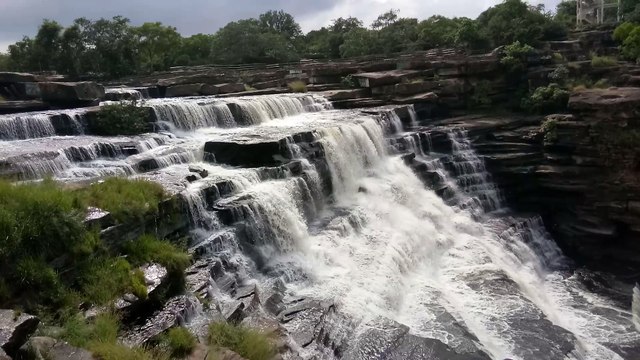
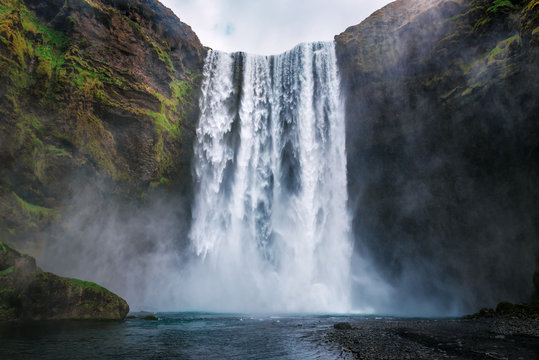
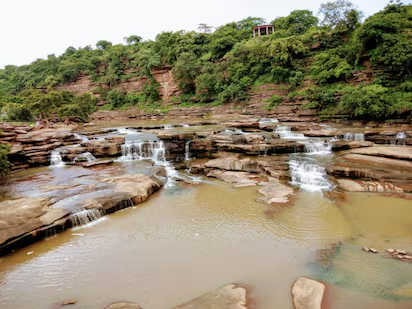
Stunning waterfalls surrounded by lush greenery, with Rajdari offering a wide cascading sheet and Devdari a powerful, thundering plunge.
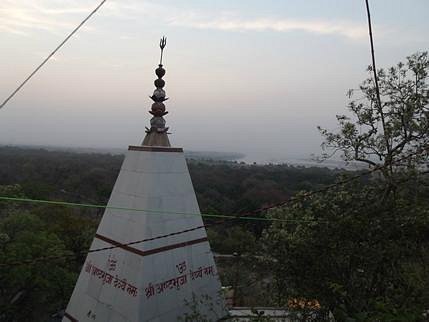
Perched atop a hill, this temple dedicated to the eight-armed Goddess offers panoramic views and completes the sacred trinity of Vindhyachal.
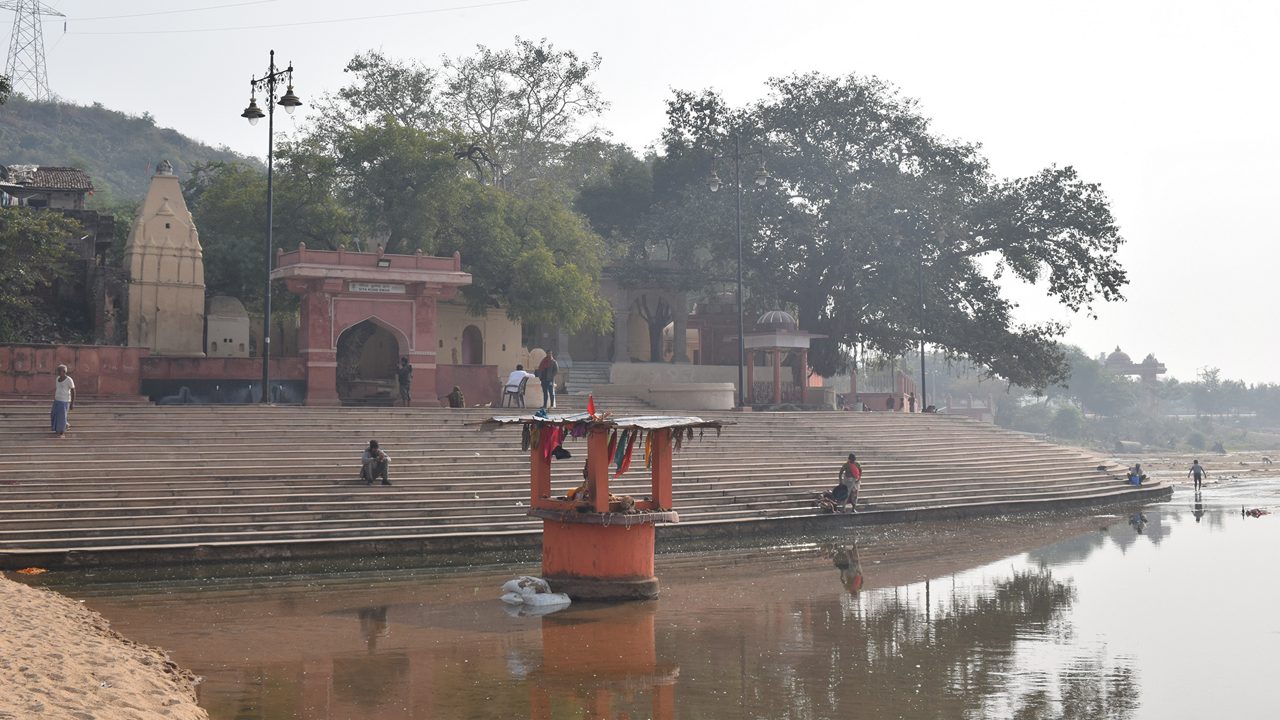
A sacred pilgrimage spot believed to be where Goddess Sita descended into the earth, featuring a series of small temples and bathing ghats.a
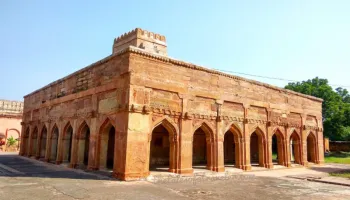
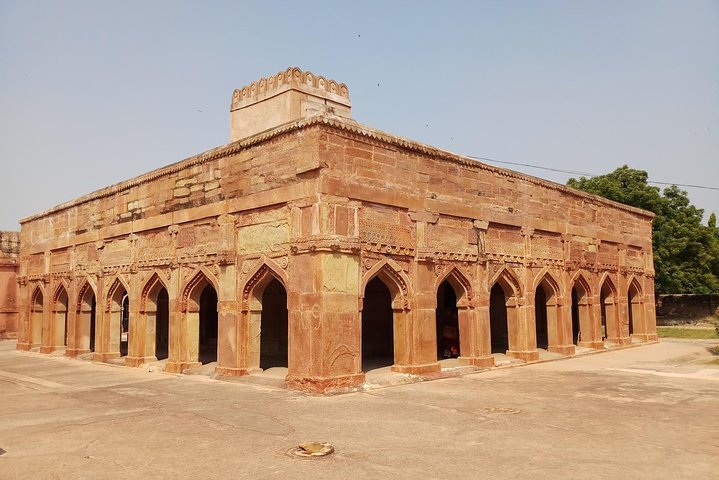
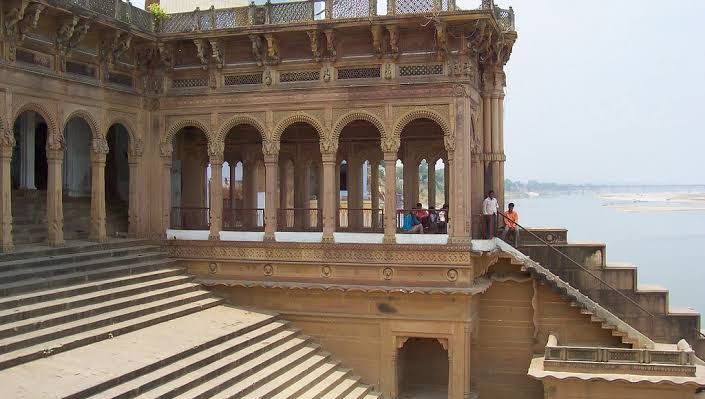
A historic fort perched on rocky cliffs overlooking the Ganges, showcasing centuries of history from the Mauryan era to the British rule.
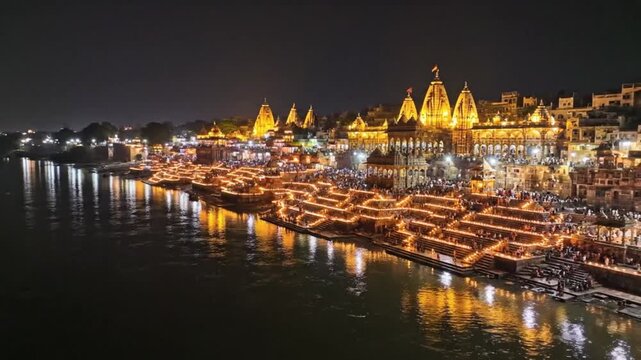
One of the world’s oldest living cities, renowned for its sacred ghats, the Kashi Vishwanath Temple, and the mesmerizing Ganga Aarti ceremony.
A neighboring district famed for its numerous waterfalls like Lakhaniya Dari, offering a haven for trekking, rock climbing, and pristine natural landscapes.
An archaeologically significant valley known for prehistoric rock shelters and cave paintings, perfect for history enthusiasts seeking ancient human settlements.
Mirzapur offers a blend of spiritual exploration, natural adventures, and historical discovery. From seeking blessings at sacred shrines to trekking to waterfalls, the district caters to diverse interests.
Seek blessings at the revered Vindhyachal Temple and experience the profound spiritual fervor, especially during the vibrant Navratri festival.
Discover the scenic beauty of Rajdari and Devdari waterfalls, capturing stunning photographs and enjoying the refreshing natural surroundings.
Explore the magnificent Chunar Fort, walking through ancient gates and enjoying sweeping panoramic views of the Ganges River below.
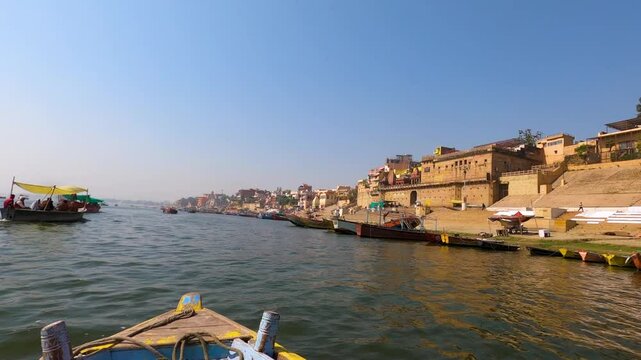
Enjoy a peaceful boat ride on the Ganges near Mirzapur town or Chunar, offering a tranquil perspective of the riverside landscape.
Mirzapur’s cultural fabric is woven from its tribal roots, deep religious traditions, and a history as a significant trading post. The region’s art forms are a vibrant expression of the local communities and their connection to the land.
Kajari
Thumri & Chaiti
Birha & Purvi
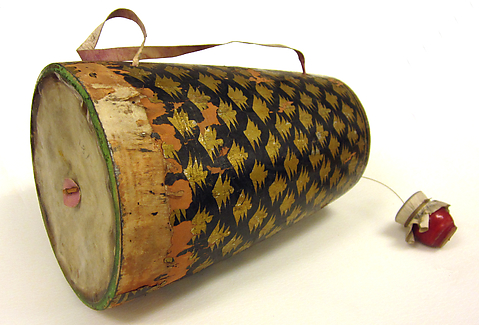
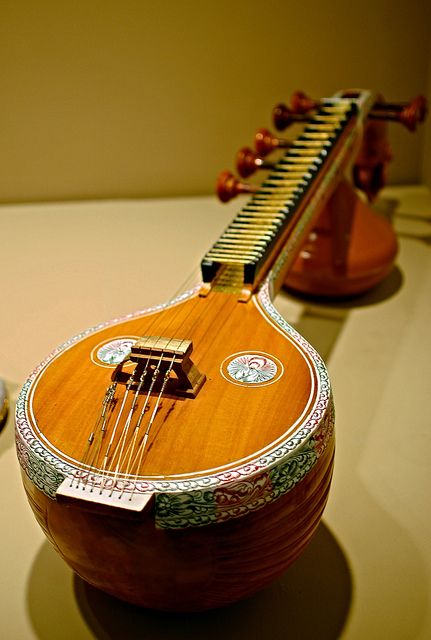
Mirzapur lies within the cultural sphere of the Banaras gharana, with the soulful styles of Thumri, Kajari, and Chaiti folk music deeply resonating in the region. Kajari, a genre of monsoon songs, holds special significance here, reflecting the area’s rural landscapes and the emotions of separation and longing. Traditional folk music, including Birha and wedding songs, continues to thrive, telling tales of love, devotion, and daily life in the local dialect.
Dhobiya
Jat-Jatin
Ramlila
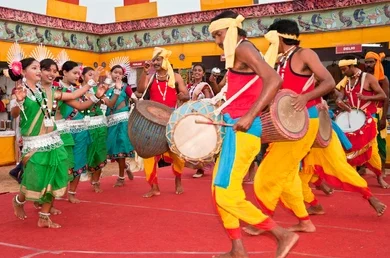
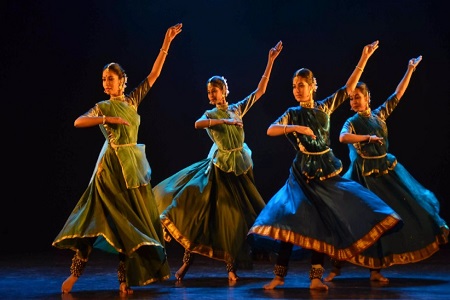
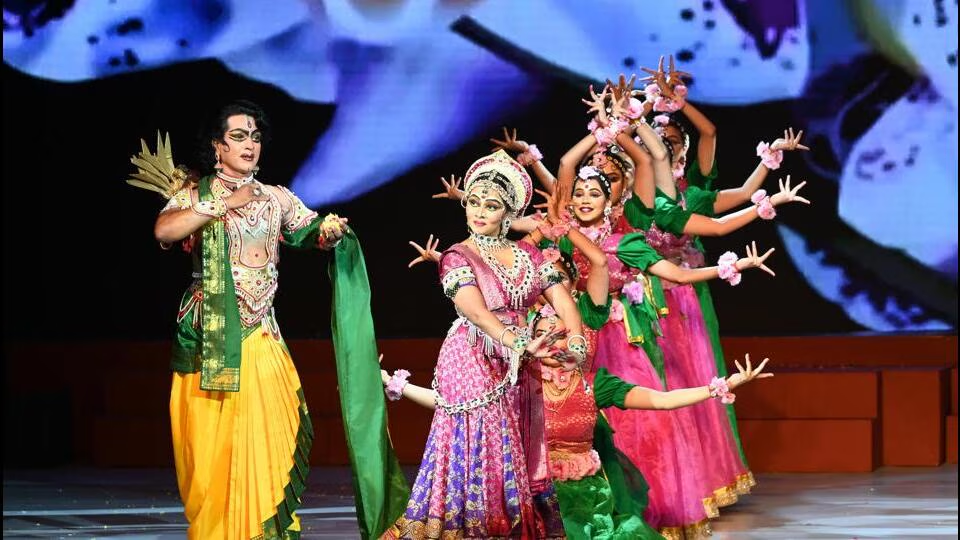
Mirzapur’s dance traditions are deeply rooted in the folk culture of the Bhojpuri region, with vibrant performances accompanying festivals and celebrations. The region is known for energetic folk dances like Dhobiya and Jat-Jatin, which depict stories of love, daily life, and rural traditions through rhythmic movements. Traditional Ramleela performances during Dussehra bring the epic of Ramayana to life, combining dramatic expression with devotional fervor.
Mirzapur offers a distinct experience from its famous neighbor, Varanasi. While Varanasi is a city of spiritual chaos and perpetual motion, Mirzapur is more laid-back, with a rugged, earthy character. Its identity is defined by the dual forces of nature and faith—the powerful waterfalls that crash through rocky gorges and the ancient temples that draw millions of pilgrims. It is a destination for those seeking spiritual solace, natural beauty, and a taste of a less-explored side of Uttar Pradesh.
Mirzapur’s heritage is a rich tapestry. Its spiritual heritage is anchored in Vindhyachal, one of the oldest and most significant Shakti Peethas. Its architectural heritage is exemplified by the formidable Chunar Fort, which has witnessed over 2,000 years of history, including reigns of Mauryas, Mughals, and the British. Its industrial heritage lies in its position as a major center for carpet weaving and, historically, for the production of brassware and iron goods, with the district being a key trading hub on the Ganges.
The cuisine of Mirzapur is similar to the broader Bhojpuri region, known for its simple, flavorful, and rustic dishes. It often incorporates ingredients like sattu (roasted gram flour) and local greens.
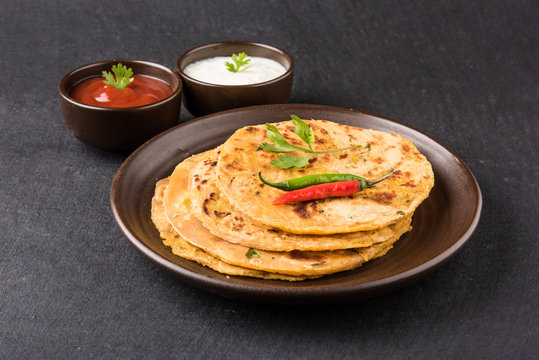
A wholesome flatbread stuffed with a spicy mixture of sattu, onions, and herbs, often served with pickle, curd, or chokha.
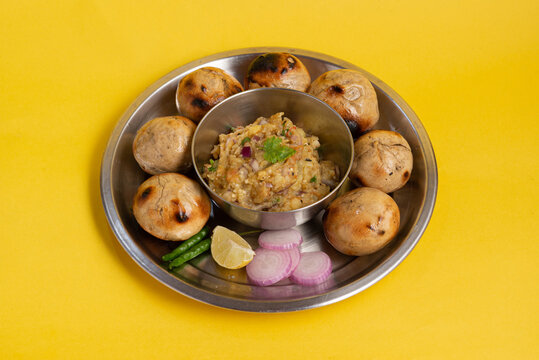
A quintessential side dish of roasted and mashed brinjal, potatoes, or tomatoes, seasoned with mustard oil, garlic, and green chilies.
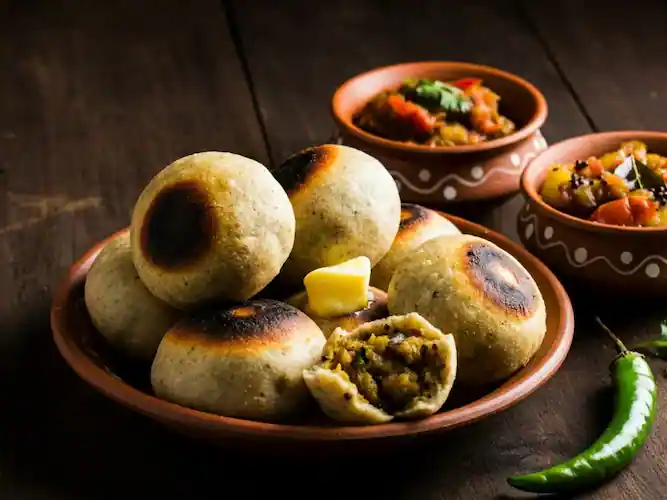
Roasted wheat flour balls stuffed with sattu, served with a generous helping of chokha and sometimes ghee.
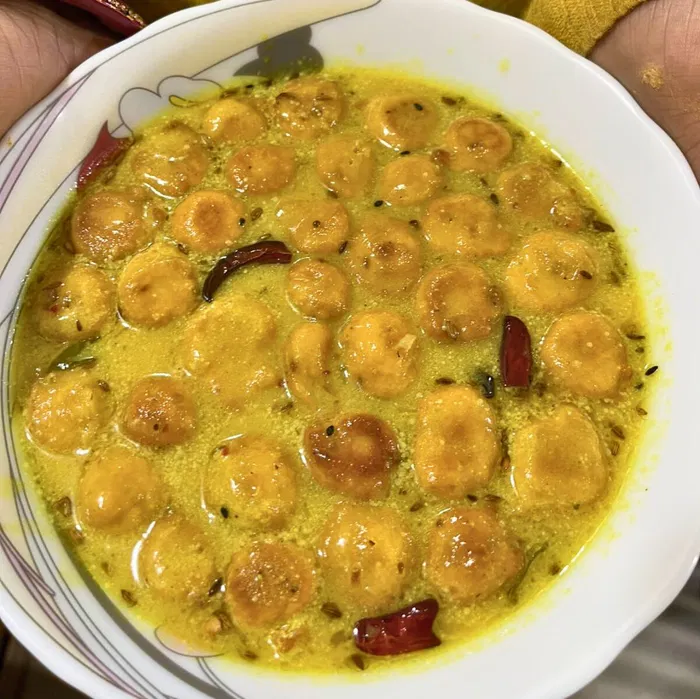
A comforting yogurt-based gravy with deep-fried gram flour dumplings, a classic dish enjoyed especially during cooler months.
Shopping in Mirzapur is a unique experience, centered on its world-famous carpets and local crafts.
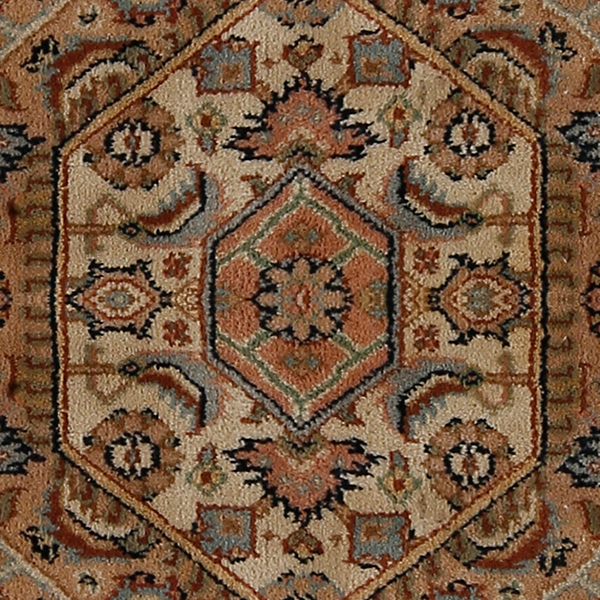
Internationally famous for high-quality, hand-knotted carpets featuring intricate Persian, floral, and geometric patterns.
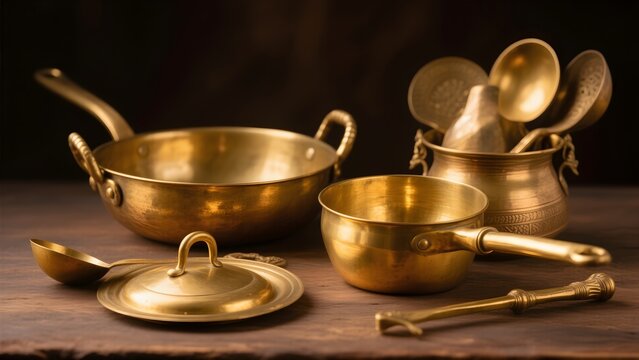
Traditional brass utensils, statues, and decorative items reflecting the city’s historic brassware industry.
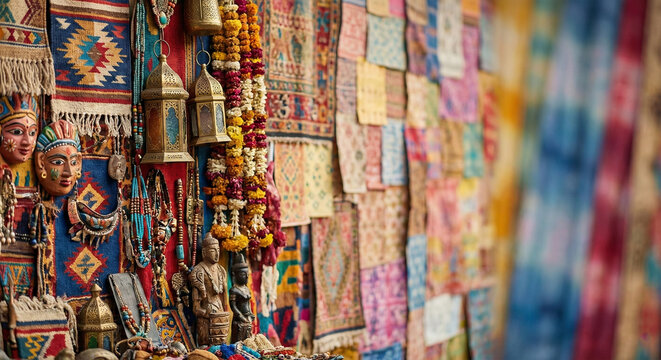
Terracotta pottery, wooden toys, and other rural handicrafts that showcase the region’s rich artisan traditions.
Puja items, rudraksha beads, religious idols, and colorful bangles, perfect for spiritual souvenirs near Vindhyachal temples.
The best season to visit Varanasi is during the winter months, from October to March, when the weather is cool and pleasant. This is an ideal time for sightseeing, attending festivals, and enjoying the serene boat rides on the Ganges. The vibrant Dev Deepawali celebration in November adds spiritual charm to the city. Avoid peak summer and monsoon due to extreme heat and heavy rains.
Navigating Varanasi can be a mix of walking through narrow lanes and using local transport. Auto-rickshaws and cycle-rickshaws are common and ideal for short distances. For longer trips, hire cabs or use app-based services like Ola. Boats are a unique way to explore the ghats and get scenic views along the Ganges. It’s best to explore the old city on foot to truly experience its charm.
Overpriced Boat Rides – Always negotiate rates in advance or book through trusted sources.
Fake Guides – Use only licensed or hotel-recommended guides.
Donation Scams by Priests – Agree on any ritual charges beforehand.
Silk Shop Pressure Sales – Compare prices or buy from government emporiums.
Fake Aarti Fees – Watching the Ganga Aarti is free from the ghats; avoid “entry fee” scams.