Trip and Tales

¤ 10+ minutes Read

Vrindavan

A complete tourist and cultural guide

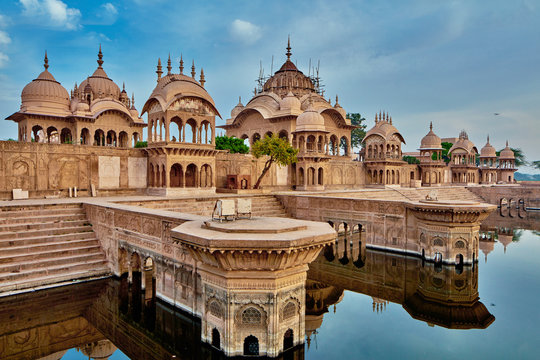
Vrindavan, the sacred land of Lord Krishna, is one of the holiest cities in India. Nestled on the banks of the Yamuna River in Uttar Pradesh, it is where Lord Krishna spent his childhood, engaging in divine pastimes (leelas) that have inspired devotion for millennia. Known for its thousands of temples, resonant chants of “Hare Krishna,” and a palpable sense of spirituality, Vrindavan offers a journey into the heart of Bhakti (devotion) that captivates pilgrims and spiritual seekers from around the world.

Wiki Link: Vrindavan wiki page

Must-Visit Attractions in Vrindavan

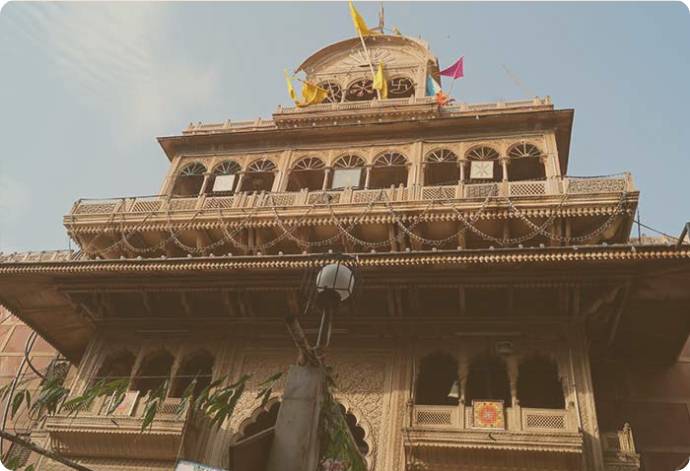
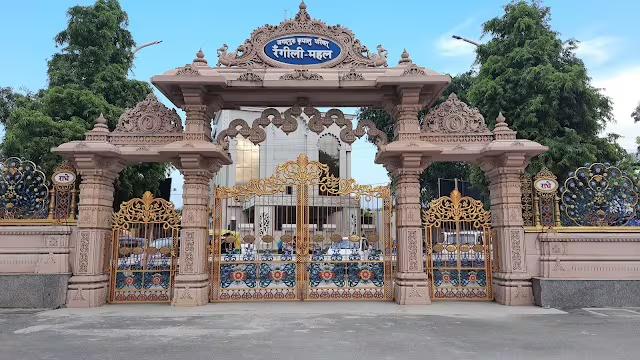
Banke Bihari Temple

The most iconic temple in Vrindavan, where the deity’s playful presence and the unique curtain tradition create an electrifying devotional experience.

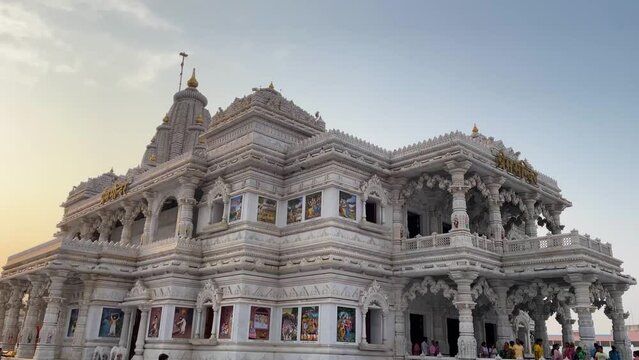
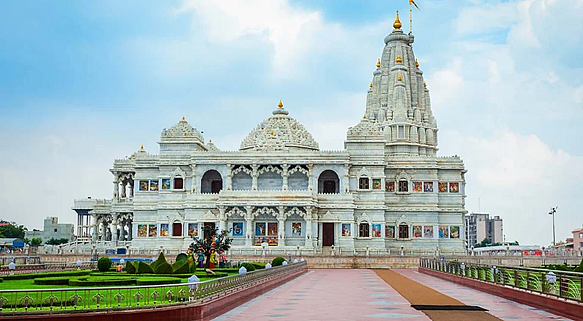
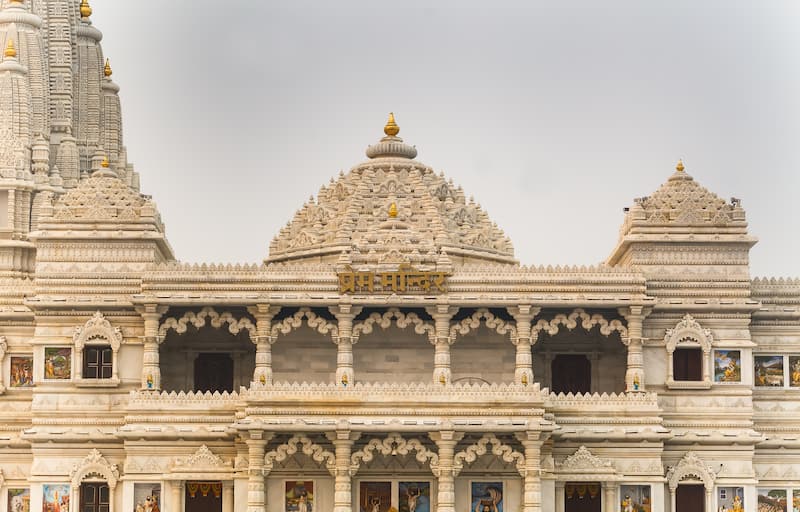
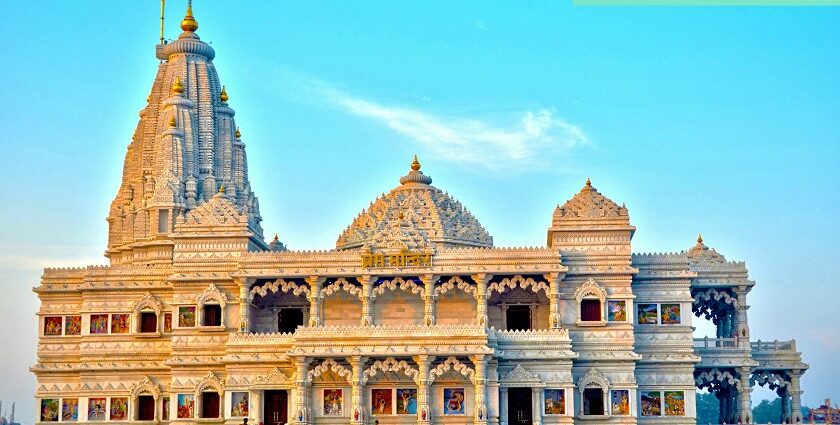
Prem Mandir

A breathtaking white marble temple complex that comes alive with spectacular light shows depicting the divine pastimes of Radha-Krishna.

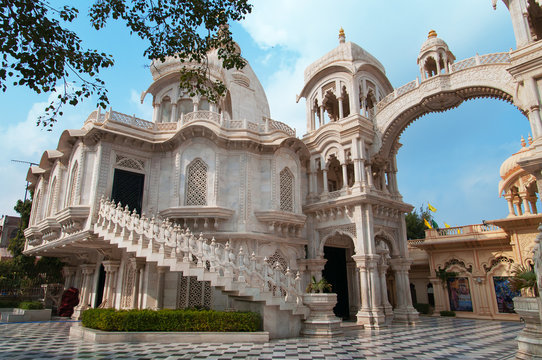
ISKCON Temple

A serene spiritual and cultural hub known for its beautiful deities, peaceful atmosphere, and excellent guesthouse facilities.

Nidhivan

A sacred grove shrouded in mystery, believed to be where Lord Krishna still performs his nightly divine pastimes.

Major Attractions Nearby Vrindavan

Mathura

The sacred birthplace of Lord Krishna, home to the revered Sri Krishna Janmabhoomi Temple and ancient ghats along the Yamuna.

Govardhan

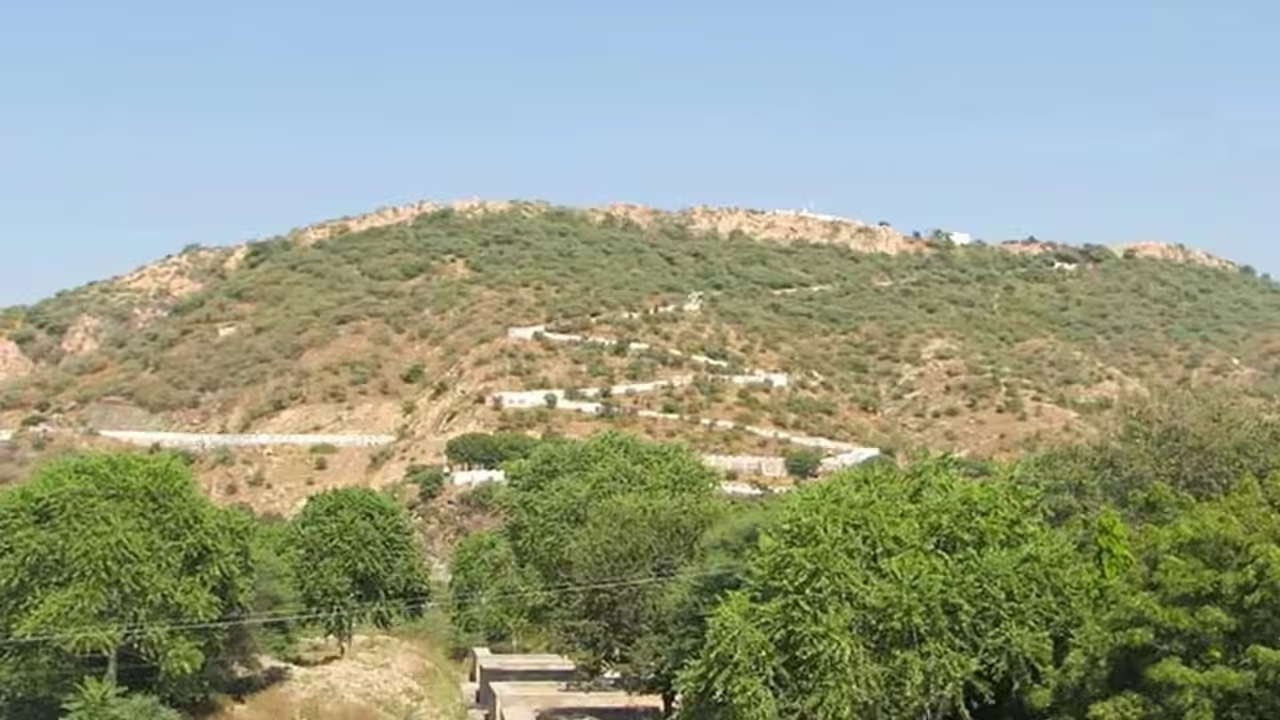
A holy town famous for Govardhan Hill, where pilgrims perform the sacred 21-km parikrama circumambulation.a

Barsanaa

The birthplace of Radha, renowned for its vibrant Lathmar Holi festival and the hilltop Radha Rani Temple.

Gokul

The charming village where Lord Krishna was secretly raised by his foster parents, Nanda and Yashoda.

Things to do in Vrindavan

Immerse yourself in the spiritual and cultural vibrancy of the city. From temple hopping to participating in ancient rituals, Vrindavan offers a deeply devotional experience.

Temple Hopping

Explore countless temples, each with its own unique deity, history, and spiritual atmosphere.a

Participate in Aarti

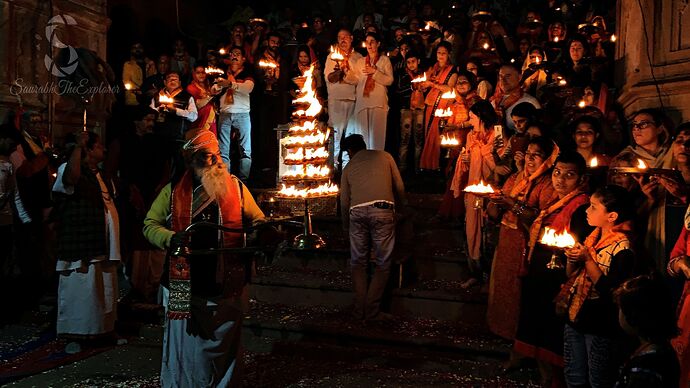
Attend the mesmerizing evening aarti ceremonies at major temples like Banke Bihari and ISKCON.

Parikrama of Govardhan

Embark on the sacred 21-km circumambulation of Govardhan Hill, visiting temples and sacred ponds along the way.

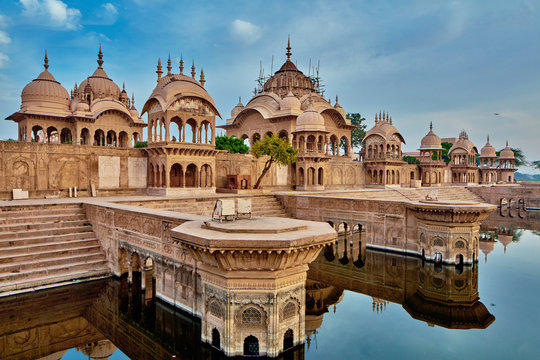
Visit the Yamuna Ghats

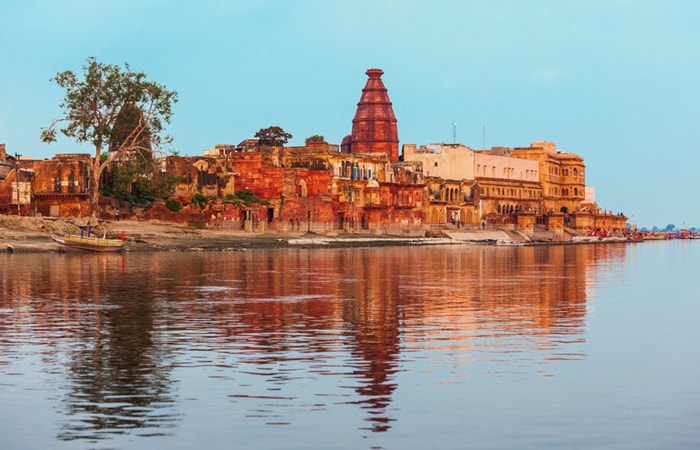
Spend a peaceful morning by the Yamuna River, taking a boat ride or soaking in the serene devotional atmosphere.

The Performing Art of Vrindavan

Vrindavan is the epicenter of the Bhakti movement, which has profoundly shaped its art, music, and culture for centuries. The legacy of saints like Chaitanya Mahaprabhu and the six Goswamis of Vrindavan continues to inspire devotion.

Dhrupad

Bhajan & Kirtan

Samaj Gayan

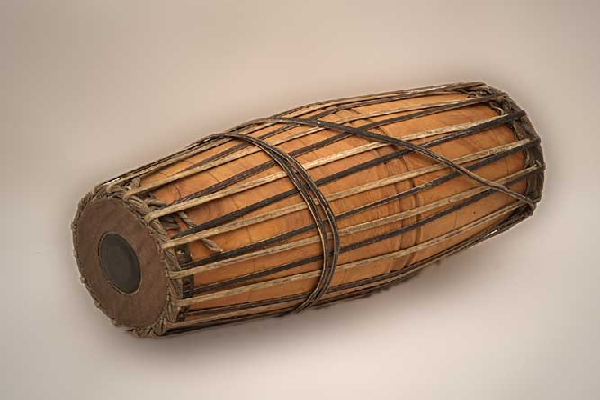
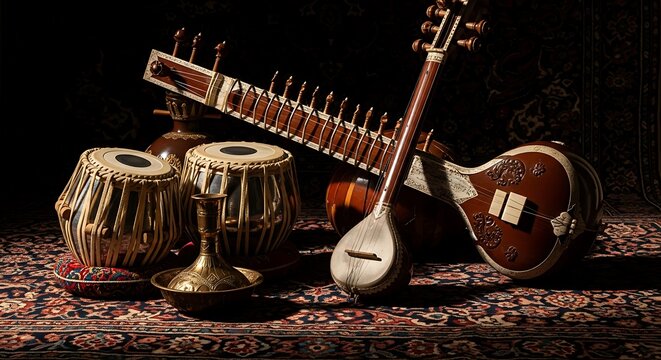
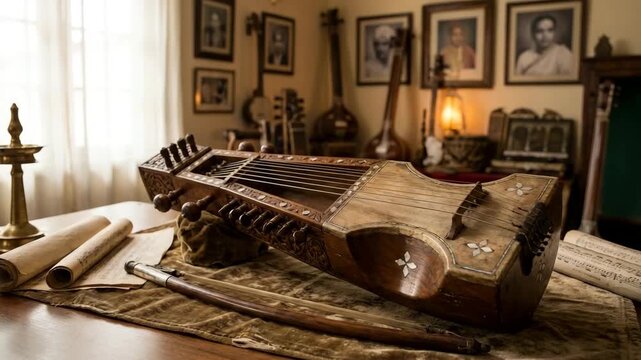
Vrindavan is a major center for devotional music, with the dhrupad tradition flourishing in its ancient temples through meditative and soulful renditions. The soulful bhajan, kirtan, and samaj gayan styles are widely performed, celebrating the divine pastimes of Radha-Krishna with fervent devotion. Folk music, including the rasa and holi genres, tells tales of love, devotion, and the eternal leelas of Lord Krishna.

Raslila

Kathak

Nautankia

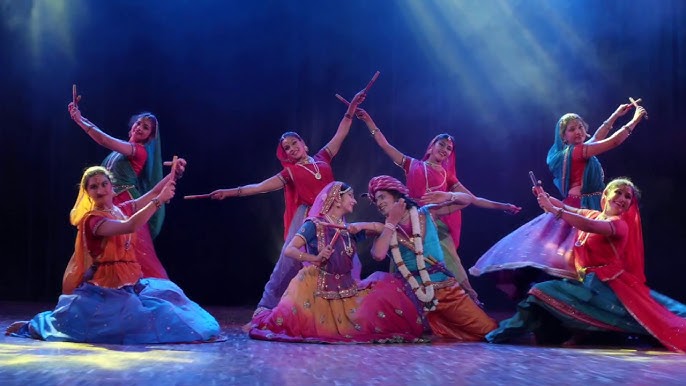
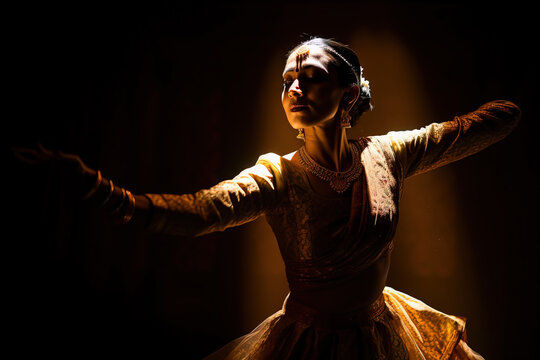
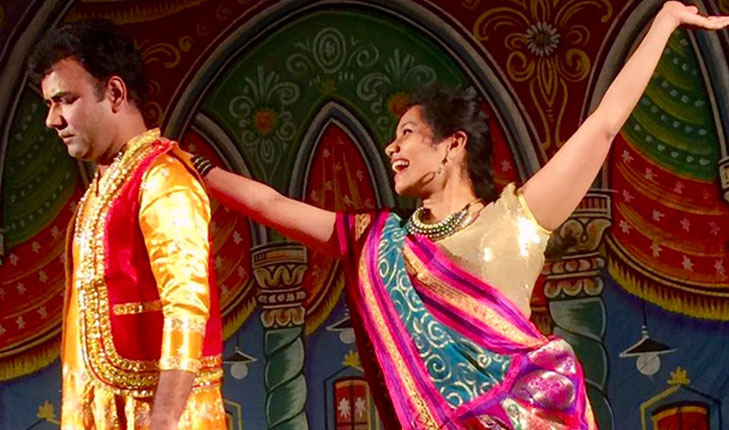
Vrindavan is a vibrant hub for classical and folk dance, with raslila being the most revered traditional dance-drama depicting Krishna’s divine love story. Kathak, with its intricate footwork and graceful storytelling, flourished in the temples of Vrindavan under royal patronage. Folk traditions like nautanki and ramlila bring mythological tales to life through vibrant performances during festivals and celebrations.


City Vibes - Divine Devotion & Eternal Celebration

Vrindavan’s essence is one of unbridled devotion and timeless celebration. The city pulsates with the constant chanting of “Radhe Radhe” and “Hare Krishna.” The atmosphere is a sensory feast—the scent of incense and marigolds, the sound of temple bells and devotional music, and the sight of saffron-clad sadhus and pilgrims from all walks of life. Every lane, every corner, seems to whisper tales of Krishna’s childhood, creating an ambiance where the divine feels intimately present.

Heritage of Vrindavan

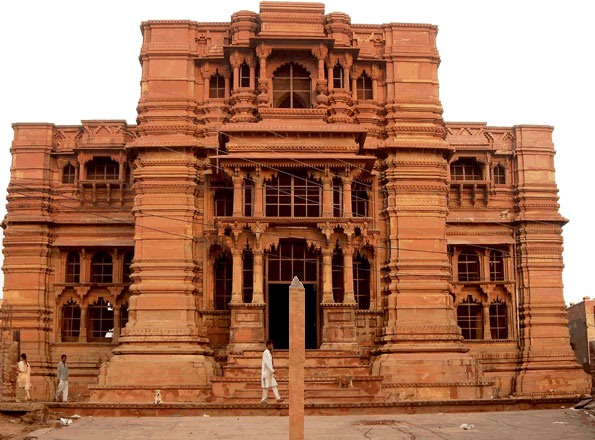
Vrindavan’s heritage is deeply rooted in the Bhakti movement of the 16th century, when the six Goswamis of Vrindavan—disciples of Chaitanya Mahaprabhu—rediscovered the sacred groves and established the foundational temples. They codified the theology of devotion to Radha-Krishna and built temples like Radha Raman and Madan Mohan. The city’s architecture, traditions, and culture are a living continuation of this spiritual legacy, drawing devotees from around the world for over 500 years.

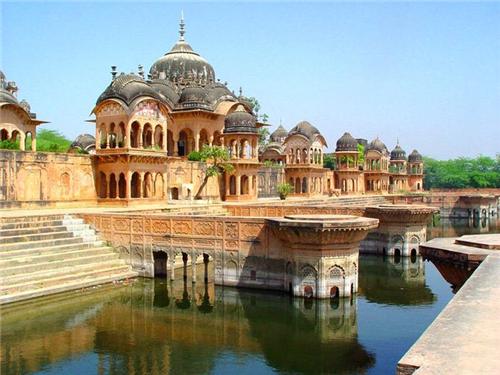
Dashashwamedh Ghat, Uttar Pradesh

Cuisine of Vrindavan

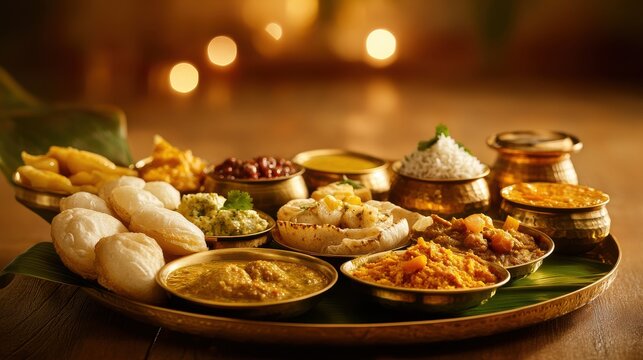
The cuisine of Vrindavan is strictly vegetarian and reflects the principle of offering food to the divine before consumption. The flavors are rich, dairy-based, and subtly spiced, focusing on traditional Indian sweets and snacks.

Chappan Bhog

A grand offering of 56 food items made to Lord Krishna, especially on Janmashtami.

Peda

A famous sweet made from thickened milk, sugar, and cardamom, often offered as prasadam in temples.

Kachori Sabzi

Deep-fried spicy lentil-filled pastries served with a tangy potato curry, a popular breakfast staple.

Aloo Puri

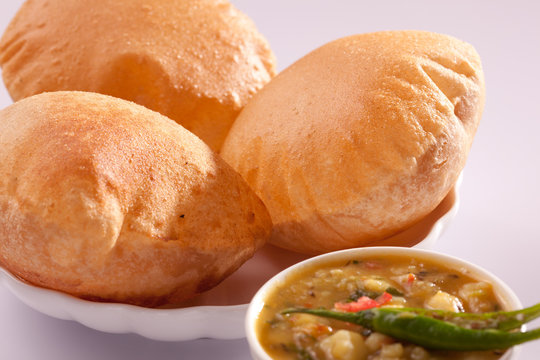
Fluffy fried bread served with mildly spiced potato curry, often accompanied by sweet halwa.

Shopping in Vrindavan

Shopping in Vrindavan is centered around religious items, devotional art, and souvenirs that capture the essence of Krishna devotion.

Religious Idols & Iconography

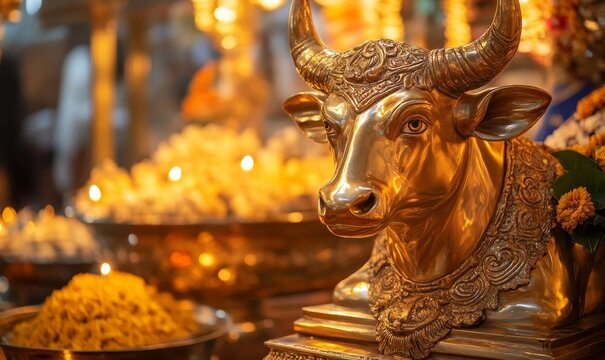
Intricately crafted idols of Radha-Krishna in brass, marble, and wood, along with paintings and Pichwais.

Braj Literature & Scriptures

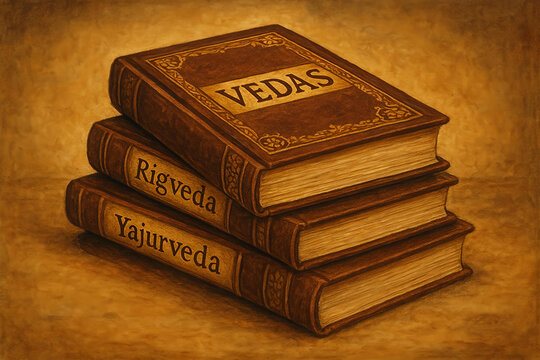
Books on Bhagavad Gita, Srimad Bhagavatam, and the philosophy of the Bhakti movement in multiple languages.


Tulsi Mala & Beads

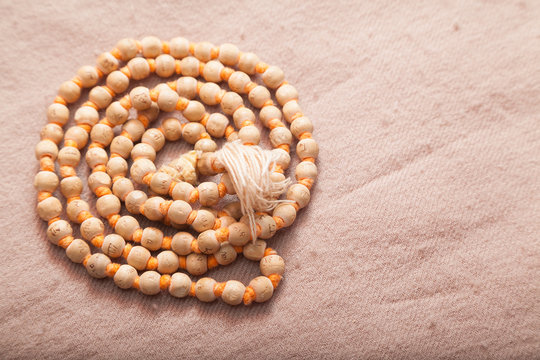
Sacred Tulsi wood beads used for chanting, considered highly auspicious for meditation and prayer.

Traditional Jewelry & Attire

Vibrant lehengas, kurtas, sarees, and traditional kundan jewelry inspired by Radha-Krishna.

Tourist's Handbook

The best time to visit Vrindavan is from October to March. The winter months offer pleasant weather with cool days and chilly evenings, ideal for temple hopping and outdoor exploration. Temperatures range from a comfortable 8°C to 25°C. This period also coincides with major festivals like Holi (February-March) and Janmashtami (August-September), offering a vibrant cultural experience, though it will be extremely crowded. The summer months (April-June) are intensely hot, with temperatures often exceeding 40°C, making daytime travel difficult. The monsoon (July-September) brings humidity and heavy rains, which can lead to waterlogging in low-lying areas.

  • Monkey Caution - Be mindful of monkeys near temples and Nidhivan; avoid carrying exposed food and do not feed or stare at them.
  • Modest Dress - Dress respectfully with shoulders and knees covered, especially when entering temples in this sacred city.
  • Stay Hydrated - Carry your own water bottle and be cautious about consuming water from street vendors.
  • Footwear Care - Remove shoes before entering temples; wear easy-to-remove footwear and use paid shoe-keeping stands for safety.
  • Crowd Awareness - Stay alert in crowded temple areas during festivals to avoid separation from your group or pickpocketing.
  • Light Source - Carry a small flashlight or use your phone light as alleys and temple areas can be poorly lit in the evening.

Vrindavan is a relatively compact city, and the most common modes of local transport are auto-rickshaws, cycle-rickshaws, and e-rickshaws (tuk-tuks). E-rickshaws are particularly popular for short to medium distances and are an affordable way to navigate the narrow lanes. Many temples are located within walking distance of each other, especially in the central area. For visiting nearby cities like Mathura, Govardhan, or Barsana, hiring a private taxi or auto-rickshaw for the day is the most convenient option. Be prepared for congested streets, especially during festival seasons and peak hours.

Beware of Fake Priests - Avoid unsolicited priests offering special pujas for high fees; inquire at the temple's official counter instead.

Negotiate Fares - Always negotiate auto and e-rickshaw fares beforehand or ask your hotel for a rough estimate.

Avoid Touted Shops - Politely decline unsolicited offers to visit "special" shops for idols or puja items to avoid inflated prices.

Fake Nidhivan Tours - Be suspicious of touts claiming private entry to a "secret" Nidhivan; the main site is public and protected.

Donation Safety - Use designated donation boxes in temples rather than handing money to unauthorized individuals.

Explore Vrindavan

Vrindavan Blogs

  • Vrindavan Blogs
  • Uttar Pradesh Cultural Guide

  • Places to visit in Vrindavan

  • Places to visit nearby Vrindavan

Recommended articles

  • Uttar Pradesh Cultural Guide

  • India’s archaeological marvels
  • India’s most popular destination