¤ 10+ minutes Read
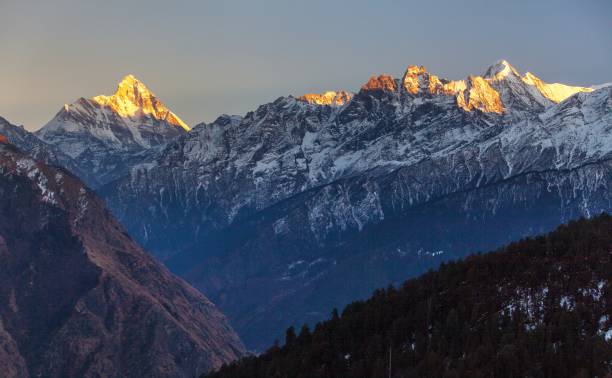
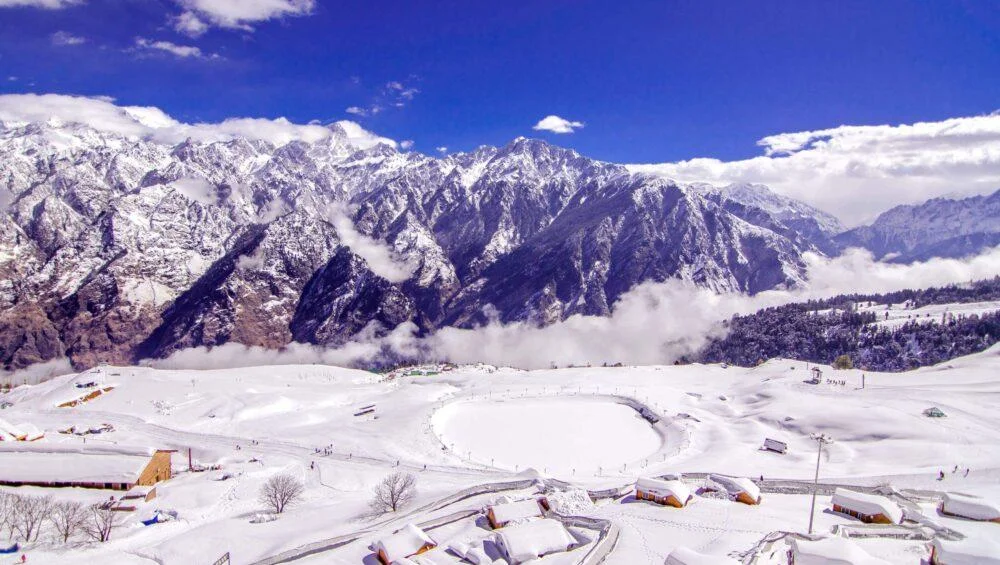
Auli, nestled in the Garhwal Himalayas of Uttarakhand, is a premier destination for adventure seekers and nature lovers. Renowned as one of India’s best skiing destinations, it offers pristine slopes, stunning panoramic views of majestic peaks like Nanda Devi, and serene meadows. Beyond winter sports, it provides a year-round retreat with trekking trails, cable car rides, and a tranquil atmosphere that captivates travelers from around the globe.
Wiki Link: Auli wiki page
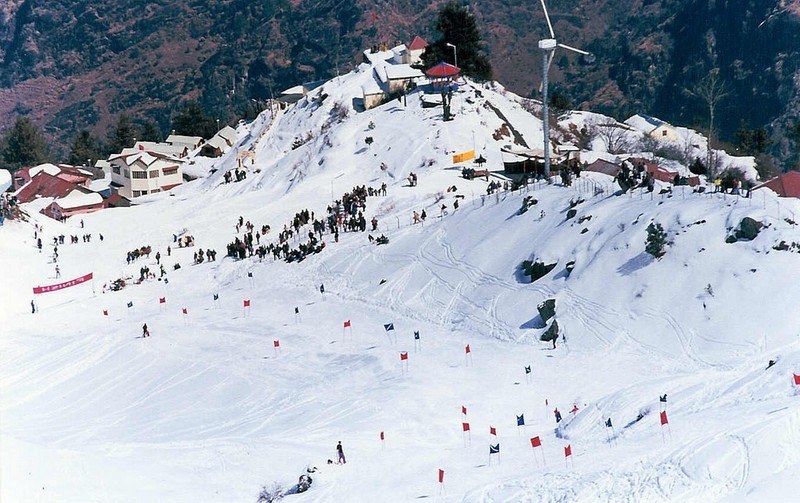
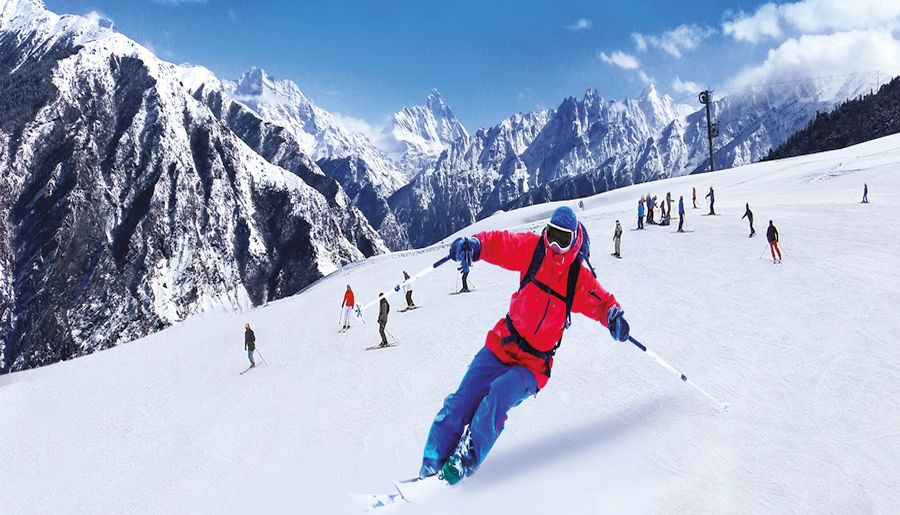
A premier ski destination with groomed slopes, training schools, and reliable winter snowfall.
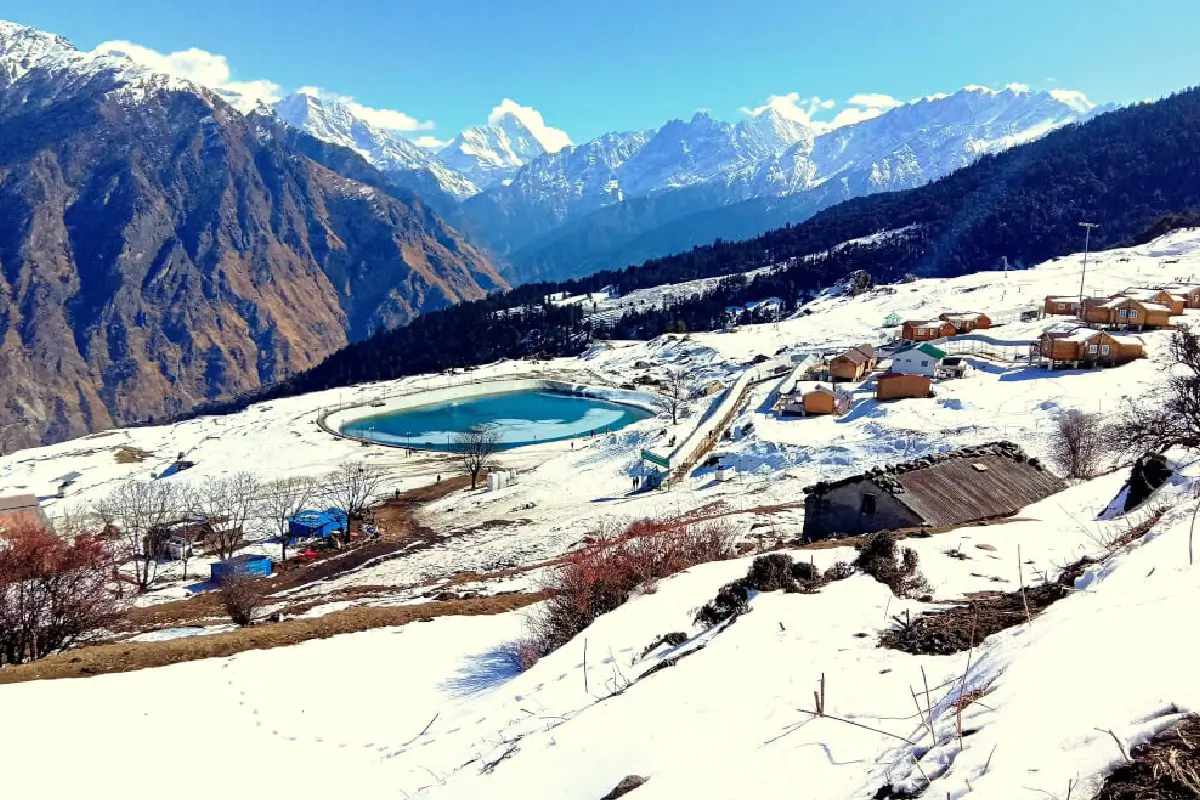
A scenic high-altitude artificial lake reflecting Himalayan peaks, perfect for summer strolls and photography.
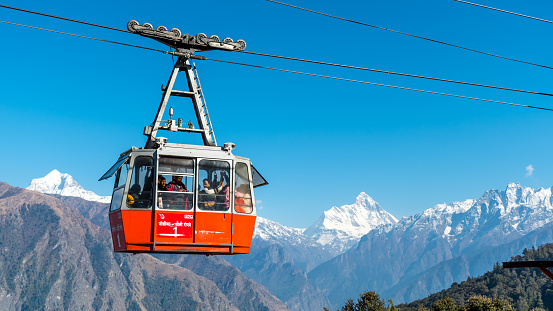
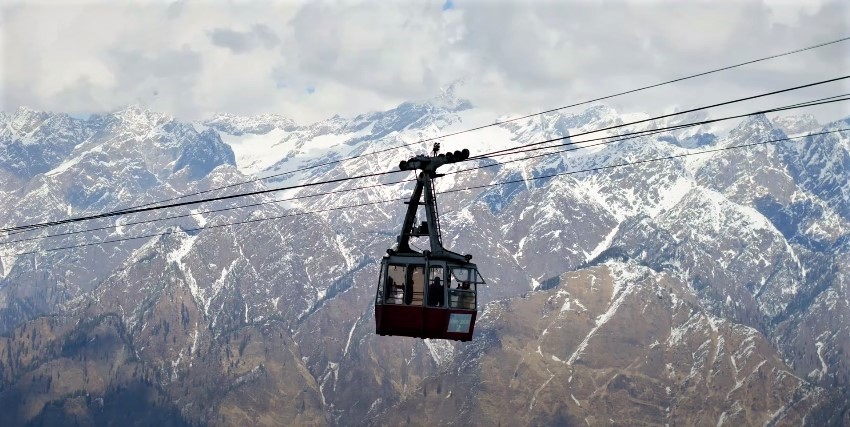
Asia’s longest gondola offering a breathtaking 360-degree panoramic journey from Joshimath to Auli.
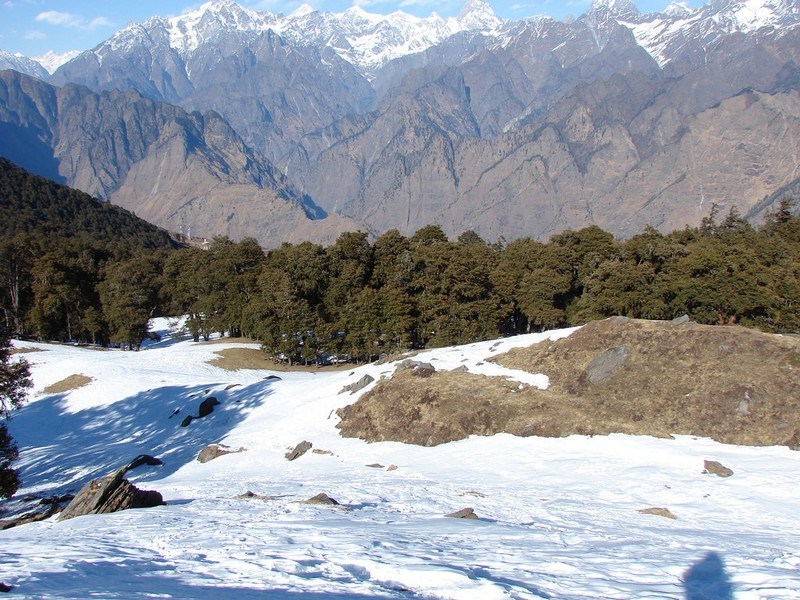
A vast, lush alpine meadow ideal for summer treks, camping among wildflowers, and panoramic mountain views.
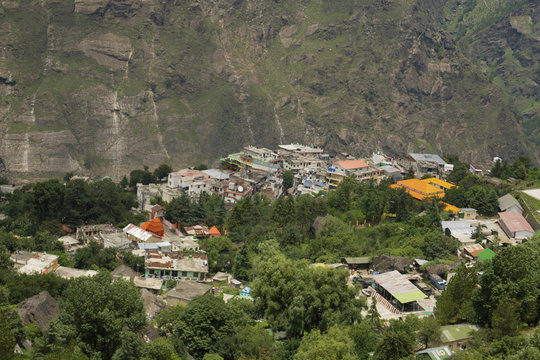
A sacred pilgrimage town and key gateway to Auli, known for its ancient Narasimha Temple and stunning mountain views.
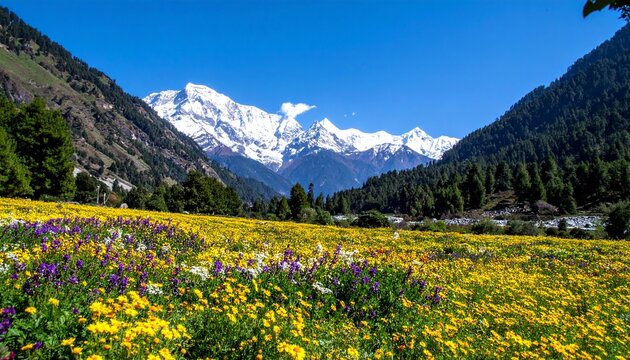
A UNESCO World Heritage site renowned for its stunning meadows bursting with hundreds of rare, colorful alpine flowers in summer.
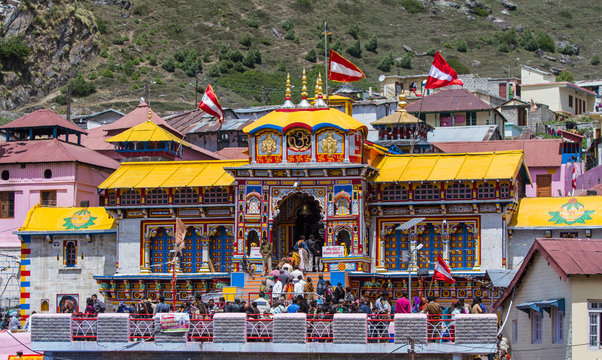
One of Hinduism’s holiest Char Dham temples, dedicated to Lord Vishnu and nestled along the banks of the Alaknanda River.
A revered high-altitude Sikh Gurudwara set beside a serene glacial lake, accessible by a scenic and sacred trek.
Experience the thrill of the mountains and the peace of the Himalayas. From skiing down powdery slopes to trekking through flower-filled meadows, Auli offers an unforgettable alpine adventure.
Glide down Asia’s premier ski slopes with professional instructors and equipment rentals at Auli Ski Resort.
Enjoy a breathtaking panoramic ride on the Auli Ropeway, offering 360-degree Himalayan vistas from Joshimath.
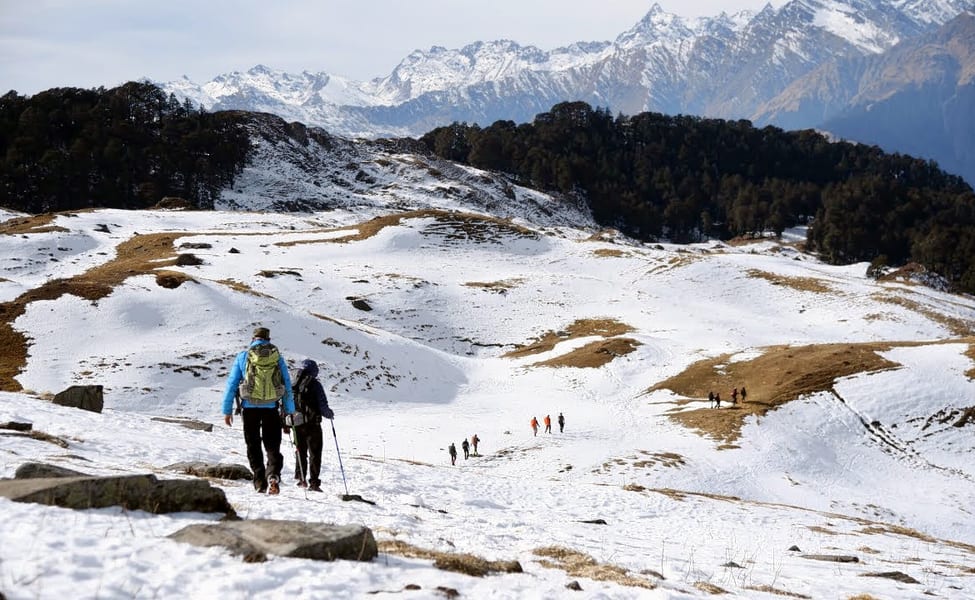
Embark on the classic ‘Curzon’s Trail’ trek for unmatched views of Himalayan giants like Nanda Devi.
Capture stunning sunrises over snow-capped peaks and experience incredible stargazing under clear night skies.
While Auli is primarily an adventure destination, its culture is deeply influenced by the Garhwali traditions of Uttarakhand. The region resonates with folk music, local festivals, and the warm hospitality of mountain communities. Spiritual undercurrents from nearby pilgrimage sites like Badrinath and Joshimath add a layer of serenity to the adventurous vibe.
Garhwali Folk Music
Devotional Songs
Classical Ragas
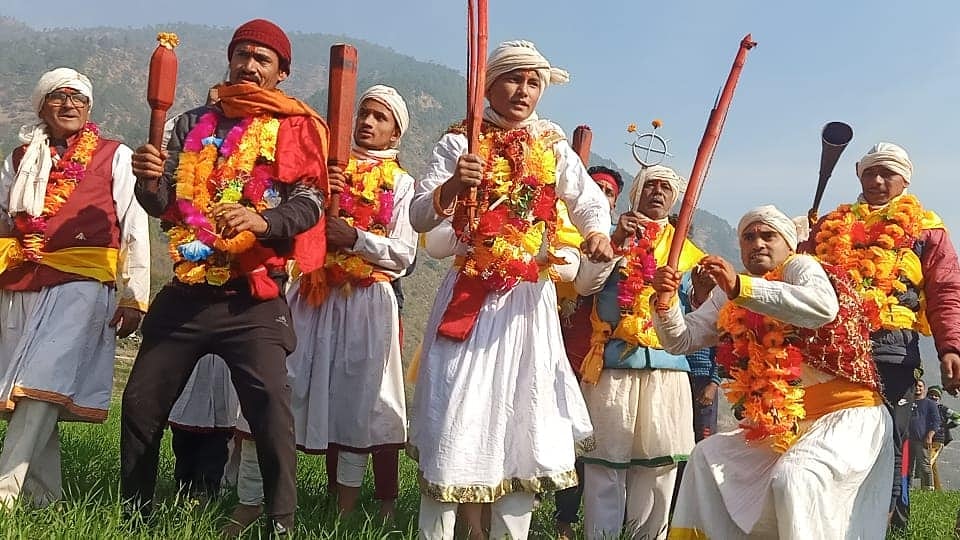
The region resonates with the soulful strains of Garhwali Folk Music, where traditional instruments like the dhol and damau accompany songs of mountain life, love, and nature. Devotional Jagars and Bhajans dedicated to local deities and gods like Shiva and Nanda Devi form the spiritual core of village rituals and temple ceremonies. While not a classical hub, the echoes of Hindustani Ragas occasionally blend with the folk traditions in local performances. Together, they weave an auditory tapestry that reflects the deep cultural roots, spiritual reverence, and rugged beauty of the Garhwal Himalayas.
Garhwali Folk Dances
Langvir Nritya
Pandava Nritya
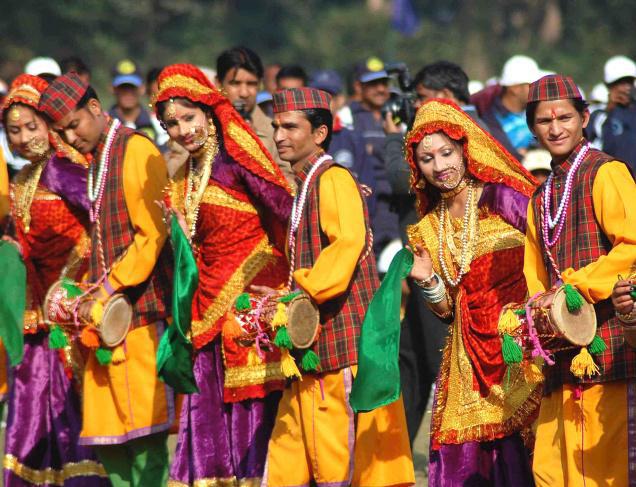
The region celebrates the vibrant energy of Garhwali Folk Dances like Jhumeila, performed in joyful circles during festivals and weddings to the rhythm of traditional drums. The acrobatic Langvir Nritya showcases male strength and agility through impressive gymnastic feats and spins. Pandava Nritya, a traditional dance-drama, brings to life stories from the Mahabharata, blending rhythmic movements with ancient Himalayan storytelling. The cultural expression also features ritualistic Devil Dances (Chhaliya), performed to ward off evil spirits during religious fairs and local ceremonies.
Auli’s vibe shifts dramatically with the seasons. In winter, it buzzes with the energetic excitement of skiers and snowboarders carving through fresh powder. In summer and autumn, it transforms into a serene, grassy bowl for trekkers and peace-seekers, where the only sounds are the wind and birds. The constant, awe-inspiring backdrop of some of the world’s highest peaks provides a profound sense of wonder and tranquility.
Auli’s heritage is not ancient but rooted in its development as a training ground for the Indo-Tibetan Border Police and later as a world-class ski destination. Its “heritage” is one of mountain resilience, adventure sports development, and the timeless natural heritage of the Garhwal Himalayas, which have been revered for millennia.
The food in Auli provides hearty, warming nourishment perfect for the cold climate, featuring simple Garhwali staples and North Indian comfort food.
Simple, flavorful spiced potatoes sautéed with local jakhiya seeds and red chilies.
A protein-rich, thick curry made from black soybeans and local spices, served with rice.
Nutritious, energy-rich flatbread made from finger millet (ragi) flour.
Iconic mountain comfort of steaming instant noodles and ginger-spiced sweet tea.
Shopping in Auli is modest, focusing on warm woolens, local handicrafts, and souvenirs from Joshimath.
Locally knitted caps, gloves, and sweaters made from warm sheep wool for the cold climate.
Intricately carved wooden decorative items and traditional rings from Joshimath markets.
Branded souvenirs like T-shirts, caps, and mugs from the Auli Ski Resort as adventure keepsakes.
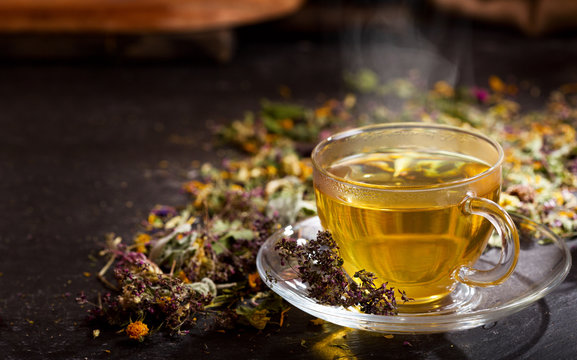
Locally sourced organic products like herbal teas, rhododendron juice, and mountain fruit jams.
The ideal time to visit Auli depends on your preferred activity. For skiing and snow sports, the best months are December to March when the slopes are covered in reliable, fresh powder. For trekking, sightseeing, and cable car rides, the optimal periods are April to June (spring-summer) and September to November (autumn), when the weather is pleasant, meadows are green or golden, and skies are clear for panoramic mountain views. It is advisable to avoid the monsoon season (July-August) due to heavy rains, landslides, and leeches on trails.
Navigating Auli is centered on its compact, pedestrian-friendly layout and the iconic cable car connection. The primary mode of access is the Auli Ropeway (Gondola) from Joshimath, which provides the most scenic and direct route to the ski slopes and main resort area. Within Auli itself, most points of interest are best reached on foot or via ski lift during winter. For travel to nearby trekking points like Gurso Bugyal or for return trips to Joshimath, shared jeeps and pre-booked taxis are the main options. Walking remains the best way to soak in the breathtaking Himalayan panoramas.
Overpriced Equipment Rentals & Ski Packages – Always confirm rental rates and lesson fees in advance, and use only official counters at the Auli Ski Resort.
Fake Adventure Guides & Trekking Operators – Hire only registered and licensed guides or book through certified travel agencies for treks and mountain activities.
Accommodation Bait-and-Switch – Be wary of online listings with misleading photos; verify your hotel or homestay location and amenities upon arrival.
Inflated Transport Charges from Joshimath – Negotiate shared taxi or private cab fares clearly before starting your journey from Joshimath to Auli.
Unauthorized "Permit" Charges for Treks – Obtain any necessary trekking permits from official forest or tourism offices only, and ignore individuals selling fake permits.